


News
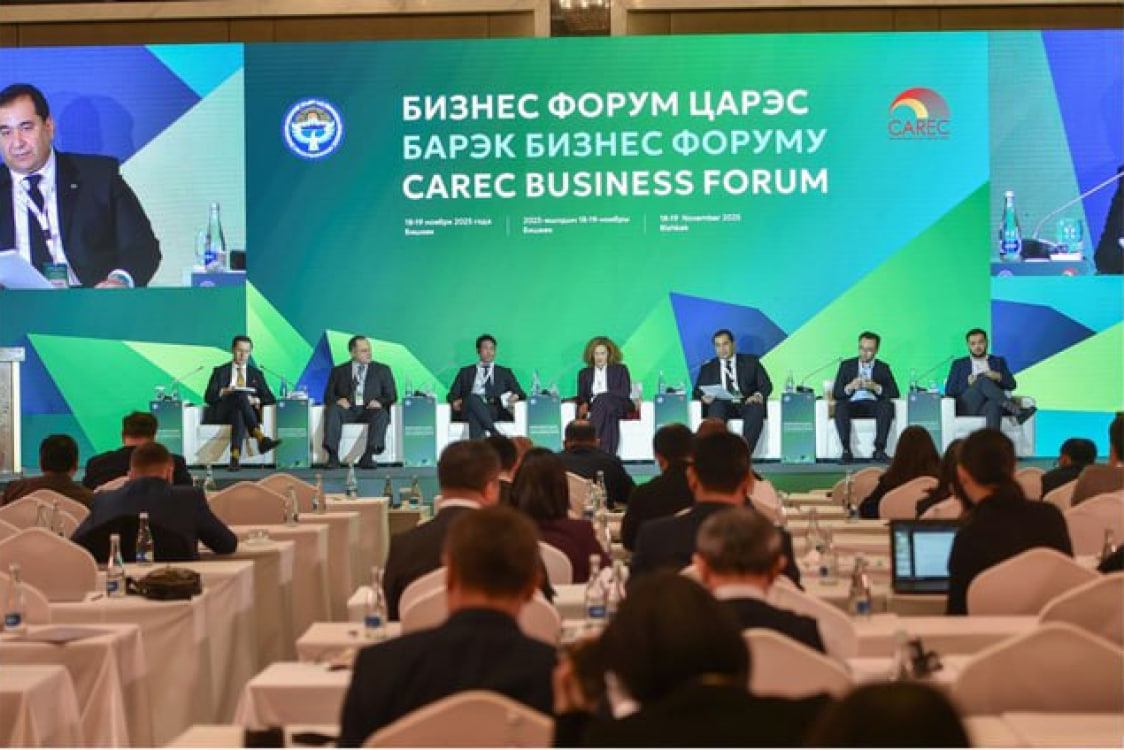
Companies from Turkmenistan have been invited to the CAREC 2026 Business Forum
24.07.2026Private companies in Turkmenistan operating in the energy, ‘smart’ transport, logistics and critical minerals extraction sectors are invited to take part in the CAREC 2026 Business Forum. The event will take place from 30 September to 1 October 2026 in Ulaanbaatar (Mongolia) under the auspices of the Asian Development Bank (ADB) as part of the 25th CAREC Ministerial Conference, according to the IIC of Turkmenistan. The forum’s programme includes plenary sessions, expert discussions and sector-specific sub-forums on infrastructure development, investment and private sector empowerment. Participants will be able to hold B2B and B2G meetings and discuss cooperation with investors, government bodies, international financial institutions and business associations from Asian and European countries. Registration for in-person attendance is open until 15 August 2026 on the official CAREC programme website.
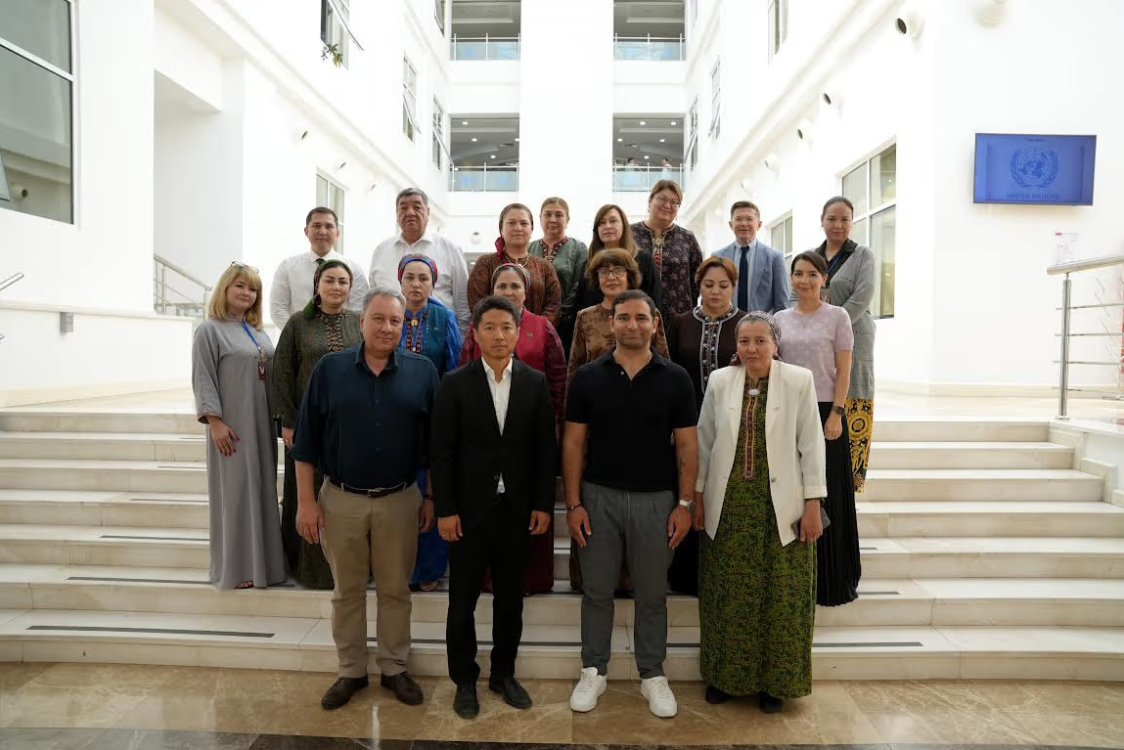
The use of MICS data in the education sector was discussed in Turkmenistan
24.07.2026UNICEF, in collaboration with the Ministry of Education of Turkmenistan, held a two-day workshop on the use of Multiple Indicator Cluster Survey (MICS) data in the planning, development and monitoring of public policy in the field of education. This was reported by the IIC of Turkmenistan. Participants were introduced to the MICS-EAGLE (Education Analysis for Global Learning and Equity) methodology, which enables the analysis of MICS data to identify barriers to quality education and ensure equal opportunities. The seminar was attended by representatives of the Mejlis of Turkmenistan, relevant ministries, the Institute of State, Law and Democracy, and other national partners. The seminar reviewed the findings of the latest MICS survey in Turkmenistan, including indicators on early childhood development, pre-school and inclusive education, out-of-school children, youth skills and ICT competencies. Practical sessions focused on data analysis and its application in informing public policy decisions. The event took place as part of UNICEF’s collaboration with the Government of Turkmenistan to build national capacity in the collection, analysis and use of data for social policy planning and monitoring.
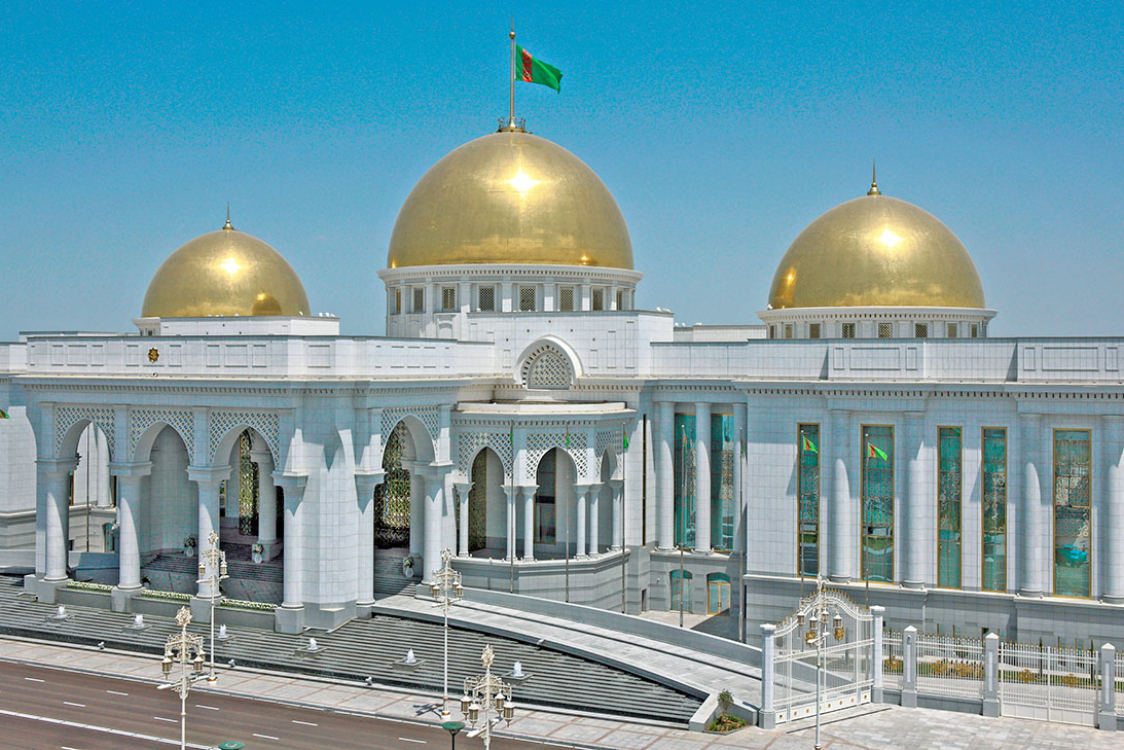
The Head of Turkmenistan has sent a message of congratulations to Shavkat Mirziyoyev
24.07.2026The President of Turkmenistan, Serdar Berdimuhamedov, has congratulated the President of the Republic of Uzbekistan, Shavkat Mirziyoyev, on his birthday, extending his sincere wishes for good health, happiness and success in his public duties. This was reported by the TDH news agency. In his congratulatory message, the Head of State noted Uzbekistan’s steady development and the strengthening of its international standing, and also highly commended Shavkat Mirziyoyev’s personal contribution to the development of traditionally friendly relations and the strategic partnership between Turkmenistan and the Republic of Uzbekistan. The President of Turkmenistan emphasised that relations between the peoples of the two countries, based on shared historical, cultural and spiritual values, serve as an example of brotherhood and will continue to be strengthened. The Head of Turkmenistan also wished the people of Uzbekistan peace and prosperity.
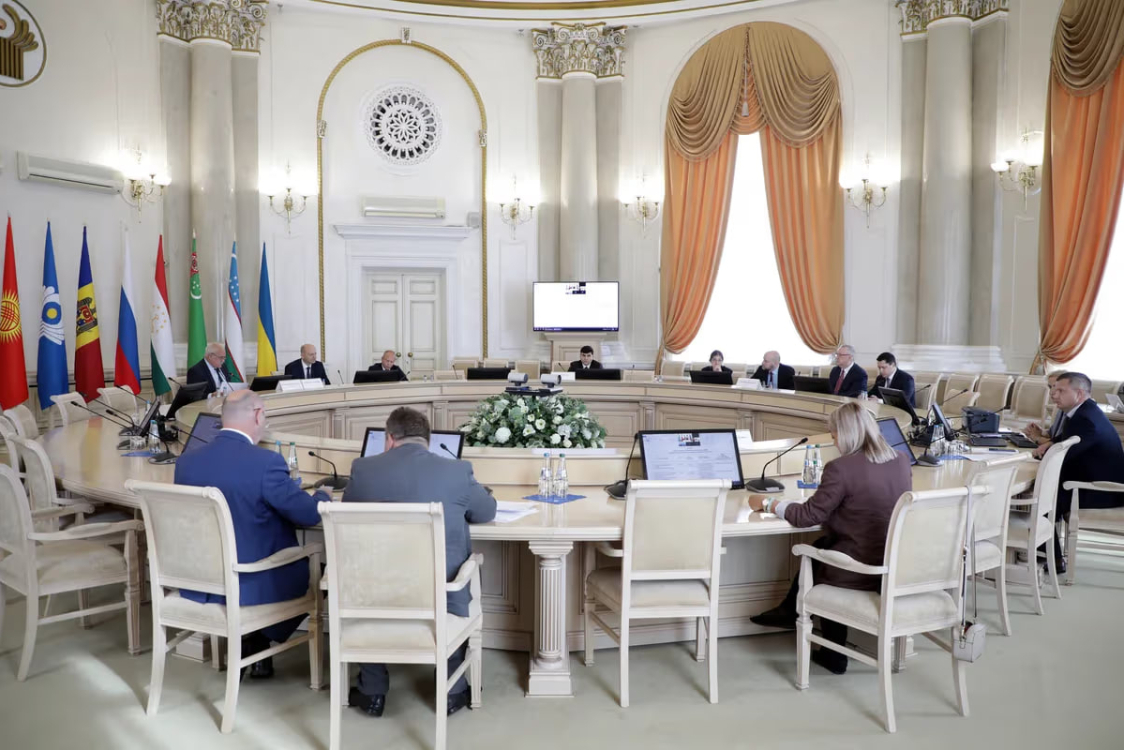
Turkmenistan took part in drawing up the plan for the CIS inter-ministerial consultations
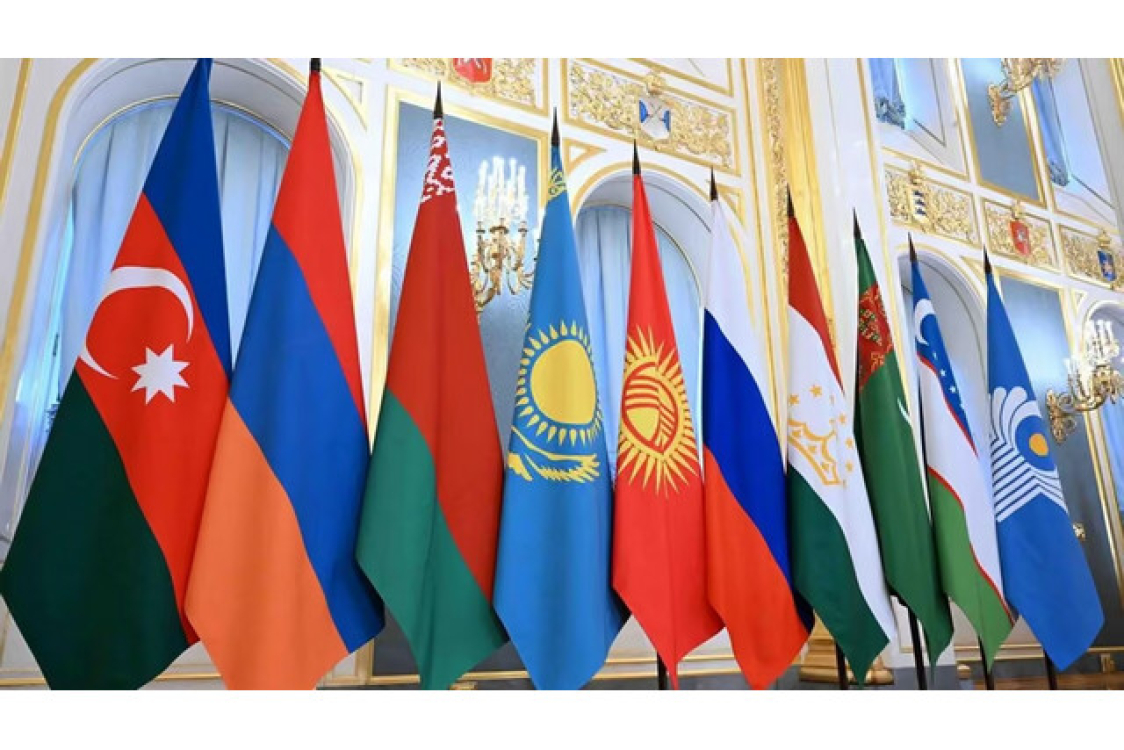
24.07.2026Representatives of Turkmenistan took part in a meeting of the expert group on the preparation of the draft Plan for Multilevel Inter-Ministerial Consultations for 2027, held on 22 July at the CIS headquarters. This was reported by the IIC of Turkmenistan. The event was also attended by representatives from Belarus, Russia, Kazakhstan, Kyrgyzstan, Tajikistan, Uzbekistan and the CIS Executive Committee. The participants reviewed and broadly agreed on the draft document, discussing issues relating to the countries’ representation at the forthcoming consultations in accordance with the decisions of the CIS Council of Foreign Affairs Ministers. The proceedings of the meeting have been forwarded to the participating states for further consideration. The next meeting of the expert group is scheduled for 19 August.
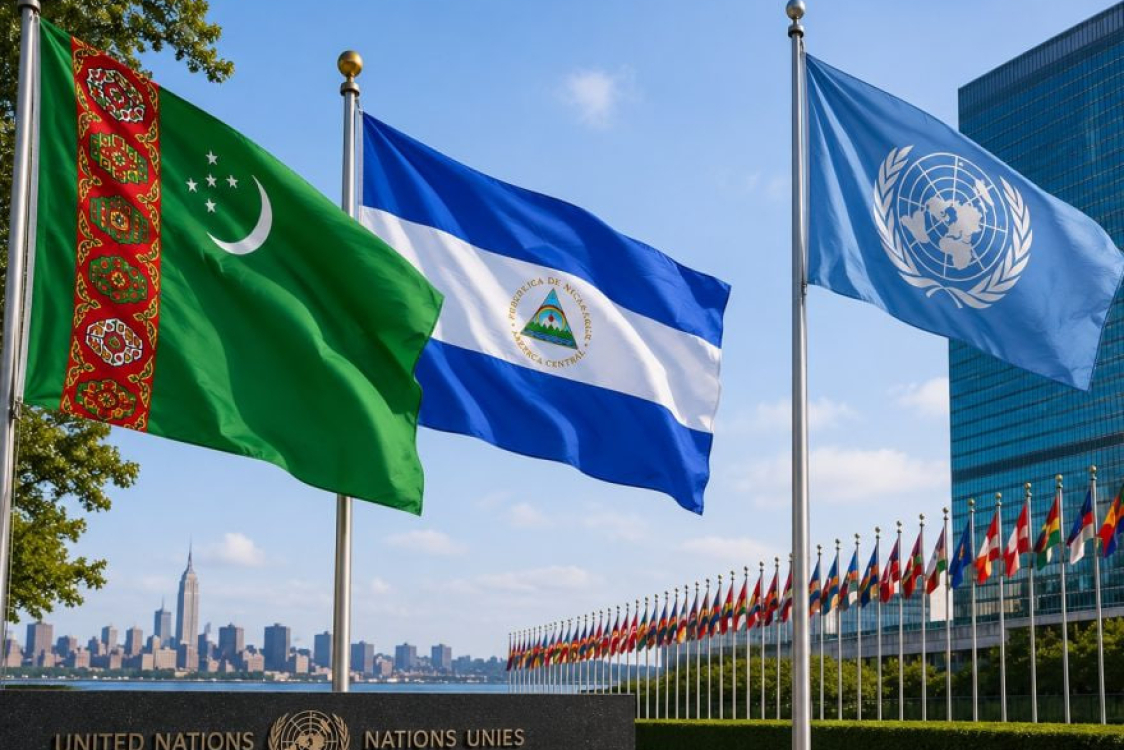
The Group of Friends of Neutrality has expanded to include 30 UN member states
24.07.2026Nicaragua has joined the Group of Friends of Neutrality for Peace, Security and Sustainable Development, established on the initiative of Turkmenistan under the auspices of the United Nations. This was reported by the press office of the Permanent Mission of Turkmenistan to the UN. Following Nicaragua’s accession to the Group, the number of its members has reached 30 UN Member States from various regions of the world. The Group of Friends of Neutrality was established by Turkmenistan in 2020 and serves as a platform for promoting multilateral dialogue on issues of neutrality, preventive diplomacy, confidence-building and the peaceful settlement of disputes in accordance with the principles of the UN Charter. As part of the Group’s activities, meetings of Permanent Representatives to the UN in New York and annual meetings at the level of Foreign Affairs Ministers are held. Nicaragua’s decision to join reflects the interest of states in Turkmenistan’s initiatives to foster a culture of peace, dialogue and international cooperation.
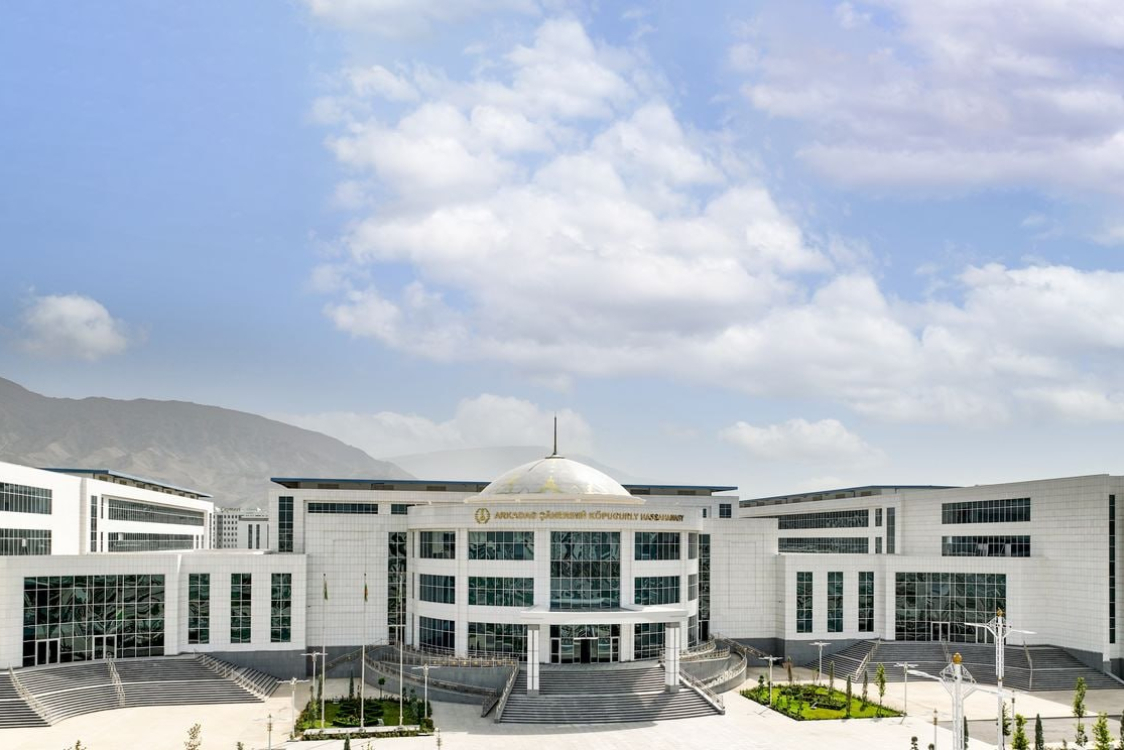
Turkmenistan is expanding its capacity for high-tech medical care
24.07.2026Specialists at the Arkadag Multidisciplinary Hospital have, for the first time in Turkmenistan, carried out complex operations, including kidney transplants, on 13 patients, who continue to lead active lives. This was announced by the Head of the city’s Health Department, Saparmyrat Annamuhammedov, according to the news website Turkmenportal. Furthermore, total shoulder replacement operations have been carried out in Arkadag for the first time in the country. Modern treatment methods, mastered by doctors during training placements abroad, are being introduced in the city’s medical facilities. The development of high-tech surgery has been made possible due to modern equipment and cooperation with foreign specialists, including those from Germany. Turkmen doctors are undergoing training in European clinics, whilst new medical technologies are being introduced as part of joint projects and the Turkmen-German Medical Forum. Some of the operations and rehabilitation programmes for children are funded by the Gurbanguly Berdimuhamedov Charitable Foundation. Medical facilities in the city of Arkadag also provide both free state-funded services and fee-based medical care with concessions for participants in the voluntary insurance scheme. The multi-specialist hospital is one of seven healthcare facilities opened in Arkadag in 2023. These include centres for oncology, maternal and child health, emergency care and other institutions.
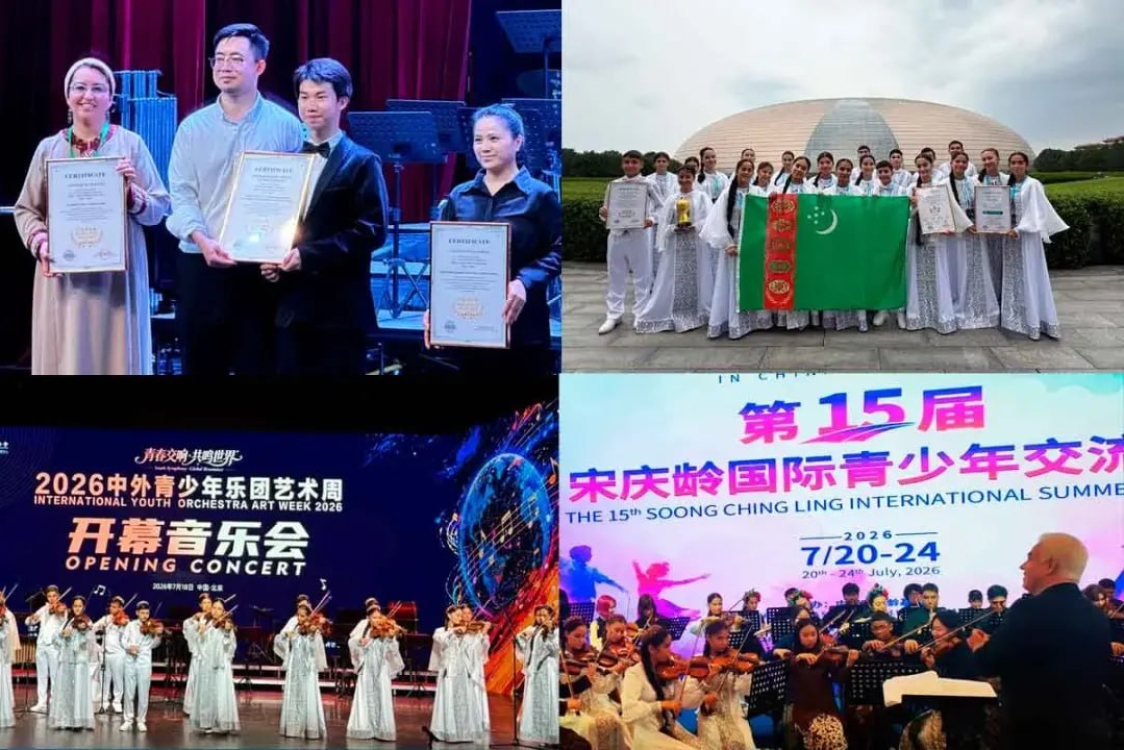
The ‘Mukam’ ensemble showcased Turkmen art at a music forum in Beijing
24.07.2026The ‘Mukam’ violin ensemble from Turkmenistan took part in the International Youth Orchestra Art Week, held in Beijing from 18 to 21 July. This was reported by the news website Turkmenportal. Ensembles and conductors from seven countries, including China, Russia, Mexico, Austria, Bulgaria and Indonesia, took part in the forum. As part of the event, the musicians performed at concerts, took part in competitions, masterclasses and joint sessions with leading conductors. The ‘Mukam’ ensemble’s performance was highly acclaimed — at the closing ceremony at the Beijing National Theatre, the ensemble was awarded the title of ‘Exemplary Orchestra’ and presented with a certificate and a trophy. The ensemble, led by Harold Neymark, People’s Artist of Turkmenistan, comprises students from the Maya Kuliyeva Turkmen National Conservatoire and students from the conservatoire’s boarding music school. Its repertoire includes around 100 works by Turkmen and foreign composers.
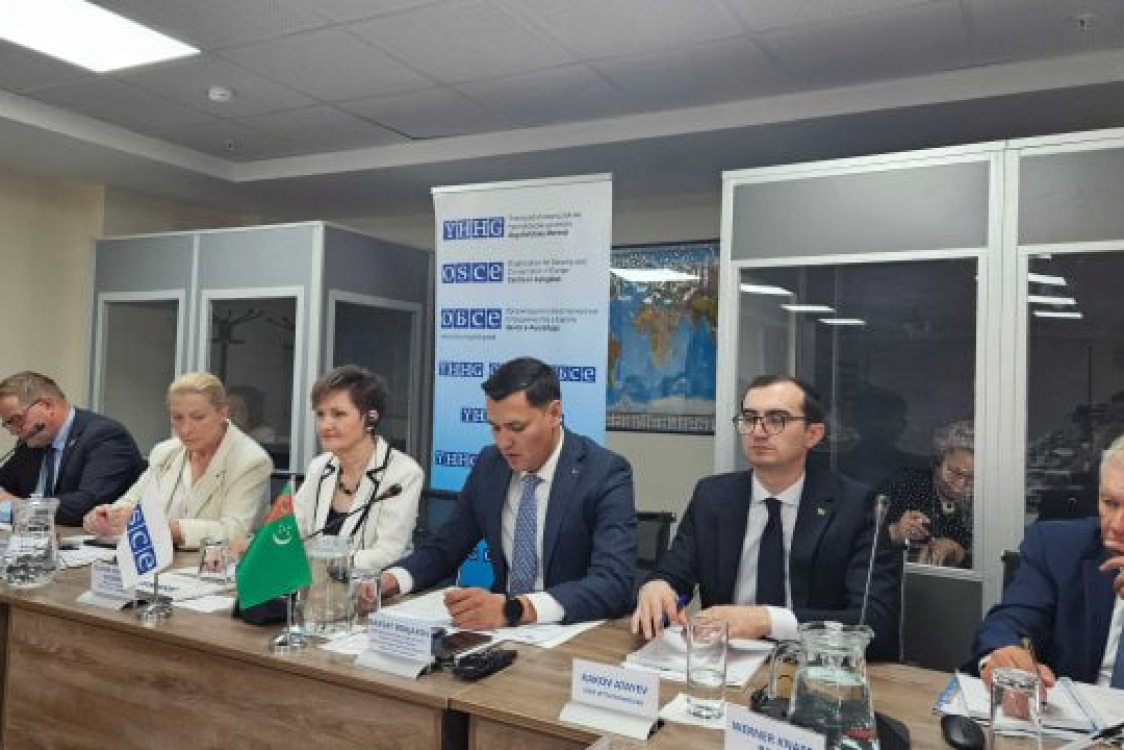
The OSCE held a seminar in Ashgabat on the implementation of UN Security Council Resolution 1540
24.07.2026From 20 to 22 July, an OSCE seminar was held in Ashgabat on the implementation of UN Security Council Resolution and the preparation of Turkmenistan’s new National Action Plan on the non-proliferation of weapons of mass destruction. This was reported by the news website Asmannews. The event was attended by more than 30 representatives of state bodies in Turkmenistan and international experts. They discussed the improvement of national security mechanisms, exchanged regional experiences and considered recommendations for the development of a new action plan, taking into account contemporary threats.
Turkmenistan is developing a digital library system
24.07.2026In Turkmenistan, the modernisation of the library system, the development of digital technologies and the creation of a unified electronic network are continuing as part of the ‘State Programme for the Development of the Library Sector in Turkmenistan for 2025–2029’. This was reported by the news agency ‘Turkmenistan: Golden age’. One of the key priorities is to expand the collections of electronic libraries and improve the quality of citizens’ access to information resources. The digitalisation of the library sector is helping to introduce modern standards, foster a culture of reading and broaden educational opportunities for the population. Today, users have access to electronic versions of books, audiobooks and magazines covering a wide range of subjects. One of the key tools in this work is the digital library of the State Library of the State Cultural Centre of Turkmenistan — ekitap.gov.tm. Its user base continues to grow, and the platform provides convenient access to the digital collection via a registration system. The digital library operates in accordance with Article 11 of the Law of Turkmenistan ‘On Libraries and Librarianship’. Its collections include works by the National Leader of the Turkmen people, Chairman of the Halk Maslahaty of Turkmenistan Gurbanguly Berdimuhamedov, and President of Turkmenistan Serdar Berdimuhamedov, as well as fiction, academic, educational and children’s literature. This digital resource helps to promote reading and develop the educational environment.
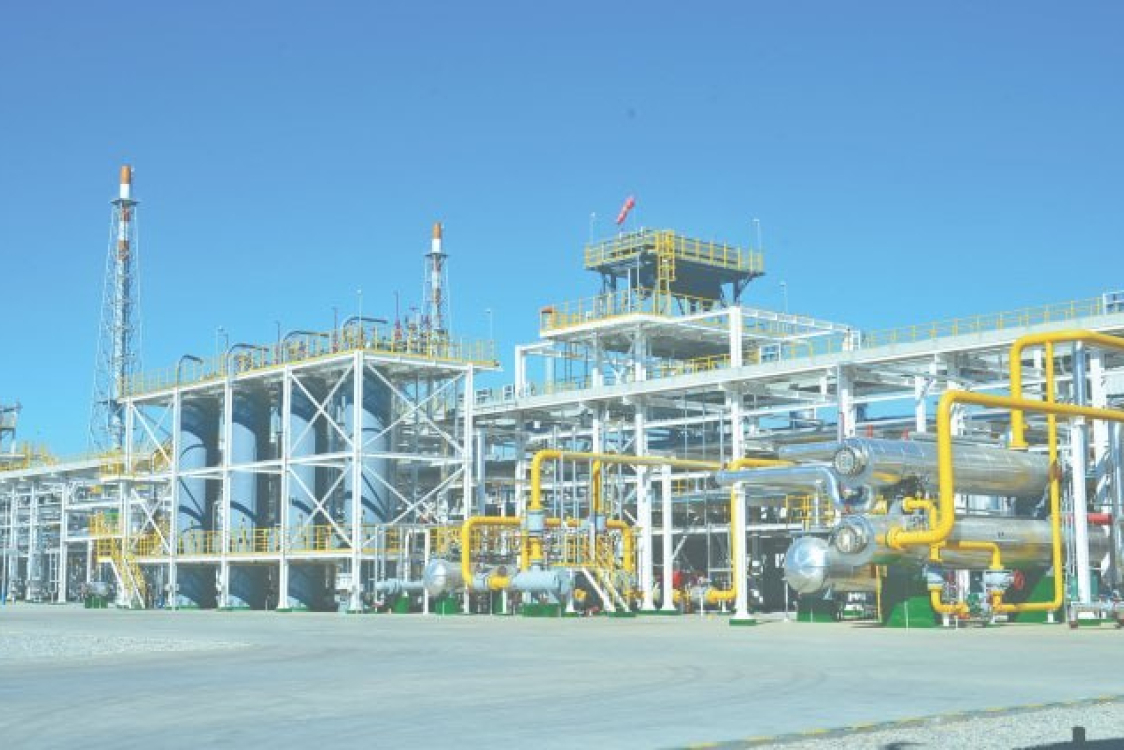
The ‘Galkynyş’ field opens up new prospects for Turkmenistan’s gas industry
24.07.2026The ‘Galkynyş’ gas field has become a key factor in the transformation of Turkmenistan’s energy sector and one of the cornerstones of the country’s economic stability. This is reported by the news website Asmannews. Its commercial development strengthens the state’s position in the global energy market and expands opportunities for international cooperation. In 2013, the launch of the first gas purification and processing complex marked the start of a new phase in the field’s development. Today, ‘Galkynyş’ is the main source of gas for the ‘Turkmenistan–China’ gas pipeline, ensuring consistent supplies along three routes. Development of the field continues, with projects underway to build new processing facilities and drill production wells. The development of ‘Galkynyş’ is contributing to industrial growth, job creation and infrastructure modernisation in the Mary velayat. The project’s successful implementation is the result of cooperation with international partners and the professionalism of Turkmen specialists. Looking ahead, the further expansion of gas routes and processing capacity will enable ‘Galkynyş’ to remain one of the main drivers of economic development in Turkmenistan and the region.
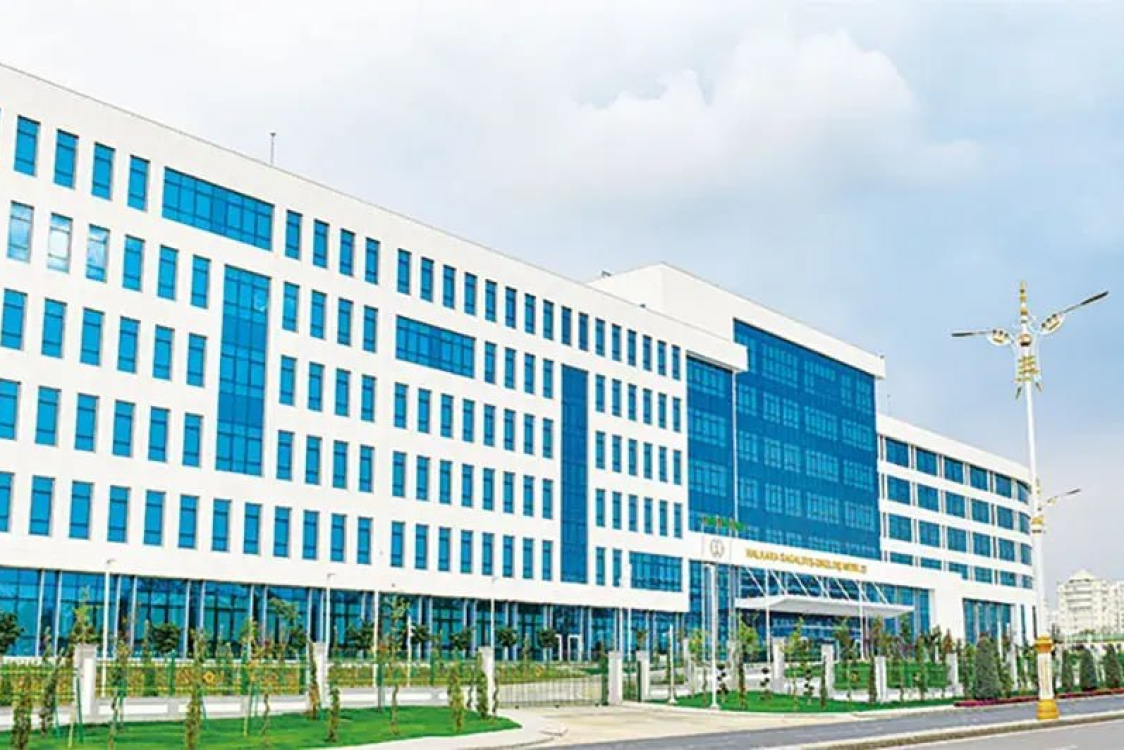
Doctors from Germany have arrived in Ashgabat to share their expertise in the field of healthcare
24.07.2026German specialists from the Maximilian Ludwig University Hospital in Munich (Germany) have arrived in Turkmenistan on a working visit. This was reported by the news website Turkmenportal. At the International Centre for Healthcare and Rehabilitation in Ashgabat, representatives from the two countries are exchanging professional expertise, with a particular focus on the introduction of modern digital medical technologies for disease prevention and the organisation of rehabilitation care. During the visit, doctors from Germany also organised training courses for Turkmen specialists on the prevention, diagnosis and treatment of sleep disorders.

Turkmenistan plans to introduce technologies for collecting and utilising rainwater
23.07.2026The project office of the Regional Environmental Centre for Central Asia (CAREC) in Turkmenistan, in collaboration with the Central Asian Institute for Ecological Research in Kazakhstan, has begun developing a project to introduce systems for the collection and reuse of rainwater. This was reported by IIC of Turkmenistan. Ashgabat and the ‘Awaza’ National Tourist Zone have been selected as pilot sites. The plan is to implement engineering solutions here for the collection, treatment and use of rainwater for watering green spaces. In the near future, the partners intend to sign a memorandum of cooperation and prepare an application to secure international funding. The project may subsequently be scaled up to other regions of the country.
Read also
Advertising

 Read us in Zen


