



News
Oguljahan Atabayeva highlighted the importance of environmental education for young people
21.10.2026On October 20, Oguljahan Atabayeva, Vice President for Medical Affairs of the Gurbanguly Berdimuhamedov Charitable Foundation for Assistance to Children in Need of Guardianship, spoke at the opening of the international art exhibition «Mother Nature» in Ashgabat. The exhibition was organized by the Heydar Aliyev Foundation of the Republic of Azerbaijan with the support of the Gurbanguly Berdimuhamedov Charitable Foundation, TDH reports. In her speech, Oguljahan Atabayeva emphasized the importance of cultural and humanitarian cooperation, environmental protection, and environmental education for young people. She noted that the exhibition aims to raise public awareness of nature conservation and the sustainable use of natural resources. Oguljahan Atabayeva highlighted Turkmenistan’s commitment to environmental protection and its initiatives within the United Nations aimed at safeguarding the environment, mitigating the effects of climate change, and achieving the Sustainable Development Goals. The Vice President also underscored the importance of environmental education for younger generations. Oguljahan Atabayeva stressed the need to instill in children a respectful attitude toward nature, an understanding of the value of natural resources, and a willingness to participate actively in environmental protection efforts. According to Oguljahan Atabayeva, children’s health and all-round development are closely linked to the state of the environment. Families, educational institutions, and the wider community all play an important role in fostering environmental awareness. The Vice President further noted that art helps strengthen mutual understanding among peoples, bring cultures closer together, and promote universal human values. In this regard, the Mother Nature exhibition serves as a platform for cultural exchange and raising awareness of environmental issues. Oguljahan Atabayeva invited Ashgabat residents and visitors to attend the exhibition, which will run until November 30. She noted that the artworks, spanning various genres, could inspire new perspectives on environmental protection and creative approaches to addressing environmental challenges.
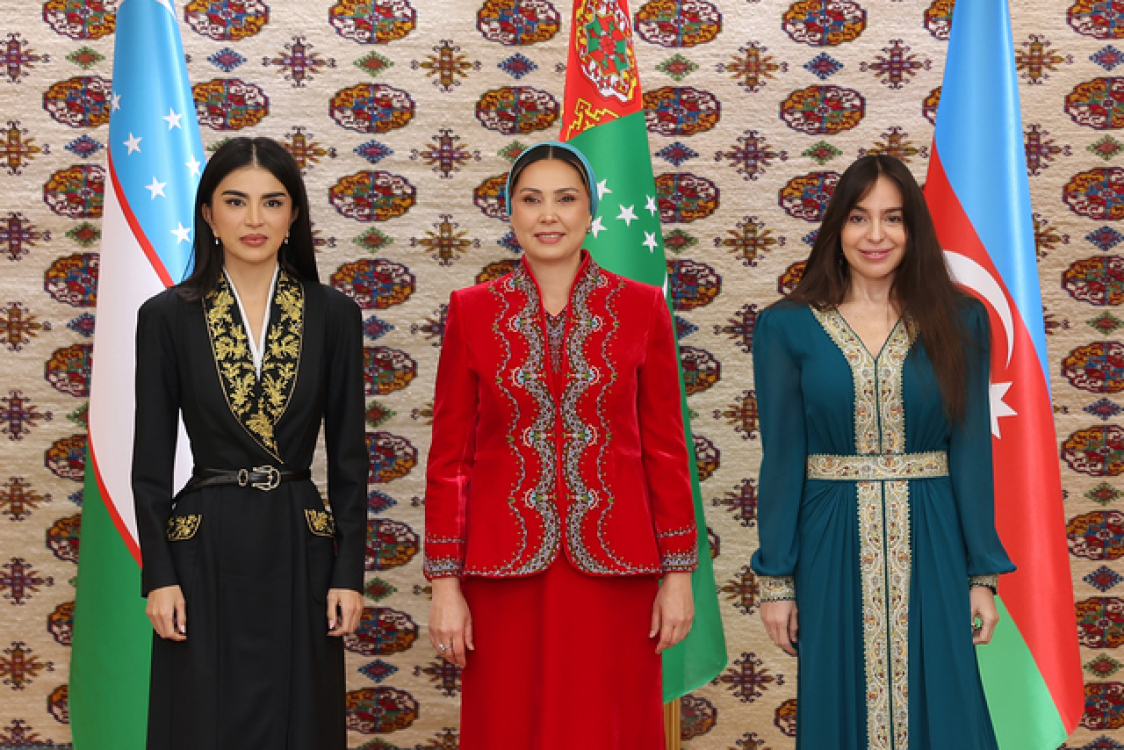
Turkmenistan, Azerbaijan and Uzbekistan are developing humanitarian cooperation
21.10.2026A trilateral meeting was held on October 20 at the Oguzkent Hotel, bringing together Oguljahan Atabayeva, Vice President for Medical Affairs of the Gurbanguly Berdimuhamedov Charitable Foundation for Assistance to Children in Need of Guardianship; Leyla Aliyeva, Vice President of the Heydar Aliyev Foundation of the Republic of Azerbaijan; and Saida Mirziyoyeva, Head of the Presidential Administration of the Republic of Uzbekistan. This was reported by the TDH state news agency. The participants discussed the development of cultural and humanitarian cooperation, environmental initiatives, and joint projects. Oguljahan Atabayeva highlighted the fraternal and good-neighborly relations between the countries, emphasizing their shared historical roots, languages, and cultural values. Particular attention was given to environmental protection, including Turkmenistan’s National Forest Programme, under which large-scale tree-planting campaigns are held every spring and autumn. The Vice President of the Charitable Foundation also stressed the importance of initiatives to establish a Regional Centre for Climate Change Technologies and a Regional Centre for Combating Desertification in Central Asia. Efforts to improve environmental awareness among young people were also highlighted. Leyla Aliyeva thanked the Turkmen side for its hospitality and the organization of the events. The Vice President of the Heydar Aliyev Foundation praised the work of the Gurbanguly Berdimuhamedov Charitable Foundation and Turkmenistan’s environmental initiatives. Leyla Aliyeva also noted the potential for exchanging experience and implementing joint environmental projects. In turn, the Head of the Presidential Administration of the Republic of Uzbekistan highlighted the development of cultural and humanitarian ties between Turkmenistan and Uzbekistan and emphasized the importance of the Gurbanguly Berdimuhamedov Charitable Foundation. Saida Mirziyoyeva also underscored the role of large-scale tree-planting campaigns in protecting the environment and fostering environmental responsibility among young people. The participants emphasized the potential of the Mother Nature international art exhibition to strengthen cultural ties and expand cooperation in environmental protection. Following the meeting, the participants proceeded to the State Academy of Arts of Turkmenistan.
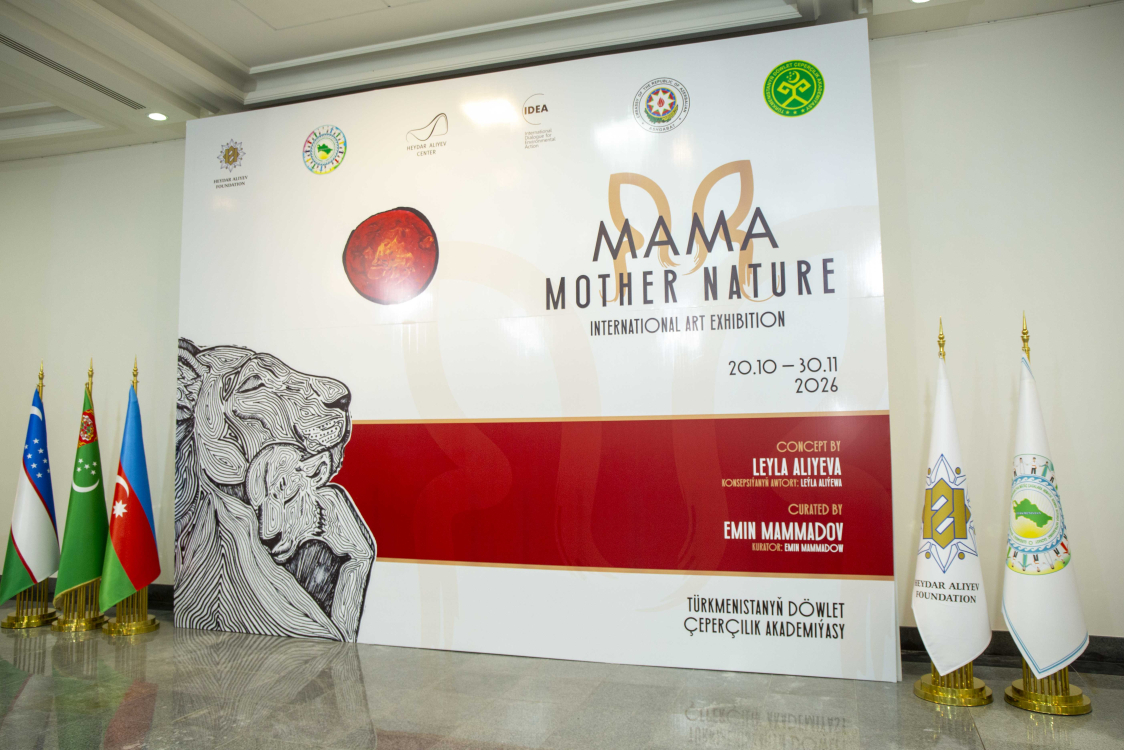
Ashgabat hosts the international art exhibition "Mother Nature"
21.10.2026An international art exhibition titled “Mother Nature” opened in Ashgabat on October 20. The event was organized by the Heydar Aliyev Foundation of the Republic of Azerbaijan, with the support of the Gurbanguly Berdimuhamedov Charitable Foundation for Assistance to Children in Need of Guardianship. The opening ceremony was attended by Oguljahan Atabayeva, Vice President of the Charitable Foundation; Leyla Aliyeva, Vice President of the Heydar Aliyev Foundation; and Saida Mirziyoyeva, Head of the Presidential Administration of the Republic of Uzbekistan, according to the TDH news agency. Prior to the opening, Oguljahan Atabayeva, Leyla Aliyeva and Saida Mirziyoyeva held a trilateral meeting. They discussed the development of cultural and humanitarian cooperation, environmental initiatives and opportunities for joint projects. Oguljahan Atabayeva highlighted the exhibition’s role in strengthening ties between the countries and raising environmental awareness among young people. Leyla Aliyeva emphasized the potential for sharing experience in environmental protection and promoting a responsible attitude towards nature. Saida Mirziyoyeva noted the development of cultural and humanitarian relations between Turkmenistan and Uzbekistan, as well as the importance of joint environmental initiatives. Speaking at the opening ceremony, Oguljahan Atabayeva said the exhibition was the result of cooperation between the Gurbanguly Berdimuhamedov Charitable Foundation for Assistance to Children in Need of Guardianship and the Heydar Aliyev Foundation. She noted that art helps foster mutual understanding between peoples, while the theme of nature brings together issues of environmental well-being and sustainable development. The Vice President of the Charitable Foundation stressed that environmental protection, the rational use of natural resources and mitigating the effects of climate change are among the priorities of Turkmenistan’s state policy. Oguljahan Atabayeva also highlighted the role of families, educational institutions and the wider community in teaching children to love nature and care for the environment. Leyla Aliyeva thanked the Turkmen side for its support in organizing the exhibition and expressed confidence that the event would expand international cooperation on environmental issues. The Vice President of the Heydar Aliyev Foundation also underscored the importance of joint initiatives in encouraging young people to adopt a responsible attitude towards nature. The exhibition features works by Azerbaijani artists and designers celebrating the beauty of nature, the diversity of animal and plant life, and the need to preserve it. The exhibition hall also showcases works by Turkmen artists, handicrafts made by local women and examples of traditional national clothing. A special highlight of the programme was a demonstration of the traditional üme gathering, which symbolizes unity and mutual support. Performances by young artists added to the opening ceremony. The international exhibition “Mother Nature” will remain open in Ashgabat until November 30, 2026. The organizers expect the exhibition to encourage the exchange of experience, strengthen cultural and humanitarian ties, and raise public awareness—particularly among young people—of environmental protection. Following the opening ceremony, Oguljahan Atabayeva, Leyla Aliyeva and Saida Mirziyoyeva visited the National Museum of Turkmen Carpet. The guests learned about the history of Turkmen carpets, the distinctive features of traditional carpet weaving and the colour schemes used in traditional designs. A showcase of Turkmen national clothing was also held, featuring a blend of traditional elements and contemporary trends. At Ashgabat International Airport, Oguljahan Atabayeva saw off Leyla Aliyeva and Saida Mirziyoyeva. The guests thanked the Turkmen side for organizing the events and for its hospitality, noting that the visit had left them with warm memories.
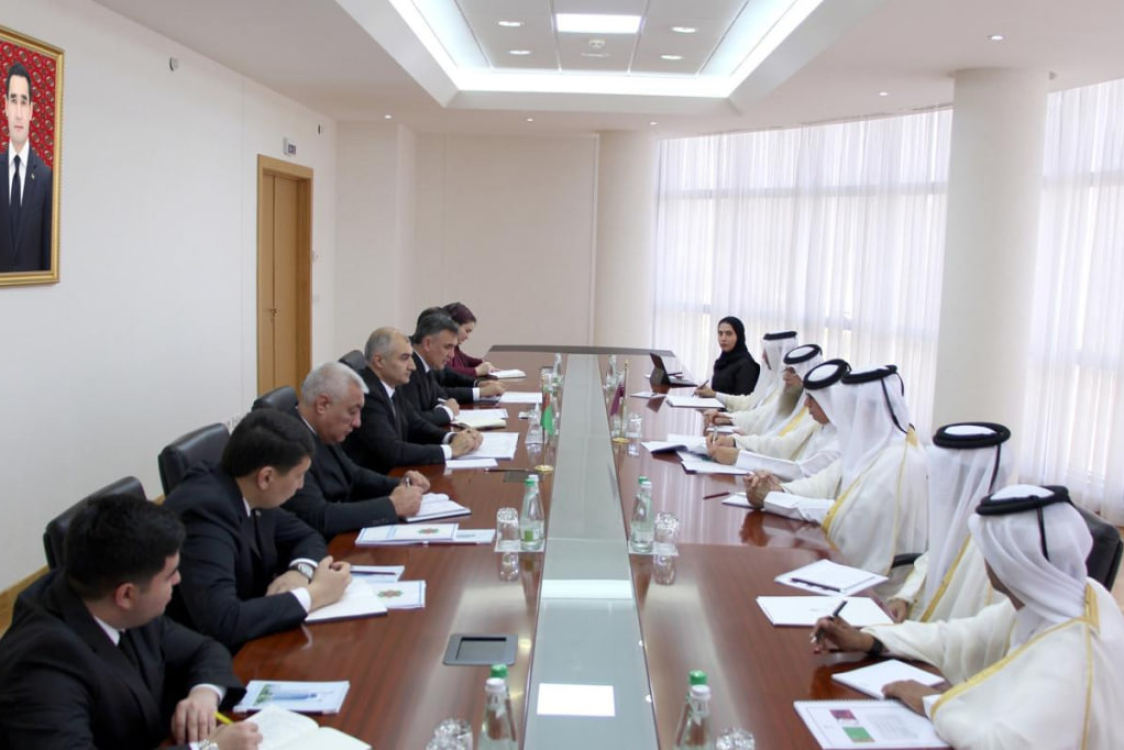
Turkmenistan and Qatar held political consultations in Ashgabat
20.10.2026Political consultations between the foreign ministries of Turkmenistan and the State of Qatar were held in Ashgabat on October 20. The Turkmen delegation was led by Deputy Foreign Minister Ahmet Gurbanov, while the Qatari delegation was headed by Minister of State for Foreign Affairs Sultan bin Saad Al Muraikhi, the press service of the Ministry of Foreign Affairs of Turkmenistan reported. The discussions focused on developing political and diplomatic dialogue, arranging mutual visits at the highest and high levels, strengthening the legal and treaty framework, and cooperation within the United Nations. In trade and economic relations, the sides explored opportunities to expand business ties, investment cooperation, and joint projects. They highlighted the importance of organizing business forums, meetings, and roundtable discussions. Particular attention was given to energy, digital development, and tourism. The Joint Turkmen-Qatari Intergovernmental Commission on Trade and Economic Cooperation was identified as playing a key role in advancing bilateral cooperation. The participants also discussed current regional and international issues of mutual interest, as well as ways to strengthen cultural and humanitarian ties, including through cultural days and cooperation in education and sports. Following the consultations, both sides reaffirmed their commitment to further strengthening the Turkmen-Qatari partnership based on mutual respect and consideration of the interests of both countries.

ALI humanoid robot to be showcased at OGT 2026 in Turkmenistan
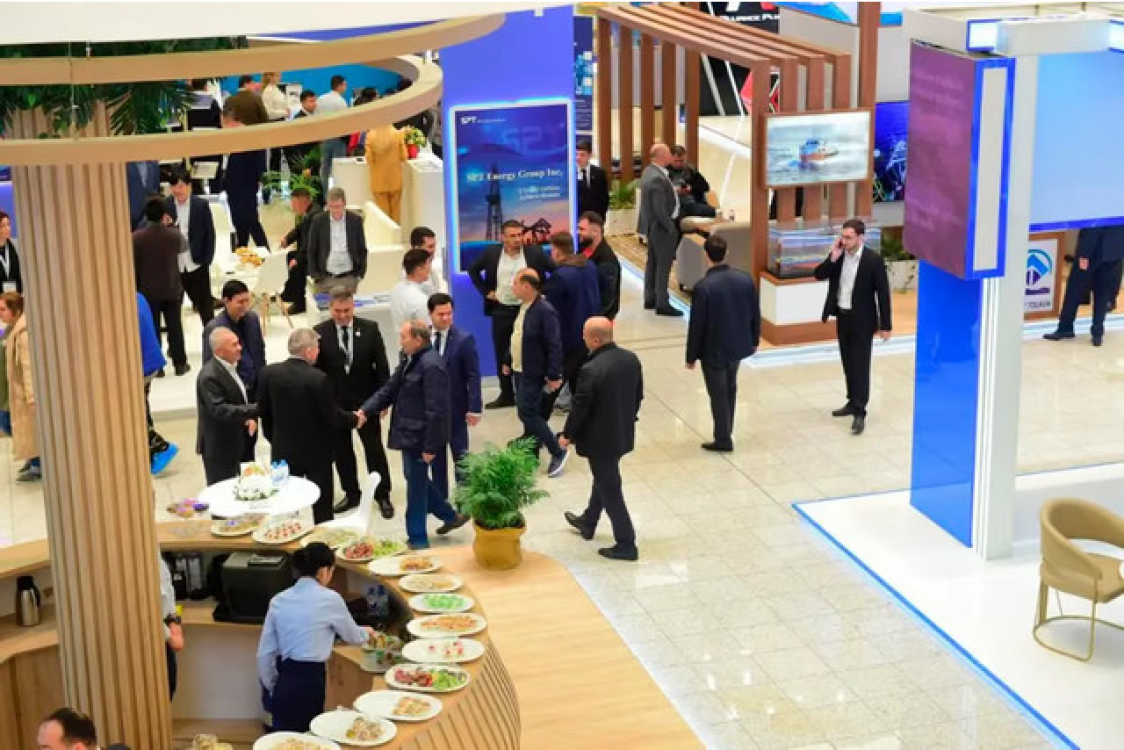
20.10.2026The 31st International Conference and Exhibition “Oil and Gas of Turkmenistan – OGT 2026” will take place from October 21 to 23 at the Chamber of Commerce and Industry of Turkmenistan. One of the event’s technological highlights will be ALI, a humanoid robot powered by artificial intelligence. Thıs was reported by IIC of Turkmenıstan. The robot was developed by Chinese company Unitree Robotics on the Unitree G1 platform. ALI stands for Artificial Learning & Intelligence. At the exhibition, the robot will serve as a digital representative of innovative technologies. ALI will welcome international delegates and visitors, answer questions about the event program, and help attendees navigate the exhibition pavilions. The robot will also present the work of key enterprises in Turkmenistan’s fuel and energy sector, including the state concerns Turkmengas and Turkmennebit and the state corporation Turkmengeology. The business program will include presentations featuring the robot to demonstrate how robotics, machine learning, and intelligent sensors can be applied to hydrocarbon exploration, production, and transportation. According to the organizers, ALI’s participation reflects Turkmenistan’s fuel and energy sector’s commitment to digital transformation and the automation of production processes.
DevFest Ashgabat 2026 will bring together developers and technology enthusiasts
20.10.2026DevFest Ashgabat 2026, the annual technology festival, will take place on November 22 at Bilelik Hub, a creative space located in Ashgabat Mall. According to the Orient news agency, the event is organized by the volunteer community GDG Ashgabat, which expects more than 150 participants. DevFest is a free conference for developers, students, entrepreneurs, and anyone interested in emerging technologies. This year’s theme is “Build, Secure, Scale: Developers and Builders in the Agentic Era.” The program will feature expert talks on artificial intelligence, software development, startups, and cybersecurity. Participants will also be able to attend hands-on workshops on building software with AI agents and protecting code against security threats, take part in team competitions with prizes, and network with representatives of technology companies in the partner zone. Google Developer Groups (GDG) has been active in Ashgabat since 2020 and brings together more than 1,400 members. Admission to the festival is free, but advance registration is required. Applications can be submitted via the official registration link.
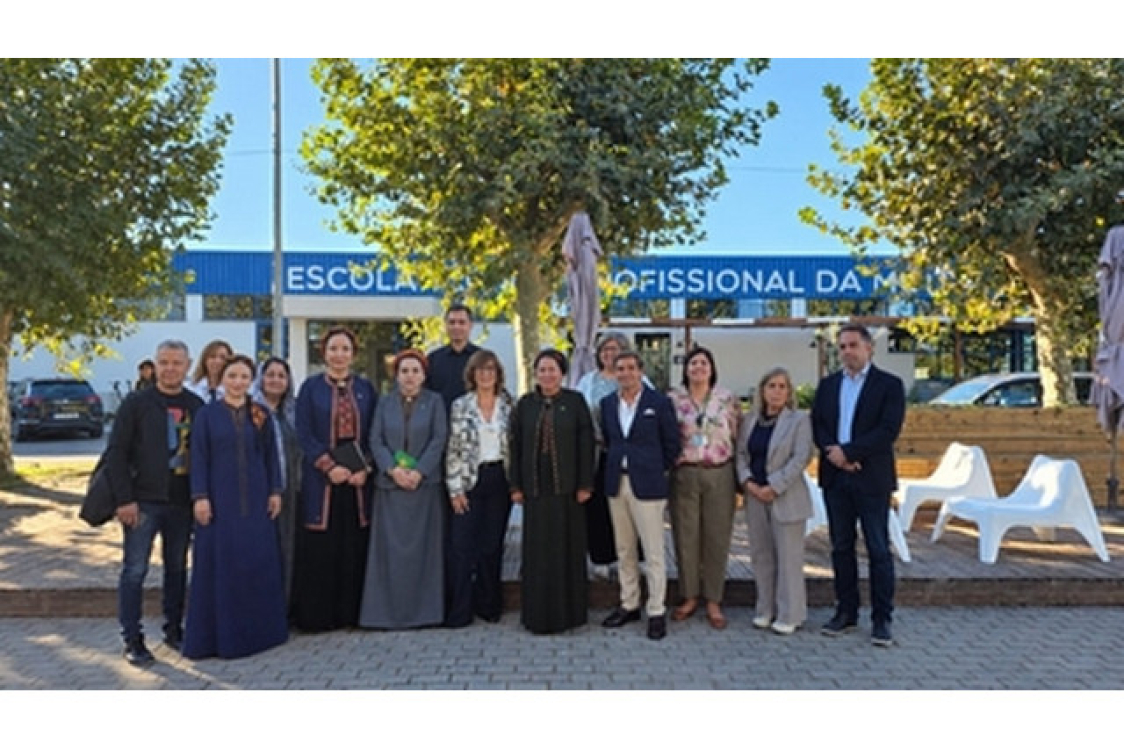
A delegation from Turkmenistan is studying the inclusive education system in Portugal
20.10.2026From October 18 to 24, representatives of Turkmenistan’s education sector are on a study visit to Portugal, organized with the support of the United Nations Children’s Fund (UNICEF). The visit aims to explore international best practices in inclusive education and improve support systems for people with disabilities, according to the press service of Turkmenistan’s Ministry of Education. The delegation includes representatives of the Ministry of Education of Turkmenistan, the principal of Ashgabat’s Specialized Secondary School No. 74, and the head of Kindergarten No. 111. During the visit, the specialists are visiting educational institutions and inclusive learning centers. Participants are learning about collaborative approaches involving teachers, psychologists, and speech therapists in developing individualized education plans. They are also examining ways to adapt curricula and school buildings to meet the needs of children with special educational needs. Particular attention is being paid to integrating children with special educational needs into mainstream schools and kindergartens, creating accessible learning environments, and providing comprehensive support for students. The experience gained during the visit could help further improve Turkmenistan’s inclusive education system and expand support for children with disabilities and their families.
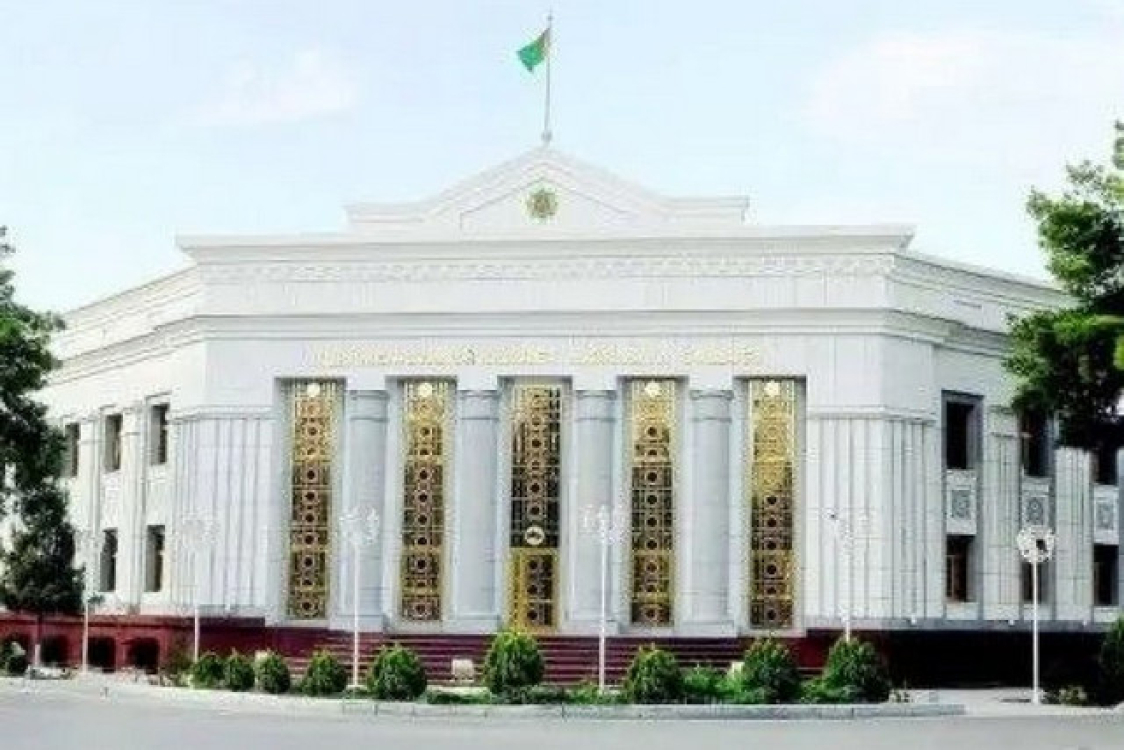
Turkmen specialists receive training on border management in China
20.10.2026On October 18, an international training seminar for specialists from the migration and border services of Central Asian countries began in the city of Changji, People's Republic of China. Representatives of the State Migration Service of Turkmenistan and international experts are participating in the event, the agency's press service reports. The program is aimed at improving specialists' qualifications and studying international standards for integrated border management. Participants are learning about strategic planning and risk assessment methods, as well as discussing interagency cooperation, improvements to control procedures, and the application of international experience in migration and border security. The seminar will run until November 1.
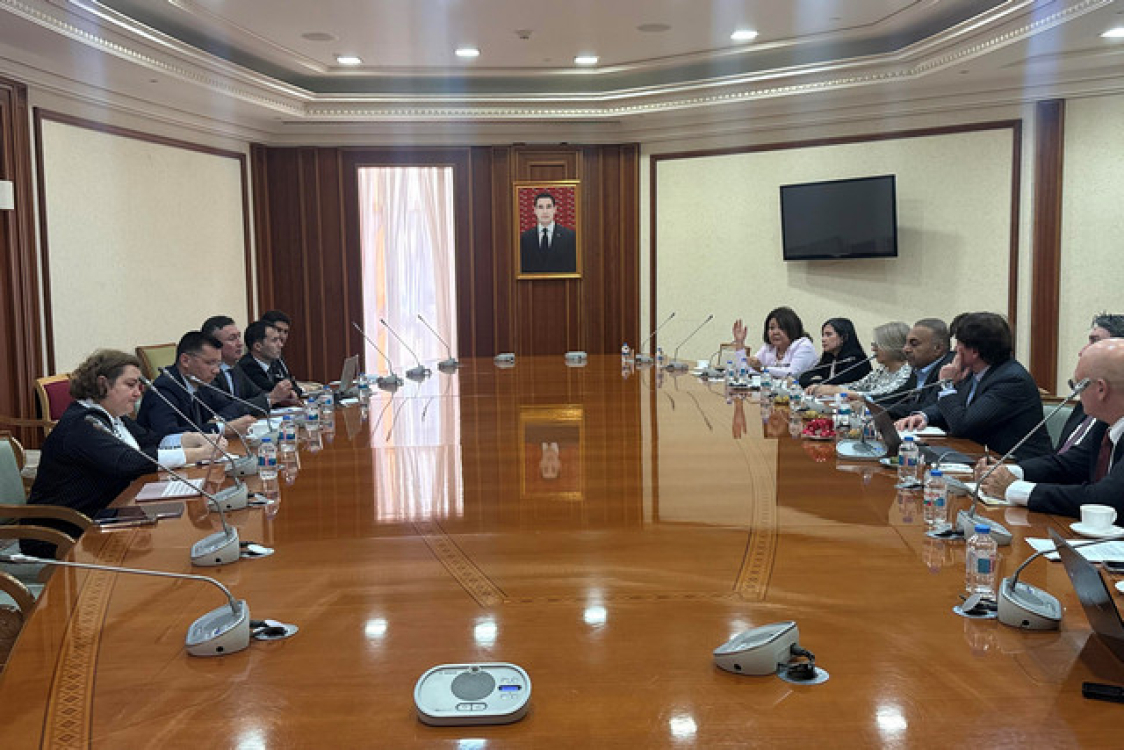
Turkmenistan and the ADB discussed preparations for WTO accession
20.10.2026A mission from the Asian Development Bank (ADB), headed by Asad Alim, regional head for integration and cooperation at the Central and West Asia Department, is visiting Ashgabat. Talks with representatives of government agencies are focused on Turkmenistan's preparations for joining the World Trade Organization (WTO). This was reported by Orient. The meetings will continue until October 24. Representatives of the Ministry of Finance and Economy, the Ministry of Trade and Foreign Economic Relations, the State Customs Service, and the Main State Service “Turkmenstandartlary” will discuss institutional reforms, the preparation of a Memorandum on the Foreign Trade Regime, and the development of legislation in line with WTO requirements. The parties also plan to identify priority areas for technical assistance from the ADB and the Central Asia Regional Economic Cooperation (CAREC) Program. Part of the programme is dedicated to supporting the private sector. On October 21–22, a practical workshop for Turkmen entrepreneurs will be held at the Yyldyz Hotel. Participants will learn about WTO mechanisms, international trade requirements, and export opportunities arising from the harmonisation of trade standards.
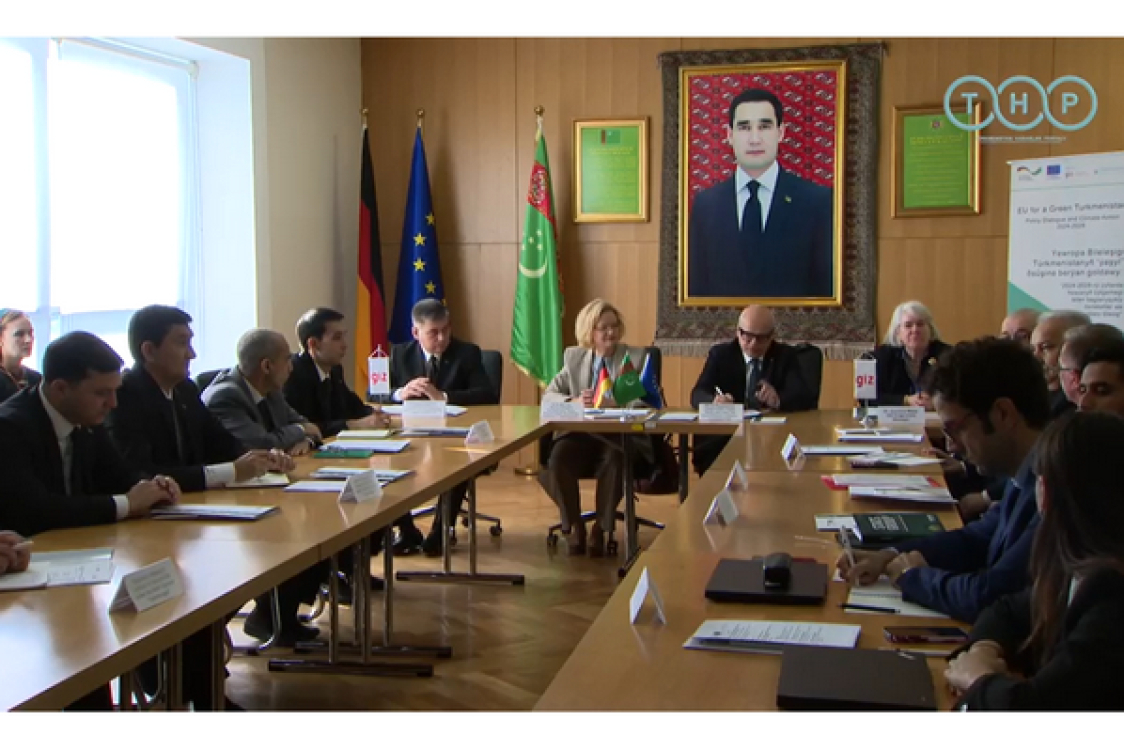
Training on the implementation of LDAR systems has begun in Turkmenistan
20.10.2026At the Research Institute of Natural Gas of the state concern «Turkmengaz», equipment was handed over and training began on the implementation of LDAR systems for detecting and eliminating methane leaks. The project is being implemented as part of the program of the European Union and the German Society for International Cooperation (GIZ) «Green Development of Turkmenistan», reports the IIC of Turkmenistan. German Ambassador Petra Dachtler, Deputy Head of the EU Delegation Maciej Madalinski and Institute Director Bayrammyrat Pirniyazov signed a protocol on the transfer of technologies. During the event, the Spanish company SENSIA Solutions demonstrated an optical gas imaging (OGI) camera that enables methane leaks to be detected in real time using an infrared sensor. As part of the practical training, Turkmen engineers and environmental specialists are learning how to operate leak detection equipment. The implementation of this technology will help reduce raw material losses and lower greenhouse gas emissions.
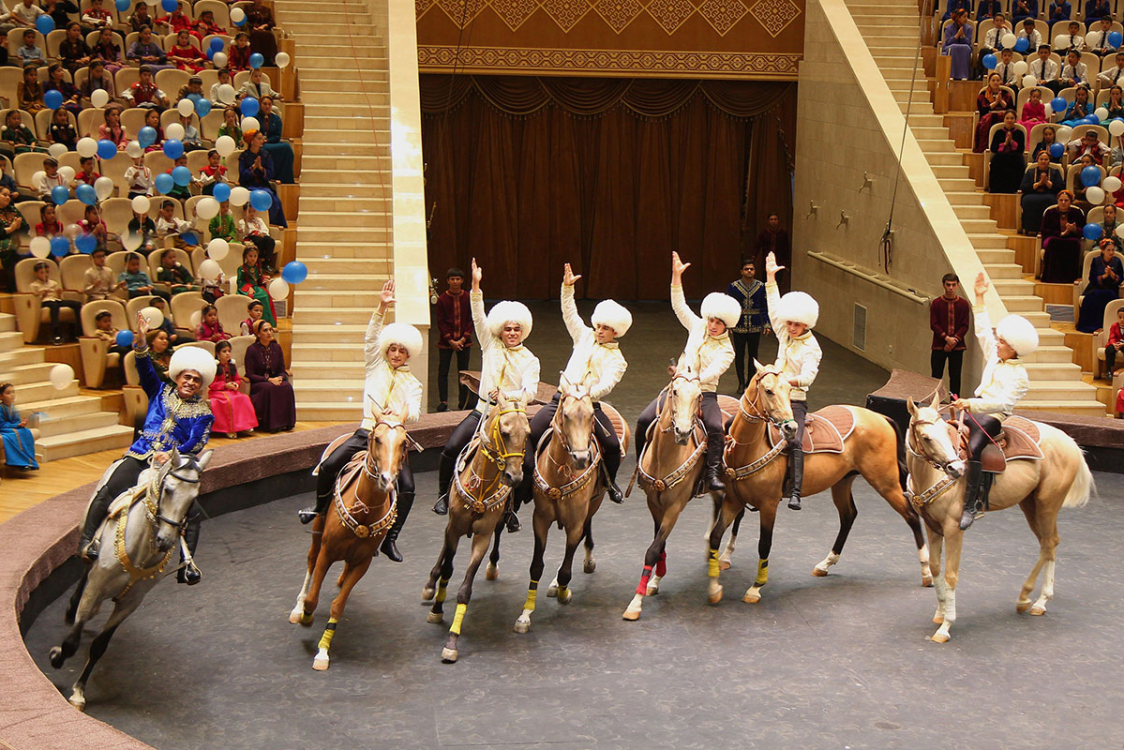
Leyla Aliyeva attended cultural events in Turkmenistan
20.10.2026On October 19, as part of her visit to Turkmenistan, Leyla Aliyeva, Vice-President of the Heydar Aliyev Foundation, visited the Gorogly State Equestrian Circus in Arkadag. The “Galkynyş” National Equestrian Games Group performed for the guests, according to the TDH news agency. The program included acrobatic stunts, elements of traditional Turkmen horseback acrobatics, and a demonstration of equestrian skills. The performance concluded with a routine featuring the national flag of Turkmenistan. In 2025, the “Galkynyş” troupe won the Grand Prix at the International Circus Arts Festival in Monte Carlo. In March 2026, the troupe performed in Baku, presenting its program to an Azerbaijani audience for the first time. The cultural program then continued in Ashgabat. A concert by the State Symphony Orchestra of Turkmenistan took place at the Makhtumkuli National Music and Drama Theater. The orchestra performed Turkmen and Azerbaijani melodies, as well as soundtracks from films and animated films, including those from Disney. The concert was part of the cultural and humanitarian cooperation between Turkmenistan and Azerbaijan. The program brought together folk and classical works from both countries.
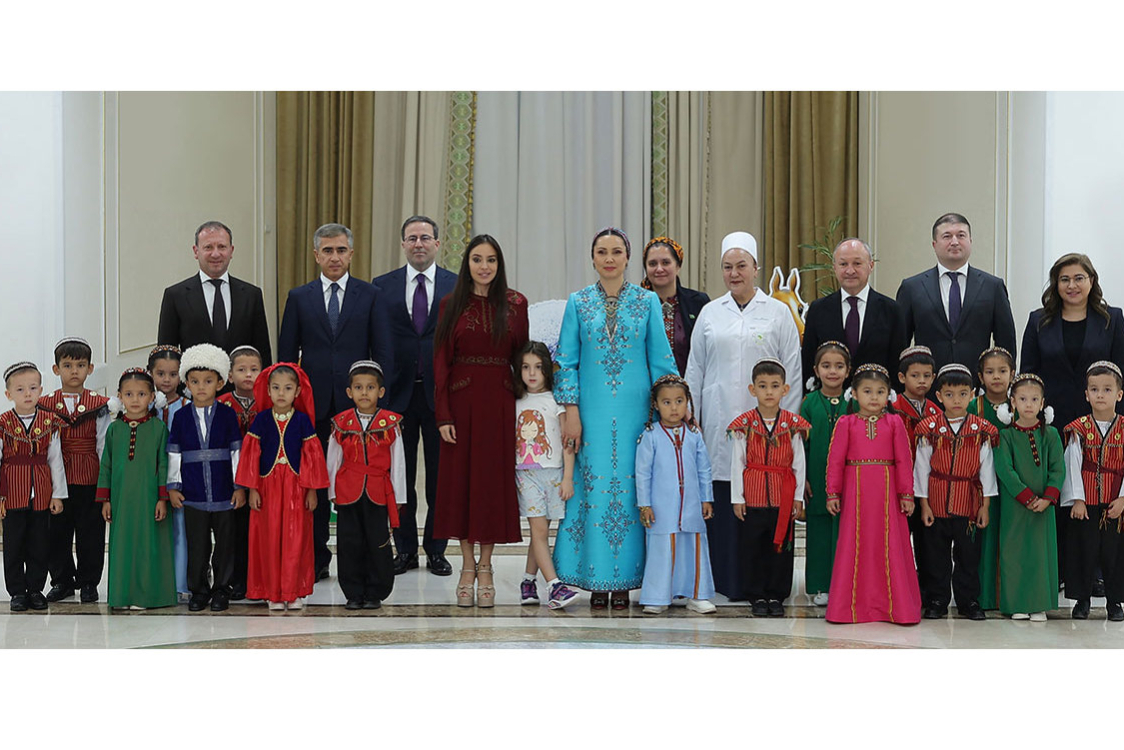
Turkmenistan and Azerbaijan discussed cultural and humanitarian cooperation
20.10.2026On October 19, Leyla Aliyeva, Vice-President of the Heydar Aliyev Foundation of the Republic of Azerbaijan, visited the headquarters of the Gurbanguly Berdimuhamedov Charitable Foundation for Children in Need of Care in the city of Arkadag. During the visit, she met with Oguljahan Atabayeva, Vice-President for Medical Affairs at the Charitable Foundation, according to the TDH news agency. Oguljahan Atabayeva welcomed the guest and thanked her for participating in the opening of the “Mother Nature” exhibition in Turkmenistan. The vice president of the Charitable Foundation noted the significance of the Heydar Aliyev Foundation’s activities and emphasized that the exhibition helps draw attention to environmental protection issues. The “Mother Nature” project was first presented in November 2024 at the Heydar Aliyev Center in Baku as part of COP-29. Subsequently, the exhibition was held in Bahrain, the United Kingdom, Switzerland, and Spain. Oguljahan Atabayeva expressed her gratitude to Leyla Aliyeva and all project participants for their assistance in organizing the exhibition in Turkmenistan. During the meeting, the parties also discussed the prospects for Turkmen-Azerbaijani cooperation. Oguljahan Atabayeva expressed interest in expanding cooperation in the areas of children’s health care, inclusive education, and social support for families in need. In this area, the Charitable Foundation is studying international best practices and collaborating with the Sun Qingling Foundation and the United Nations Children’s Fund (UNICEF). Oguljahan Atabayeva reaffirmed her readiness to continue working together, exchange experiences, and develop cooperation in areas related to children’s well-being. Leyla Aliyeva expressed her gratitude for the invitation, the warm reception, and the support provided for the “Mother Nature” exhibition in Ashgabat. The guest also noted that relations between Azerbaijan and Turkmenistan, based on shared history, culture, language, and spiritual values, are developing within the framework of a strategic partnership. Regular high-level political dialogue and mutual visits by the heads of state play an important role in strengthening bilateral ties. At the conclusion of the meeting, Oguljahan Atabayeva and Leyla Aliyeva expressed confidence in the successful holding of the “Mother Nature” exhibition in Ashgabat and exchanged best wishes.
Read also
Advertising


 Read us in Zen


