


News
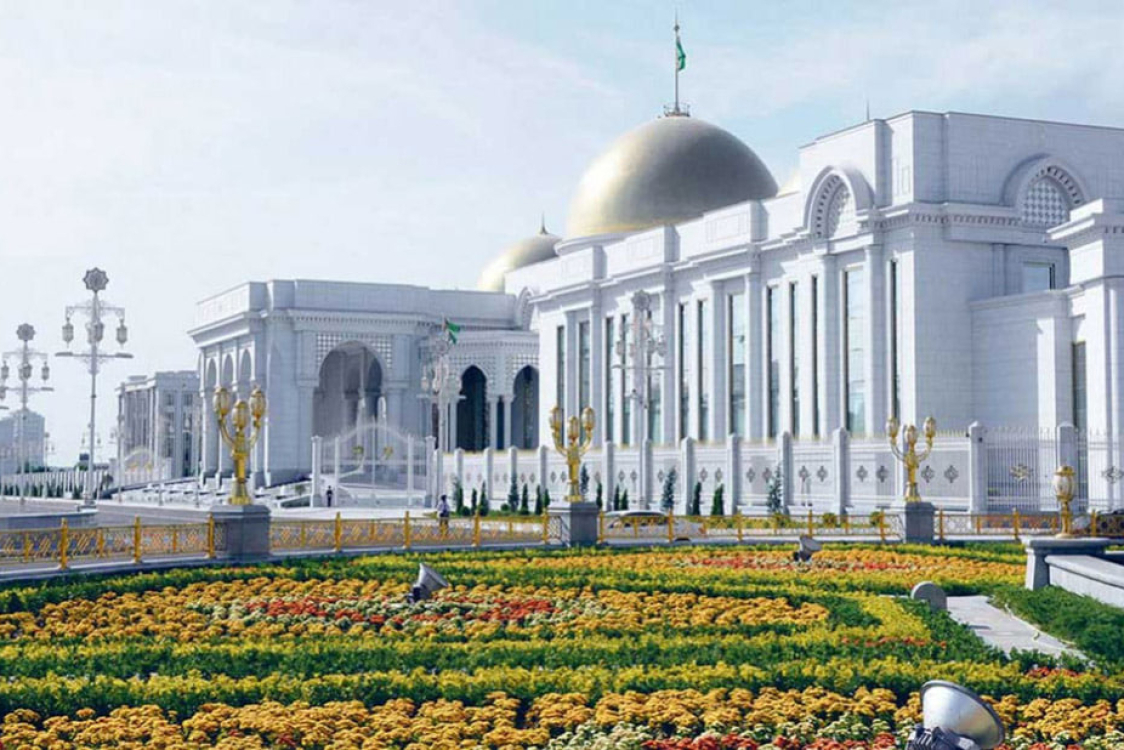
The Head of Turkmenistan congratulated Emomali Rahmon on his birthday
05.10.2026The Head of Turkmenistan, Serdar Berdimuhamedov, has congratulated the President of the Republic of Tajikistan, Emomali Rahmon, on his birthday. This was reported by the TDH news agency. In his message of congratulations, the Head of Turkmenistan highlighted the strengthening of Tajikistan’s position, the implementation of reforms and the expansion of international cooperation. Serdar Berdimuhamedov emphasised the importance of Emomali Rahmon’s leadership and work in ensuring the sustainable development and well-being of the Tajik people. The President of Turkmenistan highlighted the friendly and good-neighbourly relations between Turkmenistan and Tajikistan and expressed confidence in the further expansion of mutually beneficial cooperation. The Head of Turkmenistan wished President Emomali Rahmon good health, family well-being and success in his state duties, and wished the people of Tajikistan peace, prosperity and new achievements.
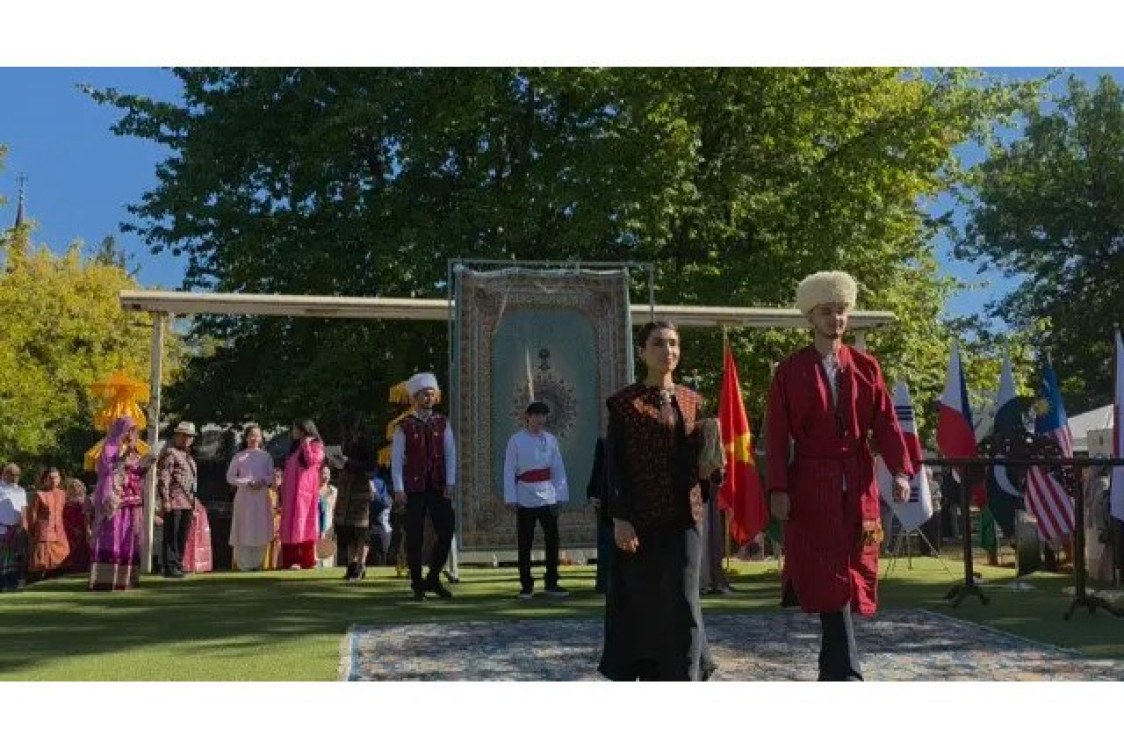
Turkmenistan’s culture was showcased at the Asian festival held in Bucharest
04.10.2026On 3 October, the 4th Asian Culture Festival, ‘One Continent. Thousands of Stories’, took place in Bucharest. It was organised by the Embassy of Turkmenistan in conjunction with the diplomatic missions of Asian countries, with the support of the ‘Dimitrie Gusti’ National Village Museum, reports Turkmenportal. The Embassy of Turkmenistan presented an exhibition dedicated to the country’s historical and cultural heritage, traditional arts and contemporary achievements. Guests were shown national costumes featuring traditional embroidery, Turkmen carpets, handicrafts, musical instruments and photographic material. A separate section was devoted to literature. It featured works by the President of Turkmenistan, Serdar Berdimuhamedov, and the National Leader of the Turkmen people, Chairman of the Halk Maslahaty of Turkmenistan, Gurbanguly Berdimuhamedov, as well as works by Magtymguly Pyragy in various languages, including Romanian. The programme concluded with an event entitled ‘Cuisine of Asian Countries’, during which participants presented traditional dishes from their respective countries. The festival served as a platform for cultural exchange and brought together representatives from diplomatic circles, the public and the media.

An Italian jazz singer is set to perform on stage at the Ashgabat Theatre
04.10.2026On 20 November 2026, the Magtymguly National Music and Drama Theatre in the capital will host a concert by the Italian jazz singer Simona De Rosa. This was reported by the IIC of Turkmenistan. The musical evening will begin at 7.00 pm and will form part of the programme of events for the European Culture Days in Turkmenistan. The cultural event is organised by the country’s Ministry of Culture and the Delegation of the European Union.
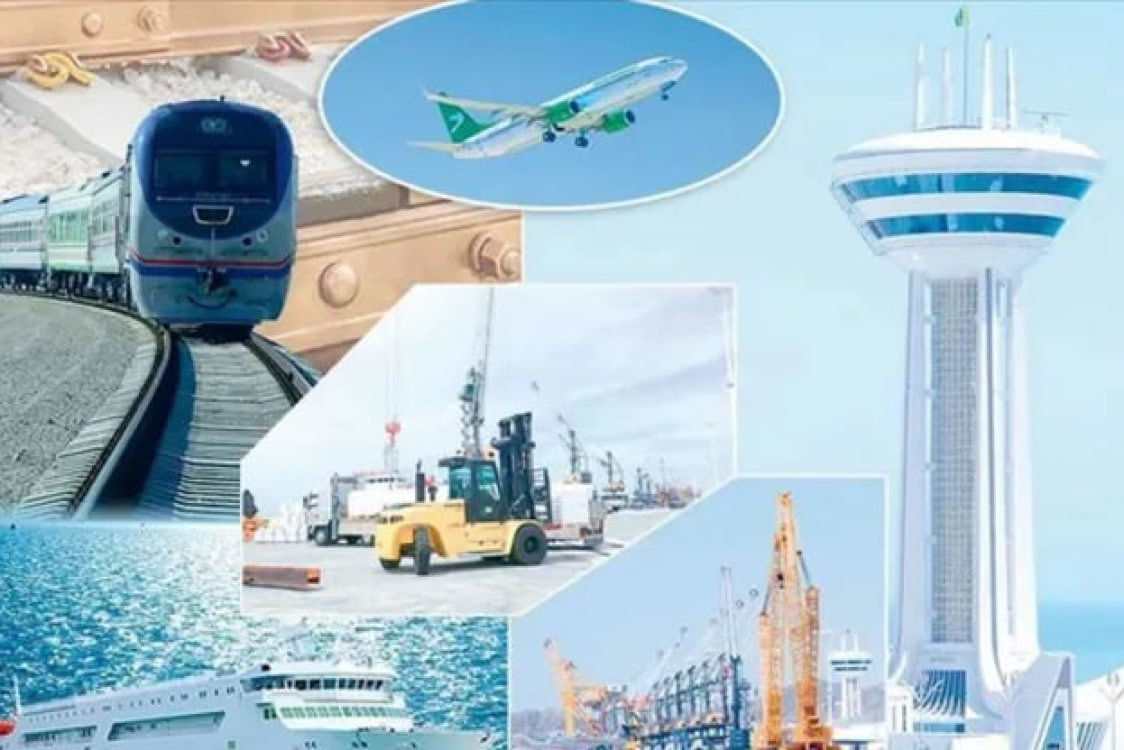
Turkmenistan’s transport sector has increased the volume of work carried out
04.10.2026In January–September 2026, the growth rate of work completed and services provided by Turkmenistan’s transport and communications sector stood at 114.7 per cent. This was announced by B. Annayev, Deputy Chairman of the Cabinet of Ministers, according to the news agency TDH. According to the Deputy Prime Minister, the target for freight transport across all modes of transport was met at 108 per cent, whilst that for passenger transport was met at 102 per cent. The growth rate for services provided by the Ministry of Rail Transport stood at 107.4 per cent, the Ministry of Road Transport at 115.8 per cent, the State Service ‘Türkmenhowaýollary’ — 121.8 per cent, the State Service for Maritime and River Transport — 105 per cent, and the Ministry of Communications — 115.3 per cent. Having heard the report, the President of Turkmenistan, Serdar Berdimuhamedov, instructed that the development of the transport and communications sector should continue and that the volume of passenger and freight transport should be increased. The Deputy Prime Minister was also instructed to take measures to increase the capacity of the rail network.
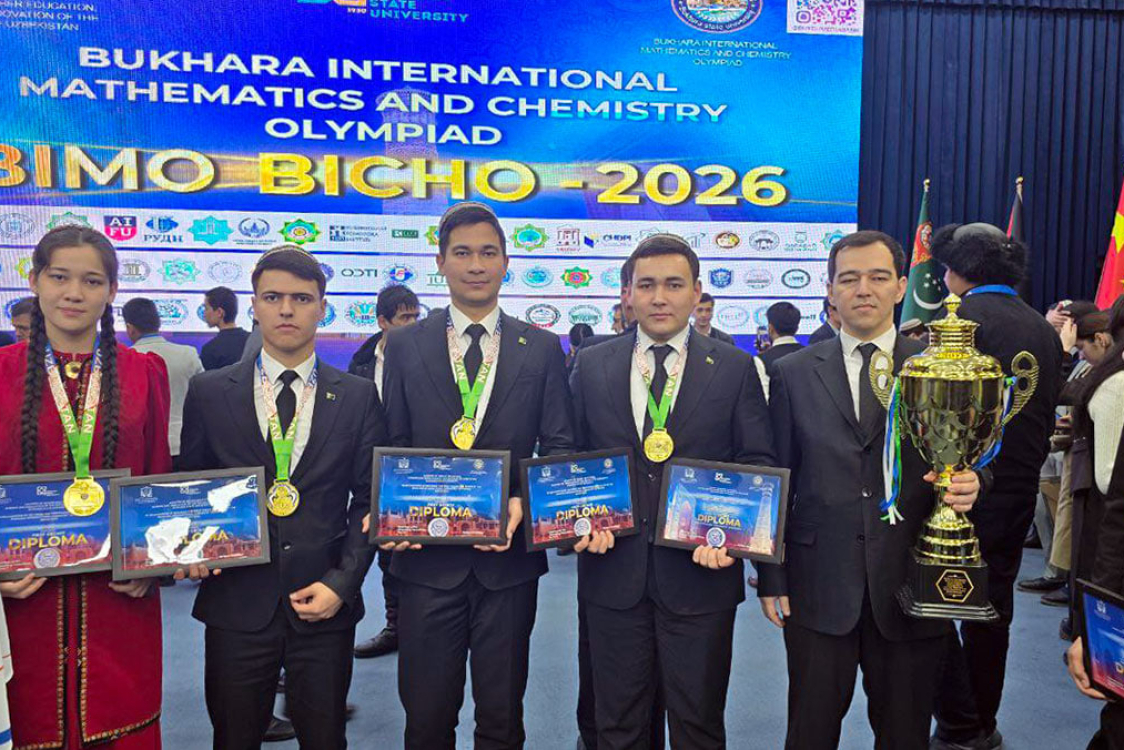
Students from Turkmenistan have won 1,040 medals at international Olympiads
04.10.2026Between January and September 2026, athletes from Turkmenistan won 554 medals at international competitions, whilst school students and university students won 1,040 medals at international subject Olympiads. This was announced by the Deputy Chairman of the Cabinet of Ministers, B. Mammedov, at a government meeting, according to the news agency TDH. According to the Deputy Prime Minister, modern teaching methods were introduced in the education sector over the course of the nine months. To mark Knowledge and Student Youth Day, educational institutions held celebratory events and held their first lessons on the theme ‘Independent Neutral Turkmenistan − the Homeland of Purposeful Winged Horses’. First-year pupils were presented with laptops. The Deputy Prime Minister noted that, in the presence of the Head of State, new buildings had been opened at the Turkmen State Institute of Architecture and Construction and the Seyitnazar Seydi Turkmen State Pedagogical Institute, as well as educational institutions in the Ahal and Lebap velayats. In the scientific sphere, work continued to improve the effectiveness of research and to introduce new technologies into production. The country’s scientists were awarded the academic titles of professor, associate professor and senior research fellow. According to the Deputy Prime Minister’s report, modern methods of practical medicine were being introduced into the healthcare system. Surgeries and treatment for children were carried out using funds from the Gurbanguly Berdimuhamedov Charitable Foundation for Assistance to Children in Need of Guardianship. In September, a month-long campaign entitled ‘Road safety is the peace of our life’ took place. Having heard the report, the Head of State instructed that work in the fields of science, education, healthcare and sport should continue to be improved. The Deputy Prime Minister was also instructed to make preparations for the opening of modern medical facilities in time for Healthcare and Medical Industry Workers’ Day.
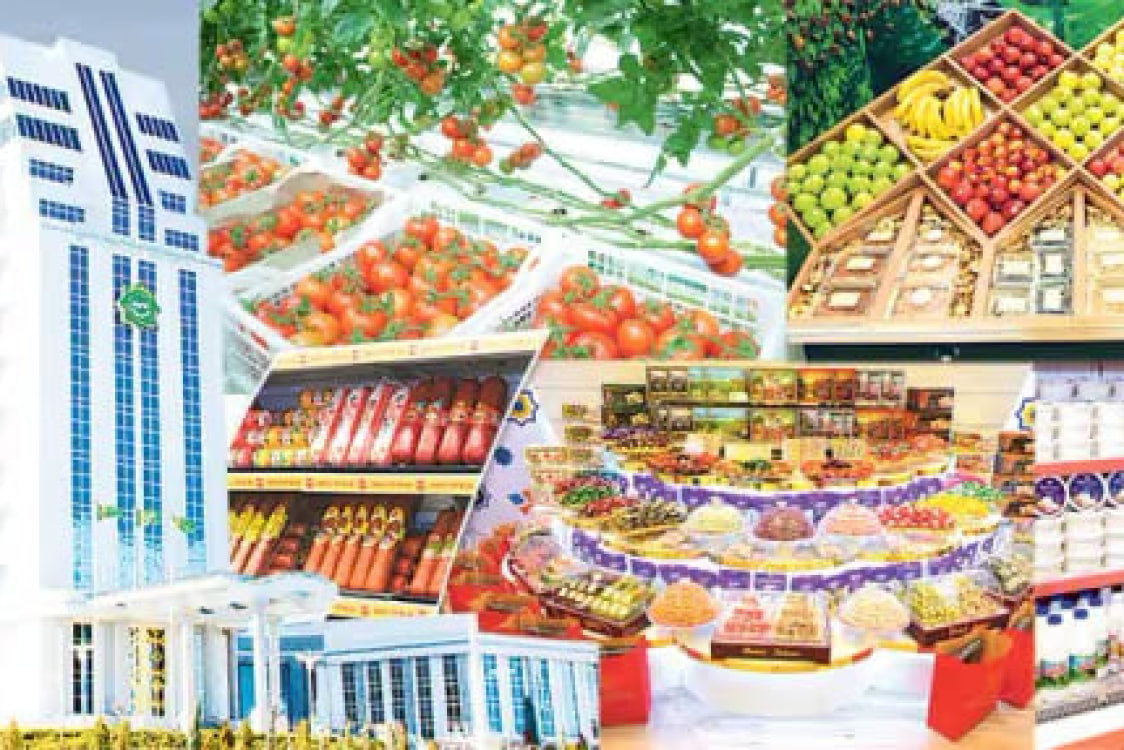
Turkmenistan’s trade and business sectors have seen an increase in their performance figures
04.10.2026At the Government meeting on 2 October, Deputy Chairman of the Cabinet of Ministers N. Atagulyev reported on the performance of the ministries, sectoral agencies and the business sector under his supervision for January–September 2026. This was reported by the news agency TDH. According to the Deputy Prime Minister, during this period, trade turnover under the Ministry of Trade and Foreign Economic Affairs rose to 113.2 per cent compared with the same period last year. At the Ministry of the Textile Industry, the growth rate in production stood at 106.4 per cent. Output of cotton yarn reached 102.3 per cent, fabrics 100.9 per cent, sewn and knitted goods 102.6 per cent, and leather products 100.5 per cent. Total revenue of the enterprises within the ‘Türkmenhaly’ State Association rose to 107.6 per cent. The State Commodity and Raw Materials Exchange held 222 trading sessions, during which 23,460 contracts were registered. The growth rate of work carried out by the Chamber of Commerce and Industry stood at 107.3 per cent. Over the nine-month period, 18 exhibitions and 10 conferences were held. Within the Union of Industrialists and Entrepreneurs, the production of agricultural and food products rose to 110.4 per cent, whilst that of industrial goods rose to 109.2 per cent. Having heard the report, the President of Turkmenistan, Serdar Berdimuhamedov, instructed officials to monitor the efficient use of production facilities in the trade sector and ensure that markets are supplied with products in demand. The Deputy Prime Minister was also instructed to continue the modernisation of textile enterprises.
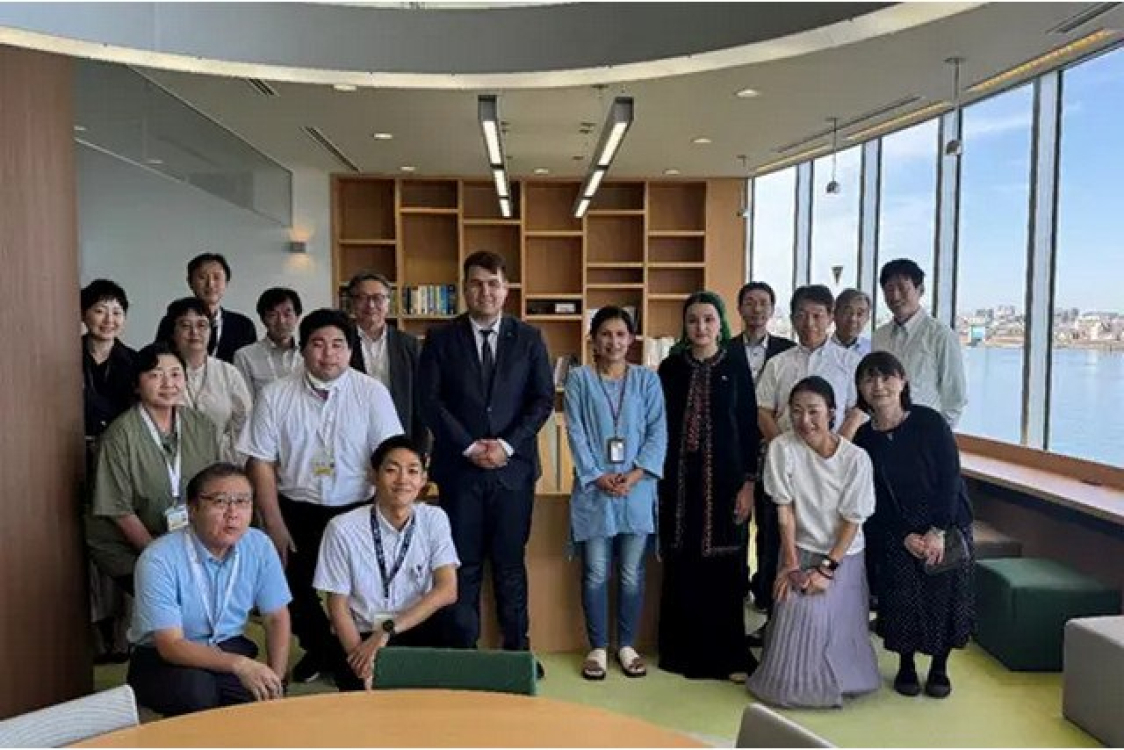
A digital guide to Japan is to be launched for Turkmen students
04.10.2026A digital ‘Information Guide’ has been created for Turkmen students and young professionals travelling to Japan for study and work placements. The platform is designed to assist citizens of Turkmenistan with their practical, administrative and cultural adaptation, according to the press office of the Turkmen university. The project was developed by students at the Oguz Han Engineering and Technology University of Turkmenistan, drawing on their experience of work placements at Japanese universities. The platform contains instructions on preparing for the trip, applying for a visa, going through airport procedures, registration, obtaining a residence card and taking out national health insurance. The platform also features resources on everyday life, education, work ethics and cultural aspects of Japan. The platform is scheduled to launch in time for the autumn intake of 2026. The project’s development is based on collaboration between Oguz Han University and Japanese universities, including the Universities of Tsukuba, Tohoku and Hirosaki.
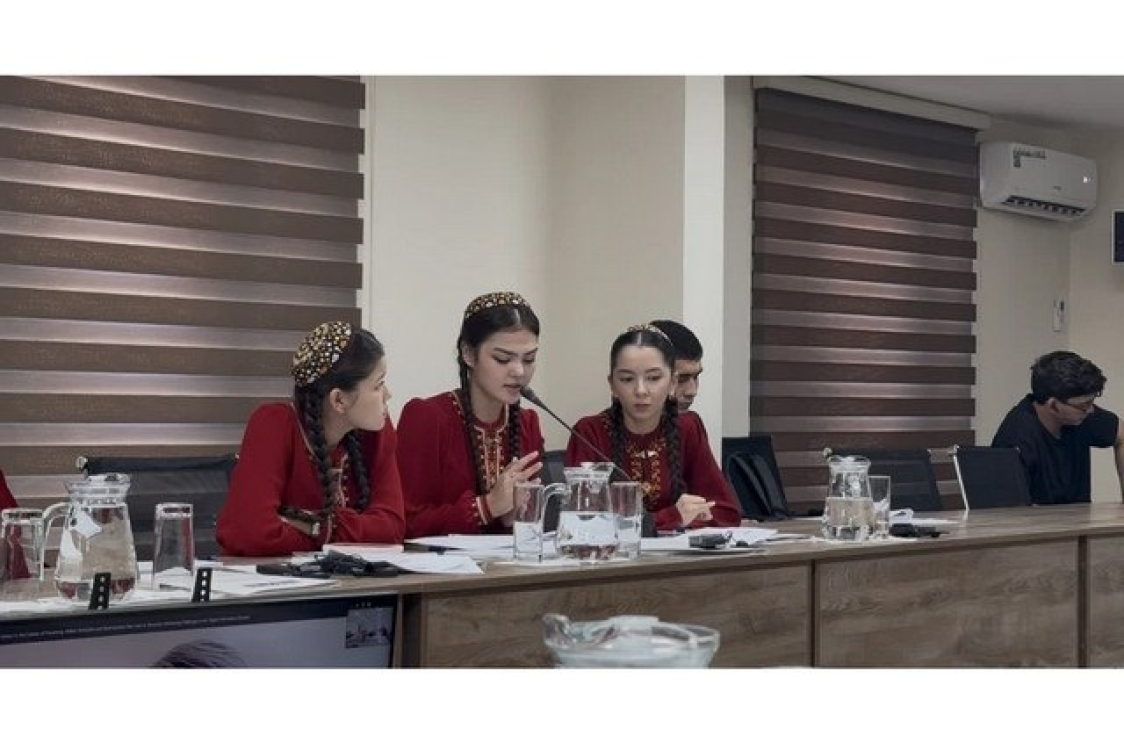
Students from Turkmenistan took part in an OSCE training course on media literacy
04.10.2026From 30 September to 2 October 2026, the OSCE Centre held a training course in Ashgabat on enhancing media and information literacy with a view to preventing violent extremism and radicalisation. This was reported by the press office of the IIR MFA of Turkmenistan. The event was attended by students from Turkmen universities, representatives of the Magtymguly Youth Organisation, young volunteers from the National Red Crescent Society and civil society organisations. Participants learnt methods for verifying sources, identifying disinformation and critically evaluating online content, including material generated using AI. Practical sessions focused on finding primary sources, cross-referencing data, the responsible use of AI and the protection of personal data. At the end of the training, participants completed practical tasks and received certificates.
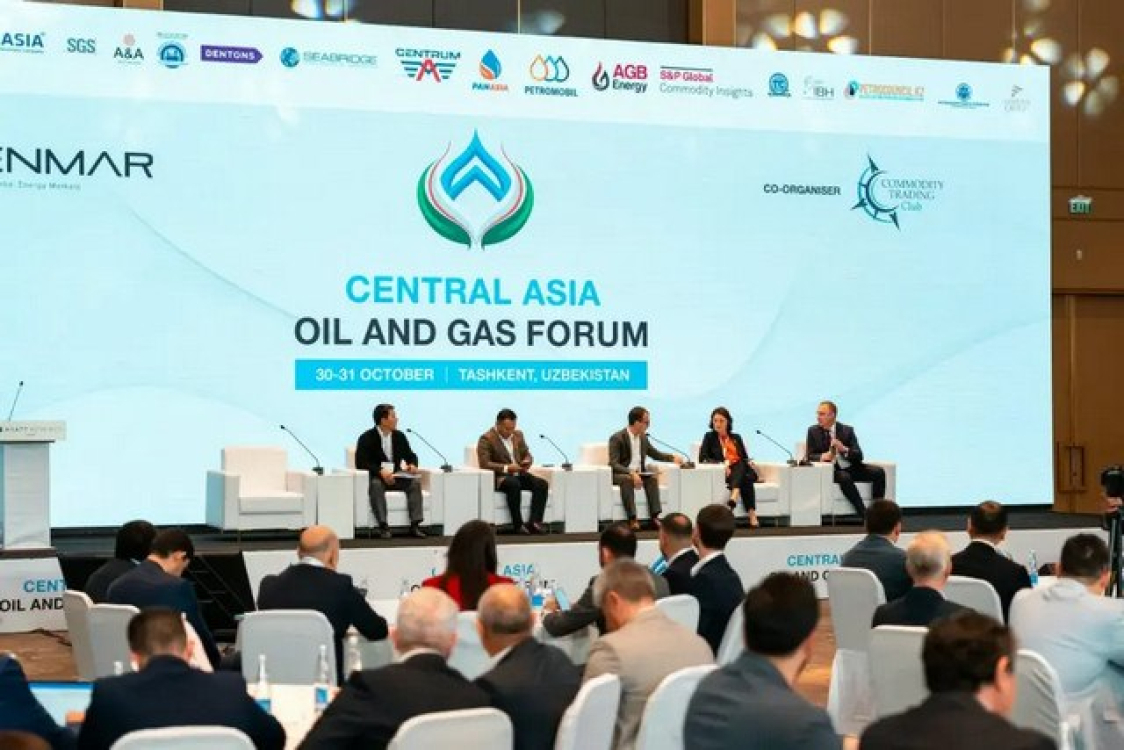
Turkmenistan is taking part in the ‘Central Asian Gas Ring’ project
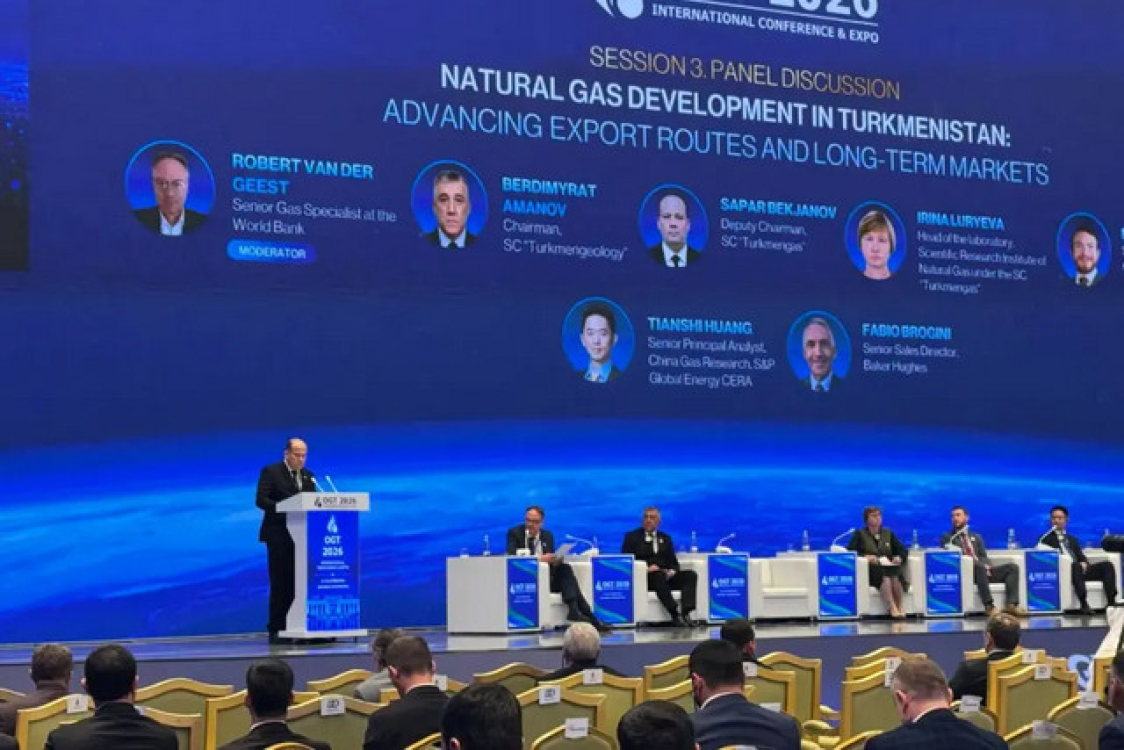
04.10.2026Turkmenistan will take part in discussions on the ‘Central Asian Gas Ring’ project, which aims to integrate the gas transmission systems of the five countries in the region. The project will be discussed at the Second Central Asian Oil and Gas Forum in Tashkent on 15–16 October, according to Turkmenportal. The project involves the creation of a single gas transmission network linking Kazakhstan, Kyrgyzstan, Tajikistan, Turkmenistan and Uzbekistan. To this end, there are plans to construct new sections and modernise existing gas pipelines with a total length of over 3,000 kilometres. According to the project’s architects, integrating the gas transmission systems will enable seasonal supplies to be balanced more effectively and improve the reliability of gas supplies to countries in the region. The project’s cost was initially estimated at 4–5 billion dollars. According to the forum organisers, the preliminary investment volume, taking into account associated social initiatives, is now estimated at 10 billion dollars. The idea of the ‘Gas Ring’ was presented at the first Central Asian Oil and Gas Forum in Tashkent in October 2025. The second forum will take place at the Hyatt Regency Tashkent. Participants will discuss the region’s oil and gas resources, cross-border trade routes and logistics, oil refining, investment, risk management and public-private partnerships.
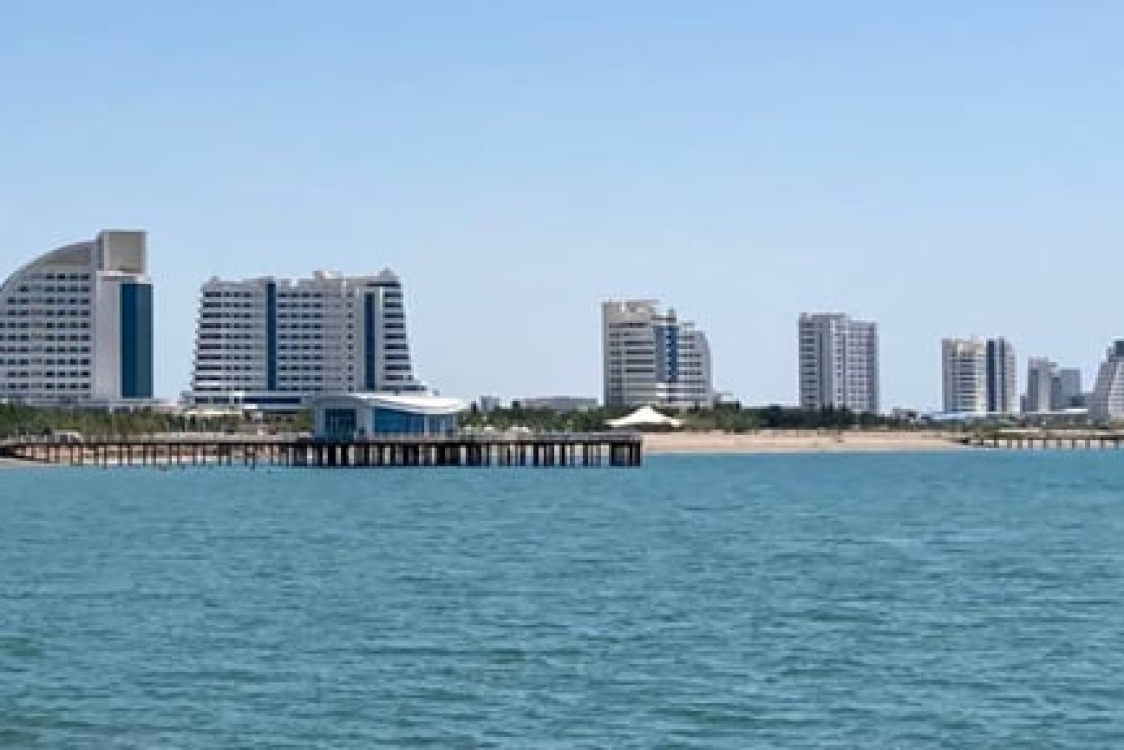
The ‘Awaza’ will host a meeting of the CIS Council of Foreign Affairs Ministers
04.10.2026On 7 October, a meeting of the Council of Foreign Affairs Ministers of the Commonwealth of Independent States will take place at the ‘Awaza’ National Tourist Zone in Turkmenistan. This was reported by Orient. The Heads of the foreign ministries will review the CIS’s achievements in 2026 and discuss future directions for multilateral cooperation. Particular attention will be paid to the 35th anniversary of the Commonwealth. At the meeting, it is planned to approve the schedule for inter-ministerial consultations for 2027, as well as to set the date and venue for the next meeting of the CIS Council of Foreign Affairs Ministers. The key documents resulting from the meeting are expected to be submitted for consideration by the CIS Council of Heads of State, which is due to meet on 9 October at ‘Awaza’.
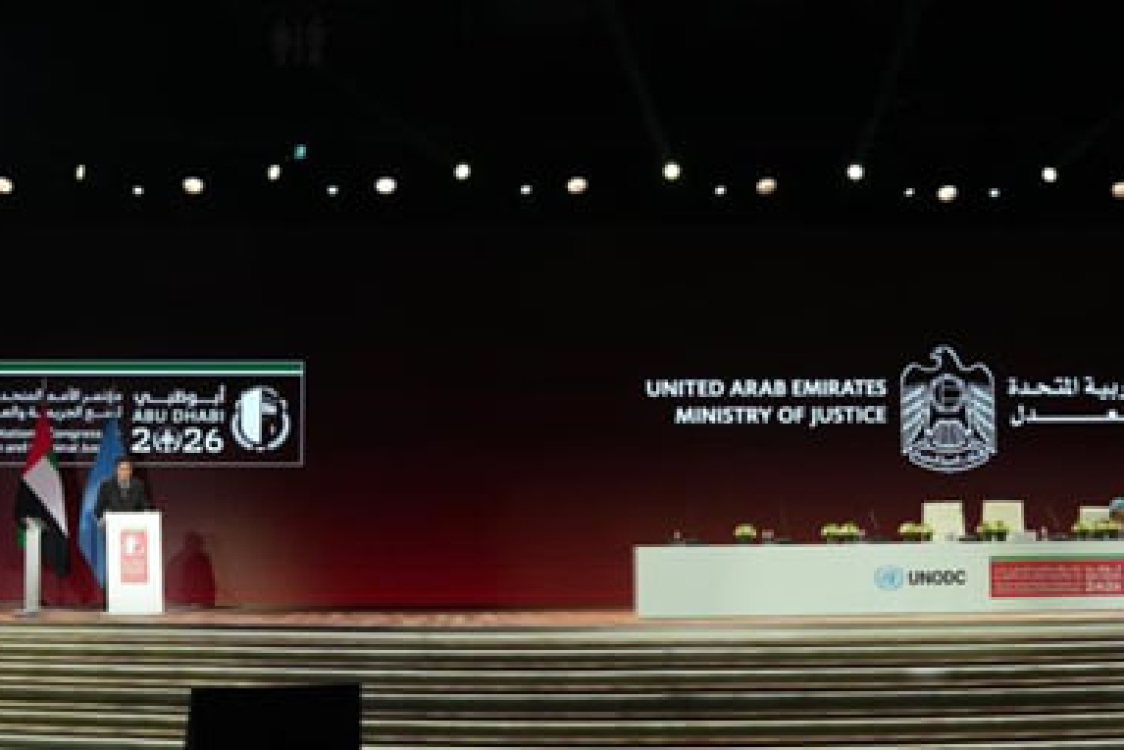
Turkmenistan took part in the 15th UN Congress
04.10.2026The 15th United Nations Congress on Crime Prevention and Criminal Justice, held from 26 September to 1 October 2026, has concluded in Abu Dhabi. Turkmenistan was represented at the forum by a delegation led by the Deputy Attorney General of the country. The main outcome of the meeting was the adoption of the Abu Dhabi Declaration, which sets out the direction of international cooperation in the fight against crime for the next five years. This was reported by ArzuwNews. The UN Congress is held every five years and brings together representatives of states, including heads of relevant ministries and agencies. The representative of Turkmenistan addressed the high-level segment, expressing gratitude to the United Nations Office on Drugs and Crime (UNODC) and the UAE for organising the forum. During the address, Turkmenistan’s national policy on crime prevention and strengthening the rule of law was presented. The role of the General Prosecutor’s Office in combating human trafficking and corruption, as well as in providing international legal assistance in criminal cases, was highlighted. Forum participants were also informed about the National Action Plans to Combat Human Trafficking and Corruption for 2025–2029, approved by the President of Turkmenistan. Separate consideration was given to the modernisation of criminal legislation and combating crimes involving the use of digital technologies. The Turkmen side reaffirmed its commitment to the UN conventions against transnational organised crime and corruption, as well as to cooperation with the UN Office on Drugs and Crime (UNODC) and the Eurasian Group. The Abu Dhabi Declaration, which was adopted, sets out measures to combat organised and cybercrime, corruption and the illicit transfer of assets, as well as to protect victims and ensure the responsible use of artificial intelligence. The ‘Pledge4Justice’ initiative has been launched to implement the provisions of the document.
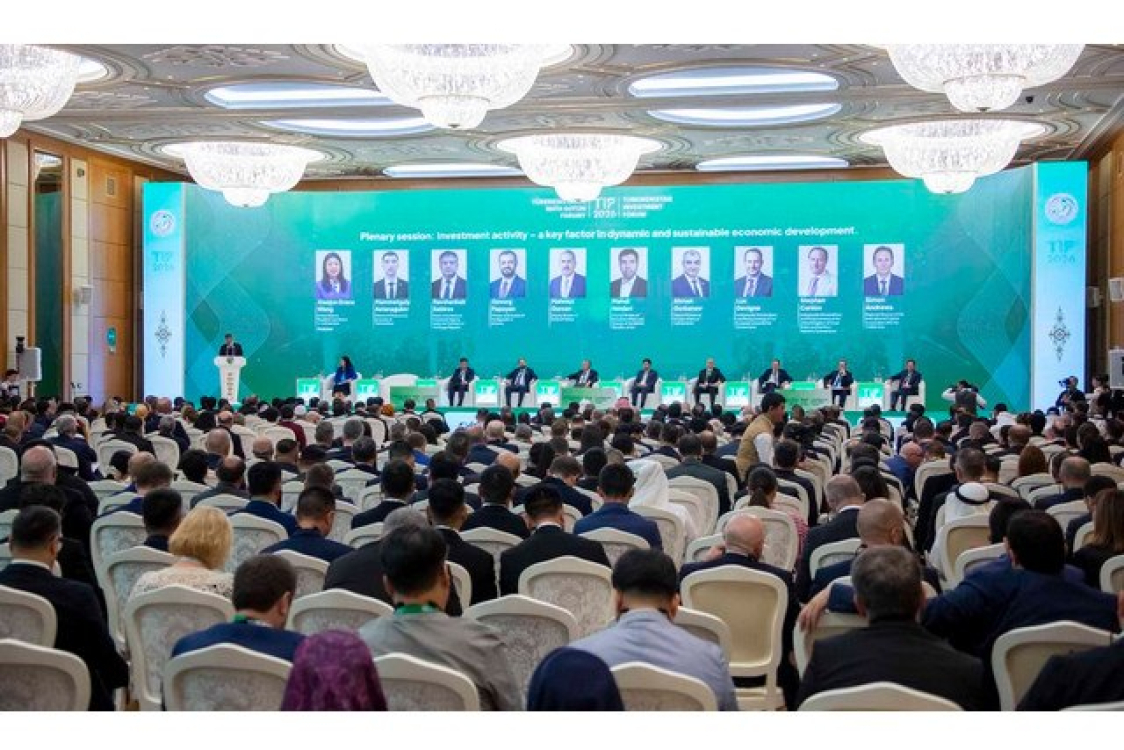
TIF-2026 served as a platform for new international projects
04.10.2026On 1–2 October, the Turkmenistan Investment Forum (TIF-2026), organised by the country’s Ministry of Foreign Affairs and Ministry of Finance and Economy, took place at the ‘Ýyldyz’ Hotel in Ashgabat. The event was attended by more than 700 representatives from Turkmenistan, Central Asian countries, Europe, Asia, the USA and the Middle East, according to TerraNews. The business programme included thematic sessions and negotiations on developing cooperation in the oil and gas and chemical industries, energy, transport and logistics, agriculture, the digital economy, financial technologies and water management. During the forum, Turkmenistan signed a number of agreements and memoranda of understanding with foreign and domestic companies. In particular, the State Concern ‘Türkmennebit’ signed an agreement with the German company ‘Hybrid Innovation GmbH’, whilst the State Concern ‘Türkmenhimiýa’ signed agreements with the commercial enterprise ‘Türkmen enjam’ and the Chinese company ‘Tianjin Bohua Engineering Co., Ltd.’ The Ministry of Communications of Turkmenistan signed a memorandum with the South Korean company ‘OnU H&C’, whilst the Ministry of Rail Transport signed one with the Chinese company ‘CSCEC International Construction Co., Ltd.’ The State Committee for Water Management of Turkmenistan signed memoranda with ‘Damen Workboats B.V.’ and ‘Liamol Trading GmbH.’ The ‘Balkan’ Shipbuilding and Ship Repair Yard concluded a separate agreement on strategic cooperation for the period 2026–2036 with ‘Damen Technical Cooperation B.V.’ and ‘Liamol Trading GmbH.’ The document provides for cooperation in the field of shipbuilding and ship repair, the introduction of modern technologies and the localisation of production in Turkmenistan. The forum served as a platform for discussing investment projects and concluding agreements aimed at developing industrial cooperation, technological modernisation and the expansion of Turkmenistan’s international economic cooperation.
Read also
Advertising

 Read us in Zen


