
News
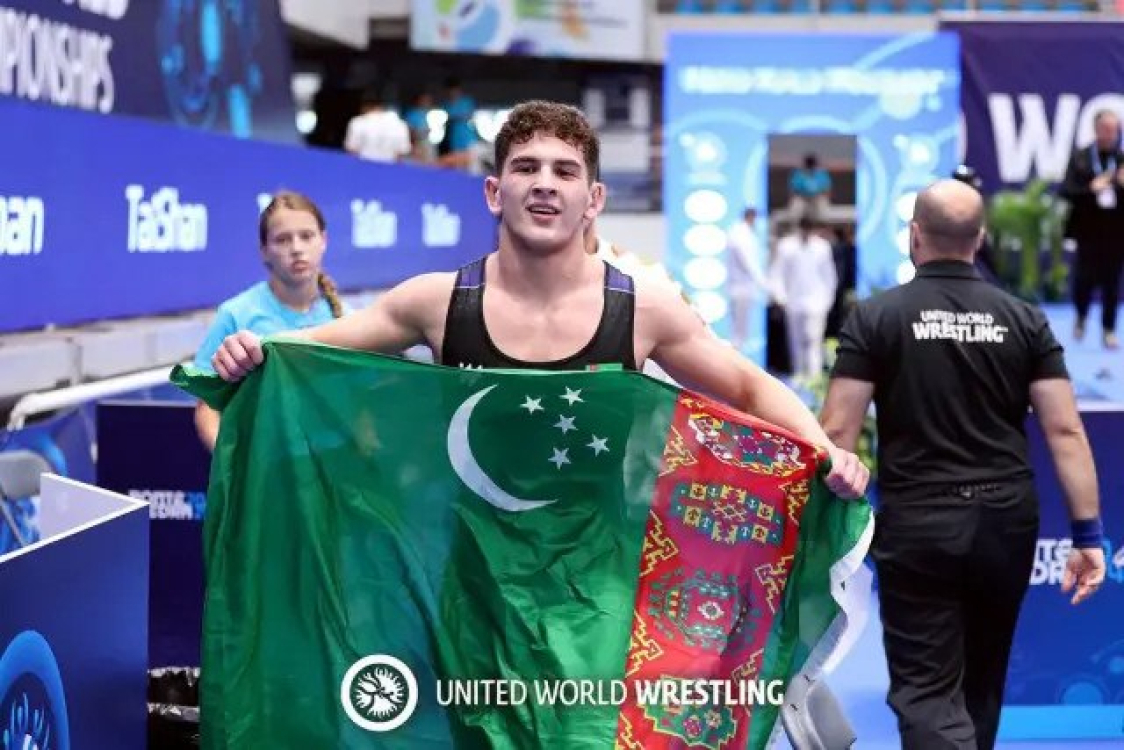
A wrestler from Turkmenistan has reached the quarter-finals of the Asian Games
02.10.2026Turkmen wrestler Alp Arslan Begenjov won his opening bout at the 20th Summer Asian Games in Nagoya and advanced to the quarter-finals of the competition in the under-86kg weight class. This was reported by Turkmenportal. On 2 October, in the round of 16, the athlete faced China’s Hade Ayidusi. Begenjov secured victory on points with a score of 5–1. In the quarter-finals, the Turkmen wrestler will face Mongolia’s Suldkhuu Olonbayar. Begenjov is an International Master of Sport. In 2024, he became World Champion in the under-20 category in Pontevedra, winning Turkmenistan’s first-ever gold medal at the Junior World Freestyle Wrestling Championships. In 2025, at the U20 World Championships in Samokov, he reached the quarter-finals, and at the most recent U20 World Championships in Bratislava, he won a bronze medal in the under-86 kg category. The 20th Asian Games are being held in Nagoya from 19 September to 4 October. Turkmenistan is represented by 57 people, including 34 athletes competing in eight sports.
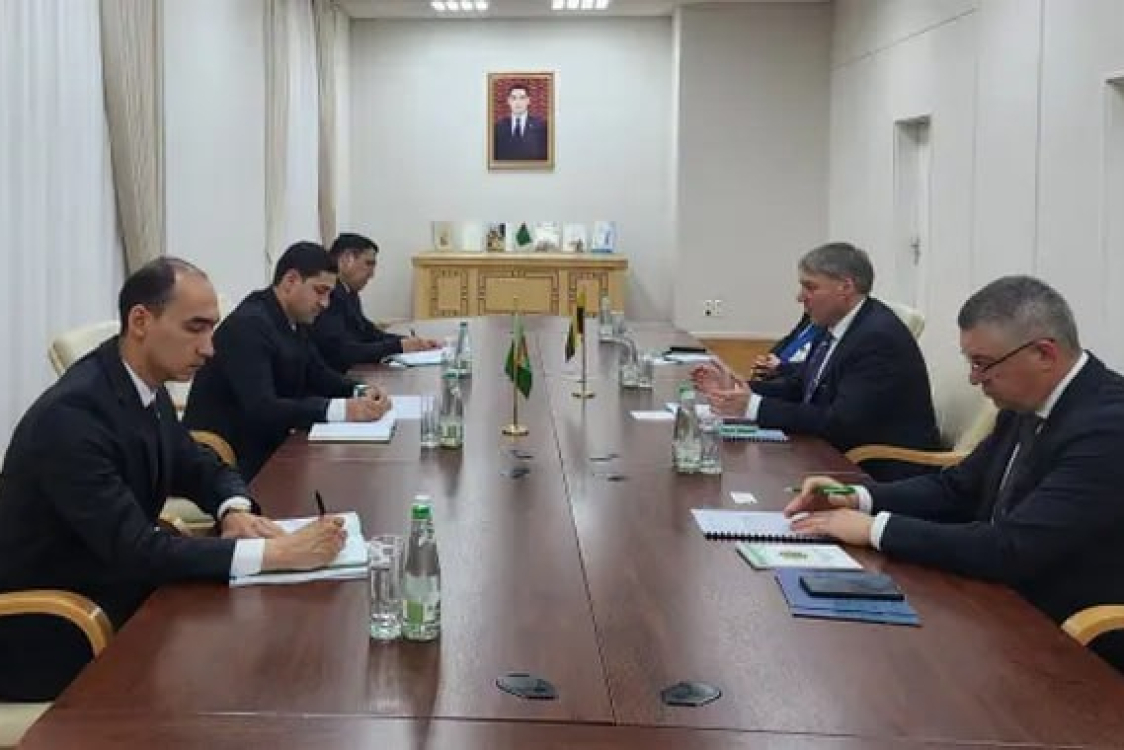
Cooperation with Lithuania was discussed in the Mejlis of Turkmenistan
02.10.2026A meeting was held at the Mejlis of Turkmenistan with a delegation from the Seimas of Lithuania, led by Dainius Varnas, Head of the Parliamentary Friendship Group. This was reported by the press office of the Mejlis of Turkmenistan. The parties discussed the further development of inter-parliamentary relations. The Lithuanian side expressed an interest in expanding cooperation in the political, diplomatic, trade, economic, cultural, humanitarian and parliamentary spheres. Particular attention was paid to the ‘Central Asia–European Union’ framework. The participants noted its role in developing political dialogue and transport and logistics cooperation. The parties also emphasised the importance of parliamentary friendship groups for exchanging experience in the field of legislation and further strengthening bilateral relations.
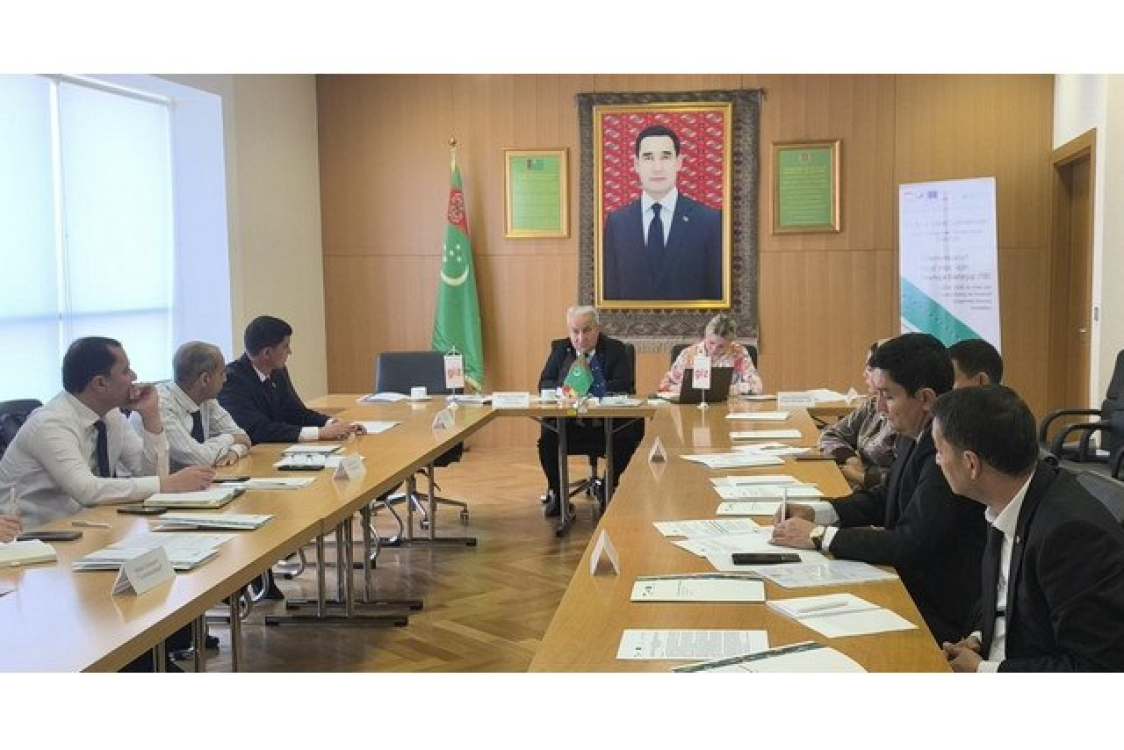
International standards for reducing methane emissions were discussed in Ashgabat
02.10.2026On 1 October, a consultation meeting on international standards and regulations for reducing methane emissions took place in Ashgabat. The event was held at the Natural Gas Research Institute, according to the press office of the Foreign Affairs Ministry of Turkmenistan. Representatives of the Mejlis, the Ministry of Foreign Affairs, the Ministry of Energy, the Ministry of Environmental Protection, as well as the State Concern ‘Türkmengaz’ and the State Concern ‘Türkmennebit’ took part in the discussion. The meeting was organised with the support of the Ministry of Foreign Affairs of Turkmenistan as part of the project ‘EU for a green Turkmenistan: Policy Dialogue and Climate Action 2024–2029’. The project is co-funded by the European Union and the German Federal Foreign Office. The project is being implemented by GIZ (Deutsche Gesellschaft für Internationale Zusammenarbeit). Participants reviewed Turkmenistan’s current regulatory framework and approaches to its improvement, taking into account international best practice. In particular, they discussed the provisions of the EU Regulation on reducing methane emissions in the energy sector. Following the meeting, methodological approaches were identified for adapting international practices to Turkmenistan’s national conditions and development priorities.
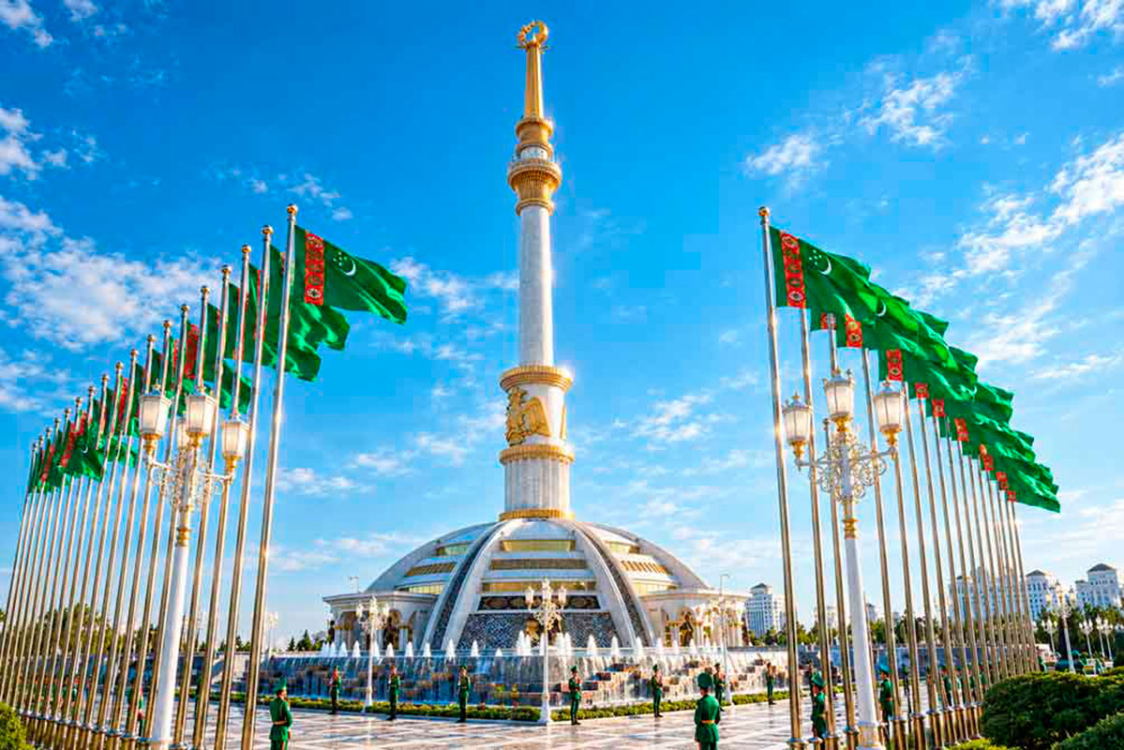
A tapestry of national traditions: how Turkmenistan celebrated its independence anniversary
02.10.2026The celebrations marking the 35th anniversary of Turkmenistan’s independence in 2026 took the form of a large-scale series of festivities, the main events of which were held in Ashgabat from 27 to 29 September. The anniversary brought together official ceremonies, a military parade, a cultural programme, equestrian displays and horse races, as well as events dedicated to the Ahal-Teke heritage. One of the key events on 27 September was the wreath-laying ceremony at the Monument to Independence. It was attended by President Serdar Berdimuhamedov, the country’s leadership, representatives of the military and law enforcement agencies, the diplomatic corps, international organisations, civil society organisations, community elders, young people and residents of the capital. Following the performance of the national anthem, the President of Turkmenistan laid a wreath at the monument, after which participants in the ceremony laid flowers at its base. The celebrations continued with a military parade The main celebrations in honour of Independence Day took place on the square in front of the State Tribune complex. At 10.00, the Head of State arrived at the parade ground. Following a report by the Minister of Defence and Secretary of the State Security Council, B. Gundogdyev, the Supreme Commander-in-Chief of the country’s Armed Forces inspected the parade participants before ascending the State Tribune. Following the performance of the national anthem, the national flag was raised, and the servicemen took the oath of allegiance to the Motherland and the people. Servicemen from various branches of the armed forces, cadets from military academies, law enforcement officers and special forces units marched in formation. For the first time, signals personnel took part in the celebratory parade. Marine units and mountain rifle battalions also marched in formation. Military equipment featured prominently. Mechanised columns passed in front of the State Tribune, showcasing armoured vehicles, tanks, artillery systems, air defence systems and unmanned aerial vehicles. At the same time, a live broadcast showed ships passing through the port waters on the Caspian Sea. The Ahal-Teke horse became one of the key symbols of the anniversary A distinctive feature of the 35th anniversary celebrations of independence was that the military and official programme was complemented by a vivid national and cultural programme. One of the most striking moments was the procession of 35 riders on Ahal-Teke horses. The number of riders symbolically corresponded to the anniversary date. This was followed by a performance by the ‘Galkynyş’ National Equestrian Games Group, which showcased elements of traditional equestrian art and show jumping. An Ahal-Teke horse named Watan attracted particular attention. The light bay horse with a white mane was presented to the President of Turkmenistan on behalf of the members of the Government. Another symbolic feature was the students of the Aba Annayev International Academy of Horse Breeding, who, riding Ahal-Teke horses, formed the number ‘35’. In addition, representatives from civil society continued the festive procession. Representatives of the Halk Maslahaty of Turkmenistan, the Mejlis and civil society organisations of Turkmenistan, as well as workers from the education, healthcare, construction and road maintenance sectors, marched past the State Tribune. Separate columns were formed by young people and staff from various institutions and organisations. Management teams and artistic groups from the five velayats, along with singers, dancers and young performers, brought the festive programme to a close in front of the State Tribune. The celebrations continued at the racecourse On 28 September, the festive programme moved to the Ashgabat Equestrian Complex. The programme included performances by the ‘Galkynyş’ National Equestrian Games Group, equestrian competitions and horse races. Thus, the second day served as a continuation of the theme introduced during the parade. Whilst on 27 September the Ahal-Teke racehorses featured as part of the overall festive display, on 28 September equestrian culture took centre stage in its own right. The highlight of the programme was the festive horse races. In the final, seventh race, over a distance of 2,200 metres, the Grand Prize of the President of Turkmenistan was contested. The winner was the grey racehorse Bezirgen. The winner was awarded a cash prize of 300,000 manats and the Challenge Cup of the President of Turkmenistan. On the same day, the 16th meeting of the International Ahal-Teke Horse Association took place in the capital, chaired by Serdar Berdimuhamedov. As part of the anniversary year, events dedicated to equestrian sport and Ahal-Teke racehorses were held in Turkmenistan and abroad. The meeting of the International Association continued the programme of celebrations, linking national tradition with international cooperation. In the same context, on 29 September, the 1,200-seat Ahal-Teke Equestrian Complex of the President of Turkmenistan was opened in the foothills of the Kopetdag Mountains. The ceremony was attended by President Serdar Berdimuhamedov and the National Leader of the Turkmen people, Chairman of the Halk Maslahaty of Turkmenistan, Gurbanguly Berdimuhamedov. Performances by cultural figures, artists and the ‘Galkynyş’ National Equestrian Games Group took place on the complex’s grounds. The musical programme was interspersed with displays by Turkmen horse riders. The programme continued with a procession of 35 horsemen and a beauty contest for Turkmen Alabay dogs. This was followed by festive horse races. Horses representing all the velayats, as well as the cities of Ashgabat and Arkadag, took part in the competitions among professional jockeys. The National Leader of the Turkmen people rode the horse Daghan from the city of Arkadag. The horse had been specially trained by the young groom Kerimguly Berdimuhamedov. At the end of the races, the horse Daghan was declared the winner. The Hero Arkadag was announced as the winner of the main prize — a Range Rover Sport. Following the announcement of the results, the National Leader of the Turkmen people decided to donate the prize to the Ministry of Defence of Turkmenistan. The car was accepted by the Minister of Defence of Turkmenistan, Secretary of the State Security Council B. Gundogdyev. The anniversary as a unified festive programme When viewed as a whole, the programme of celebrations marking the 35th anniversary of independence forms a coherent sequence of events. On 27 September, official ceremonies and a military parade took centre stage. On the same day, the festive programme took on a vivid national character due to the participation of Ahal-Teke racehorses, 35 riders, the ‘Galkynyş’ ensemble and a performance featuring the racehorse Watan. On 28 September, the focus shifted to equestrian sports and national traditions. The celebrations at the Ashgabat Equestrian Complex concluded with horse races and the presentation of the President of Turkmenistan’s Grand Prize. On 29 September, the programme continued with the opening of the new Ahal-Teke Equestrian Complex, performances by artists and horsemen, a beauty contest for Alabay dogs, and celebratory horse races. As a result, the celebrations marking the 35th anniversary of independence took on a multifaceted character. The official part centred on state symbols and a military parade; the cultural part was devoted to performances by artists and national traditions; whilst the sporting programme included equestrian competitions and horse races. The combination of these elements became one of the distinctive features of the 2026 anniversary celebrations. The programme was structured as a series of interconnected events, in which the 35th anniversary of independence was sequentially represented through a state ceremony, military tradition, culture, sport and national heritage. Ahal-Teke racehorses featured prominently in the programme. They were incorporated into the festival’s décor and symbolism, in a procession of 35 riders, in performances by the ‘Galkynyş’ group, in horse races and in international events.
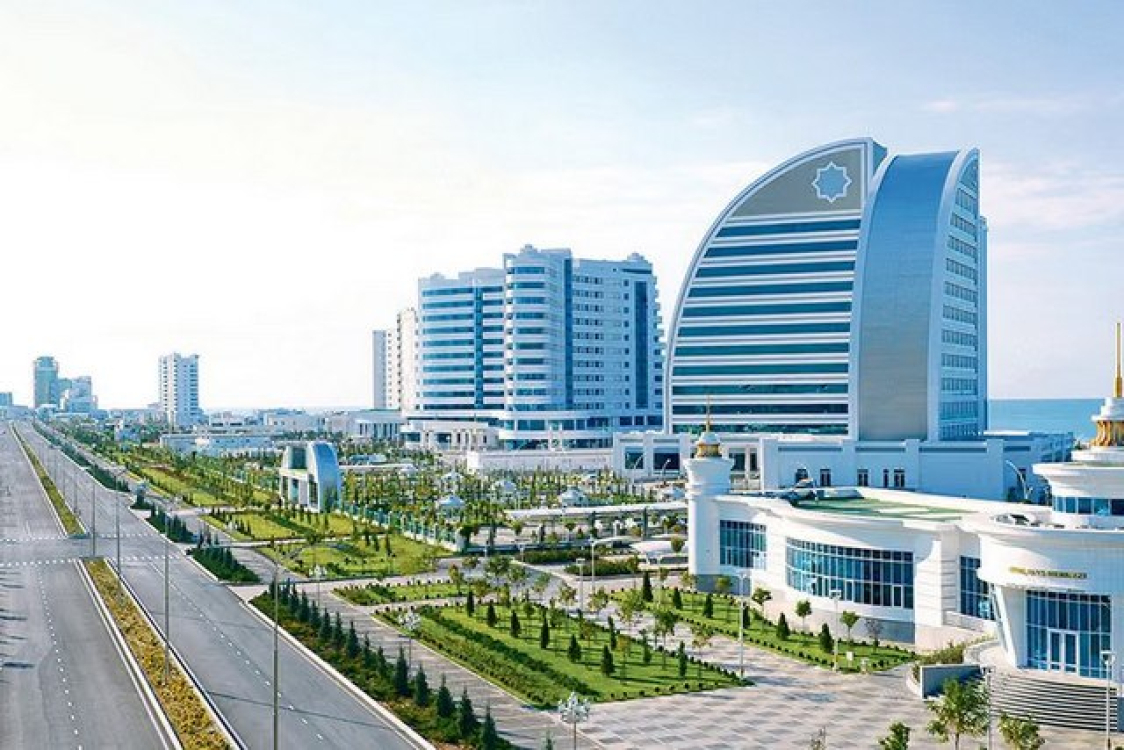
An international conference on healthcare issues is to be held in Awaza
02.10.2026On 7 October, Turkmenistan will host the Second International Conference on ‘Universal Health Coverage and the Sustainable Development Goals’. The forum is being organised by the Mejlis of Turkmenistan, the CIS Interparliamentary Assembly and the WHO Regional Office for Europe, according to IIC of Turkmenistan. The conference will take place as part of Turkmenistan’s chairmanship of the CIS and the Year of Health Promotion in the Commonwealth. It will follow on from the first conference, held in November 2021. The forum will be attended by heads of parliaments and health ministries from CIS countries, representatives of the WHO and the CIS Executive Committee, and international experts in the fields of law and public health. Participants will discuss the development of primary healthcare, access to medicines and the legislative regulation of tax policy, taking into account health protection issues. The conference will also serve as a platform for preparing inter-regional proposals for the high-level meeting of the UN General Assembly on universal health coverage, scheduled for September 2027.
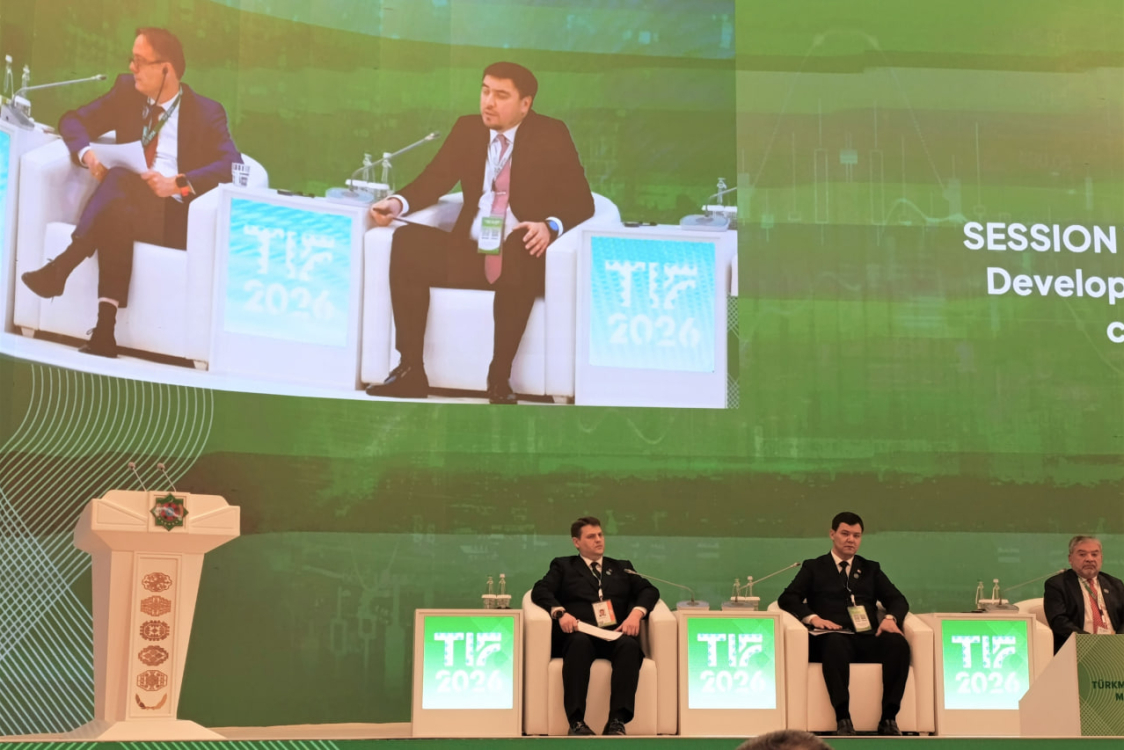
The potential of oil and gas projects in the Caspian Sea was showcased at TIF 2026 in Ashgabat
02.10.2026At the first session of the Turkmenistan Investment Forum (TIF 2026), Batyr Jumayev, Deputy Chairman of the State Concern ‘Türkmennebit’, presented investment opportunities for the development of hydrocarbon resources in Turkmenistan’s sector of the Caspian Sea. This was reported by the news agency Orient. According to him, the country’s offshore shelf is divided into more than 30 licence blocks, which are available to foreign investors under the national Concept for the Development of the Oil and Gas Industry. The main legal instrument for investors is the Law of Turkmenistan ‘On Hydrocarbon Resources’. The document provides for a preferential fiscal regime. Foreign companies pay corporation tax and the prescribed fees for the use of mineral resources, whilst being exempt from a number of other charges, customs duties and the requirement to register contracts for the import of equipment with the stock exchange. Investors may also freely dispose of their share of extracted hydrocarbons and process it at domestic refineries without the need for additional licences. After submitting an application to the ‘Türkmennebit’ State Concern, an investor may commence direct, non-exclusive negotiations. These lead to the conclusion of Production Sharing Agreements (PSAs), concessions, service contracts with risk, or joint venture agreements. Dragon Oil, PETRONAS and ADNOC are operating on Turkmenistan’s Caspian shelf under PSA arrangements. In June 2026, the ‘Türkmennebit’ State Concern, ‘Petronas Çarigali (Turkmenistan) Sdn. Bhd.’ and the state-owned enterprise ‘Hazarnebit’ signed a Production Sharing Agreement covering the contract areas ‘Block 19’ and ‘Block 20’. In addition, 2D seismic surveys have commenced in licence blocks 11, 12, 13 and 14.
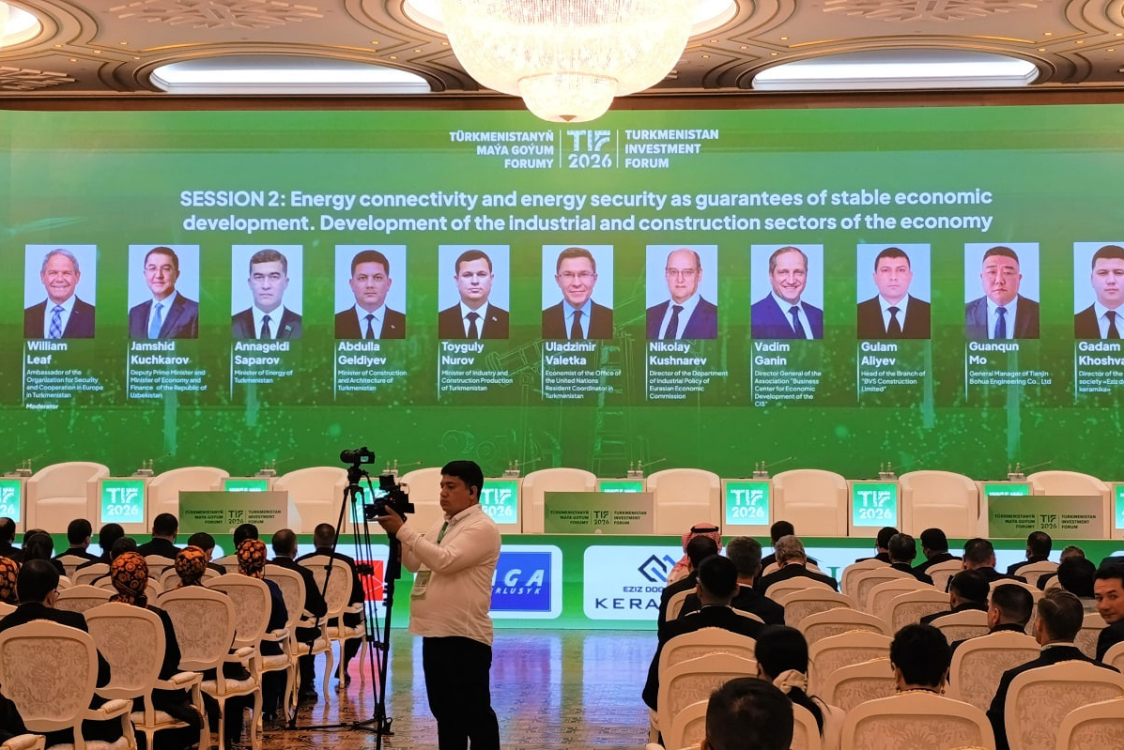
Turkmenistan’s Minister for Energy outlined plans for the sector’s development
02.10.2026At the second session of the Turkmenistan Investment Forum (TIF 2026), dedicated to energy interconnectivity, security and the development of the industrial and construction sectors, Turkmenistan’s Minister of Energy, Annageldi Saparov, presented plans to modernise the energy sector and expand export routes. This was reported by Orient. The session was moderated by William Leaf, the Organisation for Security and Co-operation in Europe (OSCE) Ambassador to Turkmenistan. It was also attended by heads of the ministries of construction, architecture and industry, as well as representatives of the UN, the EEC and foreign businesses. According to the minister, Turkmenistan’s energy system comprises 12 power stations with a total installed capacity of almost 7,000 megawatts. It meets the country’s domestic needs and supplies electricity for export. Construction has begun on a 1,574 MW combined-cycle power station on the Caspian coast. The project aims to improve the reliability of the power system and expand electricity supplies across the Caspian Sea to the countries of the Caucasus and Turkey. In the Balkan velayat, a project for a 10-megawatt hybrid solar-wind power station is being implemented in the Gyzylarbat etrap. Turkmenistan’s Minister of Energy also announced the completion of the Turkmen section of the ‘Turkmenistan–Afghanistan–Pakistan’ (TAP) high-voltage transmission line. The country’s unified ring power system has been expanded to include power lines and substations on the ‘Ahal–Mary’ and ‘Balkan–Dashoguz’ routes, implemented with the participation of the Asian Development Bank. Annageldi Saparov stated that the ministry was ready to continue negotiations with investors and companies from Europe, Japan, China and the Republic of Korea on issues relating to the digitalisation of management, improving energy efficiency and diversifying electricity exports.
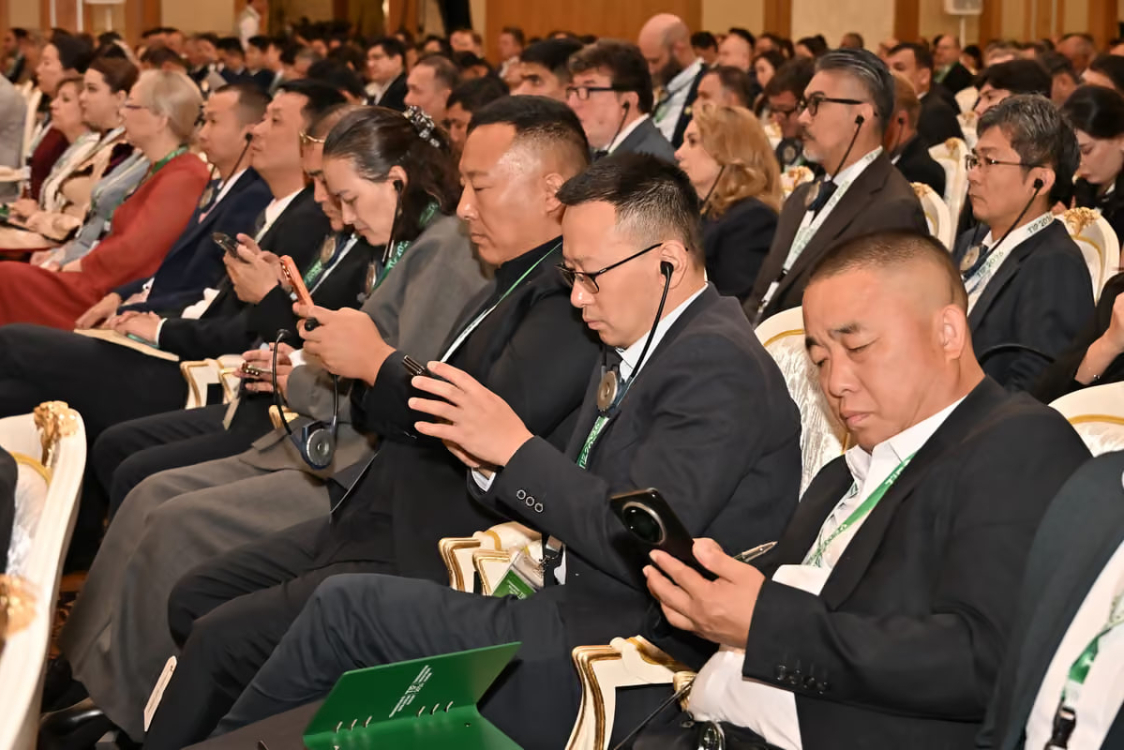
The UK has offered Turkmenistan new investment opportunities
02.10.2026As part of the investment forum currently taking place in Ashgabat, the British Ambassador Extraordinary and Plenipotentiary to Turkmenistan outlined the country’s investment opportunities and the mechanisms in place to support joint projects. This was reported by IIC. The diplomat noted that the British side is offering a partnership based on a combination of technology, professional expertise and access to international financial resources. ‘Turkmenistan does not merely need investors providing capital injections. The country needs partners who bring technology, expertise, international finance, and access to global markets. The UK offers all of these as a package,’ the diplomat emphasised. The UK’s state-owned export credit agency, UK Export Finance (UKEF), was cited as one of the key instruments for implementing projects. The Ambassador outlined the available financing mechanisms, including the Early Project Services Guarantee, the Standard Buyer Loan Guarantee for projects costing between 1 million and 30 million pounds sterling, and the UKEF Direct Lending Facility, providing up to 200 million pounds sterling over a two-year term. The British side also expressed its readiness to participate in the modernisation of Turkmenistan’s transport infrastructure and logistics, water management, agribusiness, renewable energy, mineral processing, as well as its engineering and financial-legal sectors. In conclusion, the Ambassador called for specific priority projects to be identified and for British suppliers and engineers to be involved at the early stages of their preparation, utilising the opportunities offered by UKEF.
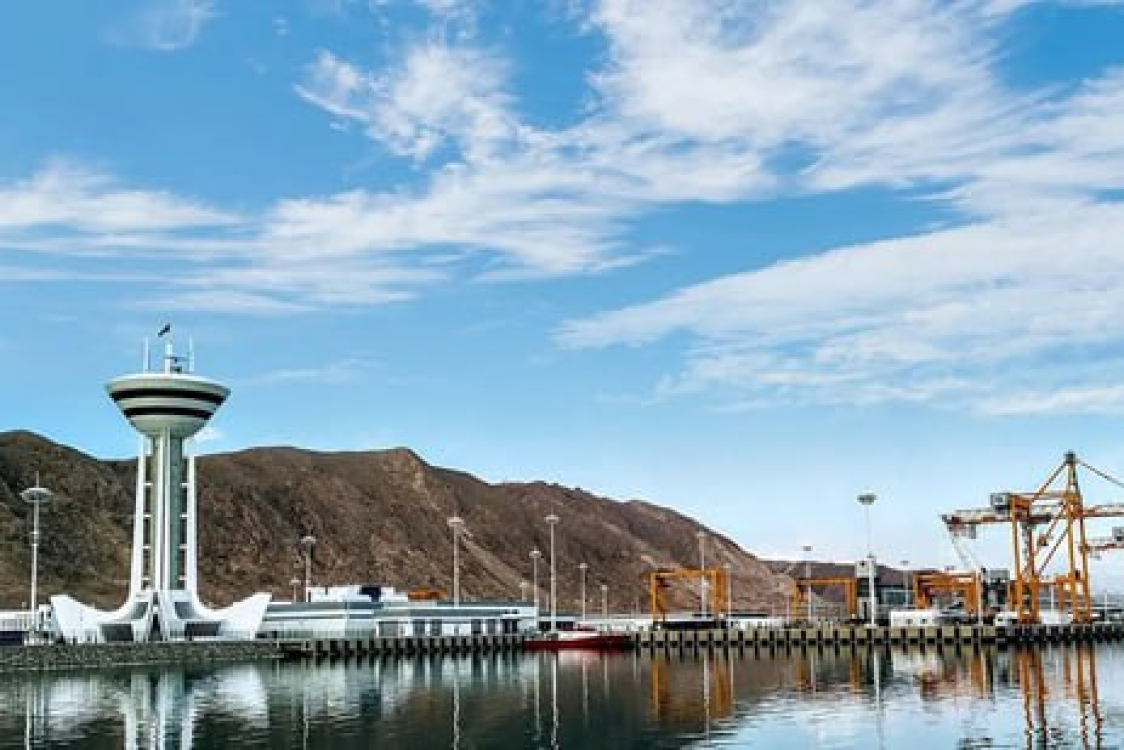
Turkmenistan has proposed the creation of a new transport corridor across the Caspian Sea
02.10.2026Turkmenistan has put forward an initiative to establish, with UN support, a new trans-regional transport corridor linking the countries of South and Central Asia with European states via the Caspian Sea. This was reported by Turkmenportal. The proposal was presented by Vepa Hajiyev, Turkmenistan’s Permanent Representative to the UN in New York. The initiative was announced during the general debate at the 81st session of the UN General Assembly. In addition, Turkmenistan has proposed establishing an International Centre for Sustainable Trade Logistics and Customs Cooperation on its territory under the auspices of the UN. The centre’s main areas of work could include the harmonisation of trade and customs procedures, the exchange of international expertise, the digitalisation of transit transport, and expanding opportunities for developing countries to access global markets. These initiatives are aimed at developing international transport and logistics links and improving the efficiency of trade routes between regions.
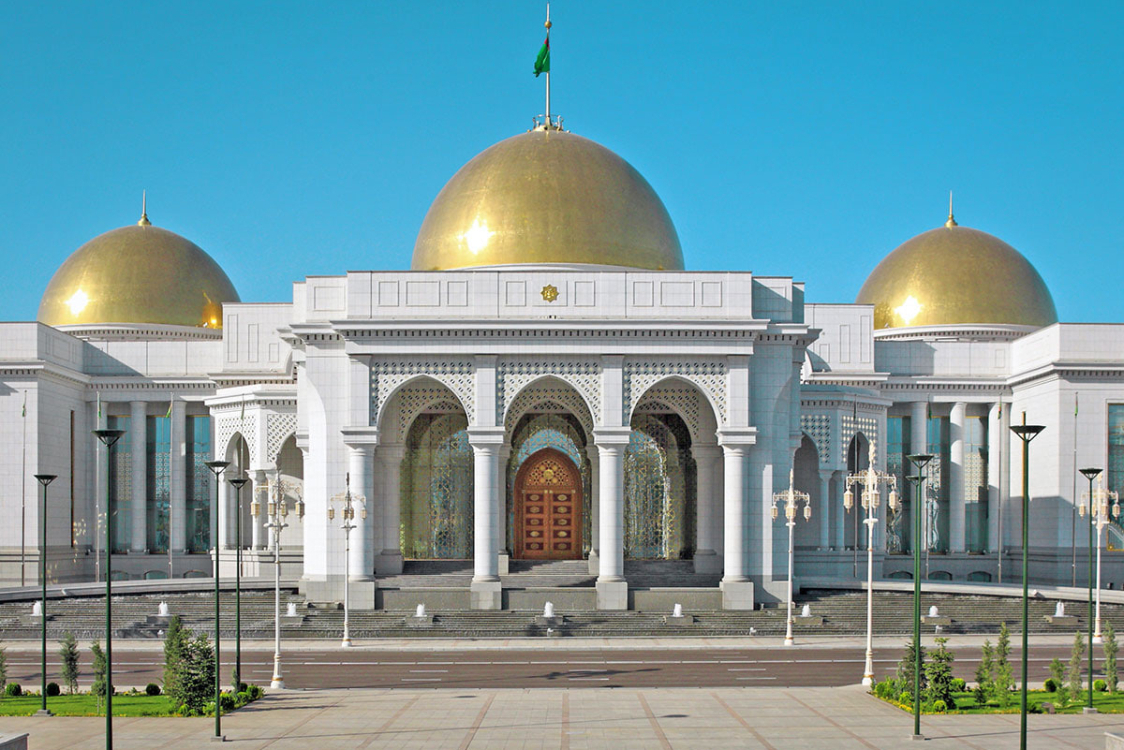
The President of Turkmenistan has received messages of congratulations
02.10.2026Serdar Berdimuhamedov, President of Turkmenistan, has received letters of congratulations from Heads of State to mark the 35th anniversary of Turkmenistan’s independence. This was reported by the TDH news agency. The President of the French Republic, Emmanuel Macron, congratulated Serdar Berdimuhamedov and the Turkmen people on their national holiday. The French President highlighted the close ties between France and Turkmenistan, as well as their shared commitment to the principles of the United Nations Charter and multilateral cooperation. Emmanuel Macron emphasised the importance of Turkmenistan to France and called for the continuation and expansion of cooperation, including in the fields of the economy, culture, science and education. King Carl XVI Gustaf of Sweden also sent his congratulations. He expressed his best wishes for the prosperity of the people of Turkmenistan. The President of the Hellenic Republic, Konstantinos Tasoulas, conveyed his congratulations on behalf of the people of Greece and on his own behalf, wishing Turkmenistan further progress, peace and prosperity. The President of the Republic of India, Draupadi Murmu, congratulated Serdar Berdimuhamedov, the Government and the people of Turkmenistan on behalf of the Government of India and on her own behalf. The President of India noted the development of bilateral ties in healthcare, pharmaceuticals, agriculture, mineral fertiliser production and education. India, she said, is ready to share its experience and knowledge in the field of development, taking into account Turkmenistan’s priorities. Kim Jong-un, Chairman of the State Affairs of the Democratic People’s Republic of Korea, also congratulated the President of Turkmenistan and the Turkmen people on Independence Day, wishing them success in the country’s development and prosperity for the people.
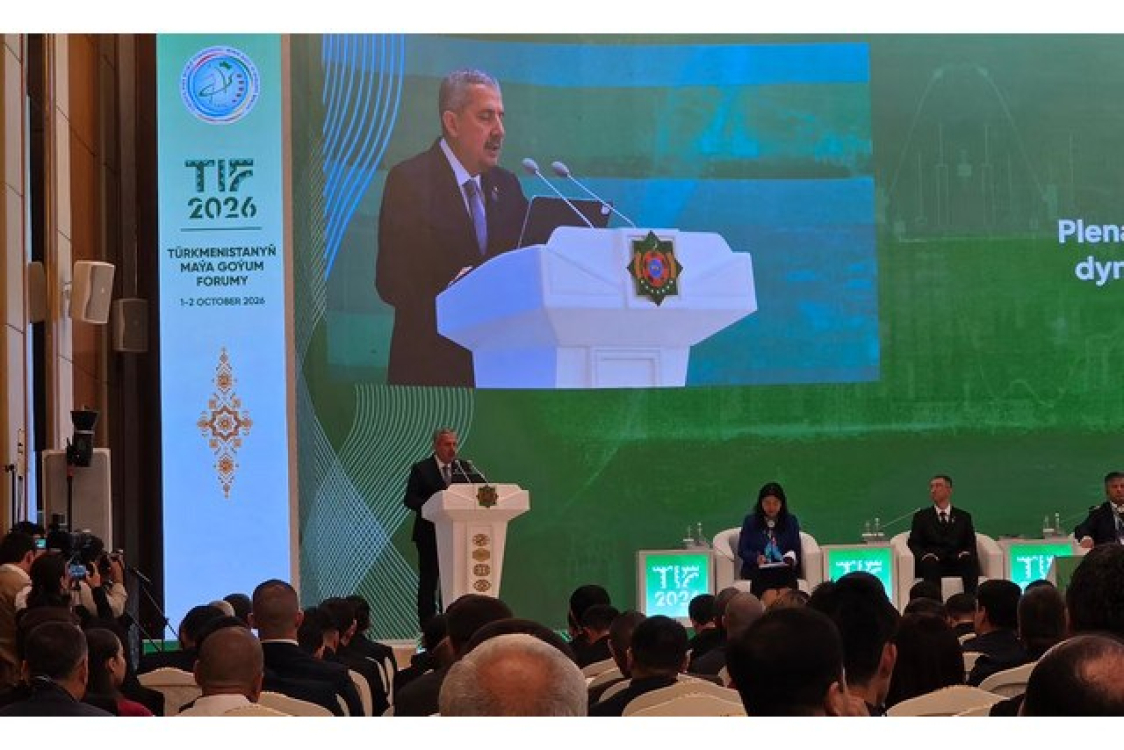
Turkey has outlined areas of economic cooperation with Turkmenistan
02.10.2026Mahmut Gurcan, Deputy Minister of Trade of the Republic of Turkey, addressed the plenary session of the Turkmen Investment Forum (TIF 2026). His speech focused on changes in global trade and the prospects for economic cooperation between the two countries, according to the IIC. The Turkish representative noted that disruptions to global supply chains are driving the relocation of production closer to markets and trading partners. In this context, he highlighted Turkmenistan’s role in transport routes between Europe and Asia. Among the priority areas cited were the development of the Middle Corridor and Trans-Caspian routes, the expansion of the capacity of the Turkmenbashi International Seaport, and the implementation of energy projects, including the development of the ‘Galkynyş’ field. By the end of 2025, trade turnover between Turkey and Turkmenistan had exceeded $2 billion. The parties are working towards achieving the $5 billion target set by the leaders of the two countries. Areas of focus in this work include simplifying customs procedures, reducing logistical barriers and the digitalisation of trade. Turkish businesses are also ready to expand their investments in Turkmenistan’s industry, the textile sector, the agro-industrial complex, infrastructure and the financial sector.
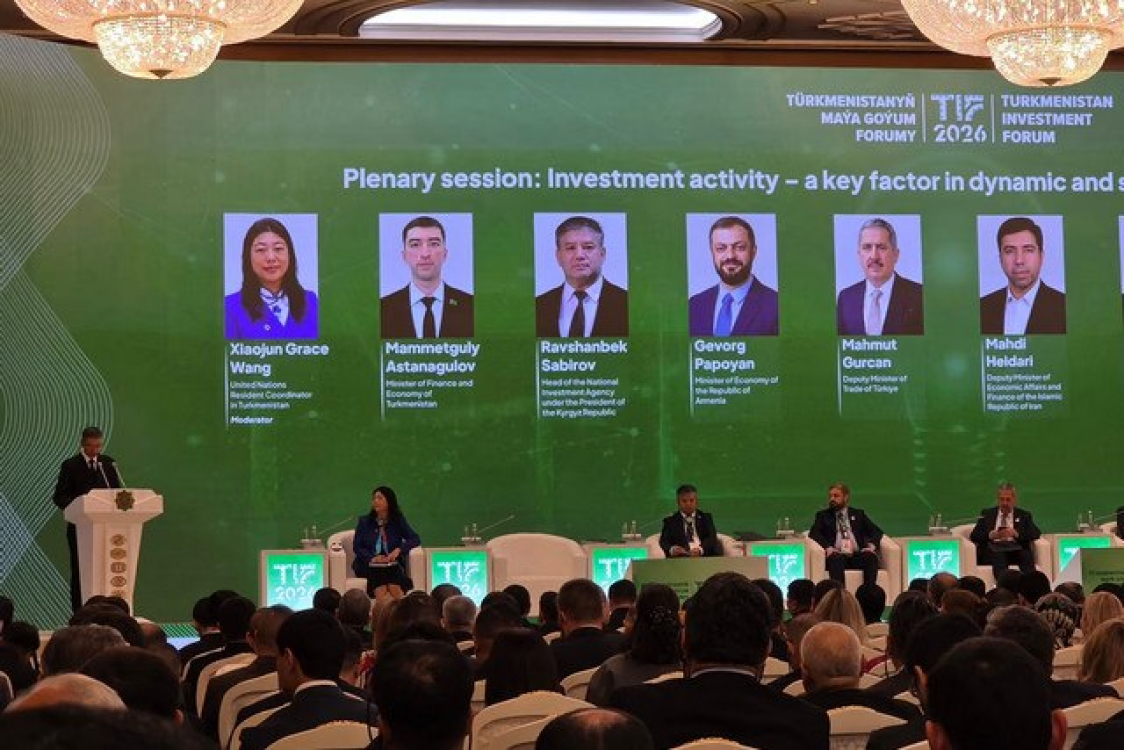
Turkmenistan has identified priority sectors for attracting investment
02.10.2026During a plenary session of the Turkmenistan Investment Forum, Turkmenistan’s Minister of Finance and Economy, Mammetguly Astanagulov, identified the priority sectors for attracting foreign capital. This was reported by the IIC of Turkmenistan. The minister identified the oil and gas and gas-chemical sectors, energy, transport and logistics, construction and the agro-industrial complex as priority sectors. According to Astanagulov, work is continuing in the country to diversify the economy, modernise the banking sector and digitise financial systems. Investment policy also provides for the development of an industrial and innovation-based economic model and the creation of a favourable business environment.
Read also
Advertising
 Read us in Zen


