

News
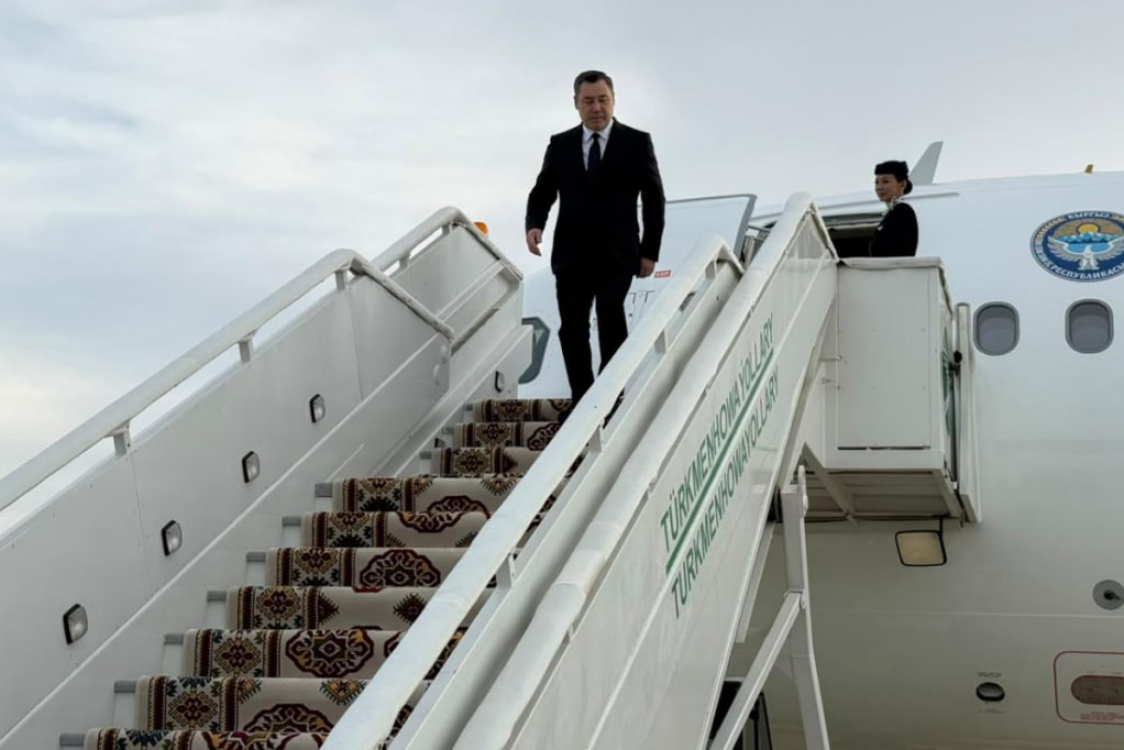
Sadyr Japarov has arrived in Turkmenistan to take part in high-level events
08.10.2026On 8 October 2026, the President of the Kyrgyz Republic, Sadyr Japarov, arrived in Turkmenistan to take part in high-level events. This was reported by the press office of the Foreign Affairs Ministry of Turkmenistan. In the ‘Awaza’ National Tourist Zone, Sadyr Japarov will take part in a meeting of the Council of Heads of State of the CIS. The events are taking place as part of Turkmenistan’s chairmanship of the Commonwealth of Independent States.
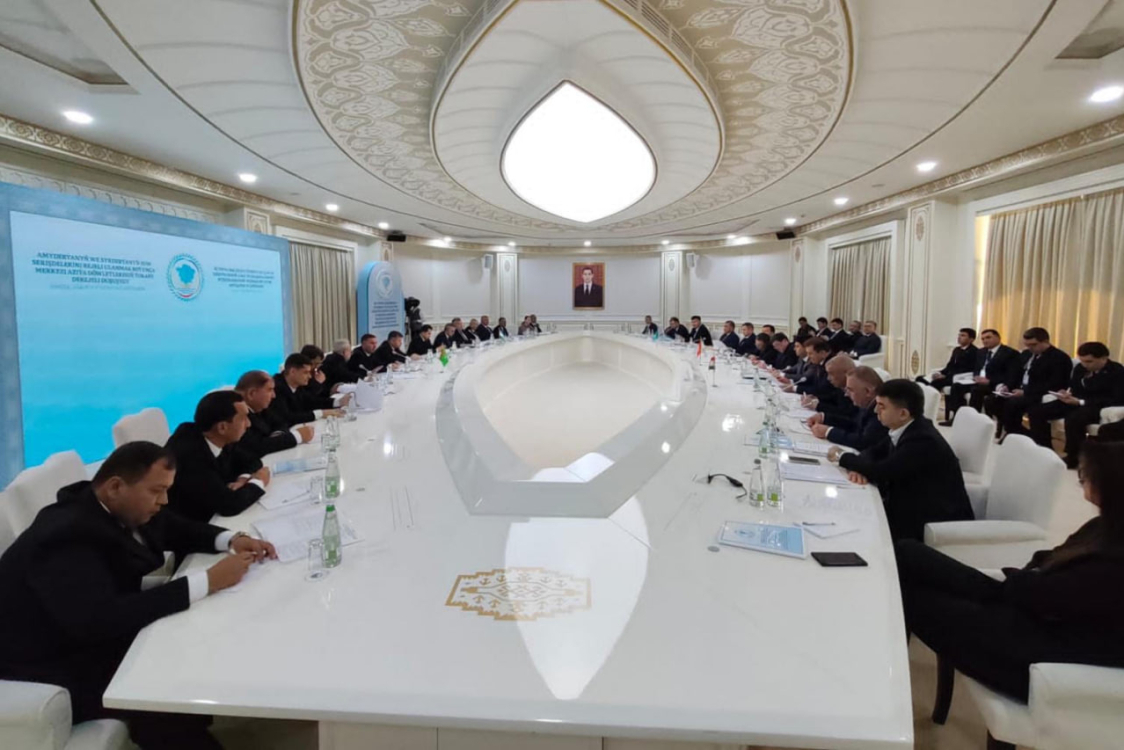
The rational use of the waters of the Amu Darya and Syr Darya was discussed at ‘Awaza’
08.10.2026A high-level meeting of Central Asian countries on the rational use of the water resources of the Amu Darya and Syr Darya rivers took place on 7 October in the ‘Awaza’ National Tourist Zone. This was reported by the news agency TDH. The meeting was attended by heads of relevant ministries and experts from the water management sector. The main focus was on coordinating inter-state cooperation in the field of water use. Participants discussed compliance with agreements relating to the Amu Darya and Syr Darya basins, the modernisation of water management infrastructure and the introduction of water-saving technologies. Proposals included expanding the use of drip irrigation, lining canals with concrete and digitising the monitoring of cross-border river flows. The activities of the International Fund for Saving the Aral Sea and the Interstate Commission for Water Coordination were considered separately, as were ways of improving the effectiveness of their work. The agenda included environmental projects aimed at preventing soil salinisation and desertification, as well as finding a balance between the interests of hydropower and irrigated agriculture. The participants also supported Turkmenistan’s initiative to establish a Regional Centre for Climate Change Technologies in Central Asia. Following the meeting, the parties agreed on approaches to further cooperation in the field of water and environmental sustainability in the region.
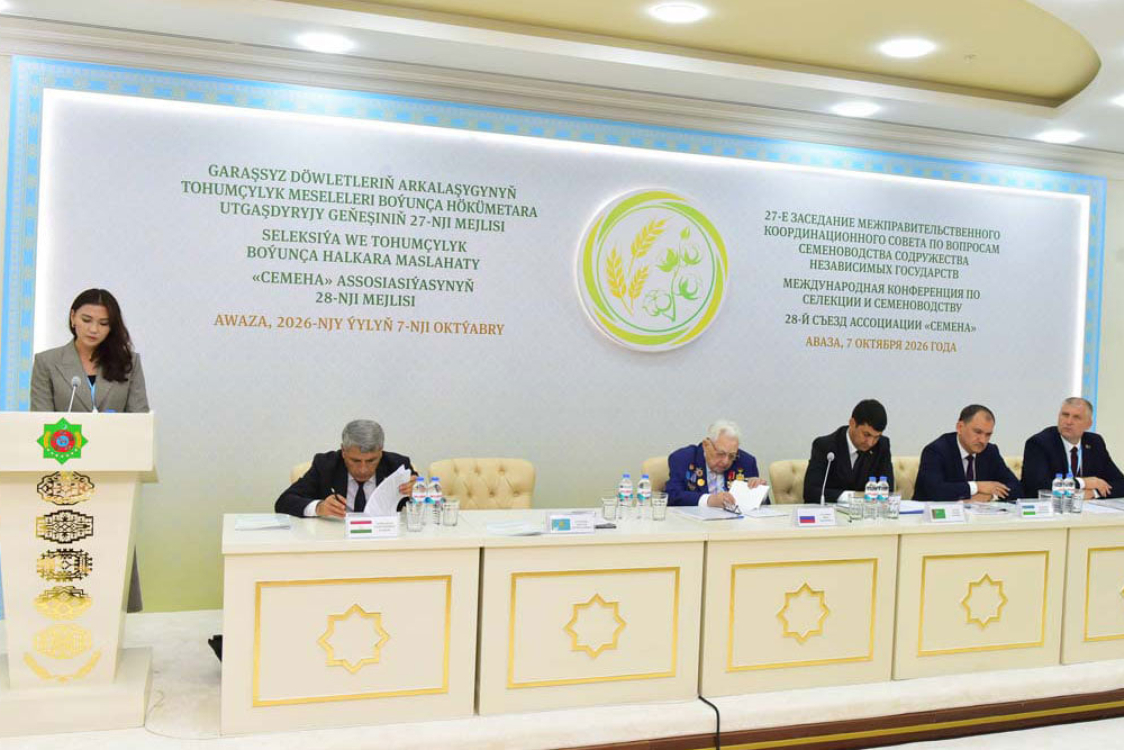
The development of seed production in the CIS countries was discussed at ‘Awaza’
08.10.2026On 7 October, the 27th meeting of the Inter-governmental Co-ordinating Council on Seed Production of the Commonwealth of Independent States took place in the ‘Awaza’ National Tourist Zone. It was attended by heads of agricultural ministries, scientists and representatives of plant breeding centres from CIS countries, according to the news agency TDH. Participants discussed the development of inter-state cooperation in the field of plant breeding and seed production, ensuring food security, and the implementation of the Agreement on the Development of the Inter-State Market for Agricultural Seeds. Particular attention was paid to removing administrative and phytosanitary barriers, improving seed certification, exchanging scientific research findings, and developing varieties resistant to drought and disease. Issues relating to the digitalisation of the sector and the efficient use of land and water resources were also addressed. On the same day, the 28th meeting of the ‘Semena’ Association took place. Experts discussed the adaptation of seed production to climate change, the standardisation of seed quality, the development of scientific and industrial cooperation, and the application of modern breeding methods, including molecular genetics and digital technologies. This was followed by the International Conference on Plant Breeding and Seed Production. Participants examined the sector’s development, modern crop cultivation technologies, high-quality seed production and the expansion of joint research programmes. The conference also addressed issues relating to seed storage and processing, phytosanitary safety, the market for cereals and oilseeds, exports, logistics and public-private partnerships. Following the events, the participants agreed to continue their cooperation in the fields of plant breeding and seed production, the exchange of expertise, and the introduction of modern technologies into the agricultural sector.
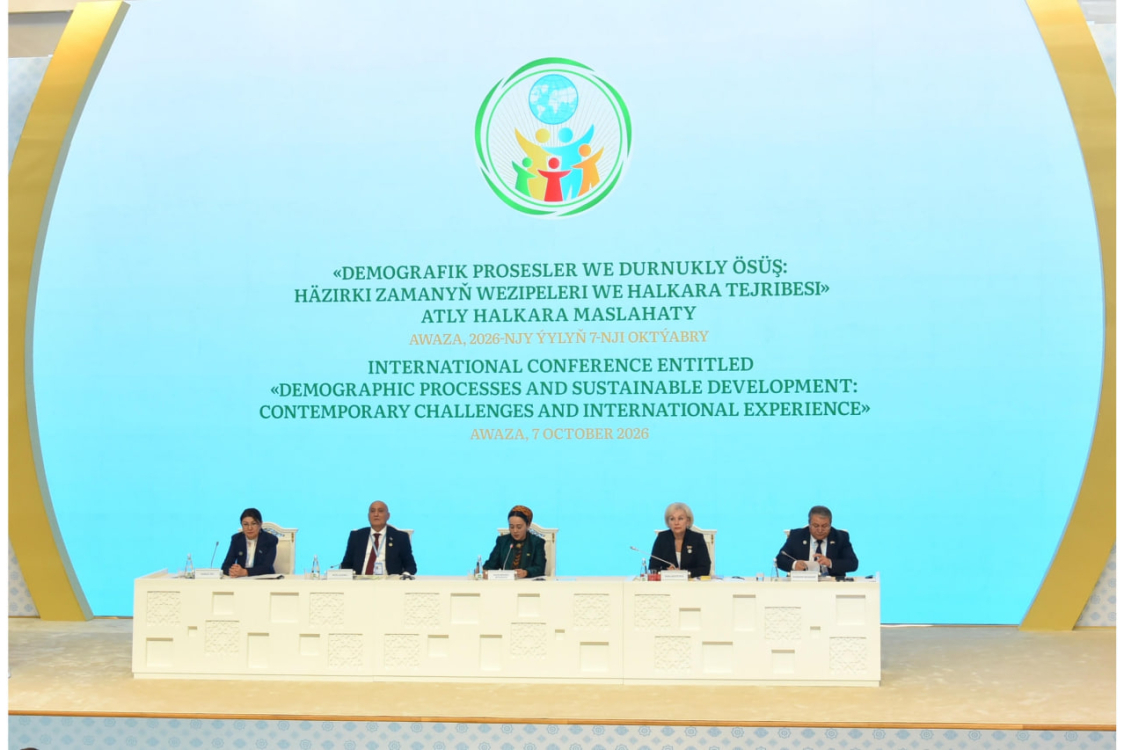
Demography and sustainable development were discussed in Turkmenistan
08.10.2026On 7 October, the ‘Awaza’ National Tourist Zone hosted the International Conference ‘Demographic Processes and Sustainable Development: Contemporary Challenges and International Experience’. The forum was attended by representatives of the Mejlis of Turkmenistan, the parliaments of Saudi Arabia, Turkey and the CIS countries, as well as specialised UN agencies, according to the news agency TDH. Participants discussed the impact of demographic processes on socio-economic development, as well as issues of public policy in the fields of population, healthcare, education, the labour market and social protection. Particular attention was paid to the use of population and housing census data, digital technologies for processing statistical information, and the integration of demographic indicators into long-term planning. The conference also addressed issues relating to urban and rural development, the implementation of ‘smart’ and ‘green’ city standards, the protection of mothers and children, support for families and young people, and adaptation to climate change. Representatives from Turkmenistan highlighted their collaboration with specialised UN agencies, including the United Nations Population Fund (UNFPA), the United Nations Development Programme (UNDP) and the United Nations Children’s Fund (UNICEF). This cooperation is aimed at improving the analysis of demographic indicators, monitoring the Sustainable Development Goals and exchanging international best practice. Participants also discussed improving the legal and institutional framework in the field of demography and opportunities for further international cooperation. A Final Document was adopted at the conclusion of the conference.
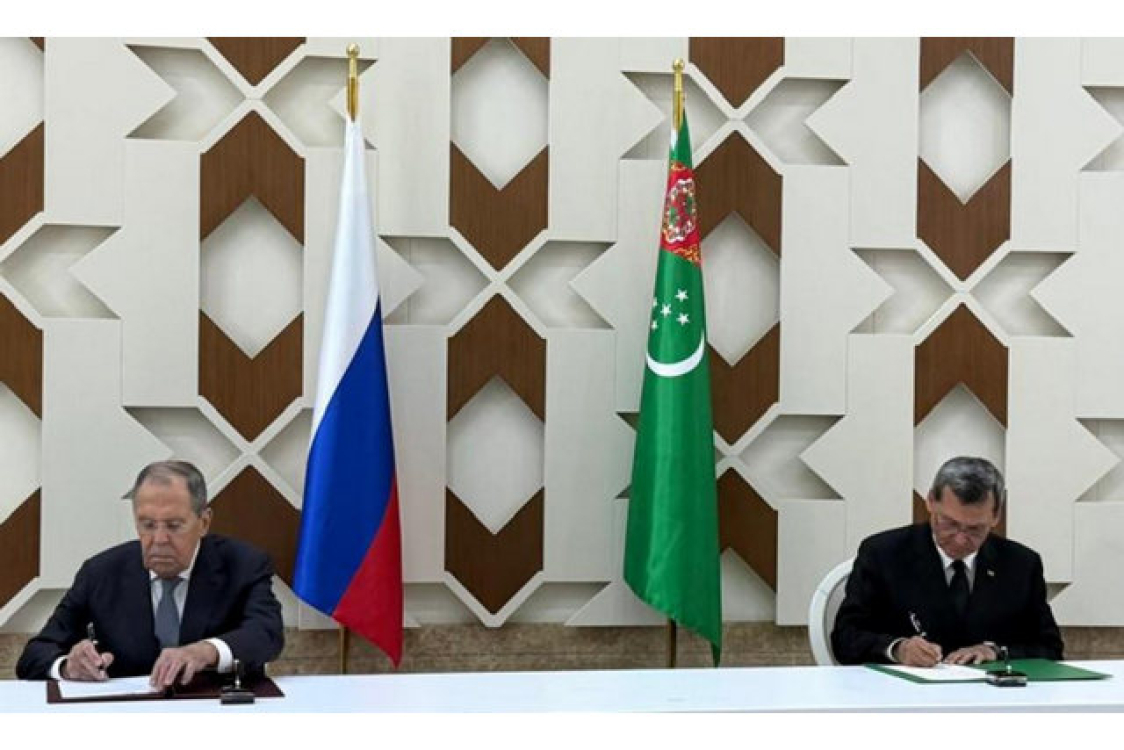
The MFA of Turkmenistan and the Russian Federation have signed a Cooperation Programme for 2027–2028
08.10.2026On 7 October, following a meeting between Rashid Meredov, Foreign Affairs Minister of Turkmenistan, and Sergey Lavrov, Foreign Affairs Minister of the Russian Federation, a Programme of Cooperation between the Foreign Affairs Ministry of Turkmenistan and the Foreign Affairs Ministry of the Russian Federation for 2027–2028 was signed. This was reported by the press office of the Foreign Affairs Ministry of Turkmenistan The document provides for the further development of cooperation between the foreign ministries of the two countries. The parties also discussed current issues relating to bilateral cooperation, as well as the regional and international agenda.
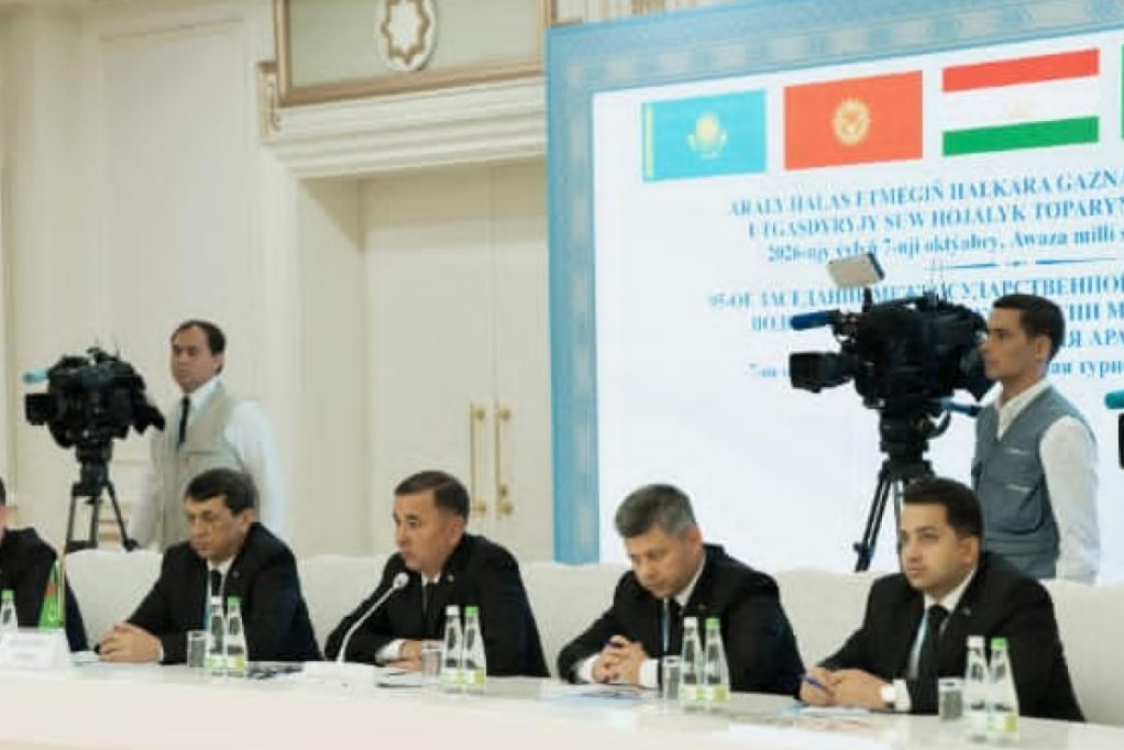
Turkmenistan hosted a meeting of the Interstate Commission for Water Coordination
08.10.2026On 7 October 2026, the 95th meeting of the Interstate Commission for Water Coordination (ICWC) of the Republic of Kazakhstan, the Kyrgyz Republic, the Republic of Tajikistan, Turkmenistan and the Republic of Uzbekistan took place in ‘Awaza’. The meeting was hosted by the Turkmen side. The meeting was chaired by Durdy Genjiyev, Chairman of the State Committee for Water Resources of Turkmenistan, according to the press service of the Foreign Affairs Ministry of Turkmenistan. The meeting was attended by members of the ICWC, representatives of the water management authorities of the Central Asian states, the Commission’s executive bodies and the Executive Committee of the International Fund for Saving the Aral Sea (IFAS). The main focus was on the results of water use in the Syr Darya and Amu Darya basins during the 2026 growing season. The parties discussed the allocation of water resources and the operating regimes of the reservoir cascades for the 2026–2027 inter-growing season. The participants also reviewed the implementation of the decisions taken at the summits of the Heads of State of the IFAS’s founding member states. The agenda included the implementation of the 4th Aral Sea Basin Programme (ASBP-4), the introduction of water-saving and digital technologies, adaptation to climate change, and the development of water diplomacy and scientific capacity. Following the meeting, the parties adopted a protocol.

Turkmenistan is steadily developing its healthcare system
08.10.2026The development of the national healthcare system, medical infrastructure and pharmaceutical industry continues in Turkmenistan. Over the years since independence, the country has established a modern healthcare model that combines international standards, cutting-edge technologies and domestic medical expertise, according to the news agency ‘Turkmenistan: Golden age’. As part of the ‘Saglyk’ State Programme, developed over 30 years ago, hospitals, diagnostic and scientific-clinical centres, health centres and sanatoriums have been built. Programmes are being implemented in the areas of immunisation, disease prevention, healthy lifestyles and the development of sport. International medical cooperation plays a significant role in state policy. In March 2026, a Resolution issued by President Serdar Berdimuhamedov approved the National Strategy for International Medical Cooperation for 2026–2052 and the Action Plan for its implementation. The document provides for further cooperation with foreign partners and specialised agencies of the United Nations system, including the World Health Organisation. The development of specialised fields of medicine is continuing. In 2024, the International Health and Rehabilitation Centre and the International Scientific and Clinical Centre for Physiology opened in Ashgabat. In 2025, a modern Health Centre began operating in the capital, whilst the 300-bed Mary Regional Infectious Diseases Hospital opened in the ‘Täze güýç’ residential complex. In 2026, President Serdar Berdimuhamedov inspected the progress of construction and modernisation at a number of medical facilities. These included the ‘Arçman’ sanatorium, the International Paediatric Centre and the Dental Centre in Ashgabat. The National Leader of the Turkmen people and Chairman of the Halk Maslahaty of Turkmenistan, Gurbanguly Berdimuhamedov, also inspected the final stage of construction of the International Scientific and Clinical Centre for Oncology. Cooperation with the International Atomic Energy Agency is developing in the field of oncology, disease prevention and treatment. The new Country Framework Programme for 2026–2030 provides for further technical cooperation and the introduction of innovative technologies into nuclear medicine. Particular attention is being paid to the protection of maternal and child health. In 2026, the National Programme for the Protection of Maternal and Child Health in Turkmenistan for 2026–2030, ‘Healthy Mother – Healthy Child – Healthy Future’, was approved. It provides for disease prevention, the promotion of maternal and child health, and the improvement of medical infrastructure, reproductive and perinatal services. The development of paediatric medicine and social support remains a separate priority. The Gurbanguly Berdimuhamedov Charitable Foundation for Assistance to Children in Need of Guardianship provides medical facilities with equipment and supports the treatment and surgery of children. The Foundation’s international cooperation is based on Memoranda of Understanding with the United Nations Children’s Fund (UNICEF), China’s Soong Ching Ling Foundation and Azerbaijan’s Heydar Aliyev Foundation. At the same time, the domestic pharmaceutical industry is expanding. The company ‘Arkadag Medisina Klasteri Menejment’ manufactures medical devices and baby food, whilst the construction of the Medical Cluster complex in the city of Arkadag will enable the range of domestic medical products to be expanded. The development of the healthcare system continues within the framework of government programmes and new projects aimed at improving medical infrastructure, introducing modern technologies and enhancing the quality of medical services.
An international exhibition and scientific conference are to be held in Ashgabat
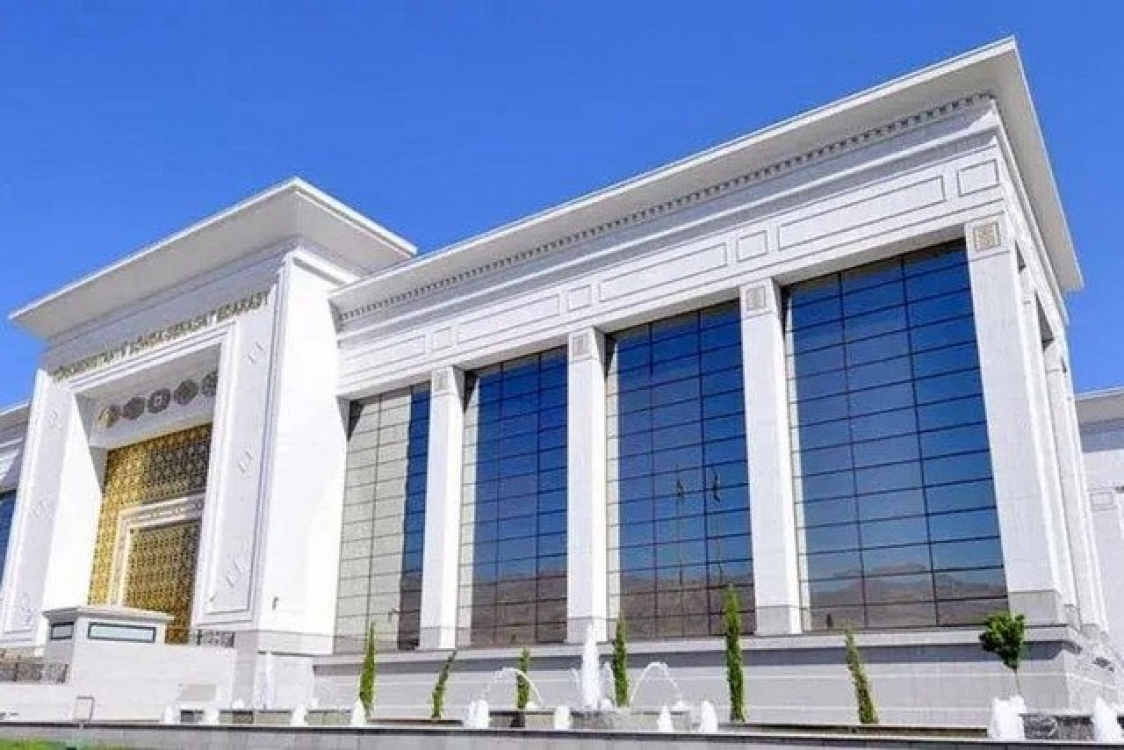
08.10.2026From 10 to 12 October, Ashgabat will host an International Exhibition and Scientific Conference entitled ‘Healthcare, Education and Sports in the Renaissance Era of a New Epoch of a Powerful State’. This was reported by Turkmenportal. The events will take place at the Chamber of Commerce and Industry of Turkmenistan. Representatives of ministries and sectoral departments, members of the Union of Industrialists and Entrepreneurs, Turkmen entrepreneurs, citizens of the country and representatives of foreign companies are invited to attend. Further information can be obtained by calling 39-88-81 and 39-88-84 (83, 82).
The President of Kazakhstan has arrived in Turkmenistan
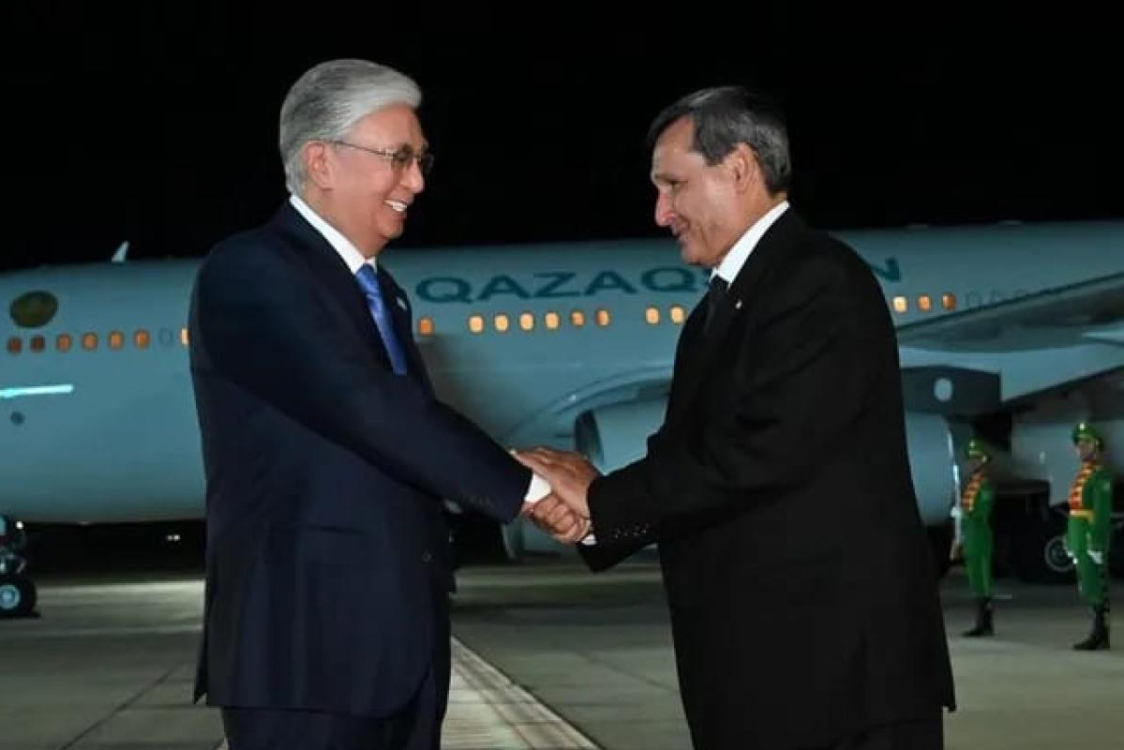
08.10.2026On 8 October 2026, the President of the Republic of Kazakhstan, Kassym-Jomart Tokayev, arrived in Turkmenistan to take part in high-level events being held at the ‘Awaza’ National Tourist Zone. This was reported by the press office of the Foreign Affairs Ministry of Turkmenistan. As part of the visit, the President of Kazakhstan will take part in a Consultative Meeting of the Heads of State of Central Asia and Azerbaijan. Kasym-Jomart Tokayev will also take part in the Caspian Environmental Summit and a meeting of the Council of Heads of State of the Commonwealth of Independent States.
Preparations for the CIS Interparliamentary Assembly sessions in Turkmenistan were discussed in Awaza
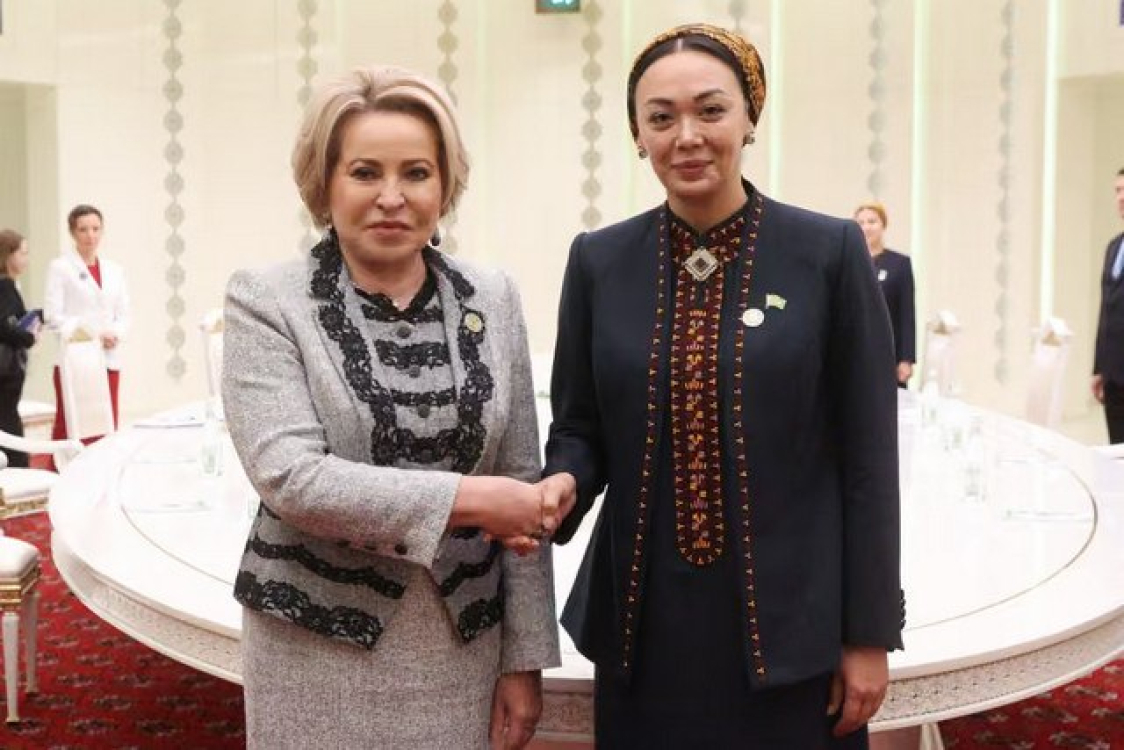
07.10.2026A meeting took place in the Awaza National Tourist Zone between Dunyagozel Gulmanova, Chairwoman of the Mejlis of Turkmenistan, and Valentina Matvienko, Head of the CIS Interparliamentary Assembly and Head of the Federation Council of Russia. Dmitry Kobitsky, Secretary-General of the CIS Interparliamentary Assembly Council, also took part in the negotiations, according to the IIC of Turkmenistan. The main topic of the meeting was preparations for the CIS IPA’s away sessions, which are to take place in Turkmenistan on 19–20 November. The programme includes a meeting of the Assembly Council, the 61st plenary session and meetings of the standing committees. Valentina Matvienko also stated that she had sent a proposal to the National Leader of the Turkmen people and Chairman of the Halk Maslahaty of Turkmenistan, Gurbanguly Berdimuhamedov, to consider granting the Mejlis of Turkmenistan observer status within the CIS Inter-Parliamentary Assembly. The parties noted the high level of inter-parliamentary cooperation and called for the expansion of contacts between youth chambers, as well as the development of the women’s agenda. The meeting took place as part of the events being held in Awaza. The National Tourist Zone hosted the international conference ‘Universal Health Coverage and the Sustainable Development Goals’ and the ‘International Women’s Dialogue’ forum.
A meeting of the CIS Council of Foreign Affairs Ministers has begun in Turkmenistan
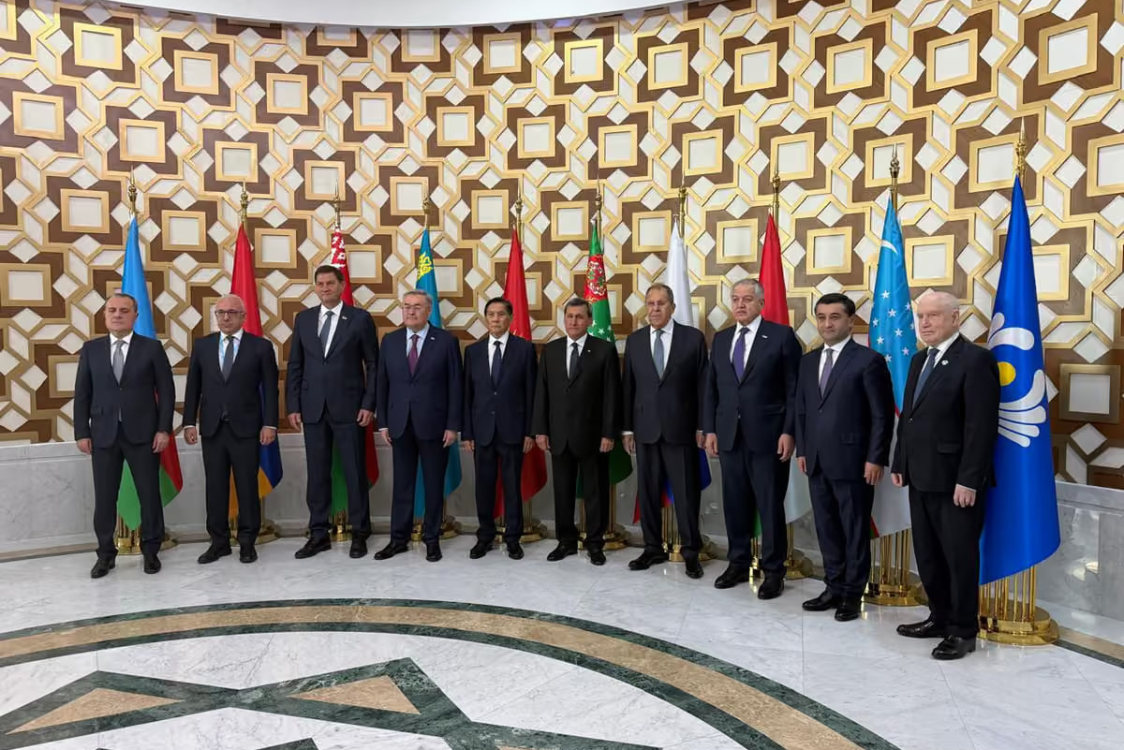
07.10.2026A meeting of the Council of Foreign Affairs Ministers of the Commonwealth of Independent States has begun in the ‘Awaza’ National Tourist Zone. The meeting is taking place in the conference hall of the ‘Berkarar’ Hotel, according to IIC of Turkmenistan. The Heads of the foreign ministries of the CIS member states will discuss pressing issues on the regional and international agenda, as well as the development of cooperation in the political, trade and economic, and cultural and humanitarian spheres. The agenda also includes issues relating to strengthening security and stability within the Commonwealth, a joint response to contemporary challenges and threats, and the coordination of cooperation in international forums. A package of joint documents is expected to be signed following the meeting.
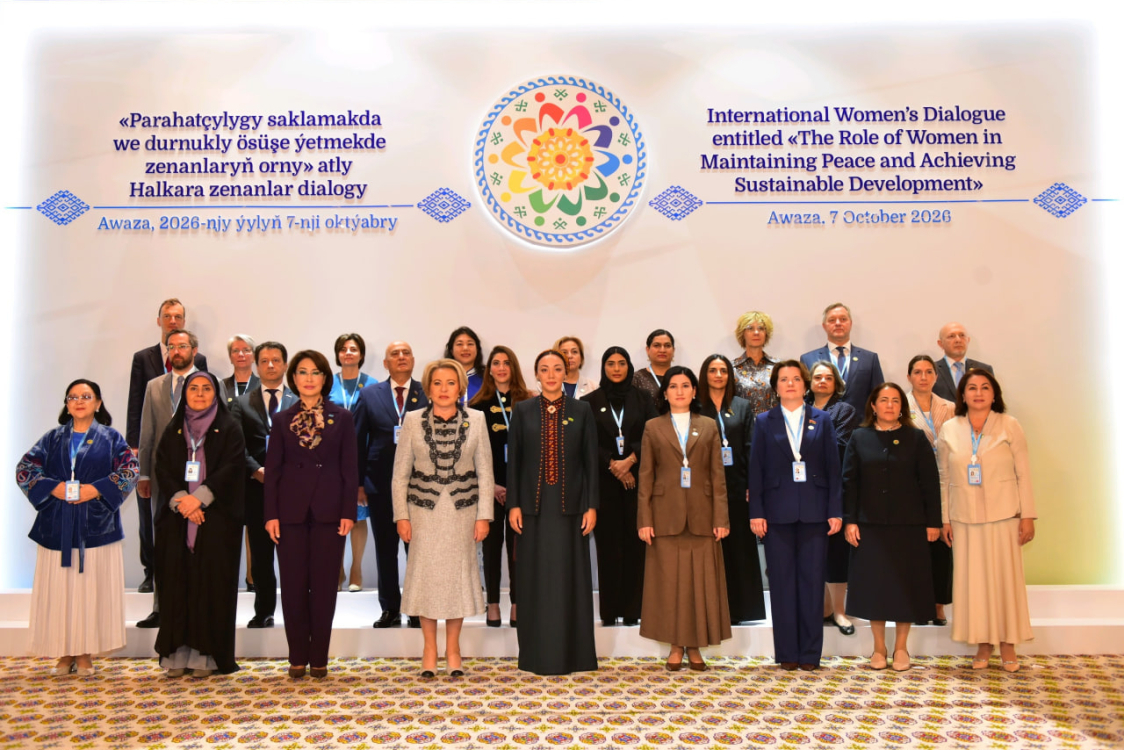
Turkmenistan is strengthening international dialogue on the role of women in promoting peace
07.10.2026On 7 October, a plenary session of the International Women’s Dialogue, entitled ‘The Role of Women in Maintaining Peace and Achieving Sustainable Development’, took place in the ‘Awaza’ National Tourist Zone. The event was chaired by Dunyagozel Gulmanova, Chairwoman of the Mejlis of Turkmenistan, according to the press office of the Mejlis. Participants discussed the role of women in strengthening peace and trust, as well as sustainable development, and issues relating to the empowerment of women and the achievement of gender equality. In her speech, Dunyagozel Gulmanova highlighted the growing role of women in public life and social development. The Chairwoman of the Mejlis of Turkmenistan emphasised that Turkmenistan’s legislation enshrines equal rights for men and women. The country is also implementing the ‘National Action Plan for Gender Equality in Turkmenistan for 2026–2030’. Furthermore, she highlighted Turkmenistan’s participation in international agreements and its cooperation with UN Women and the United Nations Population Fund. According to her, seminars and the exchange of experience with international organisations are aimed at developing gender analysis, inclusive governance and economic opportunities for women. Particular attention was paid to women’s participation in the legislative, executive and judicial branches of government, as well as in various sectors of the economy. Participants in the dialogue also discussed the role of women in implementing the ‘Women, Peace and Security’ agenda and the development of the Central Asian Women’s Dialogue as a regional platform for confidence-building, peaceful development and inclusive governance. Following the plenary session, participants emphasised the need to coordinate international efforts to empower women, strengthen peace and achieve sustainable development.
Read also
Advertising

 Read us in Zen


