

News
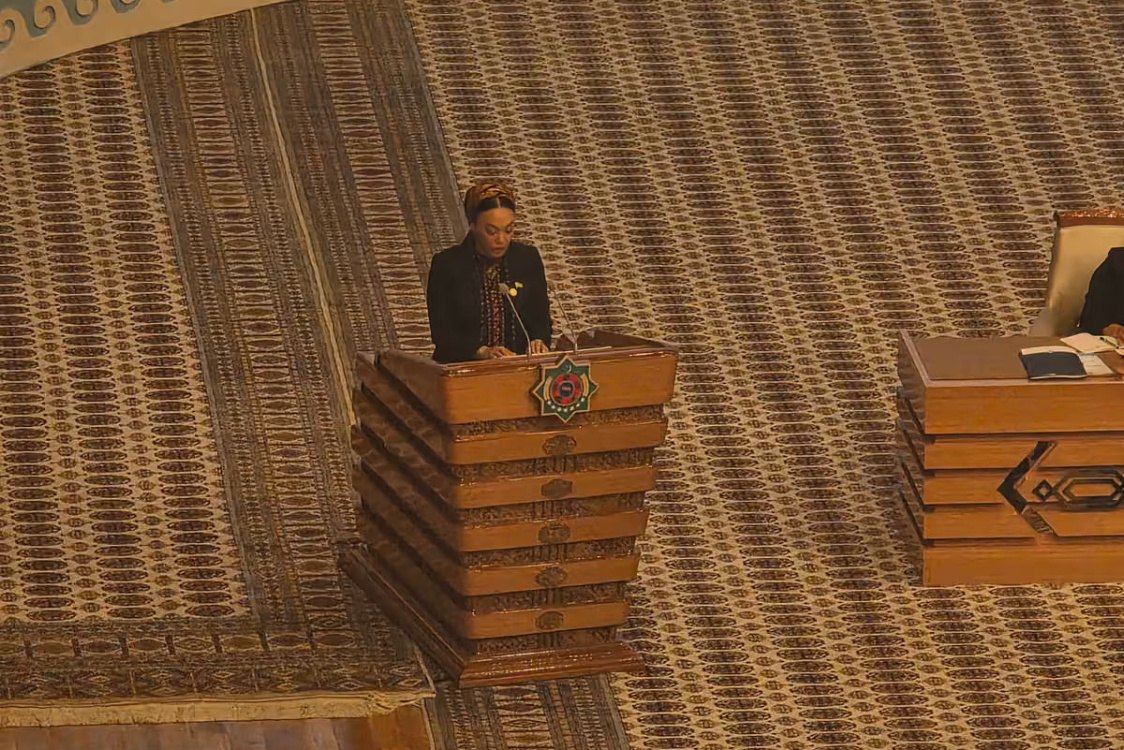
The Chairwoman of the Mejlis of Turkmenistan highlighted the growing role of women in society
07.10.2026At the International Women’s Dialogue, the Chairwoman of the Mejlis of Turkmenistan, D. Gulmanova, highlighted the growing role of women in public life and social development. This was reported by the IIC of Turkmenistan. D. Gulmanova noted that conditions have been created in Turkmenistan for women’s participation in public administration, the socio-economic sphere and international diplomacy. National legislation enshrines equal rights and opportunities for citizens regardless of gender. In this area, there is a specific law on state guarantees of equality and national action plans in place. According to the Chairwoman of the Mejlis, Turkmenistan cooperates with UN Women and the United Nations Population Fund, and is a party to international conventions. The country also participates in regional initiatives to implement the global ‘Women, Peace and Security’ agenda in Central Asia. It was noted that, to date, Turkmen women are represented in the legislative, executive and judicial branches of government, as well as in various sectors of the national economy.
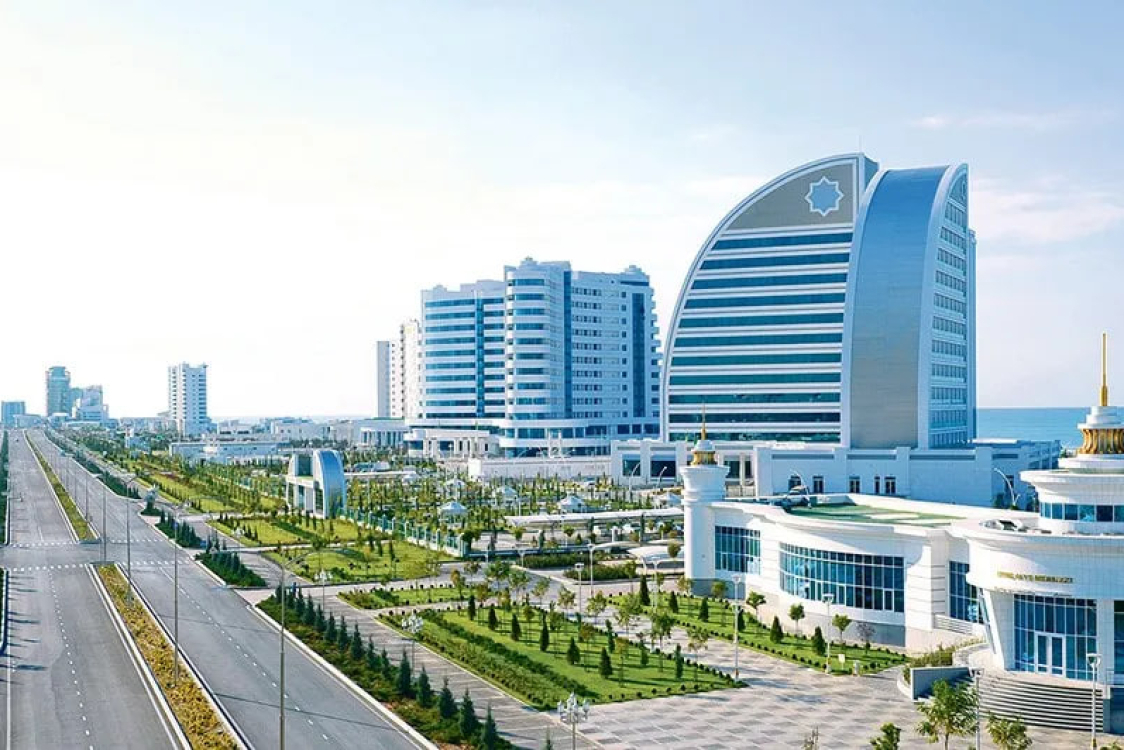
A session of the International Women’s Dialogue has opened at the ‘Awaza’ National Tourist Zone
07.10.2026A session of the International Women’s Dialogue has opened in the ‘Awaza’ National Tourist Zone, attended by representatives of legislative bodies, diplomatic missions, international organisations and expert communities. This was reported by the IIC. Participants are discussing the implementation of the global ‘Women, Peace and Security’ agenda, women’s participation in preventive diplomacy and the achievement of the UN Sustainable Development Goals. Particular attention is being paid to legal mechanisms for ensuring equal opportunities for women in public administration, the socio-economic sphere and peacekeeping processes. Following the meeting, it is planned to draw up recommendations on strengthening legal protection for women, their participation in international cooperation and the promotion of peace initiatives.
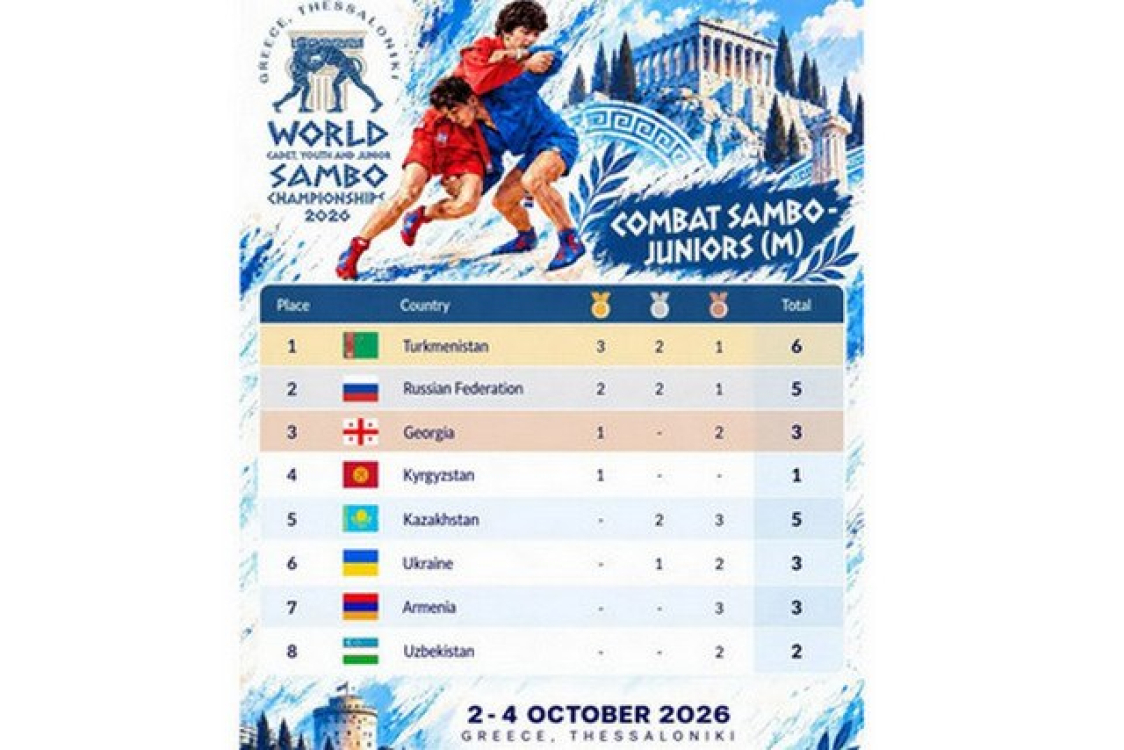
Turkmen juniors won the team event in combat sambo
07.10.2026The Turkmenistan national team took first place in the Junior Combat Sambo team event at the World Cadet, Youth & Junior SAMBO Championships in Thessaloniki. The Turkmen athletes won six medals — three gold, two silver and one bronze, according to Turkmenportal. The gold medallists were Alihan Aydogdyev (under 58 kg), Islam Hemrayev (under 71 kg) and Malikberdi Begiyev (over 98 kg). The silver medallists were Rasul Jabrailov (under 64 kg) and Velmyrat Nepesov (up to 88 kg). Dovrangeldi Kakayev won the bronze medal in the up to 79 kg weight category. The Russian team took second place, whilst Georgia came third. The International Sambo Federation noted that Russia won the team competition in all disciplines except junior combat sambo. The World Cadet, Youth & Junior SAMBO Championships took place from 2 to 4 October at the PAOK Sports Arena. A total of 713 athletes from 40 countries took part in the competition. A total of 55 sets of medals were awarded, with representatives from 25 countries receiving honours. In the overall team standings, Turkmenistan finished fifth, winning eight medals.
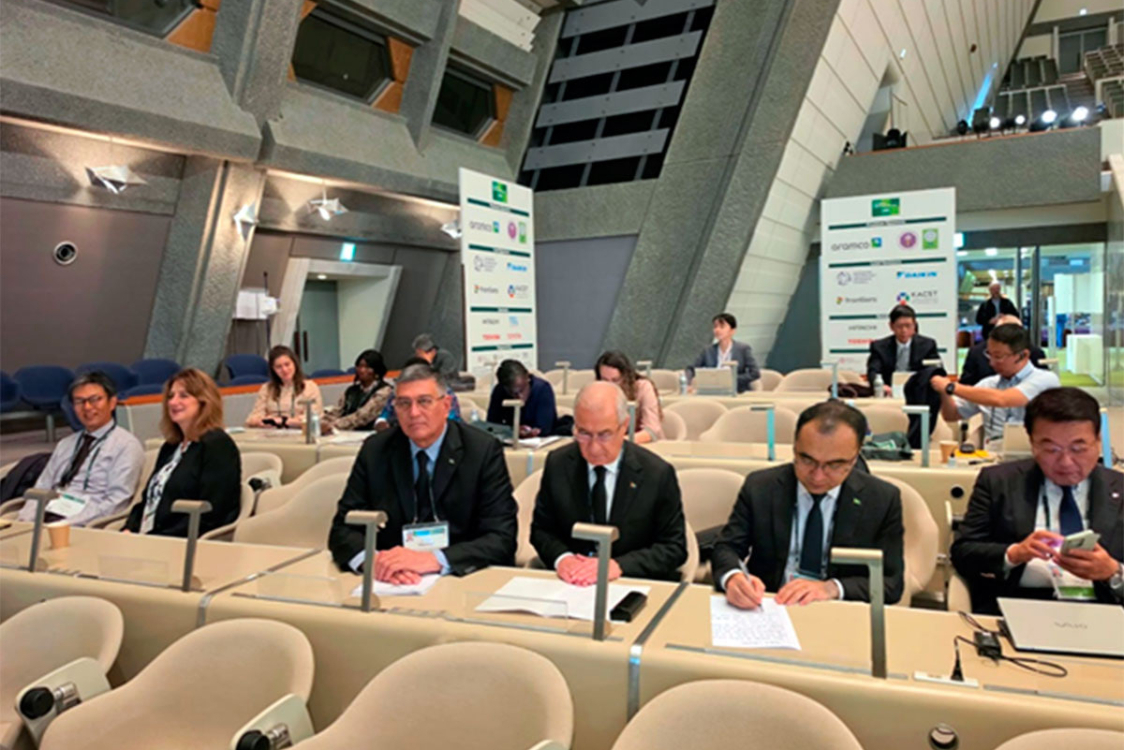
Turkmenistan is represented at the Science and Technology Forum in Kyoto
07.10.2026A Turkmen delegation comprising representatives from the Academy of Sciences of Turkmenistan and the Oguz Han University of Engineering and Technology of Turkmenistan took part in the international forum ‘Science and Technology in Society’ (STS), which is being held in the Japanese city of Kyoto. The forum also included the 22nd round-table meeting at the level of ministers of science and technology. This was reported by the news agency “Turkmenistan: Golden age”. The official opening of the STS took place on 4 October. Japanese Prime Minister Sanae Takaichi emphasised the need to harness scientific innovation in the interests of sustainable development, peace and the well-being of humanity. During the plenary and thematic sessions, participants discussed the prospects for the development of science and technology up to 2030 and beyond. The main focus was on artificial intelligence, biotechnology and renewable energy, as well as issues relating to their development in accordance with ethical principles. As part of the forum, a session was held chaired by Julie Maxton, Executive Director of the Royal Society of London. Participants examined the impact of artificial intelligence on society, as well as the ethical and practical risks associated with its development. On 5 October, Allaberdi Ashirov, President of the Academy of Sciences of Turkmenistan, addressed the ‘Academy of Science Presidents’ Meeting’. He outlined the main directions of Turkmenistan’s state policy in the field of science, including the development of research activities, the introduction of high technologies into production, and the training of young scientists. Particular attention in his speech was paid to international scientific cooperation, joint innovation projects and the exchange of experience between academies of sciences. The Turkmen delegation’s visit to Japan will last until 8 October. It is aimed at developing cooperation in the scientific, educational and technological spheres.
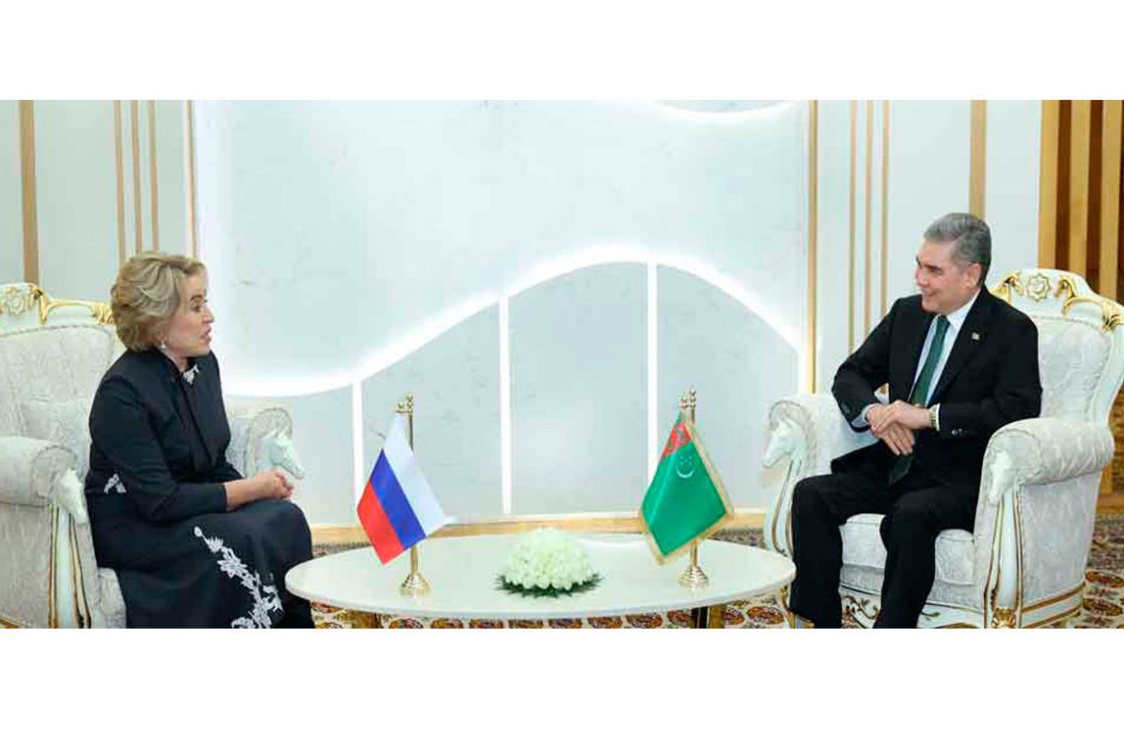
Ashgabat and Moscow discussed strengthening bilateral ties
07.10.2026On 6 October, the National Leader of the Turkmen people and Chairman of the Halk Maslahaty of Turkmenistan, Gurbanguly Berdimuhamedov, arrived in the city of Turkmenbashi in the Balkan velayat. At the ‘Avaza’ National Tourist Zone, Hero Arkadag met Valentina Matvienko, Chair of the Federation Council of the Federal Assembly of the Russian Federation, who had arrived in Turkmenistan to take part in the International Women’s Dialogue on ‘The Role of Women in Maintaining Peace and Achieving Sustainable Development’, reports the news agency TDH. During the meeting, Valentina Matvienko conveyed greetings and wishes for success and prosperity from Vladimir Putin, President of the Russian Federation, to Hero Arkadag and the President of Turkmenistan. Gurbanguly Berdimuhamedov expressed his gratitude and conveyed his best wishes to the Russian leader. The parties discussed the development of Turkmen-Russian relations and cooperation within the framework of the UN, the CIS and other international organisations. Particular attention was paid to inter-parliamentary cooperation, as well as ties in the fields of education and science. During the meeting, it was noted that thousands of Turkmen citizens are studying at Russian universities. The importance of the forthcoming International Women’s Dialogue for the further development of international cooperation was also emphasised. At the conclusion of the meeting, Gurbanguly Berdimuhamedov and Valentina Matvienko wished each other good health and success, and the peoples of Turkmenistan and Russia well-being and prosperity. Following the meeting, Hero Arkadag flew from Turkmenbashi International Airport to Ashgabat.
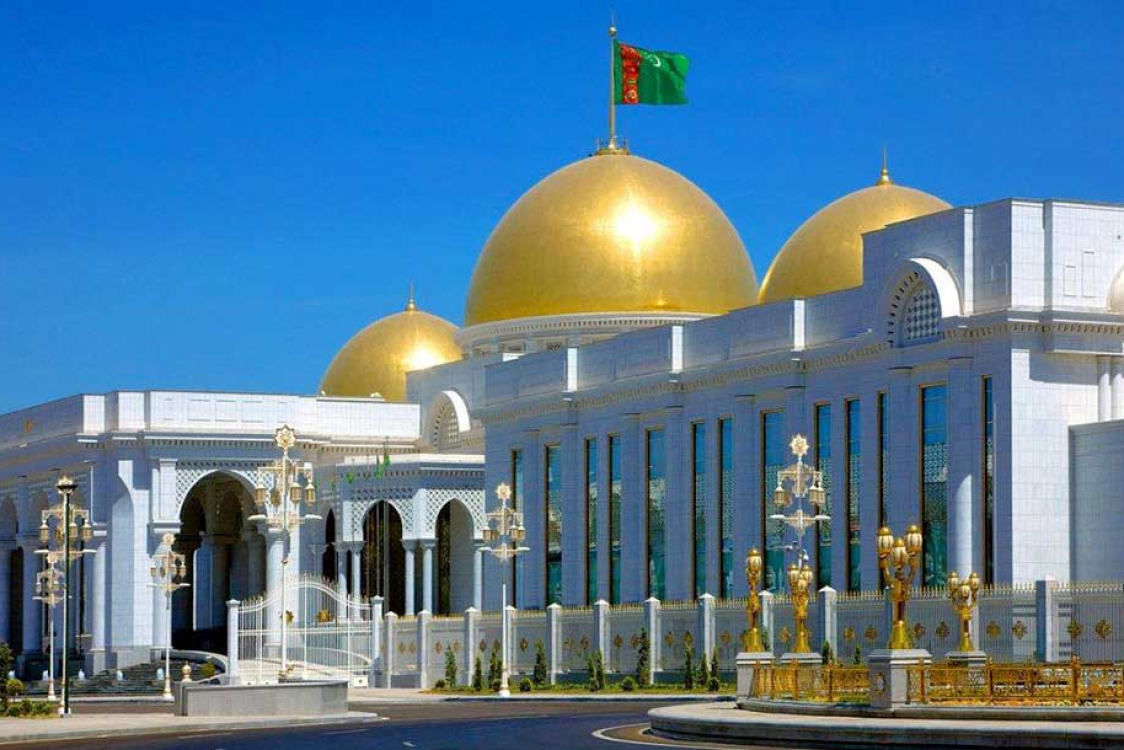
The President of Turkmenistan congratulated Vladimir Putin on his birthday
07.10.2026The President of Turkmenistan, Serdar Berdimuhamedov, has congratulated the President of the Russian Federation, Vladimir Putin, on his birthday. This was reported by the news agency TDH. In his message, the Head of State highlighted the steady development of relations between Turkmenistan and the Russian Federation, as well as Vladimir Putin’s contribution to strengthening the bilateral strategic partnership. Serdar Berdimuhamedov expressed his confidence in the further strengthening of Turkmen-Russian inter-state ties and wished Vladimir Putin good health, happiness and success in his public duties. The President of Turkmenistan wished the people of the Russian Federation well-being and prosperity.
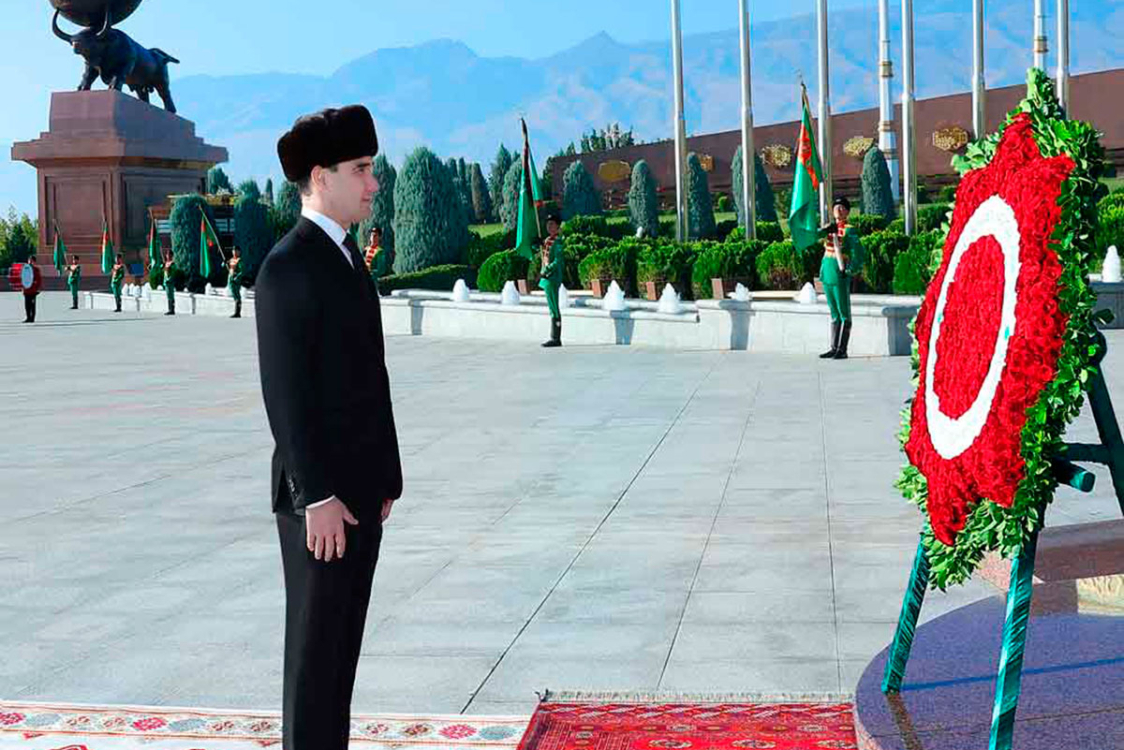
The Head of Turkmenistan laid flowers at the monuments in the ‘Halk hakydasy’ complex
07.10.2026On October 6, Remembrance Day, President of Turkmenistan Serdar Berdimuhamedov laid flowers at the memorials to the victims of the 1948 Ashgabat earthquake and to the heroes who fell in wars, at the ‘Halk hakydasy’ Memorial Complex. This was reported by the news agency TDH. The Head of State laid a wreath at the ‘Ruhy tagzym’ monument, dedicated to the victims of the 1948 earthquake, and then laid flowers at the ‘Milletiň ogullary’ and ‘Baky şöhrat’ monuments, erected in memory of the heroes who fell in battles for the Motherland. The ceremony was also attended by the Chairwoman of the Mejlis, Deputy Chairs of the Cabinet of Ministers, heads of the military and law enforcement agencies, civil society organisations, members of the national parliament, heads of diplomatic missions and international organisations accredited in Turkmenistan, representatives of ministries and departments, elders, students and residents of the capital. The Day of Remembrance is dedicated to the memory of those who perished in the Ashgabat earthquake, the defenders of the Fatherland and the heroes of the 1941–1945 war. Across the country on this day, prayers are offered, memorial services are held and alms are given. The ‘Halk hakydasy’ memorial complex is one of the main sites for honouring national heroes and the victims of the earthquake. Its grounds are home to the ‘Ruhy tagzym’, ‘Milletiň ogullary’ and ‘Baky şöhrat’ monuments, with the Eternal Flame burning at the latter. Following the ceremony, President Serdar Berdimuhamedov bid farewell to those present and left the venue. Memorial prayers and the distribution of sadaqah also took place in the city of Arkadag and in all the velayats of the country.
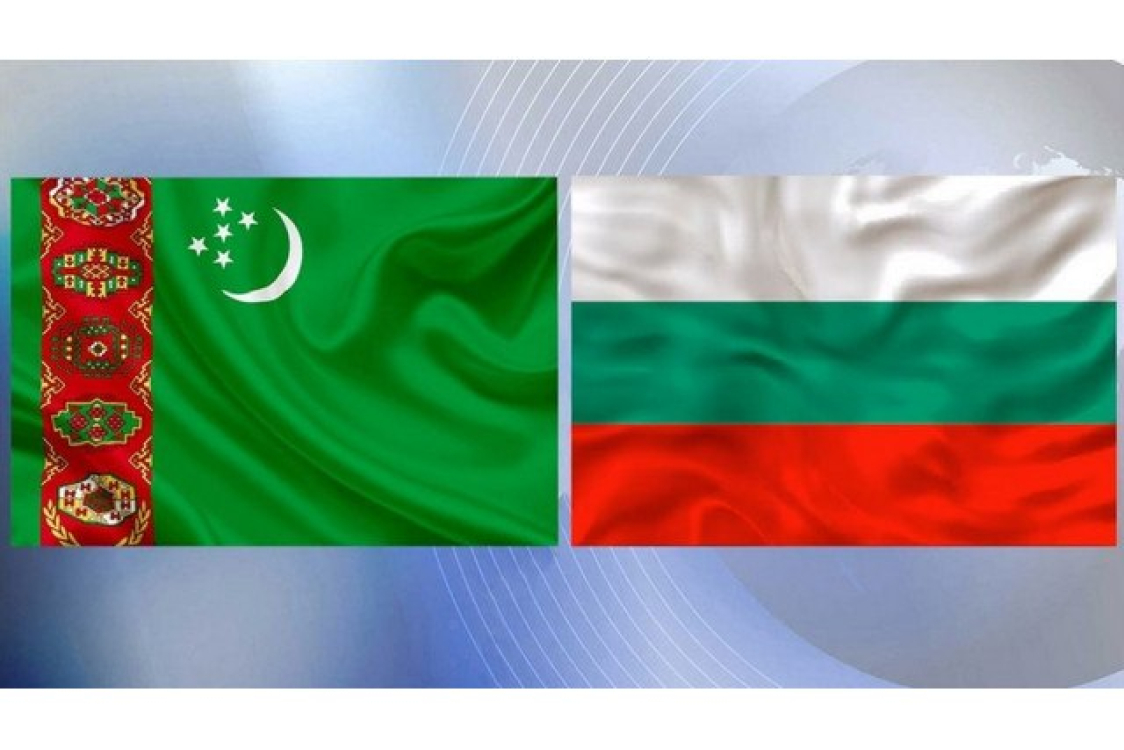
Bulgaria intends to strengthen its relations with Turkmenistan
07.10.2026The President of Bulgaria, Iliana Iotova, has congratulated the President of Turkmenistan, Serdar Berdimuhamedov, and the people of the country on Independence Day. This was reported by the news agency TDH. In her congratulatory message, she highlighted the importance of developing bilateral dialogue and described Turkmenistan as an important partner for Bulgaria in Central Asia. Iliana Iotova emphasised Bulgaria’s commitment to strengthening bilateral relations in areas of mutual interest, based on friendship and constructive partnership. The President of Bulgaria expressed her confidence that joint efforts would enable the two countries to realise their potential, including in the development of ties between Europe and Asia. In conclusion, she wished the President of Turkmenistan good health and success in his state duties.
The EBRD is preparing its first deals with the private sector in Turkmenistan
07.10.2026The European Bank for Reconstruction and Development (EBRD) is expecting the first concrete investment projects to emerge in Turkmenistan under the Memorandum of Cooperation with the country’s Central Bank. This was reported by Orient. According to Eric Livny, Head of the EBRD’s office in Turkmenistan, the agreement with the Central Bank could be one of the first to be put into practice amongst the five memoranda signed between Turkmenistan and the EBRD in July 2026. The document lays the groundwork for the resumption of direct financing for private, export-oriented companies generating foreign currency revenue. The first transactions are expected in the manufacturing, agribusiness, logistics and export services sectors. Visits by EBRD experts to Turkmenistan are planned to identify potential projects and prepare investment proposals. They will hold consultations with representatives of the private sector and explore financing opportunities. The EBRD is also considering collaboration with Turkmen banks to expand lending to small and medium-sized enterprises and introduce trade finance instruments. Other memoranda signed in July provide for cooperation in the fields of transport, sustainable development and urban development. In particular, the EBRD is exploring investment opportunities in Turkmenistan’s railway infrastructure and logistics as part of the Trans-Caspian Transport Corridor. The EBRD has been working with Turkmenistan since 1992. During this period, the bank has financed 87 projects totalling €322 million. Currently, the main focus is on supporting the private sector and engaging with financial institutions.
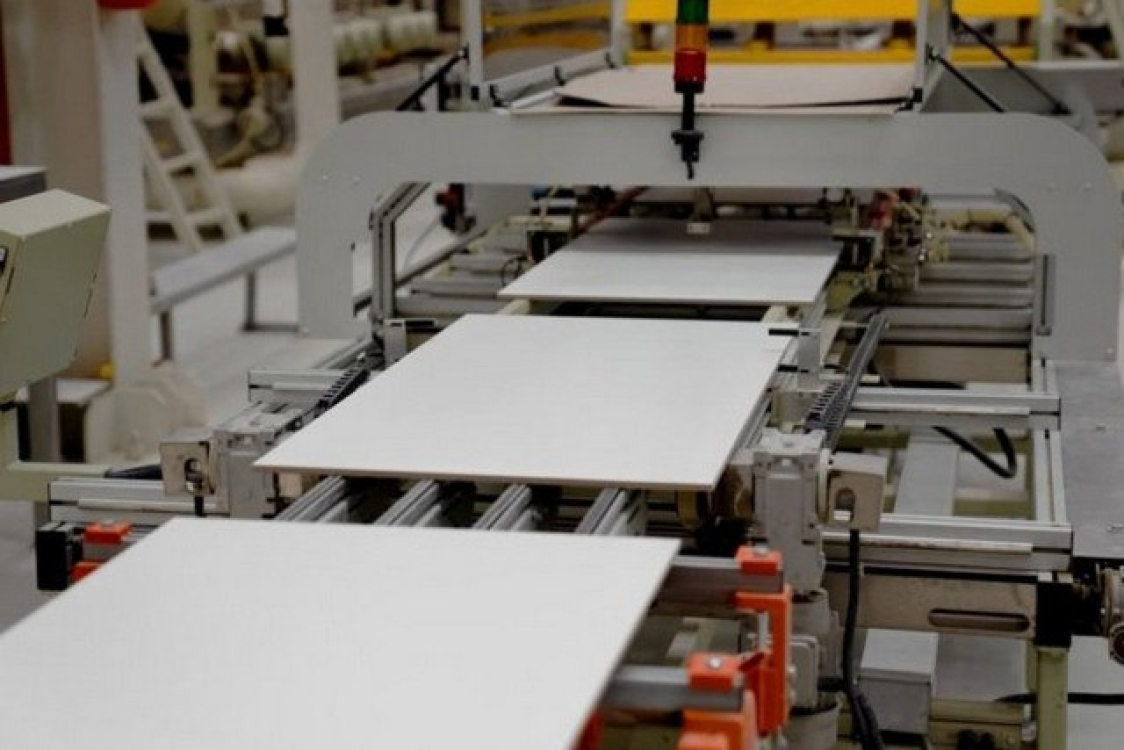
A Turkmen porcelain stoneware manufacturer has entered the Azerbaijani market
07.10.2026The ‘Eziz Doganlar Keramika’ business association is expanding its exports of Turkmen products, having begun supplying porcelain stoneware slabs and sanitaryware to Azerbaijan. This was reported by the online publication ‘Business Turkmenistan’. The company, which opened in 2025, exported its products to Georgia for the first time in August. According to the company’s director, Gadam Hoshvagtov, the deliveries to Azerbaijan mark a new stage in the company’s expansion into the South Caucasus market. Porcelain stoneware tiles are manufactured from local raw materials and are characterised by their strength, water resistance and ability to withstand heavy loads. The products are used in the construction of residential buildings, schools, nurseries and other facilities. Products from ‘Eziz Doganlar Keramika’ have, in particular, been used in the construction of the Parahat 7–8 and Gurtly housing estates, as well as the second phase of the city of Arkadag.
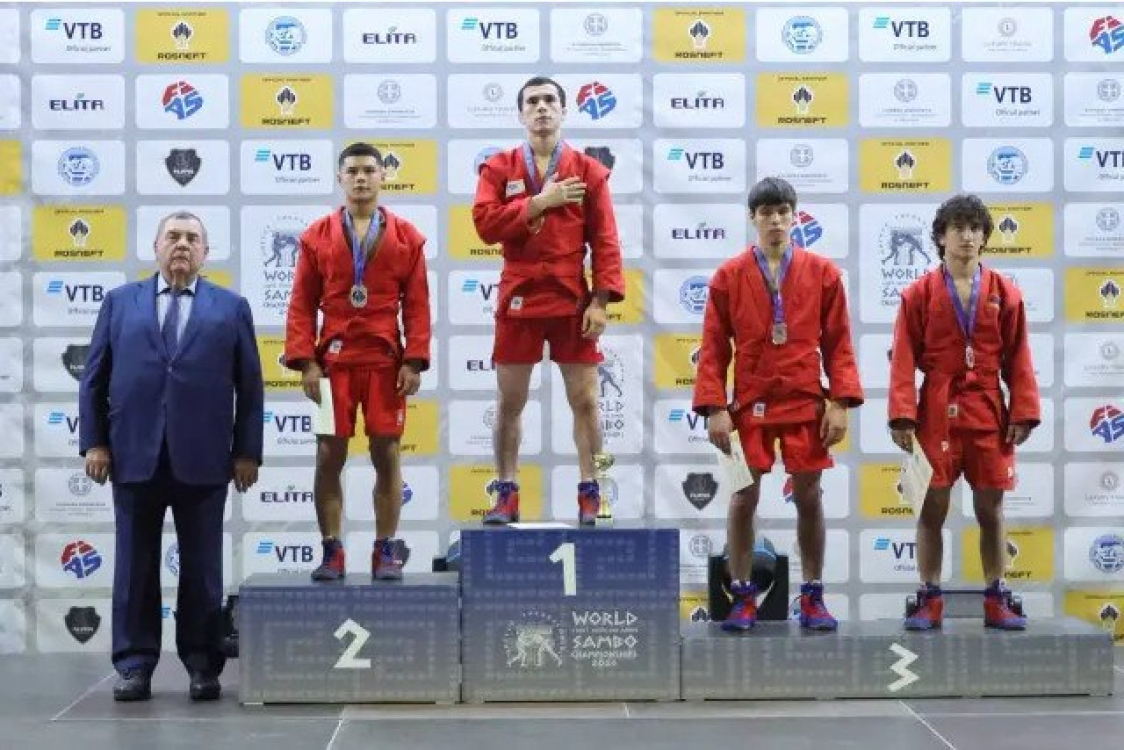
Turkmen sambo athletes won seven medals at the World Championships
06.10.2026Athletes from Turkmenistan won seven medals at the World Cadet, Youth & Junior SAMBO Championships, which took place on 2–4 October in Thessaloniki (Greece). This was reported by Turkmenportal. On the first day, Annamuhammet Annamuhammedov won a bronze medal in the under-64 kg weight category for boys. On the second day, Turkmen athletes won five medals in combat sambo in the junior category. Gold medals were won by Alihan Aydogdyev (under 58 kg), Islam Hemrayev (under 71 kg) and Malikberdi Begiyev (over 98 kg). Rasul Jabrailov (up to 64 kg) and Velmyrat Nepesov (up to 88 kg) took silver. Dovrangeldi Kakayev won another bronze medal in the up to 79 kg weight category.
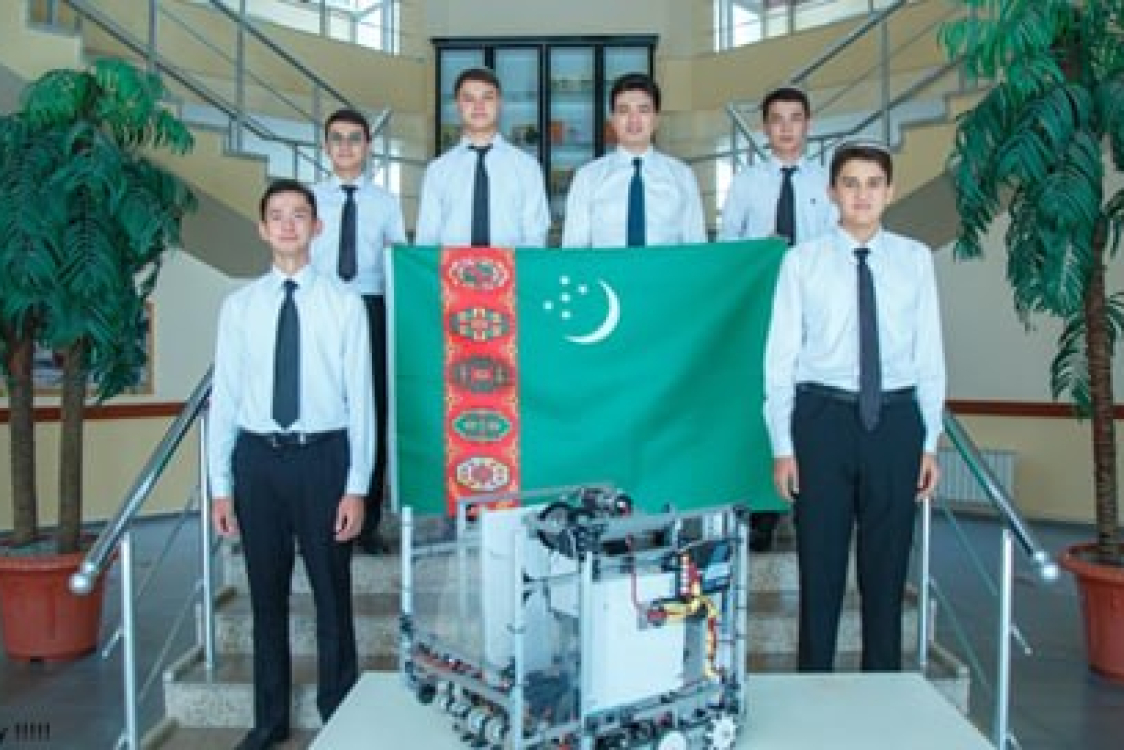
School students from Turkmenistan will compete in an international robotics competition
06.10.2026A team of school students from Turkmenistan will represent the country at the ‘FIRST Global Challenge 2026’ international robotics tournament, which will take place on 7–10 October in Incheon (Republic of Korea). Young engineers from more than 190 countries are expected to take part in the competition, according to the IIC of Turkmenistan. Turkmenistan will be represented at the tournament by the ‘OguzRobot’ team, made up of students from Specialised Secondary School No. 97 in Ashgabat, which offers an in-depth programme in foreign languages. The team comprises Suhan Novbatov, Orazniyaz Rejepov, Aznavur Cholukov, Arslan Babajiyev and Dayhan Gurbanov. The team members were the winners of the ‘Young Engineer 2026’ competition. Since April, they have been training at the ‘Erjeller’ computer department of the ‘Kämil bilim’ training centre. Their mentors were Myrat Sahetgulyev, a computer science teacher at the 1st Specialised Educational Complex in Arkadag, and Davut Gurbanov, a student at the Oguz Han Engineering and Technology University of Turkmenistan. The ‘FIRST Global Challenge’ is organised along the lines of the Olympic Games and brings together school students from different countries every year. The theme of this year’s tournament is the development of technologies to prevent wildfires, mitigate their consequences and protect the environment. The competition is held under the motto ‘Igniting Innovation’. Turkmen school students already have a track record of success at this competition. In 2025, at the competition in Panama, the team from Turkmenistan took first place in the ‘Skill Challenge’ category.
Read also
Advertising
 Read us in Zen


