

News
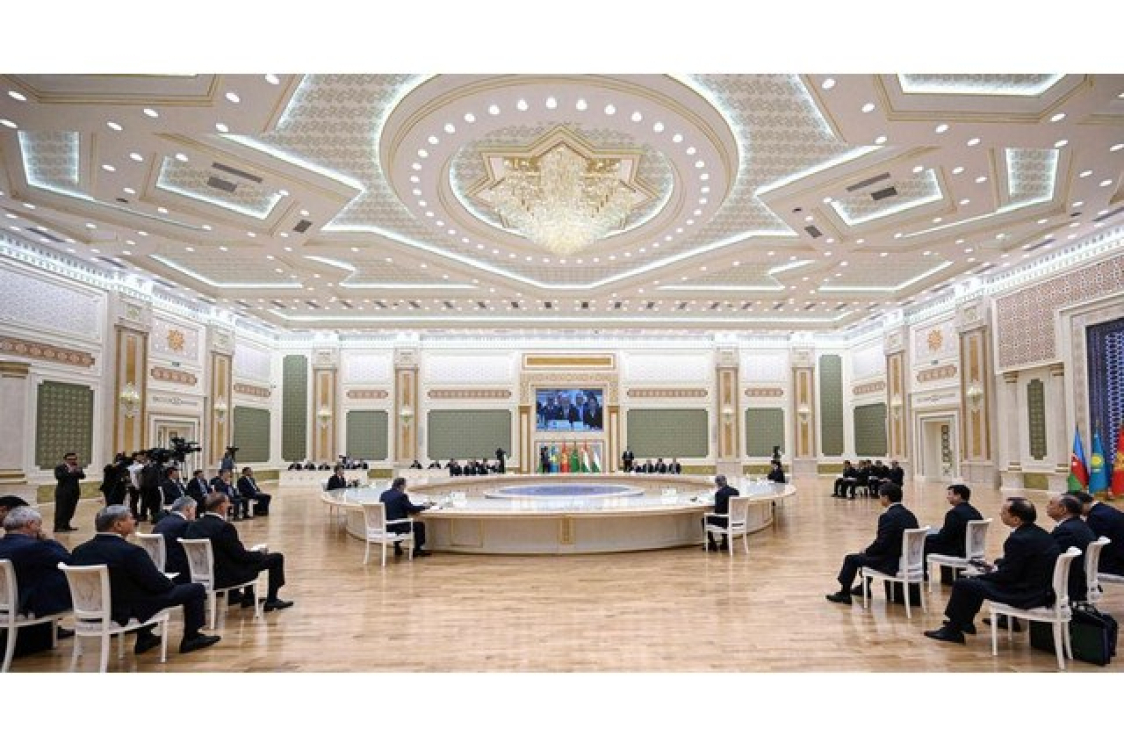
Turkmenistan hosted a key meeting of leaders from Central Asia and Azerbaijan
09.10.2026On 8 October 2026, the eighth Consultative Meeting of the Heads of State of Central Asia and Azerbaijan took place in the ‘Awaza’ National Tourist Zone. This was reported by the press office of the Foreign Affairs Ministry of Turkmenistan. The meeting was attended by the President of Azerbaijan, Ilham Aliyev, President of Kazakhstan Kassym-Jomart Tokayev, President of Kyrgyzstan Sadyr Japarov, President of Tajikistan Emomali Rahmon, President of Turkmenistan Serdar Berdimuhamedov and President of Uzbekistan Shavkat Mirziyoyev. Gurbanguly Berdimuhamedov, National Leader of the Turkmen people and Chairman of the Halk Maslahaty of Turkmenistan, addressed the meeting. In his speech, he highlighted the relevance of the consultative format and its importance for addressing pressing regional issues. Gurbanguly Berdimuhamedov emphasised that the consultative meetings of Heads of State of Central Asia have become not only a platform for regional political dialogue, but also a factor of international significance. Turkmenistan has consistently advocated the development of systematic and balanced regional cooperation. In this regard, the country had previously proposed holding a meeting in ‘Awaza’ as part of the Third UN Conference on Landlocked Developing Countries. It was during this meeting that Turkmenistan put forward the initiative for Azerbaijan to join the consultative format as a full member. At the current meeting, the Heads of State discussed the further development of political, diplomatic, trade, economic, cultural and humanitarian cooperation, as well as the practical implementation of joint initiatives. Following the meeting, a Decision ‘On the Regulatory Documents of the Consultative Meeting of the Heads of State of Central Asia and the Republic of Azerbaijan’ and a Joint Statement on the Outcome of the Eighth Consultative Meeting of the Heads of State of Central Asia and the Republic of Azerbaijan were adopted.
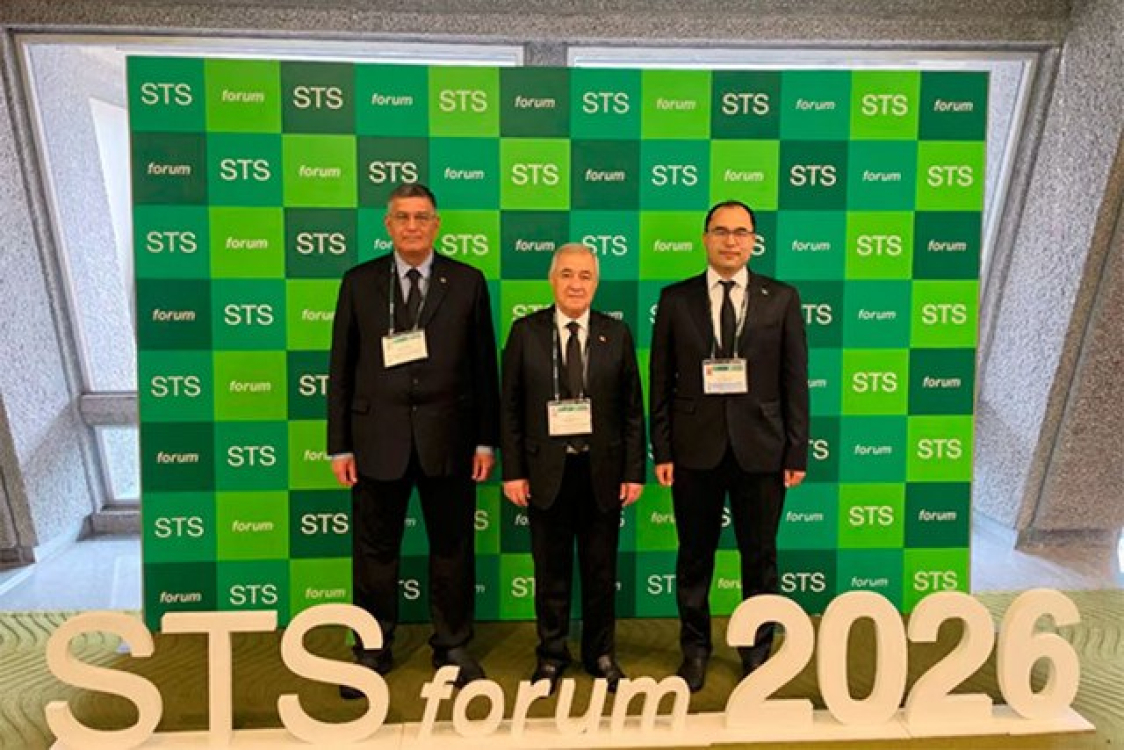
A Turkmen delegation took part in a scientific forum in Japan
08.10.2026A delegation from the Academy of Sciences and the Oguz Han University of Engineering and Technology of Turkmenistan paid a working visit to Japan. Turkmen specialists took part in the international forum ‘Science and Technology in Society’ (STS) in Kyoto and the 22nd round-table meeting of ministers of science and technology, according to the IIC. During the plenary and thematic sessions, participants discussed the development of artificial intelligence, biotechnology and renewable energy, as well as issues relating to digitalisation, environmental protection and the training of specialists. On 5 October, Allaberdi Ashirov, Head of the Academy of Sciences of Turkmenistan, addressed the meeting of the Presidents of the Academies of Sciences. In his speech, he outlined Turkmenistan’s approaches to the development of scientific research, the introduction of high technologies and support for young scientists. The importance of international academic cooperation was highlighted in particular. During the visit, the Turkmen delegation also held meetings with representatives of Japanese universities and technology companies. The visit will last until 8 October and is aimed at developing scientific and educational cooperation and exchanging expertise.
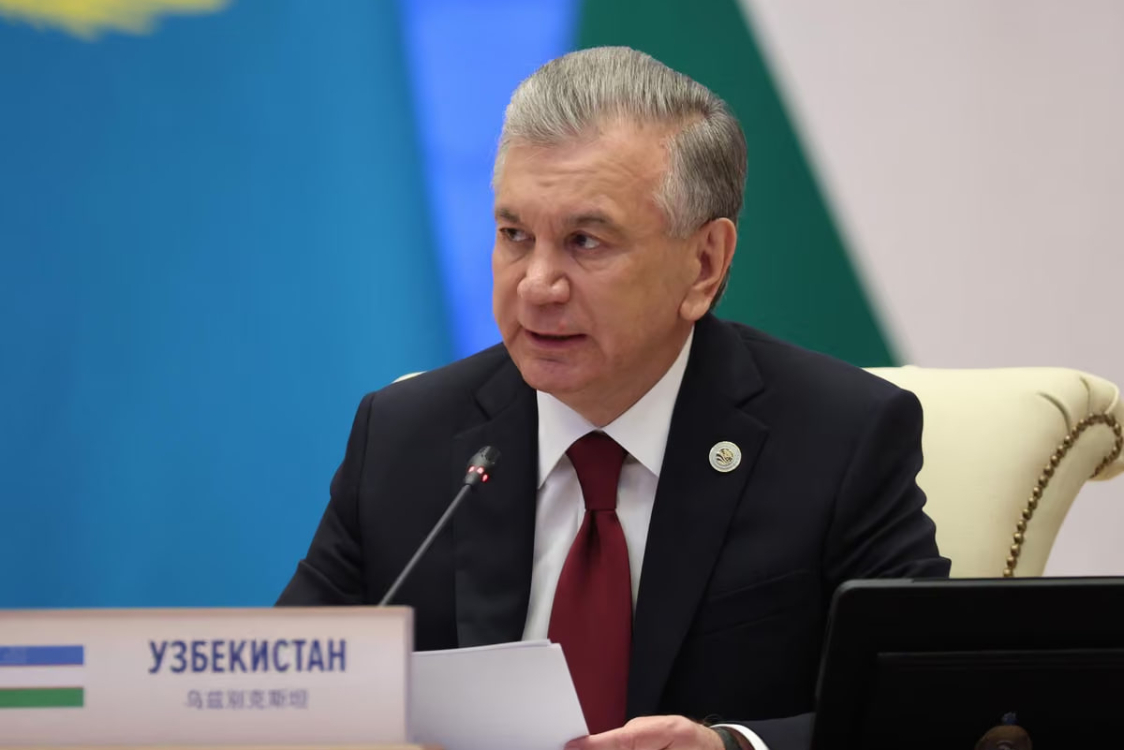
At a meeting at ‘Awaza’, Uzbekistan proposed deepening economic partnership
08.10.2026The President of Uzbekistan, Shavkat Mirziyoyev, has proposed deepening the economic partnership between the countries of Central Asia and Azerbaijan through industrial cooperation and the creation of integrated production chains. This was reported by the IIC. According to the President of Uzbekistan, trade and economic cooperation up to 2035 should take into account the common geography of the countries, the removal of trade barriers and the implementation of joint projects. President Shavkat Mirziyoyev noted that traditional trade is insufficient and proposed focusing on the creation of end products based on the principle of ‘six economies, one product’. It was also proposed to hold the first ‘Central Asia–Azerbaijan’ business forum in 2027 and to establish a platform for financial and technical support for joint investment projects. Furthermore, he instructed the Council of Ministers for Trade and Investment to consider these initiatives at its next meeting in Ashgabat.
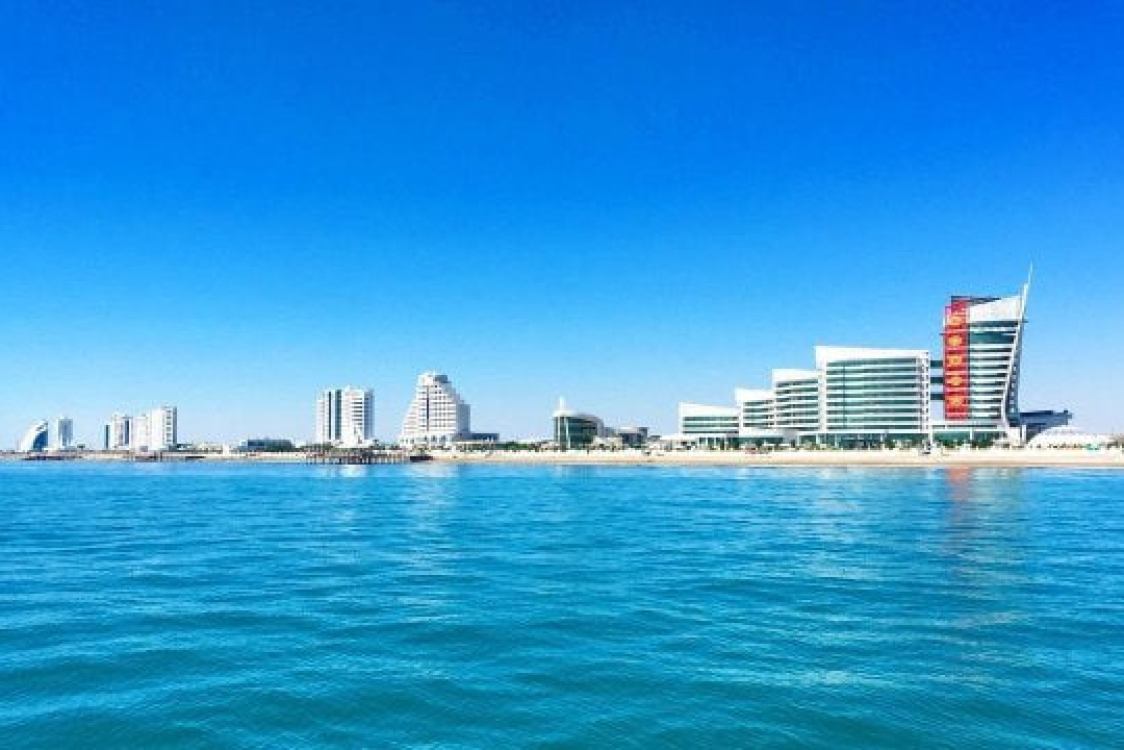
Tajikistan set out its priorities for cooperation at a meeting in Turkmenistan
08.10.2026At the Consultative Meeting of the Heads of State of Central Asia and Azerbaijan, the President of the Republic of Tajikistan, Emomali Rahmon, outlined the key areas of regional cooperation, including the development of trade and economic ties, industrial cooperation, ‘green’ energy and ensuring food security. This was reported by IIC. The President of the Republic of Tajikistan emphasised the need for a joint response to contemporary challenges and for defining further priorities for cooperation. Emomali Rahmon paid particular attention to the development of transport and transit capacity. According to him, it is important to improve the routes linking China with the countries of Central Asia, and Azerbaijan with European countries. The President called for the removal of administrative, infrastructural and organisational barriers, as well as for the continued liberalisation of transport. The Head of the Tajik Republic identified digital transformation and the introduction of cutting-edge technologies as another priority. Emomali Rahmon highlighted the significance of the regional artificial intelligence centre being established in Dushanbe, which is expected to help pool the innovative potential of the region’s countries and expand the application of AI technologies in the economy and the social sphere.
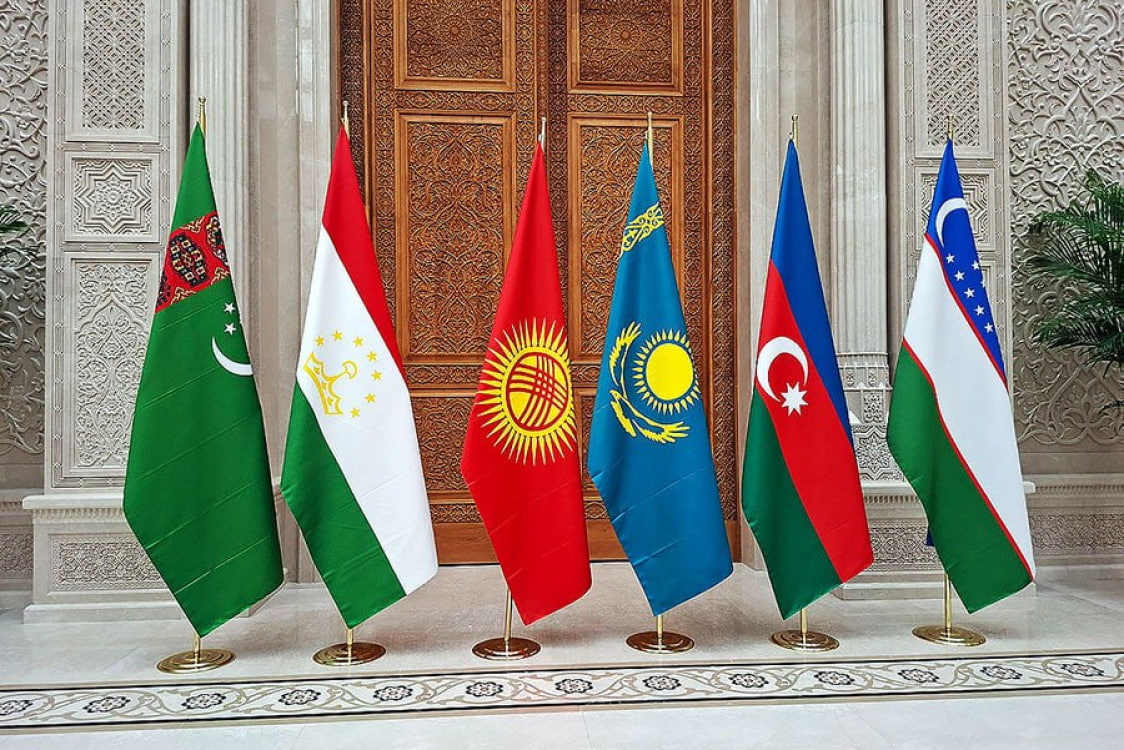
Kyrgyzstan has called for integrated tourist routes across Central Asia and Azerbaijan
08.10.2026The President of Kyrgyzstan, Sadyr Japarov, has proposed developing a unified tourism area comprising Central Asia and Azerbaijan based on the principle of ‘one trip – several countries’. Sadyr Japarov made this statement during a Consultative Meeting of Heads of State in ‘Awaza’, according to IIC of Turkmenistan. According to the President of Kyrgyzstan, the countries of the region possess complementary tourism potential. Mountain and Caspian routes, as well as cultural heritage, make it possible to create joint tourism products. Japarov also supported Kazakhstan’s initiative to introduce a single tourist visa. The President of Kyrgyzstan proposed that the foreign ministries be tasked with developing mechanisms for its practical implementation. The President of Kyrgyzstan noted that consultative meetings facilitate the discussion of topical issues, the convergence of positions and the development of mutually acceptable solutions. He emphasised the importance of upholding the principles of equality, respect for sovereignty and consensus.
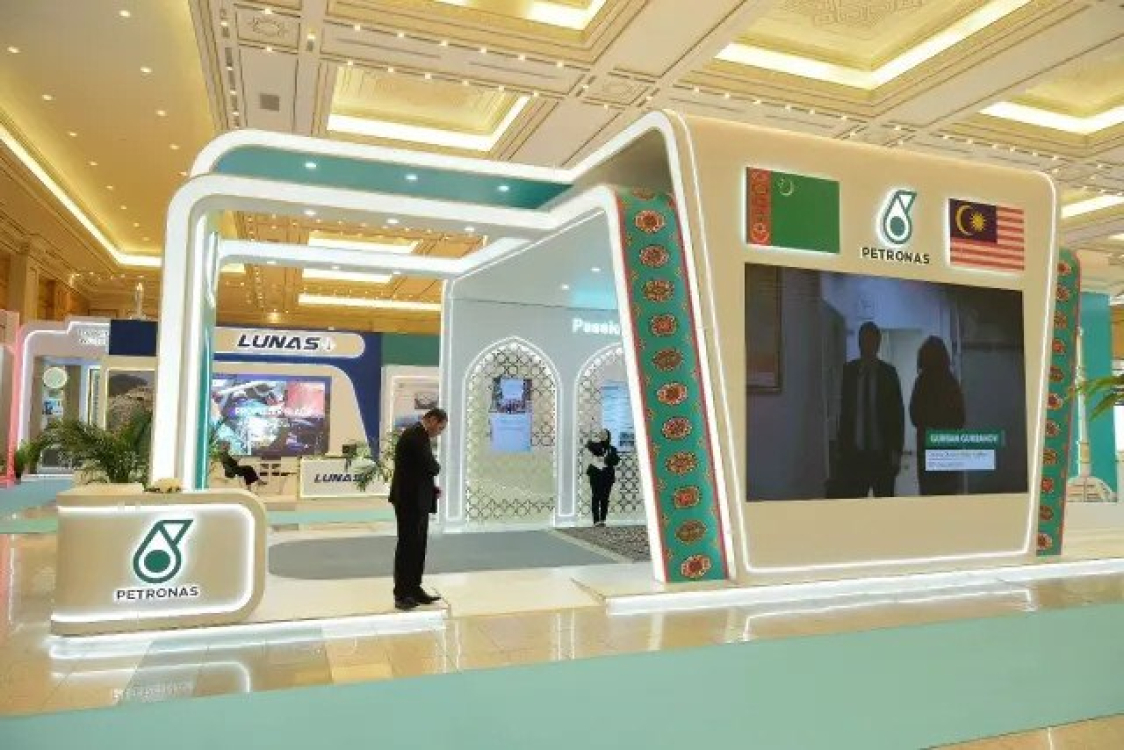
Malaysia will present its national pavilion at the OGT 2026 exhibition
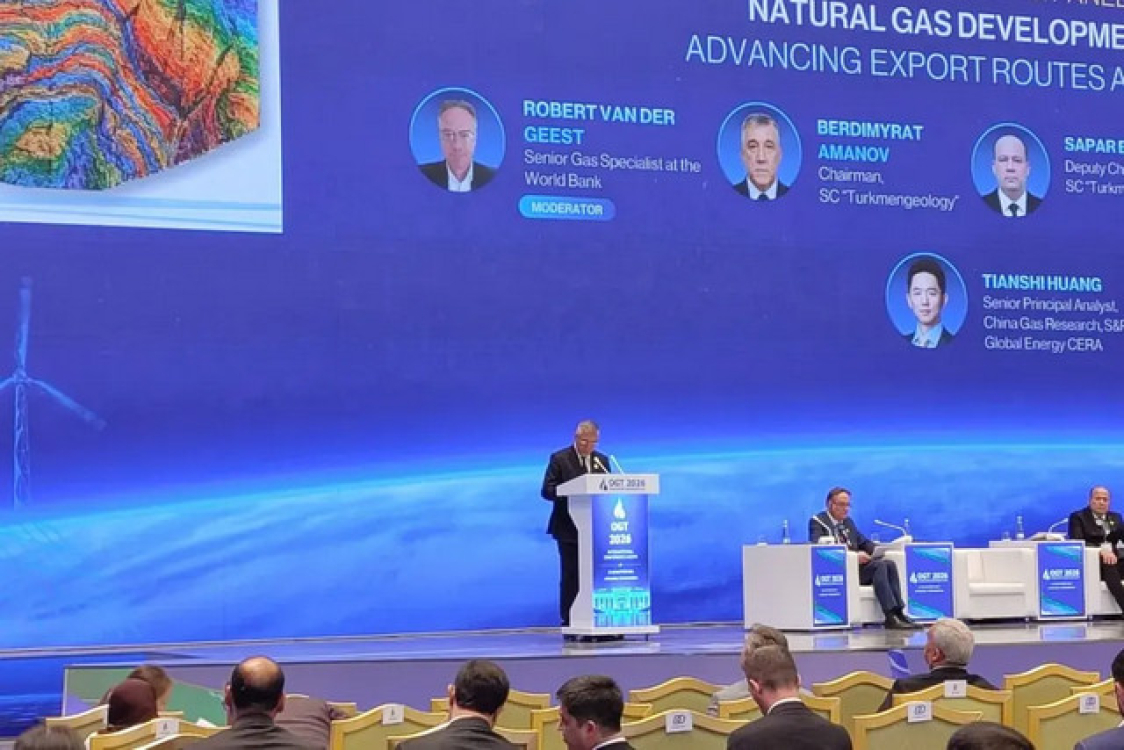
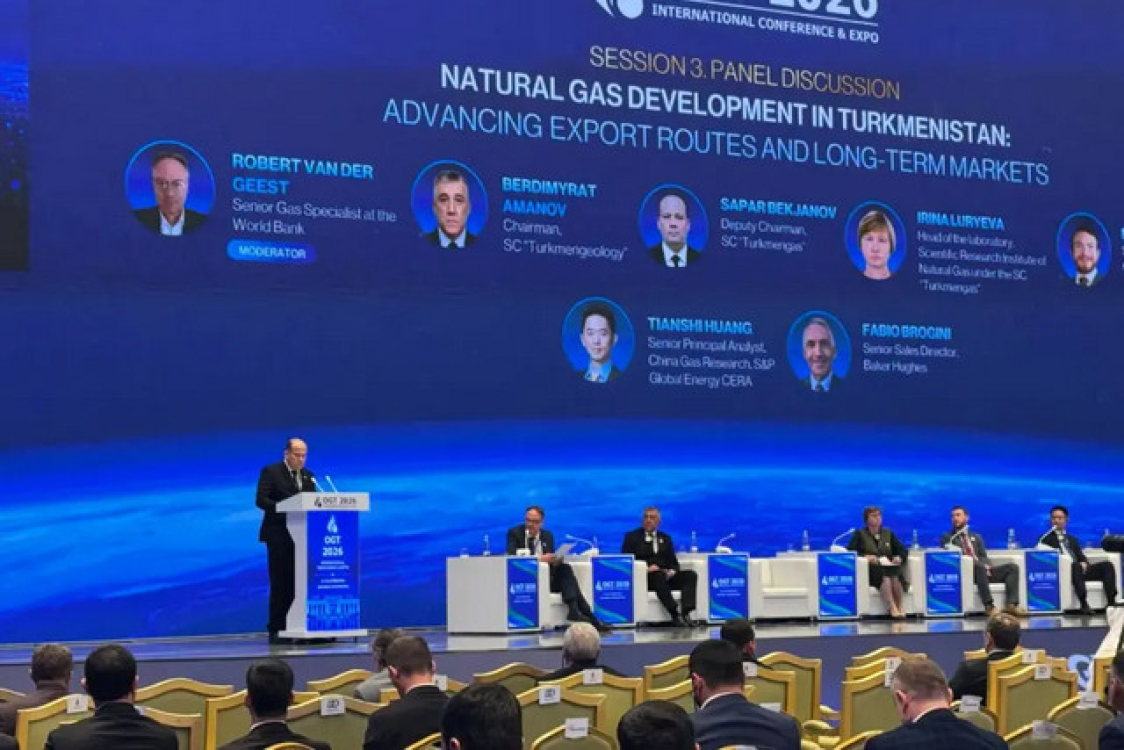
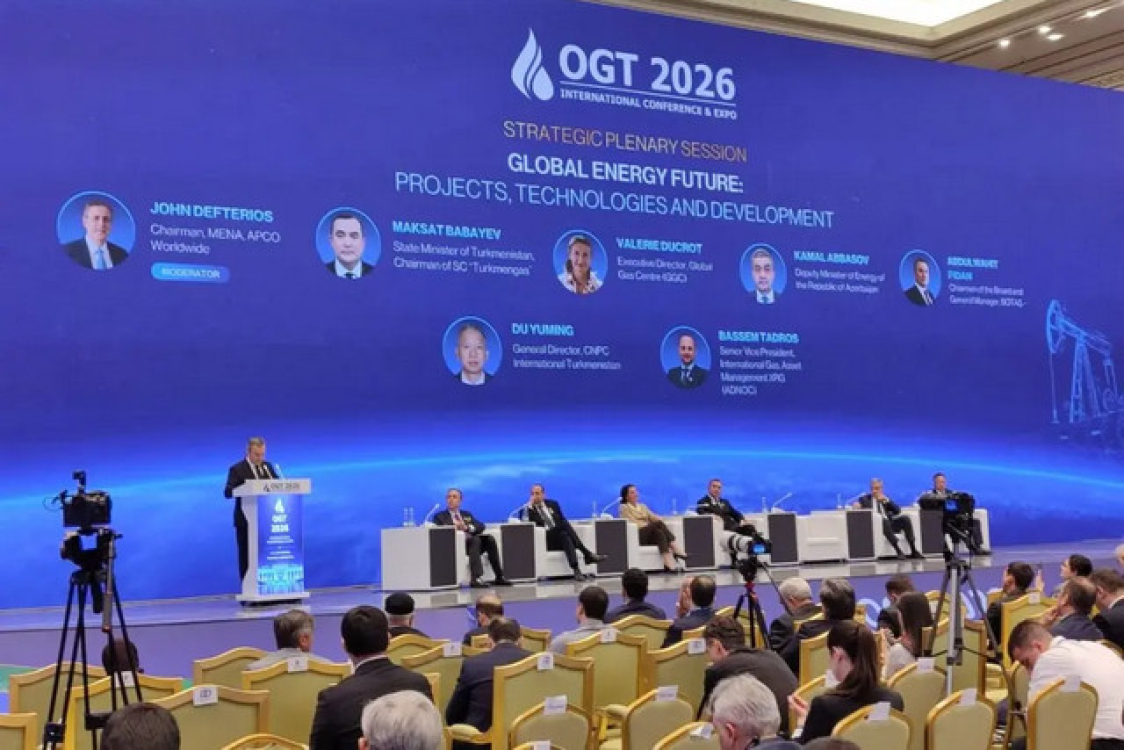
08.10.2026Malaysia will present a separate national pavilion for the first time at the ‘Oil and Gas of Turkmenistan’ (OGT 2026) international conference and exhibition, which will take place in Ashgabat from 21 to 23 October. A delegation comprising more than 20 companies will be led by Malaysia’s Minister of Economy, Haji Akmal Nasrullah bin Mohd Nasir, according to Turkmenportal. The pavilion will bring together Malaysian energy companies and serve as a platform for meetings with Turkmen and international partners. The delegation will include 14 representatives from the oil and gas services and equipment (OGSE) sector participating in the ‘Hello OGSE Turkmenistan’ programme, which is being implemented by the Malaysia Petroleum Resources Corporation (MPRC). They specialise in engineering, the manufacture of equipment and structures, operations and maintenance, offshore operations, specialised technologies and digital solutions. Energy cooperation between Turkmenistan and Malaysia has been ongoing for around 30 years. PETRONAS began operations in Turkmenistan in 1996 and has since invested around US$12 billion in the country’s oil and gas sector. In June 2026, the parties expanded their cooperation. Agreements were signed regarding offshore blocks 19 and 20 in the Turkmen sector of the Caspian Sea, as well as for the conduct of 2D seismic surveys on blocks 11, 12, 13 and 14. The participation of more than 20 Malaysian companies opens up opportunities for the development of joint projects, engineering and technical cooperation, localisation of production, technology transfer and staff training. The 31st International Conference and Exhibition ‘Oil and Gas of Turkmenistan – OGT 2026’ will take place in Ashgabat, bringing together representatives of government bodies, international energy companies, investors, technology suppliers and industry experts.
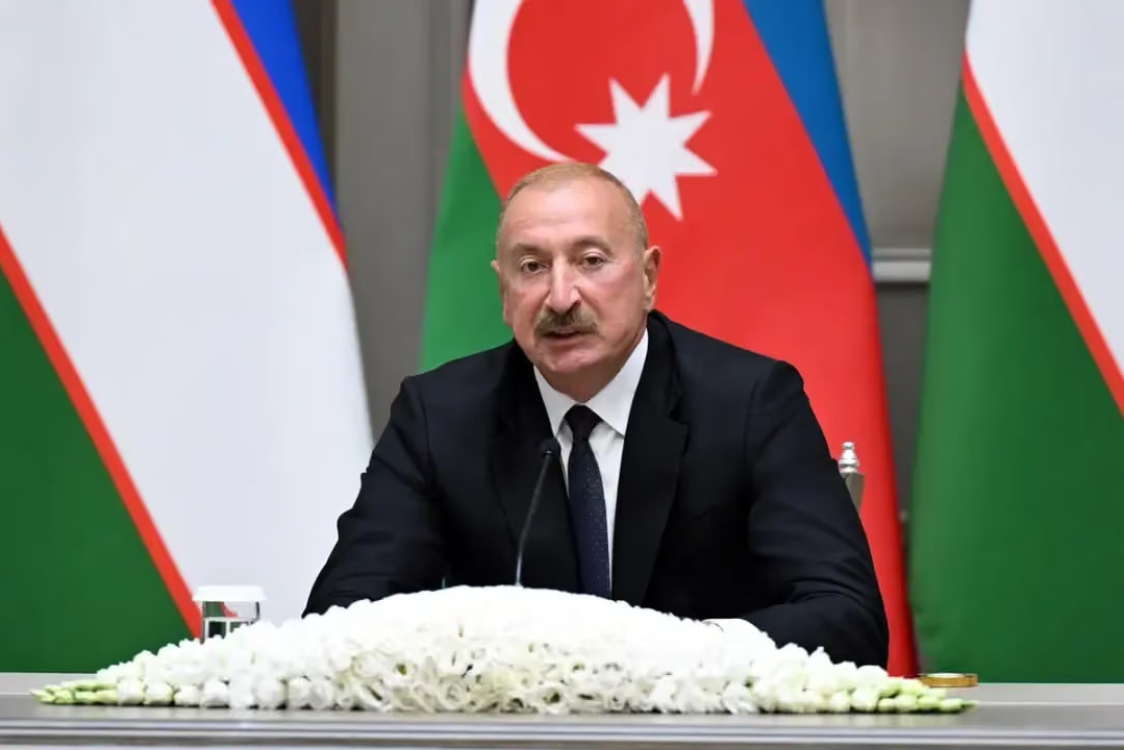
The President of Azerbaijan noted the increase in trade with Central Asian countries
08.10.2026At the Consultative Meeting of the Heads of State of Central Asia, the President of Azerbaijan, Ilham Aliyev, highlighted the significance of his country joining the forum as a full member. This was reported by the IIC of Turkmenistan. Ilham Aliyev emphasised the development of multilateral cooperation. Azerbaijan’s trade turnover with countries in the region has grown by more than 50 per cent. Joint investment funds with Kazakhstan, Uzbekistan and Kyrgyzstan have reached hundreds of millions of dollars. The meeting participants are also discussing the development of the Trans-Caspian Middle Corridor, the ‘Digital Silk Road’ project and the expansion of energy supplies, including projects in the field of ‘green’ energy.
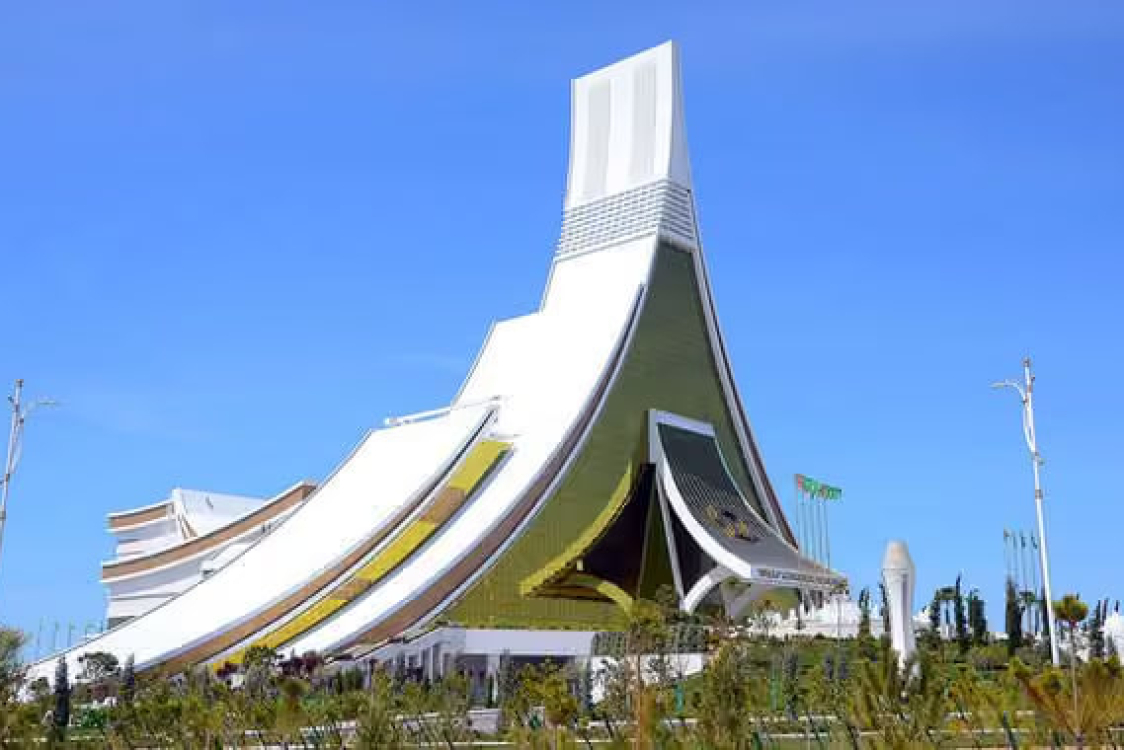
The Head of Turkmenistan opened the meeting of the leaders of the Central Asian countries and Azerbaijan
08.10.2026The President of Turkmenistan, Serdar Berdimuhamedov, opened the Consultative Meeting of the Heads of State of Central Asia and the Republic of Azerbaijan. This was reported by the IIC of Turkmenistan. During the meeting, the Head of State outlined the key areas of regional cooperation and emphasised the importance of joint action by the countries of Central Asia and Azerbaijan. The President of Turkmenistan emphasised that, against the backdrop of a changing global situation and new challenges, the importance of effective governance and rapid response is growing. The participants are focusing primarily on developing cooperation in foreign policy, security, trade, science, education and the humanitarian sphere. Particular mention was made of the need to strengthen the region’s position as an international logistics and energy hub. Another priority is the preservation of a shared spiritual, cultural and values-based space among the peoples.
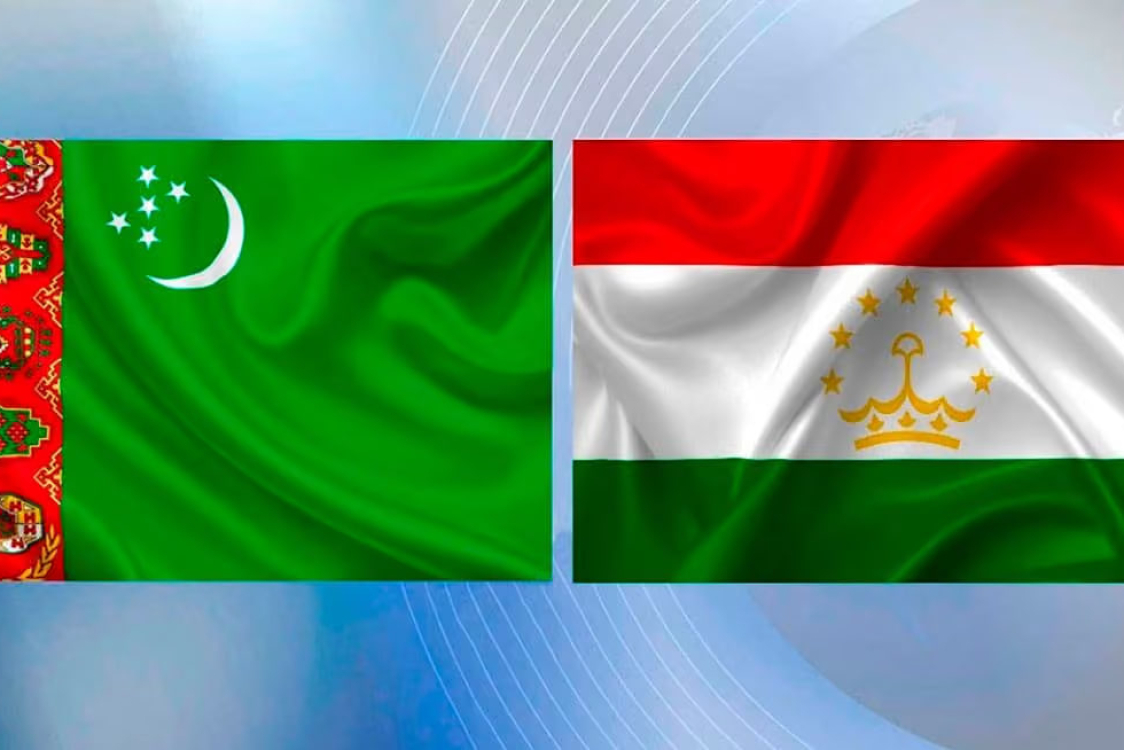
Emomali Rahmon’s working visit to Turkmenistan has begun
08.10.2026The presidential plane of Emomali Rahmon, President of the Republic of Tajikistan, who has arrived in Turkmenistan on a working visit, has landed at Turkmenbashi International Airport. This was reported by the IIC of Turkmenistan. The President of Tajikistan will take part in the ‘Central Asia–Azerbaijan’ summit and the next meeting of the Council of Heads of State of the Commonwealth of Independent States, which will take place on 9 October. Emomali Rahmon was met at the aircraft steps by Rashid Meredov, Foreign Affairs Minister of Turkmenistan. The visit is aimed at further developing bilateral cooperation and collaboration within the framework of regional and international organisations.
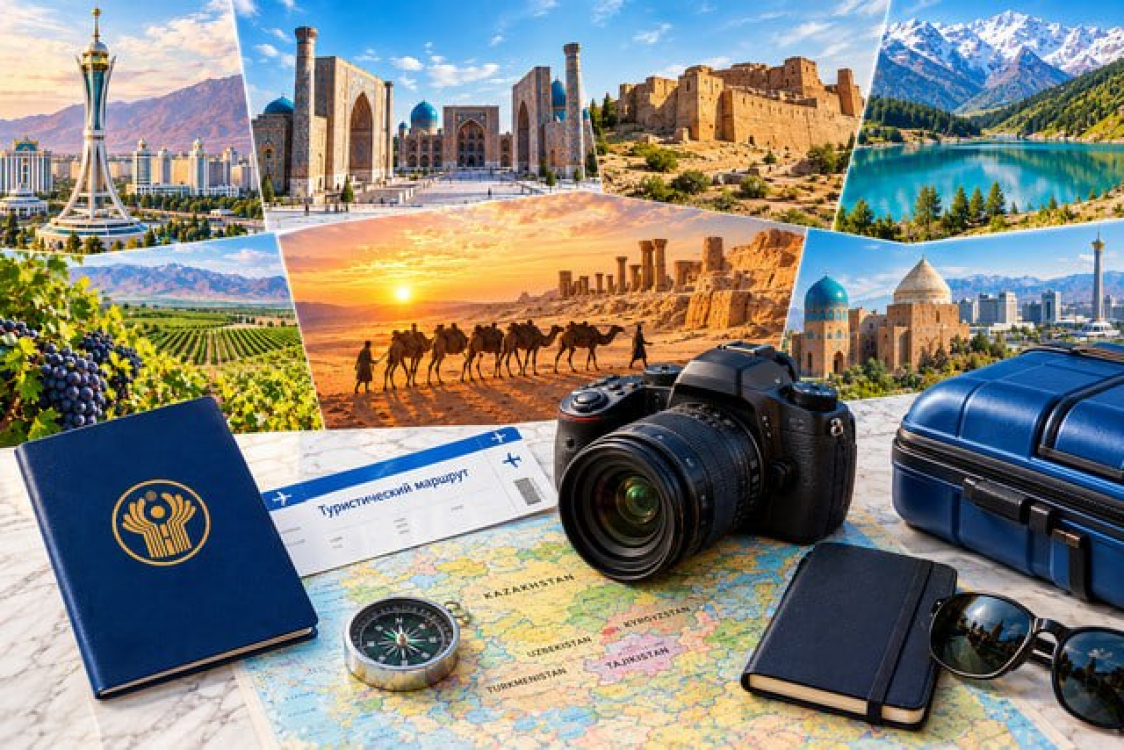
CIS countries have approved a new plan for cooperation in the field of tourism
08.10.2026At a meeting of the CIS Council of Foreign Ministers held on October 7 in Turkmenistan, an Action Plan for 2027–2028 was approved for the implementation of the Strategy for the Development of Cooperation between CIS Member States in Tourism for 2021–2030, according to Turkmenportal. The document comprises seven sections and sets out measures to improve the legal framework, statistical monitoring and quality standards for tourism services, as well as to ensure the safety of tourists and tourism businesses. Particular attention is paid to the development of accommodation facilities and tourism infrastructure, scientific support for the sector, and the training and professional development of specialists. The plan also provides for support for children’s, youth and social tourism, the expansion of inter-regional tourist routes, the promotion of tourism products and the improvement of information support for the sector. The document brings together long-term projects and programmes, as well as one-off events and organisational and practical measures.
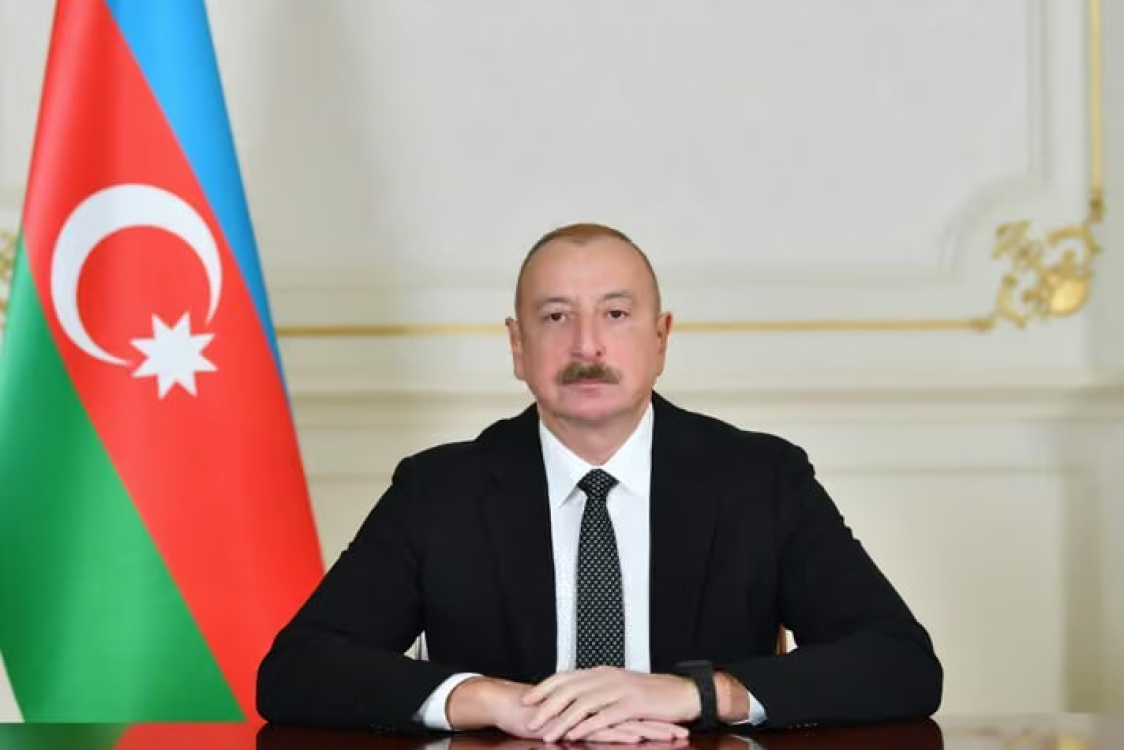
Ilham Aliyev has arrived in Turkmenistan to take part in the summits
08.10.2026The aircraft carrying Ilham Aliyev, President of the Republic of Azerbaijan, has landed at Turkmenbashi International Airport. The President of Azerbaijan arrived at the ‘Awaza’ National Tourist Zone to take part in the ‘Central Asia–Azerbaijan’ summit and the regular meeting of the Council of Heads of State of the CIS, reports IIC of Turkmenistan. Ilham Aliyev was met at the aircraft steps by Rashid Meredov, Foreign Affairs Minister of Turkmenistan. The visit by the President of the Republic of Azerbaijan is aimed at developing a strategic partnership, strengthening bilateral ties and expanding regional dialogue.
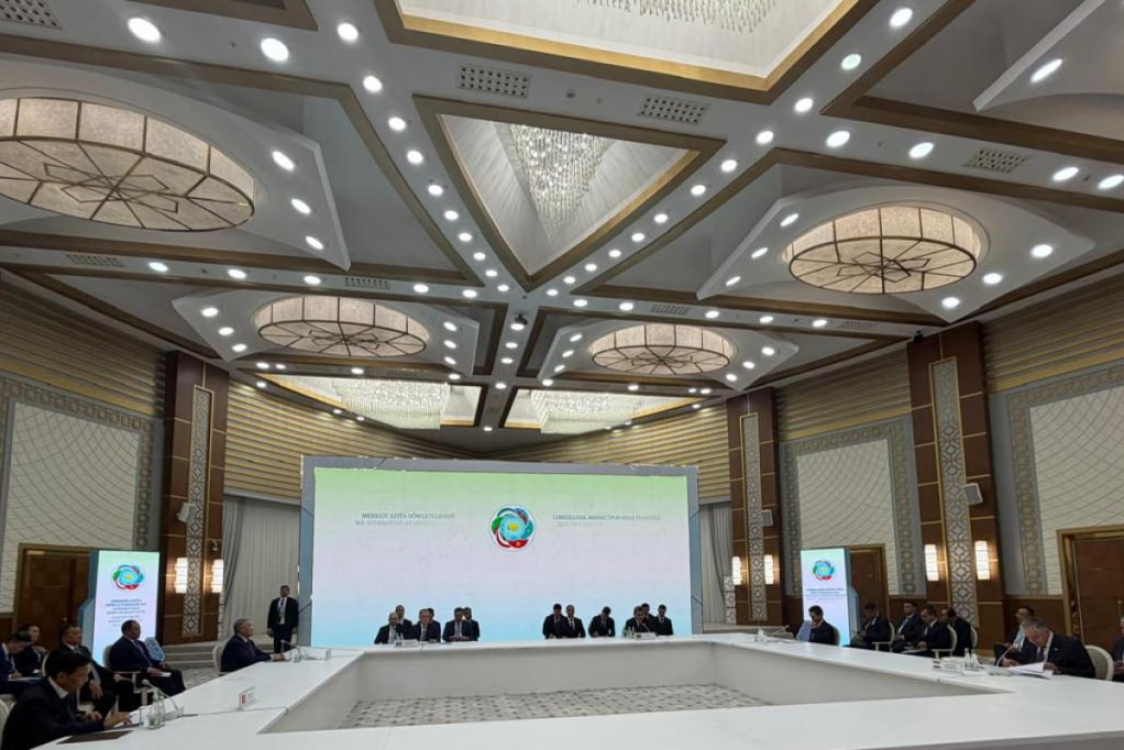
The Heads of the Foreign Affairs Ministries of the Central Asian countries and Azerbaijan held a meeting
08.10.2026On 8 October 2026, a meeting of the Foreign Affairs Ministers of the Central Asian states and the Republic of Azerbaijan took place in the ‘Awaza’ National Tourist Zone. This was reported by the press office of the Foreign Affairs Ministry of Turkmenistan. The participants discussed prospects for the development of cooperation, as well as current issues on the international and regional agenda. Particular attention was paid to strengthening political and diplomatic cooperation and coordinating approaches. As part of the preparations for the Consultative Meeting of the Heads of State of Central Asia and the Republic of Azerbaijan, the parties approved the draft agenda and final documents for the forthcoming summit.
Read also
Advertising
 Read us in Zen


