

Economy
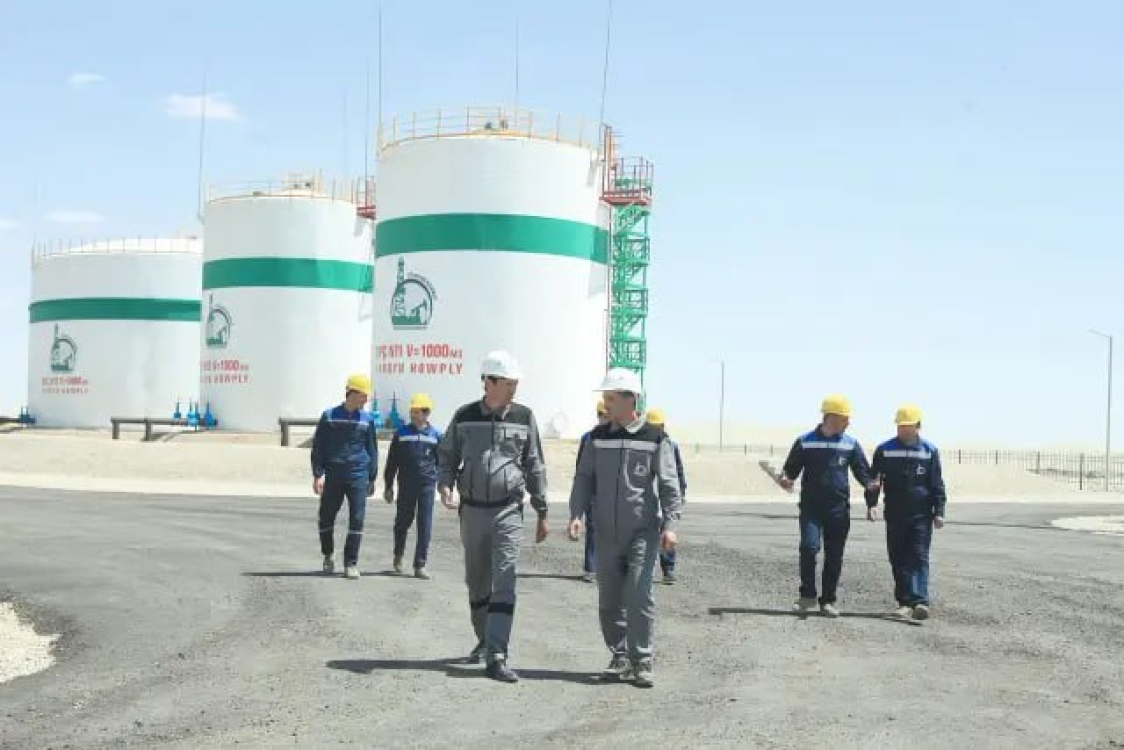
Oil production has increased at the Barsagelmez field in Turkmenistan
26.08.2026At the Barsagelmez oil field in south-western Turkmenistan, 93 wells that had previously seen a decline in production or had ceased production altogether have been restored since the start of the year. This was reported by the news website Turkmenportal. Due to the repairs, 75 of these wells have yielded an additional 26,500 tonnes of oil. This represents 134 per cent of the target set. The source notes that specialists from the well workover department will continue their efforts to restore production until the end of the year.
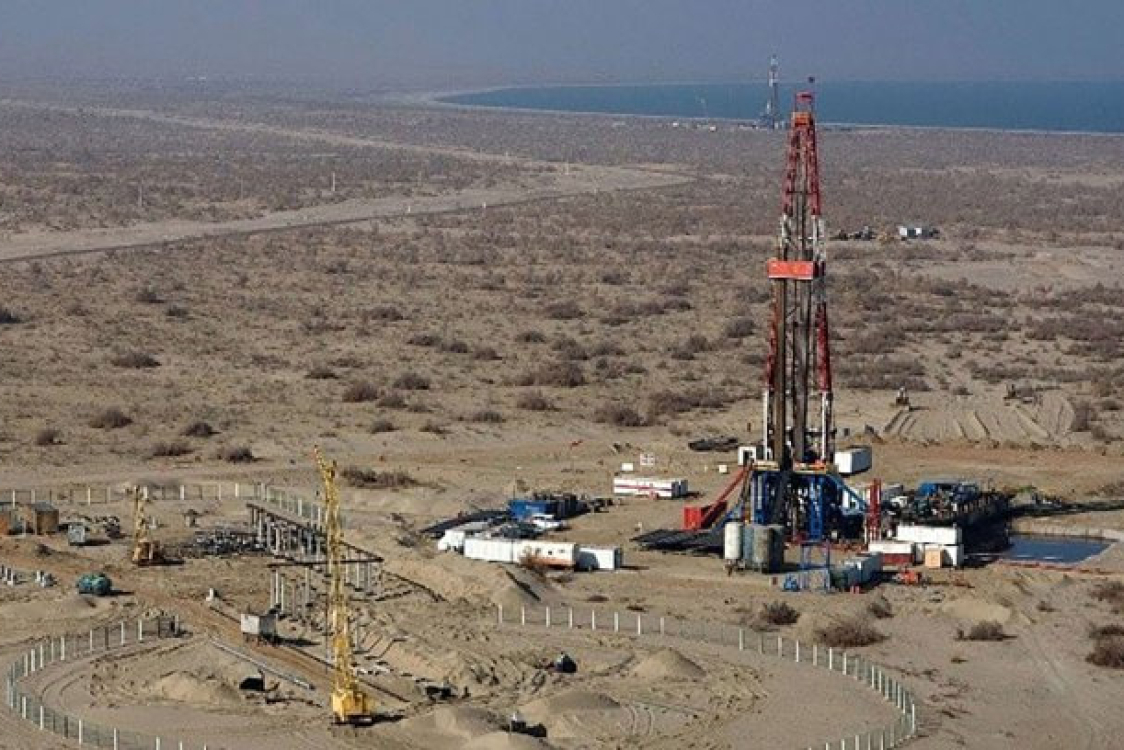
Turkmenistan is developing its oil and gas potential
26.08.2026The oil and gas industry remains one of the key sectors of Turkmenistan’s economy. The country is developing hydrocarbon production and refining, modernising its infrastructure and developing the ‘Galkynyş’ field and areas of the Turkmen shelf in the Caspian Sea, according to the online news site AsmanNews. Turkmenistan is expanding its energy export markets. Key projects include the ‘Turkmenistan–China’ gas pipeline and the TAPI (Turkmenistan–Afghanistan–Pakistan–India) pipeline, which is designed to supply gas to South Asian markets. At the same time, the deep processing of hydrocarbons is being developed. The country operates a plant producing petrol from gas, a polymer plant in Gyyanly and a urea complex in Garabogaz. The Turkmenbashi Oil Refinery Complex produces aviation kerosene, diesel fuel and petrol for domestic and international markets. Specialists from the ‘Türkmengeologiýa’ State Concern are continuing geological exploration work. The drilling of an ultra-deep well, over 7,150 metres deep, in the Uzynada area has confirmed the presence of oil reserves in deep formations. Digital technologies and environmental solutions are also being introduced in the oil and gas sector. Particular attention is being paid to reducing methane emissions, improving environmental safety and developing ‘green’ technologies.
A delegation from China’s Xinjiang Uyghur Autonomous Region has arrived in Turkmenistan on a visit
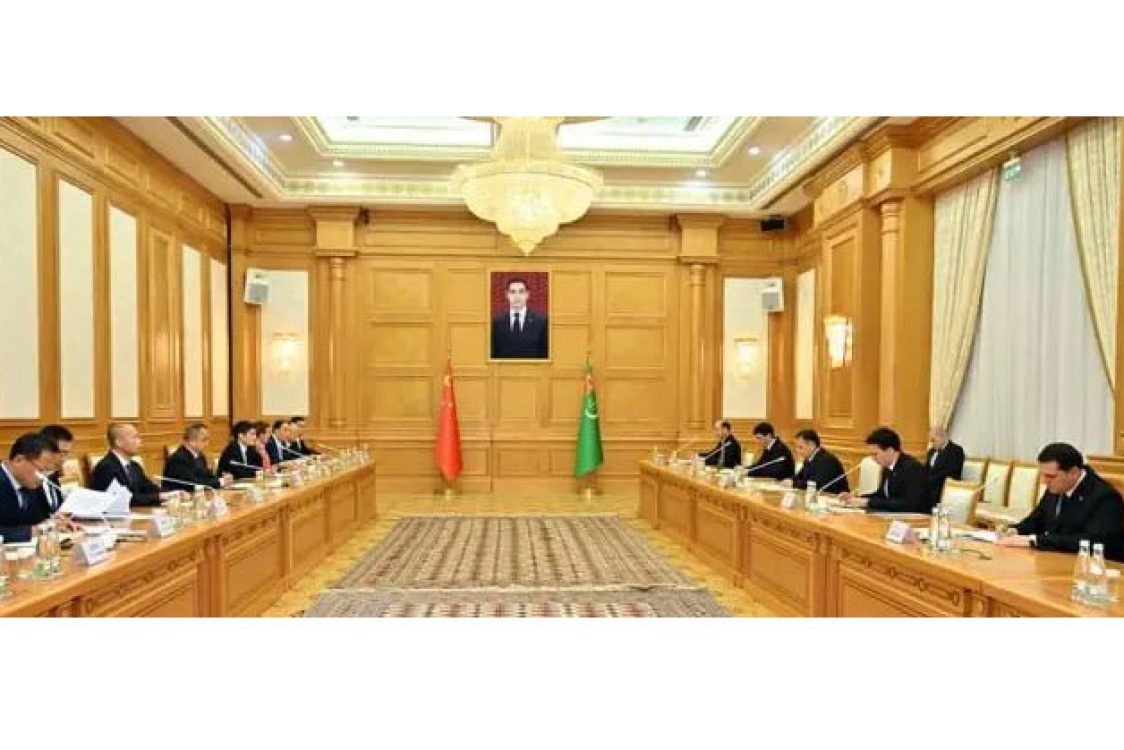
26.08.2026A delegation from the Xinjiang Uyghur Autonomous Region (XUAR) of China, led by Erkin Tuniyaz, Deputy Secretary of the region’s Communist Party of China Committee and Chairman of the XUAR People’s Government, has arrived in Turkmenistan on a visit. This was reported by the news website Turkmenportal. The programme for the visit includes negotiations on expanding trade and economic cooperation and implementing joint projects in the fields of agriculture, science, education and technology. As part of the visit, the delegation visited the International Science and Technology Park of the Academy of Sciences of Turkmenistan, where they familiarised themselves with the work of specialist laboratories and the research carried out by Turkmen scientists in the fields of physical, chemical, biological, genetic and technical research. The delegation also met with the leadership of the Ashgabat City Administration, where they discussed the expansion of mutually beneficial partnerships. In the afternoon, negotiations were held with representatives of Turkmenistan’s agricultural sector — the Ministry of Agriculture, the Ministry of Environmental Protection, the State Concern ‘Türkmenpagta’ — as well as with the Deputy Chairman of the Cabinet of Ministers responsible for the agricultural sector. The parties discussed the current state and prospects of trade, economic and agricultural cooperation. The Turkmen side emphasised the priority of attracting investment, introducing innovations and foreign expertise to modernise the agricultural sector, as well as developing transport and logistics services and organising joint business forums and exhibitions. Representatives of the XUAR supported these proposals and put forward counter-initiatives. Separately, the parties discussed cultural and humanitarian cooperation — student and academic exchanges, the organisation of internships for young researchers, as well as cooperation in the field of environmental protection and water-saving technologies in the agricultural sector. Given the Xinjiang Uyghur Autonomous Region’s experience in the rational use of land and water resources and the fight against desertification, the Turkmen side expressed its readiness to engage in joint research programmes. Following the negotiations, the parties expressed their confidence that the visit would give impetus to the development of Turkmen-Chinese relations. The Xinjiang Uyghur Autonomous Region delegation’s visit is continuing.
Turkmenistan and China are developing their partnership in the agricultural sector
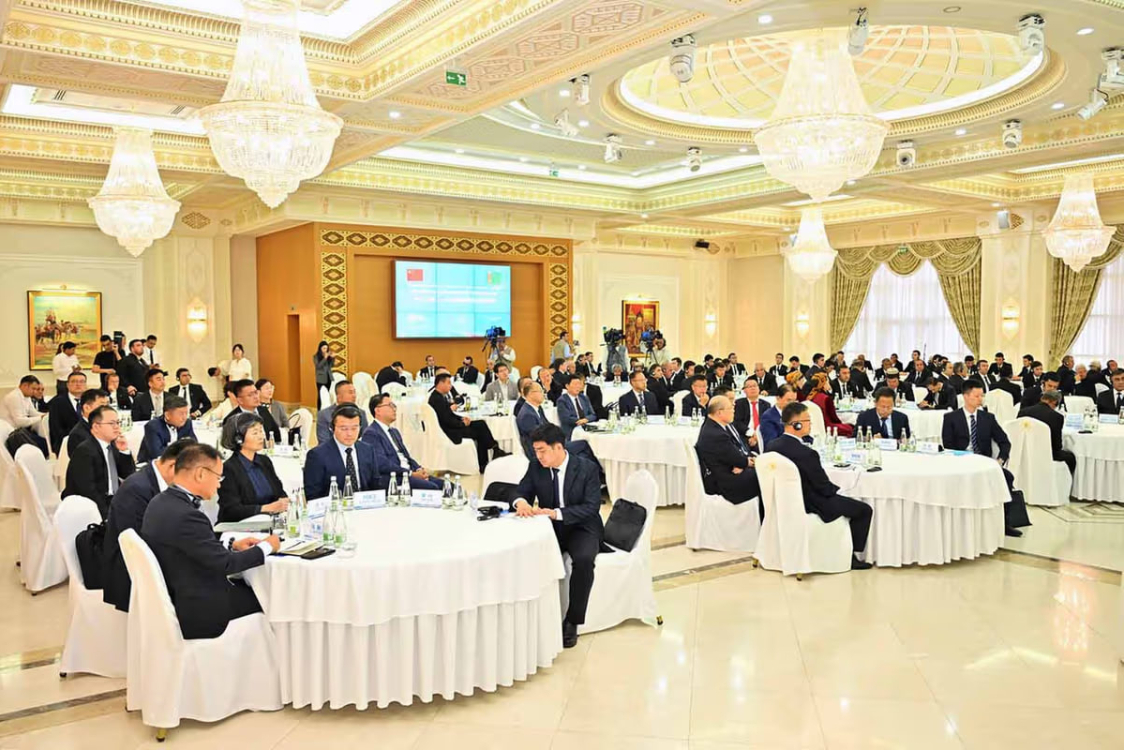
25.08.2026A Turkmen-Chinese meeting dedicated to the development of cooperation in the agricultural sector took place in Ashgabat. The event took place as part of a visit by a delegation from the Xinjiang Uyghur Autonomous Region (XUAR) of the People’s Republic of China, led by Erkin Tuniyaz, Chairman of the XUAR People’s Government, reports IIC of Turkmenistan. The parties discussed digitalisation and the introduction of innovations in the agri-food sector, cotton cultivation and raw material processing, seed production and plant breeding, as well as environmental and water conservation issues. The negotiations were attended by heads of relevant ministries and enterprises from Turkmenistan, representatives of the XUAR’s agricultural authorities, scientists from the Academy of Agricultural Sciences, and executives from Chinese companies specialising in agricultural machinery, seed production and agricultural technologies. The Chinese companies expressed an interest in joint investment and technology projects, as well as in the supply of agricultural machinery and equipment. The parties confirmed their readiness to implement the agreements reached and to continue exchanging visits by specialists and agricultural experts.
19 trades were concluded on the Turkmenistan Stock Exchange over the course of the week
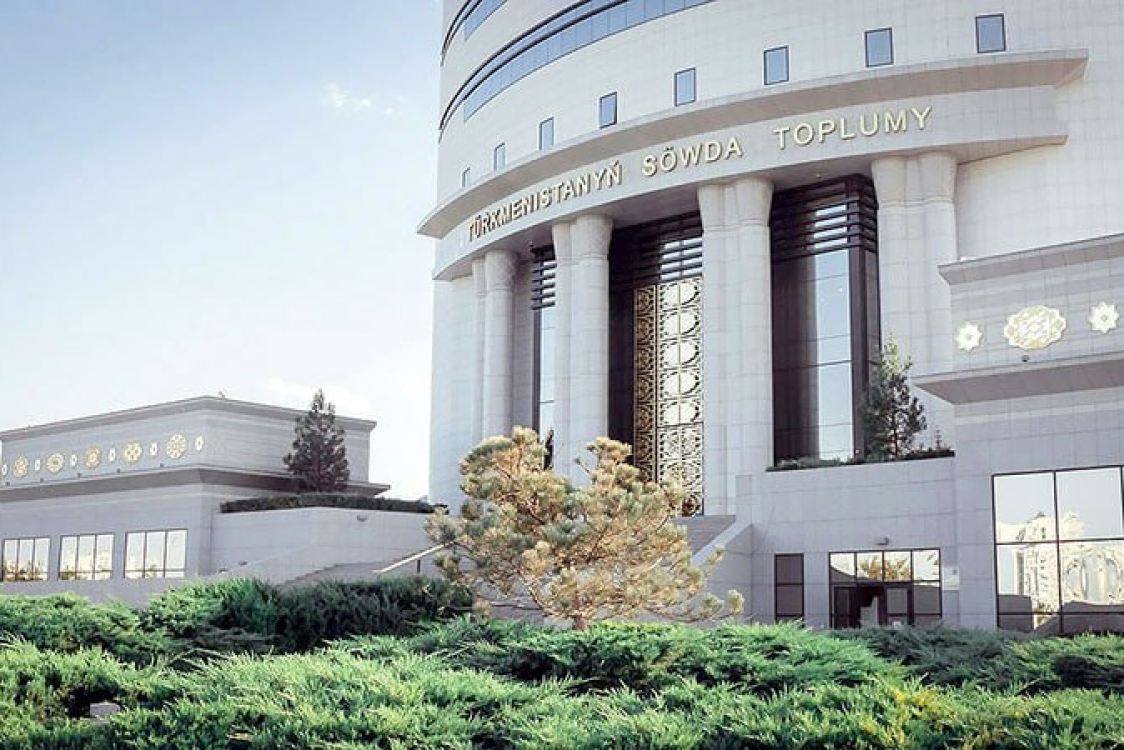
25.08.2026Over the past week, 19 transactions were recorded on the State Commodity and Raw Materials Exchange of Turkmenistan. This was reported by ‘Turkmenistan: Golden age’. Business representatives from the United Arab Emirates, Turkey and Afghanistan purchased urea and desulphurised diesel fraction produced by the ‘Türkmenhimiýa’ State Concern using foreign currency. Bed linen sets, cotton yarn and flannel fabric were also sold for foreign currency; the buyers were companies from Turkey and Azerbaijan. The total value of foreign currency transactions exceeded 46 million 412 thousand US dollars. On the domestic market, local businesses purchased polypropylene produced by the ‘Türkmennebit’ State Concern, as well as wheat flour and cotton yarn, for a total of over 80,634,000 manats.
Porcelain stoneware from Turkmenistan has been shipped to Georgia for the first time
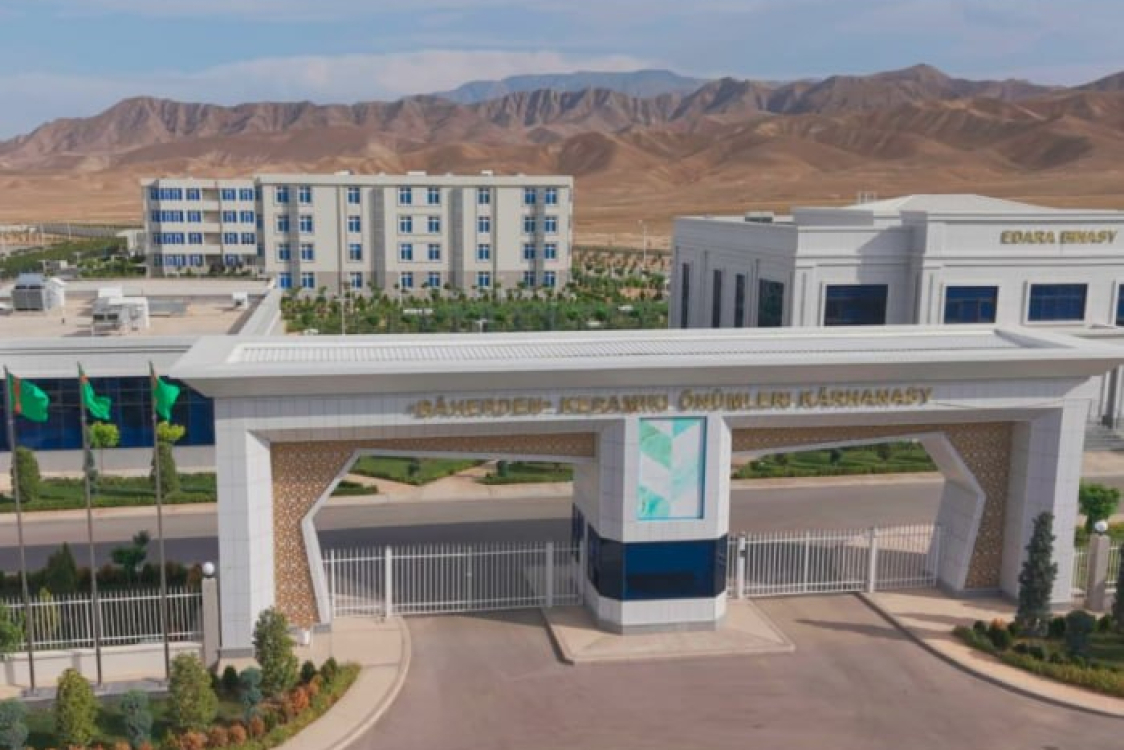
22.08.2026‘Eziz Doganlar Keramika’, a company specialising in the production of porcelain stoneware tiles and sanitaryware, has made its first export delivery of products to Georgia. The company was officially opened in the presence of the President of Turkmenistan in 2025, according to the online publication ‘Business Turkmenistan’. The dispatch of the first consignment of products to Georgia marks the company’s entry into a new phase of engagement with foreign markets. This step is the latest outcome of the development of Turkmenistan’s construction and industrial sectors and confirms that porcelain stoneware products made from local raw materials meet international requirements in the fields of construction and architecture, including standards for quality and durability. According to Gadam Hoshwagtov, director of ‘Eziz Doganlar Keramika’, the porcelain stoneware slabs produced at the plant are characterised by high strength, water resistance and resilience to heavy loads, and also meet the requirements for ceramic products widely used in construction. ‘Eziz Doganlar Keramika’ has established import-substituting production and is the sole manufacturer of such products in Turkmenistan, fully supplying the domestic market with porcelain stoneware tiles and sanitaryware. The company’s entry into foreign markets contributes to the development of the country’s industrial exports and opens up new opportunities for trade with the countries of the South Caucasus. The company previously took part in the Turkmen-Georgian business forum, where it showcased porcelain stoneware and ceramic tiles, as well as sanitaryware – products which attracted interest from Georgian business circles. ‘Eziz Doganlar Keramika’ is one of Turkmenistan’s private enterprises developing industrial production. The company continues to expand its product range and work towards entering international markets.
Turkmenistan is boosting its appeal to investors
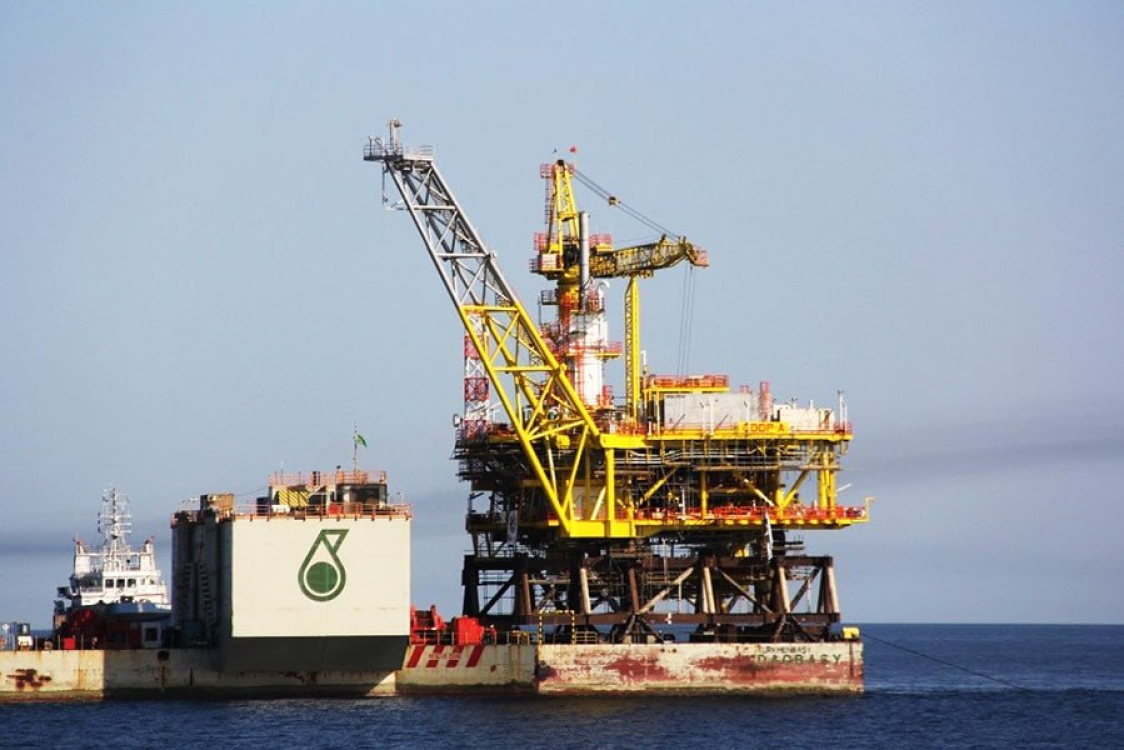
22.08.2026International investor interest in Turkmenistan goes beyond the traditional perception of the country as a supplier of hydrocarbons — this view was expressed by Leandro Slovinski, Global Editorial Director of the international publication ‘The Investor’, ahead of the 35th anniversary of Turkmenistan’s independence. This was reported by the news agency ‘Turkmenistan: Golden age’. ‘For many years, Turkmenistan was viewed internationally primarily through the lens of its hydrocarbon resources. Today, that perspective is broadening considerably,’ Slovinski noted in an interview with the editorial team of ‘Golden age’. According to him, foreign investors are increasingly exploring opportunities not only in the energy sector, but also in industry, infrastructure, logistics, digitalisation and private sector development. A special issue of ‘The Investor’ on Turkmenistan, published in 2025, generated considerable interest among readers, and the editorial team is currently preparing a new edition on this topic. The expert highlighted the importance of Turkmenistan’s long-term partnerships with international companies – 20 years of cooperation with CNPC in the gas sector and 30 years of PETRONAS’s operations in the country. In April, the fourth phase of the ‘Galkynyş’ field development began, involving the construction of wells and a complex with a capacity of 10 billion cubic metres of marketable gas per year; the project is expected to create over a thousand permanent jobs. ‘Institutional investors do not respond to marketing narratives; they respond to evidence of long-term direction, economic stability and implementation,’ emphasised Slovinski. The ‘Turkmenistan–Afghanistan–Pakistan–India’ (TAPI) gas pipeline is also attracting growing attention from investors. According to data from Afghanistan’s Ministry of Mines and Petroleum, published in July, 101 kilometres of pipeline have been laid on the Afghan section and 126 kilometres of the route have been prepared. Slovinski believes that the project has the potential to become part of an economic corridor linking Central and South Asia, and that the transition from planning to implementation is an important signal for investors. According to the expert, Turkmenistan’s hydrocarbon sector is increasingly being viewed by investors not only as a source of export revenue, but also as a foundation for economic diversification – the development of the oil and gas chemicals industry, refining, industrial production, logistics, infrastructure and digital technologies. Congratulating Turkmenistan on the 35th anniversary of its independence, Slovinski wished the country peace, prosperity and further success in economic development and international cooperation. According to him, over the past years the country has built a large-scale infrastructure and established long-term relationships with international companies, and the next stage involves harnessing this potential to develop industry, produce high value-added goods and foster private enterprise. The investment agenda will be one of the topics at the 31st International Conference and Exhibition ‘Oil and Gas of Turkmenistan – 2026’ (OGT 2026), which will take place in Ashgabat from 21 to 23 October. Slovinski, who has previously attended the forum, described OGT as one of the region’s leading energy platforms, bringing together representatives of government bodies, international companies, investors and technology providers. The forum’s programme covers investment, infrastructure, new export corridors, gas monetisation, the development of the oil and gas chemical industry, and the reduction of methane emissions. The previous, anniversary edition of OGT brought together over 1,400 delegates from more than 70 countries.
Registration has opened for the CIET 2026 International Conference and Exhibition
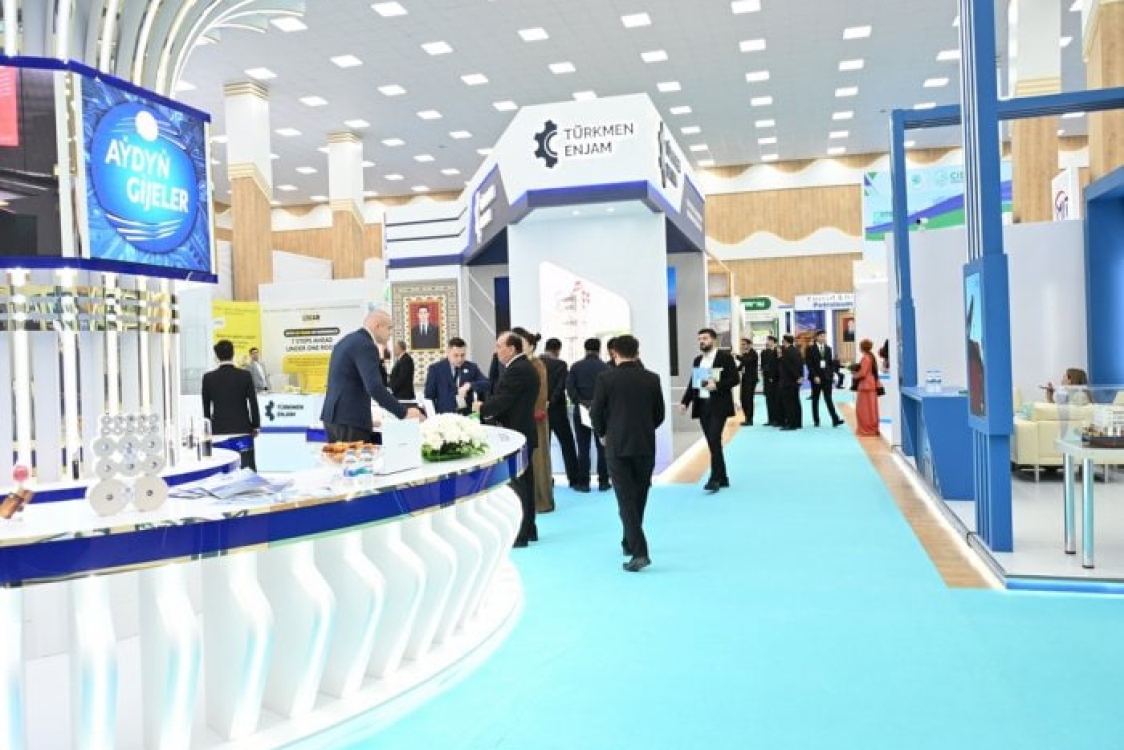
20.08.2026Registration is now open for the CIET 2026 International Conference and Exhibition ‘Development of the Construction, Industrial, Chemical and Energy Sectors of Turkmenistan’. The forum will take place on 3–5 November in Ashgabat. This was reported by the online publication ‘Business Turkmenistan’. The conference will be attended by representatives of government departments, investors, financial institutions, foreign companies, contractors, technology suppliers and industry experts. Last year, the forum brought together more than 500 delegates from over 50 countries. The main themes of CIET 2026 will be construction, industrial modernisation, the chemical and petrochemical sectors, energy, transport, infrastructure, digitalisation and smart technologies. Project financing mechanisms, including public-private partnerships, will also be discussed. Business meetings in both B2G and B2B formats are planned for participants with government bodies, enterprises and private companies in Turkmenistan. An international exhibition of equipment, technologies, building materials and industrial solutions will run in parallel. The forum will be held under the motto ‘Innovation • Investment • Growth’ and will focus on attracting foreign investment, technology and engineering expertise to Turkmenistan’s priority projects.
‘Türkmengeologiýa’ is stepping up its search for new gas fields
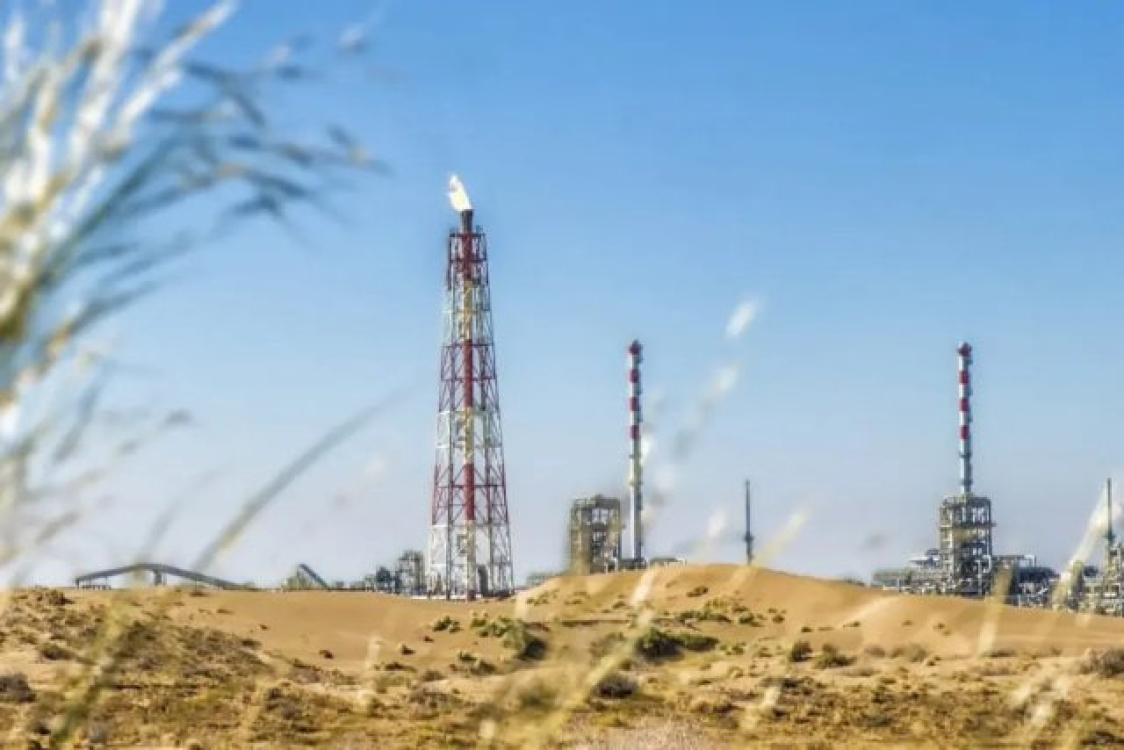
20.08.2026The State Corporation ‘Türkmengeologiýa’ is carrying out exploration and production drilling at oil and gas fields in various regions of Turkmenistan. The main focus is on the search for low-sulphur natural gas, according to the online news site AsmanNews. The work is being carried out as part of the ‘Programme for the Development of Turkmenistan’s Oil and Gas Industry for the period up to 2030’. Exploratory drilling for oil and gas is being carried out by specialised oil and gas exploration expeditions of the State Corporation ‘Türkmengeologiýa’. Strengthening the corporation’s material and technical base remains one of the priorities. Alongside the discovery of new fields, the sector is developing previously identified deposits, bringing them into production and increasing oil and gas output. This year marks the 20th anniversary of cooperation between Turkmenistan and the People’s Republic of China in the oil and gas sector. The fourth phase of the ‘Galkynyş’ field development has also commenced, involving the creation of facilities to process 10 billion cubic metres of marketable gas per year, as well as the drilling and commissioning of new gas wells. Geological exploration work continues in the sector using modern equipment and digital technologies, whilst cooperation with foreign oil and gas companies is expanding and investment is being attracted.
New gas fields in Turkmenistan are producing commercial volumes of gas
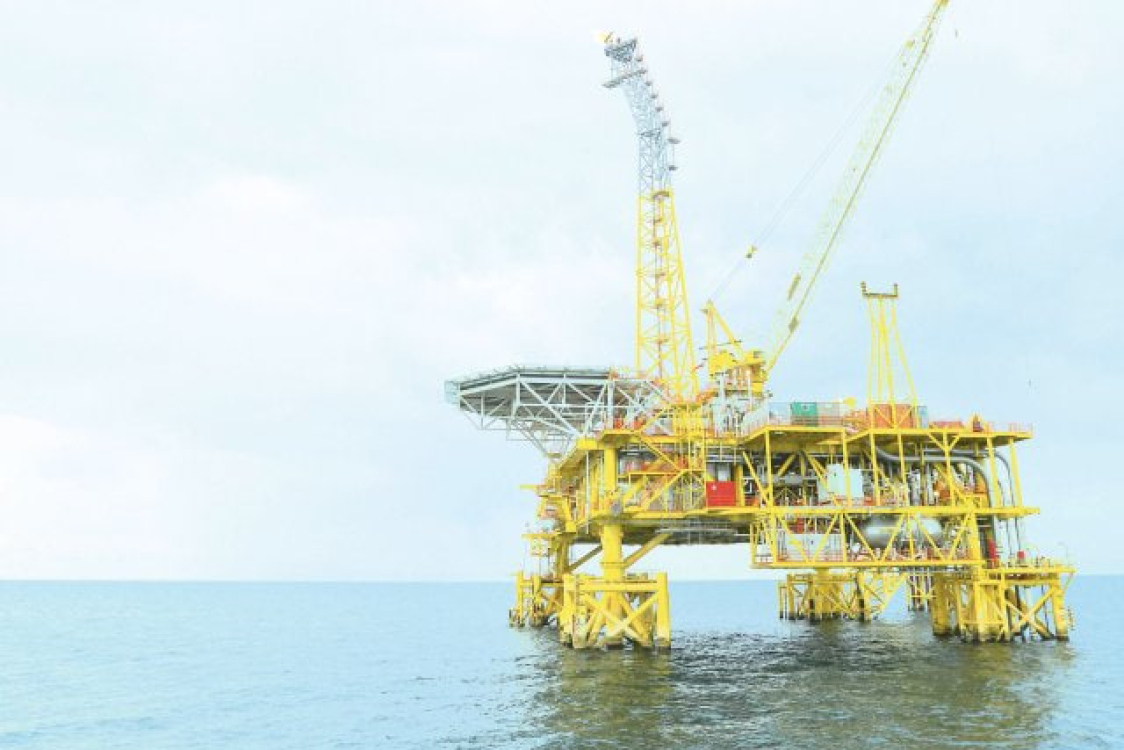
20.08.2026Turkmenistan’s oil and gas industry continues to increase hydrocarbon production and develop new fields. New commercial natural gas flows have been achieved both at fields in the Turkmen sector of the Caspian Sea and in regions across the country, according to the online news site AsmanNews. Production well No. A8 at the ‘Magtymguly’ field is yielding a flow of over 1.3 million cubic metres of natural gas and around 130 tonnes of gas condensate per day. The well, which is 4,981 metres deep, was drilled in the ‘Block 1’ contract area under the Production Sharing Agreement between ‘Petronas Carigali Sdn. Bhd.’ and the State Concern ‘Türkmennebit’. Work on developing the field is currently ongoing. Over 30 years of cooperation in the Turkmen sector of the Caspian Sea and the coastal zone, five modern platforms have been constructed and around 40 exploration, appraisal and production wells have been drilled. Joint production has exceeded 44 billion cubic metres of gas and 16 million tonnes of liquid hydrocarbons. The new phase envisages the development of offshore blocks 19 and 20, as well as the conduct of 2D seismic surveys on blocks 11, 12, 13 and 14. New gas inflows have also been recorded at fields in the regions. In the Mary velayat, at well No. 04 of the ‘Ýylan’ field, a daily inflow of methane gas in excess of 700,000 cubic metres was recorded. At well No. 265 of the ‘Çemmerli’ field in the Central Karakum gas condensate complex, at a depth of 1,200 metres, a commercial gas flow of 150,000–200,000 cubic metres per day was achieved. These results reflect the ongoing development of gas fields and the expansion of drilling operations in Turkmenistan’s oil and gas sector.
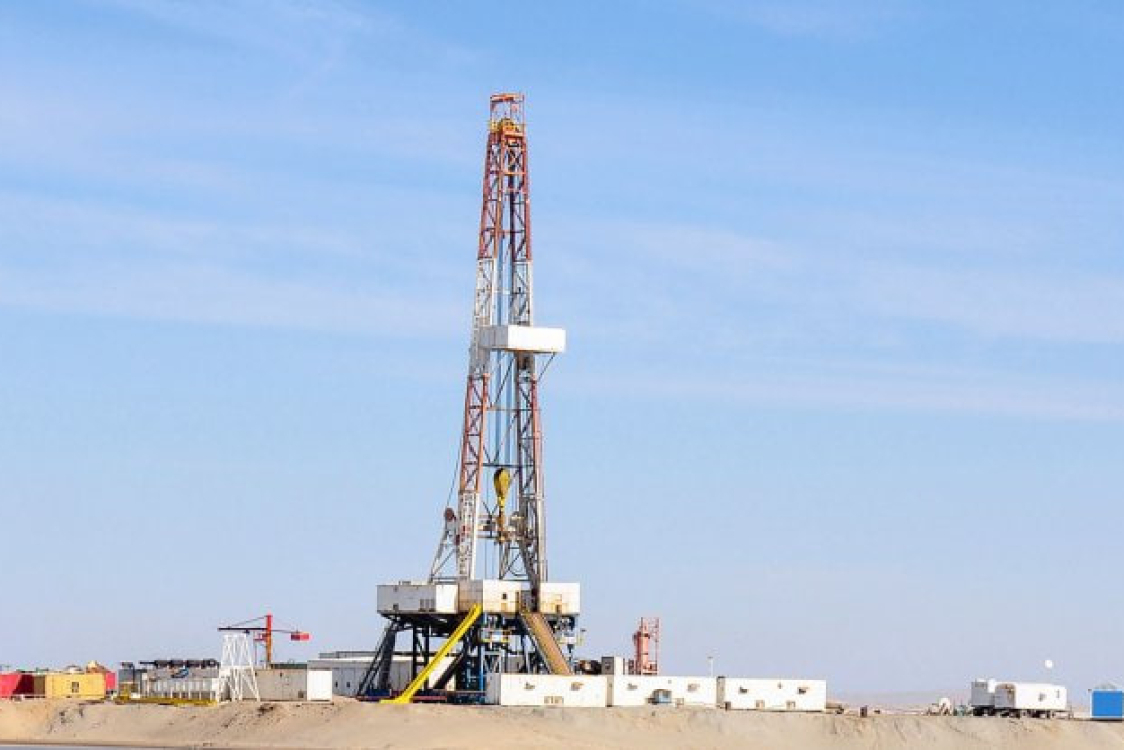
The ‘Körpeje’ drilling team has brought three productive wells into operation
20.08.2026Since the start of the year, specialists from the ‘Körpeje’ Drilling Operations Department of the State Concern ‘Türkmennebit’ have drilled 11,994 metres through rock and brought three new productive wells into operation. This was reported by the online news site AsmanNews. The drilling teams are continuing to explore and develop new reservoirs, working in promising areas and at deep levels. All three wells are production wells and have been handed over to the ‘Gumdagnebit’ Oil and Gas Production Department. Commercial oil flow has been achieved at the sites.
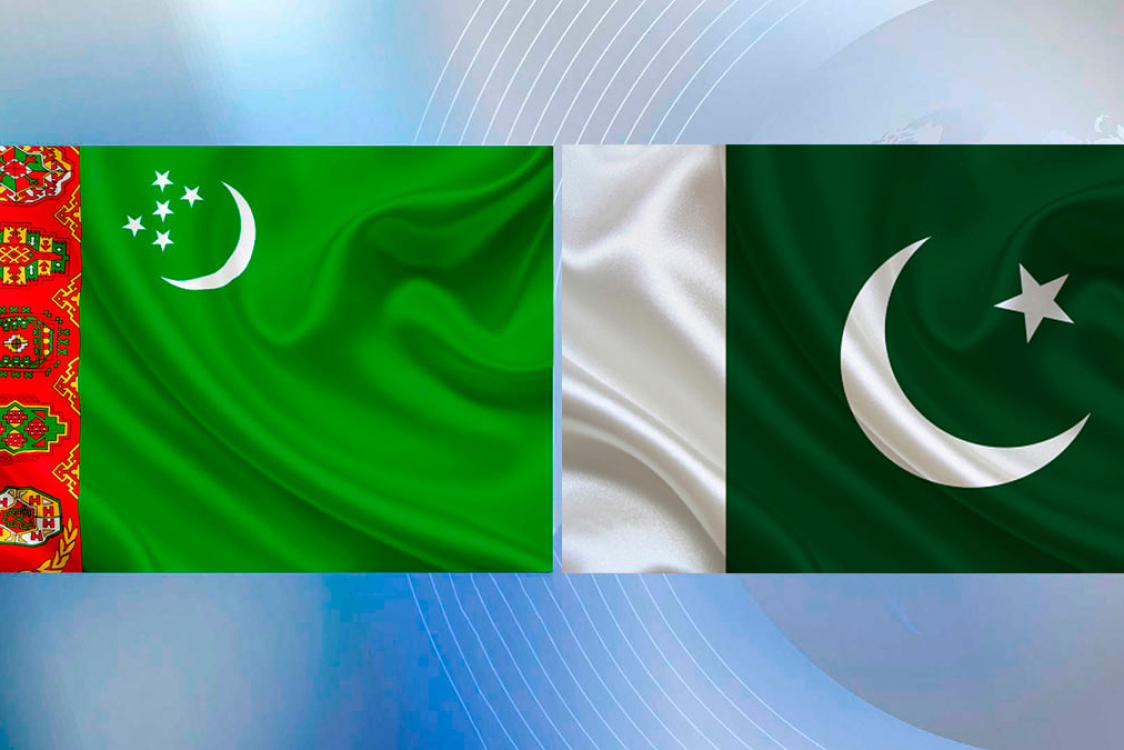
Turkmenistan and Pakistan discussed cooperation within the framework of the ECO
19.08.2026On 17 August 2026, a meeting took place in Tehran between the Ambassador Extraordinary and Plenipotentiary of Turkmenistan to the Islamic Republic of Iran and Permanent Representative of Turkmenistan to the Organisation of Economic Co-operation (ECO), Ilyas Gayipov, and the newly appointed Ambassador of the Islamic Republic of Pakistan to the Islamic Republic of Iran and Permanent Representative to the ECO, Imran Ahmed Siddiqui. This was reported by the press office of the Turkmen diplomatic mission. The parties discussed the development of cooperation within the framework of international organisations, including the United Nations, as well as key events during Pakistan’s chairmanship of the ECO in 2026–2027. Particular attention was paid to preparations for the 30th meeting of the Council of Ministers of the Organisation of Economic Co-operation, which will take place on 15–16 November in Islamabad. The interlocutors noted the importance of regular political dialogue for expanding co-operation between Turkmenistan and the Islamic Republic of Pakistan.
Read also
Advertising
 Read us in Zen


