

Economy
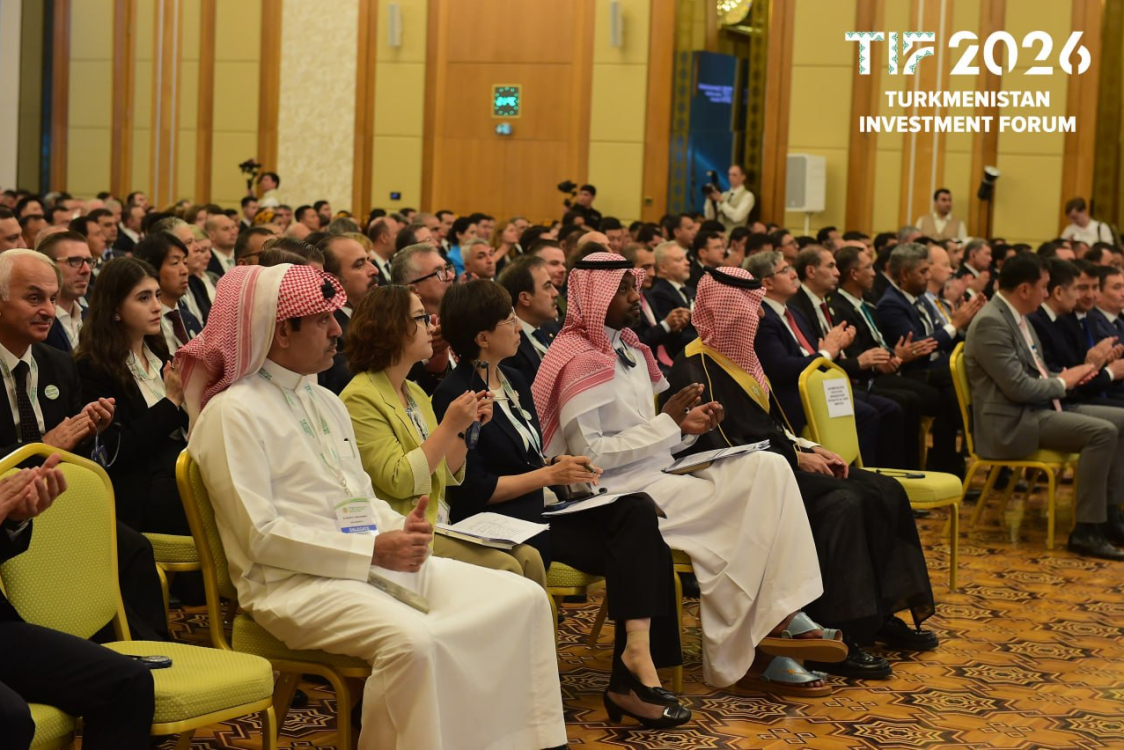
TIF 2026 will bring together delegates from 45 countries in Ashgabat
24.09.2026More than 800 delegates from 45 countries will take part in the Turkmenistan Investment Forum 2026, which will be held on 1–2 October in Ashgabat. Among them are representatives of international financial organisations, government and business circles, as well as multinational companies, according to the IIC of Turkmenistan. Representatives from the USA, the UK, Germany, France, Japan, Singapore, the UAE, Saudi Arabia and Central Asian countries have registered to attend the forum. Saudi Arabia will be represented by a delegation led by Prince Mansour bin Mohammed Al Saud, Head of the investment holding company Najd Gateway Holding. The delegation will also include representatives from the energy, industrial, agricultural and construction sectors. Representatives from the World Bank, the European Bank for Reconstruction and Development, the International Finance Corporation and the Asian Development Bank will take part in the forum. Representatives from the Netherlands, Turkey, Pakistan, Armenia, Kyrgyzstan and Saudi Arabia have confirmed their participation at ministerial level. The forum is organised by the Ministry of Finance and Economy of Turkmenistan, the Ministry of Foreign Affairs of Turkmenistan and the company ‘Turkmen Congress’.
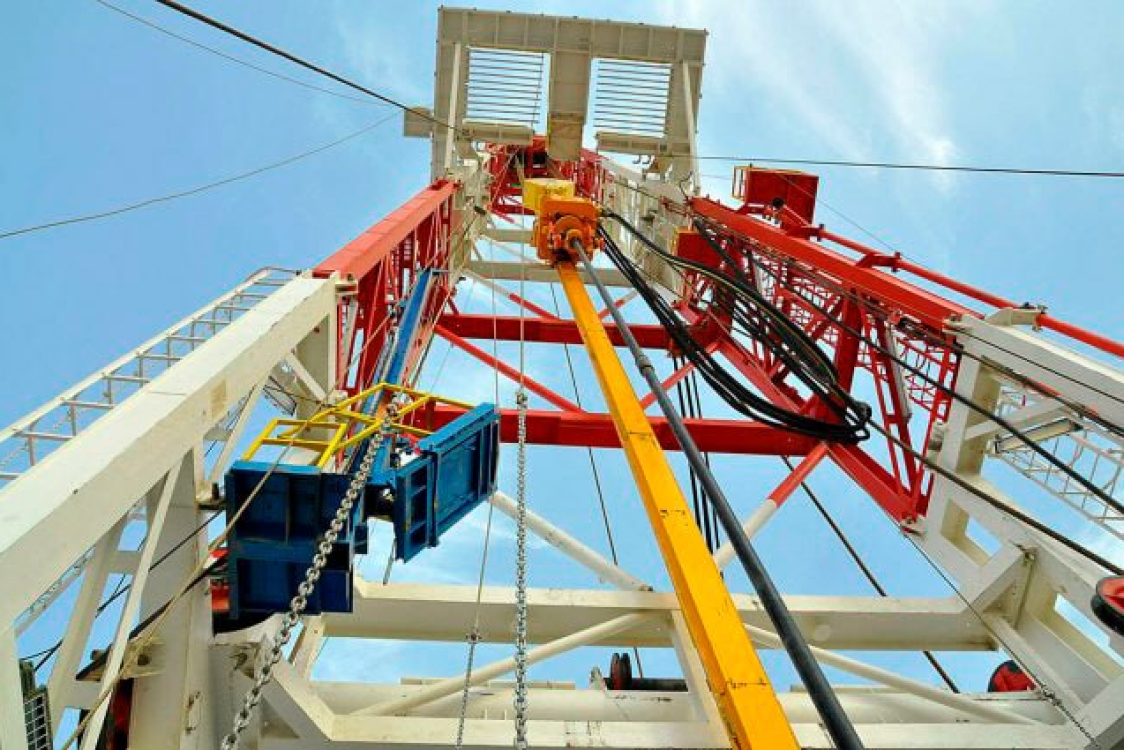
Turkmenistan’s oil industry marks the 35th anniversary of independence with new achievements
23.09.2026The production divisions of the State Concern ‘Türkmennebit’ are continuing to carry out large-scale work in the oil and gas sector. In the Balkan velayat, the company’s specialists are engaged in the exploration and commercial development of hydrocarbon fields. This was reported by the news agency ‘Turkmenistan: Golden age’. Specialists from the Goturdepe Drilling Directorate of the ‘Nebitgazburawlaýyş’ trust have achieved significant results over the first eight months of this year. Drilling crews have drilled 45,199 metres of wells, against a target of 33,196 metres. More than 12,000 metres were drilled in excess of the set target, with the performance rate exceeding 136 per cent of the plan. Of the total drilling volume, 33,363 metres were accounted for by production drilling, whilst a further 11,836 metres were for exploration work. The team at the Goturdepe Drilling Directorate is currently continuing its efforts to improve production performance. The drillers expect to complete their planned tasks ahead of schedule and achieve further results. In their work, they are capitalising on emerging opportunities and modern conditions to further develop the country’s oil and gas sector.
GaffneyCline highlighted new opportunities in Turkmenistan’s energy sector
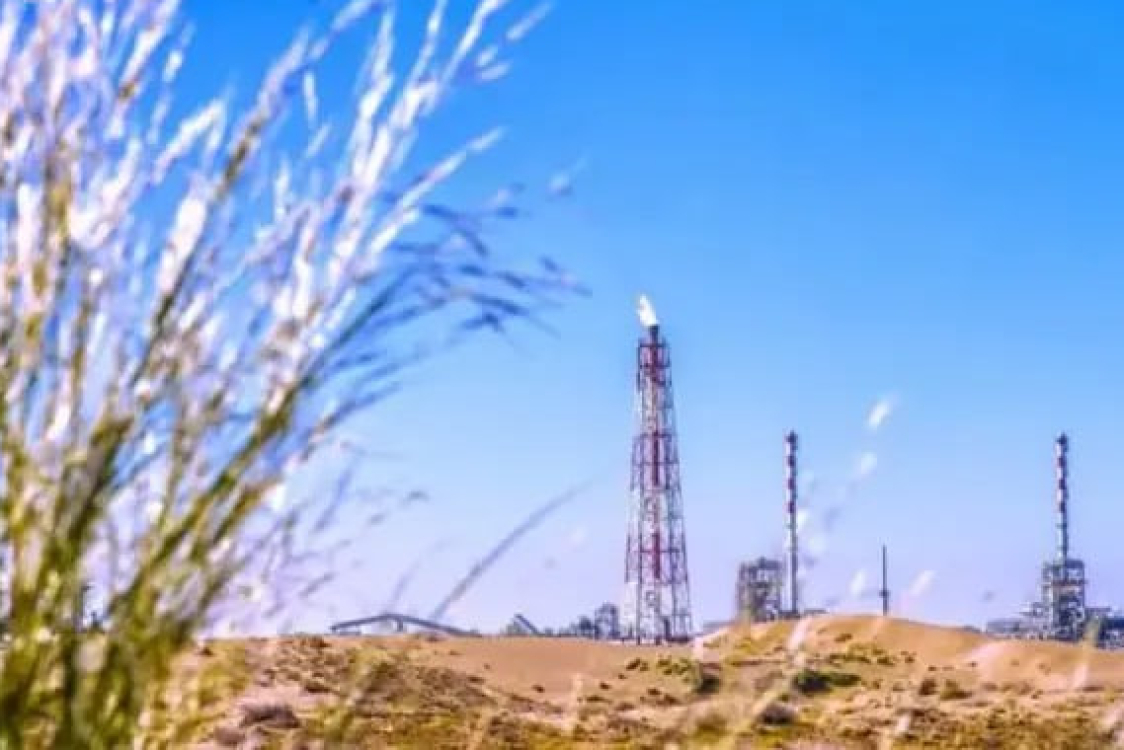
22.09.2026Turkmenistan’s energy sector is entering a new phase of development against the backdrop of gas production projects, exploration in the Caspian Sea, infrastructure development and the introduction of modern technologies. This is stated in an article by Steven Travers, regional director of the international energy consultancy GaffneyCline, published by the Turkmen Energy Forum, as reported by the news website Turkmenportal. According to the company’s assessment, the energy sector’s focus is shifting towards the practical implementation of projects, infrastructure development, expanding market access and international cooperation. The development of the ‘Galkynyş’ gas field remains one of the key priorities. The fourth phase involves drilling new production wells and establishing infrastructure for gas processing. Exploration in the Caspian Sea is continuing. At the ‘Magtymguly’ field within Block 1, the A8 appraisal and production well demonstrated significant potential during testing. Promising areas in the region are being studied using geological and seismic surveys. Particular attention is being paid to the TAPI (Turkmenistan–Afghanistan–Pakistan–India) gas pipeline, with a design capacity of up to 33 billion cubic metres of gas per year. The project envisages the supply of Turkmen gas to South Asian markets. GaffneyCline notes that the development of the resource base and infrastructure creates opportunities for international operators, engineering and service companies, technology developers and consultants. GaffneyCline is a technical partner of the Turkmen Energy Forum and co-organiser of the 31st International Conference and Exhibition ‘Oil and Gas of Turkmenistan – OGT 2026’, which will take place in Ashgabat on 21–23 October. The company believes that the further development of the energy sector will be linked to the implementation of projects, the adoption of modern technologies and the expansion of international cooperation.
TIF 2026 will bring together representatives from over 200 foreign companies
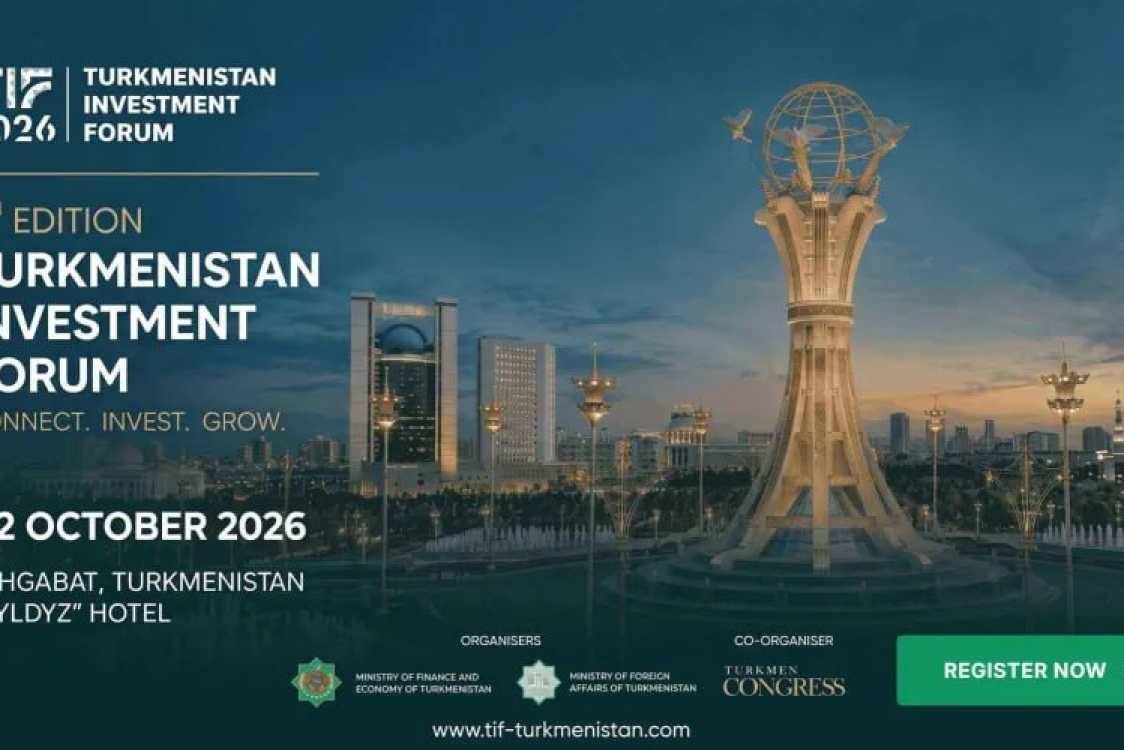
20.09.2026The Turkmenistan Investment Forum (TIF 2026) will take place on 1–2 October at the ‘Ýyldyz’ Hotel in Ashgabat. Representatives from more than 200 foreign companies from over 40 countries will attend, according to Arzuw.news, citing the online publication ‘Nebit-Gaz’. The business programme comprises eight thematic sessions focusing on the oil and gas and chemical industries, energy, construction, transport and logistics, trade and agribusiness, cooperation with international financial institutions, innovation and the ‘green’ transition. Negotiations between company representatives are scheduled to take place as part of the forum. Participants will be able to view the list of delegates and send requests for meetings via the TIF 2026 mobile app. Among the confirmed participants are companies from Japan, the Republic of Korea, Germany and other countries. The oil and gas sector is represented by ‘TotalEnergies’, ‘Dragon Oil’, ‘ADNOC’, ‘Siemens Energy’, ‘MHI’ and ‘Tatneft’. International financial organisations and banks, including the World Bank, the IFC, the Asian Development Bank, the EBRD and the Islamic Development Bank, will also take part in the forum. Registration for participants will remain open until 22 September.
An exhibition showcasing economic achievements has opened in Turkmenistan
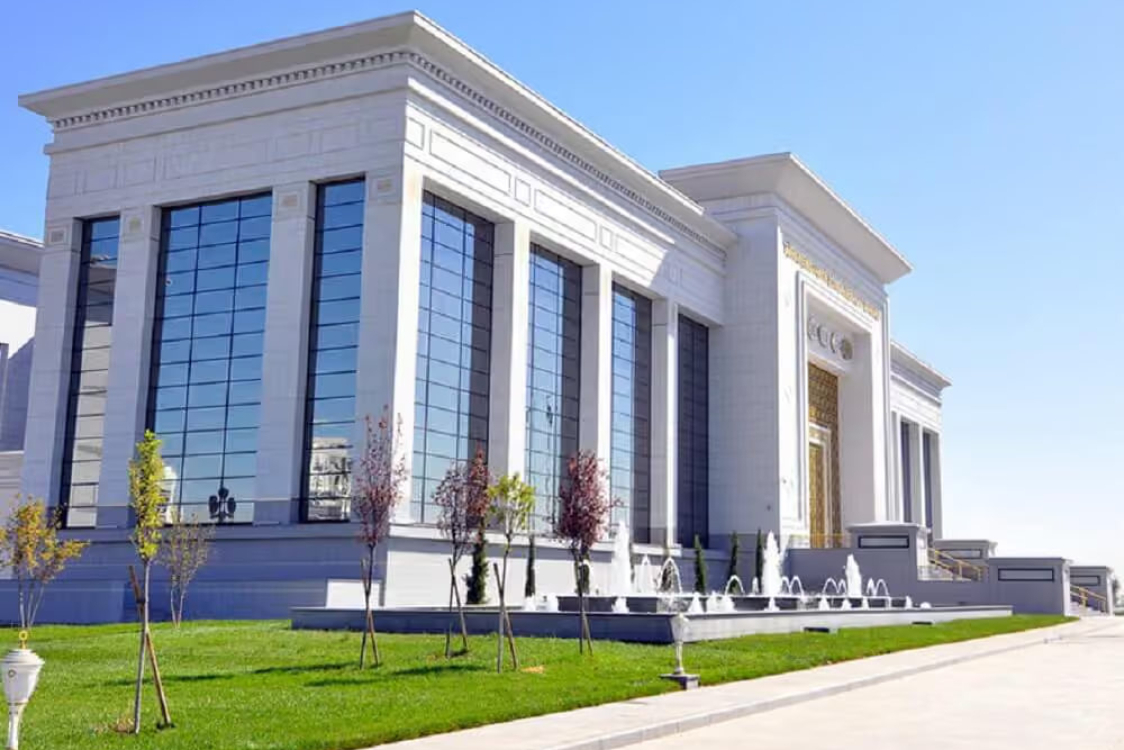
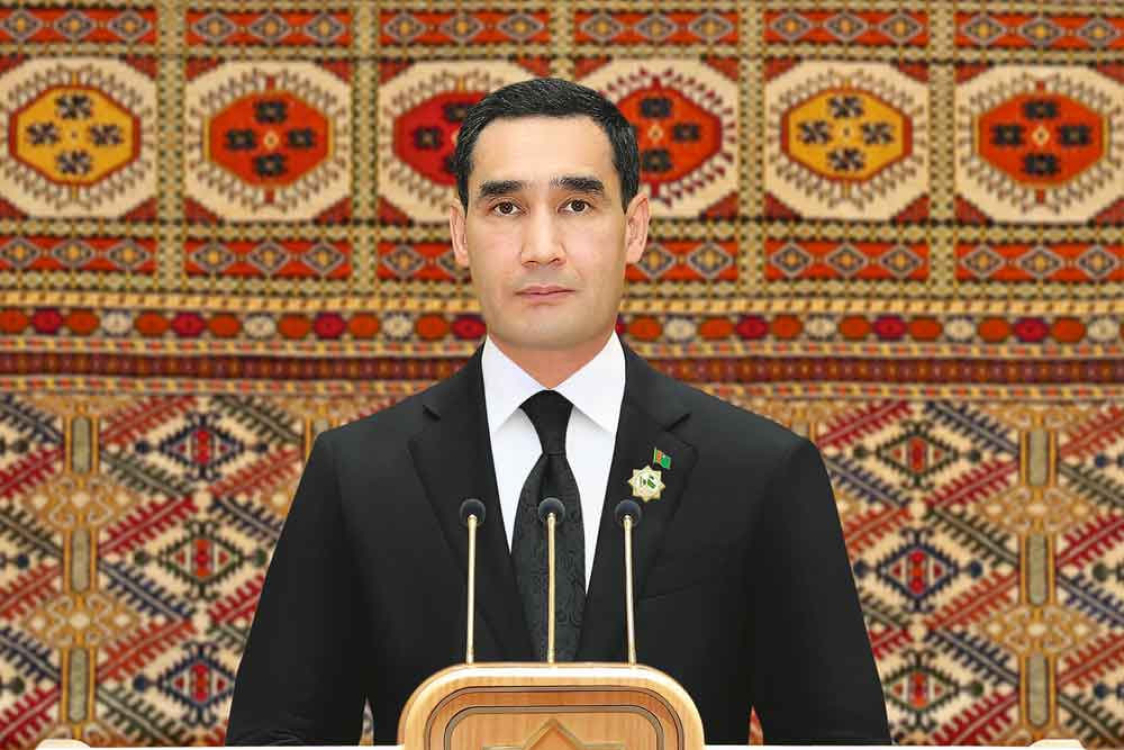
18.09.2026An exhibition showcasing economic achievements has opened in Turkmenistan to mark the 35th anniversary of the country’s independence. This year’s event is being held under the motto ‘Independent Neutral Turkmenistan − the Homeland of Purposeful Winged Horses’, reports IIC of Turkmenistan. President Serdar Berdimuhamedov sent a message of greeting to the participants and guests of the exhibition. In his address, he highlighted the importance of the exhibition in showcasing the development of the national economy, based on modern technologies, innovation and industrialisation. The Head of State highlighted the implementation of state programmes aimed at diversifying the economy, developing the agricultural sector, expanding production capacity and digitising various sectors. The exhibition showcases the results of the country’s socio-economic development, as well as promising projects aimed at further improving the quality of life for the population. The President of Turkmenistan emphasised the country’s commitment to a course of peace, progress and harmonious development, and wished the exhibition participants every success in their work.
Korean companies have been invited to take part in transport projects in Turkmenistan
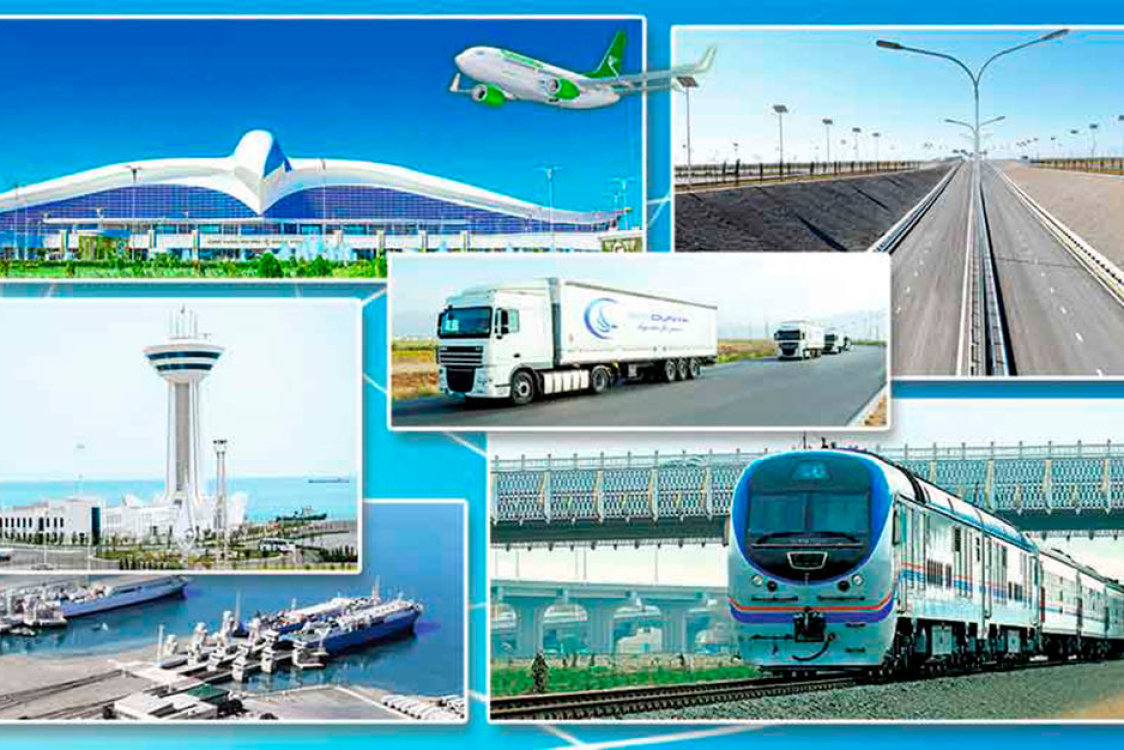
17.09.2026During his state visit to the Republic of Korea, the President of Turkmenistan, Serdar Berdimuhamedov, addressed the high-level Turkmen-Korean business forum. The Head of State identified the development of transport and logistics infrastructure as one of the key areas of cooperation, according to the news agency ‘Turkmenistan: Golden age’. Serdar Berdimuhamedov highlighted Turkmenistan’s potential to strengthen its role as a transport and logistics hub on the Eurasian continent, linking Central Asia with the Caspian region and international transport corridors. Ashgabat is prepared to consider proposals from South Korean companies regarding participation in major infrastructure projects aimed at creating modern transport and logistics systems.
Turkmenistan is keen to attract Korean technology and investment
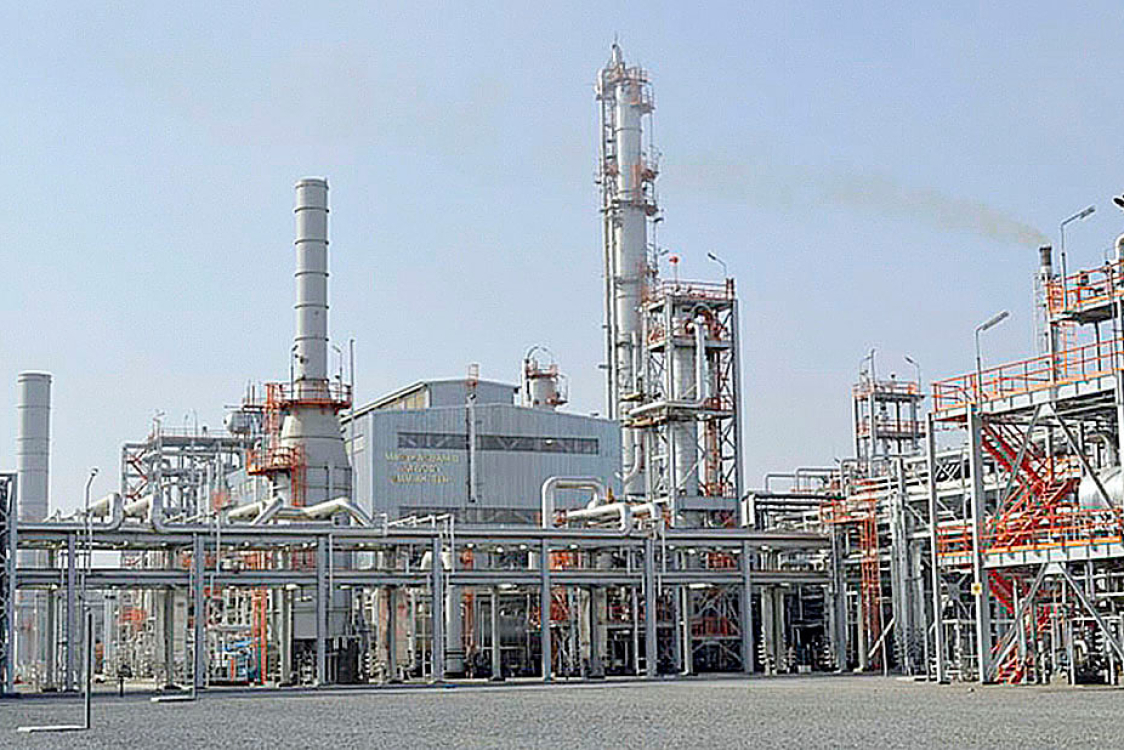
17.09.2026The President of Turkmenistan, Serdar Berdimuhamedov, has stated that the country is keen to attract technology, investment and management expertise from the Republic of Korea to develop the oil and gas chemical, chemical, energy and other sectors. The Head of State announced this at the high-level Turkmen-Korean business forum in Seoul, according to the ‘Turkmenistan: Golden age’ news agency. According to the President of Turkmenistan, the Republic of Korea is an important technological and investment partner for Turkmenistan. The country has significant potential in the fields of digitalisation, industrial modernisation and the development of high-tech manufacturing. Turkmenistan, for its part, possesses a rich resource and energy base, as well as a favourable geographical location, which creates opportunities for the implementation of major investment projects.

The prospects for Turkmen-Korean economic cooperation were discussed
17.09.2026As part of the state visit by the President of Turkmenistan, Serdar Berdimuhamedov, to the Republic of Korea, negotiations were held with President Lee Jae-myung. The parties discussed the development of their partnership in key economic sectors, according to the news agency ‘Turkmenistan: Golden age’. Priority areas include investment, trade, energy, the chemical industry, manufacturing and rail transport. Issues relating to cooperation in science, technology, artificial intelligence, the environment and water resource management were also discussed. Particular attention was paid to cooperation in transport and logistics. President Serdar Berdimuhamedov highlighted the role of the Republic of Korea as an important partner for Turkmenistan in the Asia-Pacific region. The Head of State reported on Turkmenistan’s development, in conjunction with international partners, of transport and transit infrastructure along the ‘East–West’ and ‘North–South’ routes. He invited Korean companies to participate in the implementation of the relevant projects.
The Turkmenistan Investment Forum has gained a new Knowledge Partner
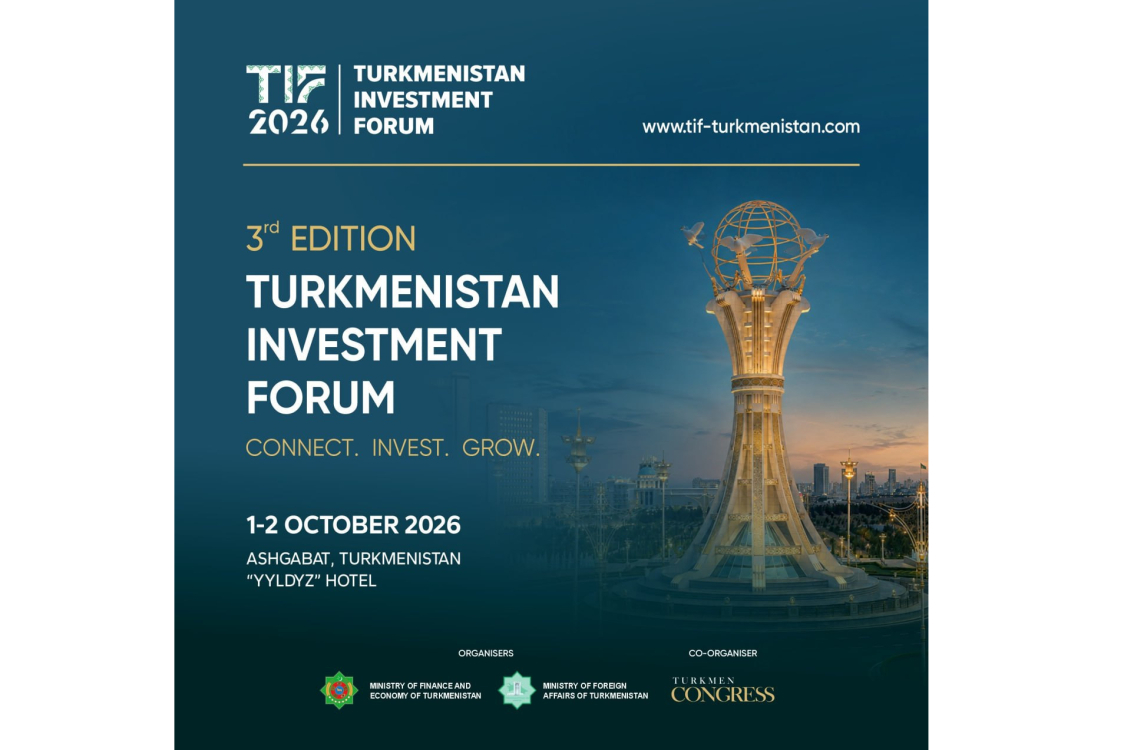
17.09.2026Oxford Business Group (OBG) will take part in the Third International Investment Forum of Turkmenistan (TIF 2026) for the first time as a Knowledge Partner. The forum will bring together representatives of government bodies, international financial organisations, investors and the global business community, according to the news agency Orient. Oxford Business Group was founded in 1994 and specialises in economic research and investment analysis of emerging markets. The company operates in more than 40 countries, combining an international research network with on-the-ground work, and provides businesses and government bodies with information to assess investment opportunities and make decisions. Its materials are used by international investors, company executives and government leaders. OBG’s participation in TIF 2026 will enable the forum’s investment agenda to be presented to a wider international audience and highlight the importance of Turkmenistan as a destination for cooperation. The forum’s Knowledge Partners also include The Turkmen-American Business Cooperation Association (TABCA). TIF 2026 will create opportunities for direct interaction between Turkmen companies and international partners, investors and business leaders. During B2B meetings, participants will be able to present projects and discuss prospects for cooperation, whilst B2G meetings will provide a platform to discuss investment initiatives with representatives of government bodies. The business programme will cover key sectors of Turkmenistan’s economy: energy, transport corridors, the digital economy, artificial intelligence, virtual assets, ‘green’ projects, agribusiness, tourism and water resources.
OGT 2026 will bring together participants from 40 countries in Ashgabat
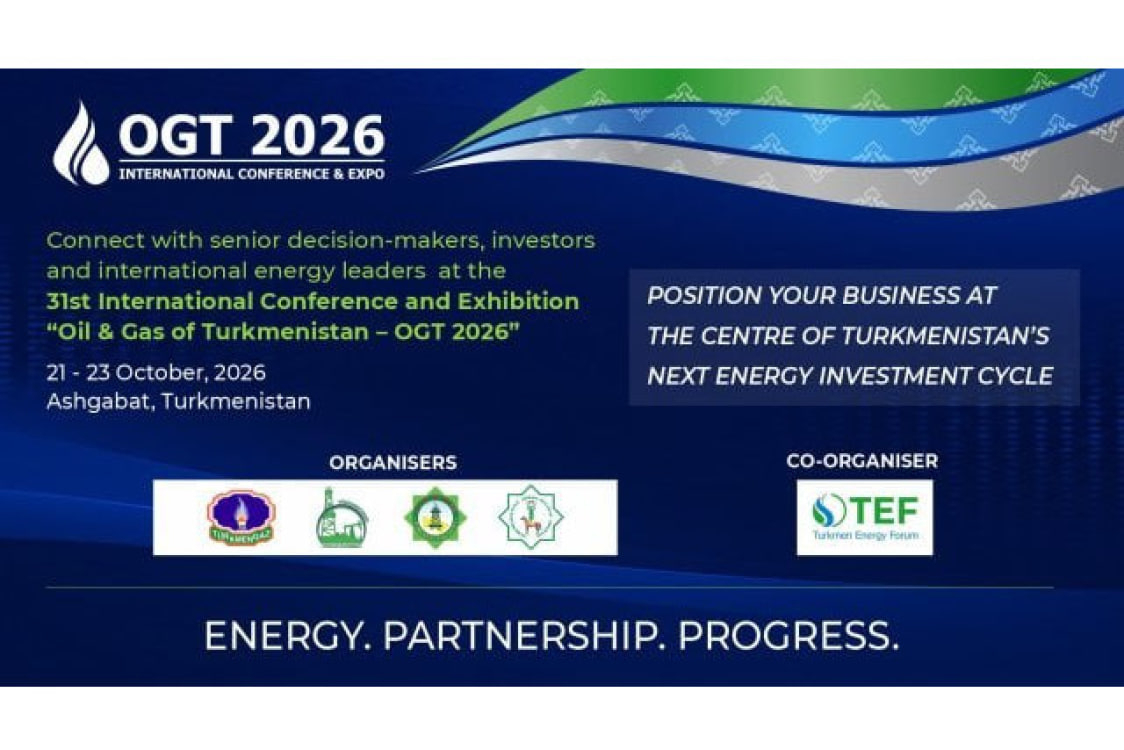
15.09.2026More than 400 participants have registered for the 31st International Conference and Exhibition ‘Oil and Gas of Turkmenistan – 2026’ (OGT 2026), which will take place in Ashgabat on 21–23 October. This was reported by the online publication ‘Business Turkmenistan’. Among those registered are more than 300 foreign delegates from around 40 countries. More than 100 companies will be taking part in the forum for the first time. All exhibition space at OGT Expo 2026 is already fully booked. The Malaysian national pavilion will bring together more than 20 companies. A strong showing from Chinese businesses is also expected. The business programme will cover the development of the ‘Galkynyş’ field, the TAPI project, the development of resources in Turkmenistan’s sector of the Caspian Sea, gas processing and oil and gas chemicals, investment, digitalisation and environmental technologies. As part of the forum, B2B and B2G meetings will be held between foreign companies and representatives of Turkmenistan’s oil and gas sector. The event will be covered by international and industry media, including ‘Euronews’, ‘Energy Intelligence’ and the ‘Petroleum Economist’. Registration for participants is still open.
Eighteen transactions were recorded on the Turkmenistan Stock Exchange over the course of the week
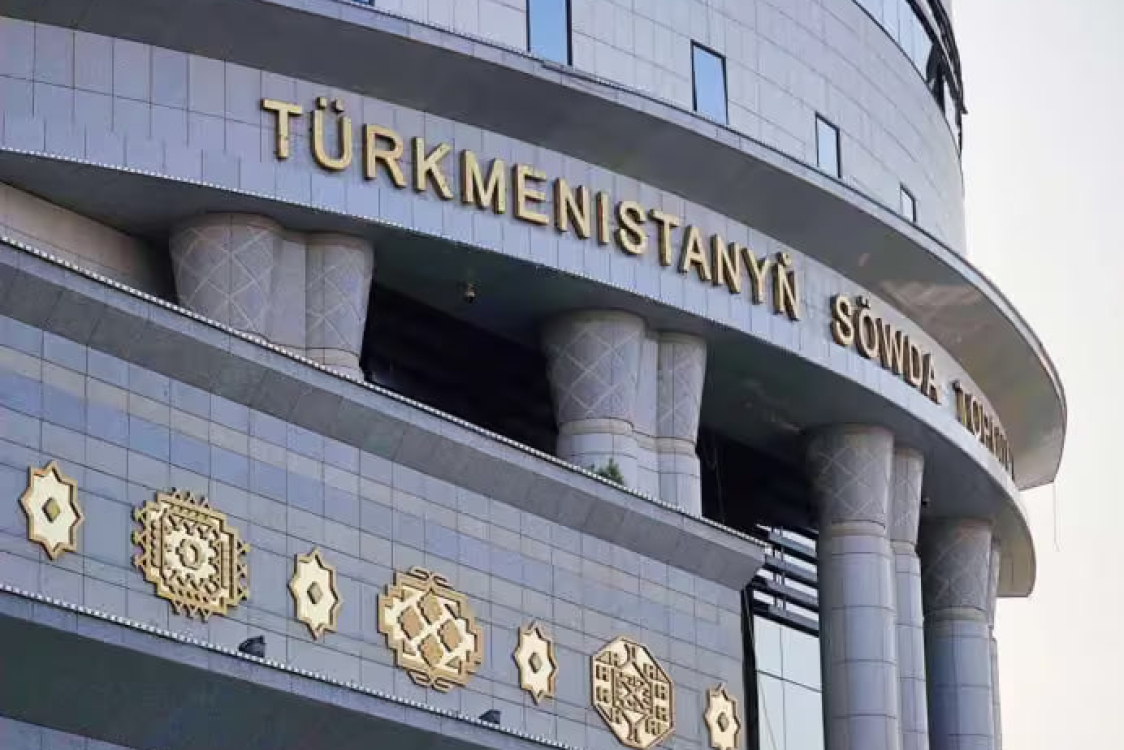
15.09.2026Last week, 18 transactions were recorded at the State Commodity and Raw Materials Exchange of Turkmenistan. This was reported by the news agency TDH. Business representatives from Turkey and India purchased wheat flour and liquorice root extract using foreign currency. The total value of the transactions exceeded 531,000 US dollars. On the domestic market, local entrepreneurs purchased liquorice root extract, liquorice root glycyrrhizic acid, cotton yarn, raw silk, cotton fibre, crude fatty acids from cotton seed meal, cotton waste and glass containers. The total value of the transactions amounted to over 328 million 843 thousand manats.
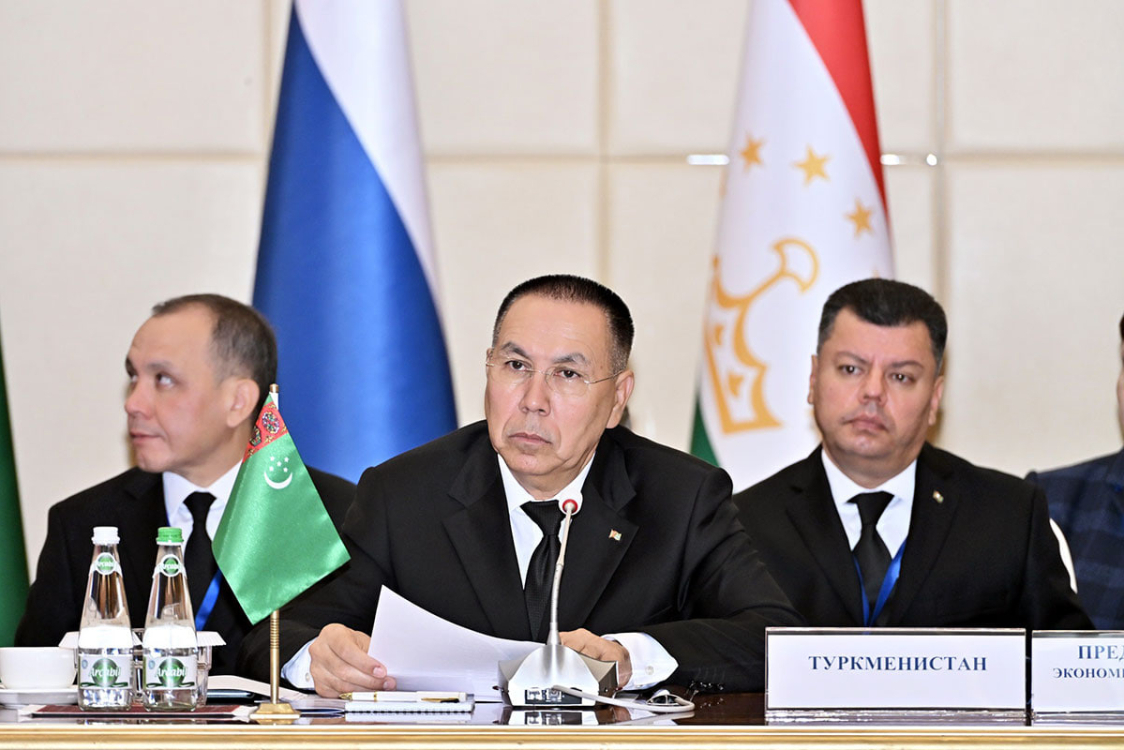
The transport potential of the CIS countries was discussed in Ashgabat
14.09.2026During his speech at the 111th meeting of the CIS Economic Council, Deputy Chairman of the Cabinet of Ministers of Turkmenistan H. Geldimyradov focused on the transport potential of the Commonwealth countries, according to the ‘Turkmenistan: Golden age’ news agency. According to the Deputy Prime Minister, the geographical location of the CIS states creates opportunities for the development of sustainable routes between Europe and Asia. The ‘North–South’ and ‘East–West’ international transport corridors were cited as priority areas. The role of the Caspian region in the international transport and logistics system was highlighted separately. Turkmenistan is keen to make effective use of the Caspian Sea’s transit potential on the basis of mutually beneficial cooperation. As part of its chairmanship, Turkmenistan proposed declaring 2029 the Year of Transport Connectivity. The initiative is aimed at developing transport infrastructure and international routes, digitising transport, expanding intermodal connections, enhancing transport security and removing infrastructural and administrative barriers. H. Geldimyradov noted that the thematic year should serve as a practical platform for implementing specific projects in the field of transport cooperation between the Commonwealth countries.
Read also
Advertising
 Read us in Zen


