



Economy
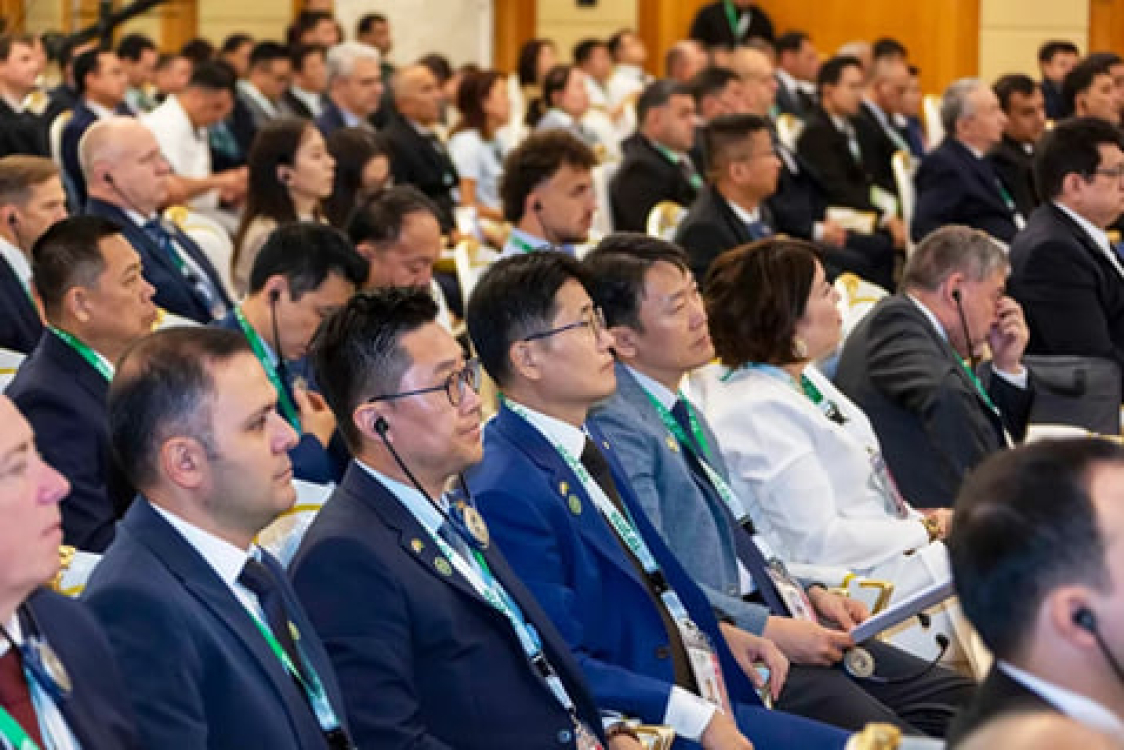
Turkmenistan is expanding investment opportunities in the railway sector
03.10.2026The Minister of Rail Transport of Turkmenistan, Mammet Akmammedov, outlined strategies for attracting foreign investment into the transport and logistics sector at the Turkmenistan Investment Forum (TIF 2026) in Ashgabat. Among the priorities are the modernisation of the locomotive and rolling stock fleets, and the creation of ‘dry ports’ and container terminals, reports Turkmenportal. According to the Minister, cooperation with foreign investors and financial organisations is proposed to be developed along three main lines. The first concerns investment in railway infrastructure and the modernisation of rolling stock. The second area relates to the introduction of resource-saving technologies, the electrification of railway lines and the use of environmentally friendly solutions in line with the international climate agenda. The third priority identified is the establishment of multimodal logistics chains. In particular, there are plans to develop integrated operators and ‘door-to-door’ services, which should ensure faster and more reliable delivery of goods. The speech paid particular attention to the Trans-Caspian route. As Akmammedov noted, the integration of the railway network with the Turkmenbashi International Seaport creates the conditions for the formation of a unified logistics system. Digital solutions are also being introduced in this sector. These include electronic document management, digital waybills and platforms that enable the tracking of cargo movements in real time. According to the minister, digitalisation helps to reduce the time taken for customs and border procedures. Akmammedov highlighted Turkmenistan’s importance for international freight transport. The country is situated at the crossroads of the ‘North–South’ and ‘East–West’ transport routes. The ‘Kazakhstan–Turkmenistan–Iran’ railway route provides the countries of Central Asia and Russia with access to the ports of the Persian Gulf, with onward access to the Indian markets. Another route involves the transit of goods from China and the Asia-Pacific region towards Europe. The Head of the Department stated that Turkmenistan is ready to implement long-term joint projects with foreign partners and invited investors and logistics operators to collaborate. In addition, participants at TIF 2026 were invited to take part in the International Conference and Exhibition ‘International Transport and Transit Corridors: Interconnection and Development – 2026’. The event will take place in Ashgabat on 24–26 November.
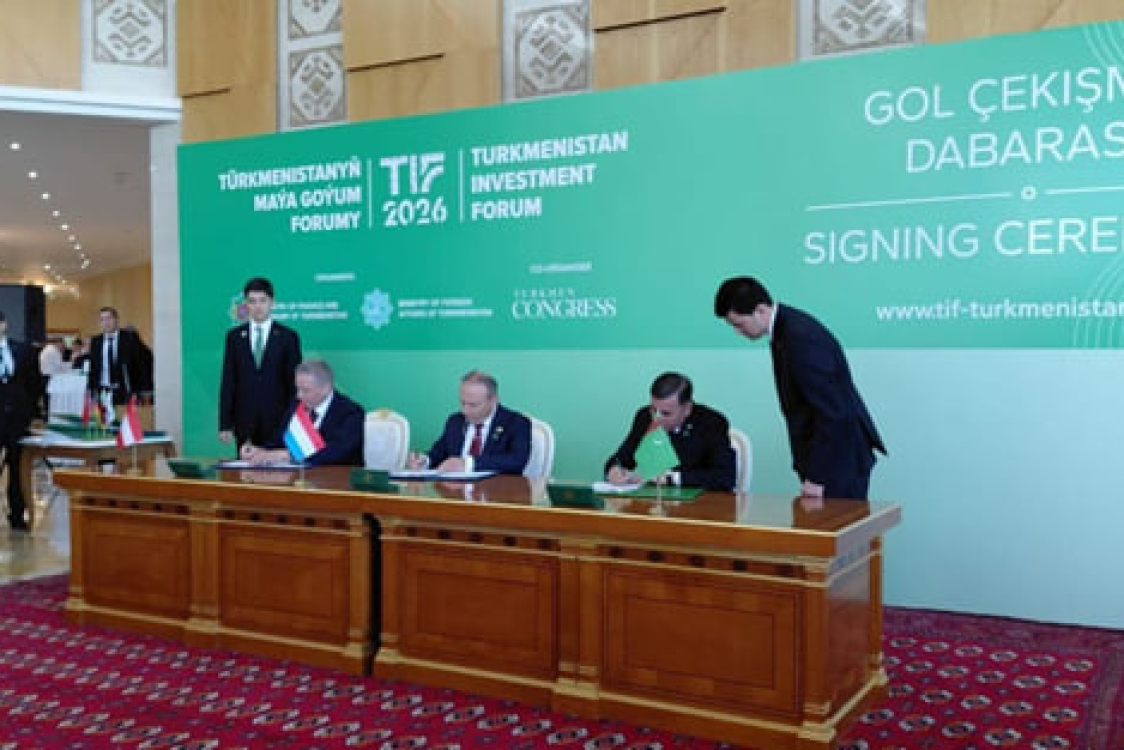
Turkmenistan has signed new investment agreements at TIF 2026
03.10.2026On the first day of the Turkmenistan Investment Forum (TIF 2026), representatives of government bodies and major companies in the country finalised new agreements with foreign and domestic partners. The agreements provide for the implementation of projects in the transport sector, the chemical industry, the telecommunications sector and water management, according to IIC of Turkmenistan. In the transport and communications sector, the Ministry of Communications of Turkmenistan signed a Memorandum of Understanding with the South Korean company ‘OnU H&C’. The country’s Ministry of Rail Transport reached agreements with the Chinese firm ‘CSCEC International Construction Co., Ltd.’ A separate set of agreements relates to the development of the water sector. The State Committee for Water Management of Turkmenistan signed documents with the Dutch companies ‘Damen Workboats B.V.’ and ‘Liamol Trading GmbH.’ The cooperation involves the modernisation of water infrastructure facilities, dredging works and the renewal of the auxiliary fleet. A number of agreements were also finalised in the industrial sector. The State Concern ‘Türkmenhimiýa’ signed a Memorandum with the Chinese company ‘Tianjin Bohua Engineering Co., Ltd.’ In addition, the Concern concluded contracts with the ‘Türkmen enjam’ joint-stock company, aimed at ensuring the consistent operation of the ‘Tejenkarbamid’ enterprise. The State Concern ‘Türkmennebit’ has signed a contract with the German firm ‘Hybrid Innovation GmbH.’ The parties plan to jointly implement a project for the design and construction of a pallet production facility at the Turkmenbashi Oil Refinery Complex. One of the long-term projects is a strategic agreement between the Joint-Stock Company ‘Balkan Shipbuilding and Ship Repair Plant’, ‘Damen Technical Cooperation B.V.’ and ‘Liamol Trading GmbH.’ The partnership, which runs from 2026 to 2036, covers shipbuilding and ship repair, the introduction of modern maritime technologies, and the localisation of production.
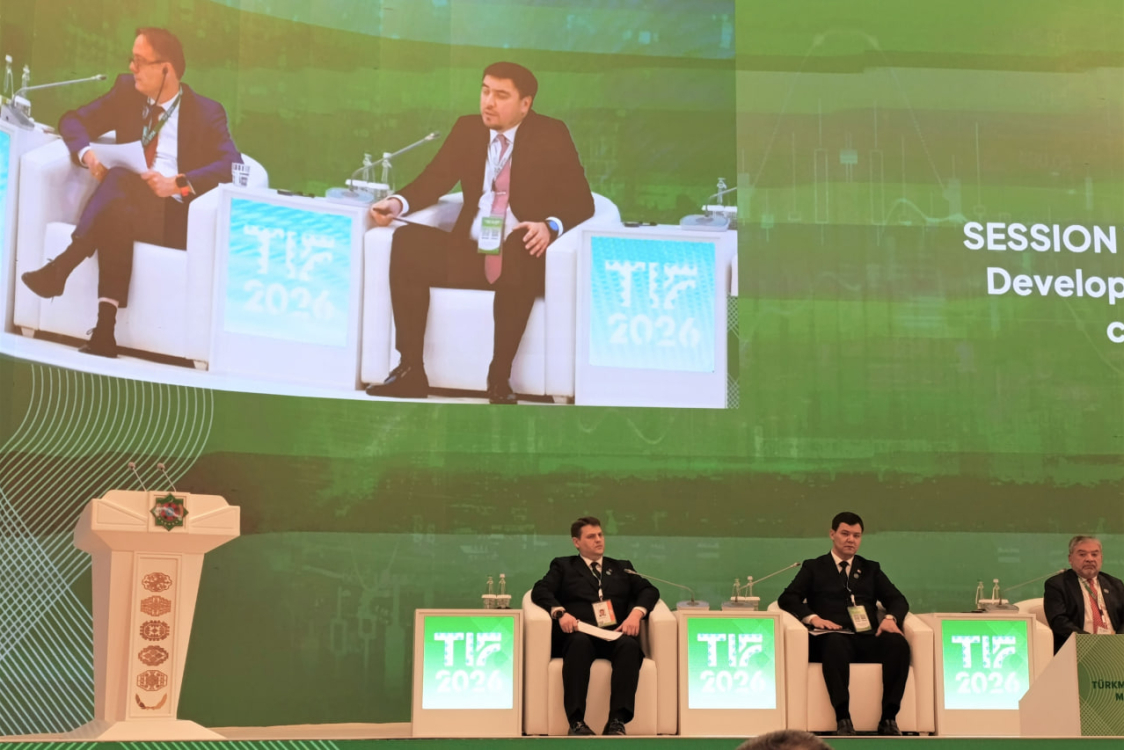
The potential of oil and gas projects in the Caspian Sea was showcased at TIF 2026 in Ashgabat
02.10.2026At the first session of the Turkmenistan Investment Forum (TIF 2026), Batyr Jumayev, Deputy Chairman of the State Concern ‘Türkmennebit’, presented investment opportunities for the development of hydrocarbon resources in Turkmenistan’s sector of the Caspian Sea. This was reported by the news agency Orient. According to him, the country’s offshore shelf is divided into more than 30 licence blocks, which are available to foreign investors under the national Concept for the Development of the Oil and Gas Industry. The main legal instrument for investors is the Law of Turkmenistan ‘On Hydrocarbon Resources’. The document provides for a preferential fiscal regime. Foreign companies pay corporation tax and the prescribed fees for the use of mineral resources, whilst being exempt from a number of other charges, customs duties and the requirement to register contracts for the import of equipment with the stock exchange. Investors may also freely dispose of their share of extracted hydrocarbons and process it at domestic refineries without the need for additional licences. After submitting an application to the ‘Türkmennebit’ State Concern, an investor may commence direct, non-exclusive negotiations. These lead to the conclusion of Production Sharing Agreements (PSAs), concessions, service contracts with risk, or joint venture agreements. Dragon Oil, PETRONAS and ADNOC are operating on Turkmenistan’s Caspian shelf under PSA arrangements. In June 2026, the ‘Türkmennebit’ State Concern, ‘Petronas Çarigali (Turkmenistan) Sdn. Bhd.’ and the state-owned enterprise ‘Hazarnebit’ signed a Production Sharing Agreement covering the contract areas ‘Block 19’ and ‘Block 20’. In addition, 2D seismic surveys have commenced in licence blocks 11, 12, 13 and 14.
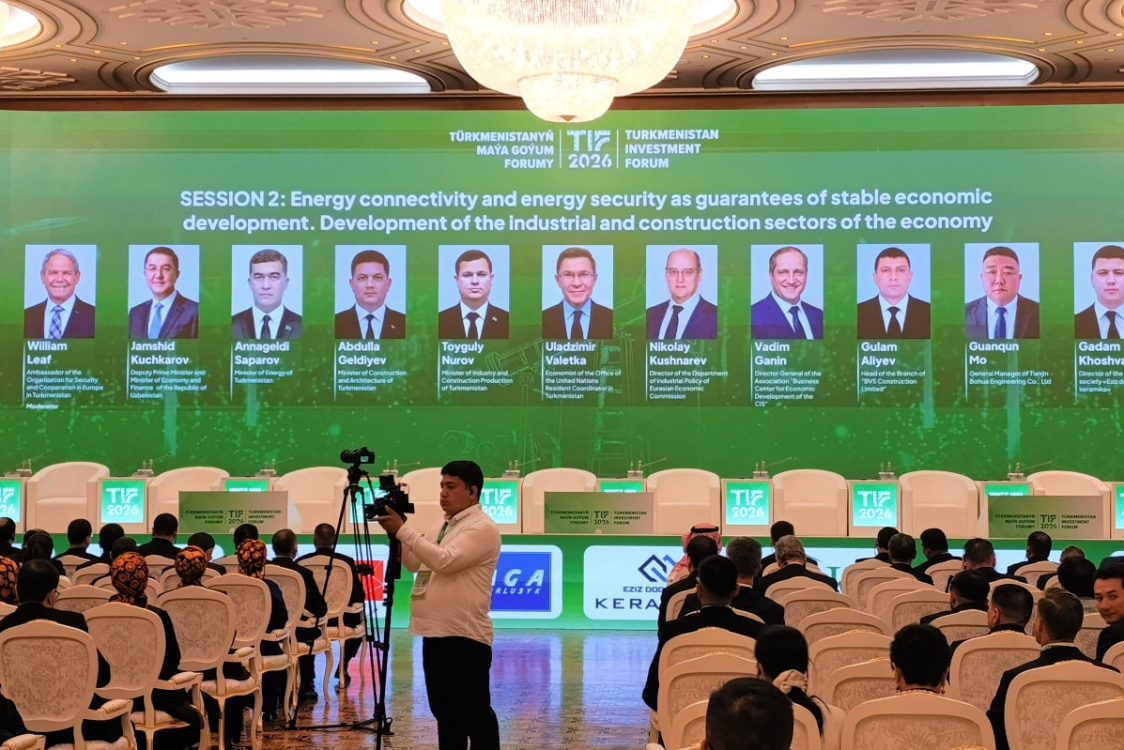
Turkmenistan’s Minister for Energy outlined plans for the sector’s development
02.10.2026At the second session of the Turkmenistan Investment Forum (TIF 2026), dedicated to energy interconnectivity, security and the development of the industrial and construction sectors, Turkmenistan’s Minister of Energy, Annageldi Saparov, presented plans to modernise the energy sector and expand export routes. This was reported by Orient. The session was moderated by William Leaf, the Organisation for Security and Co-operation in Europe (OSCE) Ambassador to Turkmenistan. It was also attended by heads of the ministries of construction, architecture and industry, as well as representatives of the UN, the EEC and foreign businesses. According to the minister, Turkmenistan’s energy system comprises 12 power stations with a total installed capacity of almost 7,000 megawatts. It meets the country’s domestic needs and supplies electricity for export. Construction has begun on a 1,574 MW combined-cycle power station on the Caspian coast. The project aims to improve the reliability of the power system and expand electricity supplies across the Caspian Sea to the countries of the Caucasus and Turkey. In the Balkan velayat, a project for a 10-megawatt hybrid solar-wind power station is being implemented in the Gyzylarbat etrap. Turkmenistan’s Minister of Energy also announced the completion of the Turkmen section of the ‘Turkmenistan–Afghanistan–Pakistan’ (TAP) high-voltage transmission line. The country’s unified ring power system has been expanded to include power lines and substations on the ‘Ahal–Mary’ and ‘Balkan–Dashoguz’ routes, implemented with the participation of the Asian Development Bank. Annageldi Saparov stated that the ministry was ready to continue negotiations with investors and companies from Europe, Japan, China and the Republic of Korea on issues relating to the digitalisation of management, improving energy efficiency and diversifying electricity exports.
The UK has offered Turkmenistan new investment opportunities
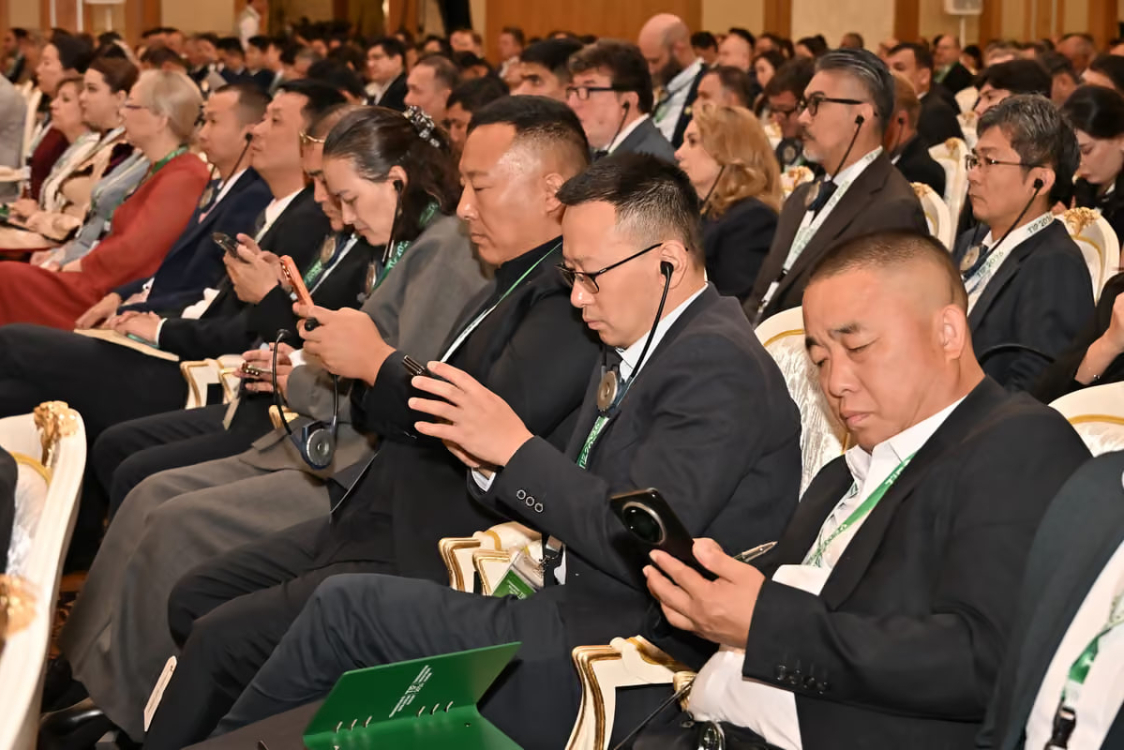
02.10.2026As part of the investment forum currently taking place in Ashgabat, the British Ambassador Extraordinary and Plenipotentiary to Turkmenistan outlined the country’s investment opportunities and the mechanisms in place to support joint projects. This was reported by IIC. The diplomat noted that the British side is offering a partnership based on a combination of technology, professional expertise and access to international financial resources. ‘Turkmenistan does not merely need investors providing capital injections. The country needs partners who bring technology, expertise, international finance, and access to global markets. The UK offers all of these as a package,’ the diplomat emphasised. The UK’s state-owned export credit agency, UK Export Finance (UKEF), was cited as one of the key instruments for implementing projects. The Ambassador outlined the available financing mechanisms, including the Early Project Services Guarantee, the Standard Buyer Loan Guarantee for projects costing between 1 million and 30 million pounds sterling, and the UKEF Direct Lending Facility, providing up to 200 million pounds sterling over a two-year term. The British side also expressed its readiness to participate in the modernisation of Turkmenistan’s transport infrastructure and logistics, water management, agribusiness, renewable energy, mineral processing, as well as its engineering and financial-legal sectors. In conclusion, the Ambassador called for specific priority projects to be identified and for British suppliers and engineers to be involved at the early stages of their preparation, utilising the opportunities offered by UKEF.
Turkmenistan has proposed the creation of a new transport corridor across the Caspian Sea
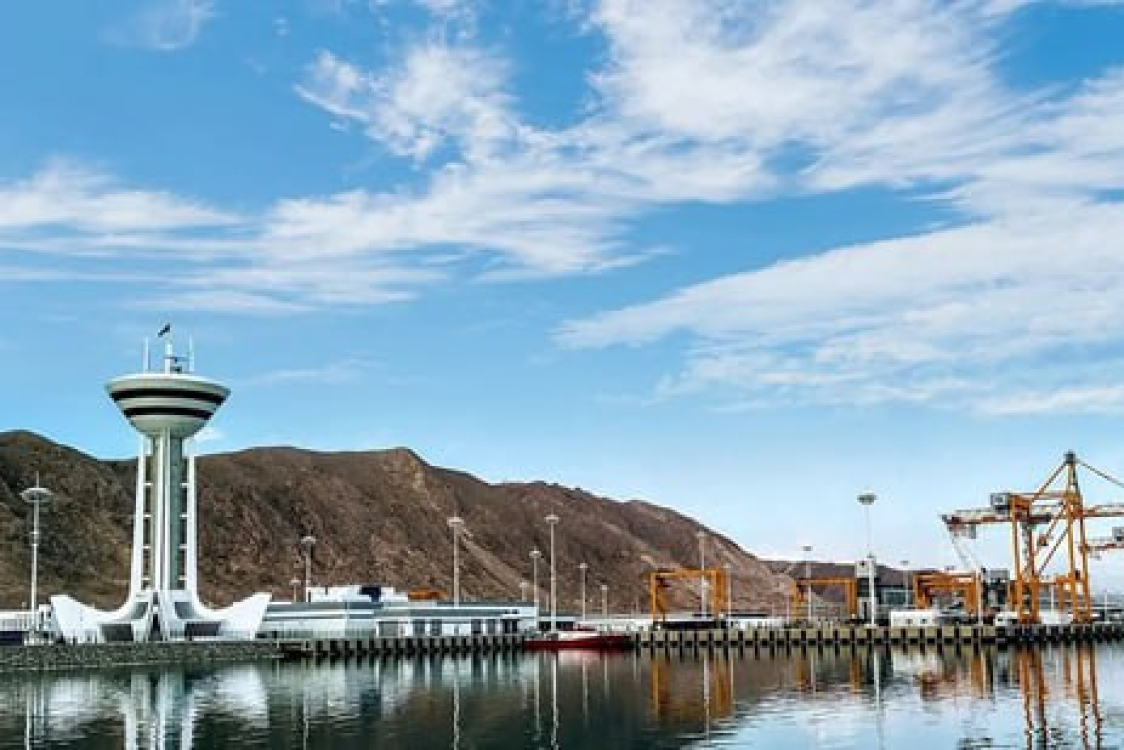
02.10.2026Turkmenistan has put forward an initiative to establish, with UN support, a new trans-regional transport corridor linking the countries of South and Central Asia with European states via the Caspian Sea. This was reported by Turkmenportal. The proposal was presented by Vepa Hajiyev, Turkmenistan’s Permanent Representative to the UN in New York. The initiative was announced during the general debate at the 81st session of the UN General Assembly. In addition, Turkmenistan has proposed establishing an International Centre for Sustainable Trade Logistics and Customs Cooperation on its territory under the auspices of the UN. The centre’s main areas of work could include the harmonisation of trade and customs procedures, the exchange of international expertise, the digitalisation of transit transport, and expanding opportunities for developing countries to access global markets. These initiatives are aimed at developing international transport and logistics links and improving the efficiency of trade routes between regions.
Turkey has outlined areas of economic cooperation with Turkmenistan
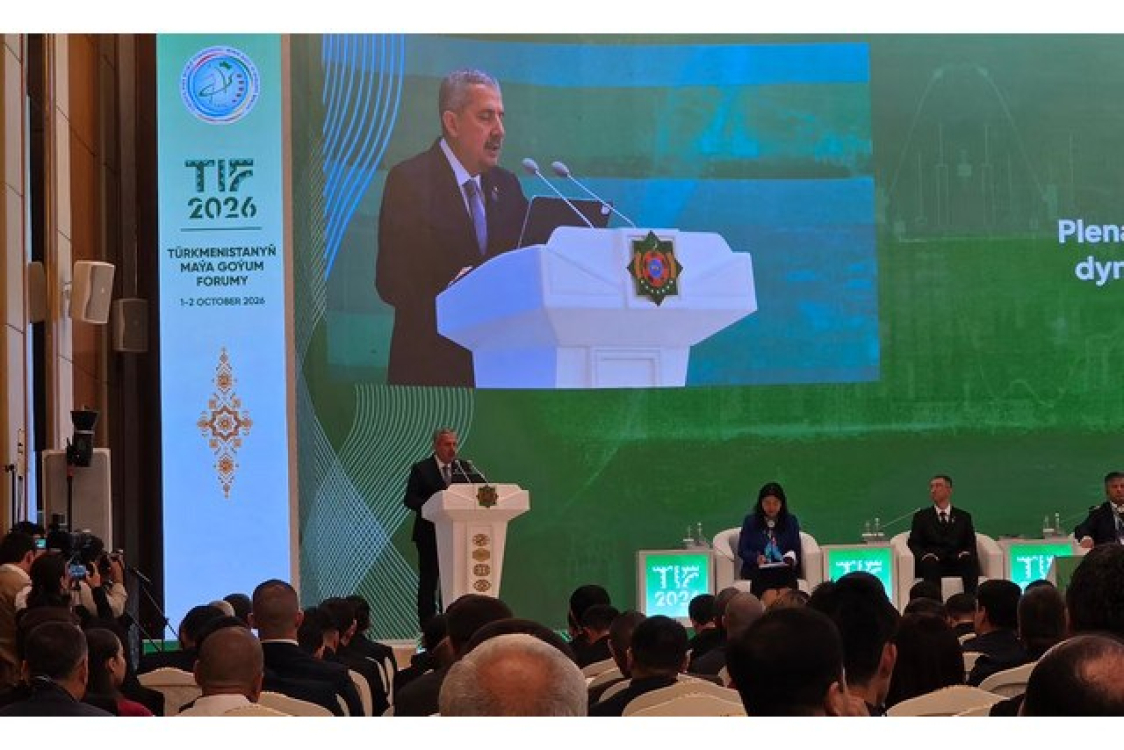
02.10.2026Mahmut Gurcan, Deputy Minister of Trade of the Republic of Turkey, addressed the plenary session of the Turkmen Investment Forum (TIF 2026). His speech focused on changes in global trade and the prospects for economic cooperation between the two countries, according to the IIC. The Turkish representative noted that disruptions to global supply chains are driving the relocation of production closer to markets and trading partners. In this context, he highlighted Turkmenistan’s role in transport routes between Europe and Asia. Among the priority areas cited were the development of the Middle Corridor and Trans-Caspian routes, the expansion of the capacity of the Turkmenbashi International Seaport, and the implementation of energy projects, including the development of the ‘Galkynyş’ field. By the end of 2025, trade turnover between Turkey and Turkmenistan had exceeded $2 billion. The parties are working towards achieving the $5 billion target set by the leaders of the two countries. Areas of focus in this work include simplifying customs procedures, reducing logistical barriers and the digitalisation of trade. Turkish businesses are also ready to expand their investments in Turkmenistan’s industry, the textile sector, the agro-industrial complex, infrastructure and the financial sector.
Turkmenistan has identified priority sectors for attracting investment
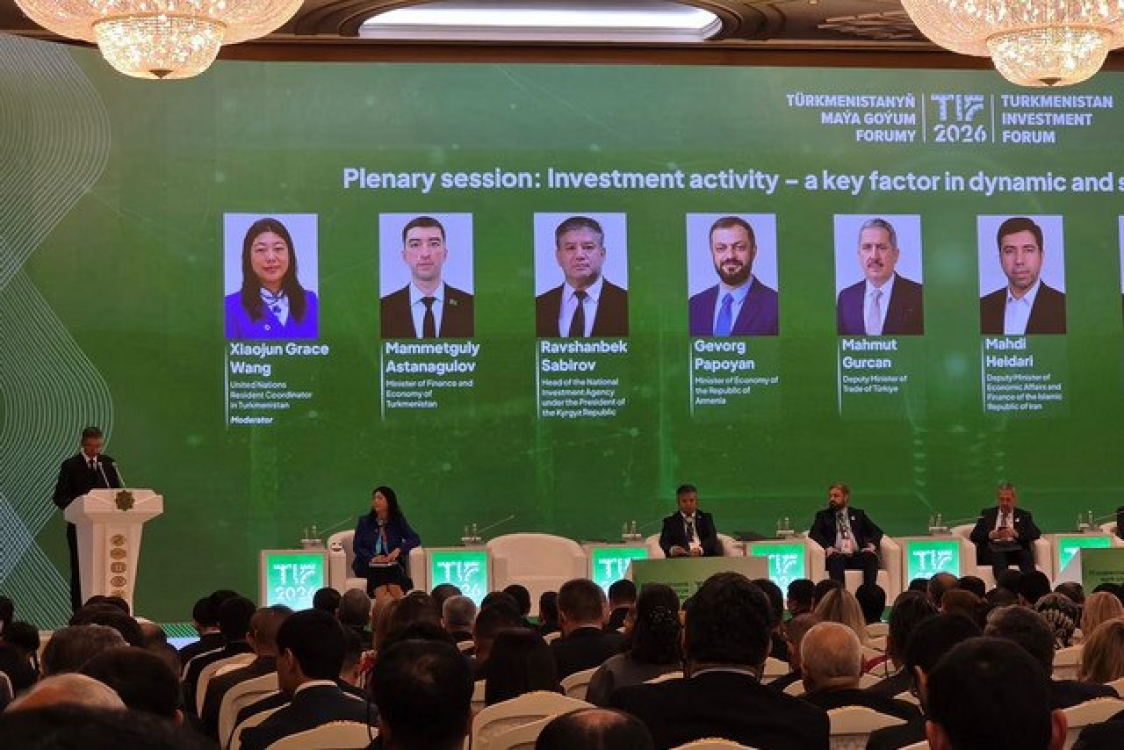
02.10.2026During a plenary session of the Turkmenistan Investment Forum, Turkmenistan’s Minister of Finance and Economy, Mammetguly Astanagulov, identified the priority sectors for attracting foreign capital. This was reported by the IIC of Turkmenistan. The minister identified the oil and gas and gas-chemical sectors, energy, transport and logistics, construction and the agro-industrial complex as priority sectors. According to Astanagulov, work is continuing in the country to diversify the economy, modernise the banking sector and digitise financial systems. Investment policy also provides for the development of an industrial and innovation-based economic model and the creation of a favourable business environment.
Iran presented energy and transit projects at TIF 2026
02.10.2026As part of the Turkmen Investment Forum (TIF 2026) in Ashgabat, a representative from Iran delivered a presentation on trade, economic, transport and investment cooperation with the countries of Central Asia and the CIS. This was reported by the IIC. The speech highlighted joint projects between Iran and Turkmenistan, including the ‘Korpeje–Kordkuy’ gas pipeline, the ‘Dostluk’ bridge across the Tejen River and the ‘Kazakhstan–Turkmenistan–Iran’ railway. Particular attention was paid to the development of the ‘North–South’ International Transport Corridor and the Middle Corridor. According to the Iranian representative, these routes could help expand Central Asia’s transit links with markets in the Middle East and other regions. The Iranian delegation also outlined opportunities for cooperation in the energy sector, logistics, the agro-industrial sector and free economic zones. Among the tools available to investors, the ‘Single Window’ mechanism, investment service centres and the digital platform investiniran.ir were highlighted. In conclusion, the Iranian side expressed its readiness to implement joint projects in the fields of energy, transit and agriculture.
Turkmenistan and Armenia discussed the development of transport links
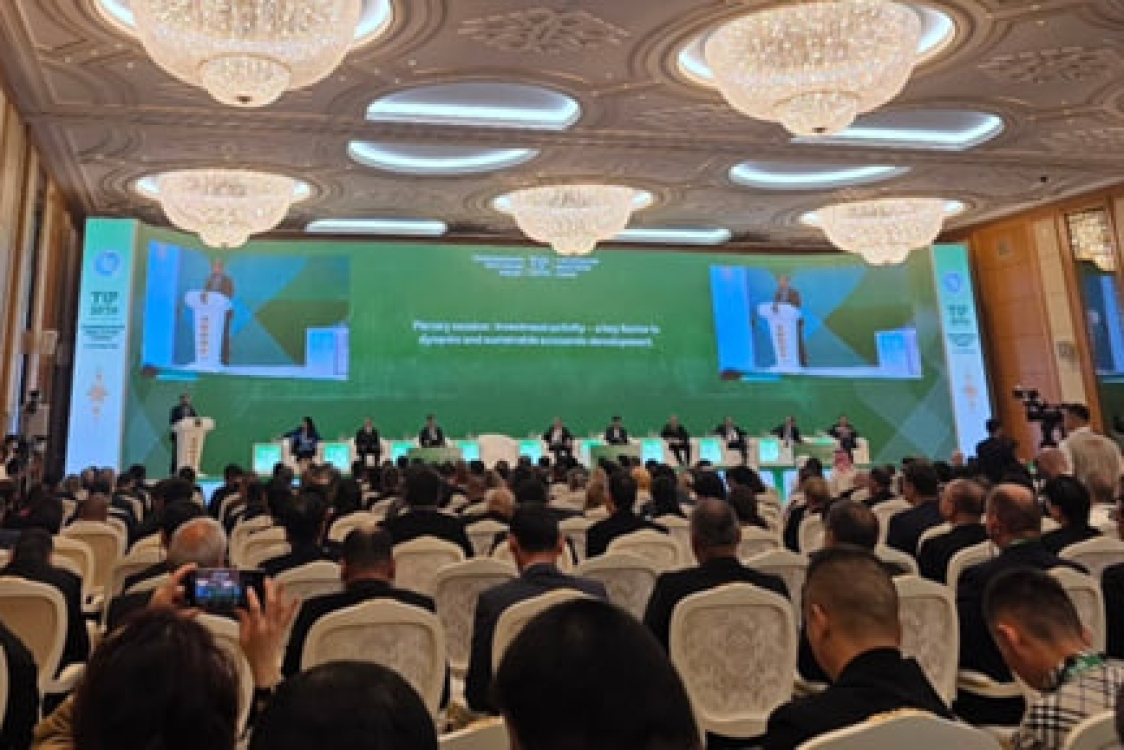
02.10.2026Gevorg Papoyan, Minister of Economy of the Republic of Armenia, addressed the plenary session of the Turkmenistan Investment Forum (TIF 2026) entitled ‘Investment activity – a key factor in dynamic and sustainable economic development’. This was reported by the IIC. In his speech, Gevorg Papoyan noted that modern investment policy must take into account not only the volume of capital attracted, but also its impact on the introduction of new technologies and the improvement of production efficiency. According to the minister, Armenia is focusing on economic growth through digitalisation, the reduction of administrative barriers and the expansion of the high-tech sector. A significant part of the speech was devoted to infrastructure development and the strengthening of transport links between regions. Gevorg Papoyan presented the ‘Crossroads of Peace’ initiative, under which the multimodal TRIPP (Trump Route for International Peace and Prosperity) project is being implemented. The Minister for the Economy of the Republic of Armenia noted that the new route could expand transport links between Central Asia, the Caspian region, the South Caucasus, Turkey and European markets. It is expected that the development of such links will create additional logistical opportunities and reduce transport costs for foreign trade participants. Separately, Gevorg Papoyan emphasised the importance of Turkmenistan for transport and energy cooperation in the Caspian region. He advocated the further development of business ties between the two countries, highlighting logistics, industry, agriculture and digital technologies as promising areas.
The Turkmenistan Investment Forum ‘TIF 2026’ is continuing in Ashgabat
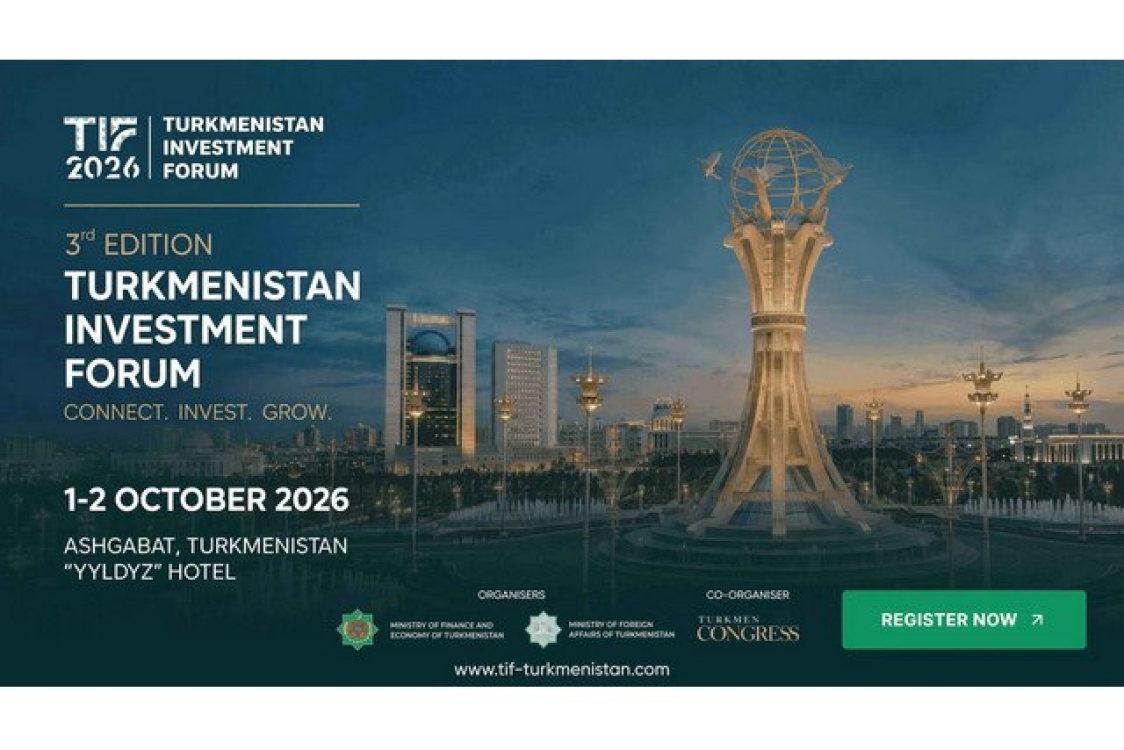
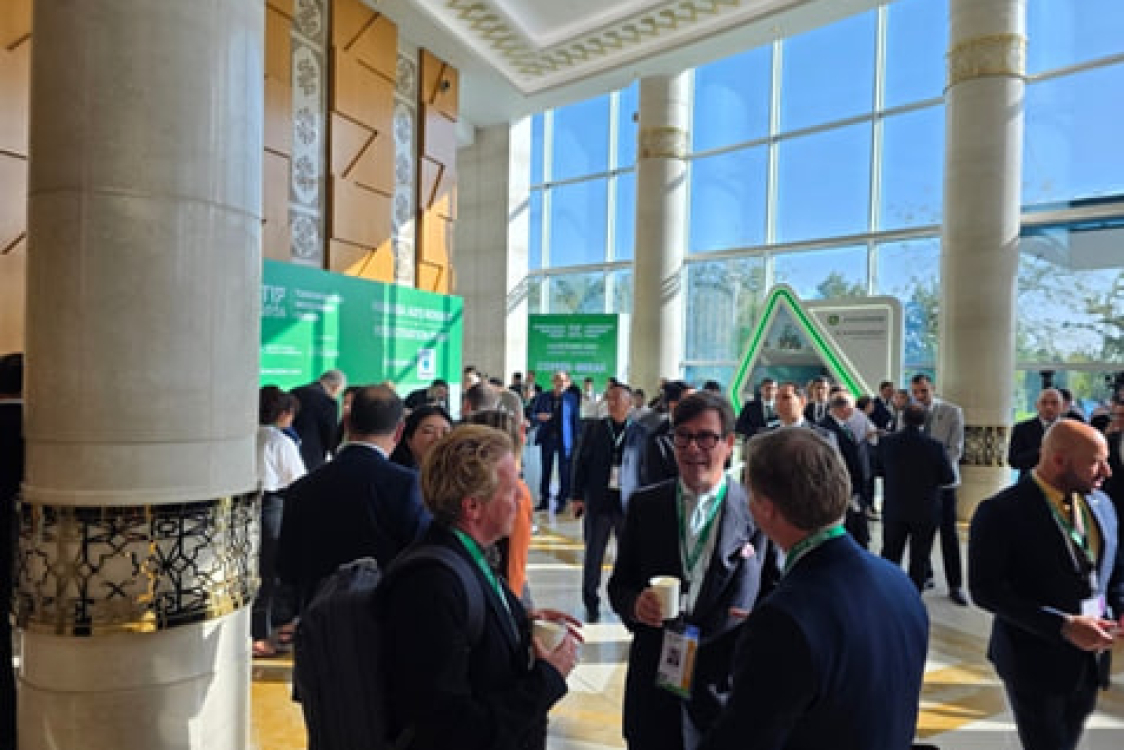
02.10.2026The Turkmenistan Investment Forum (TIF 2026) is continuing in Ashgabat, taking place at the ‘Ýyldyz’ Hotel in the capital. Participants in the event include representatives of the World Bank, the European Bank for Reconstruction and Development, the International Finance Corporation and the Asian Development Bank, as well as heads of European Union diplomatic missions, according to IIC of Turkmenistan. The key event on the business agenda was a plenary session on the topic ‘Investment activity – a key factor in dynamic and sustainable economic development’. The forum’s programme is organised around five main areas. Energy and the oil and gas sector. Participants are examining opportunities to expand export infrastructure, diversify supply routes and attract investment into major projects. Particular attention is being paid to opening up new markets for products from the oil and gas and chemical industries. Energy security and the transition to a ‘green’ economy. Within this area, discussions focus on the rational use of resources in industry and construction, the further development of the electricity sector, the introduction of renewable energy sources, and the strengthening of environmental cooperation between countries in the region. Transport and logistics. Discussions focus on the development of Turkmenistan’s transport and transit potential along the ‘North–South’ and ‘East–West’ routes. Issues relating to the expansion of multimodal transport and the application of digital solutions on the Trans-Caspian transport route are also being considered. Trade and public–private partnerships. Business representatives are discussing opportunities for Turkmen companies to enter new markets, the development of e-commerce and the application of modern PPP mechanisms, drawing on international and regional experience. Agribusiness and environmental technologies. Participants are examining the prospects for climate-resilient agriculture and the expansion of value-added processing of cotton and textile raw materials. A separate session is dedicated to environmentally friendly technologies capable of enhancing the competitiveness of Turkmenistan’s products. TIF 2026 serves as a platform for presenting the country’s investment opportunities, establishing new business contacts and discussing the prospects for implementing joint projects with foreign partners.
The ‘Turkmenistan Investment Forum 2026’ has opened in Ashgabat
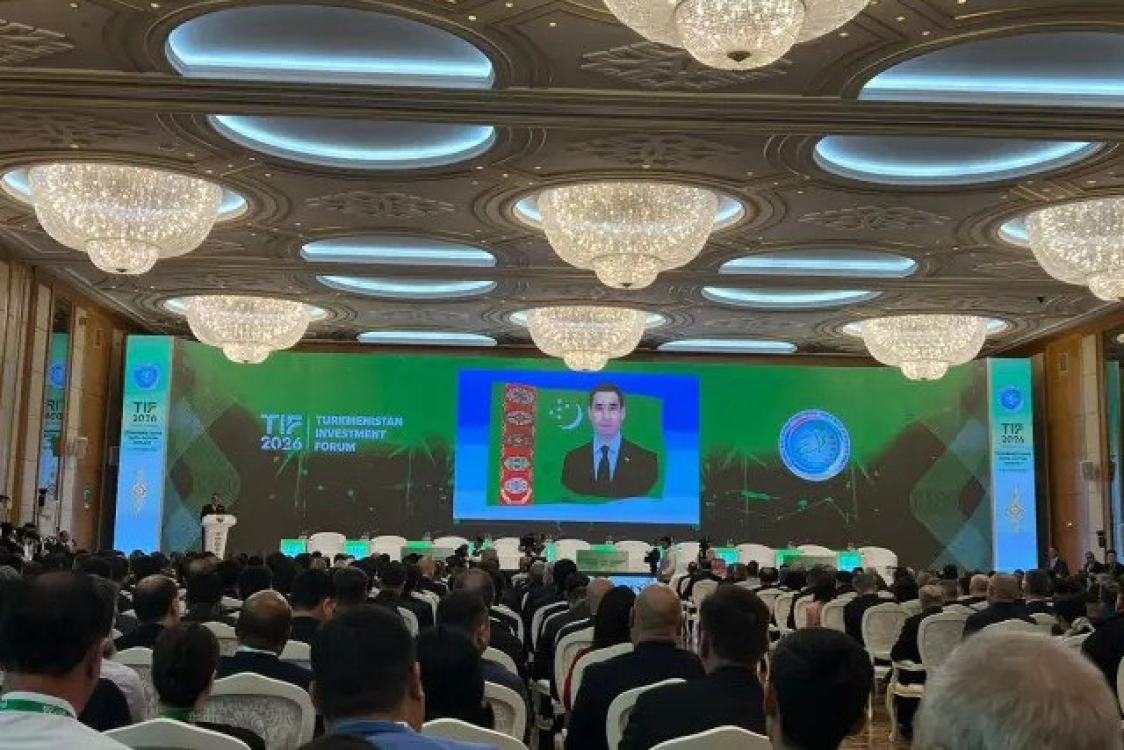
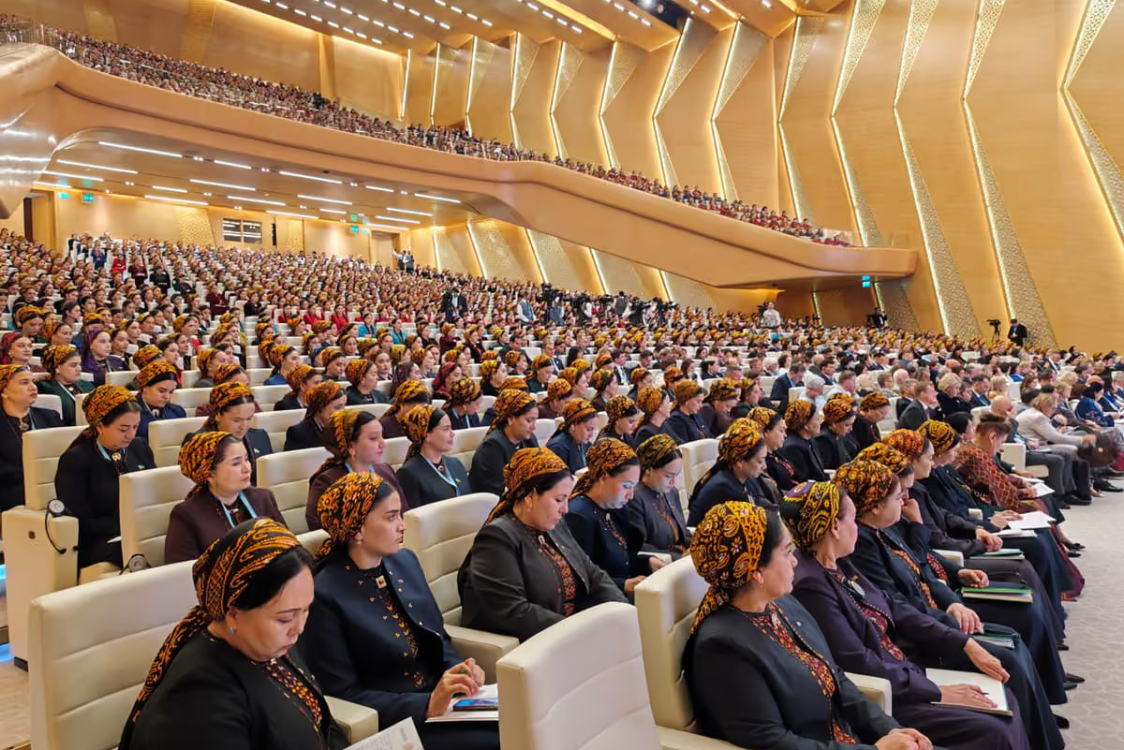
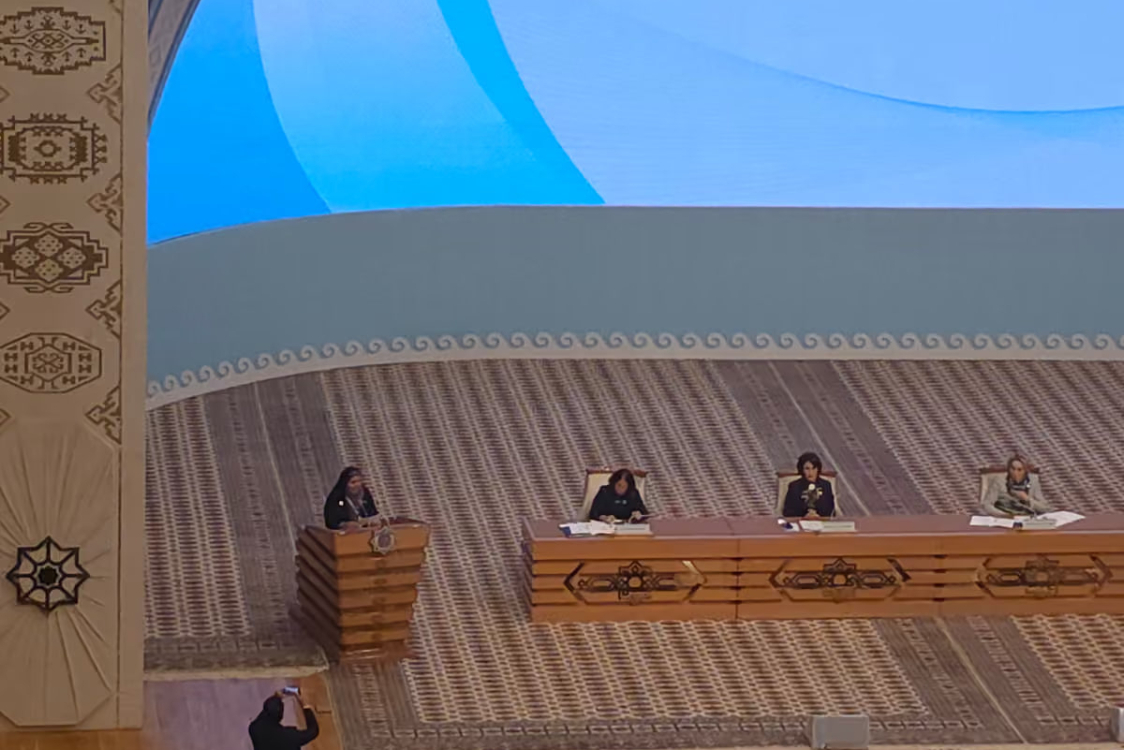
01.10.2026The ‘Turkmenistan Investment Forum 2026’ (TIF 2026) opened on 1 October in Ashgabat. The two-day event brought together investors, representatives of financial organisations, companies and industry leaders, according to Turkmenportal. At the opening ceremony, an address by the President of Turkmenistan, Serdar Berdimuhamedov, was read out to the participants. In it, he described the forum as a platform for dialogue between foreign investors, international financial organisations, government bodies and the private sector. The Head of State highlighted the importance of investment for economic diversification, industrial development, the introduction of digital technologies and the principles of the ‘green’ economy. Among the factors contributing to the country’s investment attractiveness, he singled out its geographical location and natural resources. The forum is organised by the Ministry of Finance and Economy and the Ministry of Foreign Affairs of Turkmenistan, in conjunction with the company ‘Turkmen Congress’. The business programme includes plenary sessions, B2G meetings, investment partner matching and seminars involving international financial organisations and export credit agencies. Participants will discuss projects in the fields of infrastructure, industry, energy and technology.
Read also
Advertising

 Read us in Zen


