


Economy
The EBRD is preparing its first deals with the private sector in Turkmenistan
07.10.2026The European Bank for Reconstruction and Development (EBRD) is expecting the first concrete investment projects to emerge in Turkmenistan under the Memorandum of Cooperation with the country’s Central Bank. This was reported by Orient. According to Eric Livny, Head of the EBRD’s office in Turkmenistan, the agreement with the Central Bank could be one of the first to be put into practice amongst the five memoranda signed between Turkmenistan and the EBRD in July 2026. The document lays the groundwork for the resumption of direct financing for private, export-oriented companies generating foreign currency revenue. The first transactions are expected in the manufacturing, agribusiness, logistics and export services sectors. Visits by EBRD experts to Turkmenistan are planned to identify potential projects and prepare investment proposals. They will hold consultations with representatives of the private sector and explore financing opportunities. The EBRD is also considering collaboration with Turkmen banks to expand lending to small and medium-sized enterprises and introduce trade finance instruments. Other memoranda signed in July provide for cooperation in the fields of transport, sustainable development and urban development. In particular, the EBRD is exploring investment opportunities in Turkmenistan’s railway infrastructure and logistics as part of the Trans-Caspian Transport Corridor. The EBRD has been working with Turkmenistan since 1992. During this period, the bank has financed 87 projects totalling €322 million. Currently, the main focus is on supporting the private sector and engaging with financial institutions.
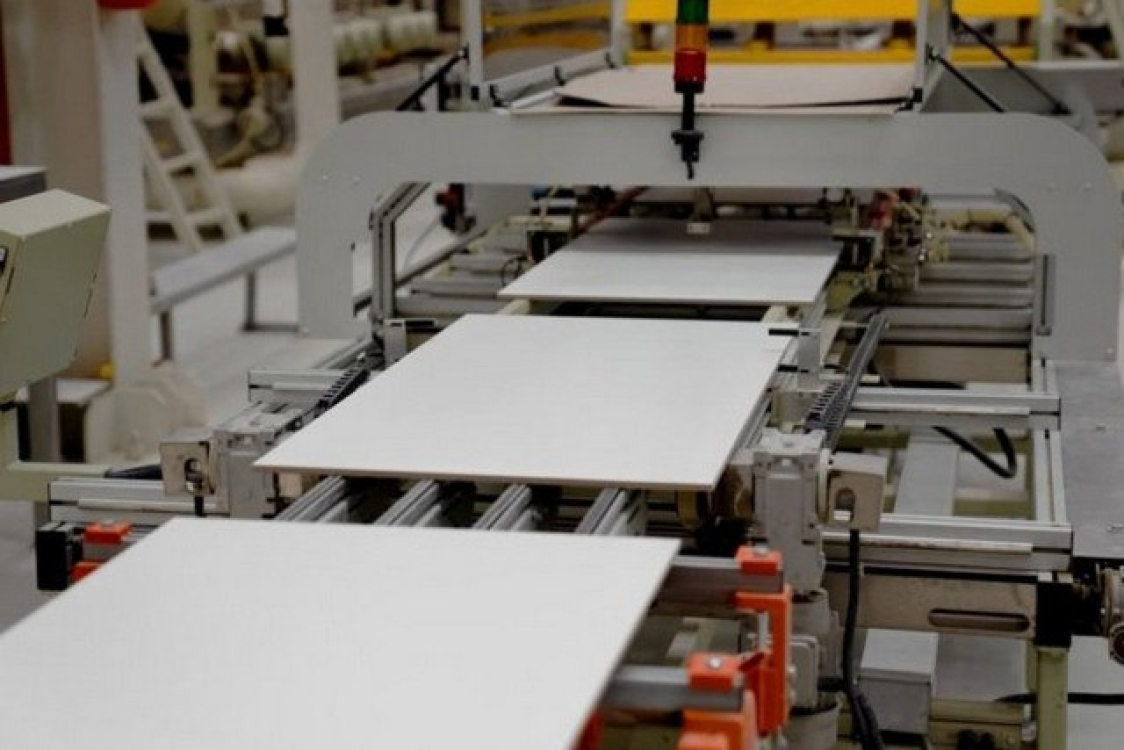
A Turkmen porcelain stoneware manufacturer has entered the Azerbaijani market
07.10.2026The ‘Eziz Doganlar Keramika’ business association is expanding its exports of Turkmen products, having begun supplying porcelain stoneware slabs and sanitaryware to Azerbaijan. This was reported by the online publication ‘Business Turkmenistan’. The company, which opened in 2025, exported its products to Georgia for the first time in August. According to the company’s director, Gadam Hoshvagtov, the deliveries to Azerbaijan mark a new stage in the company’s expansion into the South Caucasus market. Porcelain stoneware tiles are manufactured from local raw materials and are characterised by their strength, water resistance and ability to withstand heavy loads. The products are used in the construction of residential buildings, schools, nurseries and other facilities. Products from ‘Eziz Doganlar Keramika’ have, in particular, been used in the construction of the Parahat 7–8 and Gurtly housing estates, as well as the second phase of the city of Arkadag.
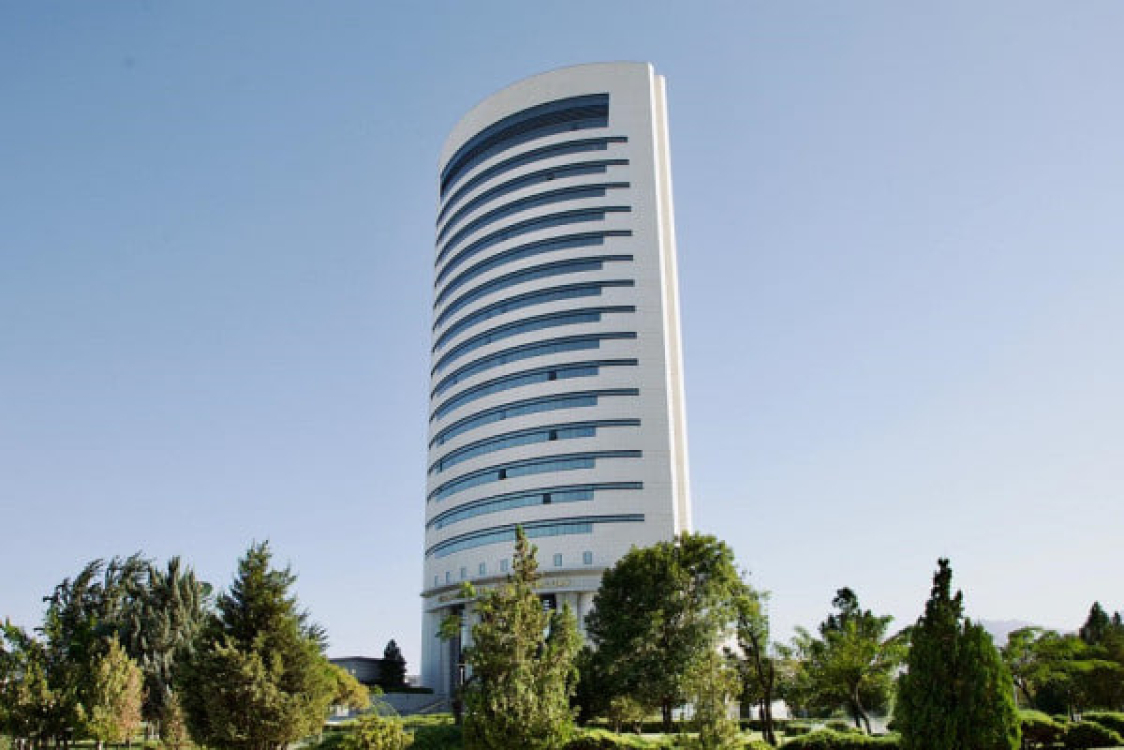
Ten transactions were recorded over the course of the week on the Turkmenistan Stock Exchange
06.10.2026Last week, 10 transactions were concluded at the State Commodity and Raw Materials Exchange of Turkmenistan. This was reported by the TDH news agency. Foreign companies from the United Arab Emirates, Turkey and Kyrgyzstan purchased cotton fibre and cotton fabric worth over 9,509,000 US dollars. On the domestic market, local businesses purchased low-sulphur fuel oil from the ‘Türkmennebit’ State Concern and cotton yarn. The total value of the transactions exceeded 641,167,000 manats.
Iran has proposed to Turkmenistan expanding investment cooperation
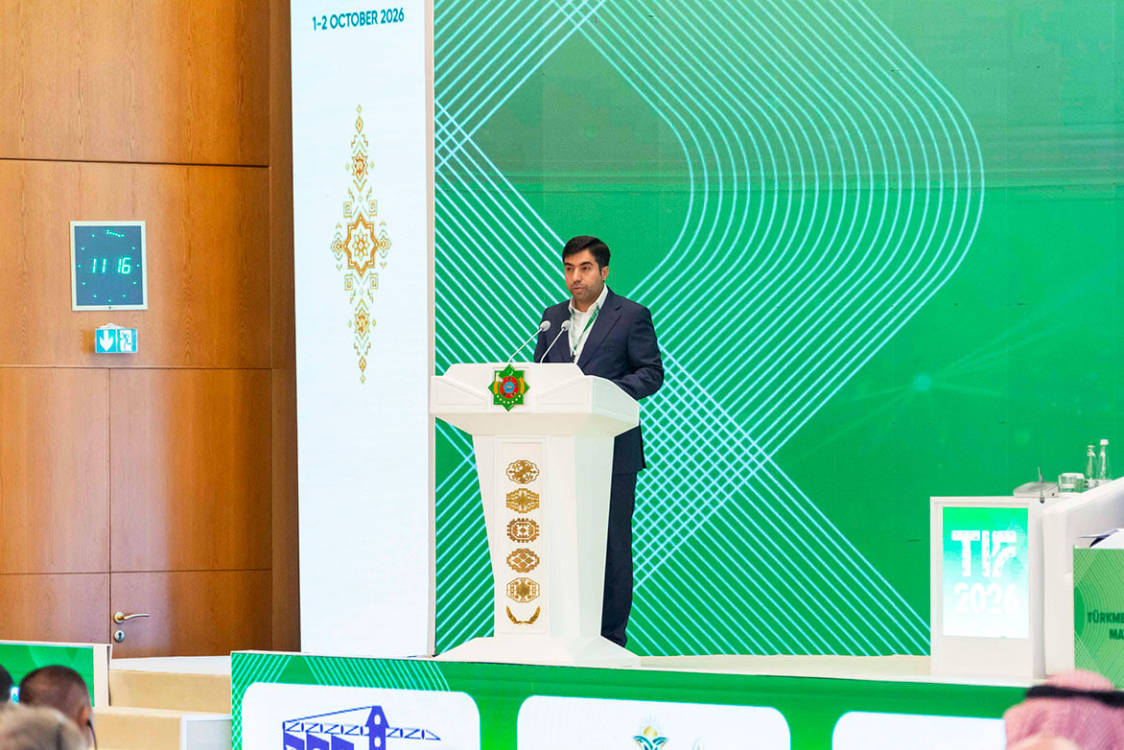
05.10.2026During the Investment Forum in Ashgabat, Mahdi Heidari, Deputy Minister of Economy and Finance of the Islamic Republic of Iran, noted the strategic importance of the partnership with Turkmenistan, according to the ‘Turkmenistan: Golden age’ news agency. According to him, the countries of the region are interested in forming a single economic space uniting the markets of Iran, Turkmenistan and Central Asia. The Deputy Minister of Economy and Finance of the Islamic Republic of Iran emphasised the role of the ‘North–South’ International Transport Corridor, the Middle Corridor and the development of logistical links between the Caspian region, the Persian Gulf and global trade routes. Iran, noted M. Heidari, is prepared to provide Turkmenistan and the countries of Central Asia with access to the ports of the Persian Gulf and the markets of the Middle East. The key areas of economic cooperation identified were energy, transit and logistics, agriculture and the food industry, as well as industrial investment.In the energy sector, the focus is on developing gas swap supplies, infrastructure for the transport, storage and processing of energy resources, and cooperation in the petrochemical industry. In the transit sector, it is proposed to modernise rail and road infrastructure, border terminals and logistics centres. Particular attention is paid to integrating the agricultural production of Central Asian countries with Iran’s processing and packaging capacities. Investments in free and special economic zones are cited as another area of focus. M. Heidari highlighted the experience gained by Iran and Turkmenistan in implementing joint projects. In his view, this should be built upon through new investment projects aimed at creating sustainable supply chains and strengthening regional economies. The Iranian side expressed its readiness to continue an open dialogue with Turkmenistan and international investors.
XRG is strengthening its position in Turkmenistan’s energy market
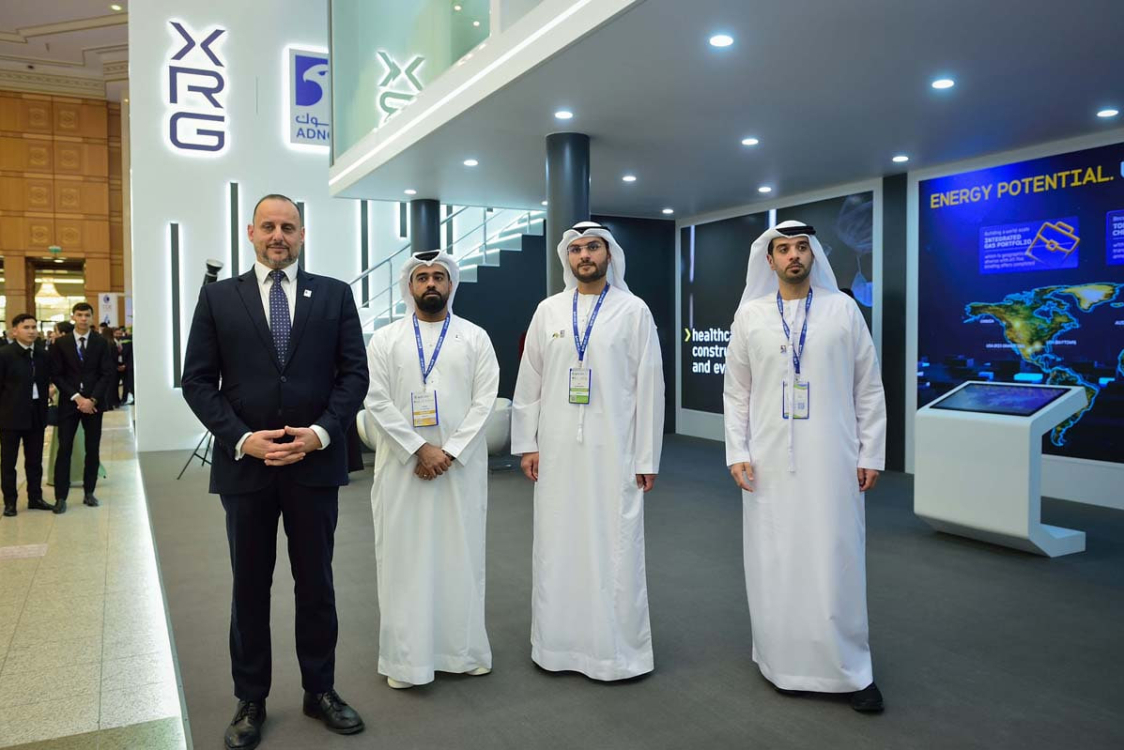
05.10.2026XRG, a company established by ADNOC, is expanding its presence in Turkmenistan’s energy sector. In May 2025, it acquired a 38 per cent stake in Offshore Block I in the Turkmen sector of the Caspian Sea, becoming a partner of PETRONAS and the state-owned enterprise ‘Hazarnebit’ under a production-sharing agreement with the State Concern ‘Türkmennebit’, according to the news agency ‘Turkmenistan: Golden age’. PETRONAS holds a 57 per cent stake and acts as the project operator, whilst XRG holds 38 per cent and ‘Hazarnebit’ 5 per cent. Block I’s resource base is estimated at over 7 trillion cubic feet of natural gas. XRG and PETRONAS have also entered into a long-term gas sales agreement with the State Concern ‘Türkmengaz’. XRG was established by ADNOC in November 2024 as an international energy investment company. Its activities include gas projects, LNG, the chemical industry, infrastructure and energy solutions. The company is building an international portfolio of assets, including in the US, Egypt, Mozambique, Azerbaijan, Turkmenistan and Latin American countries. In September 2025, XRG opened an office in Ashgabat. It has become a platform for engagement with government bodies, partners and market participants. XRG’s participation as a Diamond Partner in the 31st International Conference and Exhibition ‘Oil and Gas of Turkmenistan – 2026’ (OGT 2026) reflects the development of the company’s cooperation with Turkmenistan. The forum will take place in Ashgabat from 21 to 23 October 2026. For XRG, participation in Block I has laid the foundations for a long-term presence in the Turkmen market. The company is also exploring areas related to the development of offshore fields, refining, export infrastructure, methane emission reduction, digitalisation and the introduction of new technologies.
Masdar City will take part in CIET 2026 in Ashgabat
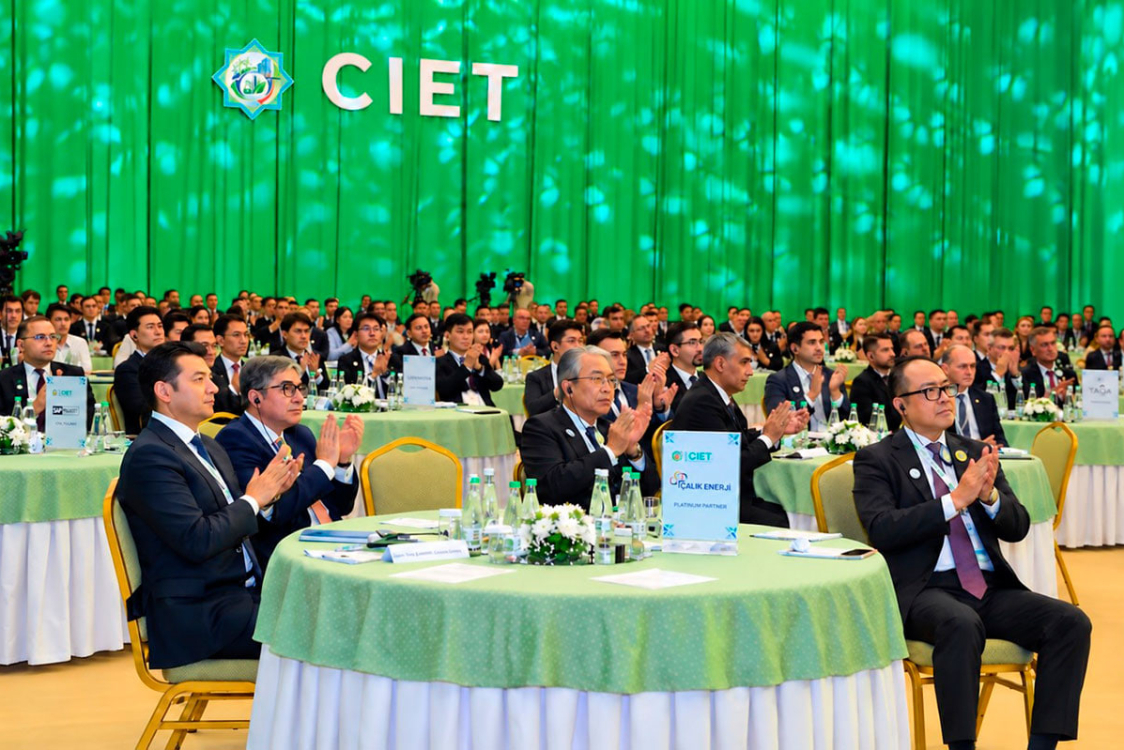
05.10.2026A delegation from Masdar City in Abu Dhabi will take part in the CIET 2026 International Conference and Exhibition, which will be held in Ashgabat from 3 to 5 November. At the forum, Masdar City will present its expertise in the fields of sustainable urban development, master planning, digital transformation and the implementation of infrastructure projects, according to the news agency ‘Turkmenistan: Golden age’. As part of the visit, representatives from Masdar City plan to hold meetings with Turkmenistan’s professional and academic communities. The programme also includes a lecture at the Turkmen State Institute of Architecture and Construction and a visit to the city of Arkadag. Masdar City is a centre for sustainable urban development, international business and technology in Abu Dhabi. Its model incorporates sustainable architecture and planning, renewable energy, resource efficiency, digital technologies and smart mobility. The total capacity of the city’s installed photovoltaic systems exceeds 11 MW. The CIET 2026 International Conference and Exhibition will bring together representatives from government bodies, international companies, investors, architects, engineers and technology solution providers. To date, over 200 delegates have registered. The official opening of the forum will take place on 3 November. CIET 2026 will feature an exhibition, business meetings and a plenary session entitled ‘Innovation. Investment. Growth: A New Era for Construction, Industry and Infrastructure Development in Turkmenistan’. Masdar City’s participation will create opportunities to share expertise in the fields of modern urban planning, energy-efficient buildings, digital technologies and innovation.
Turkmenistan’s transport sector has increased the volume of work carried out
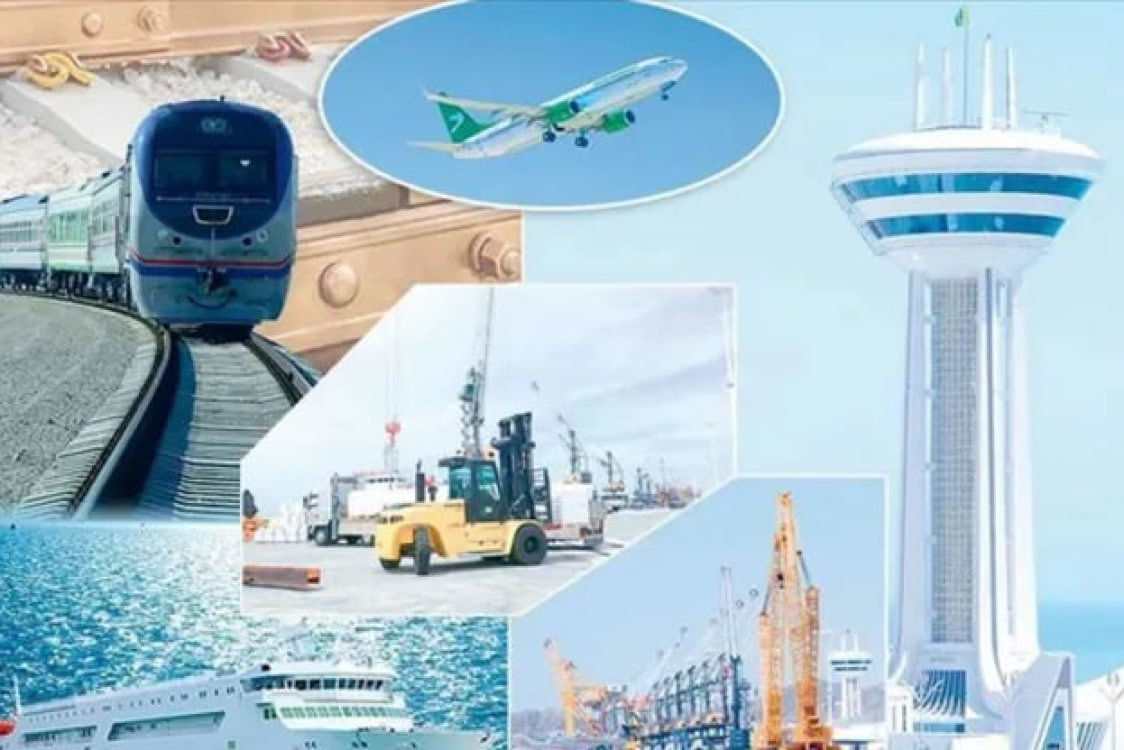
04.10.2026In January–September 2026, the growth rate of work completed and services provided by Turkmenistan’s transport and communications sector stood at 114.7 per cent. This was announced by B. Annayev, Deputy Chairman of the Cabinet of Ministers, according to the news agency TDH. According to the Deputy Prime Minister, the target for freight transport across all modes of transport was met at 108 per cent, whilst that for passenger transport was met at 102 per cent. The growth rate for services provided by the Ministry of Rail Transport stood at 107.4 per cent, the Ministry of Road Transport at 115.8 per cent, the State Service ‘Türkmenhowaýollary’ — 121.8 per cent, the State Service for Maritime and River Transport — 105 per cent, and the Ministry of Communications — 115.3 per cent. Having heard the report, the President of Turkmenistan, Serdar Berdimuhamedov, instructed that the development of the transport and communications sector should continue and that the volume of passenger and freight transport should be increased. The Deputy Prime Minister was also instructed to take measures to increase the capacity of the rail network.
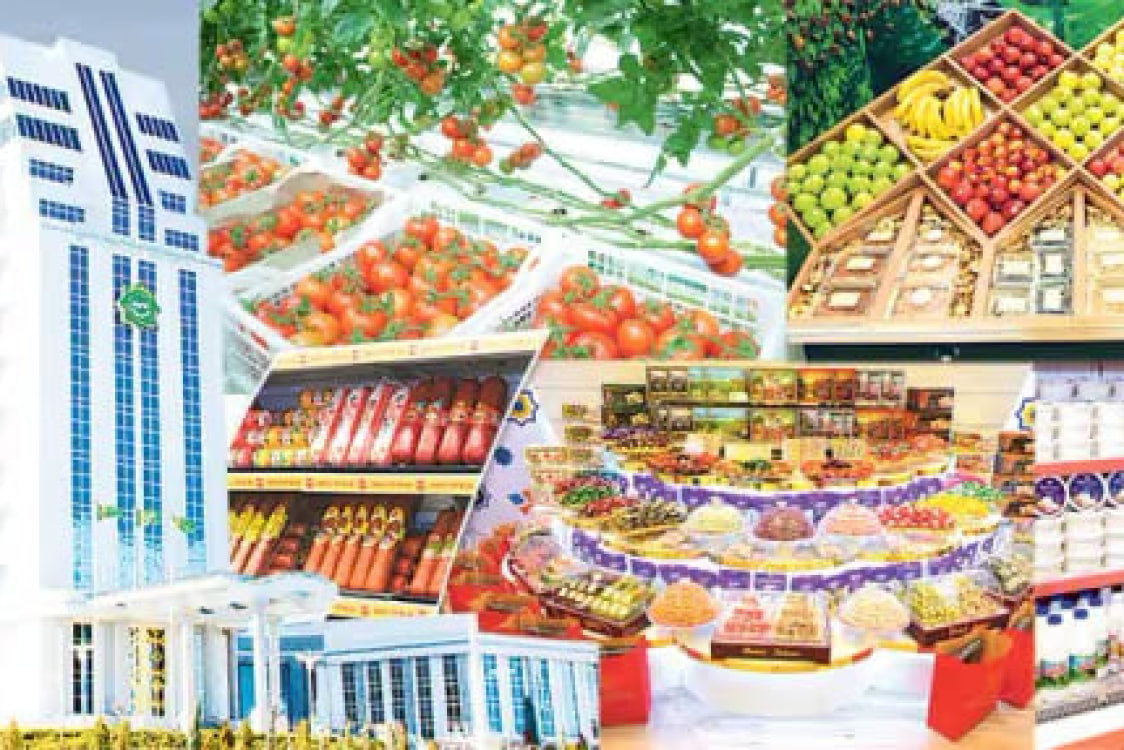
Turkmenistan’s trade and business sectors have seen an increase in their performance figures
04.10.2026At the Government meeting on 2 October, Deputy Chairman of the Cabinet of Ministers N. Atagulyev reported on the performance of the ministries, sectoral agencies and the business sector under his supervision for January–September 2026. This was reported by the news agency TDH. According to the Deputy Prime Minister, during this period, trade turnover under the Ministry of Trade and Foreign Economic Affairs rose to 113.2 per cent compared with the same period last year. At the Ministry of the Textile Industry, the growth rate in production stood at 106.4 per cent. Output of cotton yarn reached 102.3 per cent, fabrics 100.9 per cent, sewn and knitted goods 102.6 per cent, and leather products 100.5 per cent. Total revenue of the enterprises within the ‘Türkmenhaly’ State Association rose to 107.6 per cent. The State Commodity and Raw Materials Exchange held 222 trading sessions, during which 23,460 contracts were registered. The growth rate of work carried out by the Chamber of Commerce and Industry stood at 107.3 per cent. Over the nine-month period, 18 exhibitions and 10 conferences were held. Within the Union of Industrialists and Entrepreneurs, the production of agricultural and food products rose to 110.4 per cent, whilst that of industrial goods rose to 109.2 per cent. Having heard the report, the President of Turkmenistan, Serdar Berdimuhamedov, instructed officials to monitor the efficient use of production facilities in the trade sector and ensure that markets are supplied with products in demand. The Deputy Prime Minister was also instructed to continue the modernisation of textile enterprises.
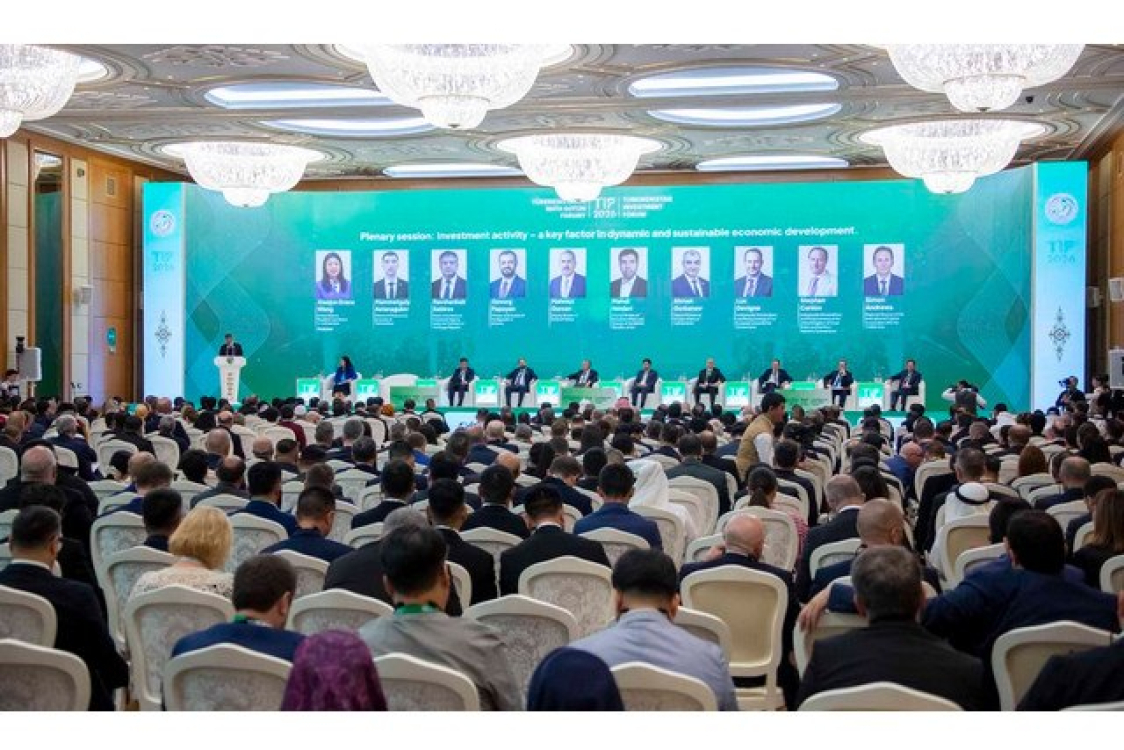
TIF-2026 served as a platform for new international projects
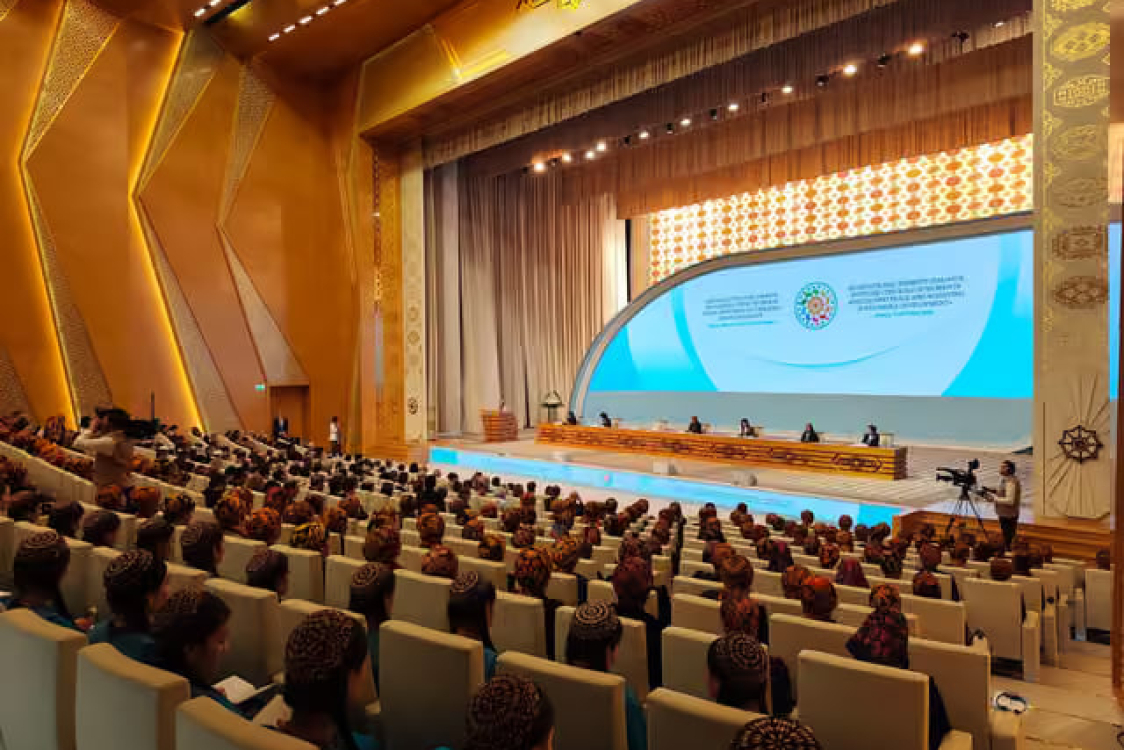
04.10.2026On 1–2 October, the Turkmenistan Investment Forum (TIF-2026), organised by the country’s Ministry of Foreign Affairs and Ministry of Finance and Economy, took place at the ‘Ýyldyz’ Hotel in Ashgabat. The event was attended by more than 700 representatives from Turkmenistan, Central Asian countries, Europe, Asia, the USA and the Middle East, according to TerraNews. The business programme included thematic sessions and negotiations on developing cooperation in the oil and gas and chemical industries, energy, transport and logistics, agriculture, the digital economy, financial technologies and water management. During the forum, Turkmenistan signed a number of agreements and memoranda of understanding with foreign and domestic companies. In particular, the State Concern ‘Türkmennebit’ signed an agreement with the German company ‘Hybrid Innovation GmbH’, whilst the State Concern ‘Türkmenhimiýa’ signed agreements with the commercial enterprise ‘Türkmen enjam’ and the Chinese company ‘Tianjin Bohua Engineering Co., Ltd.’ The Ministry of Communications of Turkmenistan signed a memorandum with the South Korean company ‘OnU H&C’, whilst the Ministry of Rail Transport signed one with the Chinese company ‘CSCEC International Construction Co., Ltd.’ The State Committee for Water Management of Turkmenistan signed memoranda with ‘Damen Workboats B.V.’ and ‘Liamol Trading GmbH.’ The ‘Balkan’ Shipbuilding and Ship Repair Yard concluded a separate agreement on strategic cooperation for the period 2026–2036 with ‘Damen Technical Cooperation B.V.’ and ‘Liamol Trading GmbH.’ The document provides for cooperation in the field of shipbuilding and ship repair, the introduction of modern technologies and the localisation of production in Turkmenistan. The forum served as a platform for discussing investment projects and concluding agreements aimed at developing industrial cooperation, technological modernisation and the expansion of Turkmenistan’s international economic cooperation.
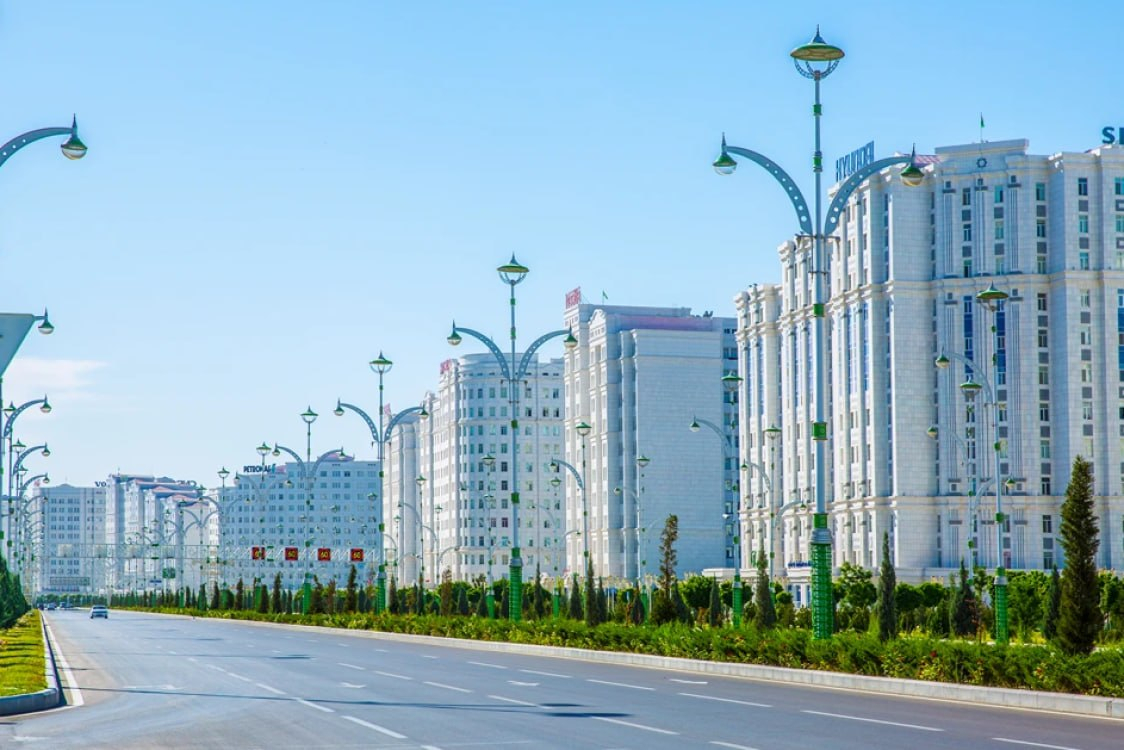
Turkmenistan’s construction and industrial sector has increased its output
04.10.2026In January–September 2026, the fulfilment of the production and works plan in Turkmenistan’s construction and industrial sector stood at 120.9 per cent. This was reported by Deputy Prime Minister B. Annamammedov at a meeting of the Cabinet of Ministers, according to the news agency TDH. The Deputy Prime Minister noted that the Ministry of Construction and Architecture achieved 102.8 per cent, the Ministry of Industry and Construction 128.3 per cent, and the Ministry of Energy 107 per cent. The Ministry of Roads fulfilled 107.1 per cent of its planned works. Furthermore, the State Concern ‘Türkmenhimiýa’ achieved 127.7 per cent, whilst the Ashgabat City Administration reached 130.9 per cent. Having heard the report, the President of Turkmenistan, Serdar Berdimuhamedov, instructed that measures be taken to increase production volumes, operate chemical plants at full capacity, continue the development of the energy sector, and proceed with the construction and reconstruction of roads.
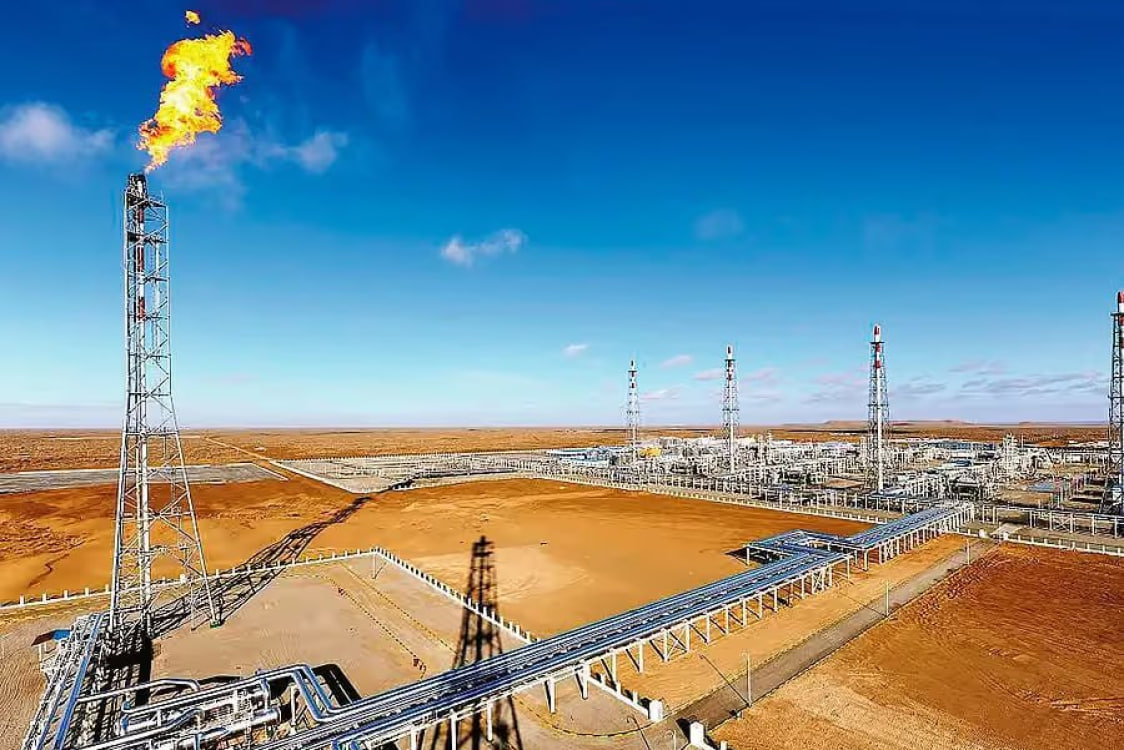
Turkmenistan’s oil and gas sector has exceeded its targets
03.10.2026In January–September 2026, the State Concern ‘Türkmennebit’ exceeded its targets for oil production and refining, as well as for the production of key petroleum products. This was announced by G. Agajanov, Deputy Chairman of the Cabinet of Ministers, on 2 October at a meeting of the Cabinet of Ministers, according to the news agency TDH. According to the Deputy Prime Minister, the oil production target was met at 109.1 per cent, whilst the oil refining target was met at 106.8 per cent. Petrol production stood at 119.3 per cent of the target, diesel fuel at 114.7 per cent, lubricating oils at 100 per cent, and liquefied gas at 112 per cent. G. Agajanov noted that the target for the production of natural and associated gas had been met at 109.1 per cent. Having heard the report, the President of Turkmenistan, Serdar Berdimuhamedov, instructed that efforts to improve the performance of the oil and gas sector should continue, that the production of high-quality products should be ensured, and that work on discovering new oil and gas fields should be stepped up.
Turkmenistan’s GDP grew by 6.3 per cent in the first nine months of 2026
03.10.2026Between January and September 2026, Turkmenistan’s GDP grew by 6.3 per cent. This was revealed in a report by the Deputy Chairman of the Cabinet of Ministers, H. Geldimyradov, at a Cabinet meeting on 2 October, according to the news agency TDH. Growth in industry stood at 3 per cent, in construction at 6.7 per cent, in the transport and communications sector at 10.4 per cent, in trade at 8.4 per cent, in agriculture at 4.1 per cent, and in the services sector at 8.4 per cent. Compared with the same period in 2025, output increased by 9.9 per cent. Retail turnover rose by 10.5 per cent, whilst foreign trade turnover increased by 8.3 per cent. Revenue targets for the State Budget for January–September were met at 100.1 per cent, whilst expenditure targets were met at 97.2 per cent. Wages, pensions, state benefits and student grants were paid on time and in full. The volume of capital expenditure utilised increased by 3.5 per cent compared with January–September 2025. A report was also presented on the implementation of the National Rural Programme, including the construction of facilities for various purposes. Having heard the report, the President of Turkmenistan, Serdar Berdimuhamedov, instructed that the work of the economic, financial and banking sectors be improved, that the analysis of the draft State Budget for the coming year be continued, and that measures be taken to maintain consistent GDP growth and the coordinated development of economic sectors.
Read also
Advertising


 Read us in Zen


