

In 2025, which was designated the International Year of Peace and Trust, Turkmenistan's trade and business sector demonstrated steady growth and deepening structural reforms. This was reported by the state news agency TDH.
As noted at an expanded meeting of the Cabinet of Ministers on 13 February, the implementation of the economic strategy ensured a 6.3 percent increase in gross domestic product at the end of the year. According to reports, growth in industry was 1.8 percent, in construction 7.9 percent, in transport and communications 9.8 percent, in trade 9.6 percent, in agriculture 7 percent, and in services 7.5 percent.
Compared to 2024, the total volume of production for January–December increased by 10.2 percent. Positive dynamics were recorded in all key sectors. Retail trade turnover grew by 13.2 percent. The state budget was executed at 101.5 percent in terms of revenue and 99.7 percent in terms of expenditure.
Qualitative changes in the structure of the trade complex and the private sector were the result of the consistent implementation of industrialisation and digitalisation programmes. Modern trade infrastructure expanded actively throughout the year: new shopping and entertainment centres and specialised shops owned by private entrepreneurs opened in the capital and regions.
Considerable attention was paid to digital solutions. The e-commerce segment expanded significantly, and the number of online platforms and mobile delivery services increased, which improved the accessibility of retail services and reduced the distance between producers and consumers. Strengthening food security remained a priority. According to the Union of Industrialists and Entrepreneurs, the growth rate of agricultural and food production reached 108.1 percent, and industrial goods — 106.7 percent.
Due to state support and preferential lending, private agro-industrial complexes are expanding their greenhouse areas. Entrepreneurs not only supply the domestic market with basic food products, but also form stable export channels for tomatoes and other agricultural products to neighbouring countries and CIS states.
The development of new irrigated land, the planting of orchards and the expansion of greenhouse farms are continuing. Among the major projects is the 110-hectare greenhouse complex of ‘Miwe’ OJSC, which specialises in growing bananas, as well as apples, pears, plums and almonds. In 2024, the ‘Gündogar akymy’ economic association sowed 350 hectares of soybeans for the first time in the country and obtained a high yield, which expanded the raw material base of the food industry. The livestock sector is actively introducing advanced foreign experience. Significant results have been achieved by the ‘Ajaýyp ussat halal önümler’ and ‘Sahabatly’ economic societies, which are developing beef and dairy cattle breeding, as well as poultry farming and alternative areas of animal husbandry.
On the international stage, Turkmenistan is strengthening its position as a producer of high-quality, competitive products. An important promotional tool has been the national brand ‘Made in Turkmenistan’, which is gradually transforming from a mark of origin into an indicator of the quality of domestic goods.
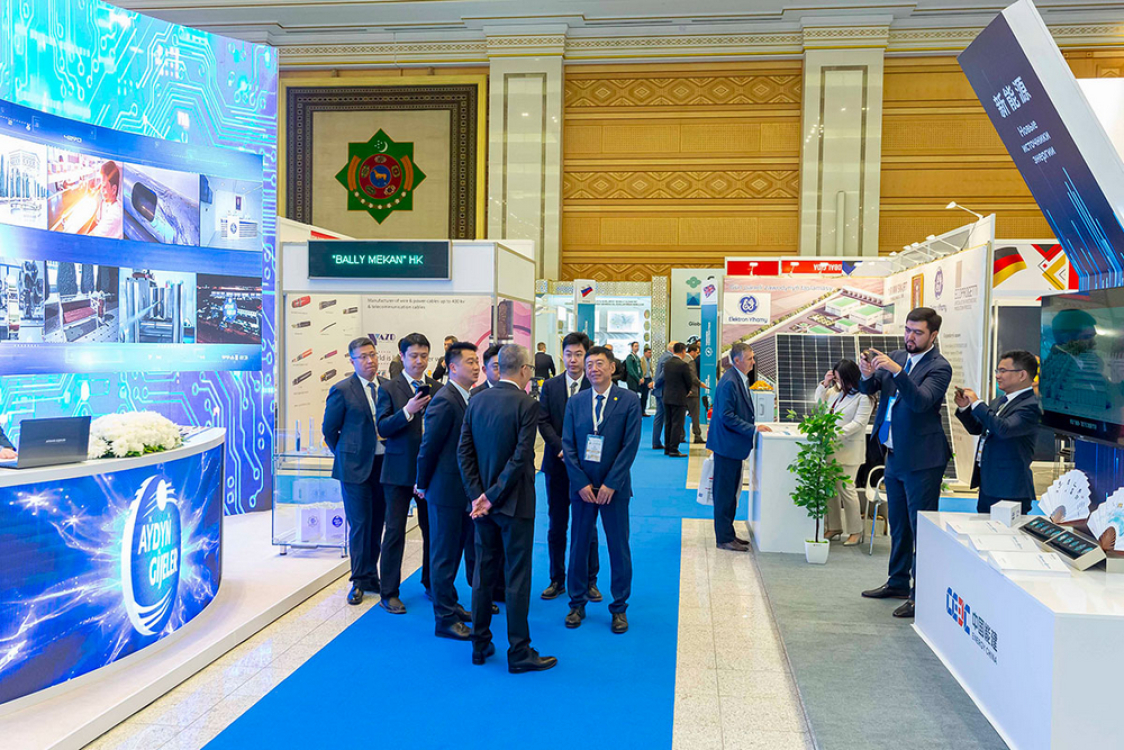
The expansion of import substitution was confirmed by the participation of members of the Union of Industrialists and Entrepreneurs in the XXIV International Universal Exhibition ‘White City Ashgabat’, where projects were presented by the companies ‘Galkynyş plastik’, ‘Erjel-Begenç’, the economic societies ‘Döwlet gurluşyk’, ‘Döwletli Döwran’ and others. The exhibitions showed the formation of full-fledged production chains — from the processing of raw materials to the production of finished high-tech products.
The development of entrepreneurship in 2025 was distinctly social in nature. The private sector actively participated in the construction of residential areas, kindergartens and medical centres, demonstrating the effectiveness of public-private partnerships.
At the same time, the technological transformation of business is intensifying. The state's policy of digitalisation has become a powerful driver of modernisation in the private sector and the introduction of innovative management models. Against this backdrop, domestic entrepreneurs are increasingly becoming developers of their own technological solutions. A telling example is the activities of the ‘Aýdyň gijeler’ joint-stock company, which has mastered the production of complex electronics, from personal computers and laptops to smartphones, routers and smart TVs.
The textile industry has also seen positive dynamics. According to the relevant ministry, production growth was 106.3 percent, with cotton yarn output up 111.7 percent, fabrics up 118.8 percent and leather products up 111.4 percent. The plan of the ‘Türkmenhaly’ State Association was fulfilled by 102.2 percent.
Domestic textile brands ‘Gala’, ‘Ýeňiş’, ‘Goza’, ‘Wada’, ‘Nusaý’, ‘Bedew’, ‘Bürgüt’, ‘Akpamyk’, ‘Merw’, ‘Jeýtun’ and ‘Mäne’ are strengthening their positions in domestic and foreign markets due to the introduction of modern standards and the environmental quality of raw materials.
During the reporting period, the State Commodity and Raw Materials Exchange held 299 trading sessions, resulting in 29,975 contracts being registered. The exchange continues to improve mechanisms for regulating the commodity market and stimulating foreign trade.
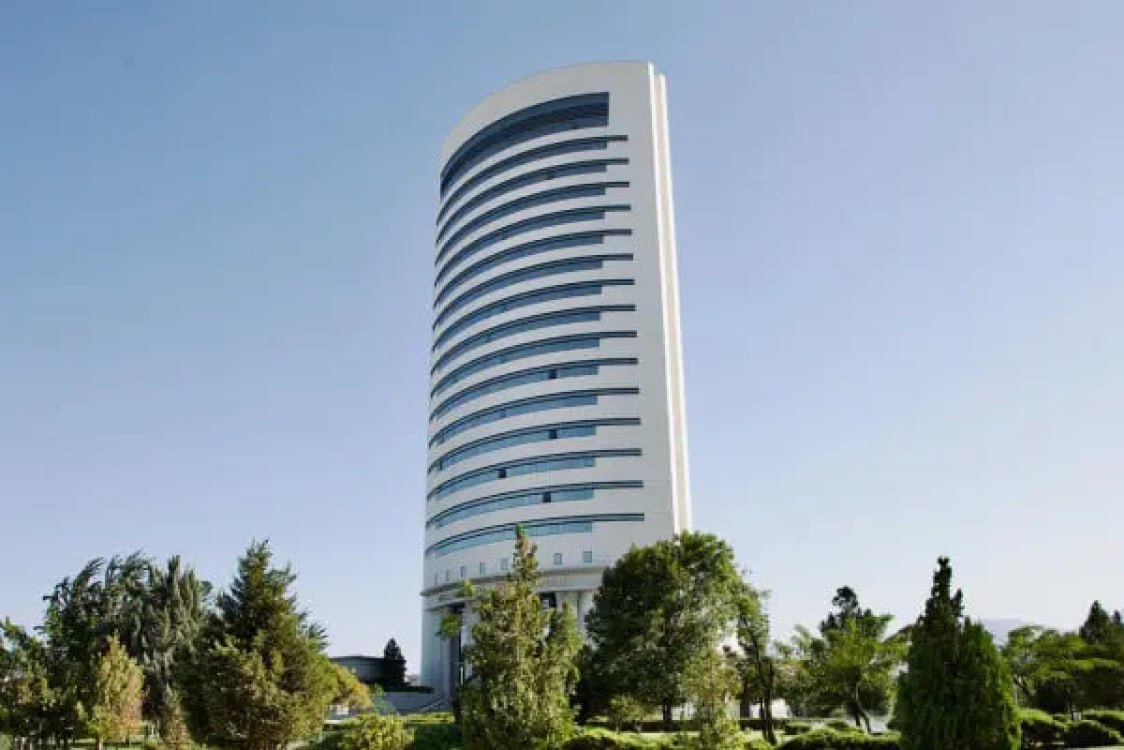
International forums and exhibitions have become important platforms for promoting investment potential. In March, the ‘Ýyldyz’ Hotel in the capital hosted the forum ‘Investment in the Future of Turkmenistan’, where instruments for unlocking the potential of the private sector were discussed. As a result, a number of framework agreements and memoranda were signed with companies from the Russian Federation, the Kingdom of the Netherlands, the Republic of Kazakhstan and the People's Republic of China.
Overall, the synergy of state support and private initiative in the anniversary year of neutrality has formed a solid foundation for further diversification of the economy and strengthening of Turkmenistan's technological sovereignty.
Read also
Advertising



 Read us in Zen


