

Economy
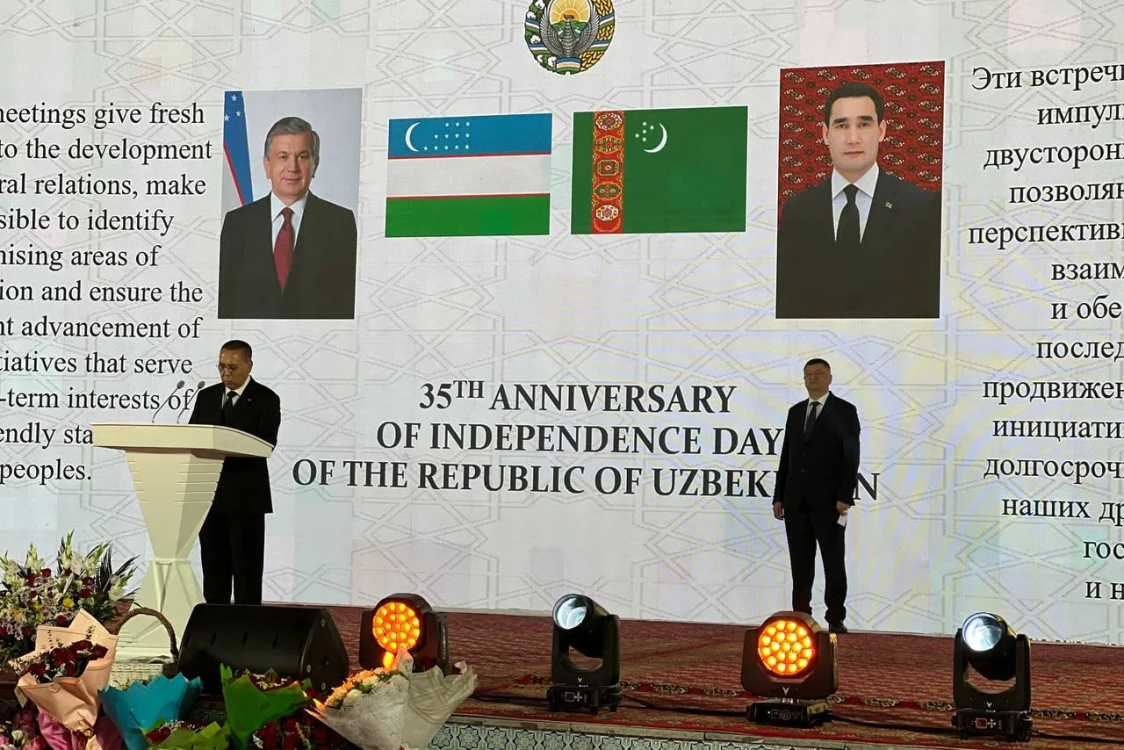
Uzbekistan has become one of Turkmenistan’s leading trading partners
06.09.2026According to figures for the first seven months of 2026, Uzbekistan has become one of Turkmenistan’s four largest trading partners in terms of foreign trade turnover. This was announced by the Deputy Chairman of the Cabinet of Ministers, Hojamyrat Geldimyradov, as reported by Turkmenportal. According to the Deputy Prime Minister, trade between the two countries in January–July totalled nearly US$800 million. This is 18 per cent higher than the figure for the same period in 2025. In 2025, the volume of trade between Turkmenistan and Uzbekistan reached US$1.2 billion, having increased by almost 60 per cent over the year. Ravshanbek Alimov, Uzbekistan’s Ambassador to Turkmenistan, stated that the two sides expect to increase bilateral trade to US$2 billion in the near future. The diplomat also highlighted the development of a strategic partnership and good-neighbourly relations between the two countries.
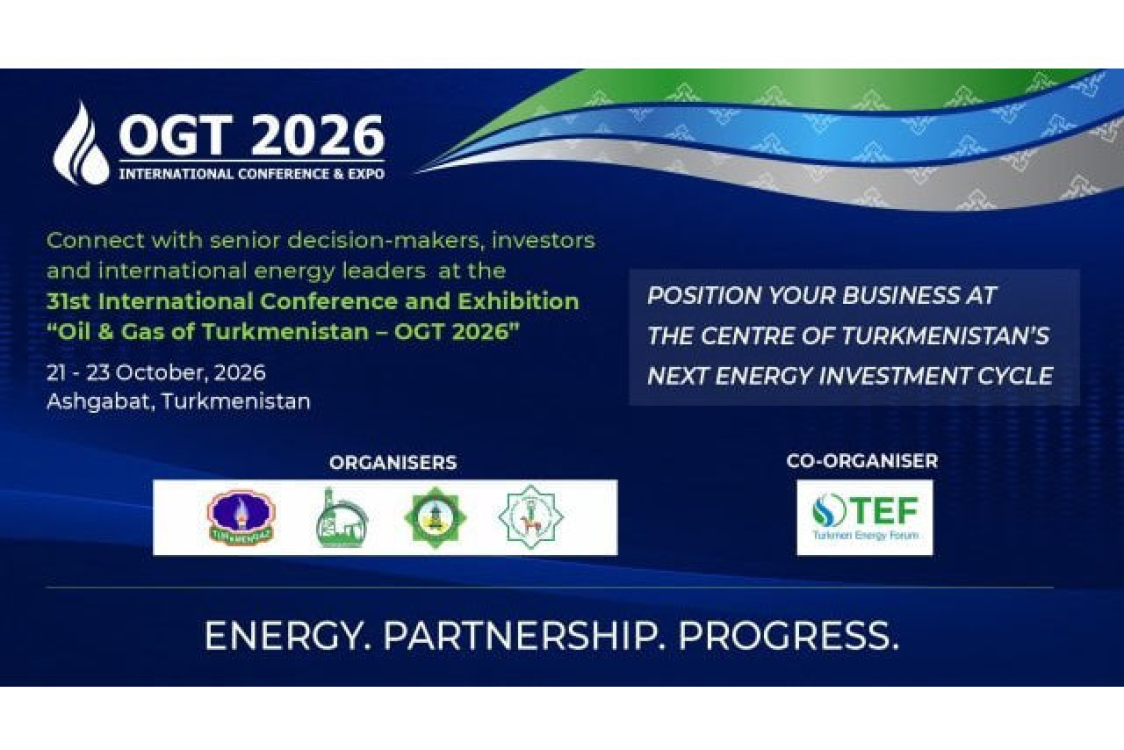
Malaysia and Turkmenistan discussed preparations for the OGT 2026
06.09.2026The Malaysian Ambassador to Turkmenistan, Mohd Suhaimi Ahmad Tajuddin, held a working meeting with Nazar Atajanov, Director of the Turkmen Energy Forum. The parties discussed preparations for the 31st International Conference and Exhibition ‘Oil and Gas of Turkmenistan – OGT 2026’, as well as organisational matters regarding the participation of Malaysian delegates, according to the online news outlet Asmannews. OGT 2026 will take place in Ashgabat from 21 to 23 October. Representatives of government departments, executives from global energy companies, international financial institutions and industry experts are expected to attend the forum. The agenda includes attracting foreign direct investment into Turkmenistan’s fuel and energy sector, the introduction of environmentally friendly technologies, and issues of global energy security. Malaysia’s participation is seen as an opportunity to expand bilateral cooperation in the oil and gas sector.
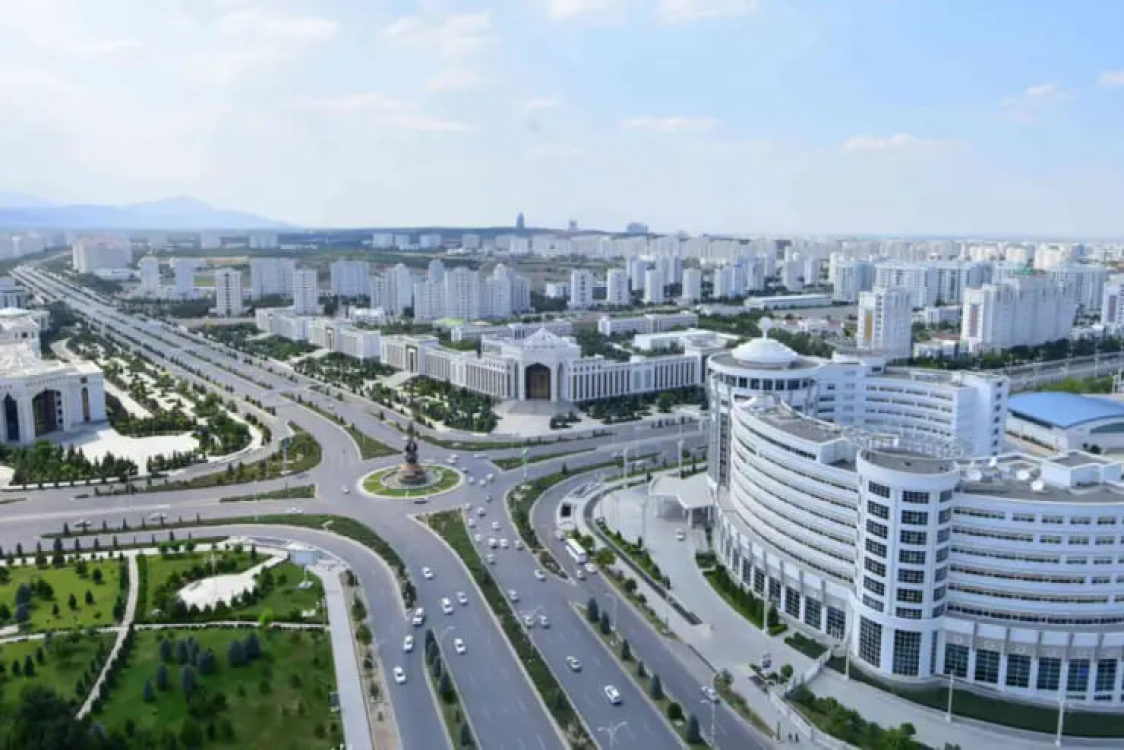
Turkmenistan is strengthening the investment potential of its economy
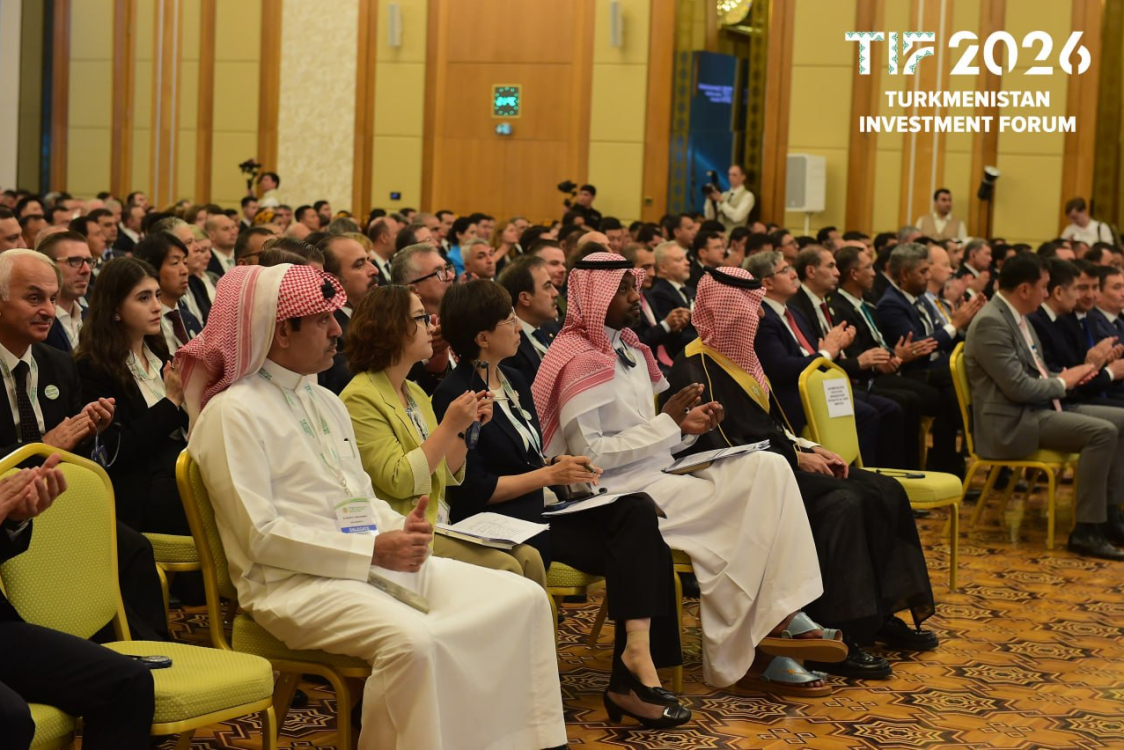
04.09.2026Turkmenistan is expanding its investment cooperation and attracting capital into key sectors of the economy. The priority sectors remain the oil and gas, chemical, processing and textile industries, as well as construction, transport, agriculture, tourism, healthcare, education and digital technologies, according to the TDH news agency. Projects are being implemented in the country to modernise infrastructure and establish import-substituting and export-oriented manufacturing facilities. According to figures announced at an extended meeting of the Cabinet of Ministers on 13 February 2026, the volume of capital investment in 2025 rose by 6 per cent. According to the ‘Programme for the Socio-Economic Development of Turkmenistan and Investment in 2026’, approximately 41.2 billion manats have been earmarked for the development of the national economy. Furthermore, Turkmenistan continues to pursue an ‘open-door’ policy, providing foreign investors with state guarantees, tax incentives and other preferential terms. Investment cooperation is developing with China, Russia, the United States of America, the Republic of Turkey, Iran, countries in the Middle East, the Asia-Pacific region and the European Union. One of the key international projects remains the ‘Turkmenistan–Afghanistan–Pakistan–India’ (TAPI) gas pipeline. The country is also keen to attract foreign investment and technology into innovative manufacturing, the electricity sector, digital and logistics services, education and skills development. In 2026, Ashgabat hosted the business forum ‘New Horizons for Strengthening Connectivity, Attracting Investment and Sustainable Development’ and the International Investment Forum ‘Investment in the Future of Turkmenistan’ (IFT 2026). The events were dedicated to expanding international investment cooperation, developing public-private partnerships and implementing new projects. On 28 July, during a visit to Turkmenistan by Odile Renaud-Basso, Head of the European Bank for Reconstruction and Development (EBRD), a package of documents on cooperation between the EBRD and the country’s government departments was signed. The next major event will be the Turkmenistan Investment Forum (TIF-2026), which will take place on 1–2 October in Ashgabat. It is being organised by the Ministry of Finance and Economy and the Ministry of Foreign Affairs of Turkmenistan, with the support of Turkmen Congress. The forum is set to discuss the country’s investment appeal, the development of the fuel and energy, industrial and transport and communications sectors, the ‘green’ transition, digital technologies, agribusiness, public-private partnerships and the application of artificial intelligence in the economy. The event is expected to be attended by the International Finance Corporation (IFC), the European Bank for Reconstruction and Development (EBRD), UK Export Finance, government bodies and representatives of domestic and foreign businesses. The source notes that Turkmenistan regards the expansion of investment cooperation as a key prerequisite for economic diversification, the modernisation of production facilities and the implementation of major infrastructure projects.
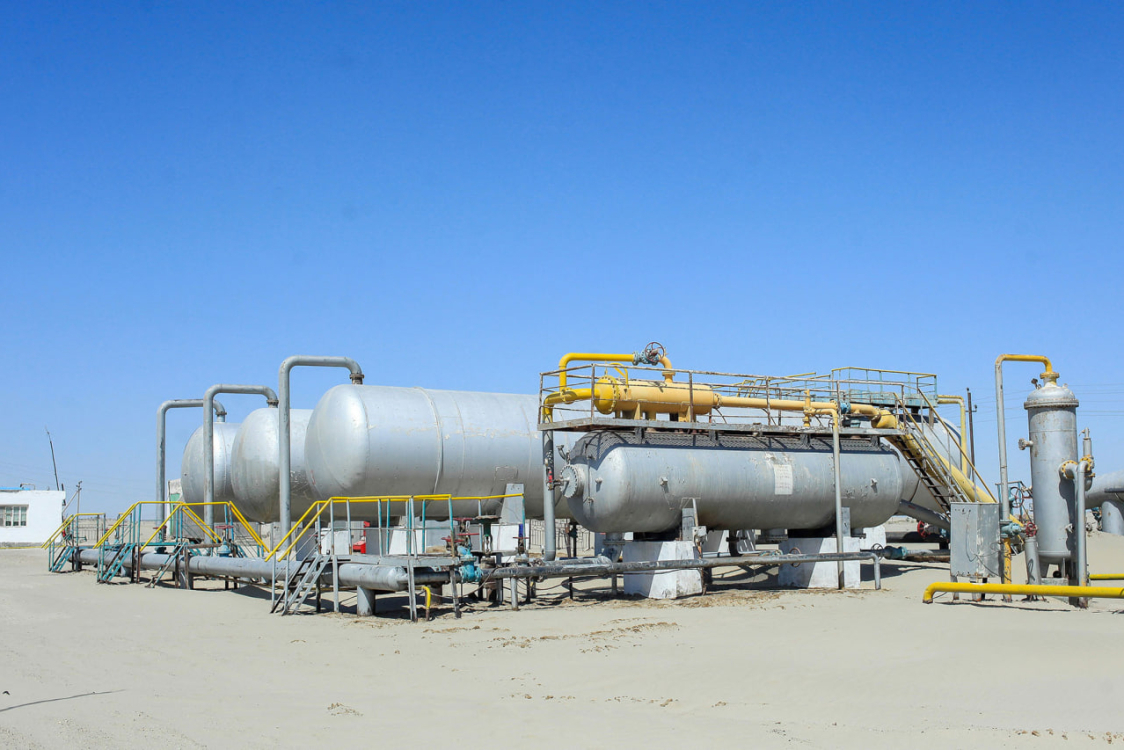
Turkmenistan is increasing oil production at the ‘Goturdepe’ field
04.09.2026Since the start of the year, the ‘Goturdepenebit’ oil and gas production department of the ‘Nebitgazçykaryş’ trust has produced 717.24 thousand tonnes of crude oil. The target was met at 111.5 per cent, which was the highest figure among the oil and gas production departments of the ‘Türkmennebit’ State Concern, reports the online newspaper Ussatnews. Compared with the same period last year, the rate of production growth stood at 105.4 per cent. The target was exceeded by 74,169 thousand tonnes. Production is taking place at the ‘Goturdepe’ and ‘Northern Goturdepe’ fields. Currently, 670 wells are in steady operation there. Daily oil production at the ‘Goturdepe’ field exceeds 3,400 tonnes. Development of the field began in 1948 with the drilling of the first exploratory well. Commercial production resumed in 1956. The field covers an area of 320 square kilometres. The company carries out technical monitoring of the condition of the wells. According to geologists’ estimates, the field still holds significant hydrocarbon reserves. In terms of production volumes, the ‘Goturdepenebit’ Department ranks second among the group’s oil and gas production departments. Operators, foremen and specialists from workshops 1–6, as well as the oil treatment and pumping workshop, are all contributing to the achievement of production targets. Deputy Head of the Department for General Affairs, Jepbarguly Nepesov, reported that the team intends to end the year with even higher production and economic indicators.
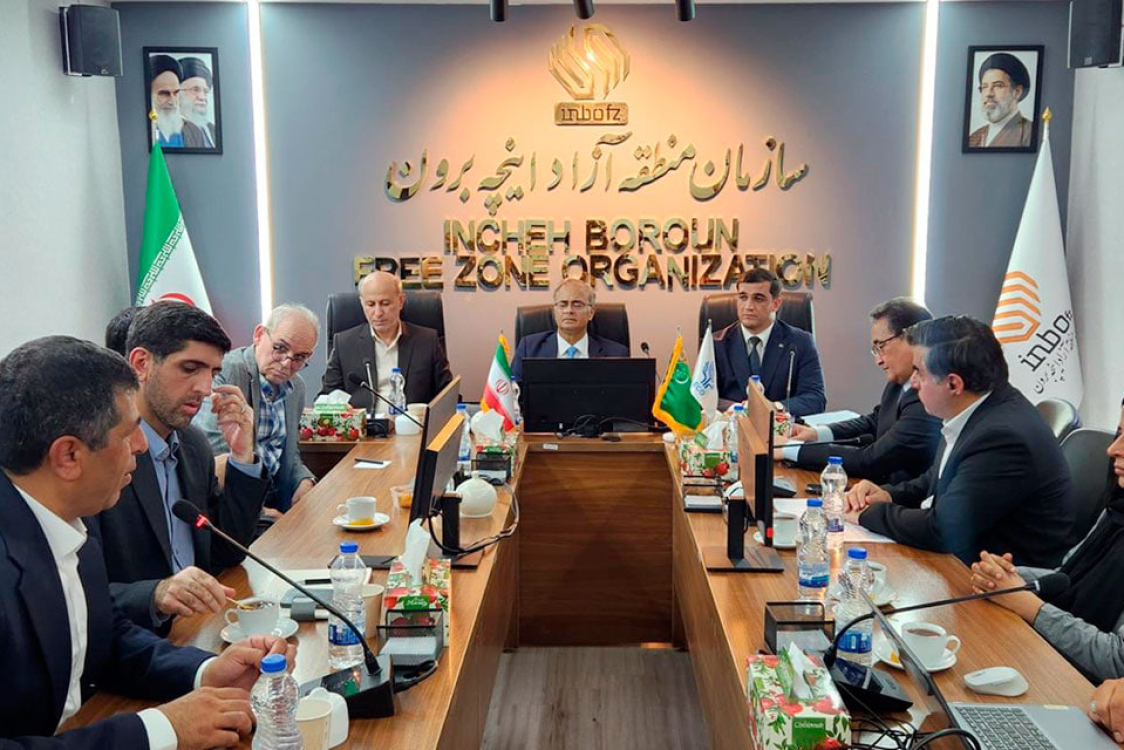
Turkmenistan is continuing its work on establishing joint trade zones within the framework of the ECO
01.09.2026Turkmenistan continues to advance its initiative to create joint trade zones between member states of the Economic Cooperation Organisation (ECO), according to the ‘Turkmenistan: Golden age’ news agency. At the end of August 2026, meetings took place in the Iranian province of Golestan between the Secretary-General of the ECO, Asad Majeed Khan, and the Ambassador of Turkmenistan to the Islamic Republic of Iran. The parties discussed the further implementation of the initiative. It was noted that the creation of the Joint Trade Zone would help to expand trade and cross-border trade, increase transit traffic, attract investment and strengthen regional connectivity. Asad Majeed Khan stated that this project could serve as a model for other border regions of ECO member states and align with the Organisation’s objectives of developing intra-regional trade and economic integration.
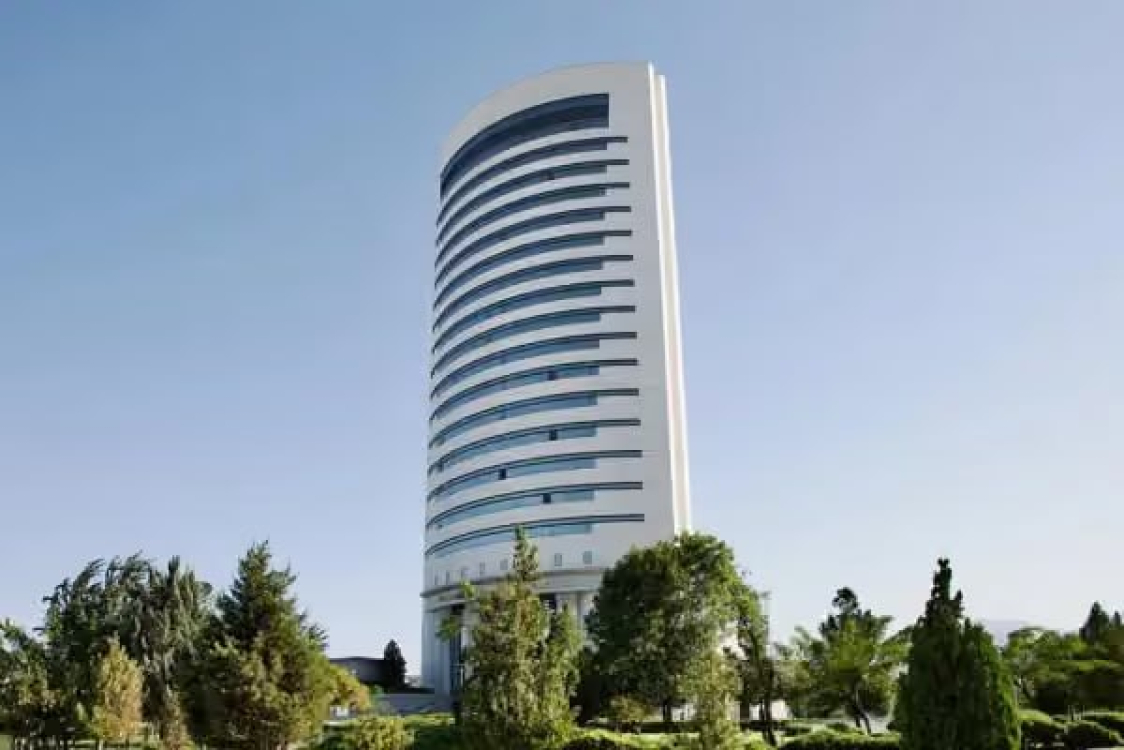
Eight trades were concluded on the Turkmenistan Stock Exchange over the course of the week
01.09.2026Eight transactions were recorded over the week on the State Commodity and Raw Materials Exchange of Turkmenistan. This was reported by IIC of Turkmenistan. Businesspeople from the UAE, Turkey and Afghanistan purchased cottonseed oil, wheat flour, textiles, cotton fabric, cotton fibre and raw silk for foreign currency, totalling over 7.27 million US dollars. On the domestic market, local businessmen concluded deals to purchase cotton yarn worth more than 8.21 million manats.
The 111th meeting of the CIS Economic Council will take place in Ashgabat
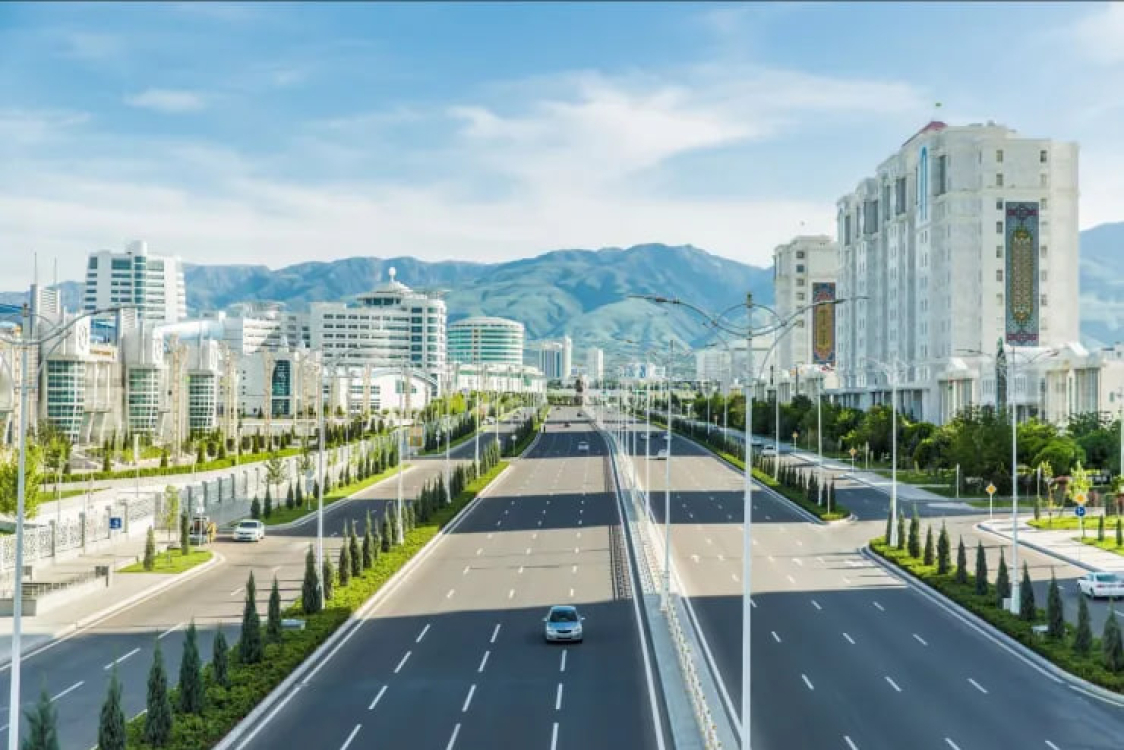
29.08.2026The 111th meeting of the Economic Council of the Commonwealth of Independent States is to be held in Ashgabat this September. Preparations for the event were discussed on 28 August at a meeting of the Cabinet of Ministers of Turkmenistan. According to the news agency TDH, Deputy Chairman of the Cabinet of Ministers H. Geldimyradov reported on the current preparatory work. According to the Deputy Prime Minister, the meeting in a restricted format is scheduled to consider issues of economic cooperation among CIS countries, the implementation of the Transport Security Strategy for 2026–2030, and the organisation of the next meeting of the Economic Council. In addition, in an expanded format, participants will discuss the activities of the Interstate Council on Standardisation, Metrology and Certification for 2023–2026, as well as draft proposals for a Concept for the Development of Cooperation in the Production of Advanced Materials for High-Tech Industries and a Plan for its implementation. Having heard the report, the President of Turkmenistan, Serdar Berdimuhamedov, instructed that appropriate preparations be made for the meeting in Ashgabat.
Zaha Hadid Architects will take part in the CIET 2026 conference
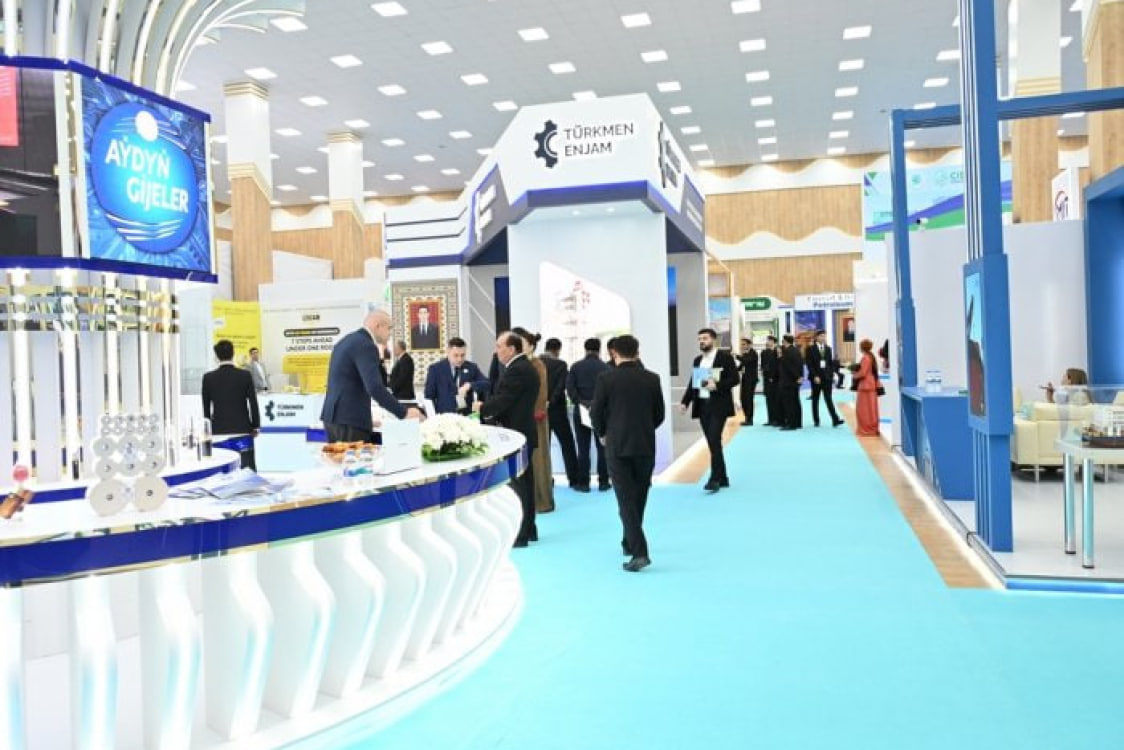
29.08.2026The international architectural practice Zaha Hadid Architects (ZHA) will take part in the CIET 2026 conference and exhibition, which will take place from 3 to 5 November in Ashgabat. This was reported by the IIC of Turkmenistan. As part of the conference, Manuela Gatto, Director of Zaha Hadid Architects, will present international expertise in contemporary architecture, sustainable design, urban development and the implementation of complex infrastructure projects. Previously, representatives from ZHA took part in ‘White City Ashgabat – 2026’, where they discussed with Turkmen partners the prospects for cooperation in the fields of contemporary architecture, sustainable urban development and innovative design solutions. CIET 2026 will bring together representatives from government bodies, international companies, investors, architects, engineers and technology suppliers. Participants will discuss the development of Turkmenistan’s construction, industrial, chemical and energy sectors.
Turkmen businesspeople are invited to an industrial forum in Minsk
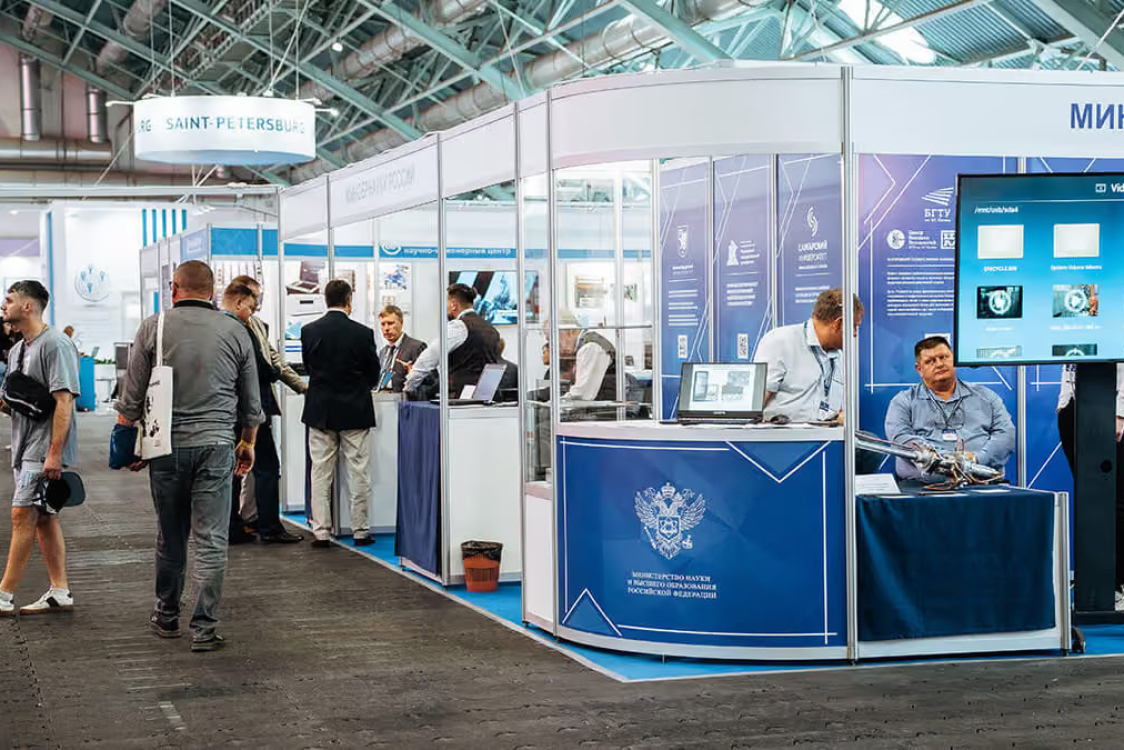
29.08.2026Entrepreneurs and representatives of the business community in Turkmenistan are invited to the Belarusian Industrial Forum, which will take place on 14–16 October in Minsk. The event is organised by the company ‘Expoforum’, according to the IIC of Turkmenistan. The forum will feature six specialised exhibitions focusing on industrial engineering, welding and digital technologies, the chemical and oil and gas sectors, polymers and laboratory solutions. Themed conferences, a welding competition and a subcontracting exchange are also planned to involve small and medium-sized enterprises in production chains. The forum aims to develop business ties, foster direct interaction between the state and the industrial sector, and promote modern equipment on international markets.
SOCAR will be the General Partner of OGT 2026 in Ashgabat
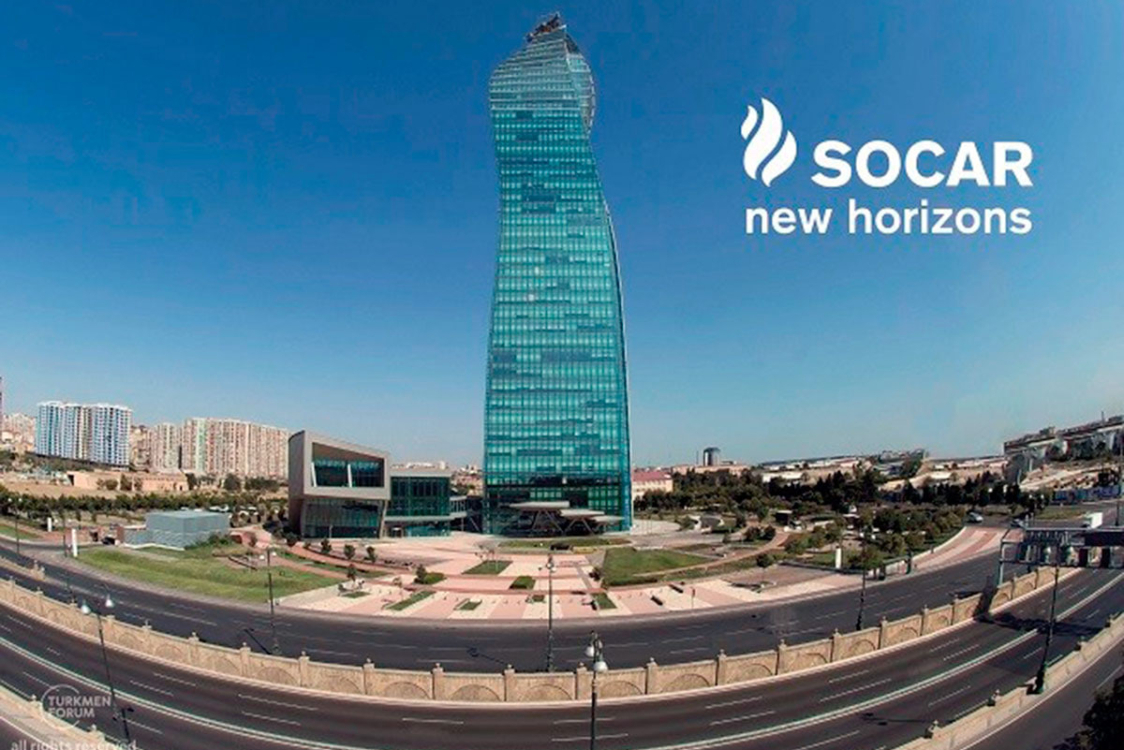
29.08.2026The State Oil Company of the Republic of Azerbaijan (SOCAR) will be the General Partner of the 31st International Conference and Exhibition ‘Oil and Gas of Turkmenistan – 2026’ (OGT 2026), which will take place on 21–23 October in Ashgabat. This was reported by the news agency ‘Turkmenistan: Golden age’. The forum will bring together energy companies, investors, financial institutions, technology suppliers, and representatives of the international energy sector. The partnership between SOCAR and OGT reflects the development of energy cooperation between Azerbaijan and Turkmenistan. The company continues to expand its activities in exploration and production, refining, trading, the gas business and international investment. As part of its Corporate Strategy to 2035, SOCAR is developing its international presence, technological capabilities, digitalisation and projects to reduce its carbon footprint. In 2023, SOCAR opened a representative office in Ashgabat. The company maintains cooperation with the state-owned concerns ‘Türkmengaz’ and ‘Türkmennebit’. One of the key joint projects remains the ‘Dostluk’ field in the Caspian Sea. An inter-governmental Memorandum of Understanding on its joint exploration and development was signed in January 2021. Turkmen energy resources are also involved in cross-border Caspian cooperation. The ‘Baku–Tbilisi–Ceyhan’ (BTC) pipeline transports crude from Turkmenistan and Kazakhstan alongside Azerbaijani oil. SOCAR’s international portfolio includes projects in Europe, the Middle East, Africa and Central Asia. In particular, the company has expanded its operations in Italy following the acquisition of Italiana Petroli (IP), and has also acquired stakes in the ‘Tamar’ gas field off the coast of Israel and the ‘Baleine’ project in Côte d’Ivoire. OGT 2026 will be held under the motto ‘Energy. Partnership. Progress’. The main topics will include investment in Turkmenistan’s energy sector, the development of the ‘Galkynyş’ field, gas export routes, the TAPI project, the development of hydrocarbon resources in the Turkmen sector of the Caspian Sea, gas processing, digitalisation, the reduction of methane emissions and low-carbon technologies. The forum is organised by the State Concerns ‘Türkmengaz’ and ‘Türkmennebit’, and the State Corporation ‘Türkmengeologiýa’ in collaboration with the ‘Turkmen Energy Forum’. The previous OGT brought together over 1,400 delegates from 70 countries. OGT 2026 will continue efforts to attract investment, develop technological cooperation and implement international energy projects.
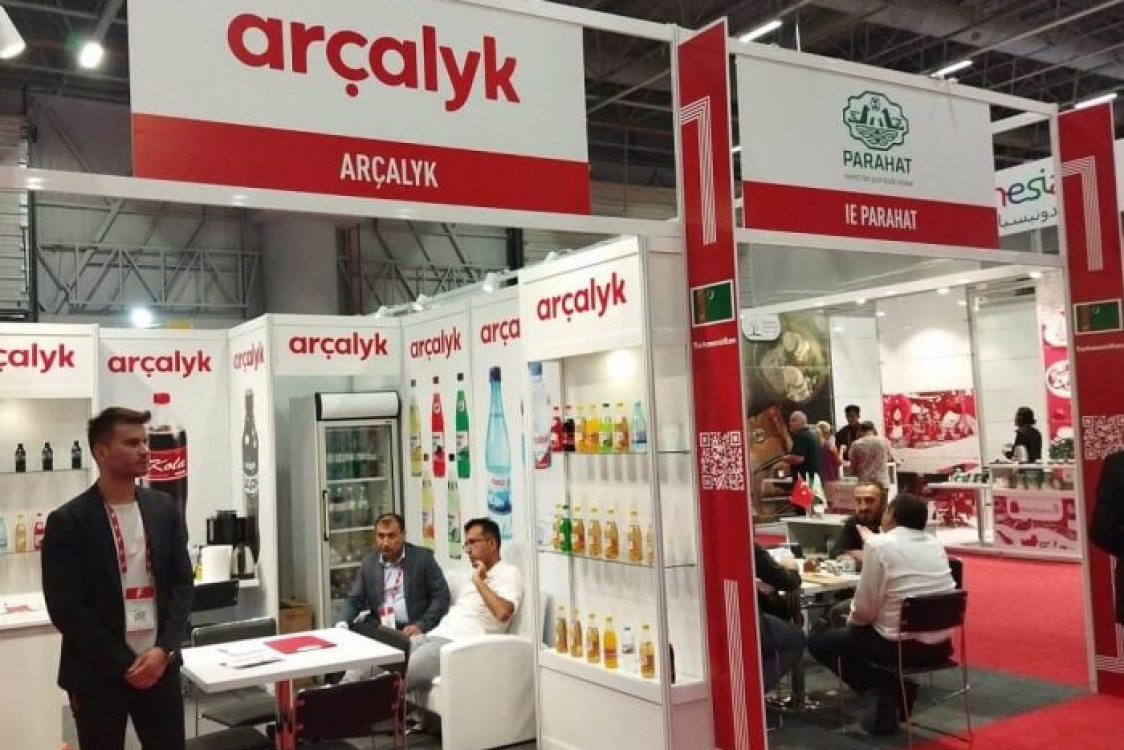
Turkmen companies are taking part in the ‘F Istanbul 2026’ exhibition
28.08.2026Turkmen companies are taking part in the ‘F Istanbul 2026’ international food and drink exhibition, which is being held from 26 to 29 August in Istanbul, Turkey. This was reported by the online publication ‘Business Turkmenistan’. The companies presenting their products at the exhibition include the business society ‘Çäksiz lezzet’, the soft drinks manufacturer ‘Tükel’, and ‘Arçalyk’, which specialises in the production of drinking and sparkling water. According to the official ‘F Istanbul 2026’ website, more than 1,000 companies from 18 countries are taking part in the event. The exhibition is taking place at the Istanbul Expo exhibition centre and brings together manufacturers, retailers, wholesalers and distributors from the food industry. This is the fifth edition of the exhibition, which aims to develop business contacts and establish new trade links.
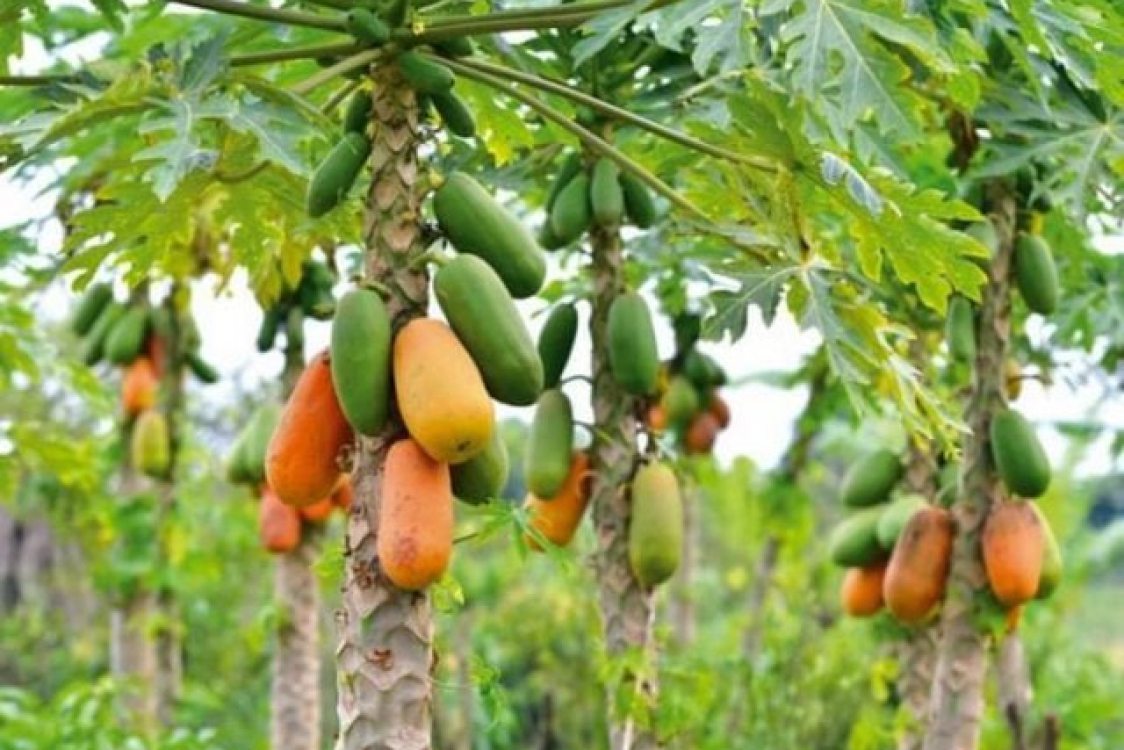
Papaya cultivation is being developed in Turkmenistan
28.08.2026The papaya, which is believed to originate from southern Mexico and northern Central America, is now grown in tropical regions around the world and in greenhouses, including in Turkmenistan. This is reported by AsmanNews. The plant grows to a height of 3–10 metres and begins to bear fruit approximately eight months after planting. By the third year, a single tree can yield up to 100 kilograms per year. Papaya flesh contains vitamins A, B1, B2 and C, as well as calcium, iron and phosphorus. India remains the largest producer of papaya. Annual production reaches 5–6 million tonnes, accounting for over 40 per cent of the global market. The majority of the produce is consumed domestically, whilst exports are sent to countries in the Persian Gulf, South-East Asia and Europe. In Turkmenistan, papaya cultivation is carried out mainly in specialised greenhouse complexes, taking climatic conditions into account.
Read also
Advertising

 Read us in Zen


