

News
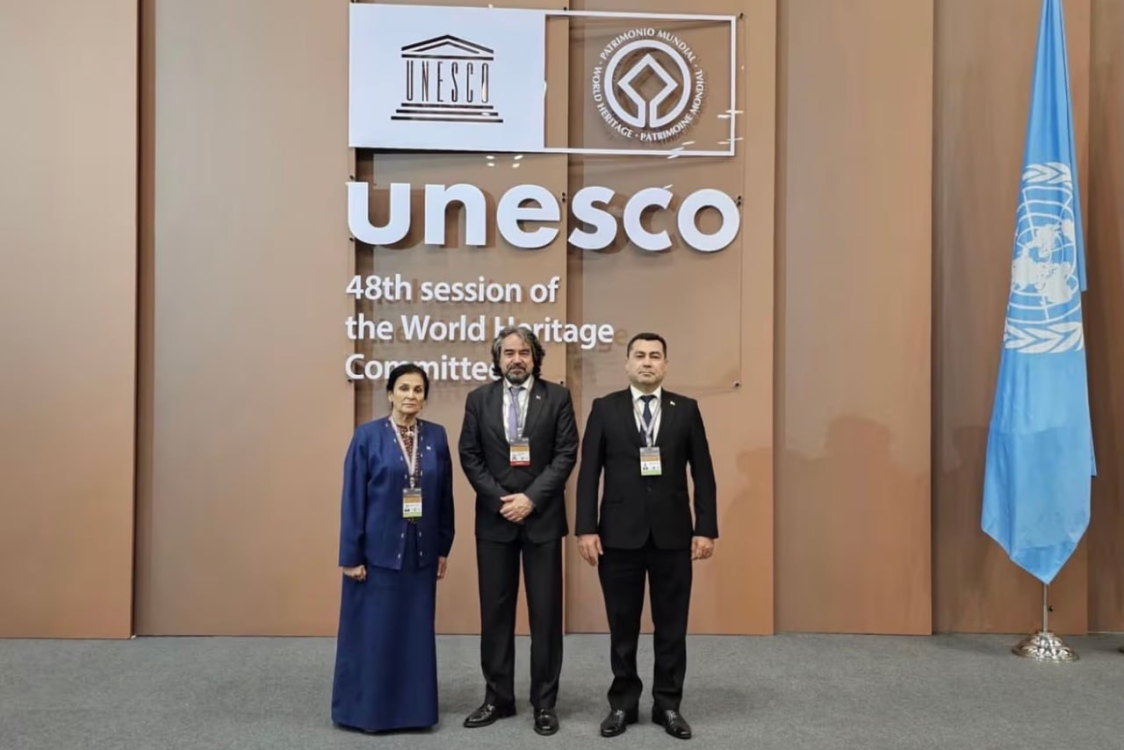
Ashgabat and Ankara are expanding their cooperation within the framework of UNESCO
30.07.2026As part of the 48th session of the UNESCO World Heritage Committee in Busan, a meeting took place between Chynar Rustemova, Executive Secretary of the National Commission of Turkmenistan for UNESCO, and Mustafa Yurdakul, Permanent Delegate of Turkey to UNESCO. This was reported by the IIC of Turkmenistan. The Turkmen side congratulated the diplomat on his election as Chair of the 49th session of the World Heritage Committee, which is to be held in Istanbul in 2027, and wished him every success in his work. The parties emphasised the importance of strengthening cooperation between the two countries in the field of preserving cultural and natural heritage, and reaffirmed their readiness for further collaboration within the framework of the UNESCO World Heritage Convention. Turkmenistan also noted its commitment to developing cooperation with the organisation in areas of mutual interest.
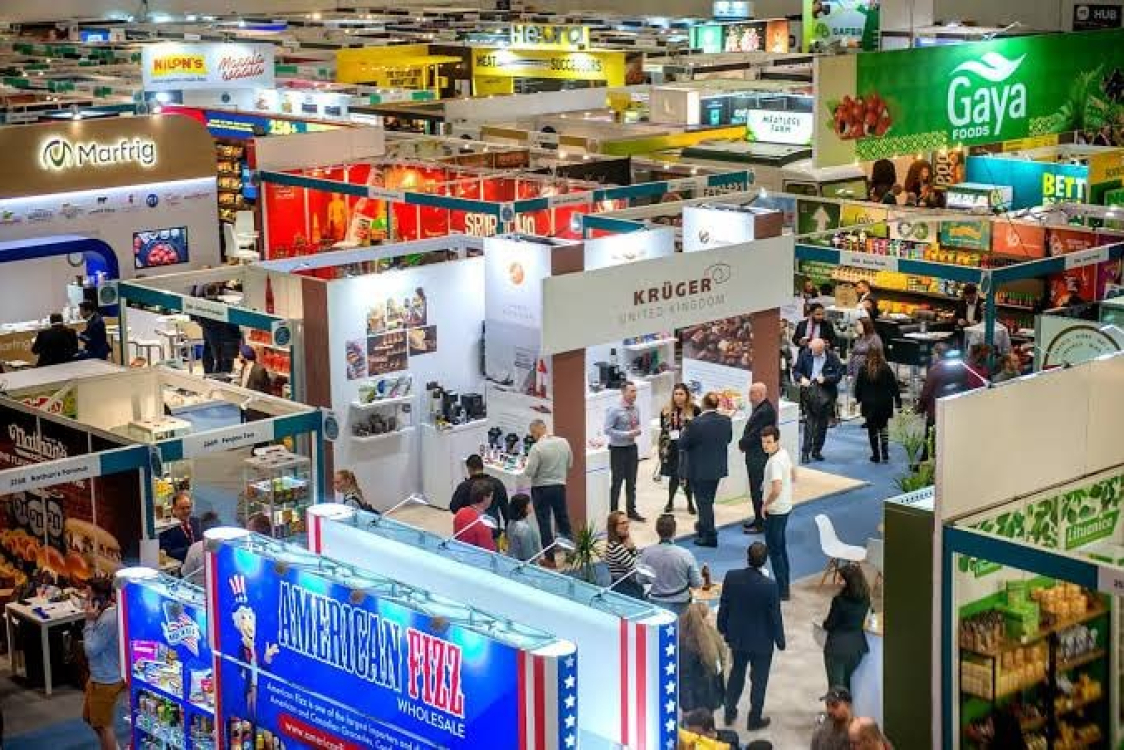
Turkmen manufacturers have been invited to London to take part in international trade fairs
30.07.2026The international food industry trade fairs ‘IFE 2027’ and ‘IFE Manufacturing 2027’ will take place in London from 5 to 7 April 2027. The British Embassy in Ashgabat is inviting Turkmen manufacturers and exporters to take part in the events, according to the news agency Orient. The IFE exhibition will bring together more than 25,000 specialists and buyers from 105 countries, providing companies with the opportunity to showcase ‘Made in Turkmenistan’ products to international partners. The creation of a national pavilion for Turkmenistan is also being considered. ‘IFE Manufacturing 2027’ will focus on production technologies, processing, packaging and quality standards. Participation in the exhibitions will enable enterprises to exchange experiences, modernise production and expand their export opportunities.
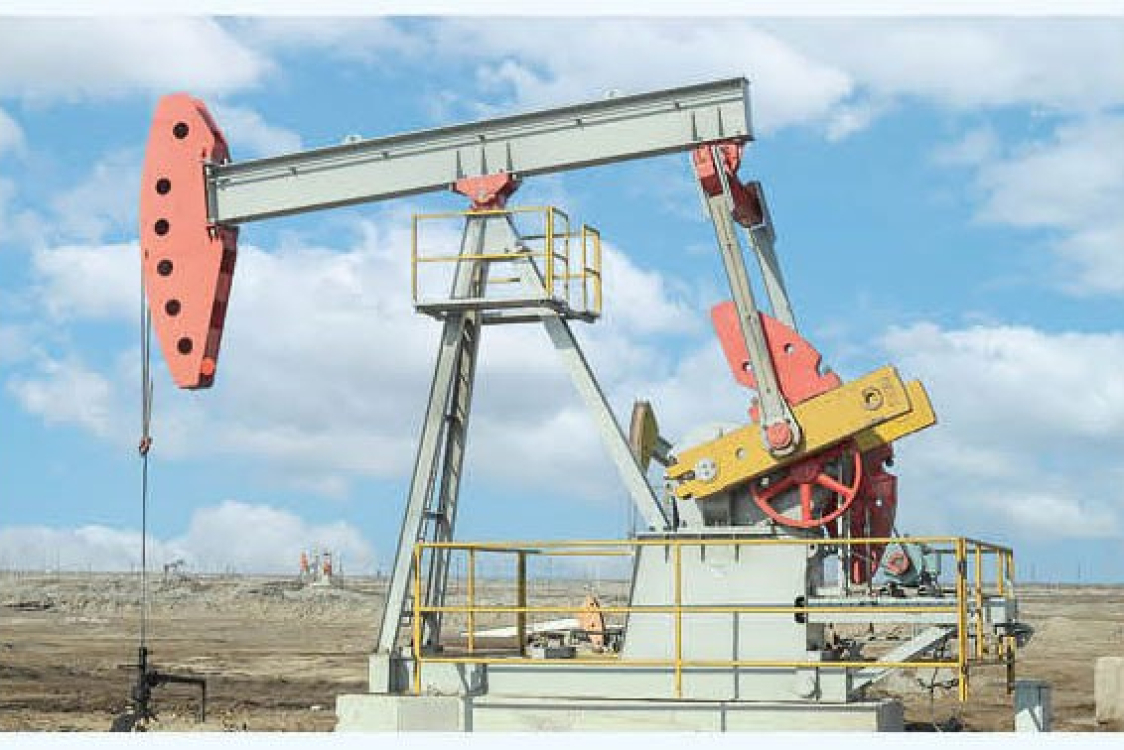
The oil workers at ‘Goturdepenebit’ have exceeded their targets
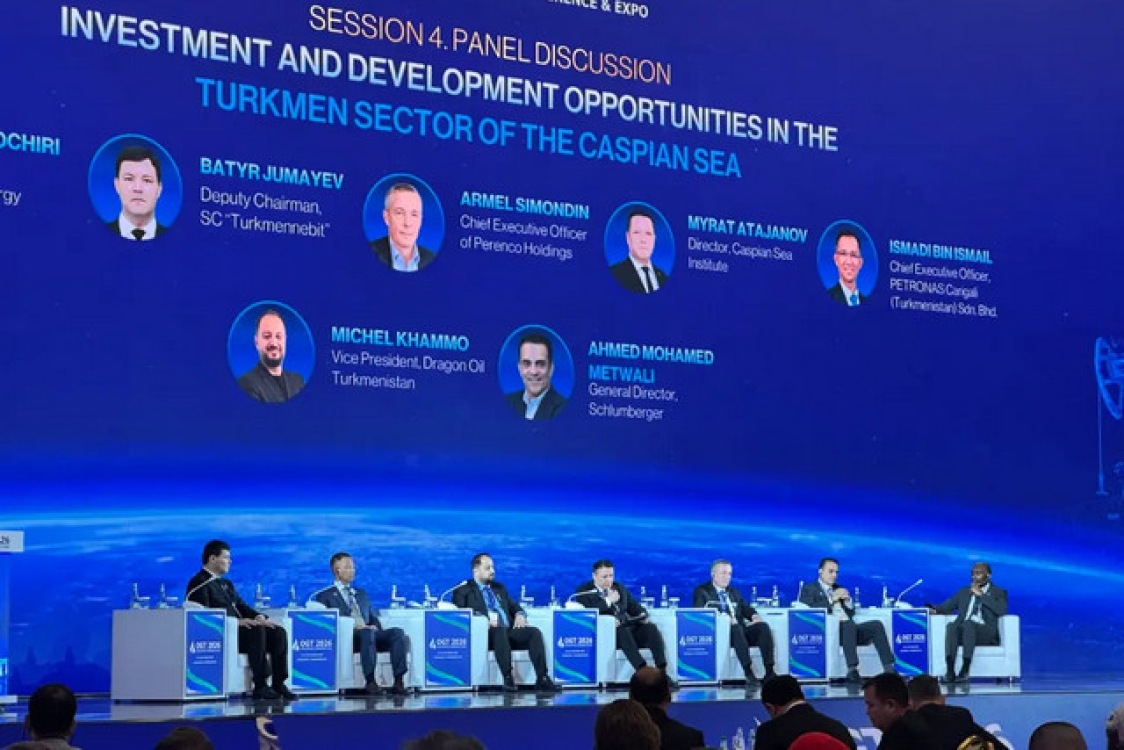
30.07.2026The ‘Türkmennebit’ State Concern has been recording growth in production figures since the start of the year. The staff of the ‘Goturdepenebit’ oil and gas production department have made a significant contribution to this success, according to the online newspaper ‘Nebit-Gaz’. Due to modernisation and the introduction of state-of-the-art equipment, the division has produced 610,234 tonnes of crude oil since the start of the year, achieving a rise in production rates of more than 105 per cent. Production targets were exceeded by 61,000 tonnes of crude oil. The company’s staff continue to increase production volumes, demonstrating excellent work performance.
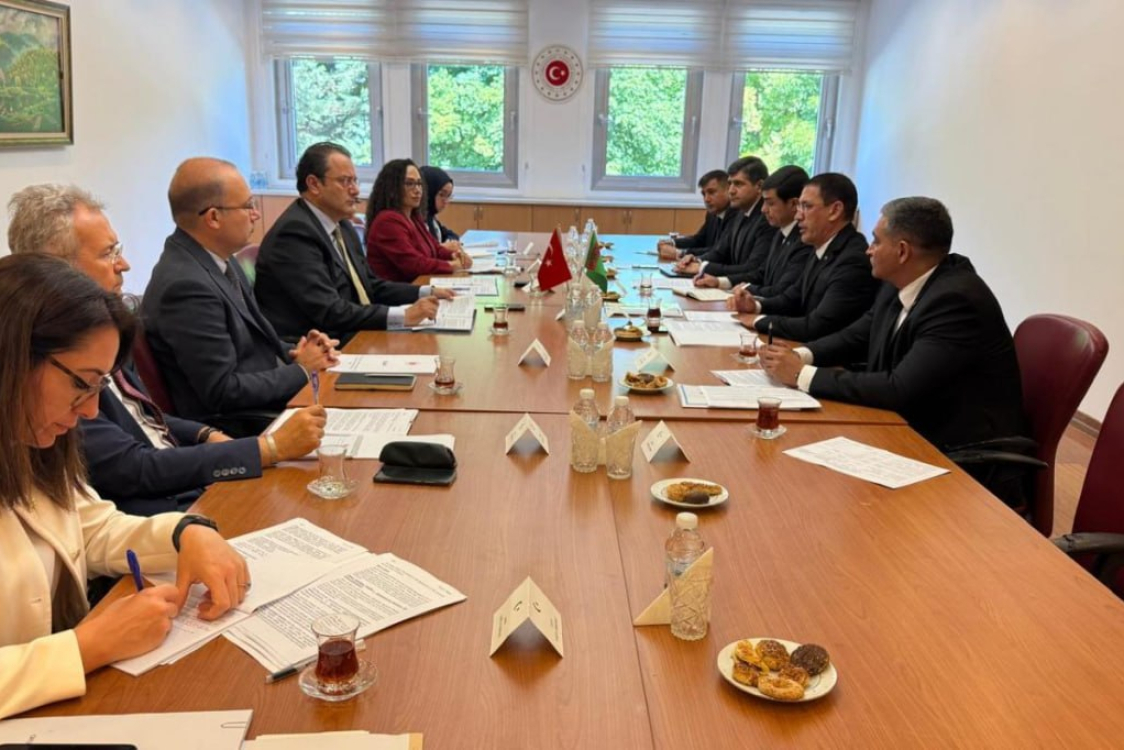
Turkmenistan and Turkey discussed the development of bilateral cooperation
30.07.2026On 28 July, political consultations took place in Ankara between representatives of the Foreign Affairs Ministry of Turkmenistan and the Foreign Affairs Ministry of Turkey. The parties discussed the state of and prospects for the development of bilateral relations, including political cooperation, inter-parliamentary ties, consular matters and the strengthening of the legal and treaty framework, according to the press service of the Foreign Affairs Ministry of Turkmenistan. The participants noted the importance of regular high-level contacts and emphasised the role of reciprocal visits in strengthening the partnership between the two countries. Particular attention was paid to cooperation in the fields of the economy, energy, transport and construction, as well as collaboration within international organisations. The parties also expressed an interest in expanding ties in the fields of culture, education, science, sport and healthcare. As part of the visit, the Turkmen delegation held a meeting with the Deputy Head of the Foreign Affairs Ministry of Turkey, Ayshe Berris Ekinci, during which the parties reaffirmed their intention to continue developing mutually beneficial cooperation.
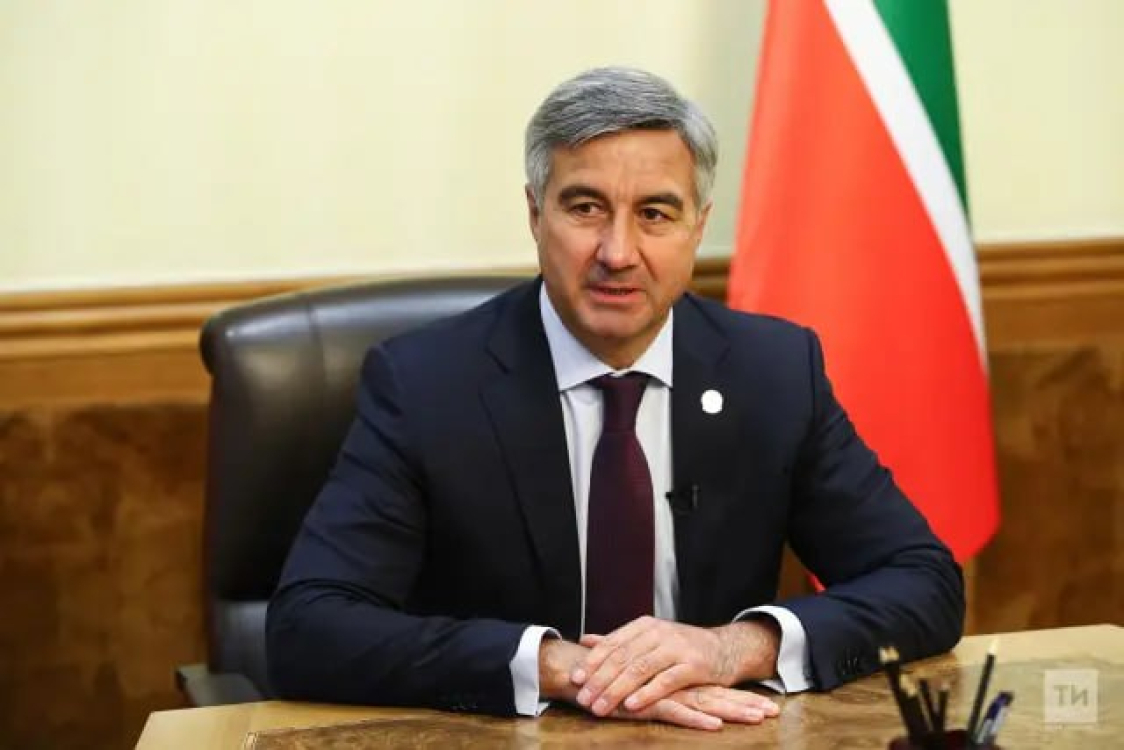
A delegation from Tatarstan will hold a series of meetings in Ashgabat and Turkmenbashi
29.07.2026A delegation from Tatarstan, led by the republic’s Deputy Prime Minister and Chairman of the National Council of the World Congress of Tatars, Vasil Shaikhraziyev, has arrived in Turkmenistan on a four-day working visit. This was reported by the online publication ‘Business Turkmenistan’. The programme for the visit includes meetings in Ashgabat and Turkmenbashi, as well as negotiations with the leadership of the Foreign Affairs Ministry, the Government and the Ministry of Culture of Turkmenistan. The parties will discuss cooperation in the fields of education, tourism and the preservation of historical heritage. The delegation will also visit the International Ahal-Teke Equestrian Sports Complex and the ‘Awaza’ National Tourist Zone. The visit will conclude on 31 July.
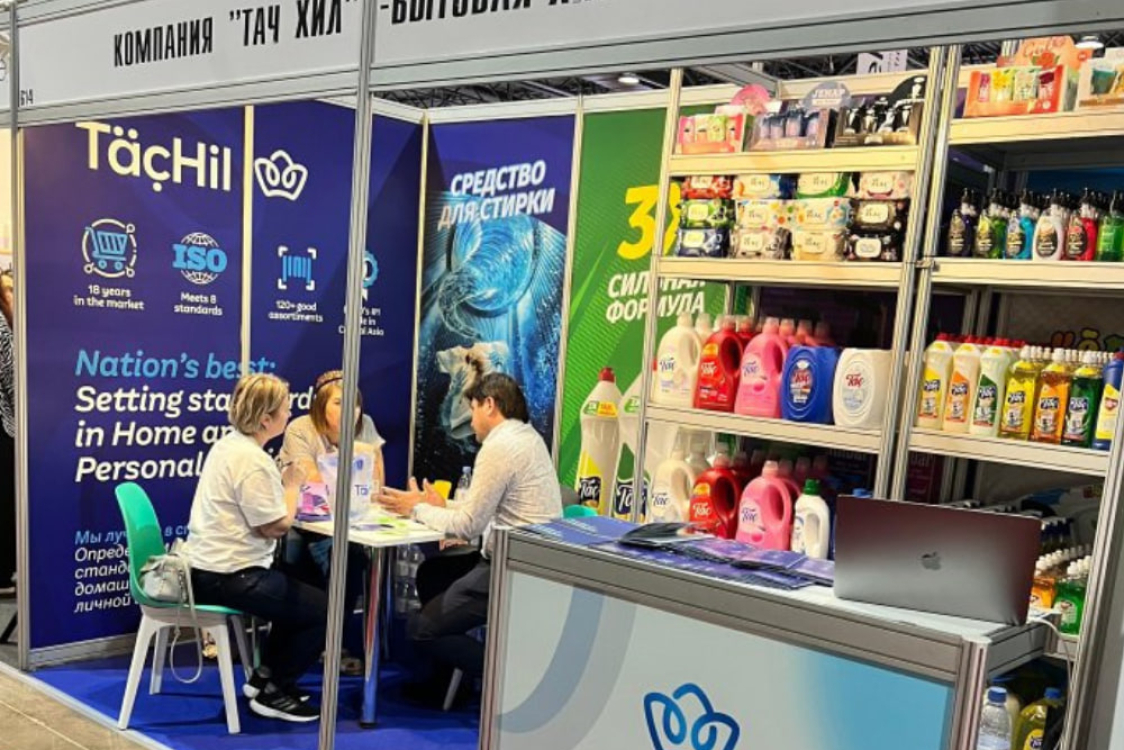
The Turkmen company ‘Täç Hil’ is considering entering the Georgian market
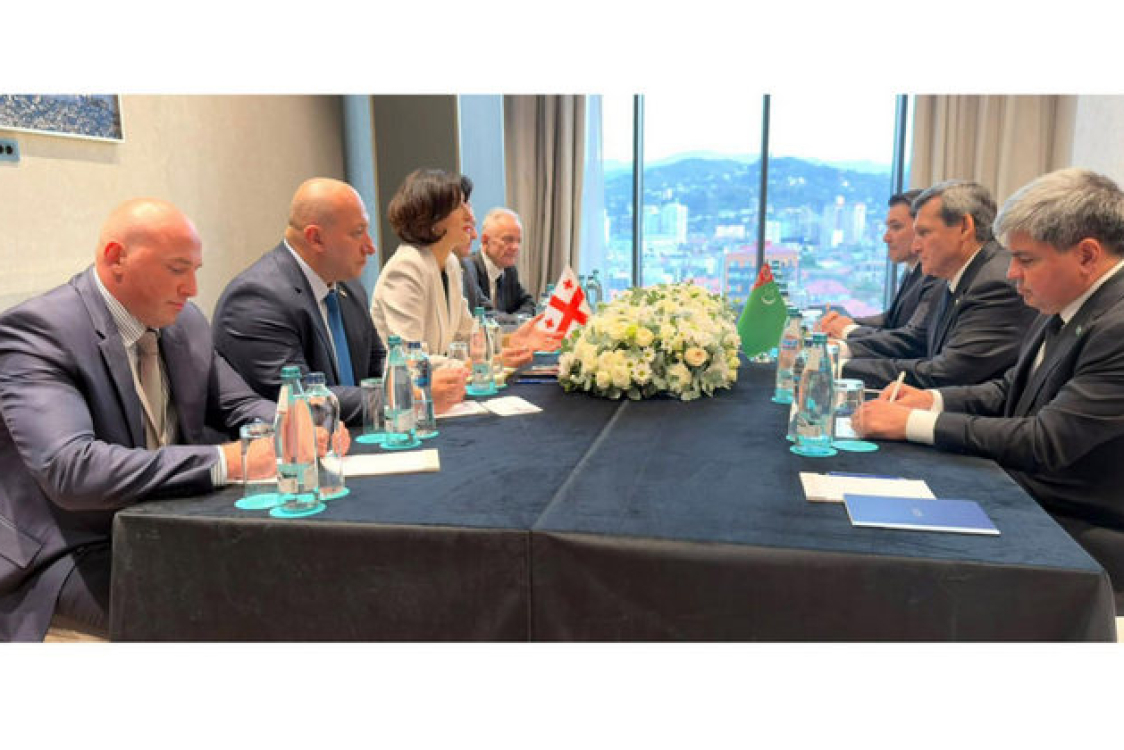
29.07.2026The Turkmen private company ‘Täç hil’ is considering entering the Georgian market with chemical products. This was reported by the online publication ‘Business Turkmenistan’, citing the newspaper ‘Rysgal’. The company’s products are currently exported to Uzbekistan, Kyrgyzstan, Kazakhstan, Azerbaijan, the Russian Federation, Belarus and Afghanistan. Prospects for cooperation with Georgian partners were discussed during the Turkmen-Georgian business conference and a travelling exhibition of Turkmen products, held at the Expo Georgia exhibition centre. At the event, ‘Täç hil’s products were presented to representatives of the foreign market. The company manufactures various types of household chemicals, including liquid soap, cleaning products and other goods. Modern technologies are used in production, taking into account the requirements of international markets. ‘Täç hil’ recently launched its Liora cream-based liquid soap. The 1-litre product is available in five fragrances: Pearl Glow, Milky Honey, Sweet Berries, Fresh Aloe and Ocean Breeze.
The Head of the MFA of Turkmenistan met with the President of the EBRD
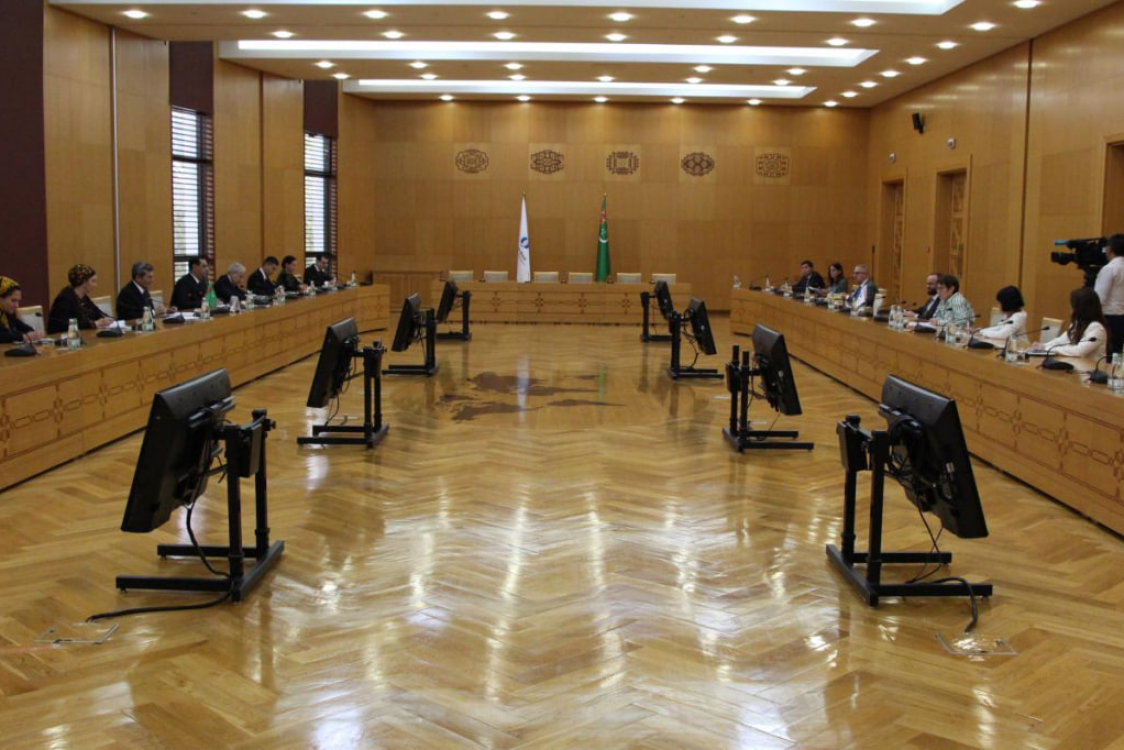
29.07.2026On 28 July 2026, a meeting took place at the Foreign Affairs Ministry of Turkmenistan between Foreign Affairs Minister Rashid Meredov and the President of the European Bank for Reconstruction and Development (EBRD), Odile Renaud-Basso. This was reported by the press office of the Foreign Affairs Ministry of Turkmenistan. The parties noted the further development of Turkmenistan’s cooperation with the EBRD and discussed promising areas for collaboration. Particular attention was paid to supporting economic diversification, the development of ‘green’ energy, regional connectivity, the introduction of environmentally friendly technologies, and support for small and medium-sized enterprises. During the negotiations, projects in the field of transport and logistics infrastructure and the development of regional transport corridors, including the Trans-Caspian Corridor, were examined. Rashid Meredov emphasised the importance of economic reforms, drawing on international expertise and attracting investment. He expressed his gratitude to the EBRD for its assistance in implementing national and regional programmes. Odile Renaud-Basso confirmed the EBRD’s readiness to further develop cooperation and participate in new institutional and infrastructure projects. Following the meeting, the parties reaffirmed their intention to continue working together and to implement joint plans. Following the negotiations, five memoranda of understanding were signed between Turkmen government departments and the EBRD. The documents provide for cooperation on the EBRD’s strategic priorities in Turkmenistan for 2027–2032, the strengthening of the banking sector, support for export-led growth and the diversification of the economy. Agreements were also signed in the fields of sustainable energy, environmental protection, the efficient use of water resources, the modernisation of transport corridors and the development of the country’s transit potential. A separate memorandum was concluded between the Ashgabat City Administration and the EBRD as part of the EBRD’s ‘Green Cities’ programme.
Turkmen teachers are attending a professional development course in Nice
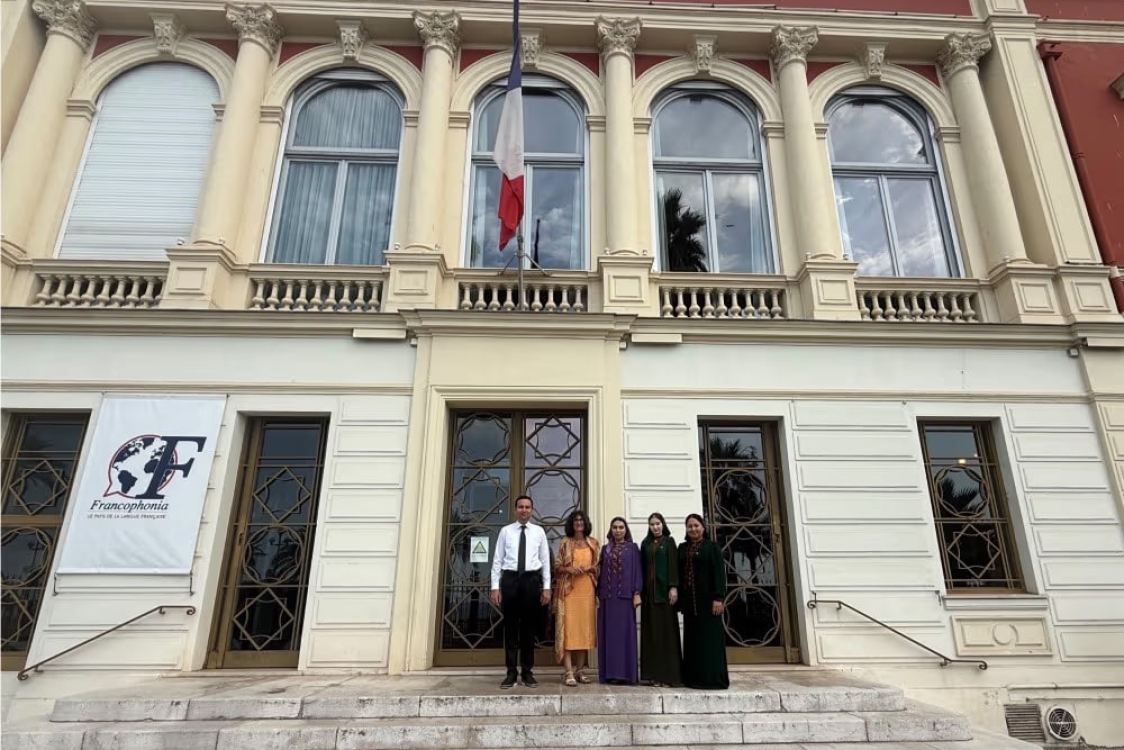
29.07.2026Resul Orazberdiyev, a lecturer in the Department of Romance-Germanic Languages at the Magtymguly Turkmen State University, is taking part in professional development courses at the Francophonie International Centre in Nice. This was reported by IIC of Turkmenistan. Lecturers from the Dovletmammet Azadi Turkmen National Institute of World Languages are also taking part in the educational programme. Participants are studying modern methods of teaching foreign languages and new linguistic approaches. The courses are aimed at enhancing the professional skills of specialists and improving the quality of language education at higher education institutions in Turkmenistan. Upon completion of the training, participants will be awarded international certificates.
Turkmenistan and Tajikistan discussed the development of railway cooperation
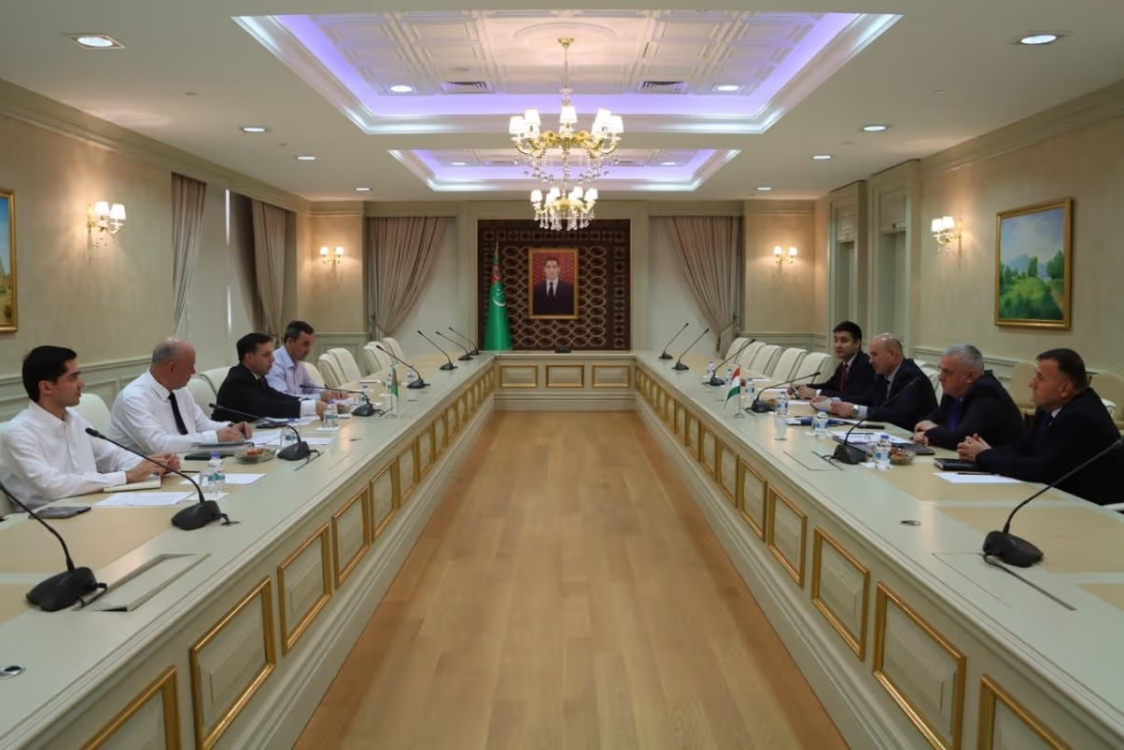
29.07.2026A meeting took place at the Ministry of Rail Transport of Turkmenistan between the Deputy Minister, Sylap Nurberdiyev, and a delegation from the state-owned enterprise ‘Tajik Railways’, led by Deputy Chairman Karimzoda Rajabmurod. This was reported by the IIC of Turkmenistan. The parties discussed ways of expanding cooperation, including increasing freight volumes and improving tariff policy. Particular attention was paid to strengthening transport and logistics links between the two countries.
The ‘Sarahs Awtoýollary’ customs post has been modernised
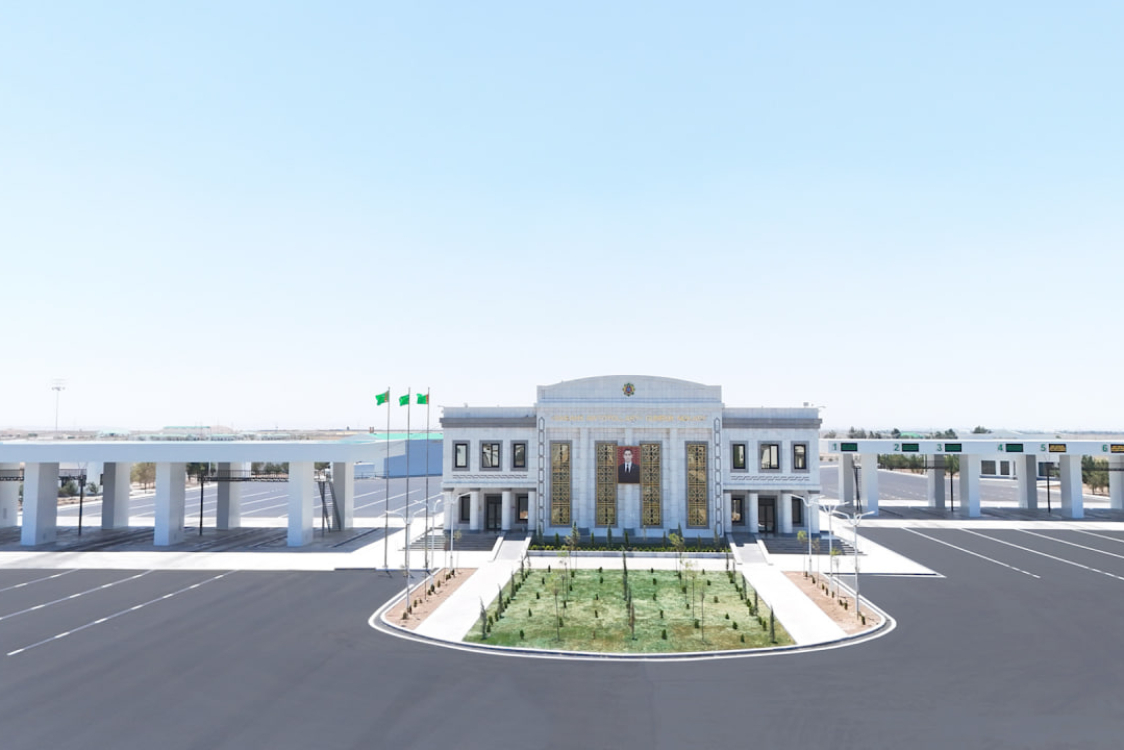
29.07.2026In Turkmenistan, the modernisation of the ‘Sarahs Awtoýollary’ customs post, situated on one of the key sections of the international transport corridors on the Turkmen-Iranian border, has been completed. This was reported by the press office of the State Customs Service of Turkmenistan. During the works, buildings and facilities were renovated, and conditions were created to increase the post’s throughput capacity. A digital management system has also been introduced, ensuring the monitoring and recording of the movement of vehicles and goods, as well as speeding up customs procedures. The ‘Sarahs Awtoýollary’ customs post is situated at the junction of several international transport corridors and plays an important role in the transit of goods and vehicles. The modernisation was carried out as part of a programme for the phased upgrading of Turkmenistan’s border crossings, aimed at developing the country’s transit potential. Previously, following comprehensive reconstruction, the ‘Garabogaz’ and ‘Artyk’ customs posts were put into operation.
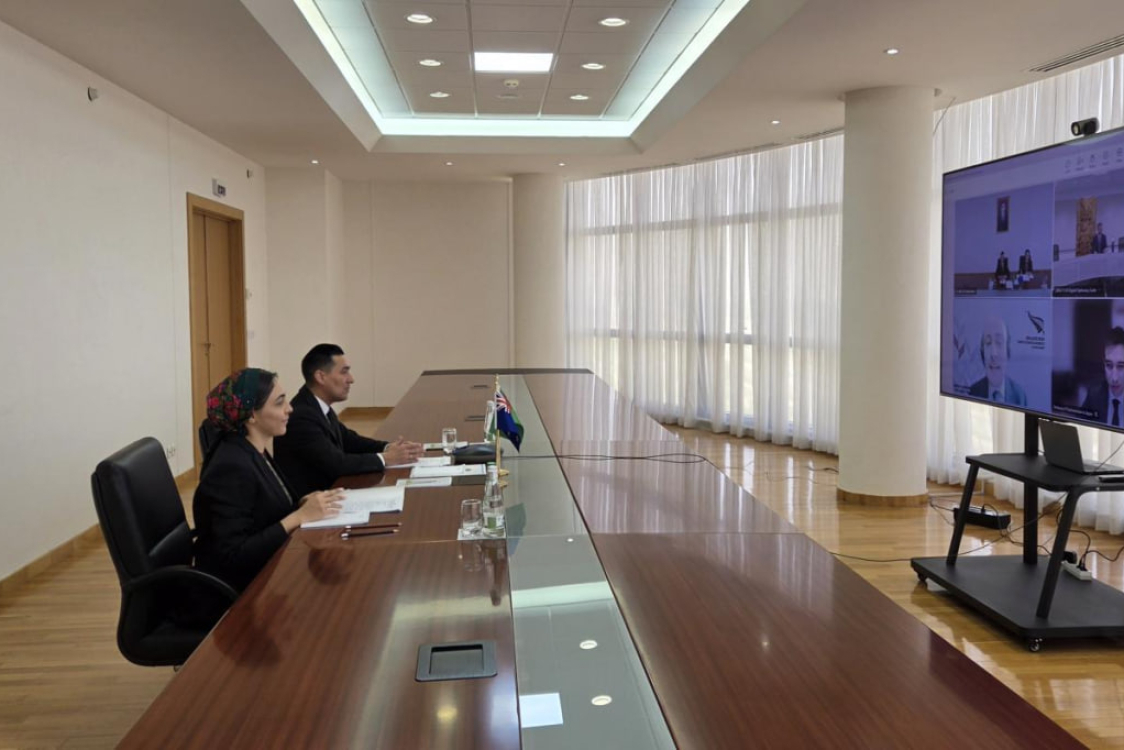
Turkmenistan and New Zealand held their first political consultations
29.07.2026On 28 July, the first political consultations took place between the Foreign Affairs Ministry of Turkmenistan and the Ministry of Foreign Affairs and Trade of New Zealand at the level of department heads. The negotiations were held via videoconference, according to the press office of the Turkmen Foreign Affairs Ministry. The parties discussed the development of political and diplomatic dialogue, reaffirmed their readiness to continue mutually supporting initiatives within international organisations, primarily the UN, and noted their shared approaches to issues relating to the strengthening of peace and stability. Particular attention was paid to cooperation in the areas of sustainable transport, energy and environmental security. The Turkmen side thanked New Zealand for co-sponsoring the resolution initiated by Turkmenistan entitled ‘Reliable and stable transit of energy and its role in ensuring sustainable development and international cooperation’. Prospects for cooperation within the framework of the UN Decade of Sustainable Transport (2026–2035) and possible joint projects were also discussed. The Turkmen side presented initiatives to ensure global environmental security, including the promotion of the UN’s environmental strategy for Central Asia, the establishment of a UN Regional Centre for Climate Change Technologies in Central Asia, and a Regional Centre for Combating Desertification for the countries of Central Asia. The participants in the consultations examined the prospects for expanding trade and economic cooperation. Among the promising areas identified were high technology, agriculture and water management, industry, and the development of direct contacts between representatives of the private sector. The parties paid particular attention to cultural and humanitarian cooperation. They discussed opportunities for inter-university collaboration, joint scientific research, virtual meetings, online festivals, exhibitions, Culture Days, cooperation between museums and libraries, as well as collaboration within the framework of UNESCO. Following the consultations, the parties reaffirmed their intention to develop political dialogue, multilateral diplomacy, and trade, economic, cultural and humanitarian cooperation.
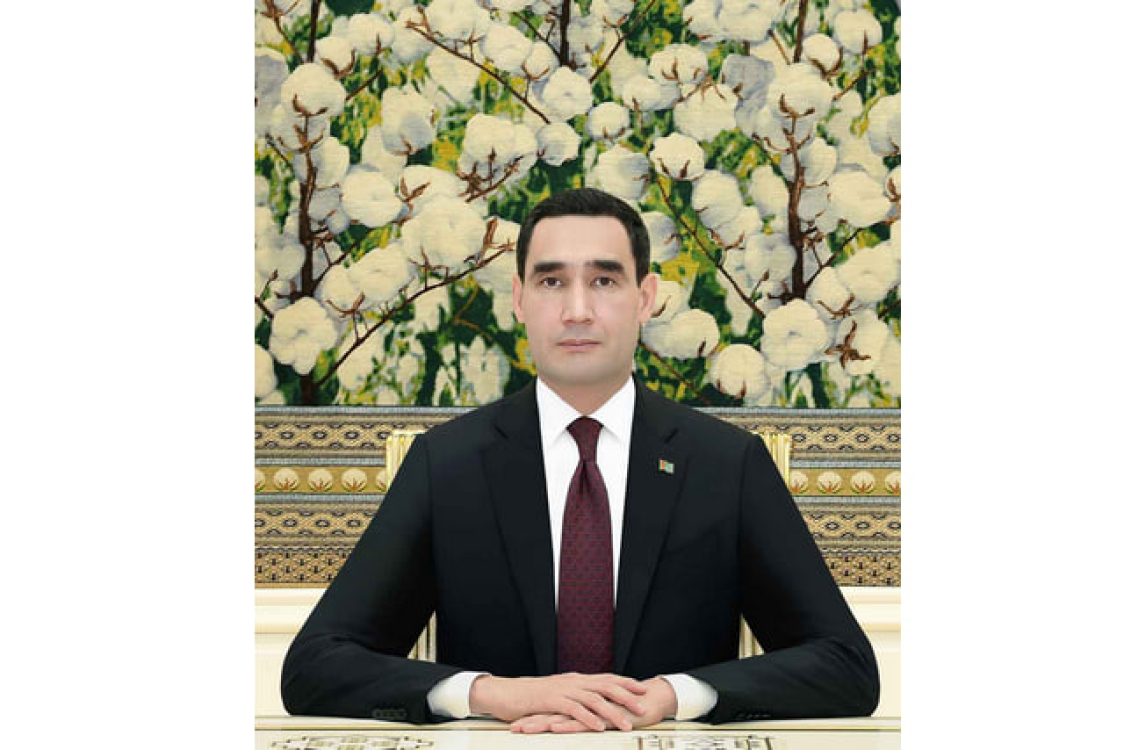
Serdar Berdimuhamedov held a meeting with the head of the EBRD
29.07.2026On 28 July, the President of Turkmenistan, Serdar Berdimuhamedov, held a meeting with the President of the European Bank for Reconstruction and Development (EBRD), Odile Renaud-Basso, who had arrived in Ashgabat on a working visit. This was reported by the news agency TDH. During the negotiations, the parties discussed prospects for expanding cooperation between Turkmenistan and the EBRD in the trade, economic, financial, banking and investment sectors. Odile Renaud-Basso noted the country’s rapid pace of development, spoke positively of the economic reforms being implemented and expressed the bank’s interest in further strengthening the partnership. The Head of State emphasised that Turkmenistan’s socio-economic development strategy is aimed at diversifying the economy, supporting entrepreneurship, producing export-oriented and import-substituting goods, and attracting investment into key sectors. The Head of State identified energy, transport, the digital economy and environmental protection as priority areas for cooperation with the EBRD. Particular attention was paid to the development of the North–South and East–West international transport corridors, as well as the implementation of projects in the field of ‘green’ energy. In addition, discussions centred on the development of agriculture, the rational use of water resources and the expansion of cooperation in the banking, financial and transport and logistics sectors. Following the meeting, the parties expressed their confidence in the further strengthening of the partnership between Turkmenistan and the EBRD and reaffirmed their readiness to develop mutually beneficial cooperation.
Read also
Advertising

 Read us in Zen


