

News
Iran presented energy and transit projects at TIF 2026
02.10.2026As part of the Turkmen Investment Forum (TIF 2026) in Ashgabat, a representative from Iran delivered a presentation on trade, economic, transport and investment cooperation with the countries of Central Asia and the CIS. This was reported by the IIC. The speech highlighted joint projects between Iran and Turkmenistan, including the ‘Korpeje–Kordkuy’ gas pipeline, the ‘Dostluk’ bridge across the Tejen River and the ‘Kazakhstan–Turkmenistan–Iran’ railway. Particular attention was paid to the development of the ‘North–South’ International Transport Corridor and the Middle Corridor. According to the Iranian representative, these routes could help expand Central Asia’s transit links with markets in the Middle East and other regions. The Iranian delegation also outlined opportunities for cooperation in the energy sector, logistics, the agro-industrial sector and free economic zones. Among the tools available to investors, the ‘Single Window’ mechanism, investment service centres and the digital platform investiniran.ir were highlighted. In conclusion, the Iranian side expressed its readiness to implement joint projects in the fields of energy, transit and agriculture.
Turkmenistan and Armenia discussed the development of transport links
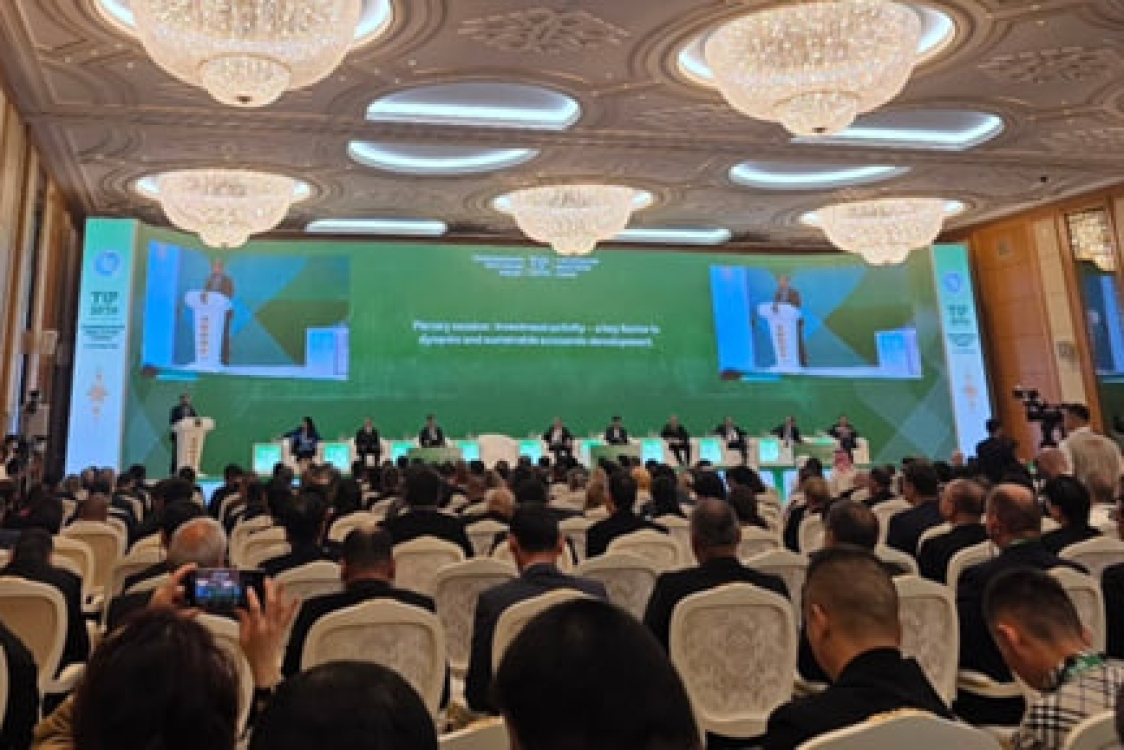
02.10.2026Gevorg Papoyan, Minister of Economy of the Republic of Armenia, addressed the plenary session of the Turkmenistan Investment Forum (TIF 2026) entitled ‘Investment activity – a key factor in dynamic and sustainable economic development’. This was reported by the IIC. In his speech, Gevorg Papoyan noted that modern investment policy must take into account not only the volume of capital attracted, but also its impact on the introduction of new technologies and the improvement of production efficiency. According to the minister, Armenia is focusing on economic growth through digitalisation, the reduction of administrative barriers and the expansion of the high-tech sector. A significant part of the speech was devoted to infrastructure development and the strengthening of transport links between regions. Gevorg Papoyan presented the ‘Crossroads of Peace’ initiative, under which the multimodal TRIPP (Trump Route for International Peace and Prosperity) project is being implemented. The Minister for the Economy of the Republic of Armenia noted that the new route could expand transport links between Central Asia, the Caspian region, the South Caucasus, Turkey and European markets. It is expected that the development of such links will create additional logistical opportunities and reduce transport costs for foreign trade participants. Separately, Gevorg Papoyan emphasised the importance of Turkmenistan for transport and energy cooperation in the Caspian region. He advocated the further development of business ties between the two countries, highlighting logistics, industry, agriculture and digital technologies as promising areas.
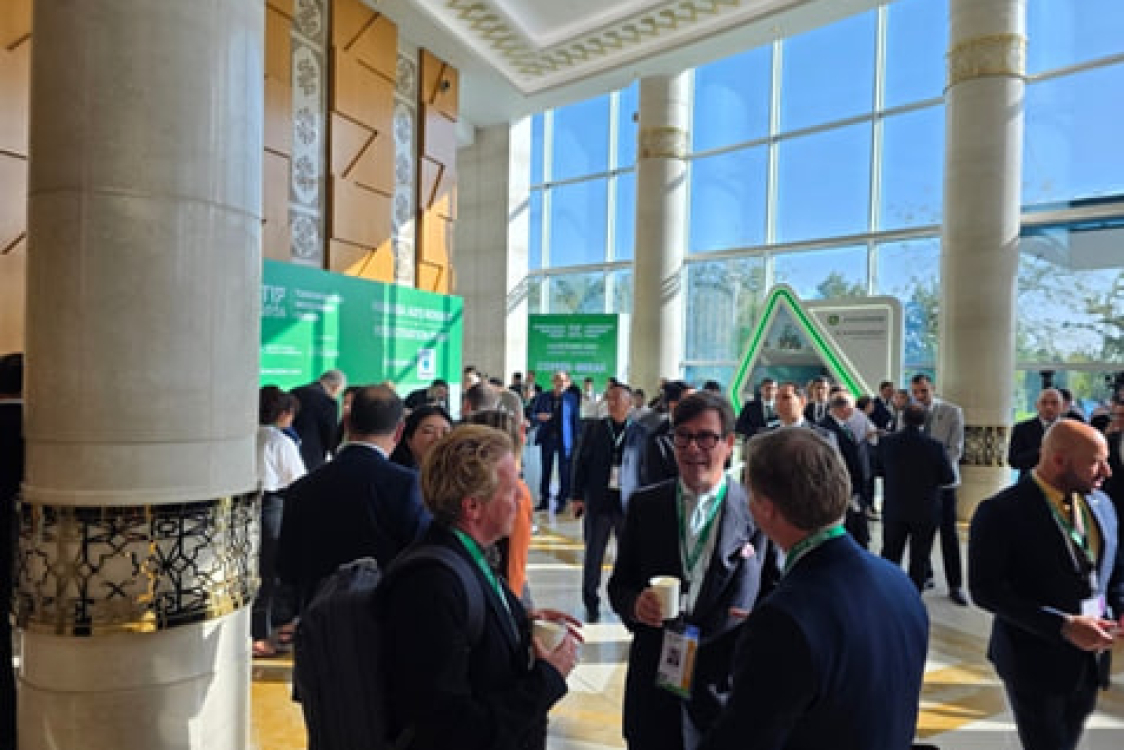
The Turkmenistan Investment Forum ‘TIF 2026’ is continuing in Ashgabat
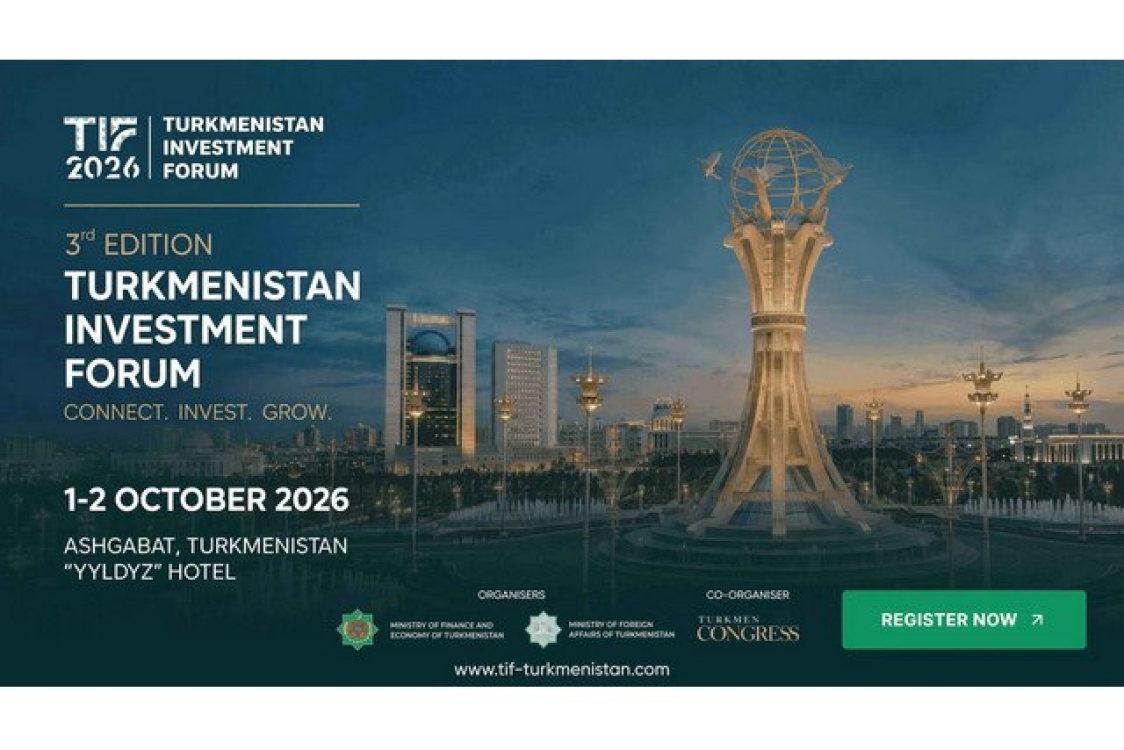
02.10.2026The Turkmenistan Investment Forum (TIF 2026) is continuing in Ashgabat, taking place at the ‘Ýyldyz’ Hotel in the capital. Participants in the event include representatives of the World Bank, the European Bank for Reconstruction and Development, the International Finance Corporation and the Asian Development Bank, as well as heads of European Union diplomatic missions, according to IIC of Turkmenistan. The key event on the business agenda was a plenary session on the topic ‘Investment activity – a key factor in dynamic and sustainable economic development’. The forum’s programme is organised around five main areas. Energy and the oil and gas sector. Participants are examining opportunities to expand export infrastructure, diversify supply routes and attract investment into major projects. Particular attention is being paid to opening up new markets for products from the oil and gas and chemical industries. Energy security and the transition to a ‘green’ economy. Within this area, discussions focus on the rational use of resources in industry and construction, the further development of the electricity sector, the introduction of renewable energy sources, and the strengthening of environmental cooperation between countries in the region. Transport and logistics. Discussions focus on the development of Turkmenistan’s transport and transit potential along the ‘North–South’ and ‘East–West’ routes. Issues relating to the expansion of multimodal transport and the application of digital solutions on the Trans-Caspian transport route are also being considered. Trade and public–private partnerships. Business representatives are discussing opportunities for Turkmen companies to enter new markets, the development of e-commerce and the application of modern PPP mechanisms, drawing on international and regional experience. Agribusiness and environmental technologies. Participants are examining the prospects for climate-resilient agriculture and the expansion of value-added processing of cotton and textile raw materials. A separate session is dedicated to environmentally friendly technologies capable of enhancing the competitiveness of Turkmenistan’s products. TIF 2026 serves as a platform for presenting the country’s investment opportunities, establishing new business contacts and discussing the prospects for implementing joint projects with foreign partners.
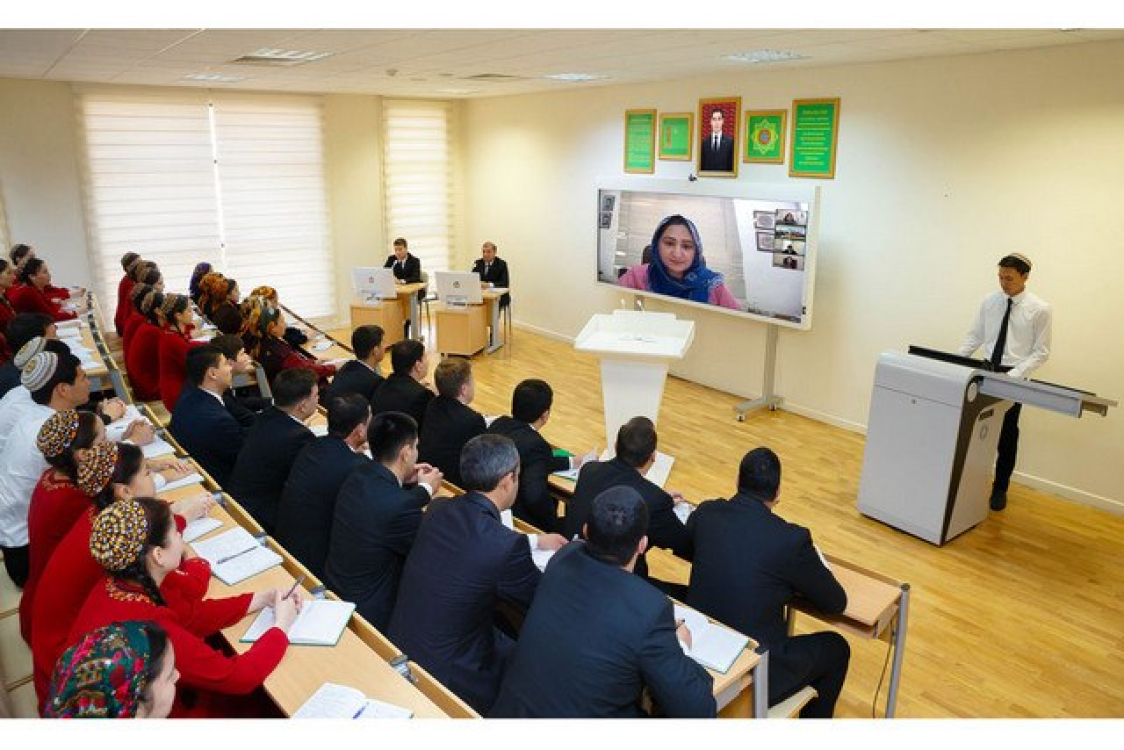
TSU students took part in an online training course on innovative technologies
02.10.2026On 29 September, professors and lecturers from Pakistan’s National University of Modern Languages held a video conference for students of the Faculty of Information Technology at the Magtymguly Turkmen State University. This was reported by the press office of the Turkmen university. The participants discussed the application of artificial intelligence in education, mobile software testing, cybersecurity issues and robotic technologies. The training took place as part of a Memorandum of Understanding between the Turkmen and Pakistani universities.
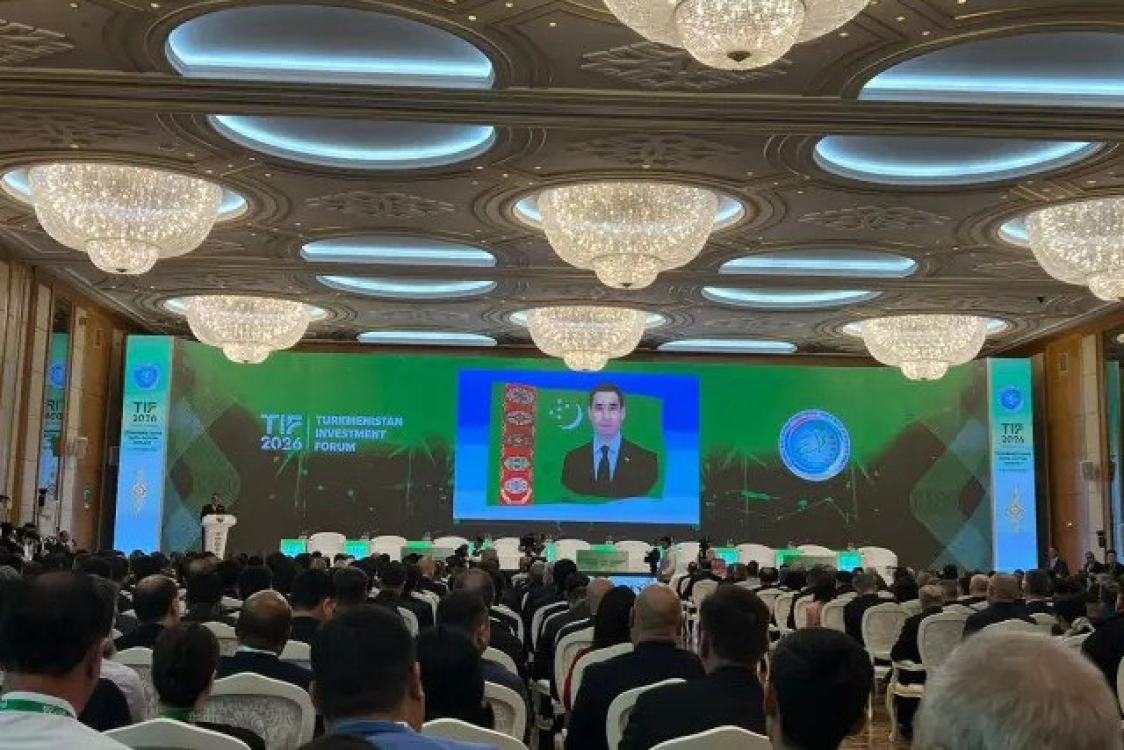
The ‘Turkmenistan Investment Forum 2026’ has opened in Ashgabat
01.10.2026The ‘Turkmenistan Investment Forum 2026’ (TIF 2026) opened on 1 October in Ashgabat. The two-day event brought together investors, representatives of financial organisations, companies and industry leaders, according to Turkmenportal. At the opening ceremony, an address by the President of Turkmenistan, Serdar Berdimuhamedov, was read out to the participants. In it, he described the forum as a platform for dialogue between foreign investors, international financial organisations, government bodies and the private sector. The Head of State highlighted the importance of investment for economic diversification, industrial development, the introduction of digital technologies and the principles of the ‘green’ economy. Among the factors contributing to the country’s investment attractiveness, he singled out its geographical location and natural resources. The forum is organised by the Ministry of Finance and Economy and the Ministry of Foreign Affairs of Turkmenistan, in conjunction with the company ‘Turkmen Congress’. The business programme includes plenary sessions, B2G meetings, investment partner matching and seminars involving international financial organisations and export credit agencies. Participants will discuss projects in the fields of infrastructure, industry, energy and technology.
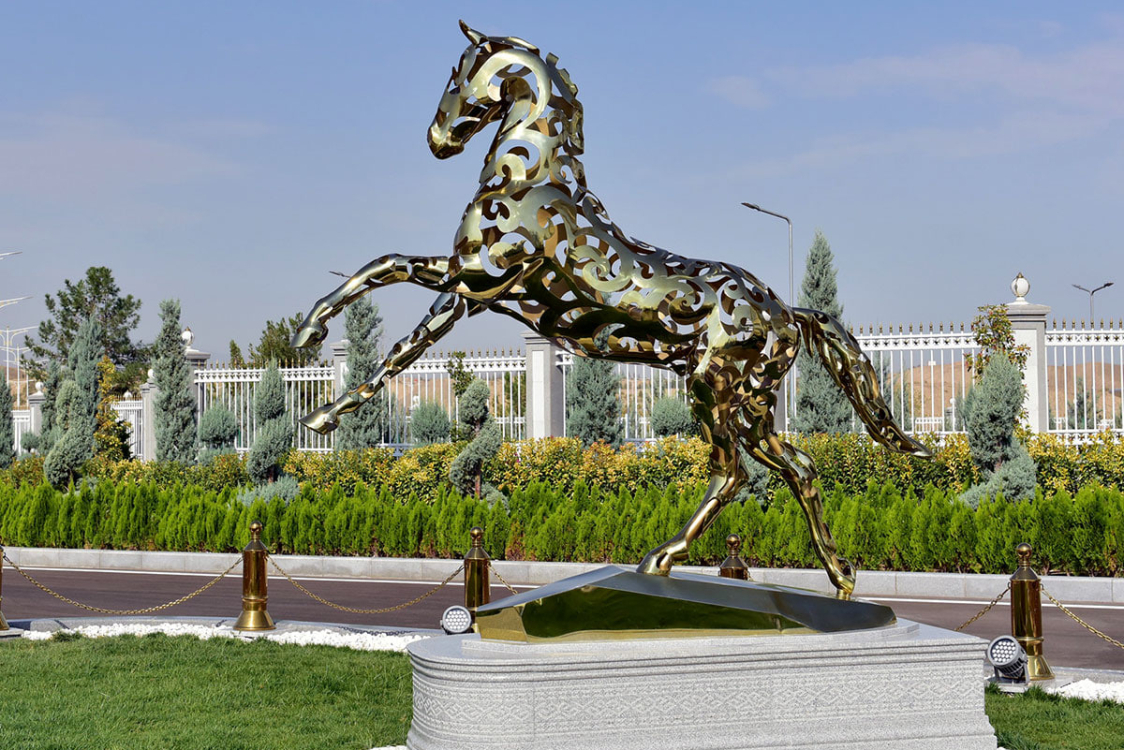
The Ahal-Teke Equestrian Complex is equipped to accommodate racehorses all year round
01.10.2026During his speech at the opening ceremony of the Ahal-Teke Equestrian Complex of the President of Turkmenistan, the National Leader of the Turkmen people and Chairman of the Halk Maslahaty of Turkmenistan, Gurbanguly Berdimuhamedov, noted that the complex is equipped for the year-round care and breeding of Ahal-Teke horses. This was reported by the news agency ‘Turkmenistan: Golden age’. The architecture of the facility blends in with the natural landscape and incorporates elements featuring depictions of famous Ahal-Teke horses. The complex includes laboratories and specialised departments fitted with modern veterinary equipment. These are used to study the physiological characteristics of the racehorses and monitor their health. To ensure a sufficient feed supply, alfalfa, various varieties of carrot and ‘Babarap’ apple trees are grown on the premises. There are also barns for storing feed, including barley and hay. The new complex is designed to further the work of preserving the pure bloodline and breeding Ahal-Teke racehorses using scientific and practical methods.
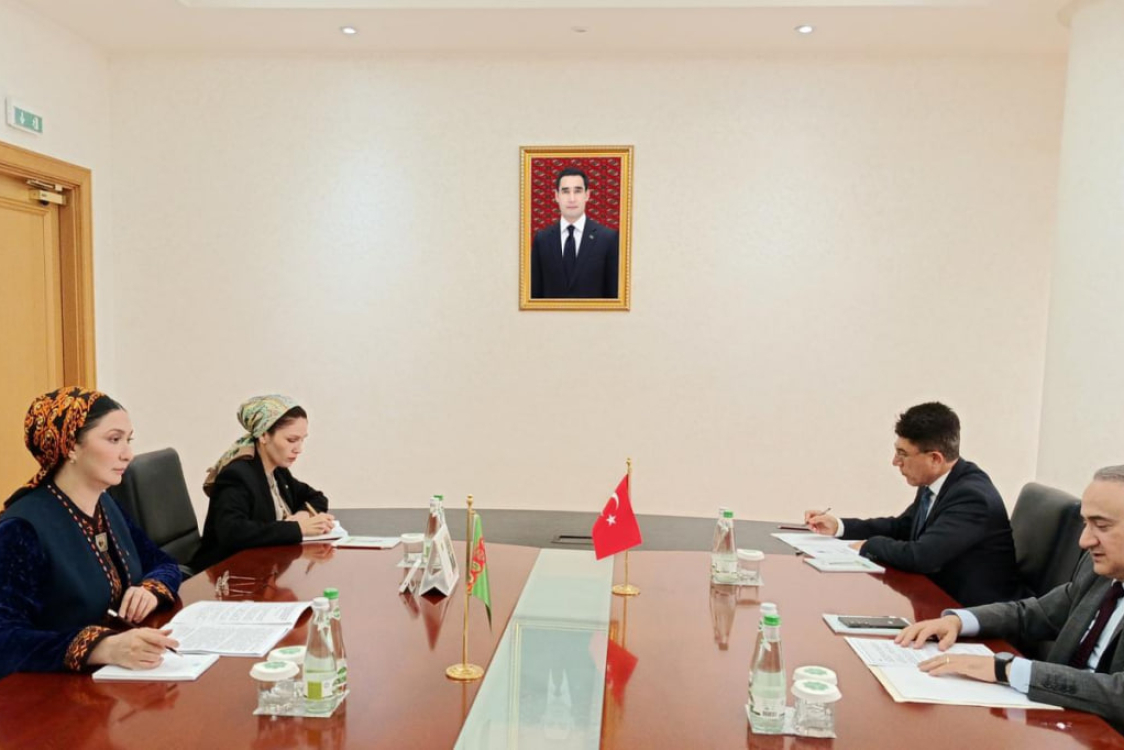
Ashgabat and Ankara have reaffirmed their interest in developing cooperation
01.10.2026On 30 September 2026, a meeting took place at the Foreign Affairs Ministry of Turkmenistan between the Deputy Foreign Affairs Minister of Turkmenistan, Myahri Byashimova, and the Ambassador of the Republic of Turkey to Turkmenistan, Shener Cebeci. This was reported by the press office of the Foreign Affairs Ministry of Turkmenistan. The parties discussed the current state and prospects for the development of Turkmen-Turkish relations, as well as topical issues of bilateral cooperation. Particular attention was paid to strengthening political and diplomatic dialogue, cultural and humanitarian cooperation, and collaboration in international forums. The parties reaffirmed their commitment to further developing constructive cooperation and maintaining regular contacts.
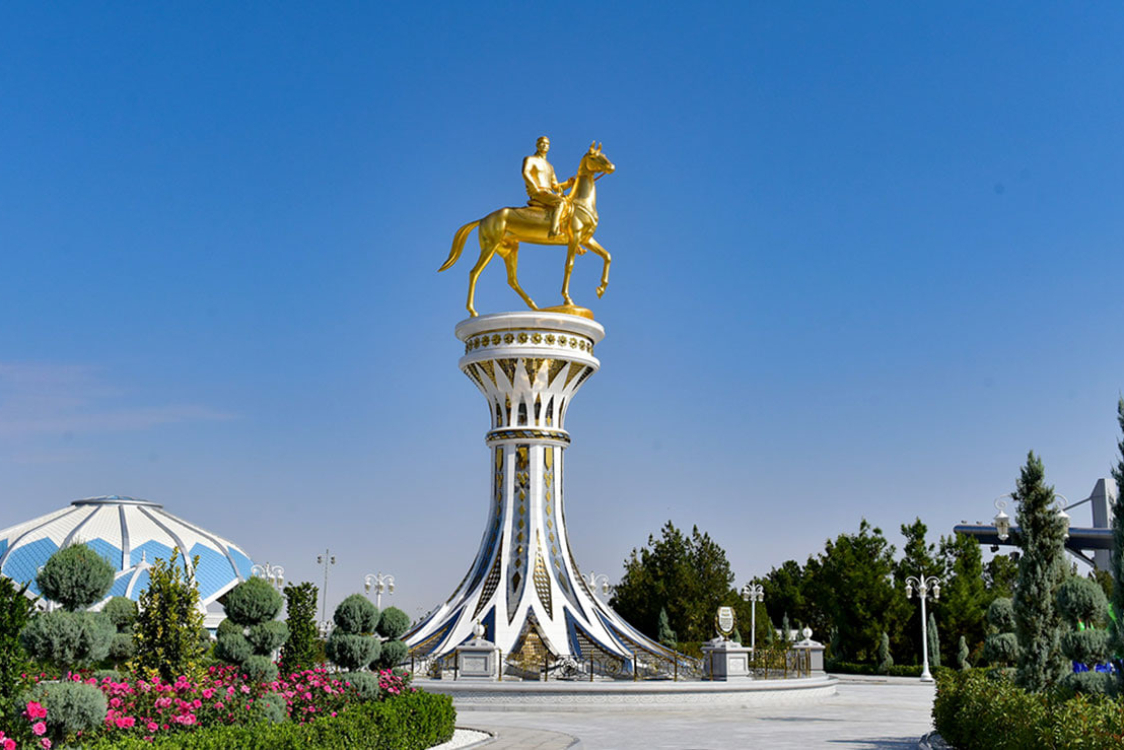
The Ahal-Teke Equestrian Complex has been fitted out with state-of-the-art sports facilities
01.10.2026At the opening of the Ahal-Teke Equestrian Complex of the President of Turkmenistan, the National Leader of the Turkmen people and Chairman of the Halk Maslahaty of Turkmenistan, Gurbanguly Berdimuhamedov, highlighted the standard of its sports and training infrastructure and amenities. This was reported by the news agency ‘Turkmenistan: Golden age’. The complex’s infrastructure meets international equestrian standards. For athletes and horse trainers, there are open-air and indoor riding arenas, a water treadmill, galloping tracks, spectator stands, an arena for horse training, and a special area for holding beauty contests for Ahal-Teke horses. A photo studio has been created for visitors, featuring themed settings reflecting the different seasons. Here, visitors can take commemorative photographs with Ahal-Teke horses. The access road to the complex and the lighting system have been completely refurbished. At the start of the route stand the sculptural composition ‘Ýanardag taýçanagy bilen binasy’ and the ‘Atly aýlaw’ monument. A woodland area has been created around the complex, creating a favourable microclimate and complementing the natural landscape.
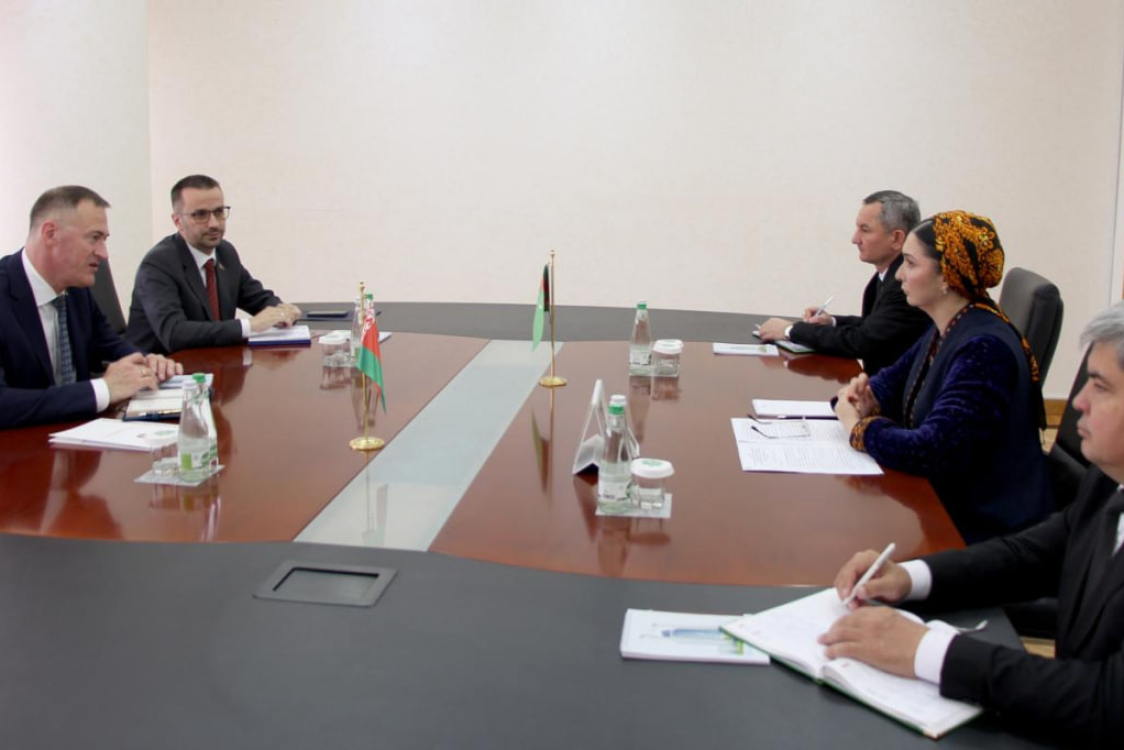
Turkmenistan and Belarus discussed current issues relating to cooperation
01.10.2026On 30 September 2026, a meeting took place at the Foreign Affairs Ministry of Turkmenistan between Myahri Byashimova, Deputy Foreign Affairs Minister of Turkmenistan, and Stanislav Chepurnoy, Ambassador Extraordinary and Plenipotentiary of the Republic of Belarus to Turkmenistan. This was reported by the press office of the Foreign Affairs Ministry of Turkmenistan. The parties discussed current issues of bilateral cooperation, including in the cultural and humanitarian spheres. Particular attention was paid to preparations for the upcoming events at the ‘Awaza’ National Tourist Zone as part of Turkmenistan’s chairmanship of the CIS.
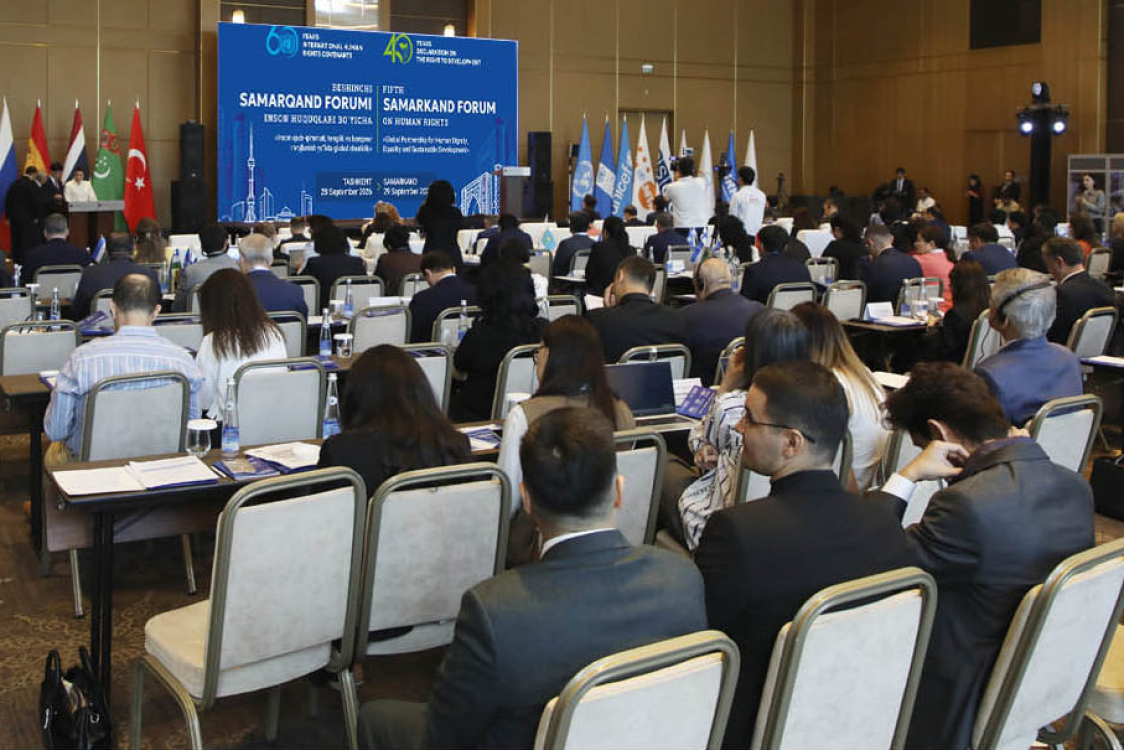
Turkmenistan shared its experience in the field of migration at a forum in Samarkand
01.10.2026From 28 to 29 September 2026, the 5th Samarkand Human Rights Forum took place in Samarkand. The event was attended by international experts and representatives of the State Migration Service of Turkmenistan. This was reported by the agency’s press office. The main topics of the forum were the factors contributing to human trafficking, international experience in combating this phenomenon, and the use of information technology to identify victims of human trafficking. Participants discussed the identification of victims of human trafficking, the provision of assistance to them, and cooperation between state institutions, civil society and international organisations. The Turkmen delegation presented information on the country’s work in the field of migration, humanitarian policy and cooperation with international organisations. Following the forum, the parties expressed their willingness to continue their mutual cooperation.
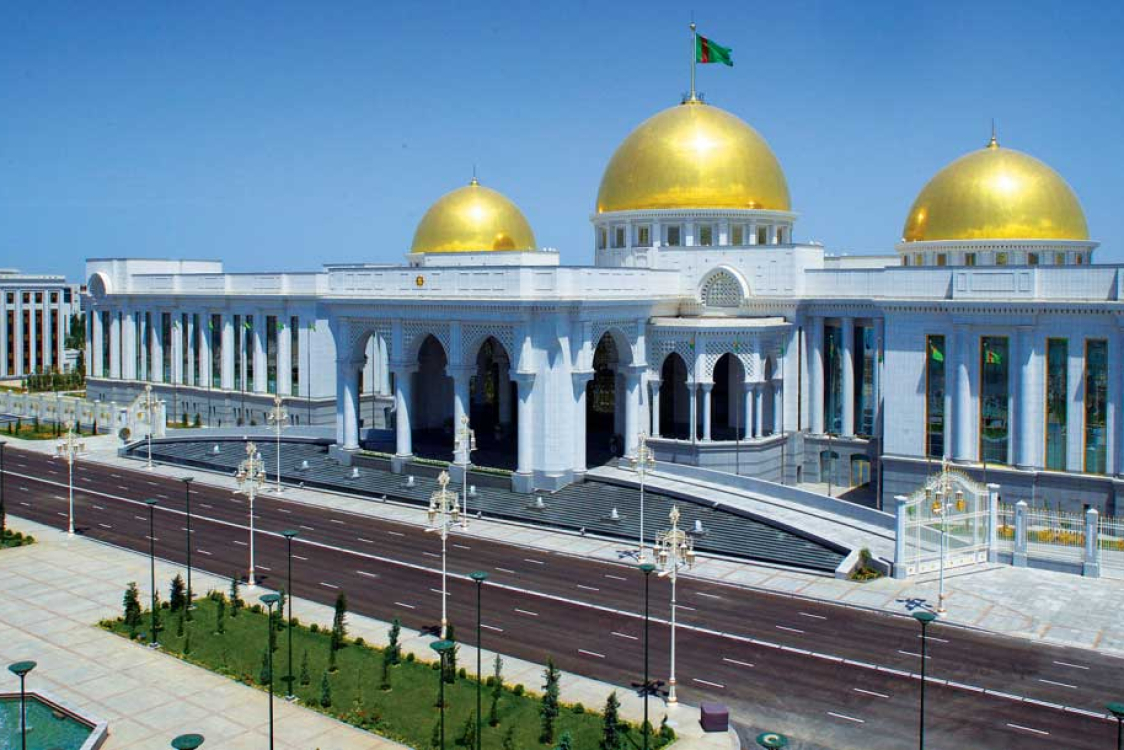
Serdar Berdimuhamedov sent his congratulations to the Chinese leadership
01.10.2026President Serdar Berdimuhamedov has sent messages of congratulations to Xi Jinping, President of the People’s Republic of China, and Li Qiang, Premier of the State Council of the People’s Republic of China, on the occasion of the anniversary of the founding of the People’s Republic of China. This was reported by the news agency TDH. The Head of State noted China’s role in developing international cooperation and promoting a constructive agenda based on the principles of mutual respect and equality. The President of Turkmenistan emphasised that the country highly values the current level of trust and mutual understanding with the People’s Republic of China. According to the Head of State, the two countries are consistently expanding practical cooperation, strengthening trade and economic ties, developing partnerships in the energy, transport and humanitarian sectors, and maintaining a constructive dialogue on the international stage. Serdar Berdimuhamedov expressed his confidence in the further strengthening of bilateral cooperation and wished the Chinese leadership health, happiness and success, and the people of China peace, prosperity and well-being.
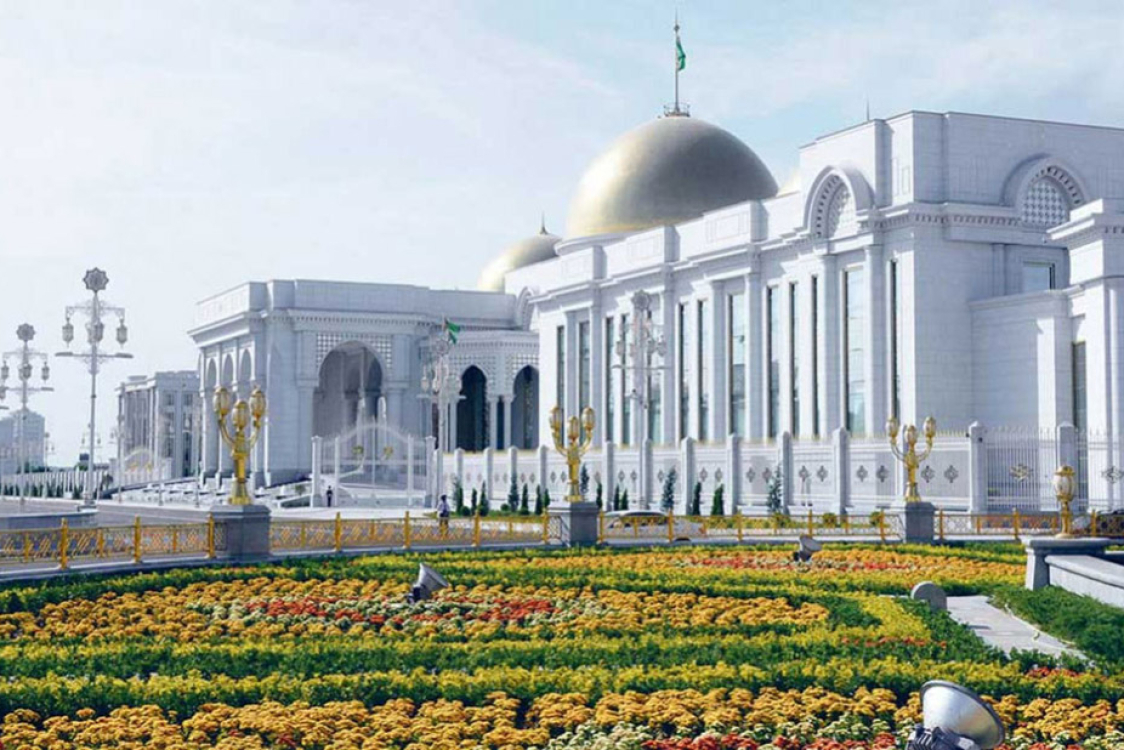
The President of Turkmenistan congratulated the participants at the Investment Forum
01.10.2026The President of Turkmenistan, Serdar Berdimuhamedov, has sent a message of congratulations to the participants of the Turkmenistan Investment Forum, which is taking place in Ashgabat. This was reported by the news agency TDH. In his message, Serdar Berdimuhamedov highlighted the forum’s role in attracting investment, developing industry and introducing modern technologies. The Head of State emphasised that the event is intended to broaden dialogue between foreign investors, international financial and banking institutions, government bodies and the private sector in Turkmenistan. Forum participants will have the opportunity to discuss promising areas of cooperation, new production facilities, digital financial instruments and sustainable development technologies. According to the President of Turkmenistan, the country’s geopolitical and geo-economic position, as well as its natural resources, create opportunities for investment cooperation. Reforms aimed at industrialisation, digitalisation, the rational use of resources and the introduction of modern technologies are continuing in the country. Serdar Berdimuhamedov also highlighted the implementation of regional infrastructure projects. These include the ‘Arkadagyň ak ýoly’ section of the ‘Turkmenistan–Afghanistan–Pakistan–India’ gas pipeline between Serhetabat and Herat, as well as the ‘Turkmenistan–Afghanistan–Pakistan’ power transmission and fibre-optic communication lines. The President of Turkmenistan announced the continuation of an investment policy focused on developing scientific and technological potential, introducing innovations and expanding international economic cooperation.
Read also
Advertising
 Read us in Zen


