


News
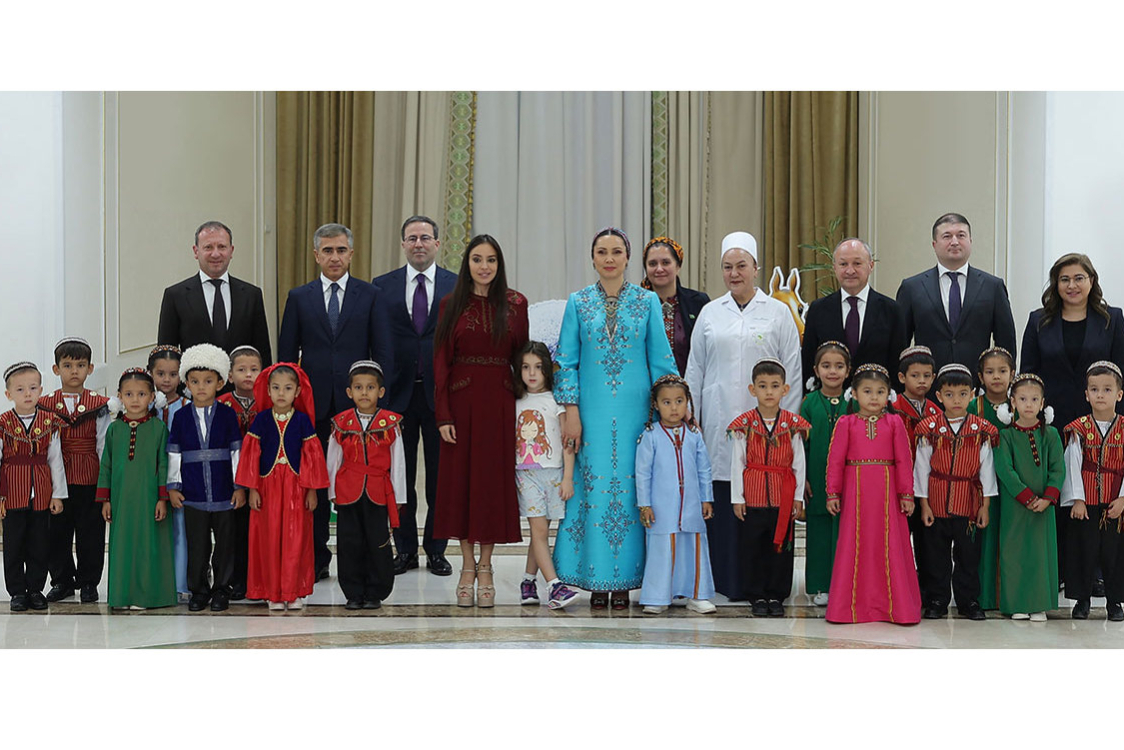
Turkmenistan and Azerbaijan discussed cultural and humanitarian cooperation
20.10.2026On October 19, Leyla Aliyeva, Vice-President of the Heydar Aliyev Foundation of the Republic of Azerbaijan, visited the headquarters of the Gurbanguly Berdimuhamedov Charitable Foundation for Children in Need of Care in the city of Arkadag. During the visit, she met with Oguljahan Atabayeva, Vice-President for Medical Affairs at the Charitable Foundation, according to the TDH news agency. Oguljahan Atabayeva welcomed the guest and thanked her for participating in the opening of the “Mother Nature” exhibition in Turkmenistan. The vice president of the Charitable Foundation noted the significance of the Heydar Aliyev Foundation’s activities and emphasized that the exhibition helps draw attention to environmental protection issues. The “Mother Nature” project was first presented in November 2024 at the Heydar Aliyev Center in Baku as part of COP-29. Subsequently, the exhibition was held in Bahrain, the United Kingdom, Switzerland, and Spain. Oguljahan Atabayeva expressed her gratitude to Leyla Aliyeva and all project participants for their assistance in organizing the exhibition in Turkmenistan. During the meeting, the parties also discussed the prospects for Turkmen-Azerbaijani cooperation. Oguljahan Atabayeva expressed interest in expanding cooperation in the areas of children’s health care, inclusive education, and social support for families in need. In this area, the Charitable Foundation is studying international best practices and collaborating with the Sun Qingling Foundation and the United Nations Children’s Fund (UNICEF). Oguljahan Atabayeva reaffirmed her readiness to continue working together, exchange experiences, and develop cooperation in areas related to children’s well-being. Leyla Aliyeva expressed her gratitude for the invitation, the warm reception, and the support provided for the “Mother Nature” exhibition in Ashgabat. The guest also noted that relations between Azerbaijan and Turkmenistan, based on shared history, culture, language, and spiritual values, are developing within the framework of a strategic partnership. Regular high-level political dialogue and mutual visits by the heads of state play an important role in strengthening bilateral ties. At the conclusion of the meeting, Oguljahan Atabayeva and Leyla Aliyeva expressed confidence in the successful holding of the “Mother Nature” exhibition in Ashgabat and exchanged best wishes.
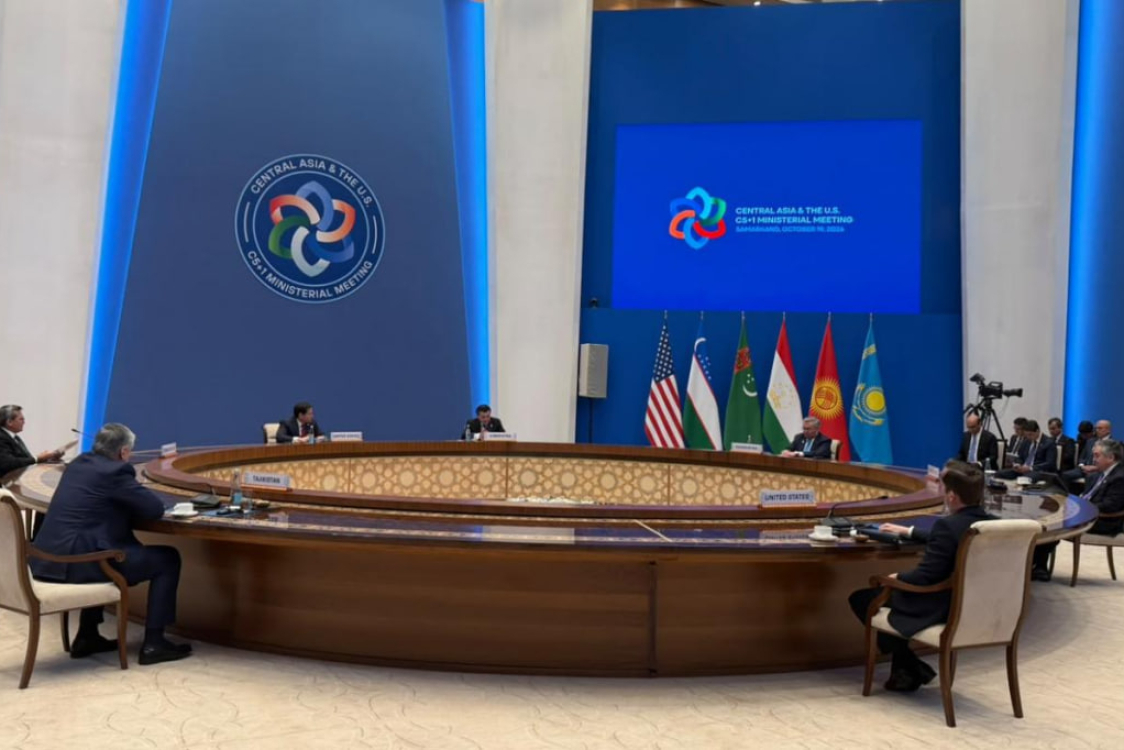
Central Asia and the United States discussed strengthening cooperation within the C5+1 framework
20.10.2026On October 19, 2026, Samarkand hosted the latest meeting of the foreign ministers of Central Asian countries and the U.S. Secretary of State in the “C5+1” format. This was reported by the press service of the Ministry of Foreign Affairs of Turkmenistan. The participants discussed the development of political, trade, economic, investment, and regional cooperation. The parties reaffirmed their commitment to a long-term partnership based on respect for the sovereignty, independence, and territorial integrity of states. Particular attention was paid to the development of transport and logistics links, including the Trans-Caspian International Transport Route, as well as to expanding trade and attracting investment. The prospects for industrial cooperation, digitalization, and the implementation of artificial intelligence and modern technologies were also discussed. The agenda included cooperation in the energy sector, the extraction and processing of natural resources, the development of export opportunities, and the strengthening of regional security. The parties discussed countering terrorism, organized crime, illicit trafficking in drugs and weapons, human trafficking, ensuring border security, and protecting critical infrastructure. The participants also noted the importance of cooperation in the areas of nuclear safety, the peaceful use of nuclear energy, the preservation of cultural heritage, and the development of educational and cultural exchanges and tourism. Following the meeting, a Joint Statement was adopted by the foreign ministers of the Central Asian countries and the United States within the “C5+1” framework. The document reaffirms the commitment to strengthening this framework as a platform for political dialogue and practical cooperation aimed at ensuring regional stability and socioeconomic development.
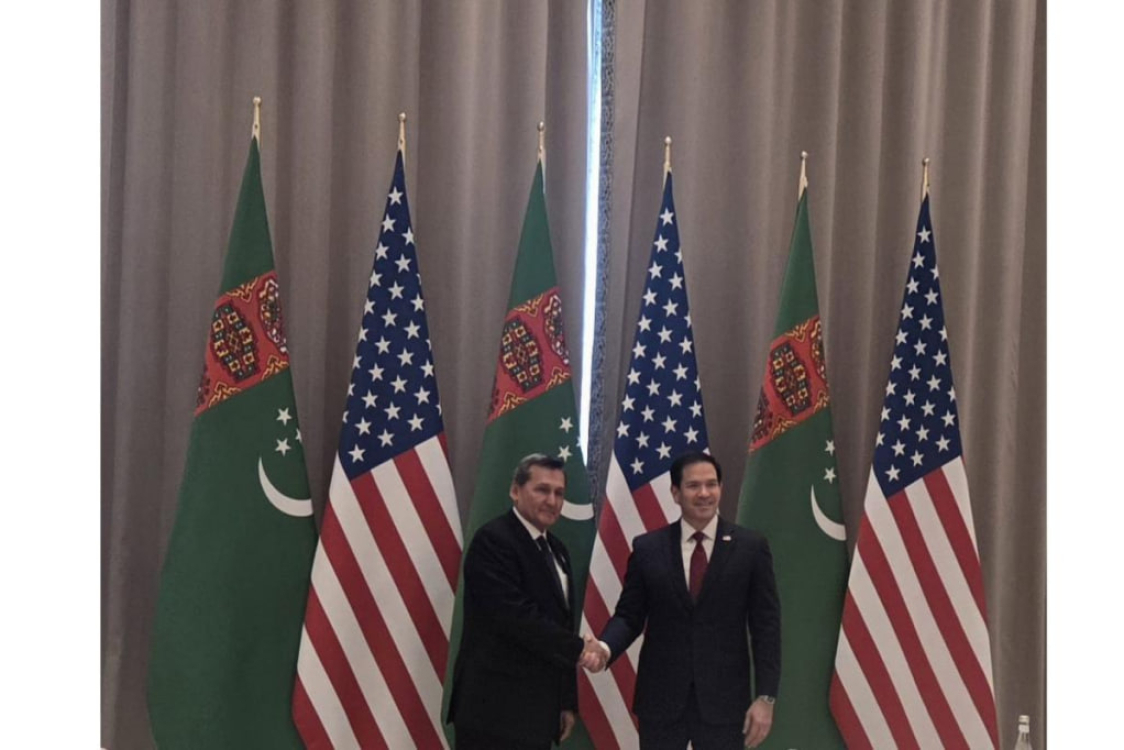
Rashid Meredov met with the U.S. Secretary of State
20.10.2026On October 19, Turkmenistan’s Minister of Foreign Affairs Rashid Meredov met with U.S. Secretary of State Marco Rubio in Samarkand. This was reported by the press service of the Turkmen Ministry of Foreign Affairs. The parties discussed the development of bilateral cooperation and noted the importance of the “C5+1” summit of heads of state, held in November 2025 in Washington, for strengthening cooperation. The participants also agreed on a schedule of upcoming meetings and political consultations aimed at further developing the Turkmen-American partnership. The meeting was attended by U.S. Special Representative for South and Central Asia, Ambassador Sergio Gor.
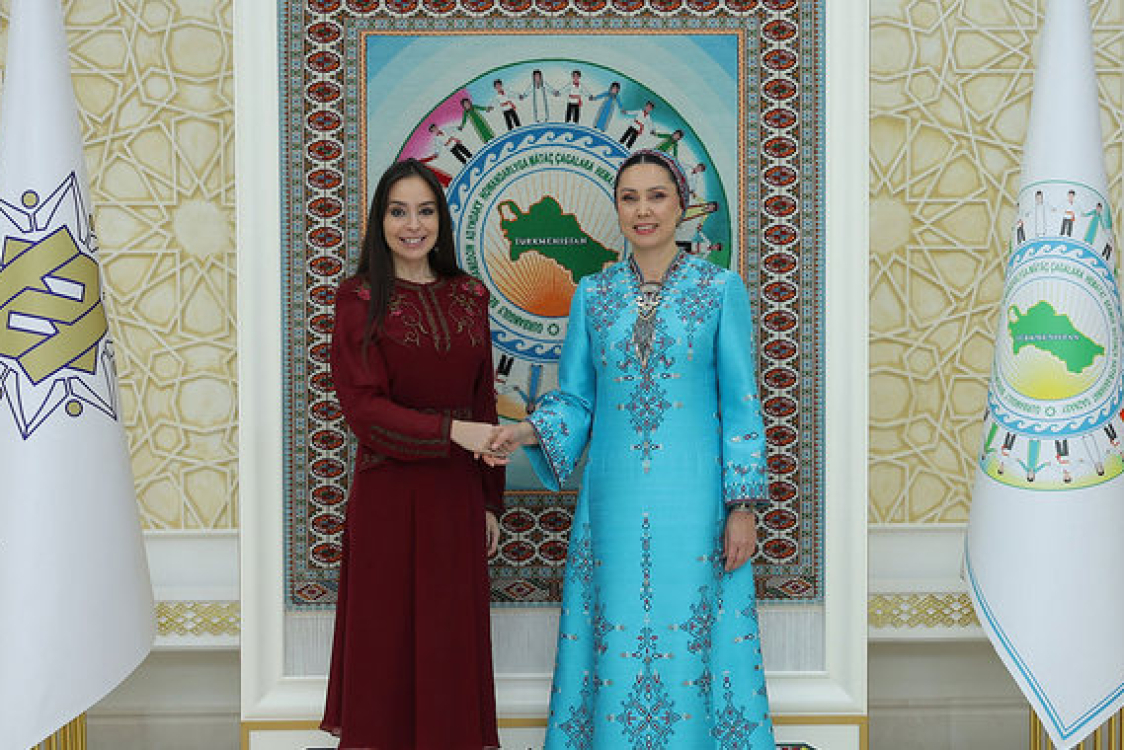
Leyla Aliyeva has arrived in Turkmenistan on a working visit
20.10.2026On October 19, Leyla Aliyeva, Vice-President of the Heydar Aliyev Foundation of the Republic of Azerbaijan, arrived in Turkmenistan on a working visit, according to the TDH news agency. Leyla Aliyeva was met at Ashgabat International Airport by Oguljahan Atabayeva, Vice-President for Medical Services at the Gurbanguly Berdimuhamedov Charitable Foundation for Assistance to Children in Need of Guardianship. The two held a brief conversation, during which they noted the significance of the upcoming “Mother Nature” exhibition for the development of Turkmen-Azerbaijani relations. A meeting between Oguljahan Atabayeva and Leyla Aliyeva took place in the city of Arkadag. The main focus was on the “Mother Nature” exhibition, organized by the Heydar Aliyev Foundation with the support of the Gurbanguly Berdimuhamedov Charitable Foundation for Children in Need of Care. The project was first presented in November 2024 at the Heydar Aliyev Center in Baku as part of COP-29. Subsequently, the exhibition traveled to Bahrain, the United Kingdom, Switzerland, and Spain. The Vice-President of the Gurbanguly Berdimuhamedov Charitable Foundation noted the importance of the cultural project in drawing attention to environmental protection issues. The parties also discussed prospects for cooperation in the areas of children’s health, inclusive education, and social support for families in need. Oguljahan Atabaeva emphasized her readiness to exchange experiences and expand cooperation. Leyla Aliyeva thanked the Turkmen side for their hospitality and support in organizing the exhibition. The Vice-President of the Heydar Aliyev Foundation noted that relations between Azerbaijan and Turkmenistan, based on shared history, culture, language, and spiritual values, are developing within the framework of a strategic partnership. The parties highlighted regular high-level contacts as one of the factors strengthening these ties. Leyla Aliyeva then visited the Gurbanguly Berdimuhamedov Children’s Health and Rehabilitation Centre. Oguljahan Atabayeva familiarized the vice president of the Heydar Aliyev Foundation with the work of the departments, the conditions for the treatment and rehabilitation of children, and the center’s facilities. Particular attention is paid to restoring the functions of the musculoskeletal system and rehabilitating patients during the postoperative period. Leyla Aliyeva inquired about the treatment outcomes and spoke with the children and their mothers. The cultural program continued at the Geroğly State Equestrian Circus in Arkadag, where the “Galkynyş” National Equestrian Games Group performed. The performers presented acts featuring acrobatics and equestrian feats, showcasing the traditions of Turkmen equestrian art. In 2025, the troupe won the Grand Prix at the International Circus Arts Festival in Monte Carlo, and in March 2026, it performed in Baku. The State Symphony Orchestra of Turkmenistan performed a concert at the Makhtumkuli National Music and Drama Theater in Ashgabat. The program included Turkmen and Azerbaijani melodies, as well as soundtracks from movies and cartoons, including those from Disney.
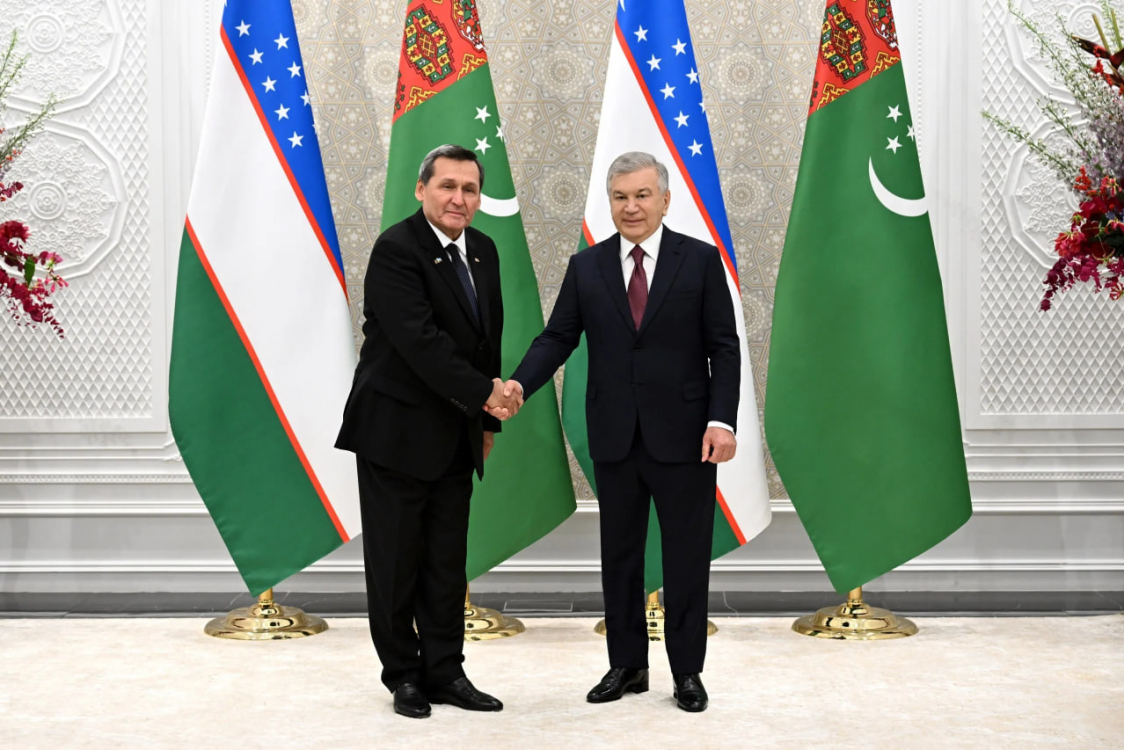
The Foreign Minister of Turkmenistan met with the President of Uzbekistan
19.10.2026The President of the Republic of Uzbekistan Shavkat Mirziyoyev held a meeting with Rashid Meredov, Deputy Chairman of the Cabinet of Ministers and Minister of Foreign Affairs of Turkmenistan, in Samarkand. This was reported by the news website Turkmenportal. R. Meredov arrived in Samarkand to participate in the “Central Asia–U.S.” (“C5+1”) foreign ministers’ meeting. During the meeting, R. Meredov conveyed greetings to Shavkat Mirziyoyev from President of Turkmenistan Serdar Berdimuhamedov and from the National Leader of the Turkmen people and Chairman of the Halk Maslahaty of Turkmenistan, Gurbanguly Berdimuhamedov. The parties discussed the development of bilateral relations, noting the intensification of contacts at all levels, the establishment of the Supreme Council for Strategic Partnership, the growth in trade and freight traffic, as well as the operation of the “Shavat–Dashoguz” border trade zone. They paid special attention to the implementation of high-level agreements and preparations for the Third Forum of Regions, as well as the Days of Uzbek Culture and Cinema in cities across Turkmenistan. The parties also exchanged views on issues of regional cooperation.
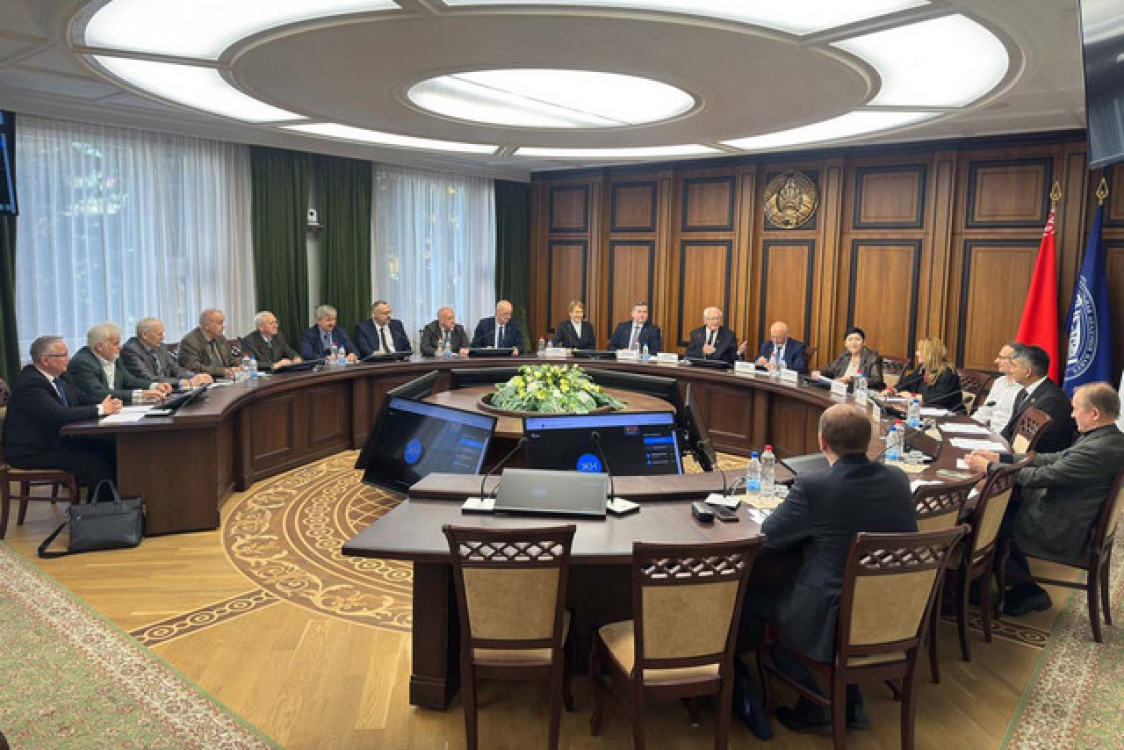
A scientist from Turkmenistan has been appointed to the MAAN Scientific Council on New Materials
19.10.2026Mukam Ekaev, head of the Department of Nanotechnology and Materials Science at the Oguz Khan Engineering and Technology University of Turkmenistan, has become a full member of the Scientific Council on New Materials of the International Association of Academies of Sciences (IAAS). The decision was made on October 16 at a council meeting held at the National Academy of Sciences of Belarus as part of the Belarusian Industrial and Innovation Forum in Minsk, according to the news agency “Turkmenistan: Golden Age”. Meeting participants discussed the development of digital materials science, the activities of scientific councils, and the prospects for creating new materials. The council brings together specialists in the fields of polymer and composite materials, metallurgy, additive manufacturing, protective coatings, and surface engineering. During his visit, Mukam Ekaev met with Petr Vityaz, an academician of the National Academy of Sciences of Belarus, and Sergey Aldoshin, vice president of the Russian Academy of Sciences. The parties discussed prospects for cooperation in the fields of materials science and nanotechnology, as well as collaboration between scientific organizations in Turkmenistan, Belarus, and Russia. The Turkmen scientist also visited the “TechInnoProm” international exhibition, where he familiarized himself with industrial developments and modern technologies. During meetings with representatives of the scientific community and manufacturing companies from China and Belarus, they discussed opportunities for implementing joint projects and conducting scientific and technical research. In addition, Mukam Ekaev took part in the international symposium “Prospects for the Development of Additive Technologies in the Republic of Belarus.” Participants discussed research on metal powders, polymers, composite materials, nanostructured systems, and functional coatings. The Turkmen scientist’s participation in the forum is aimed at expanding international scientific ties and preparing joint projects in the field of new materials and high technologies.
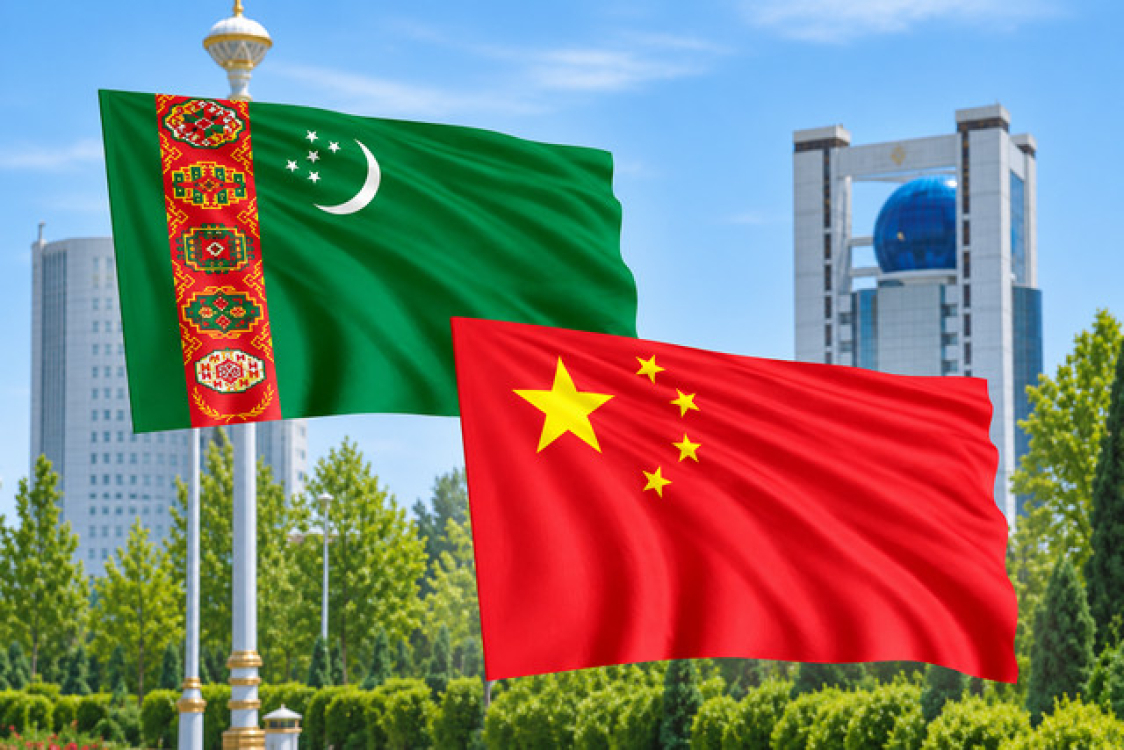
Turkmen and Chinese businesspeople will meet at a business forum in Ashgabat
19.10.2026The “Turkmenistan–China (Shanxi Province)” Business Forum will take place on October 22 at the Archabil Hotel in Ashgabat. The event is organized by the Union of Industrialists and Entrepreneurs of Turkmenistan, according to Turkmenportal. The main event will be a conference beginning at 2:00 p.m. Representatives of the Turkmen business community and a delegation from Shanxi Province will discuss investment projects, modern technologies, and prospects for bilateral cooperation. The forum will serve as a platform for establishing direct business contacts between Turkmen entrepreneurs and Chinese partners. Participants will also have the opportunity to explore new opportunities for business development. The organizers invite all interested representatives of the business community to participate.
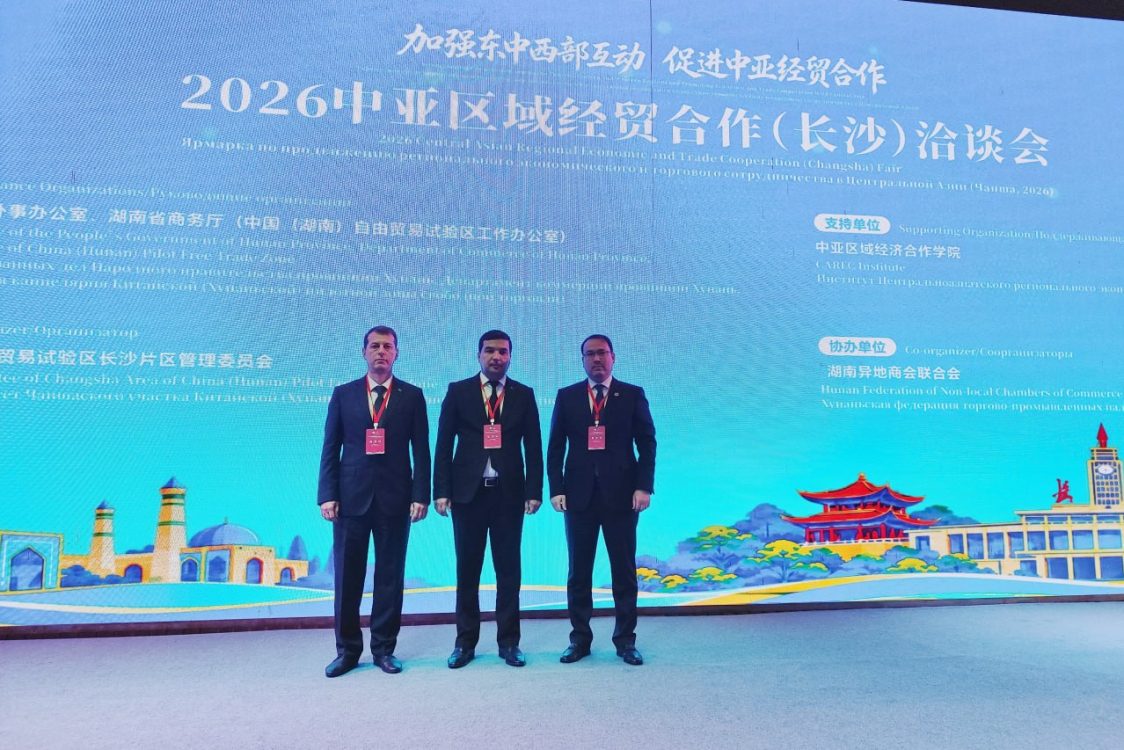
Turkmenistan presented investment opportunities at a trade fair in China
19.10.2026A delegation from the Ministry of Finance and Economy of Turkmenistan is participating in the Fair to Promote Regional Economic and Trade Cooperation in Central Asia, which is taking place October 17–19 in the Chinese city of Changsha. This was reported by the Orient news agency. The forum is organized by the People’s Government of Hunan Province, the Central Asia Regional Economic Cooperation (CAREC) Institute, the Hunan Pilot Free Trade Zone Administration, and the Hunan Association of Chambers of Commerce. At the event, the Turkmen delegation presented investment opportunities in Turkmenistan’s economy, as well as prospects for cooperation with China and countries in the region in the fields of energy, transportation, innovation, and civil engineering. As part of the visit, representatives from Turkmenistan toured the production facilities of Sany Group and China Railway Construction Heavy Industry Corporation Limited (CRCHI), where they familiarized themselves with the technologies used in the manufacture and maintenance of heavy construction equipment. The parties also discussed logistics and the export of specialized equipment for infrastructure projects.
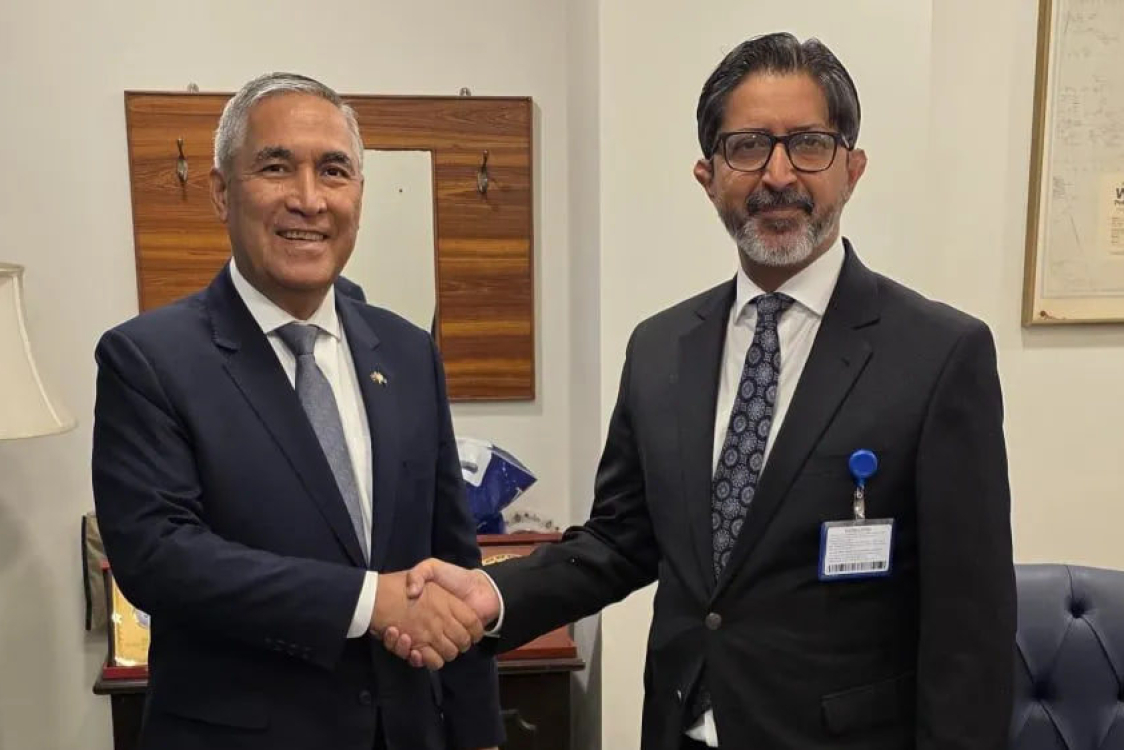
Turkmenistan and Pakistan discussed prospects for further cooperation
19.10.2026A. Movlamov, Turkmenistan’s Ambassador to Islamabad, met with Hasan Ali Zaygam, Director General for Central Asia and the Economic Cooperation Organization at the Ministry of Foreign Affairs of Pakistan. This was reported by the news website Turkmenportal. A. Movlamov spoke about the international events held in early October at the “Avaza” National Tourist Zone and reaffirmed Turkmenistan’s commitment to developing international dialogue and multilateral cooperation. Hasan Ali Zaygam noted the importance of these events for strengthening mutual understanding and advancing common goals in the field of sustainable development. The parties discussed prospects for expanding cooperation between Turkmenistan and Pakistan in areas of mutual interest. Following the meeting, the parties reaffirmed their readiness to maintain regular contact to implement the agreements reached and further develop bilateral relations.
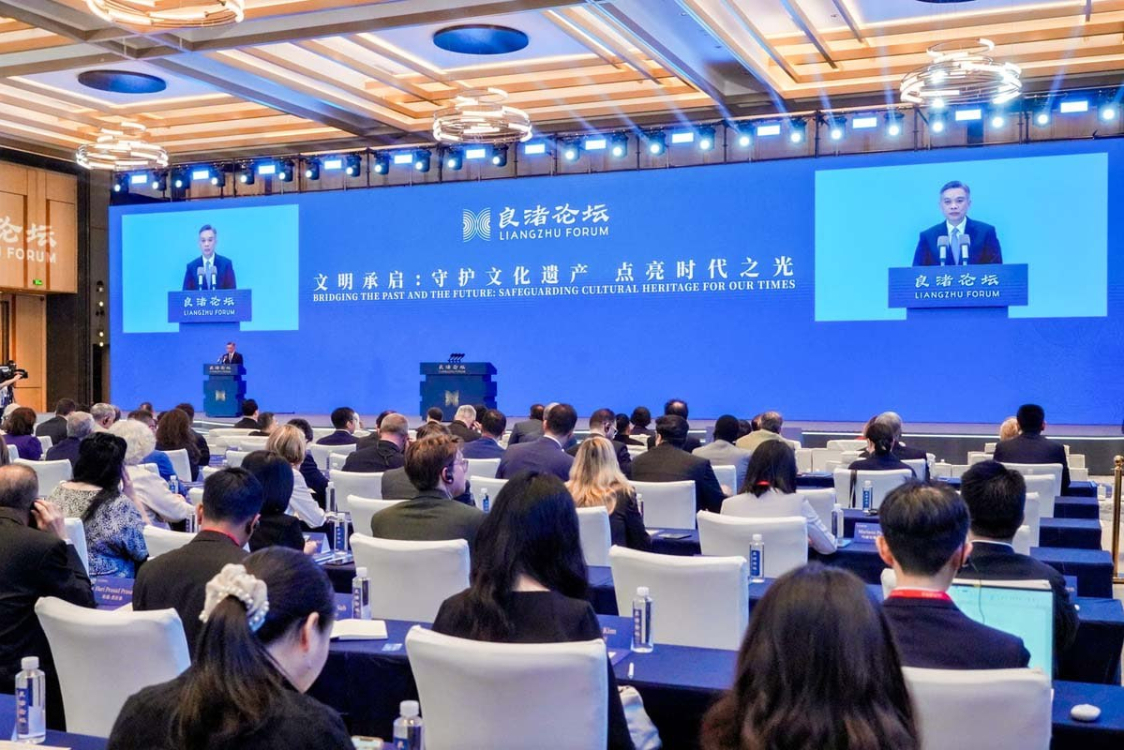
A journalist from Turkmenistan participated in the 4th Liangzhu Forum
19.10.2026The 4th Liangzhu Forum was held in Hangzhou (People’s Republic of China) on October 18, with a journalist from Turkmenistan in attendance. The forum brought together politicians, diplomats, representatives of the cultural sector, the media, and the scientific community from various countries to discuss issues related to the preservation of cultural heritage and the development of international cooperation, according to the news agency “Turkmenistan: Golden Age.” At the opening ceremony, chaired by Liu Jie, Governor of the Zhejiang Provincial People’s Government and Deputy Secretary of the Provincial Committee of the Communist Party of China, issues of cultural diplomacy and international cooperation were discussed. Representatives from the PRC spoke about the significance of Liangzhu culture in the history of Chinese civilization and emphasized the importance of preserving the world’s cultural heritage. As part of the forum, documents on international cultural cooperation were signed. Experts also explored opportunities to promote historical heritage through sustainable tourism, mutual investment, the integration of archaeological sites into the modern urban environment, and the development of interregional cultural exchanges. The participation of a representative from Turkmenistan in the forum was part of an international dialogue on preserving cultural heritage and strengthening cultural ties between countries.
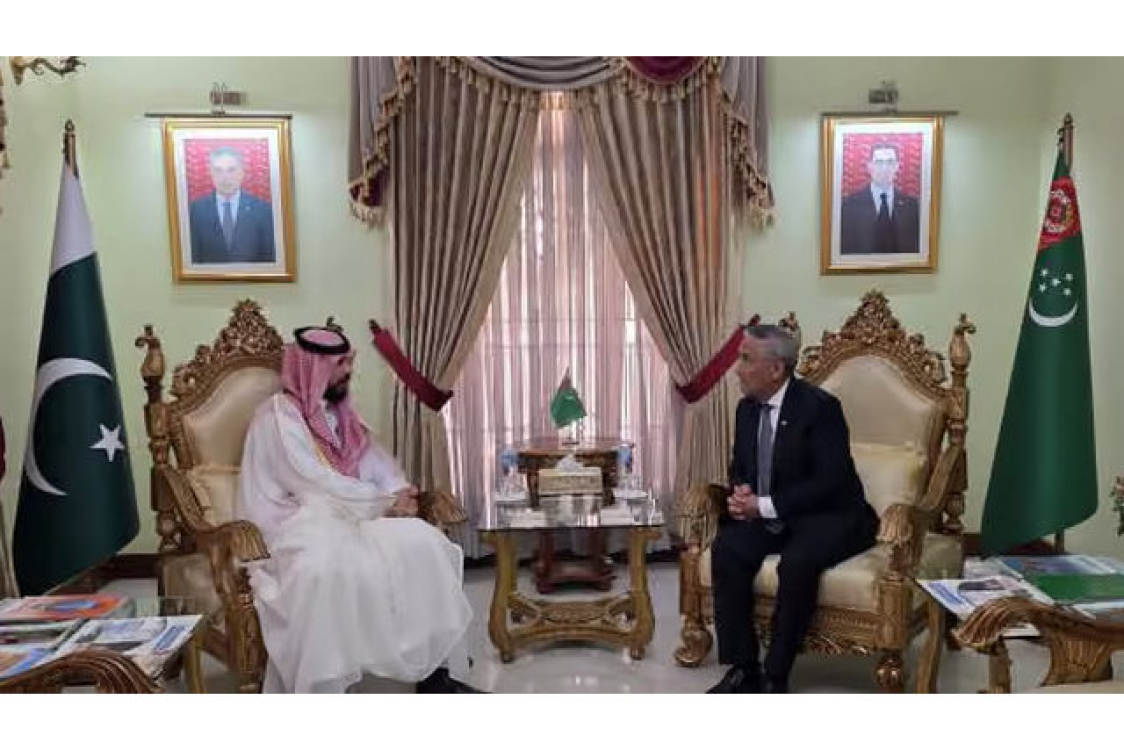
The ambassadors of Turkmenistan and Saudi Arabia held a meeting in Islamabad
19.10.2026On October 16, A. Movlamov, Ambassador Extraordinary and Plenipotentiary of Turkmenistan to Pakistan, held a meeting with Rajeh Tami Al-Bugam, Ambassador of the Kingdom of Saudi Arabia to Pakistan. This was reported by the IIC of Turkmenistan. The parties discussed the development of bilateral relations and prospects for expanding cooperation in areas of mutual interest. Special attention was paid to continuing constructive dialogue, coordinating efforts to strengthen regional stability, and developing a mutually beneficial partnership. The interlocutors reaffirmed their interest in further strengthening friendly ties and developing cooperation at the regional and international levels.
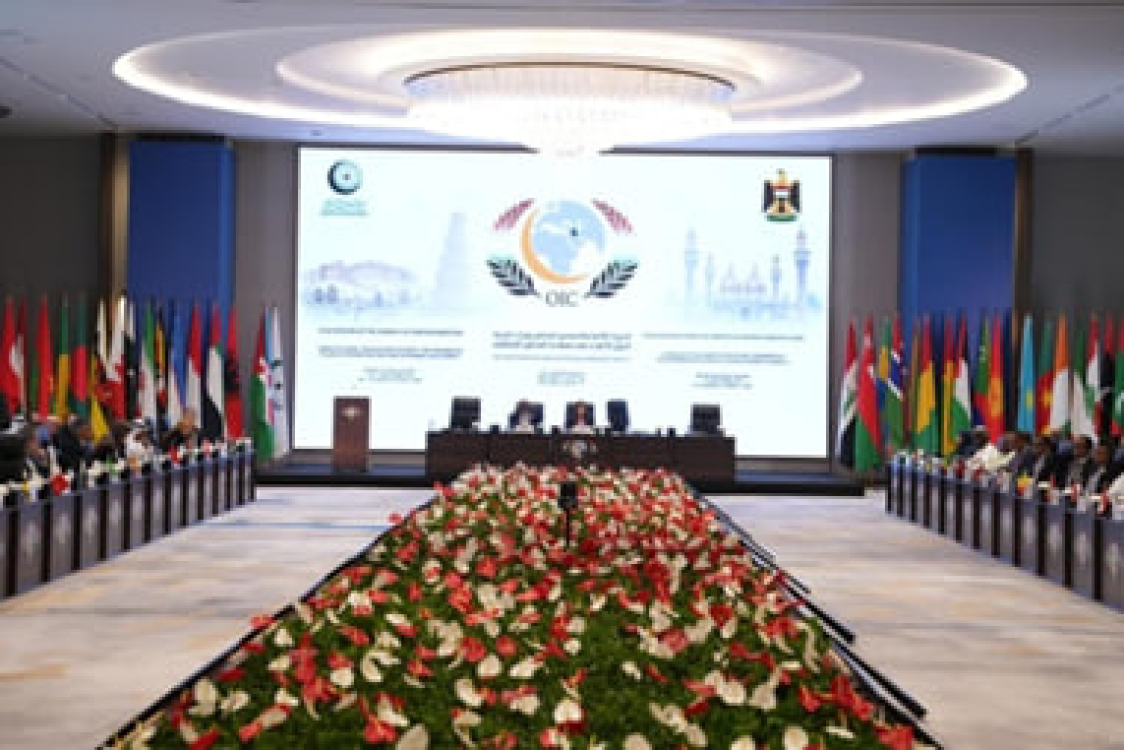
Turkmenistan is strengthening its cooperation with the Organization of Islamic Cooperation
19.10.2026On October 17–18, the 52nd meeting of the Council of Foreign Ministers of the Organization of Islamic Cooperation (OIC) was held in Baghdad, with a delegation from Turkmenistan in attendance. This was reported by the press service of the Ministry of Foreign Affairs of Turkmenistan. The participants discussed key issues of international and regional cooperation, measures to strengthen peace and security, as well as prospects for developing political, trade, economic, and humanitarian ties among the Organization’s member states. One of the outcomes of the meeting was the approval of a resolution proposed by Turkmenistan titled “The Role of the Policy of Neutrality in Maintaining and Strengthening International Peace, Security, and Sustainable Development within the OIC and Worldwide.” The document received the support of the Organization’s member states, which attests to the recognition of the role of neutrality in ensuring international stability and promoting sustainable development. During the meeting, representatives of Turkmenistan presented the country’s position on the main areas of cooperation with the OIC. The statement placed particular emphasis on Ashgabat’s initiatives aimed at building trust among states, promoting constructive dialogue, developing preventive diplomacy, and upholding the norms of international law. In this regard, Turkmenistan’s initiative to designate 2028 as the Year of International Law—which received the support of the UN General Assembly—was noted. Prospects for cooperation in the fields of education, science, and culture featured prominently in the speech. It was emphasized that Turkmenistan’s acquisition of observer status in the Islamic Educational, Scientific and Cultural Organization (ICESCO) in 2026 creates additional opportunities for expanding contacts in these areas. The Turkmen delegation also reaffirmed its readiness to develop partnerships with OIC countries in trade and the economy, energy, transportation, communications, and the humanitarian sphere. Turkmenistan’s participation in the 52nd session of the OIC Council of Foreign Ministers and the adoption of a resolution based on the country’s initiative reflect Ashgabat’s continued commitment to developing multilateral ties, strengthening international trust, and promoting peaceful cooperation.
Read also
Advertising
 Read us in Zen


