


Economy
Digital transformation of statistics: a new project of Turkmenistan and the World Bank
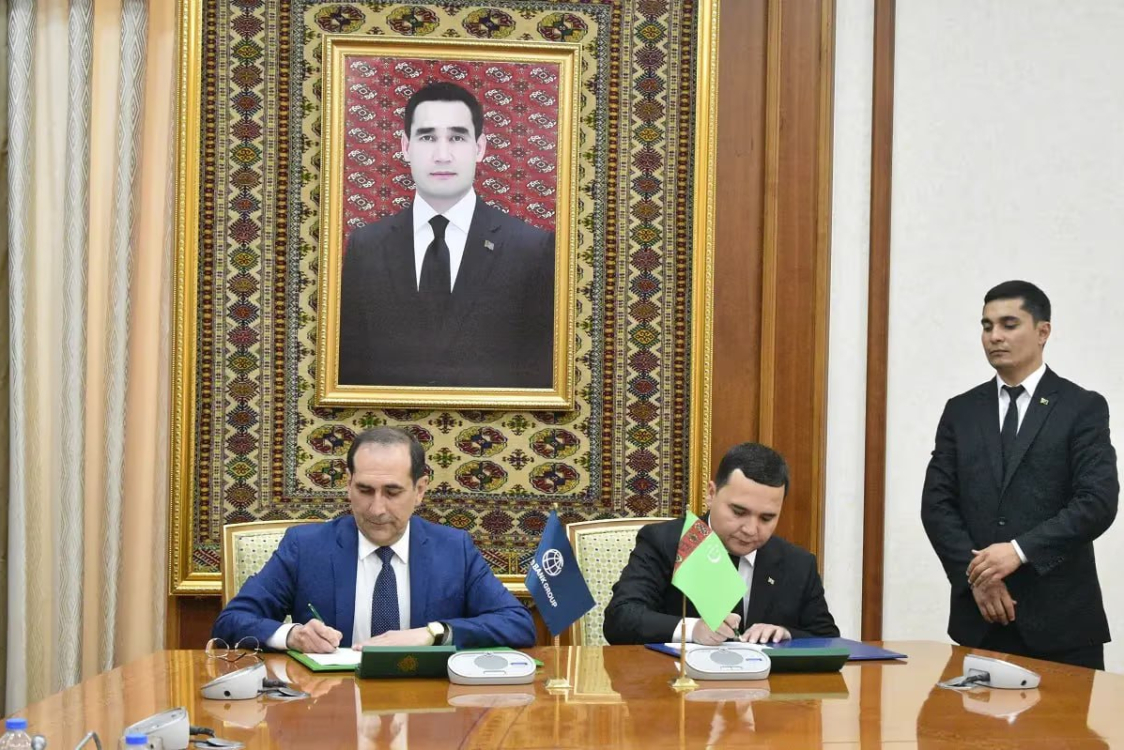
23.06.2026The State Committee of Turkmenistan on Statistics and the World Bank have signed a consulting cooperation agreement for 2026–2027 aimed at modernizing the national statistical system and introducing digital solutions. This was reported by the IIC. The project also envisages aligning macroeconomic indicators with the international 2025 System of National Accounts (SNA-2025) standard. Within the framework of the cooperation, updates are planned for methodologies used to calculate GDP, price indices, and purchasing power parity. Special attention will be given to the digitalization of data collection through a transition to the CAPI system and the use of the Survey Solutions platform. The implementation of the program is expected to improve the accuracy and transparency of statistics, as well as ensure its integration into international reporting. Training of specialists and pilot studies are also planned.
27 deals concluded on the Turkmenistan Commodity Exchange over the week
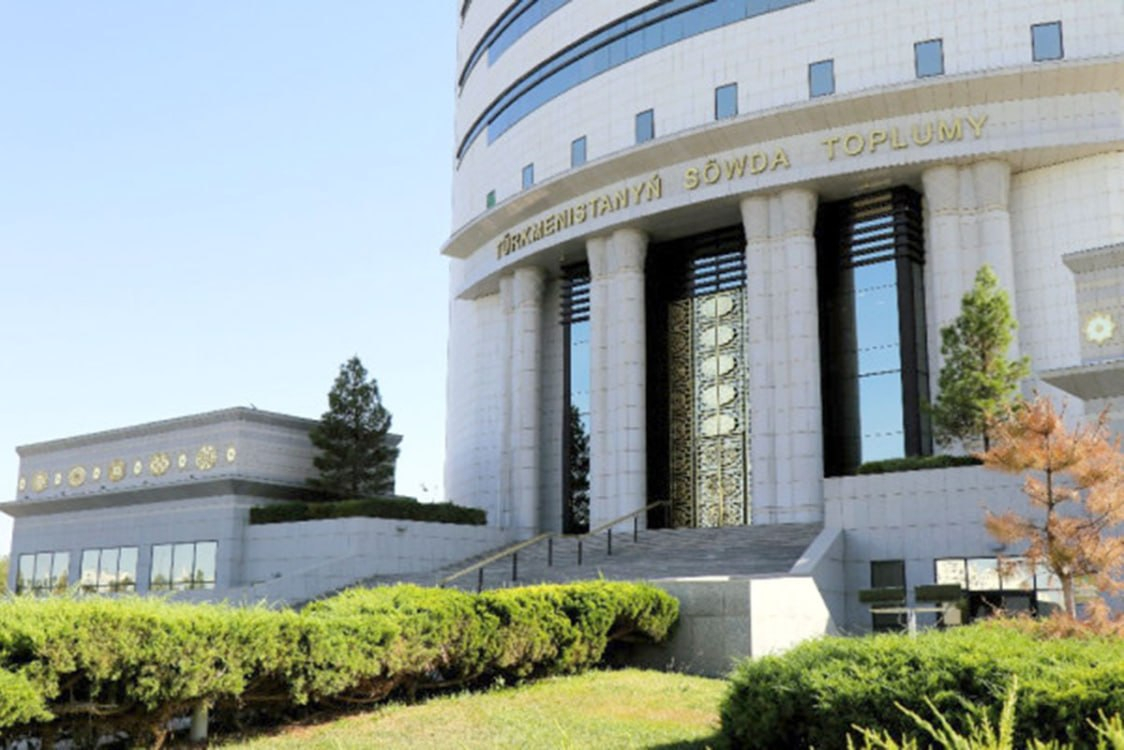
23.06.2026A total of 27 transactions were registered on the trading floor of the State Commodity and Raw Materials Exchange of Turkmenistan over the past week, according to the news agency TDH. For foreign currency, entrepreneurs from the United Arab Emirates, Turkey, Afghanistan, and Uzbekistan purchased liquefied gas, hydrotreated diesel fuel produced by the State Concern “Türkmennebit,” as well as liquefied gas, desulfurized diesel fraction from the State Concern “Türkmenhimiýa,” and motor oil. In addition, denim and knitwear products, plain-dyed and jacquard terry textiles, wheat flour, cotton fiber, and cotton yarn were sold for export. Buyers included companies from Turkey and Ukraine. The total value of foreign trade transactions exceeded 62 million 520 thousand US dollars. On the domestic market, Turkmen entrepreneurs purchased cottonseed oil, cotton yarn, and cotton fiber for more than 56.454 million manats.
Turkmenistan and the Republic of Korea Expand Business Partnership
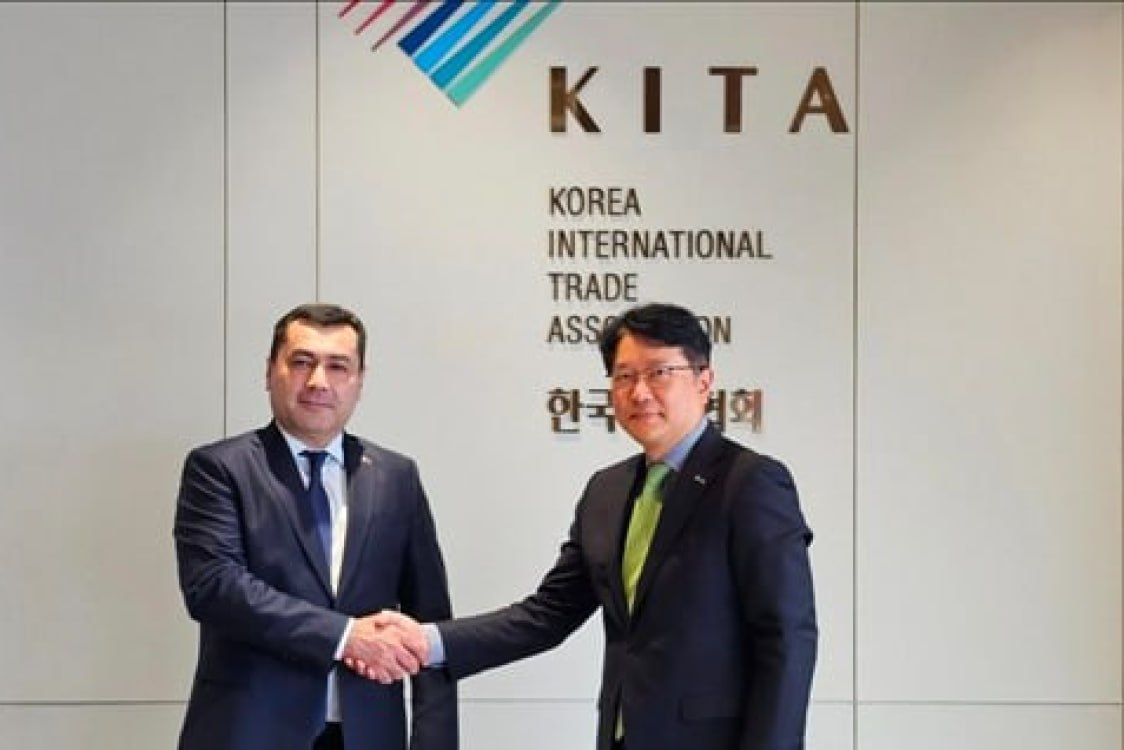
23.06.2026The Ambassador Extraordinary and Plenipotentiary of Turkmenistan to the Republic of Korea, Begench Durdyev, held a meeting in Seoul with Lee Sang-jun, Vice President of the Korea International Trade Association (KITA). The main focus of the talks was the preparation of joint economic events within the framework of the first Central Asia–Republic of Korea Summit, which will take place in September, according to the IIC. During the meeting, the ambassador emphasized that Turkmenistan attaches great importance to the development of trade and economic cooperation with the Republic of Korea. According to him, KITA’s participation will contribute to the effective preparation of upcoming business forums and meetings. Lee Sang-jun confirmed the South Korean business community’s interest in expanding cooperation with the countries of Central Asia. He noted that the Republic of Korea views Turkmenistan as a strategic partner with significant economic and resource potential. The parties also discussed promising areas of cooperation, including energy, the petrochemical industry, modernization of transport infrastructure, urban development, and the advancement of smart city technologies. It was noted that the technological capabilities of the Republic of Korea and the economic potential of Turkmenistan create favorable conditions for the implementation of joint projects. Following the meeting, the parties agreed to continue coordination in preparation for the events related to the first Central Asia–Republic of Korea Summit.
The Vice Premier of Turkmenistan will chair the CIS Economic Council meeting in Moscow
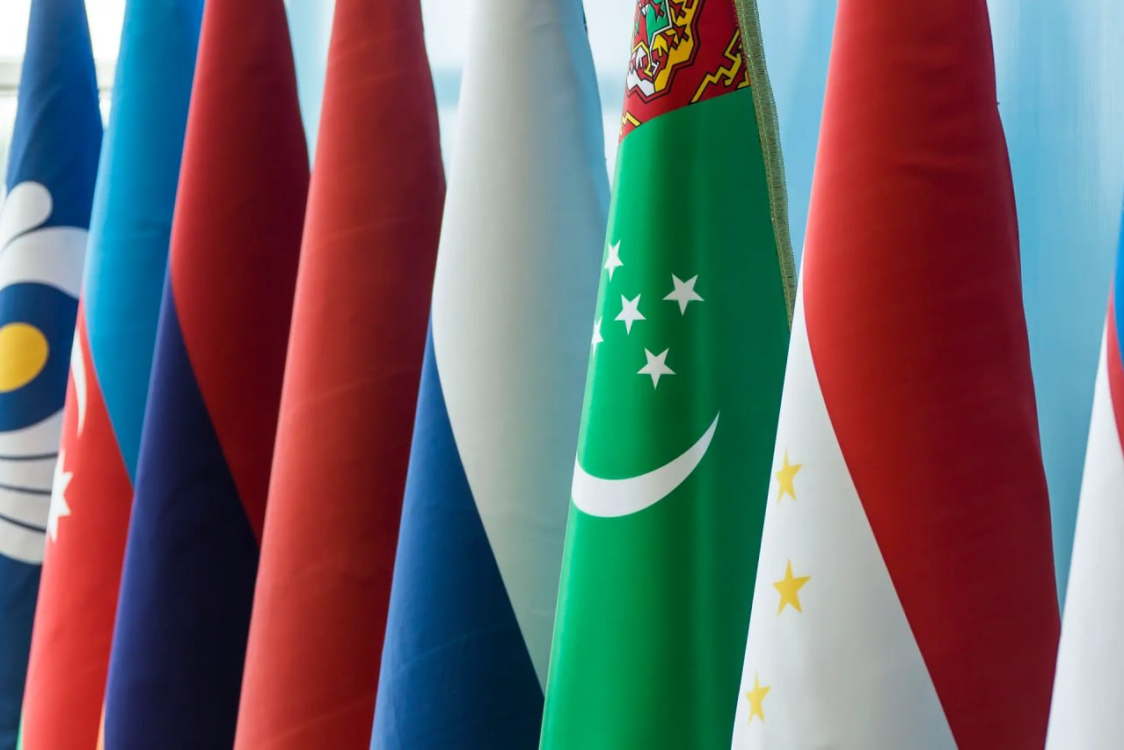
22.06.2026On June 26, a meeting of the CIS Economic Council will take place in Moscow with the participation of deputy prime ministers from the Commonwealth of Independent States countries. The meeting will be chaired by the Vice Premier of Turkmenistan, Hojamyrat Geldimyradov, according to the Orient news agency. Participants will discuss issues of trade, economic and investment cooperation, preparations for the 2030 round of population censuses, as well as the results of economic development in CIS countries in 2025 and the implementation of the first phase of the Economic Development Strategy through 2030. The agenda also includes improving electronic exchange of tax information, digitalization, regulation of labor relations, coordination of veterinary and quarantine measures, and the development of forestry.
The Vice Premier of Turkmenistan will chair the CIS Economic Council meeting in Moscow
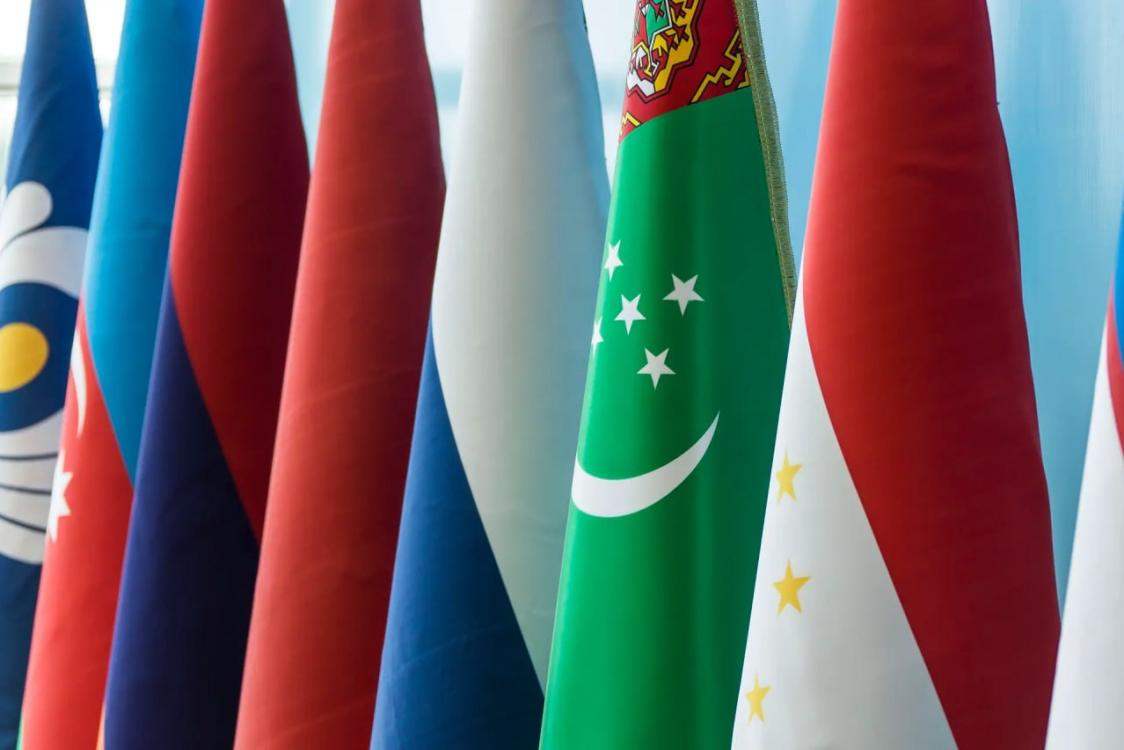
22.06.2026On June 26, a meeting of the CIS Economic Council will take place in Moscow with the participation of deputy prime ministers from the Commonwealth of Independent States countries. The meeting will be chaired by the Vice Premier of Turkmenistan, Hojamyrat Geldimyradov, according to the Orient news agency. Participants will discuss issues of trade, economic and investment cooperation, preparations for the 2030 round of population censuses, as well as the results of economic development in CIS countries in 2025 and the implementation of the first phase of the Economic Development Strategy through 2030. The agenda also includes improving electronic exchange of tax information, digitalization, regulation of labor relations, coordination of veterinary and quarantine measures, and the development of forestry.
A meeting of the Turkmen-Uzbek commission was held in Ashgabat
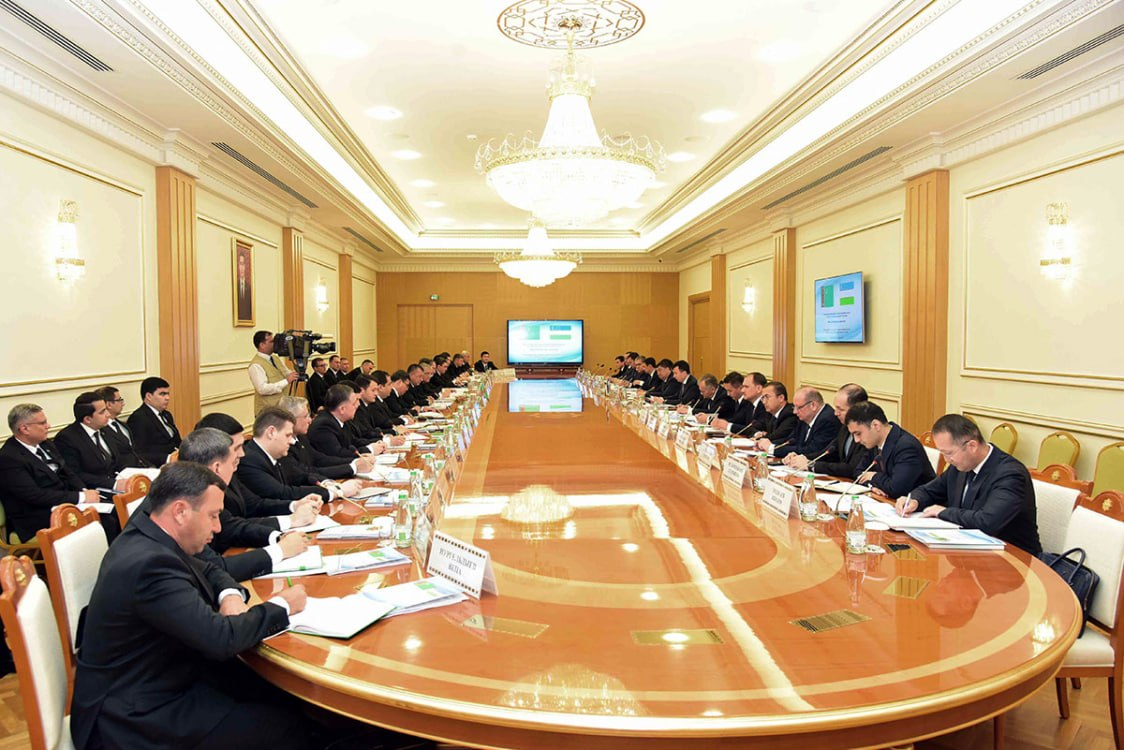
21.06.2026On 20 June, the 19th meeting of the Joint Turkmen-Uzbek Commission on trade, economic, scientific, technical and cultural cooperation was held at the Chamber of Commerce and Industry of Turkmenistan. Representatives of both countries took part in the forum, including a delegation from the Republic of Uzbekistan headed by Deputy Prime Minister Jamshid Khodjaev, according to the information agency “Turkmenistan: Golden Age”. The sides reviewed the current state of bilateral relations, the implementation of previously reached agreements and prospects for further cooperation. It was noted that regular contacts at the highest and governmental levels contribute to the expansion of cooperation and the implementation of joint projects. Particular attention was paid to cooperation in the fields of energy, transport, logistics, agriculture, the pharmaceutical industry and tourism. The growth of mutual trade turnover was noted, as well as the importance of platforms such as interregional forums, the Turkmen-Uzbek Business Council and trade and industrial exhibitions. During the meeting, the development of transport infrastructure, the increase in freight transportation volumes, the improvement of customs and logistics procedures, as well as prospects for cooperation in industry, the chemical sector, automotive manufacturing and electrical engineering were discussed. Special attention was given to the introduction of innovations and the development of scientific and technical cooperation. At the end of the meeting, the sides defined further directions for joint work and signed the protocol of the 19th meeting of the Joint Turkmen-Uzbek Commission on trade, economic, scientific, technical and cultural cooperation.
Ashgabat discussed the development of energy partnerships with foreign companies
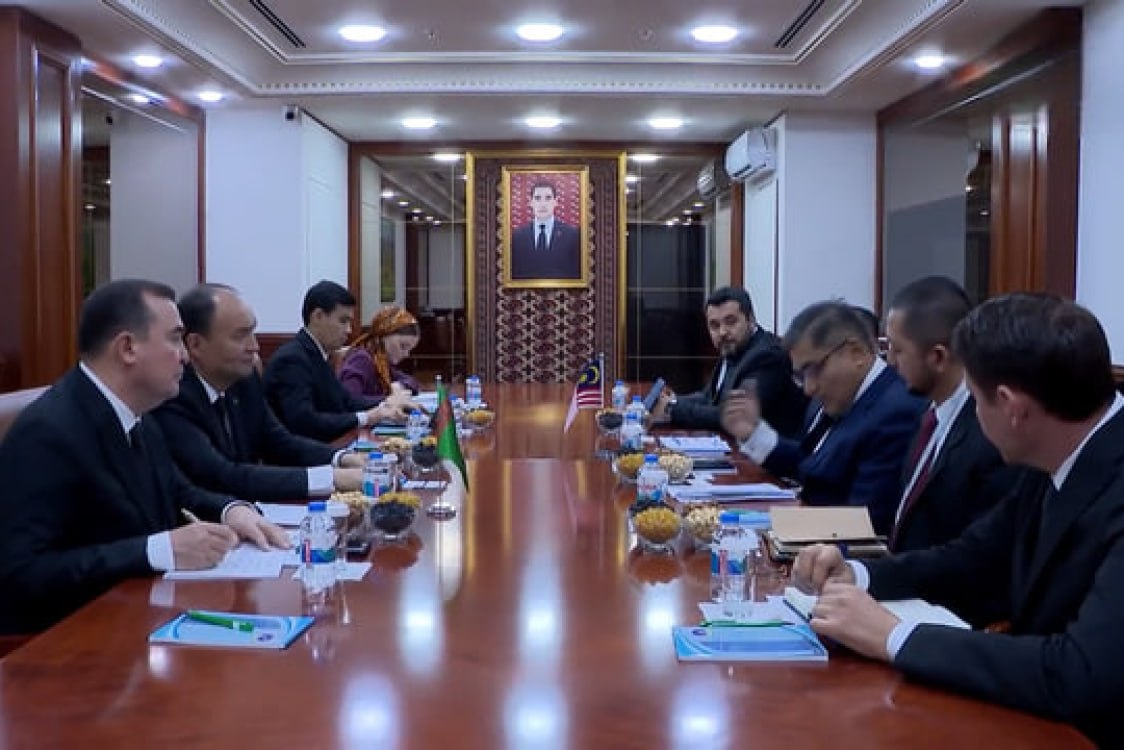
21.06.2026A series of meetings between the leadership of Turkmenistan’s energy sector and delegations of leading foreign engineering, consulting, and service companies took place in Ashgabat. The negotiations focused on expanding international cooperation and attracting investment into the country’s oil, gas, and chemical industry, according to the IIC. Government members of Turkmenistan, heads of major state energy and chemical corporations, including representatives of the Turkmenbashi Complex of Oil Refineries, took part in the meetings. Organizational support was provided by the Ministry of Energy, the Ministry of Communications, and the Chamber of Commerce and Industry of Turkmenistan. The foreign delegations represented companies from Southeast Asia and other key players in the global energy market. The parties discussed the implementation of ongoing projects, the introduction of advanced technologies in hydrocarbon extraction and processing, as well as prospects for long-term cooperation. Special attention was given to the modernization of the Turkmenbashi Complex of Oil Refineries and the development of gas chemical infrastructure. The outcome confirmed mutual interest in expanding the partnership on a mutually beneficial basis.
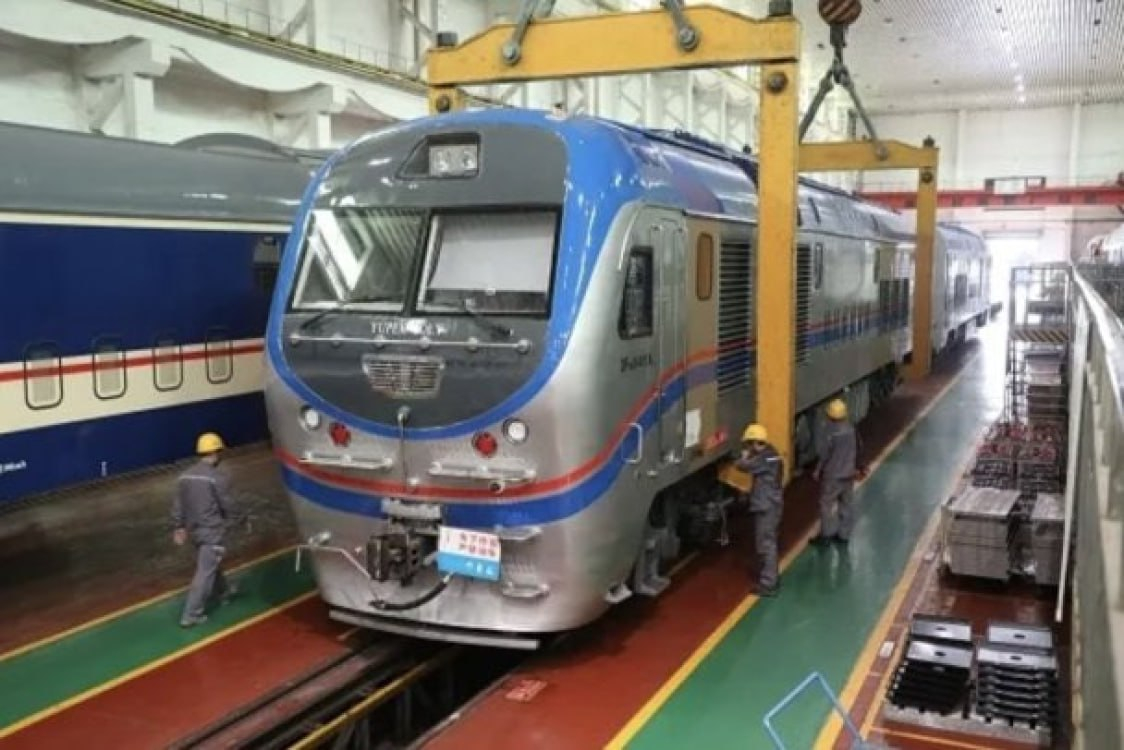
New freight diesel locomotives from China have arrived in Turkmenistan
21.06.2026Modern three-section freight diesel locomotives manufactured by the Chinese company “CRRC Ziyang Co., Ltd.” have arrived in Turkmenistan. A ceremonial reception of the equipment took place at the Ashgabat railway station, according to the news website AsmanNews. The delivery of the locomotives marks a stage in the modernization of the national railway system and is the result of expanding strategic cooperation between Turkmenistan and the People’s Republic of China. The new locomotives are being supplied to the country for the first time and are equipped with advanced digital control systems. According to specialists, the hauling capacity of the three-section locomotive reaches 6,300 tons, compared to 4,200 tons for two-section models. This will allow freight transport volumes to increase by approximately 1.5 times. The design speed is up to 100 km/h, improving transportation efficiency. As part of the cooperation, a major overhaul of previously operated locomotives has also been carried out, strengthening the technical capacity of the railway sector. The development of the transport and communications complex remains a priority of Turkmenistan’s state policy. The introduction of modern technologies and the expansion of transit capabilities are aimed at strengthening the country’s position in the international transport market.
Turkmenistan and Petronas Plan Joint Operations in the Caspian Sea
21.06.2026During talks in Ashgabat, President of Turkmenistan Serdar Berdimuhamedov and Malaysian Prime Minister Anwar Ibrahim discussed cooperation in the oil and gas sector, which remains one of the key areas of bilateral partnership. This was reported by the “Turkmenistan: Golden Age” news agency. The head of state highly praised the activities of Petronas, describing the company as one of Turkmenistan’s main partners in the energy sector. President Serdar Berdimuhamedov announced that a number of bilateral documents are being prepared to implement long-term projects in the oil and gas industry. In the near future, with the participation of Petronas, work is planned to begin on the development of new hydrocarbon fields and the exploration of promising oil and gas complexes in Turkmenistan’s sector of the Caspian Sea.
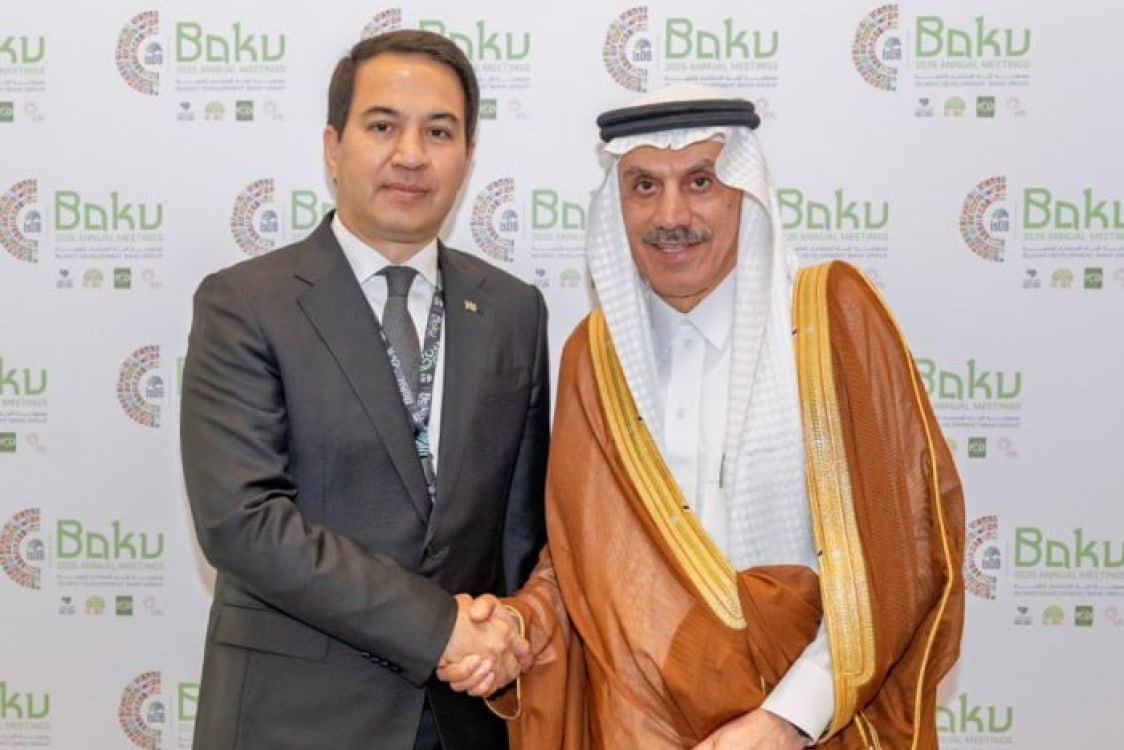
Islamic Development Bank increases support for projects in Turkmenistan
20.06.2026The total volume of approved financing for projects in Turkmenistan by the Islamic Development Bank Group has reached USD 1.38 billion across 30 operations. This was reported by the online publication “Business Turkmenistan”. The information was announced following a meeting between the Chairman of the Board of the State Bank for Foreign Economic Affairs of Turkmenistan, Rahimberdi Jepbarov, and the President of the Islamic Development Bank Group, Muhammad Al-Jasser. The meeting took place in Baku on the sidelines of the annual meeting of the Islamic Development Bank Group. The parties discussed prospects for further expanding cooperation in the areas of transport connectivity, trade finance, and support for Turkmenistan’s long-term socio-economic development priorities. The annual meeting of the Islamic Development Bank Group is being held in Baku and brings together representatives of member states, international financial institutions, and the business community to discuss issues of sustainable development, investment, and regional cooperation.
First Meeting of the Turkmen-Slovak Commission Held in Ashgabat
19.06.2026On June 18, the first meeting of the Turkmen-Slovak Joint Commission on Economic Cooperation was held at the Ýyldyz Hotel in Ashgabat. The event brought together representatives of ministries and government agencies from both countries, as well as a delegation from the Slovak Republic headed by Deputy Minister of Economy Vladimir Šimoňák, according to the news website AsmanNews. The establishment of the commission was approved by a decree signed by President Serdar Berdimuhamedov on June 12 during a meeting of the Cabinet of Ministers. During the meeting, the parties discussed prospects for expanding bilateral cooperation and measures to increase trade turnover. It was noted that the Agreement on Economic Cooperation between the Government of Turkmenistan and the Government of the Slovak Republic, signed in Awaza in August 2025, had provided additional momentum to the development of the partnership. Particular attention was given to cooperation in trade and economics, the fuel and energy sector, construction, transport and communications, information technologies, agriculture, healthcare, education, culture, sports, and tourism. The participants also reviewed issues related to the implementation of joint investment projects, cooperation in the oil and gas industry, the development of transport and logistics links, the introduction of modern technologies in agriculture, the expansion of educational exchanges, and cooperation in the field of digital healthcare. Following the meeting, the parties signed the Protocol of the First Meeting of the Turkmen-Slovak Joint Commission on Economic Cooperation and outlined further steps to strengthen bilateral economic partnership.
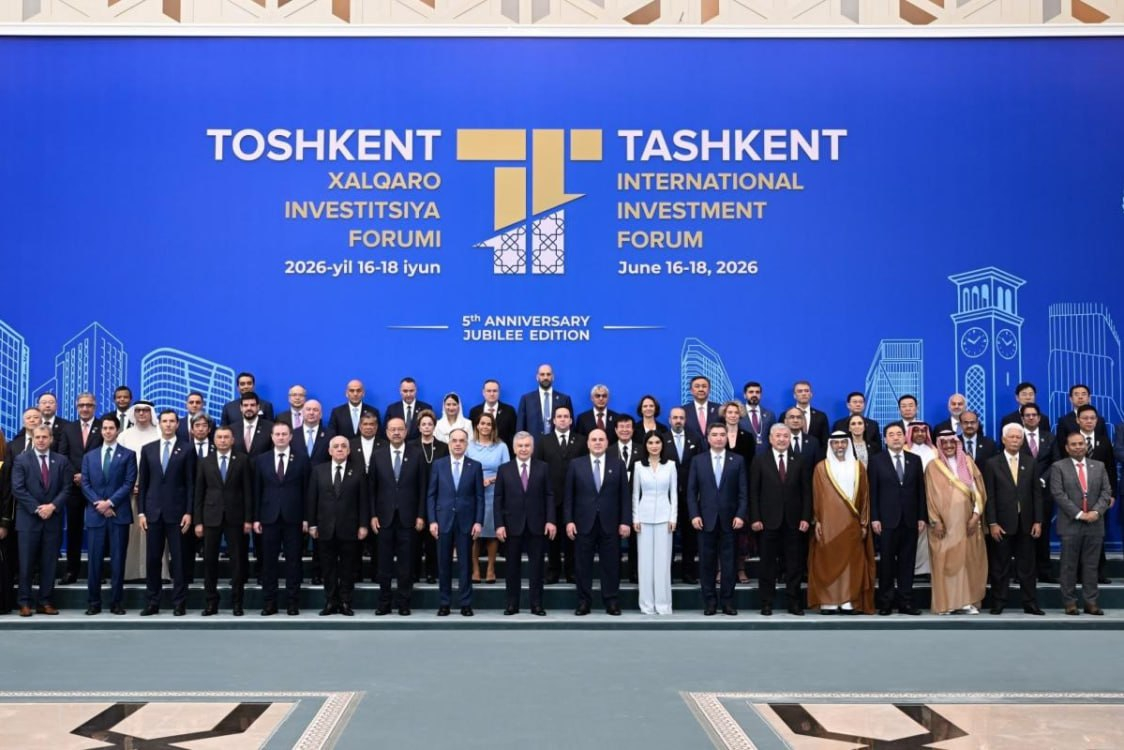
Turkmenistan Participated in the TIIF 2026 Investment Forum in Tashkent
19.06.2026On June 16–18, 2026, a delegation of Turkmenistan led by Minister of Trade and Foreign Economic Relations N. Agakhanov took part in the Fifth Tashkent International Investment Forum (TIIF 2026) held in Tashkent. This was reported by the press service of the Ministry of Foreign Affairs of Turkmenistan. The forum’s opening ceremony was attended by the President of Uzbekistan, the President of Albania, the Prime Ministers of Azerbaijan, Belarus, Kyrgyzstan, Kazakhstan, Russia, and Tajikistan, as well as representatives of governments from other countries, the U.S. business community, and international financial institutions, including the European Bank for Reconstruction and Development, the World Bank, the Asian Development Bank, the Asian Infrastructure Investment Bank, the BRICS New Development Bank, and the Eurasian Development Bank. Participants discussed the development of the energy sector, transport connectivity, the digital economy and artificial intelligence, the exploration of mineral resources, food security, and the improvement of financial and investment instruments. The participation of the Turkmen delegation reflects the country’s interest in developing international economic cooperation and expanding investment partnerships.
Read also
Advertising

 Read us in Zen


