


Economy
The ‘Kids Expo: Everything for Children’ exhibition is to be held in Ashgabat
07.07.2026From 19 to 22 August 2026, Ashgabat will host the ‘Kids Expo: Everything for Children’ International Universal Exhibition and Fair. This was announced by the press office of the Chamber of Commerce and Industry of Turkmenistan. According to the source, the event is aimed at developing the children’s goods and services industry and will provide companies with an opportunity to showcase their products and solutions. ‘Kids Expo: Everything for Children’ will serve as a platform for showcasing innovative products and services in the children’s sector. The exhibition will also open up further opportunities to enter the Turkmenistan market and attract international partners, investors and industry representatives from various countries.
An increase in cross-border transport has been recorded in Turkmenistan
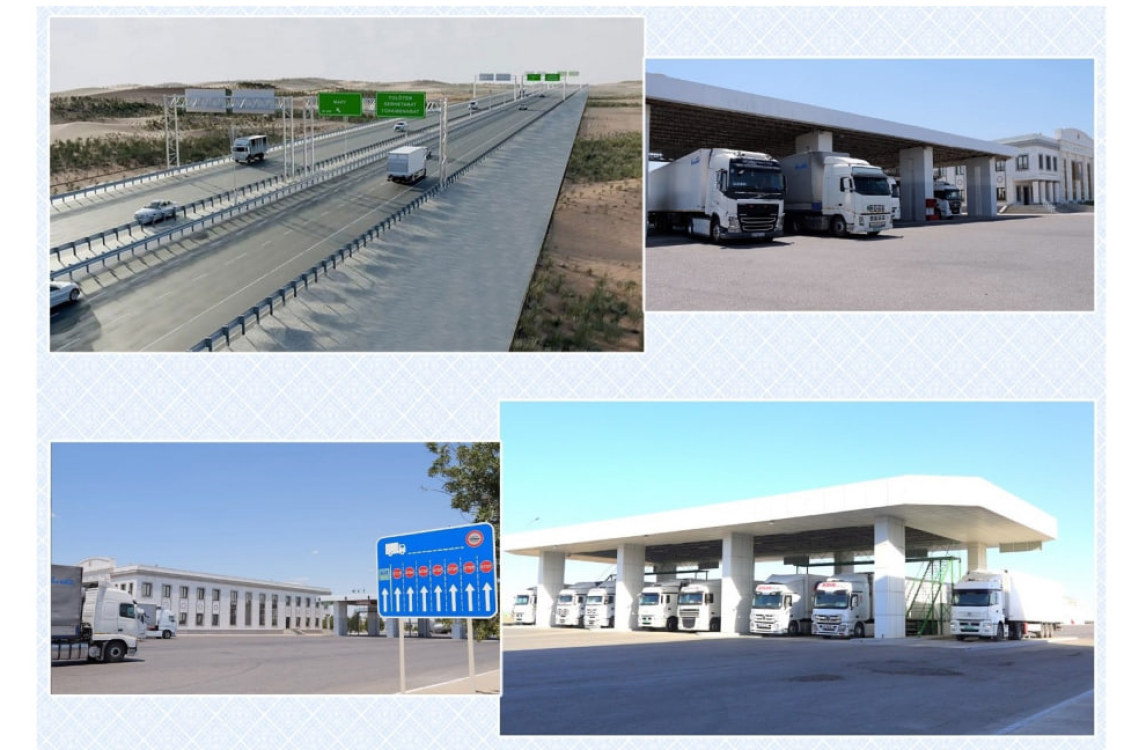
06.07.2026The volume of cross-border transport passing through Turkmenistan continues to grow. The phased modernisation of customs infrastructure and the introduction of digital technologies are strengthening the country’s role as a regional transport and logistics hub, according to the press office of the State Customs Service of Turkmenistan. In the first six months of this year, cargo turnover through border crossing points exceeded 10.5 million tonnes, which is 10 per cent higher than the figure for the same period last year. The volume of foreign trade shipments, including exports and imports, rose by 6 per cent. The most significant growth was recorded in the transit transport segment. More than 3.5 million tonnes of cargo were transported in transit through the country, representing a 15 per cent increase year-on-year. The cargo was destined for 94 countries, indicating an expansion in the geographical scope of transit flows. Modern customs posts, equipped with inspection and screening facilities, provide digital monitoring at all stages of cargo movement. This speeds up customs procedures, increases throughput and reduces the time taken to clear vehicles at the border.
The World Bank has reaffirmed its support for infrastructure projects in Turkmenistan
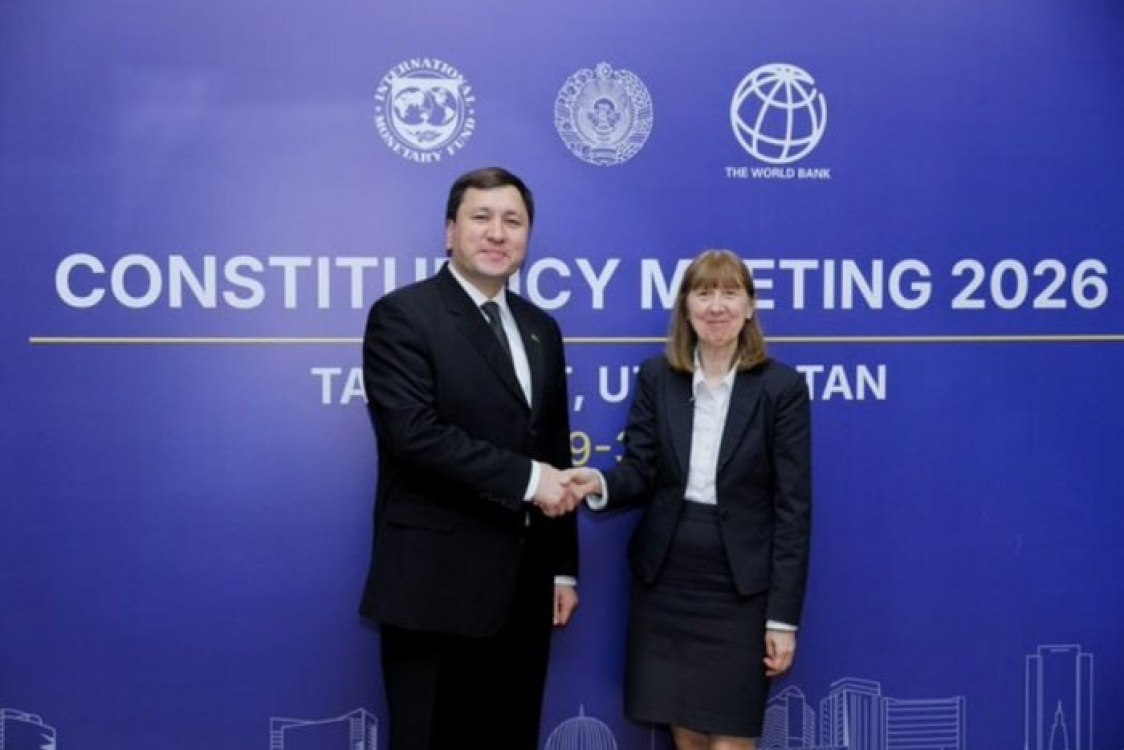
03.07.2026The World Bank has confirmed its readiness to support key projects in Turkmenistan in the water resources and transport sectors. This was stated in a press release from the organisation’s regional office for Europe and Central Asia following a meeting in Tashkent between World Bank Vice-President Antonella Bassani and Merdanguly Palivanov, Deputy Chairman of the Central Bank of Turkmenistan, as reported by the online publication ‘Business Turkmenistan’. The parties discussed the implementation of a framework cooperation programme setting out the main areas of collaboration between the World Bank and Turkmenistan. The Bank expressed its support for the country’s national priorities, including the development of infrastructure and the water sector. The meeting took place as part of a visit by a World Bank delegation to Uzbekistan to attend a meeting of the ‘Swiss Group’ of founding member countries. The World Bank had previously stepped up its activities in Central Asia by approving funding for the restoration of the Northern Aral Sea ecosystem and launching a regional energy programme worth $1 billion.
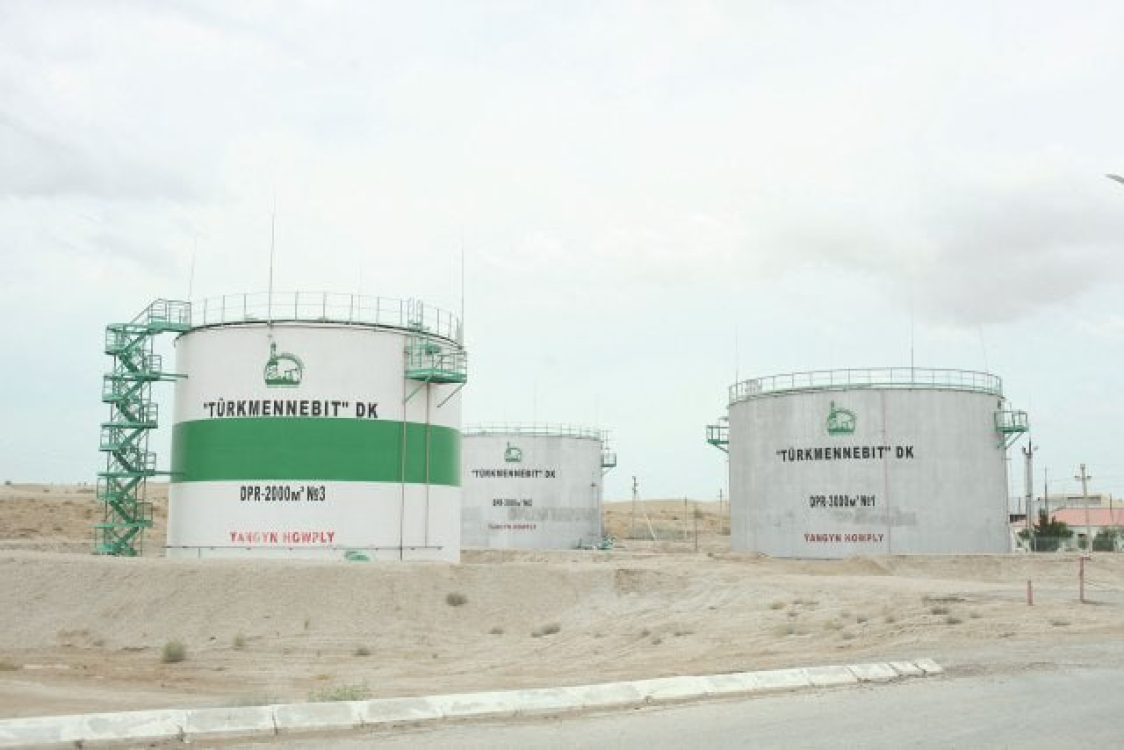
Gas production figures are rising in Turkmenistan
01.07.2026The ‘Körpeje’ Gas Production Department of the ‘Türkmennebit’ State Concern has significantly exceeded its natural gas production targets. During the reporting period, the enterprise produced approximately 1.416 billion cubic metres of gas, exceeding the target by a factor of 2.6, according to the news website Asmannews. Production exceeded the target by more than 1.357 billion cubic metres, whilst the growth rate compared with the same period last year stood at 102.3 per cent. The company, which operates the ‘Körpeje’, ‘Çekişler’ and ‘Akpatlawuk’ fields, is continuing to modernise its production infrastructure by introducing state-of-the-art technologies and automated control systems. At the ‘Çekişler’ field, a gas treatment plant with a capacity of up to 5 million cubic metres per day is in operation, whilst at the ‘Keýmir’ compressor station, associated petroleum gas is reused for gas lift, thereby increasing the efficiency of oil production and reducing resource losses. After processing, the produced gas is supplied to consumers, ensuring a consistent gas supply to enterprises within the country’s oil and gas sector.
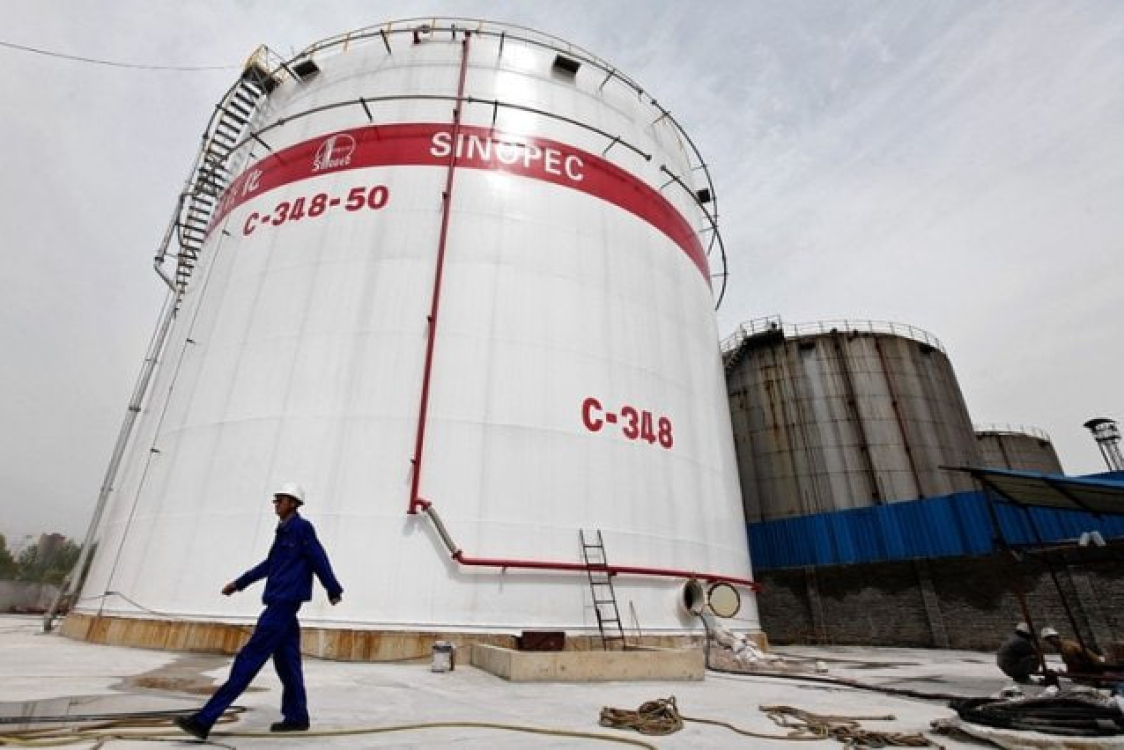
SINOPEC has produced over 1 million tonnes of oil in Turkmenistan over the past four years
01.07.2026The Turkmenistan branch of the International Oilfield Services Company, part of the Chinese petrochemical corporation SINOPEC, has produced over 1 million tonnes of oil in four years. The value of the work carried out amounted to approximately 200 million US dollars, according to the online news site AsmanNews. The project is being implemented under a contract with the State Concern ‘Türkmennebit’. The introduction of modern technologies has enabled an increase in daily oil production of more than 1,500 tonnes. The company carries out a range of oilfield services, including sidetracking, directional and horizontal drilling, well workover, acid and water-blocking treatments, as well as the modernisation of surface and downhole equipment. In addition to projects at the ‘Türkmennebit’ fields, the SINOPEC branch participated in work at the Shatlyk, Dovletabat, Yashyldepe and Bagtyyarlyk fields. Drilling operations, well workover and measures to increase oil and gas production were carried out there. The newspaper ‘Biznes reklama’ notes that these achievements strengthen SINOPEC’s position in Central Asia and expand opportunities for cooperation in the oil and gas sector. Looking ahead, the company plans to continue introducing technologies, improving the efficiency of field development and implementing new projects in Turkmenistan.
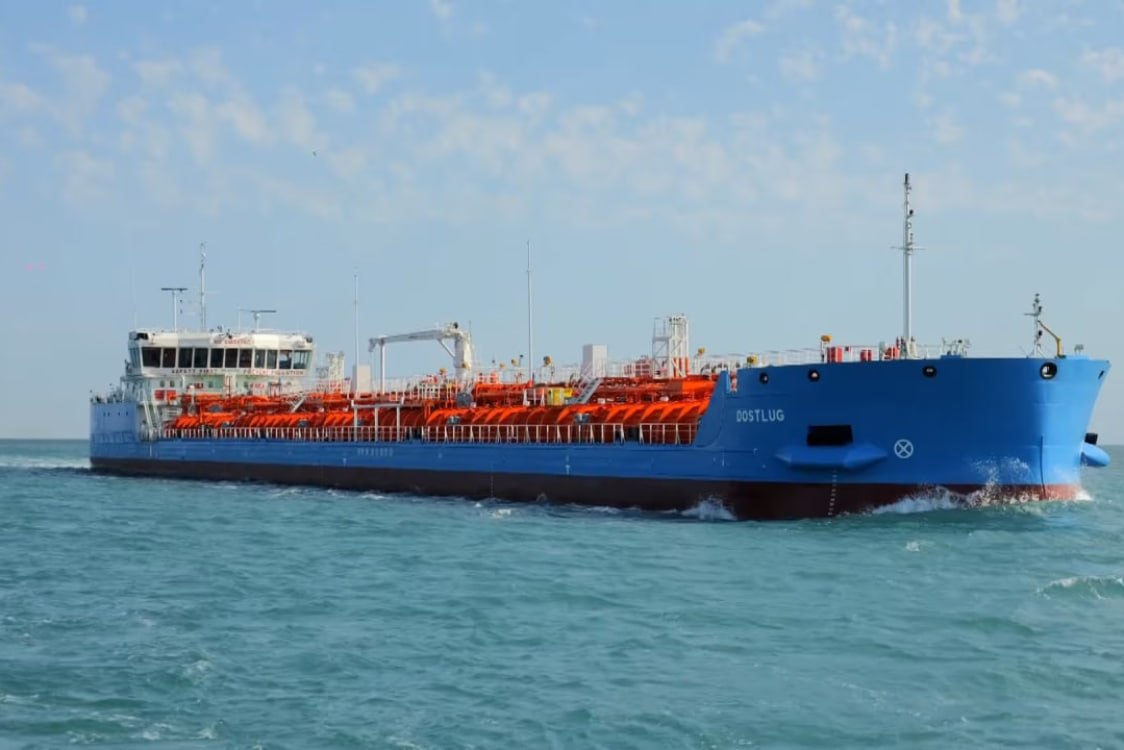
The tanker “Dostluk” arrived at the Turkmenbashi International Seaport
28.06.2026The oil tanker “Dostluk” (“Friendship”), donated by Azerbaijan to Turkmenistan, has arrived at the Turkmenbashi International Seaport. A ceremonial welcome and concert were held in honor of the vessel and its crew, according to the IIC. Port officials, representatives of government authorities, elders, and young people gathered to greet the tanker. Turkmen cultural groups and dance ensembles performed for the guests. The ship’s crew was also welcomed with traditional refreshments. The tanker was handed over to the Turkmen side during the recent state visit of the President of Turkmenistan, Serdar Berdimuhamedov, to Baku. The vessel was built at the Baku Shipyard to expand Turkmenistan’s commercial fleet. It is 141 meters long, 17 meters wide, with a deadweight of nearly 8,000 tons. The tanker meets modern environmental standards and maritime safety requirements and is intended for transporting crude oil and petroleum products across the Caspian Sea and beyond. The vessel’s name symbolizes friendship between nations and is linked to the joint development by Turkmenistan and Azerbaijan of a hydrocarbon field of the same name. The tanker is expected to begin its first commercial voyages in the coming days, contributing to the development of regional transport and transit corridors.
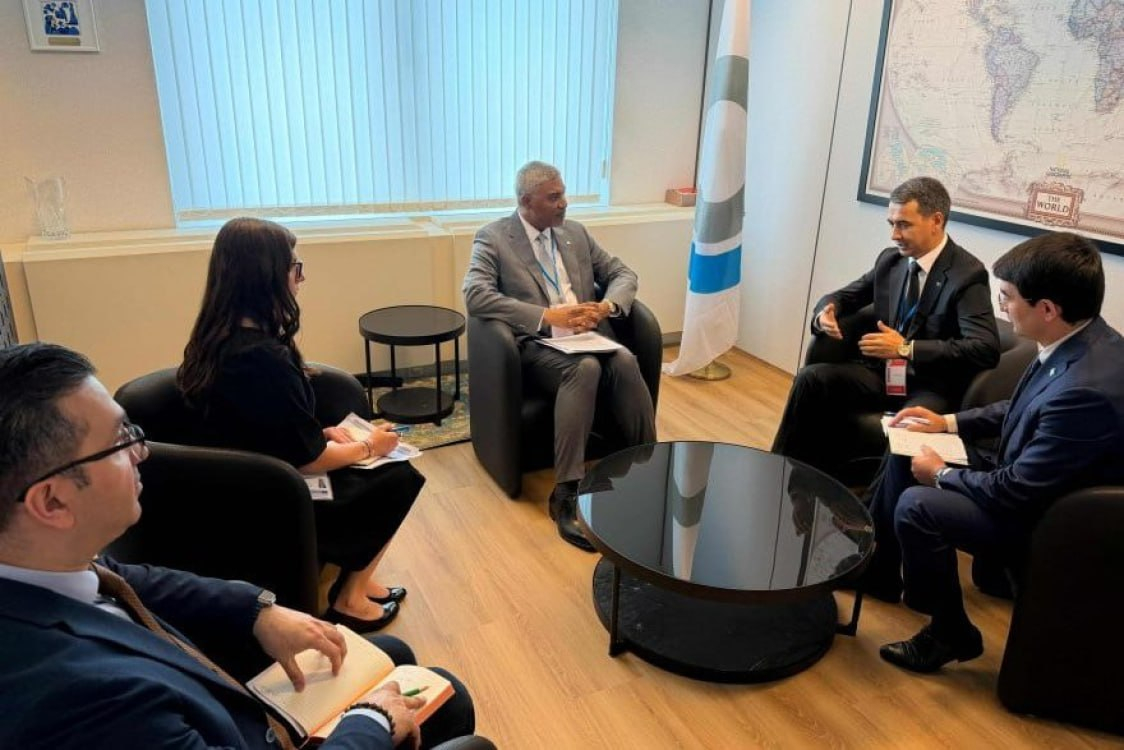
Turkmenistan and the WCO Expand Cooperation in Customs Digitalization
28.06.2026A bilateral meeting was held in Brussels between Maksat Khudaýkulyyev, Chairman of the State Customs Service of Turkmenistan, and Ian Saunders, Secretary General of the World Customs Organization (WCO). Sapar Palvanov, Ambassador Extraordinary and Plenipotentiary of Turkmenistan to Belgium, also participated in the talks, according to the Orient News Agency. The parties noted that cooperation between Turkmenistan and the World Customs Organization has reached a new qualitative level over the past year. The Turkmen side expressed its gratitude to the WCO for its support in organizing an international conference in Ashgabat dedicated to the activities of customs training centers. Particular attention during the meeting was paid to the digitalization of customs procedures and the training of customs personnel through the WCO Regional Training Centre in Turkmenistan. The parties positively assessed the results of joint educational programs implemented during 2025–2026. Within these programs, Turkmen customs officers received training in risk management, data analysis, release time measurement, and the digital transformation of customs processes. The discussions also focused on further strengthening human resource capacity. The Turkmen side confirmed its readiness to send representatives to participate in the WCO Career Development Programme for 2026–2027, including short-term internships. Ian Saunders highly praised the ongoing reforms in Turkmenistan's customs system and recalled his previous visit to the country, including a tour of the Turkmenbashi International Seaport, which he described as an important transport hub for the region. The WCO leadership reaffirmed its commitment to supporting the educational center in Ashgabat and promoting its best practices throughout the region.
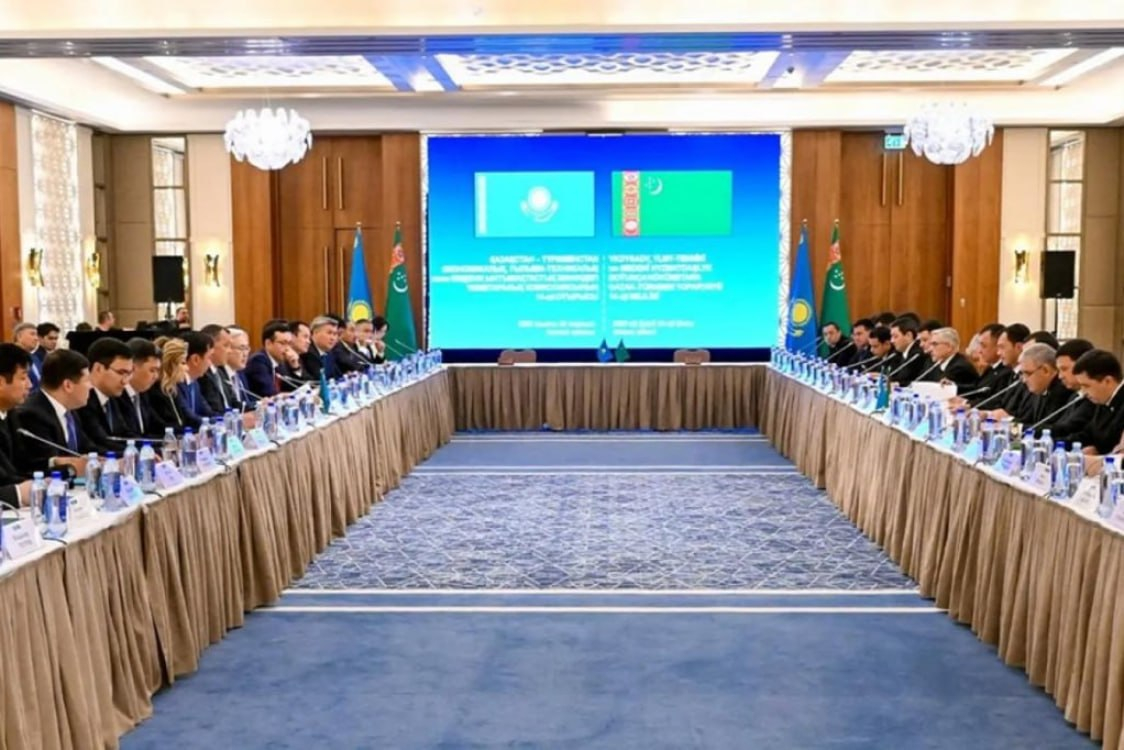
Turkmenistan and Kazakhstan Expand Trade and Economic Cooperation
26.06.2026On June 24, Astana hosted a meeting of the Intergovernmental Commission on Economic, Scientific-Technical, and Cultural Cooperation between Turkmenistan and Kazakhstan, according to the press service of the Ministry of Foreign Affairs of Turkmenistan. The meeting brought together representatives of government agencies and the business communities of both countries. The Turkmen delegation was headed by Deputy Chairman of the Cabinet of Ministers of Turkmenistan Nokerguly Atagulyev, while the Kazakh delegation was led by Deputy Prime Minister and Head of the Government Office of the Republic of Kazakhstan Galymzhan Koishybayev. The parties discussed the development of cooperation in trade, investment, transport, energy, agriculture, science, and the humanitarian sector. Participants noted steady growth in bilateral trade turnover and an increase in mutual supplies of goods. A business forum was also held as part of the event, bringing together dozens of companies from Turkmenistan and more than one hundred representatives of Kazakh businesses. The discussions also covered prospects for cooperation in mechanical engineering, metallurgy, pharmaceuticals, construction, and the agricultural sector. Following the meeting, the parties signed a number of agreements and memorandums covering trade policy, e-commerce, and investment and construction cooperation. The sides reaffirmed their commitment to strengthening their economic partnership, expanding industrial cooperation, and developing digital formats of collaboration.
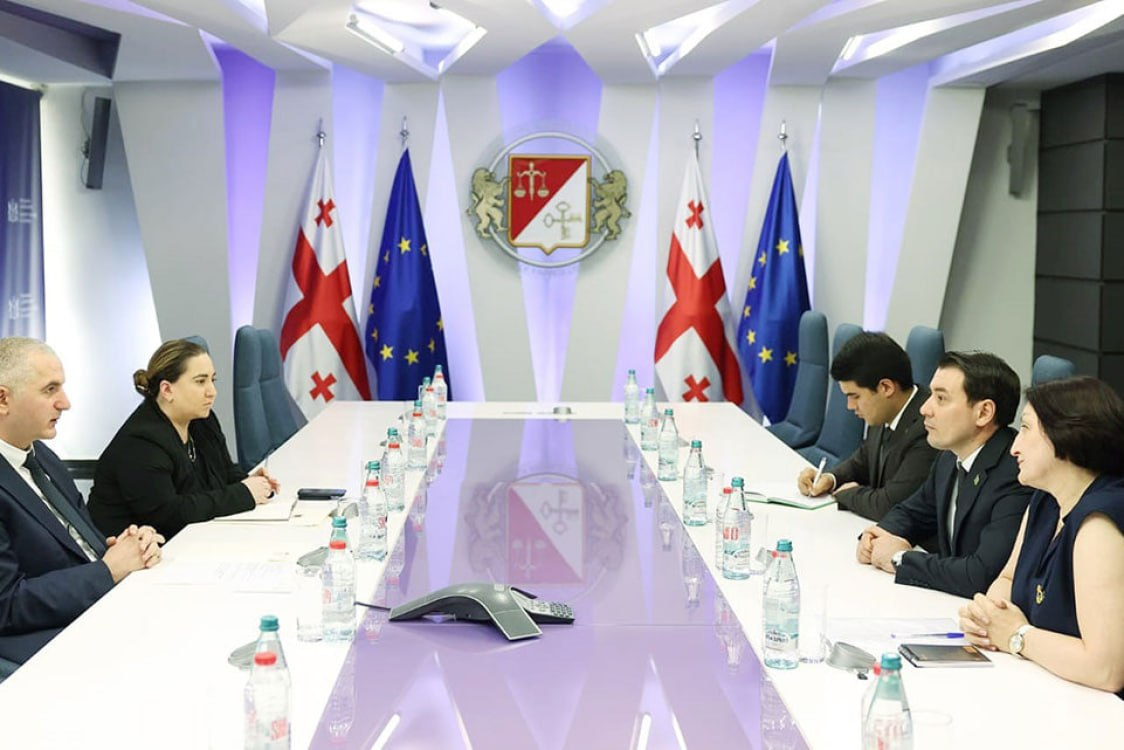
Turkmenistan and Georgia discuss development of financial and economic partnership
25.06.2026On June 24, 2026, a meeting took place in Tbilisi between the Ambassador Extraordinary and Plenipotentiary of Turkmenistan to Georgia, D. Seyitmammedov, and the Minister of Finance of Georgia, L. Khutsishvili. This was reported by the IIC. The parties discussed the current state and prospects for the development of bilateral cooperation in the financial and economic sphere. Special attention was paid to expanding investment cooperation, developing the banking sector, and improving the tax system. The sides also considered issues related to increasing the efficiency of financial mechanisms and implementing joint initiatives aimed at sustainable economic growth. Following the meeting, both sides emphasized the importance of strengthening trust between the financial institutions of the two countries and confirmed their readiness to continue regular contacts and coordinate efforts to develop economic cooperation.
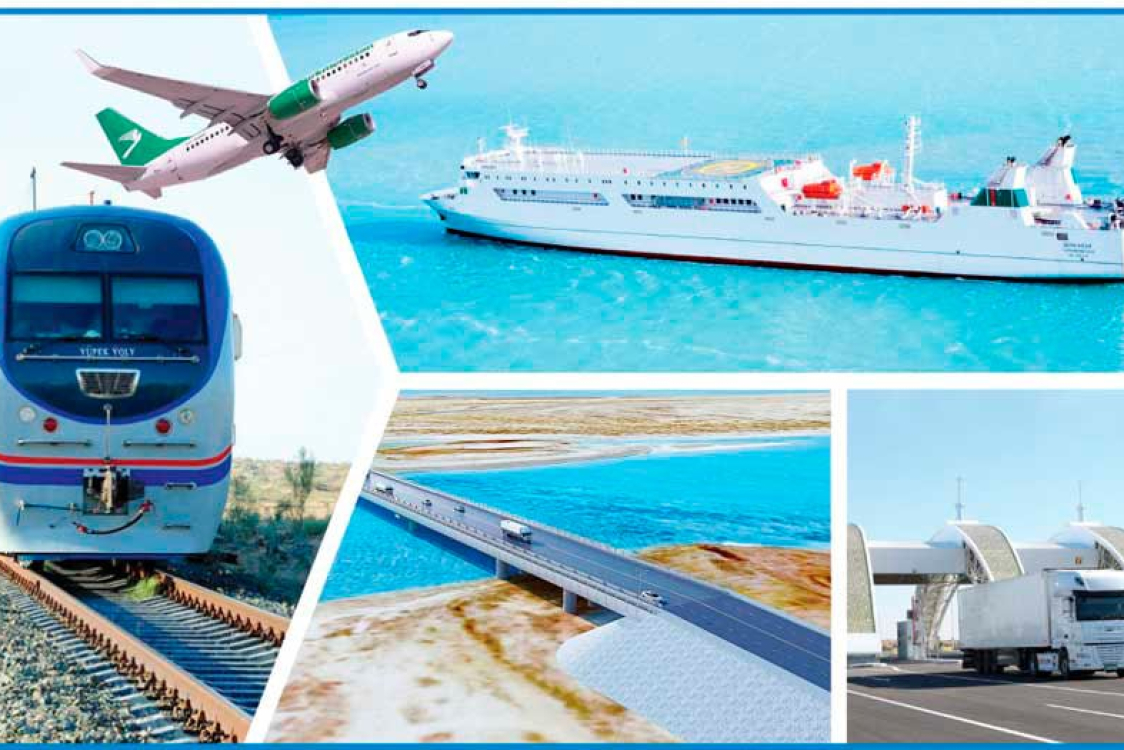
Ashgabat and Baku Discuss Development of Transport Corridors
25.06.2026Transport and transit cooperation became one of the key topics of talks between President of Turkmenistan Serdar Berdimuhamedov and President of Azerbaijan Ilham Aliyev in Baku. The two sides noted the importance of the favorable geographical position of both countries for the development of international logistics corridors between Asia and Europe, according to the news agency “Turkmenistan: Golden Age”. During the meeting, President of Turkmenistan Serdar Berdimuhamedov highlighted the effectiveness of the Afghanistan – Turkmenistan – Azerbaijan – Georgia – Türkiye route. The initiative to establish a Caspian Sea – Black Sea transport corridor involving Turkmenistan, Azerbaijan, Georgia, and Romania was also supported. According to the Turkmen leader, the implementation of the project would create additional opportunities for trade, economic, and investment cooperation. To promote joint initiatives, it was proposed to intensify the work of the Turkmen-Azerbaijani Commission on Transport, Transit, and Logistics.
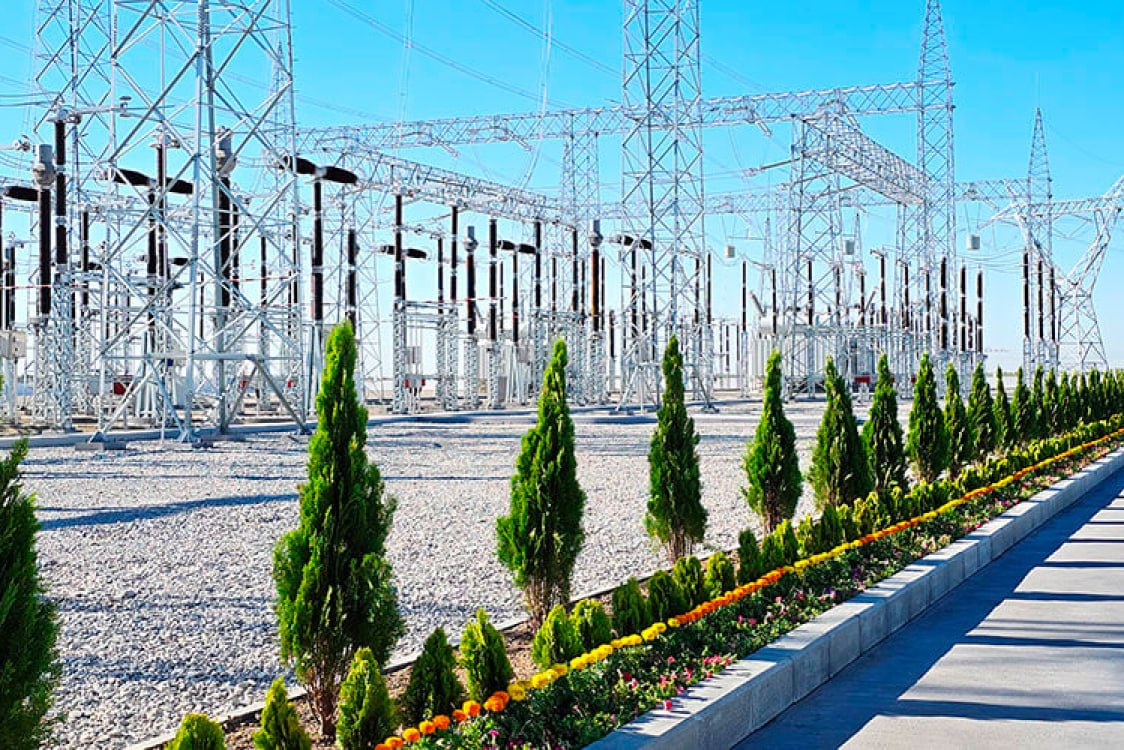
Turkmenistan Confirms Readiness to Supply Electricity to Azerbaijan
24.06.2026During a state visit to Baku, President of Turkmenistan Serdar Berdimuhamedov announced the country's readiness to supply electricity to Azerbaijan. In particular, the initiative involves utilizing the capacity of a 1,574-megawatt power plant currently under construction on the Caspian Sea coast, according to the TDH news agency. During talks with President of the Republic of Azerbaijan Ilham Aliyev, the parties discussed the development of the Turkmenistan–Azerbaijan–Georgia–Romania transport corridor, which will connect the Caspian and Black Seas. According to Serdar Berdimuhamedov, the project will create additional opportunities for expanding trade and investment cooperation. Promising areas of cooperation also include the oil and gas, chemical, and textile industries, as well as the transport and transit sector. The Turkmen side proposed intensifying the work of the Turkmen-Azerbaijani Commission on Transport and Logistics and the Intergovernmental Commission on Economic Cooperation. In addition, the President of Turkmenistan put forward an initiative to hold a meeting of the heads of the Caspian littoral states in October 2026 in the Avaza National Tourist Zone. The parties also paid special attention to cultural and humanitarian cooperation, including the organization of Culture Days in both countries and the construction of a mosque in the city of Fuzuli. The state visit of President Serdar Berdimuhamedov to Azerbaijan is ongoing.
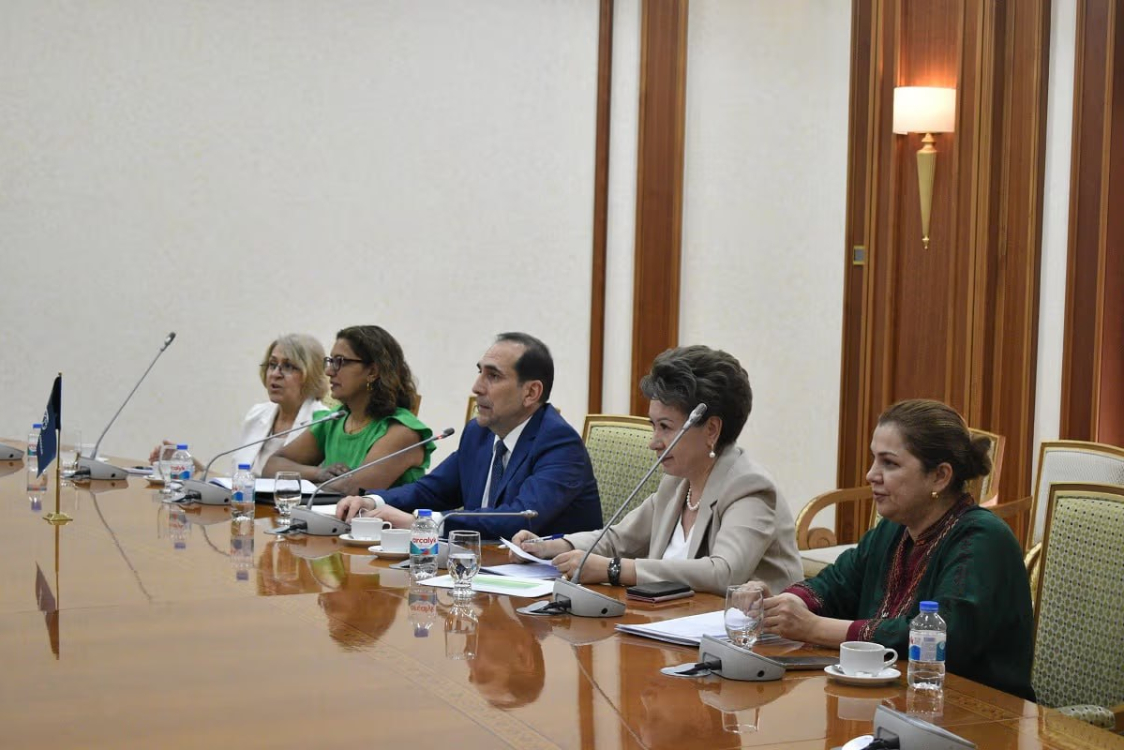
The Minister of Finance of Turkmenistan held a meeting with representatives of the World Bank
23.06.2026Minister of Finance and Economy of Turkmenistan, Mammetguly Astangulov, held talks with World Bank representatives Andrey Mikhnev and Indira John-Abraham, according to the IIC. The parties discussed the implementation of a cooperation roadmap, including digital transformation, the development of a “green” economy and the transport sector, as well as Turkmenistan’s participation in regional initiatives such as REMIT and the “One Health” program. Special attention was given to the integration of the country’s macroeconomic indicators into World Bank analytical materials, improving environmental sustainability, reducing methane emissions in the oil and gas sector, and modernizing water resource management. The parties also agreed to intensify efforts to improve the investment climate and strengthen the country’s position in the “Business Ready” ranking.
Read also
Advertising

 Read us in Zen


