

Economy
Ashgabat and Tbilisi discussed the development of transport and energy links
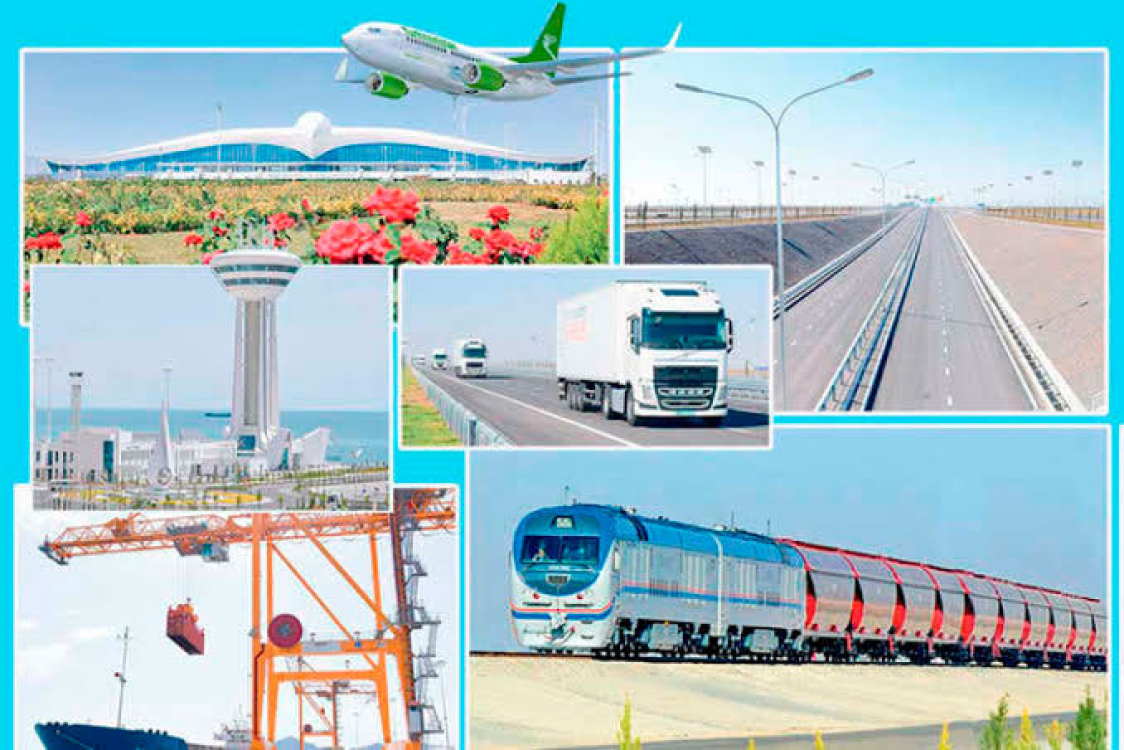
19.07.2026On 17 July, during a meeting between the President of Turkmenistan, Serdar Berdimuhamedov, and the Prime Minister of Georgia, Irakli Kobakhidze, particular attention was paid to the development of cooperation in the transport, logistics and energy sectors. This was reported by the news agency ‘Turkmenistan: Golden age’. President Serdar Berdimuhamedov noted the comprehensive nature of Turkmen-Georgian relations and reaffirmed Turkmenistan’s readiness to assist its Georgian partners in entering the markets of Central and South Asia, as well as the Asia-Pacific region. The parties identified the Lapis Lazuli corridor international transport corridor, linking Afghanistan, Turkmenistan, Azerbaijan, Georgia and Turkey, as one of their priority joint projects. Furthermore, the parties reaffirmed their interest in expanding cooperation in the energy sector. The Turkmen side expressed its readiness to hold substantive discussions on promising projects in this area.
Turkmenistan exports around 80 per cent of its textile products
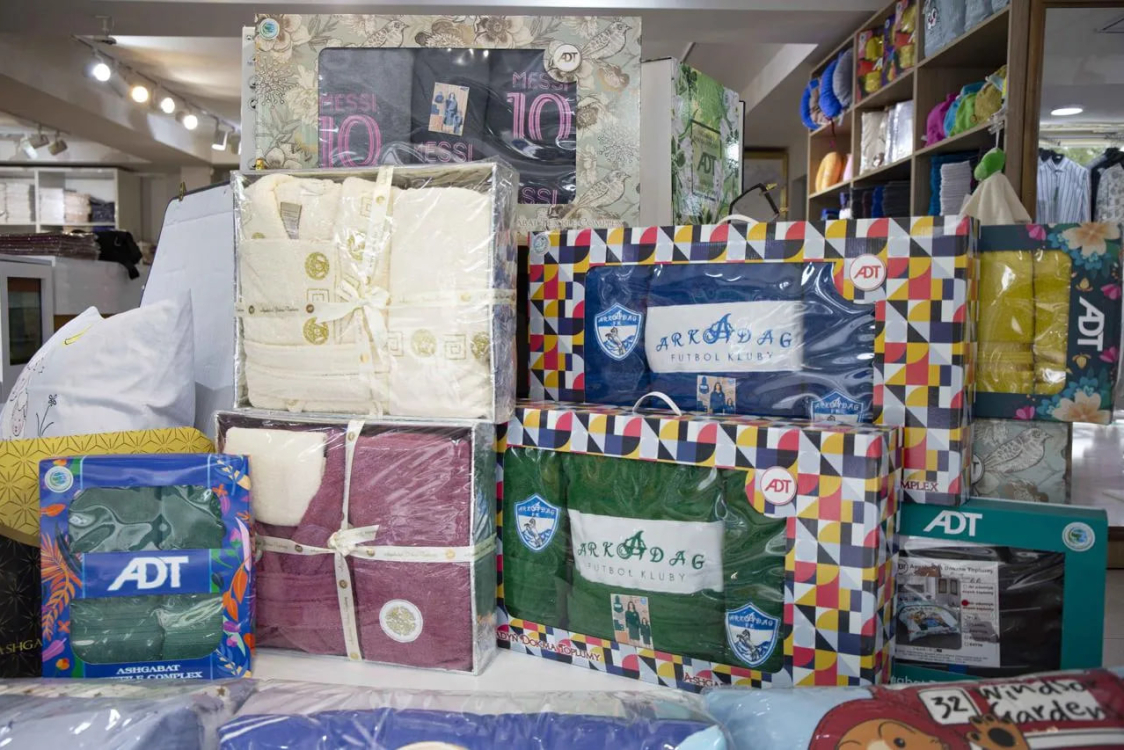
18.07.2026Turkmenistan produces more than 130,000 tonnes of finished textile products annually, around 80 per cent of which is exported. The President of Turkmenistan, Serdar Berdimuhamedov, made this statement at the Georgian-Turkmen Business Forum in Tbilisi, according to the news agency TDH. According to the Head of State, the country is also expanding production of building materials, metal, plastic, cable and electrical products. The development of investment and the private sector is helping to increase the export potential of the agricultural sector. Turkmenistan is one of the major suppliers of environmentally friendly food products.
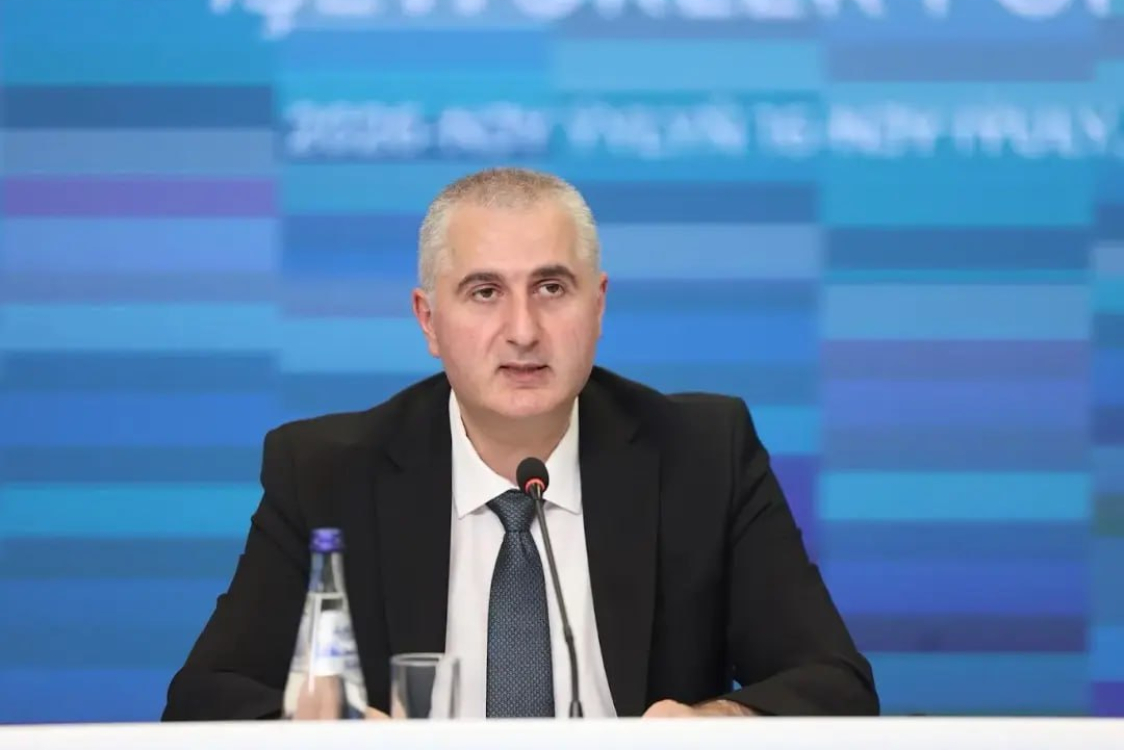
Georgia’s Minister of Finance highlighted the potential for cooperation with Turkmenistan
18.07.2026Georgia’s Minister of Finance, Lasha Khutsishvili, has stated that cooperation with Turkmenistan will be a key factor in boosting trade and investment between the two countries. This was reported by the news website Turkmenportal. Speaking at the Georgia–Turkmenistan Business Forum, he highlighted the significant potential of bilateral relations and the forum’s role in developing the private sector. Khutsishvili also emphasised the importance of infrastructure projects, including the development of the energy component of the Middle Corridor and the construction of an undersea cable across the Black Sea, which is set to connect the South Caucasus to the European energy grid and create new opportunities for the countries of Central Asia.
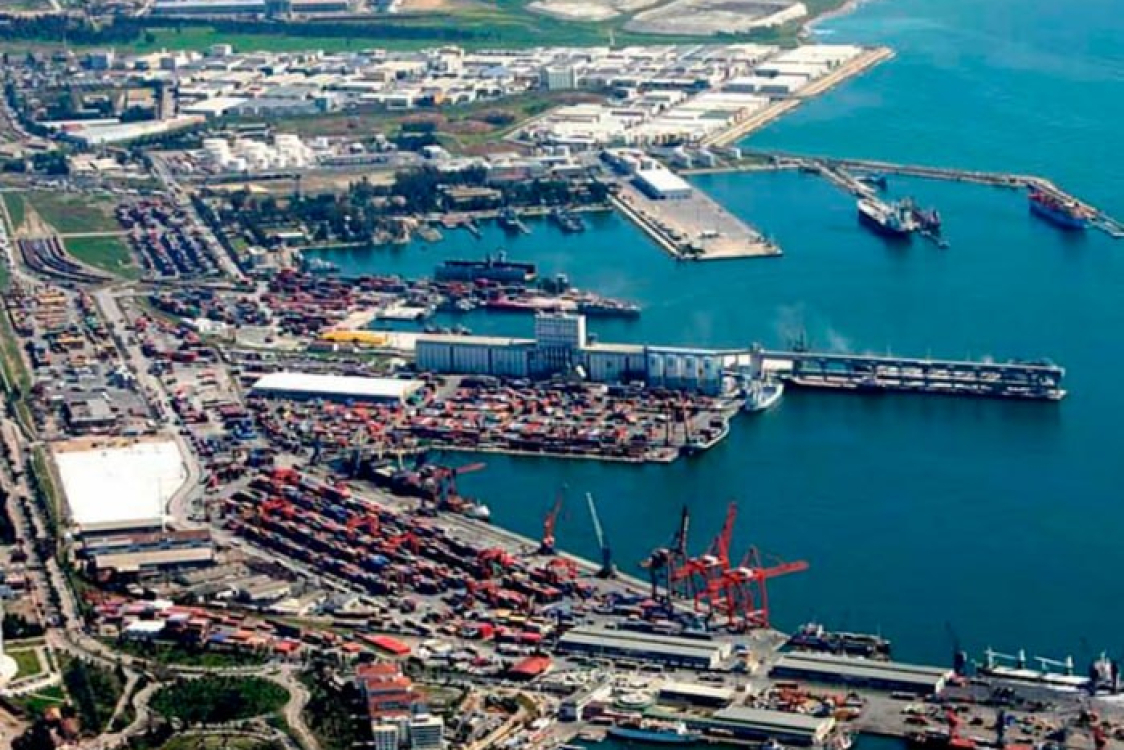
Turkmenistan intends to boost transit capacity via Georgian ports
18.07.2026Turkmenistan is engaged in negotiations regarding the construction of a cargo terminal on the Black Sea coast in Georgia, stated the President of Turkmenistan, Serdar Berdimuhamedov, at the Turkmen-Georgian Business Forum in Tbilisi. This was reported by the online publication ‘Business Turkmenistan’. The Head of State highlighted the prospects for expanding cooperation in the fields of transport, logistics, infrastructure and maritime transport. He said that the private sector must be actively involved in implementing these projects and that public-private partnerships should be developed. Berdimuhamedov also emphasised Turkmenistan’s interest in Georgia’s experience in developing tourism and the service sector. The forum, he said, should help to strengthen trade, economic and investment ties between the two countries.
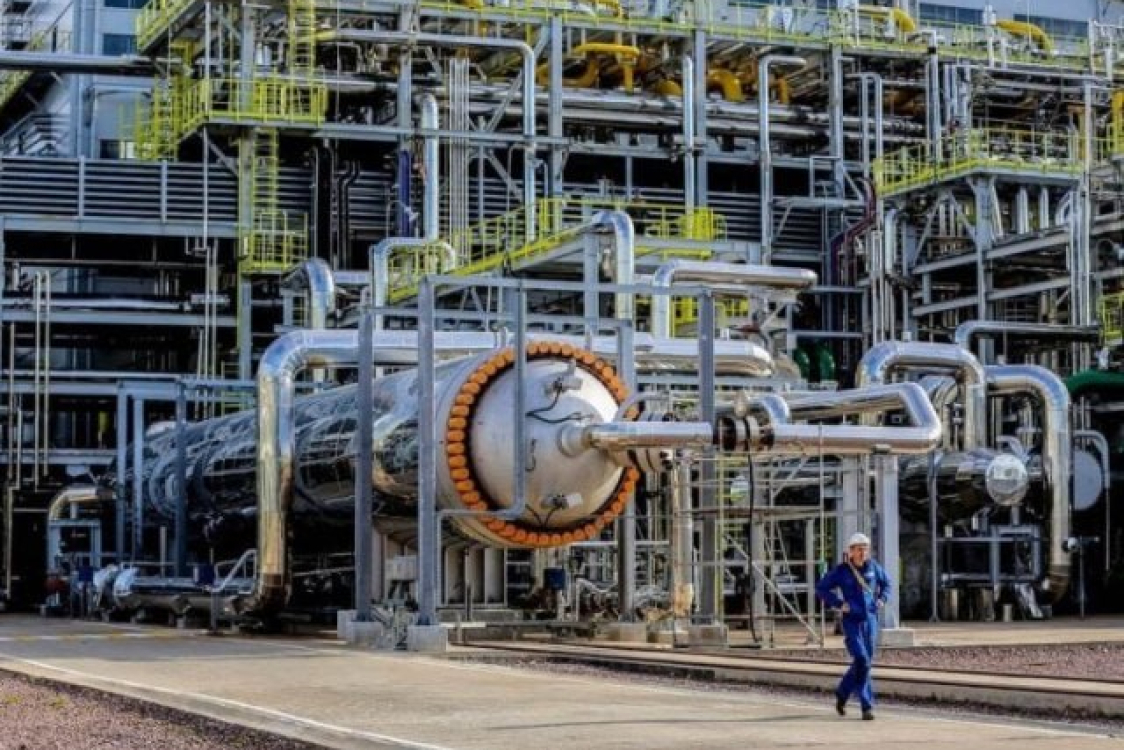
Turkmenistan’s chemical industry is expanding its production capacity
18.07.2026Turkmenistan’s chemical industry continues to expand through major investment projects and the modernisation of production facilities. One of the key priorities remains increasing the output of mineral fertilisers for domestic consumption and export, according to the online publication Arzuw News. A new complex is under construction at the S.A. Niyazov Chemical Plant in Turkmenabat, which, once operational, will produce 350,000 tonnes of superphosphate and 100,000 tonnes of ammonium sulphate per year. In the Turkmenbashi etrap, a project is underway to build a gas-chemical complex with an annual production capacity of 1.155 million tonnes of urea. The new facilities are equipped with modern automated systems and comply with environmental requirements. The development of the chemical industry remains one of the priorities of the country’s economic policy, which aims to attract investment, train specialists and expand international cooperation.
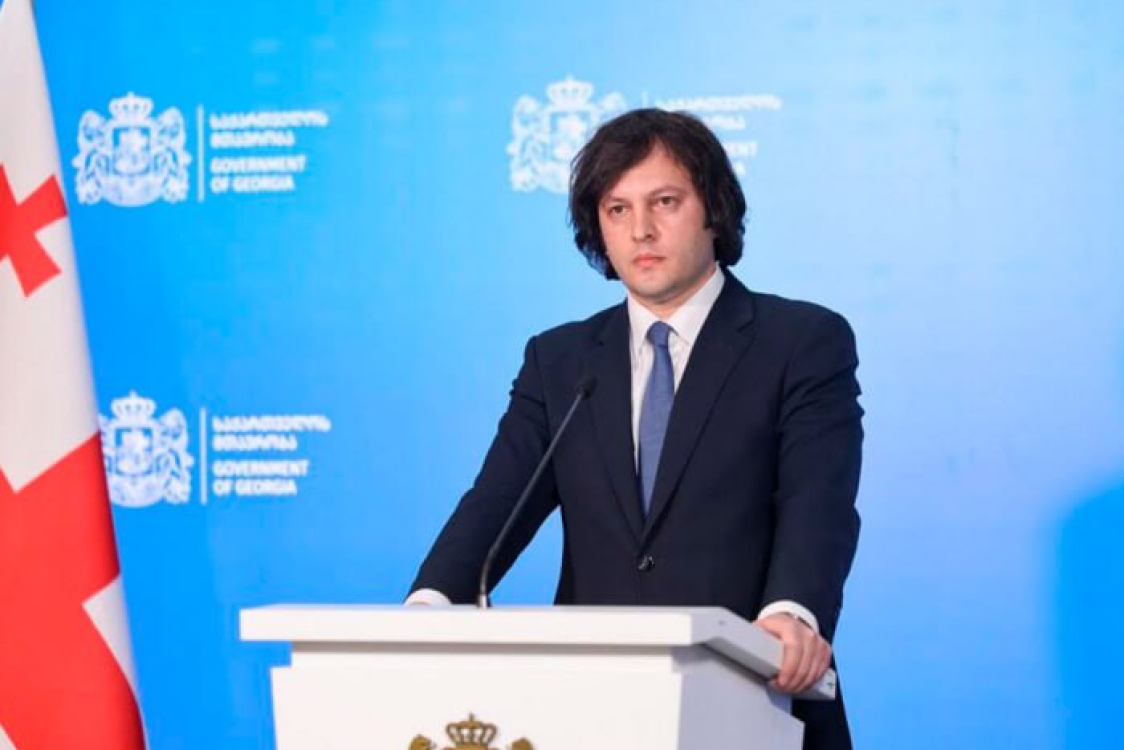
Trade turnover between Turkmenistan and Georgia has exceeded US$100 million
17.07.2026Trade turnover between Turkmenistan and Georgia increased by 26 per cent in 2025, exceeding US$100 million. This was announced by the Georgian Prime Minister, Irakli Kobakhidze, at the opening of the second Georgian-Turkmen Business Forum, according to the online publication ‘Business Turkmenistan’. According to him, the positive trend in bilateral trade is continuing this year. Kobakhidze also noted that the visit to Georgia by the President of Turkmenistan, Serdar Berdimuhamedov, confirms the high level of trust and the strategic importance of cooperation between the two countries. The Prime Minister also emphasised that Georgia and Turkmenistan have great potential for further cooperation and spoke highly of the prospects for developing the partnership.
German companies have submitted proposals for the port of Turkmenbashi
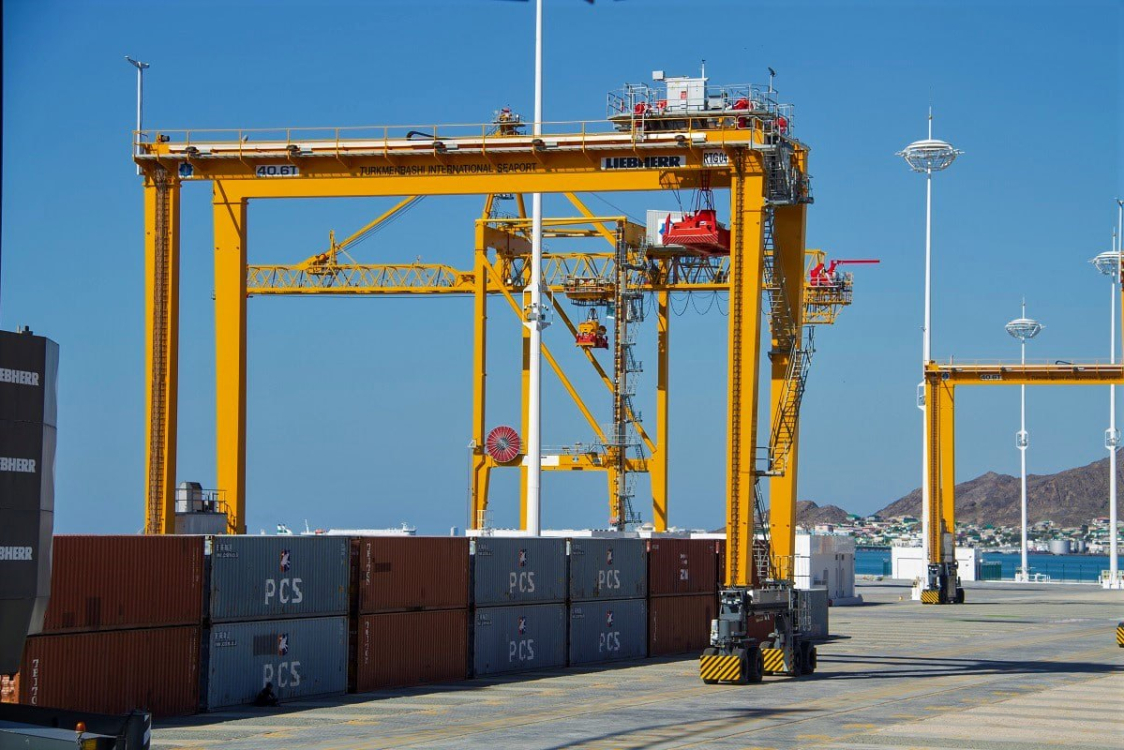
17.07.2026Negotiations took place at the Turkmenbashi International Seaport between representatives of Turkmenistan’s State Service for Maritime and Inland Waterway Transport and a delegation from the German Committee on Eastern European Economic Relations and German companies. This was reported by the news agency Orient. The parties discussed the development of container transport, logistics corridors, energy supply to port infrastructure and the supply of equipment. The Turkmen side highlighted the port’s transit potential and confirmed its readiness to expand cooperation. The German companies ‘Rhenus’, ‘Benning’, ‘Eternity’, ‘Zeppelin’ and ‘Edison Technologies’ presented their projects, noting a 12 per cent increase in bilateral trade. Technological cooperation was also discussed, including the servicing of ‘Caterpillar’ marine engines, the installation of specialised equipment and the construction of yachts. Following the meeting, the parties expressed an interest in developing the transit of Chinese and Uzbek cargo through Turkmenistan to Europe and agreed to continue regular consultations.
Turkmenistan and Germany discussed expanding their business partnership
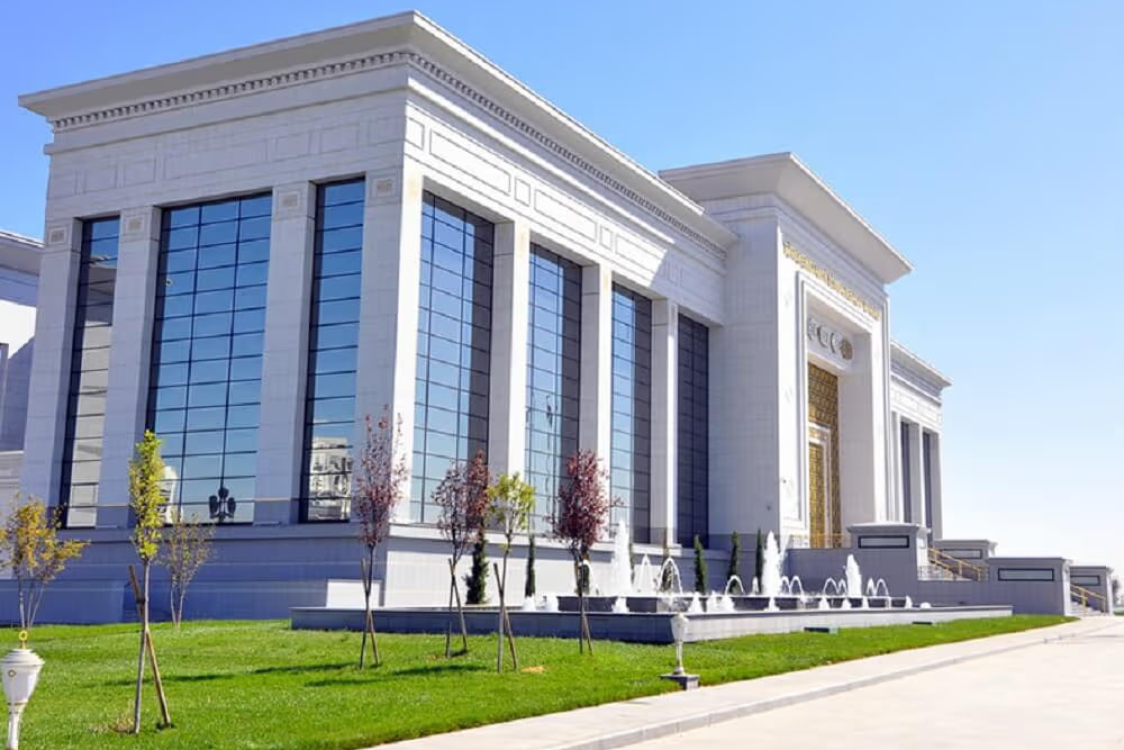
17.07.2026A delegation from the German Committee on Eastern European Economic Relations, led by Executive Director Michael Harms, arrived in Ashgabat on a working visit. Meetings were held at the Chamber of Commerce and Industry of Turkmenistan with the heads of relevant ministries and departments, according to the IIC. The parties discussed the development of cross-sectoral cooperation and the implementation of joint industrial projects. Negotiations were also held with the leadership of the Union of Industrialists and Entrepreneurs of Turkmenistan. The main focus was on the supply of high-tech equipment, the introduction of digital solutions and the modernisation of production facilities. The five-day consultations are aimed at expanding trade and economic cooperation and strengthening the presence of German businesses in the Turkmen market.
The CMA CGM logistics group is expanding its presence in Turkmenistan
16.07.2026The French logistics group ‘CMA CGM’ is expanding its presence in Turkmenistan. As part of this expansion, its subsidiary airline, ‘Air Belgium’, will open its own representative office at Ashgabat International Airport, according to the Orient news agency. According to Philippe Merlin, the French Ambassador to Turkmenistan, this move implements the agreements reached in Paris in May 2025 at a meeting between the National Leader of the Turkmen people and Chairman of the Halk Maslahaty of Turkmenistan, Gurbanguly Berdimuhamedov, and the President of France, Emmanuel Macron. The launch of regular cargo flights by the Belgian carrier via the Turkmen capital is scheduled for early August, and the new service centre will ensure their long-term support and create favourable conditions for international business.
Turkmenistan is preparing for the OGT 2026 international forum
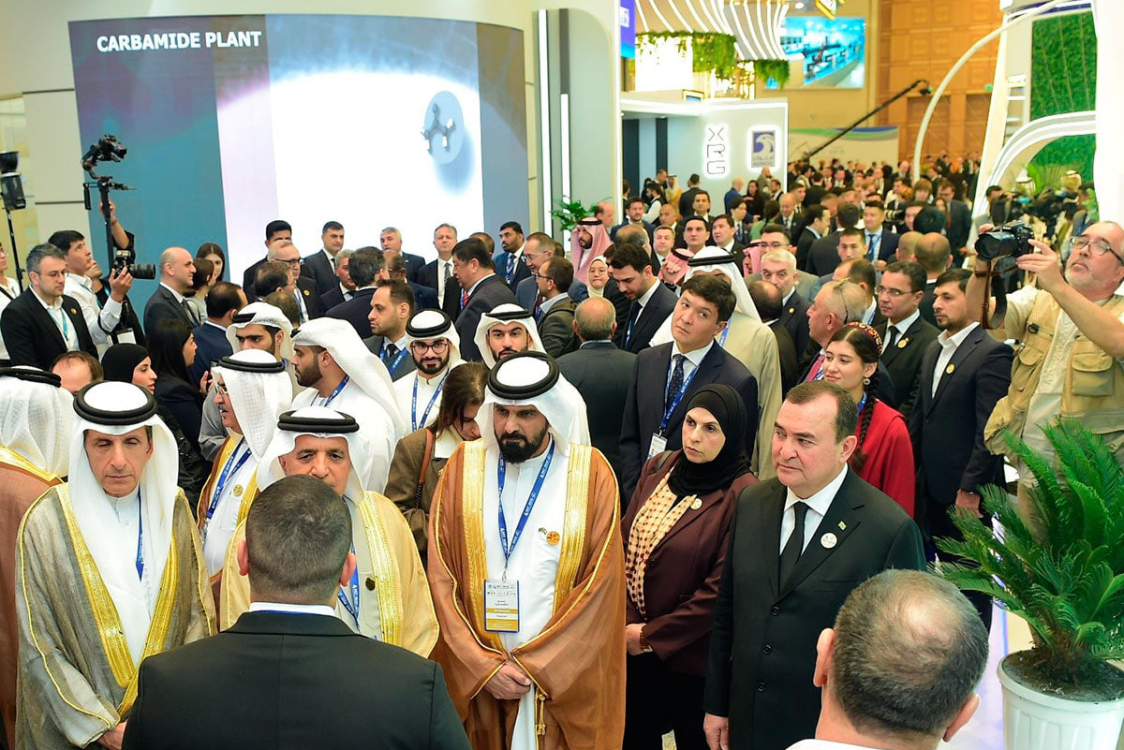
15.07.2026Regional cooperation is becoming one of the key factors in the development of the global energy sector, the strengthening of energy security and the attraction of investment. The states of Eurasia are expanding their partnerships, developing infrastructure and implementing modern solutions in the energy sector, according to the news agency ‘Turkmenistan: Golden age’. Turkmenistan, which possesses significant natural gas reserves, is consistently developing its cooperation with foreign partners. The country is expanding cooperation in the energy sector, infrastructure and technology, with a focus on strengthening regional stability and sustainable development. The Caspian region remains an important hub for energy cooperation. The development of transport corridors, the exploitation of resources and the growth of investment are creating new opportunities for cooperation between the Caspian states. One area of focus is the strengthening of the partnership between Turkmenistan and Azerbaijan. The visit to Turkmenistan by Mikayil Jabbarov, Minister of Economy of the Republic of Azerbaijan, and the participation of representatives from the State Oil Company of the Republic of Azerbaijan (SOCAR) confirmed the parties’ interest in expanding cooperation. Turkmenistan and Azerbaijan are developing cooperation in the fields of geological exploration, hydrocarbon production, maritime projects, transport infrastructure, digital technologies and environmental initiatives. Turkmenistan’s energy partnership also extends beyond the region. Strategic cooperation with the People’s Republic of China ensures the supply of natural gas via one of the largest export routes. Joint projects with PETRONAS contribute to the introduction of modern technologies and the development of the oil and gas sector. The ‘Turkmenistan–Afghanistan–Pakistan–India’ (TAPI) gas pipeline remains a key element of regional integration, aimed at developing energy interconnectivity and economic cooperation in Central and South Asia. At the same time, Turkmenistan is focusing on the digitalisation of the energy sector, reducing methane emissions, improving environmental performance and introducing advanced production technologies. The development of international projects requires expanded investment cooperation. Stable business conditions, the country’s resource potential and its favourable geographical location create opportunities for implementing projects in the fields of hydrocarbon production, gas processing, gas chemistry and the modernisation of energy infrastructure. An important platform for discussing these issues will be the 31st International Conference and Exhibition ‘Oil and Gas of Turkmenistan – 2026’ (OGT 2026), which will take place on 21–23 October 2026 in Ashgabat under the motto ‘Energy. Partnership. Progress.’ For over 30 years, OGT has brought together representatives of government bodies, oil and gas companies, international organisations, investors, financial institutions and technology companies. OGT 2026 is set to discuss investment projects, the development of the ‘Galkynyş’ gas field, the exploitation of resources in Turkmenistan’s sector of the Caspian Sea, the expansion of gas processing and gas chemistry, the digital transformation of the industry, and issues of sustainable development. To date, more than 100 international delegates from over 20 countries have confirmed their participation in the conference. Participant registration is still open. OGT 2026 will serve as a platform for exchanging experience, discussing new projects and strengthening long-term cooperation in the energy sector.
‘Petronas’ may begin drilling operations in Turkmenistan’s gas blocks as early as December
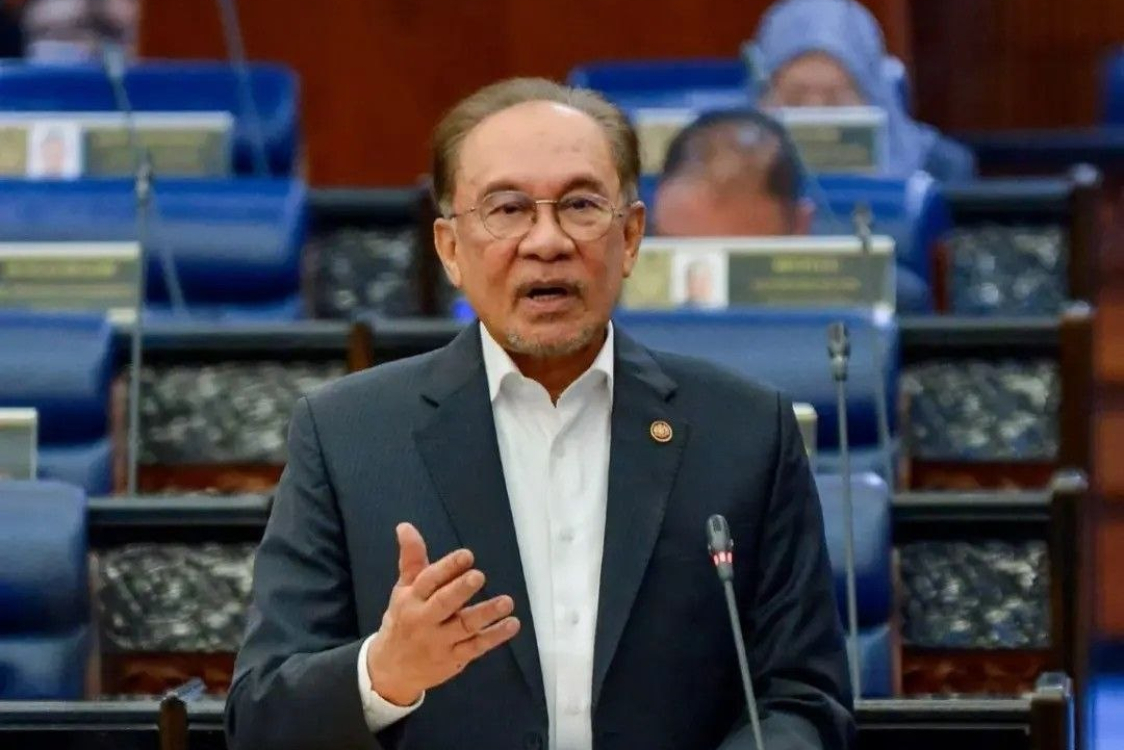
15.07.2026Malaysian Prime Minister Datuk Seri Anwar Ibrahim has stated that exploration and drilling work on the Turkmenistan gas blocks allocated to ‘Petronas’ could begin as early as December. This was reported by the news website Turkmenportal. According to him, the project is progressing at a record pace. Anwar noted that the development of the Turkmen fields will strengthen Malaysia’s position as one of the world’s largest holders of gas reserves and will be an important step in ensuring the country’s energy security. He also emphasised that the authorities are continuing to take measures to maintain the stability of energy supplies, keep prices in check and strengthen the economy.
The Turkmen Stock Exchange has summarised the trading results for the past week
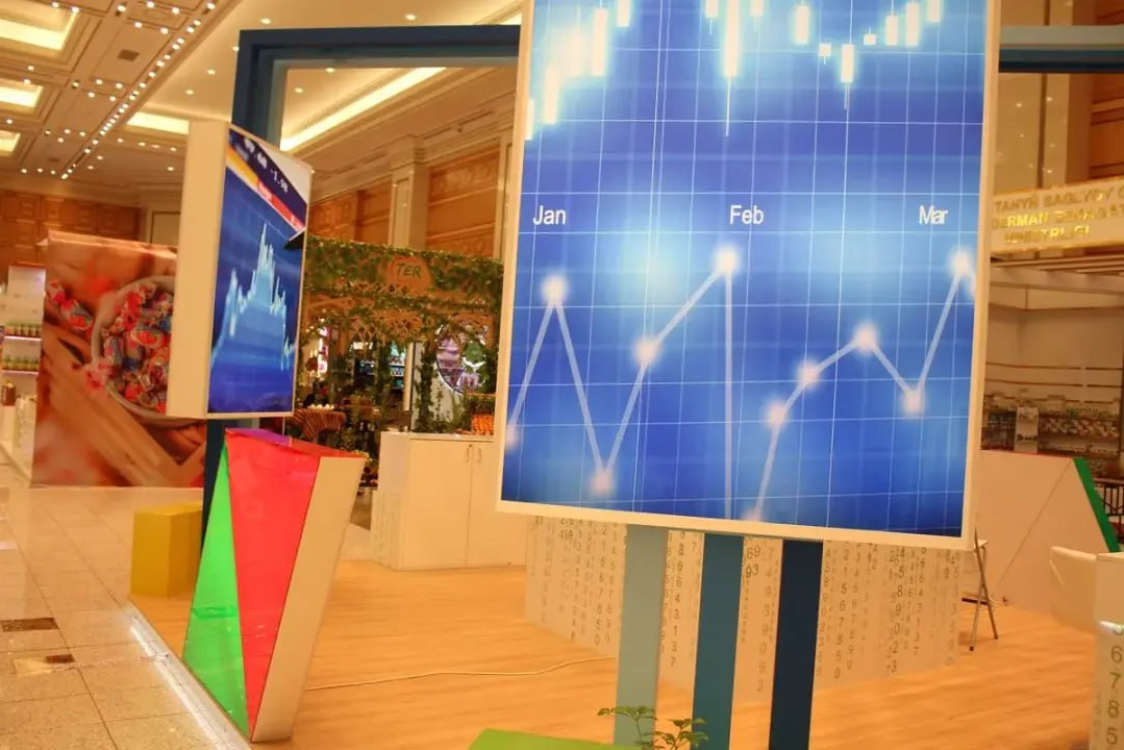
14.07.2026Last week, 16 transactions were recorded on the State Commodity and Raw Materials Exchange of Turkmenistan. This was reported by the news website Turkmenportal. Liquefied gas, textile products, cottonseed oil, cotton yarn, fabrics, denim products, cleaned cotton spinning waste, as well as boilers and ceramic sanitaryware were sold for export in exchange for foreign currency. The buyers were companies from Georgia, the UAE, Turkey and Uzbekistan. The total value of the export contracts exceeded 3.297 million US dollars. On the domestic market, Turkmen entrepreneurs purchased polypropylene, wheat flour, cotton yarn, raw silk and cotton fibre. The total value of the transactions amounted to 128.216 million manats.
Read also
Advertising
 Read us in Zen


