



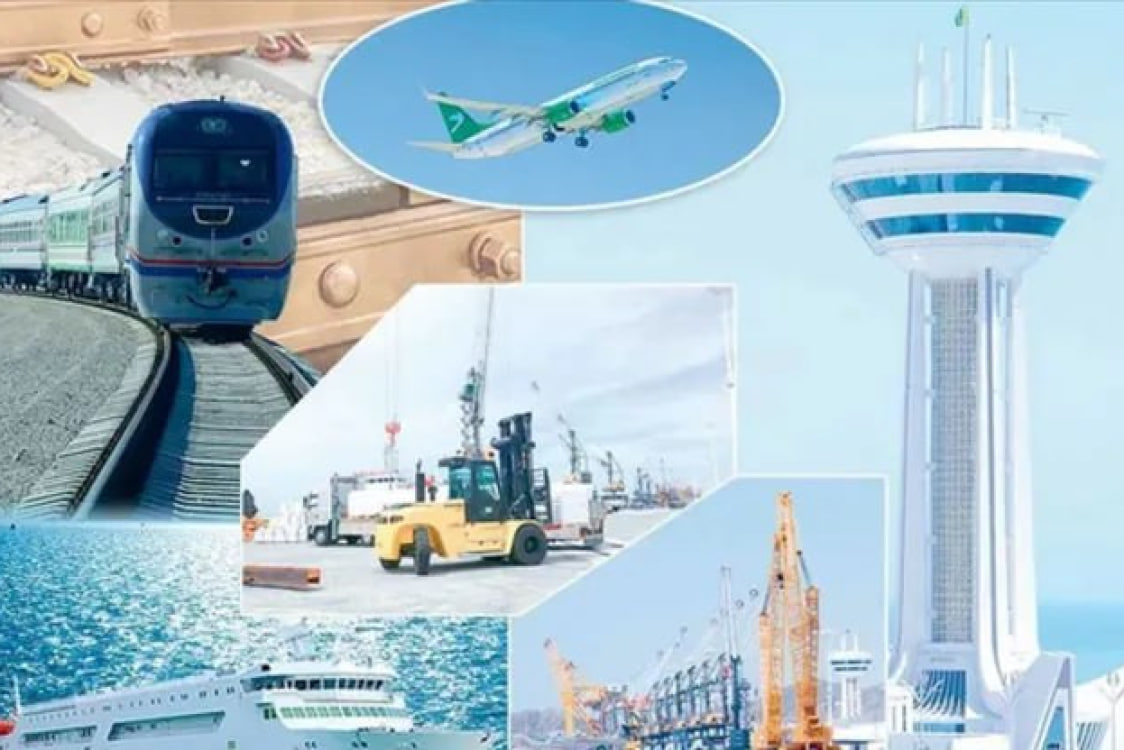
Turkmenistan is continuing to modernise its transport and communications infrastructure and to develop international transport and transit corridors. The main focus is on increasing passenger and freight traffic, expanding the capacity of transport systems and improving the quality of services, according to the news agency TDH.
At an extended meeting of the Cabinet of Ministers on 10 July to review the results of the first half of the year, President Serdar Berdimuhamedov emphasised the need to further improve the transport and communications sector.
As part of the ‘Programme for the Socio-Economic Development of Turkmenistan and Investment in 2026’, the reconstruction of roads connecting the country’s regions and neighbouring states is continuing.
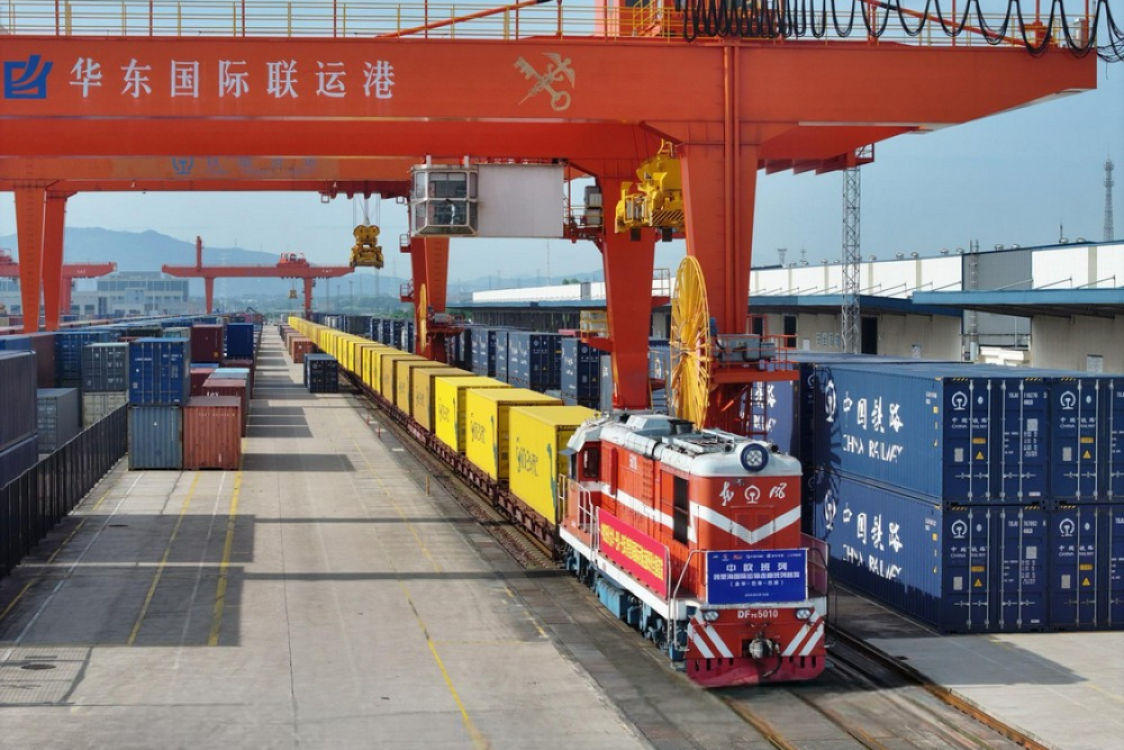
Particular attention is being paid to rail transport. The rolling stock is being modernised, and diesel locomotives, passenger carriages, tankers and specialised carriages for the transport of various goods are being procured. One of the priorities remains the modernisation of the ‘Ashgabat–Turkmenbashi’ railway line, which links the country’s regions with the Turkmenbashi International Seaport and the ‘Lapis Lazuli’, ‘TRACECA’, ‘North–South’ and ‘East–West’ international corridors.
The modernisation of road infrastructure is continuing. A major project has been the 600-kilometre ‘Ashgabat–Turkmenabat’ motorway. Construction began on 24 January 2019 and was carried out in three sections: ‘Ashgabat–Tejen’, ‘Tejen–Mary’ and ‘Mary–Turkmenabat’. The final section was opened on 10 April 2026 in the presence of President Serdar Berdimuhamedov.
Transport infrastructure is also being developed in the west of the country. As part of the ‘Turkmenbashi–Garabogaz–Kazakhstan’ border road, a 207-kilometre section is currently under construction. A 354-metre-long road bridge has also been built across Garabogaz Kol Bay. These projects are aimed at expanding regional transport links and transit capacity.
The Ministry of Road Transport of Turkmenistan continues to strengthen its material and technical base and improve the quality of passenger services. At the same time, work is underway to bring national legislation in the field of road transport into line with international standards.
Civil aviation plays an important role in the transport system. The country’s aircraft fleet is being renewed, specialist personnel are being trained and airports are being modernised. ‘Turkmenistan’s National Civil Aviation Development Programme up to 2030’ provides for the introduction of modern technologies and international best practice.
Turkmenbashi International Airport has undergone a major refurbishment, whilst a new international airport has been built and brought into operation in Balkanabat. At the same time, measures are being taken to expand the transit capacity of the airports. ‘Turkmenistan’s State Programme for Ensuring Civil Aviation Flight Safety’ sets out the main directions of state policy in this area, taking into account the international standards of the International Civil Aviation Organisation (ICAO).
In addition, the development of maritime transport is continuing. Port infrastructure is being modernised, freight and passenger traffic volumes are increasing, and safety and navigation systems are being improved. At the ‘Balkan’ Shipbuilding and Ship Repair Yard, domestic and foreign vessels are being repaired, and ships are being built for the national fleet. The plant has built and commissioned the dry cargo vessel ‘Gadamly’ – the first of its kind in the country.
At the same time, the communications sector is being improved. At an extended meeting of the Cabinet of Ministers to review the results of the first six months of 2026, President Serdar Berdimuhamedov highlighted the need to modernise the sector and introduce new types of services.
By a Resolution of the President of Turkmenistan, Serdar Berdimuhamedov, the ‘State Programme for the Development of the Digital Economy in Turkmenistan for 2026–2028’ and the Action Plan for its implementation have been approved. The documents provide for the wider application of information and communication technologies and innovations, the improvement of the quality of public services, the development of entrepreneurship and the creation of a digital ecosystem.
One of the priority areas of digitalisation is artificial intelligence. Pilot projects are being implemented in Turkmenistan to apply AI in education, healthcare, agriculture and traffic management. Developments are also underway in the fields of big data, blockchain and cybersecurity.
Work is continuing to improve the telecommunications infrastructure and the legal framework governing information and communications services. Following the launch of the country’s first national satellite, opportunities for the development of satellite communications, television and radio broadcasting have expanded. Work is underway on a programme of cooperation with foreign states and international organisations to ensure the cybersecurity of the digital system for the period 2025–2027.
Particular attention is being paid to increasing the capacity of international communication channels and diversifying telephone traffic and data transmission. Opportunities are being explored to expand connections with neighbouring states and increase the transit of information flows between Asia and Europe.
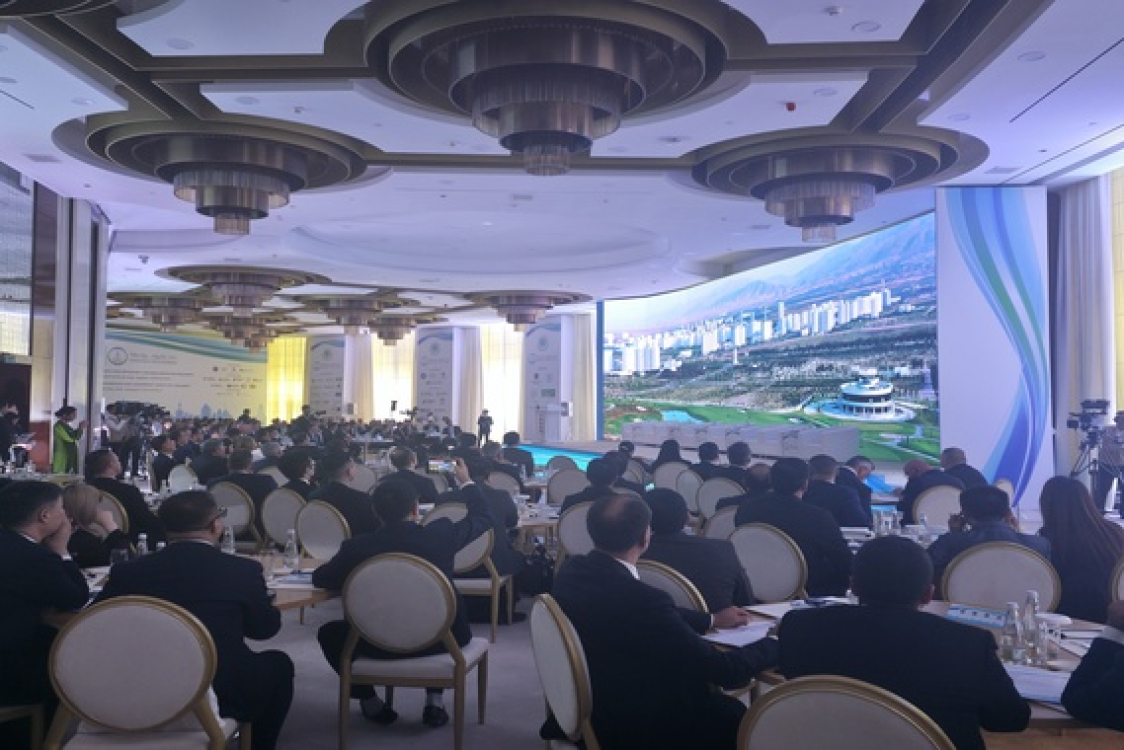
Turkmenistan also continues to put forward initiatives on the development of transport corridors and communications systems at international forums and high-level meetings.
The implementation of projects in the transport, communications and digital sectors is aimed at enhancing the country’s transit potential, expanding international links and establishing a modern transport and communications infrastructure.
Read also


Advertising




 Read us in Zen


