



Society
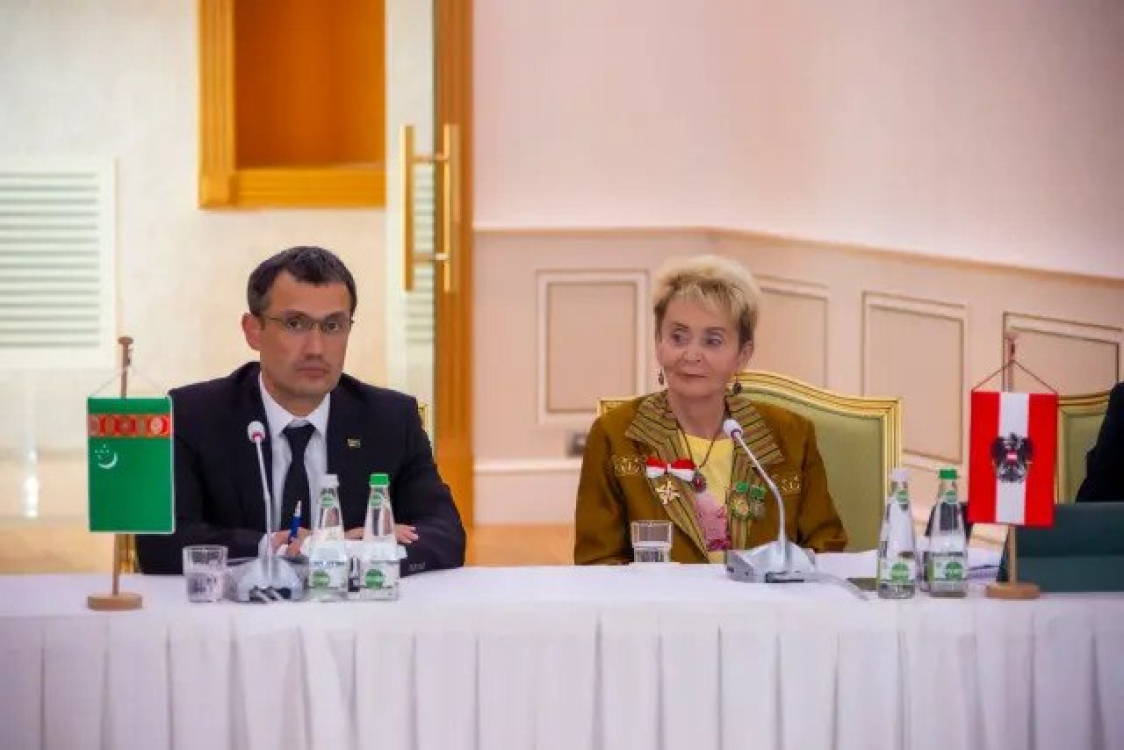
The Austrian-Turkmen Society presented new projects in Ashgabat
07.10.2026On 5 October, the ‘Ýyldyz’ Hotel in Ashgabat hosted the latest meeting of the Austrian-Turkmen Society. The meeting was attended by representatives of Austrian and Turkmen companies, members of the society and figures from the arts, according to Turkmenportal. Participants discussed the development of bilateral relations, the Society’s projects and events marking the 35th anniversary of Turkmenistan’s independence. The meeting was also attended by the Society’s Chair, Neda Berger, the Turkmen Ambassador to Austria, the Secretary-General and the Vice-President of the organisation. Particular attention was paid to Turkmenistan’s participation and the Ahal-Teke horses at the World Equestrian Games in Peelbergen (the Netherlands), which took place from 4 to 6 September 2026. This marked Turkmenistan’s first-ever participation in these competitions. The participants were presented with materials on the address by the National Leader of the Turkmen people, Chairman of the Halk Maslahaty of Turkmenistan, Gurbanguly Berdimuhamedov; Neda Berger’s participation in the international academic conference ‘The Turkmen Heavenly Steed — A Symbol of Our Era’; and the performance by the German opera singer Konstantin Rittel-Kobylianski as part of the gala concert. The meeting also saw the presentation of the society’s revamped website and the project ‘The voice of Turkmen youth today is the voice of Turkmenistan's future!’, which is being implemented with the participation of representatives of the younger generation. Participants discussed plans for the society’s anniversary event, which is scheduled to take place in Ashgabat in 2027.
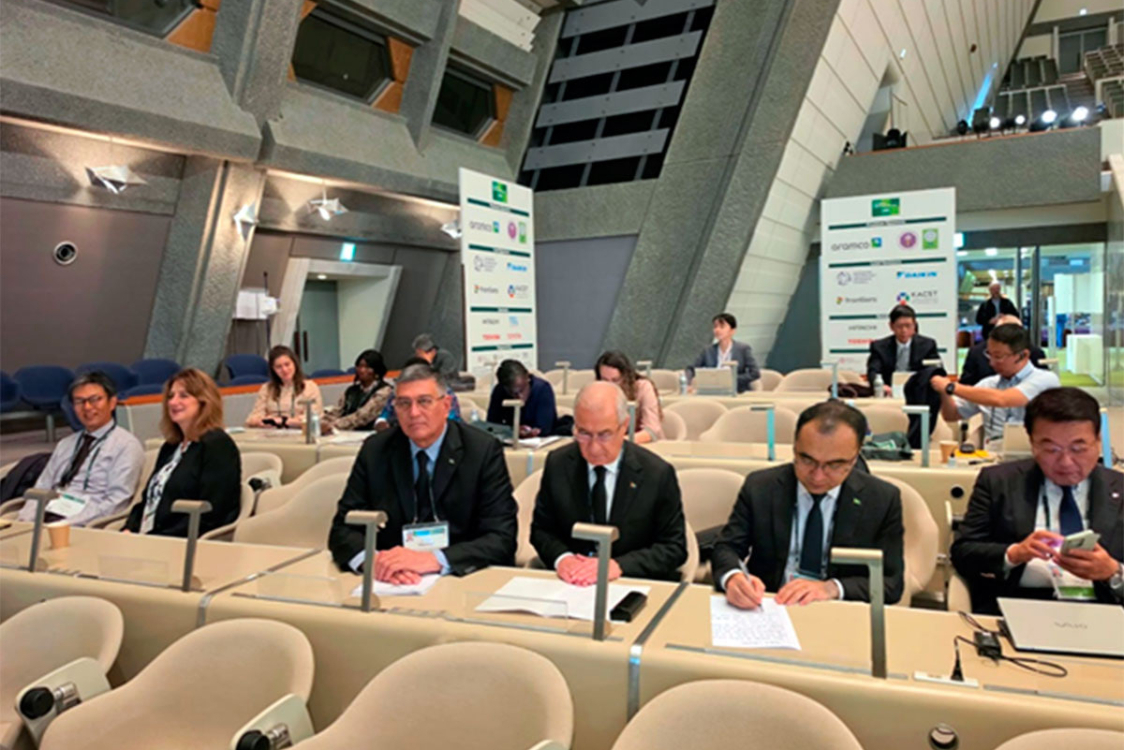
Turkmenistan is represented at the Science and Technology Forum in Kyoto
07.10.2026A Turkmen delegation comprising representatives from the Academy of Sciences of Turkmenistan and the Oguz Han University of Engineering and Technology of Turkmenistan took part in the international forum ‘Science and Technology in Society’ (STS), which is being held in the Japanese city of Kyoto. The forum also included the 22nd round-table meeting at the level of ministers of science and technology. This was reported by the news agency “Turkmenistan: Golden age”. The official opening of the STS took place on 4 October. Japanese Prime Minister Sanae Takaichi emphasised the need to harness scientific innovation in the interests of sustainable development, peace and the well-being of humanity. During the plenary and thematic sessions, participants discussed the prospects for the development of science and technology up to 2030 and beyond. The main focus was on artificial intelligence, biotechnology and renewable energy, as well as issues relating to their development in accordance with ethical principles. As part of the forum, a session was held chaired by Julie Maxton, Executive Director of the Royal Society of London. Participants examined the impact of artificial intelligence on society, as well as the ethical and practical risks associated with its development. On 5 October, Allaberdi Ashirov, President of the Academy of Sciences of Turkmenistan, addressed the ‘Academy of Science Presidents’ Meeting’. He outlined the main directions of Turkmenistan’s state policy in the field of science, including the development of research activities, the introduction of high technologies into production, and the training of young scientists. Particular attention in his speech was paid to international scientific cooperation, joint innovation projects and the exchange of experience between academies of sciences. The Turkmen delegation’s visit to Japan will last until 8 October. It is aimed at developing cooperation in the scientific, educational and technological spheres.
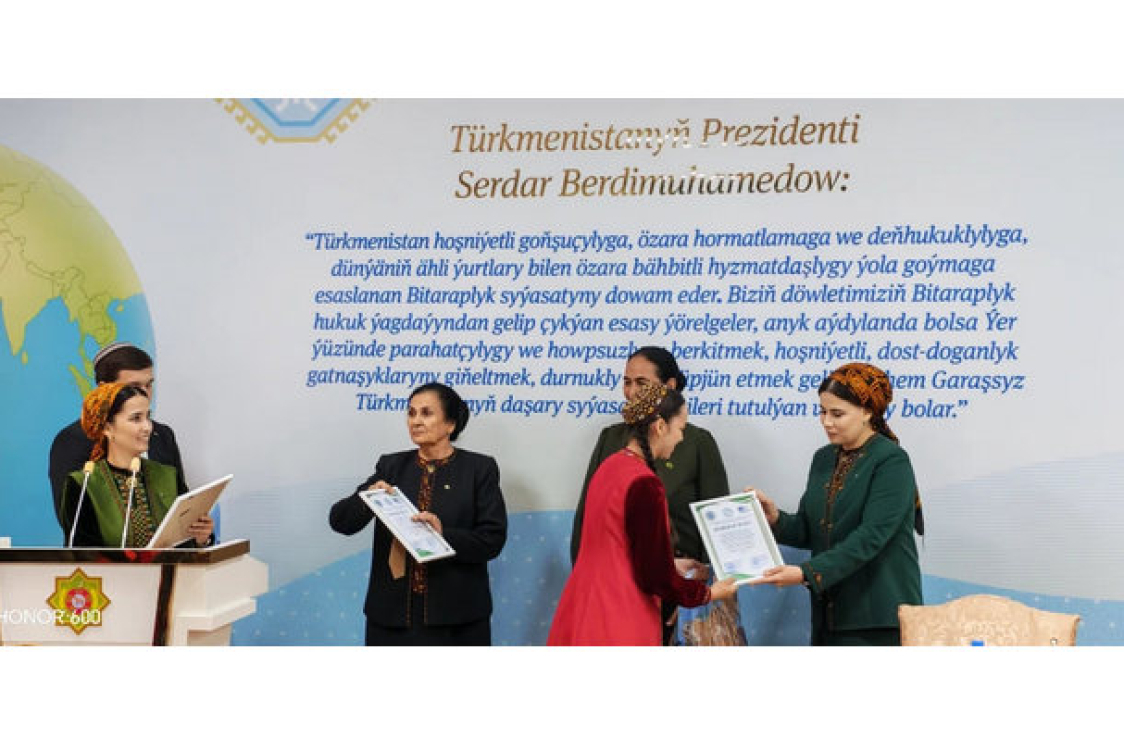
An international conference in Ashgabat was dedicated to national heritage
06.10.2026On 5 October 2026, the Institute of International Relations of the Foreign Affairs Ministry of Turkmenistan hosted an international conference entitled ‘Our National Heritage – A Solid Foundation for Our Independence’. This was reported by the press office of the Institute of International Relations of the Foreign Affairs Ministry of Turkmenistan. The event was dedicated to the 35th anniversary of Turkmenistan’s independence, the motto for 2026 – ‘Independent Neutral Turkmenistan − the Homeland of Purposeful Winged Horses’ – and the International Day for the Safeguarding of the Intangible Cultural Heritage. Participants discussed the preservation and promotion of the historical and cultural heritage of the Turkmen people, its significance for statehood, and the development of international cultural cooperation under the auspices of UNESCO. Representatives of UNESCO departments and clubs, as well as national commissions from foreign countries, took part in the conference via a digital platform. Presentations were given by representatives from Belarus, Kazakhstan, the Kyrgyz Republic and Turkey. Representatives from the Ministry of Culture of Turkmenistan and the Central Council of the Magtymguly Youth Organisation of Turkmenistan also took part in the discussion. In conclusion, the participants adopted an Appeal to the President of Turkmenistan, Serdar Berdimuhamedov.
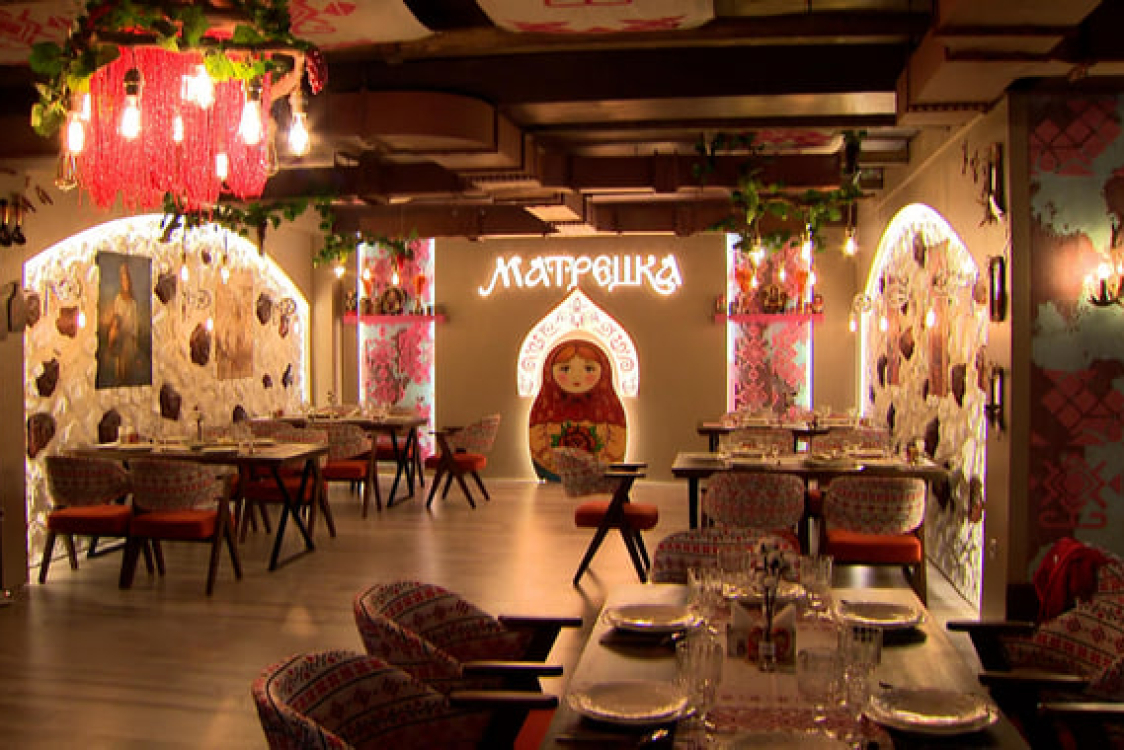
A new restaurant serving Slavic cuisine has opened in Ashgabat
06.10.2026A restaurant serving Slavic cuisine, decorated in a traditional Russian style, has opened in Ashgabat. The menu features national dishes, according to IIC of Turkmenistan. The idea for the restaurant came to its owner whilst he was living in Russia. After returning to Turkmenistan in April, he began work on the establishment in May. Renovation work was carried out and the menu prepared over the course of several months. The interior is decorated with traditional patterns and hand-embroidery. The waiters wear Russian costumes, whilst elements of the heating system are styled to resemble Russian stoves with samovars. Decorative salt cellars were crafted by local artists. The menu includes borscht, pelmeni and tea from a samovar. At the opening, guests were welcomed in traditional costumes with a loaf of bread and a performance by skomorokhi.
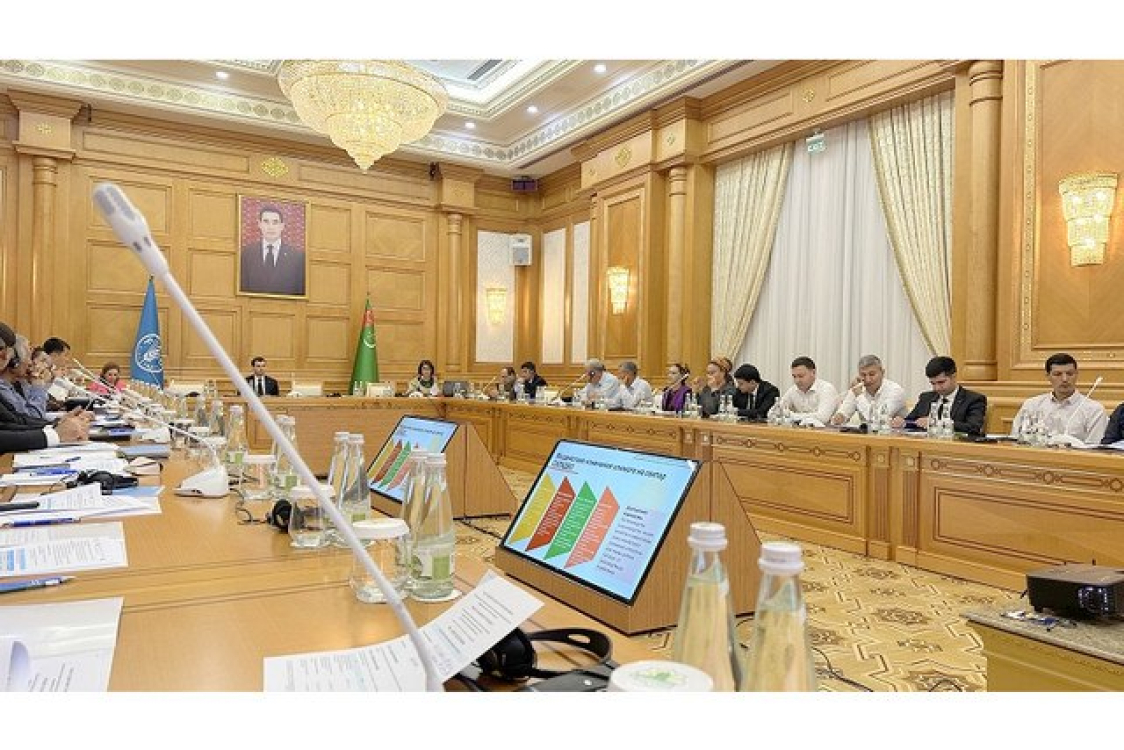
Digital monitoring of climate finance was discussed in Ashgabat
06.10.2026An inter-ministerial training session on modern technologies for adapting to climate change and protecting the environment was held at the ‘Arçabil’ Hotel. The event was organised by the Ministry of Environmental Protection of Turkmenistan, the Food and Agriculture Organisation of the United Nations (FAO) and the Green Climate Fund, according to the news agency ‘Turkmenistan: Golden age’. The main focus of the meeting was the presentation and testing of a new digital tool for monitoring climate finance. Representatives from ministries and departments familiarised themselves with the platform’s capabilities, methods for collecting departmental statistics and the classification of expenditure. The digital system is designed to systematise data on environmental protection expenditure, improve the quality of reporting on greenhouse gas emissions and enhance government planning. The platform also enables the analysis of data relating to agriculture and forestry, and allows for the assessment of Turkmenistan’s contribution to fulfilling its obligations under the UN Framework Convention on Climate Change and the Paris Agreement. Following the training, experts highlighted the significant volume of domestic climate finance in Turkmenistan and the implementation of long-term national programmes in the field of sustainable development.

An Italian jazz singer is set to perform on stage at the Ashgabat Theatre
04.10.2026On 20 November 2026, the Magtymguly National Music and Drama Theatre in the capital will host a concert by the Italian jazz singer Simona De Rosa. This was reported by the IIC of Turkmenistan. The musical evening will begin at 7.00 pm and will form part of the programme of events for the European Culture Days in Turkmenistan. The cultural event is organised by the country’s Ministry of Culture and the Delegation of the European Union.
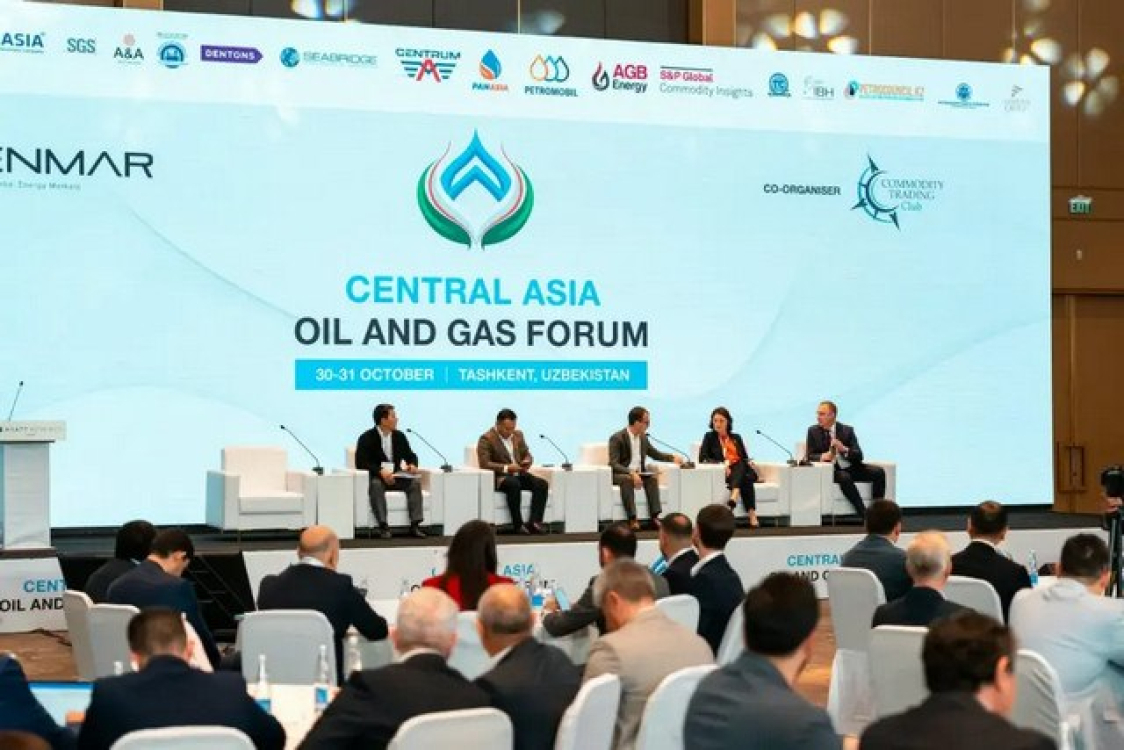
Turkmenistan is taking part in the ‘Central Asian Gas Ring’ project
04.10.2026Turkmenistan will take part in discussions on the ‘Central Asian Gas Ring’ project, which aims to integrate the gas transmission systems of the five countries in the region. The project will be discussed at the Second Central Asian Oil and Gas Forum in Tashkent on 15–16 October, according to Turkmenportal. The project involves the creation of a single gas transmission network linking Kazakhstan, Kyrgyzstan, Tajikistan, Turkmenistan and Uzbekistan. To this end, there are plans to construct new sections and modernise existing gas pipelines with a total length of over 3,000 kilometres. According to the project’s architects, integrating the gas transmission systems will enable seasonal supplies to be balanced more effectively and improve the reliability of gas supplies to countries in the region. The project’s cost was initially estimated at 4–5 billion dollars. According to the forum organisers, the preliminary investment volume, taking into account associated social initiatives, is now estimated at 10 billion dollars. The idea of the ‘Gas Ring’ was presented at the first Central Asian Oil and Gas Forum in Tashkent in October 2025. The second forum will take place at the Hyatt Regency Tashkent. Participants will discuss the region’s oil and gas resources, cross-border trade routes and logistics, oil refining, investment, risk management and public-private partnerships.
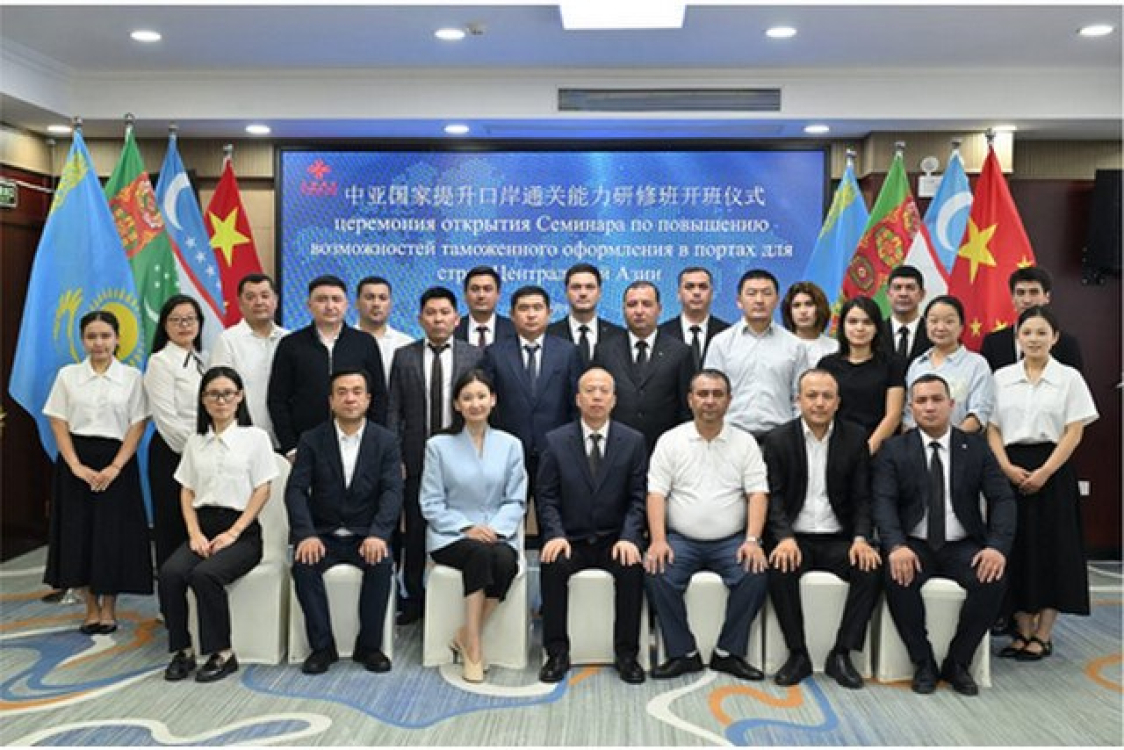
Turkmen customs officers have undergone training in China
03.10.2026A delegation from the State Customs Service of Turkmenistan undertook a two-week training course in Urumqi (PRC) aimed at improving the efficiency of customs clearance at seaports. This was reported by IIC of Turkmenistan. The delegation comprised specialists from land and sea customs posts in Ashgabat and the Balkan velayat. The participants studied China’s experience in the areas of contactless inspection, automated document processing, intelligent risk management and the application of ‘Smart Railway Port’ technology. It is planned to apply the knowledge gained and the technologies studied at the customs posts of the Turkmenbashi International Seaport.
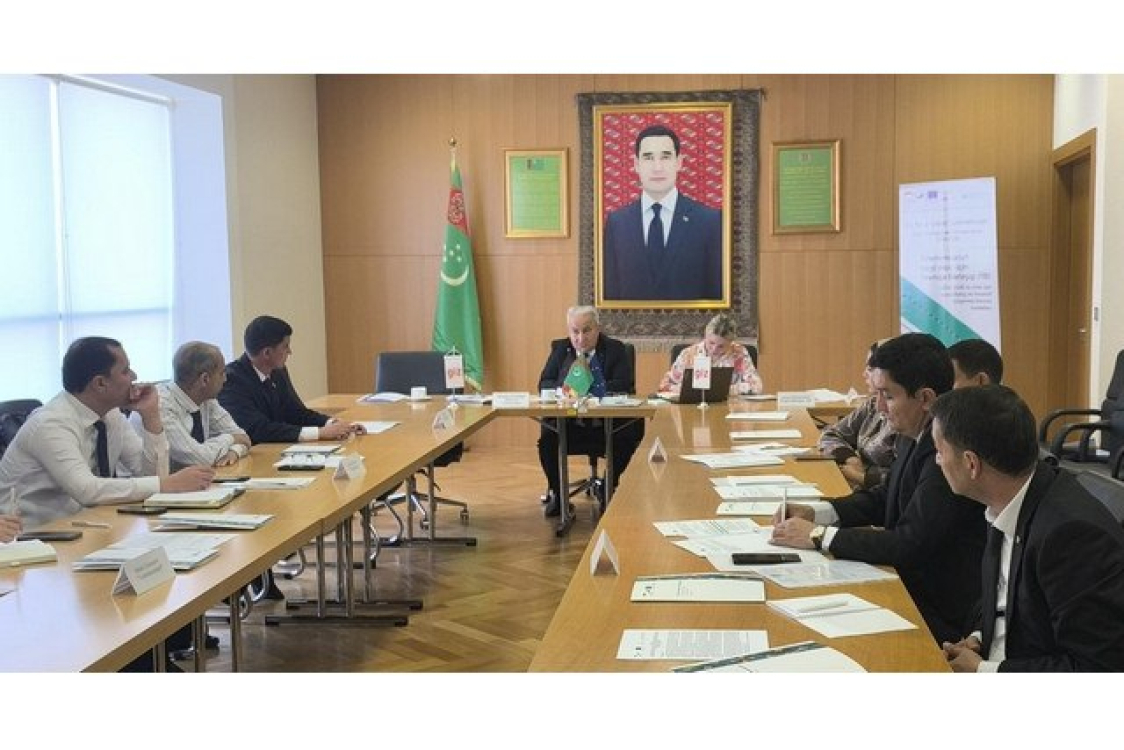
International standards for reducing methane emissions were discussed in Ashgabat
02.10.2026On 1 October, a consultation meeting on international standards and regulations for reducing methane emissions took place in Ashgabat. The event was held at the Natural Gas Research Institute, according to the press office of the Foreign Affairs Ministry of Turkmenistan. Representatives of the Mejlis, the Ministry of Foreign Affairs, the Ministry of Energy, the Ministry of Environmental Protection, as well as the State Concern ‘Türkmengaz’ and the State Concern ‘Türkmennebit’ took part in the discussion. The meeting was organised with the support of the Ministry of Foreign Affairs of Turkmenistan as part of the project ‘EU for a green Turkmenistan: Policy Dialogue and Climate Action 2024–2029’. The project is co-funded by the European Union and the German Federal Foreign Office. The project is being implemented by GIZ (Deutsche Gesellschaft für Internationale Zusammenarbeit). Participants reviewed Turkmenistan’s current regulatory framework and approaches to its improvement, taking into account international best practice. In particular, they discussed the provisions of the EU Regulation on reducing methane emissions in the energy sector. Following the meeting, methodological approaches were identified for adapting international practices to Turkmenistan’s national conditions and development priorities.
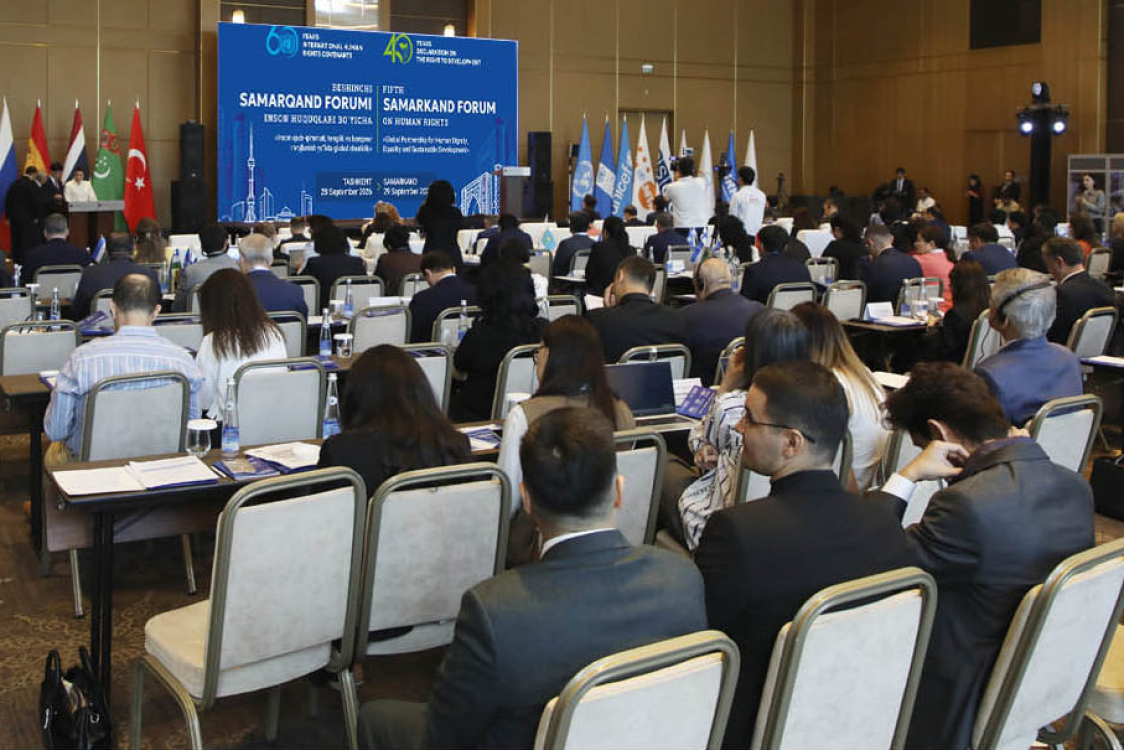
Turkmenistan shared its experience in the field of migration at a forum in Samarkand
01.10.2026From 28 to 29 September 2026, the 5th Samarkand Human Rights Forum took place in Samarkand. The event was attended by international experts and representatives of the State Migration Service of Turkmenistan. This was reported by the agency’s press office. The main topics of the forum were the factors contributing to human trafficking, international experience in combating this phenomenon, and the use of information technology to identify victims of human trafficking. Participants discussed the identification of victims of human trafficking, the provision of assistance to them, and cooperation between state institutions, civil society and international organisations. The Turkmen delegation presented information on the country’s work in the field of migration, humanitarian policy and cooperation with international organisations. Following the forum, the parties expressed their willingness to continue their mutual cooperation.
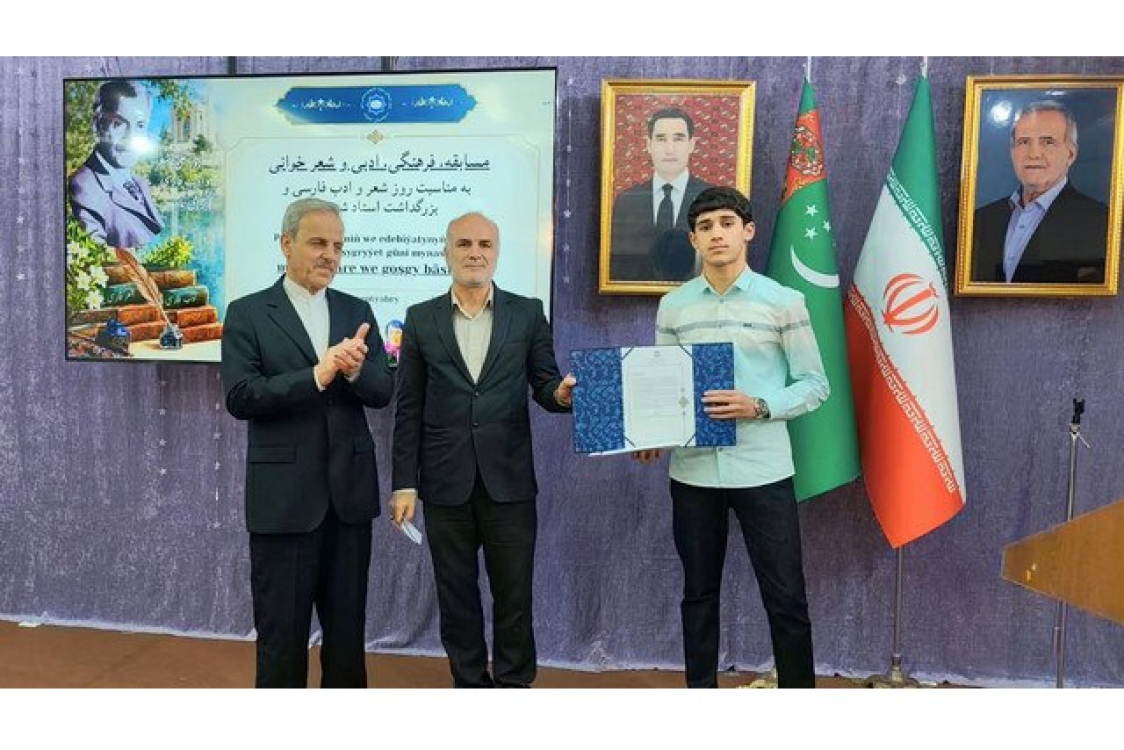
A Turkmen student on a Persian language course has won a prize in an essay competition
01.10.2026Selim Annaberdiyev, a student on the Persian language course at the Cultural Centre of the Iranian Embassy in Turkmenistan, came third in the ‘Great Civilisation’ international essay competition. The awards ceremony took place on 25 September at the Cultural Centre of the Iranian Embassy, according to IIC Turkmenistan. Annaberdiyev submitted an essay on the history and culture of Iran. For his third place, he received a cash prize of 500 US dollars and a certificate. The award was presented to him by Ali Mojtaba Rouzbahani, Ambassador Extraordinary and Plenipotentiary of the Islamic Republic of Iran to Turkmenistan, and Abdolreza Abbasi, Cultural Counsellor. The competition was organised by the Islamic Culture and Relations Organisation of Iran. The ceremony took place as part of an event marking Persian Poetry Day and commemorating the poet Shahriyar.
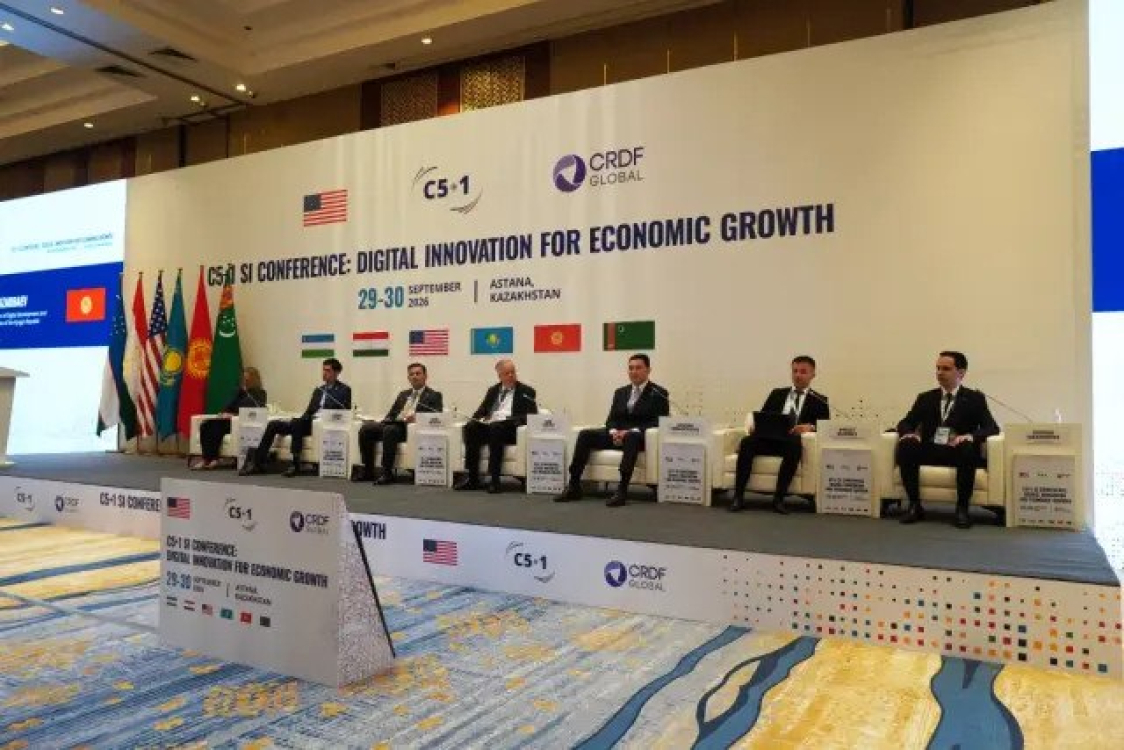
Turkmenistan is taking part in the C5+1 conference on AI
01.10.2026Turkmenistan took part in the C5+1 SI Conference, dedicated to the development of artificial intelligence and digital cooperation between the countries of Central Asia and the United States. The forum took place on 29–30 September in Astana, according to Turkmenportal. Representatives from Kazakhstan, Kyrgyzstan, Tajikistan, Turkmenistan, Uzbekistan and the United States are taking part in the conference. On the first day, discussions focused on national strategies in the field of AI, digital infrastructure, cyber security and the application of technology across various sectors. On 30 September, participants examined issues relating to workforce development for the digital economy, the growth of AI start-ups, venture capital investment and collaboration between universities and research centres. The agenda also included cross-border data exchange and digital trade. A separate session organised by the Silkroad Innovation Hub and MIT is dedicated to Central Asia’s readiness for the implementation of AI. The conference was concluded with a discussion of priorities and future areas of cooperation between the countries of the region and the US in the field of artificial intelligence and new technologies. The areas of technological cooperation are set out in the Declaration of Intent between the ‘C5+1’ countries on economic cooperation. The document provides for support for IT start-ups, the development of cooperation in AI research and education, as well as digital infrastructure, data centres and cyber security. The ‘C5+1’ format has been in operation since 2015 and brings together Kazakhstan, Kyrgyzstan, Tajikistan, Turkmenistan, Uzbekistan and the US. The platform is used to discuss issues relating to the economy, security and regional cooperation.
Read also
Advertising


 Read us in Zen


