
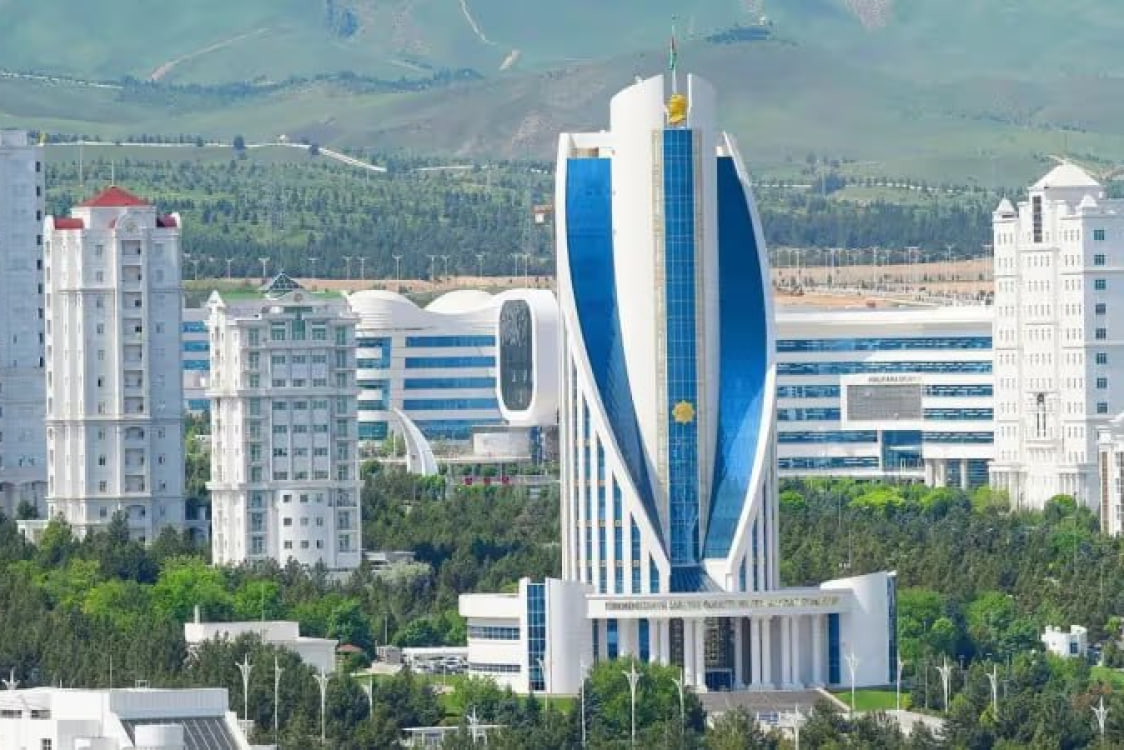
Turkmenistan is implementing the National Strategy for the Development of Scientific and Medical Diplomacy for 2026–2052, which was approved in March this year alongside the Action Plan for 2026–2030. The document sets out long-term priorities for the development of the healthcare system, international cooperation and the integration of the country’s medical science into the global scientific community, reports the news agency TDH.
The strategy provides for strengthening the sector’s scientific and human resources capacity, introducing modern medical and digital technologies, developing scientific research, improving the system for training specialists, and expanding cooperation with international organisations.
Particular attention is paid to the development of medical diplomacy, the exchange of scientific expertise, joint research and the coordination of efforts to prevent and combat infectious and non-communicable diseases. The document also provides for the provision of humanitarian aid and the development of international partnerships in the field of healthcare.
The strategy will be implemented in three phases: 2026–2030, 2031–2040 and 2041–2052. It will be carried out in collaboration with the World Health Organisation, UNICEF, the United Nations Development Programme, the International Atomic Energy Agency, the World Trade Organisation and other international bodies.
As part of the first phase, the Ministry of Health and Medical Industry of Turkmenistan, in conjunction with relevant departments, will continue to develop cooperation with the UN, the European Union, the Organisation of Islamic Cooperation, the CIS, the Non-Aligned Movement, international financial institutions and other partners.
An international conference on ‘Global Health Diplomacy’ among CIS countries is planned for 2026. In the coming years, Turkmenistan intends to organise high-level regional meetings, participate in international forums, implement joint research projects and promote the inclusion of health issues in the country’s initiatives and resolutions at the UN General Assembly.
The document also provides for the improvement of the regulatory framework, the development of training materials on health diplomacy, the preparation of analytical reviews, the organisation of international professional development courses, and the continuation of training for Turkmen students and healthcare professionals abroad.
To assess the effectiveness of the strategy’s implementation, monitoring indicators will be introduced in accordance with international standards. In 2030, it is planned to prepare a report on the implementation of the first phase and to draw up an action plan for the next period.
Read also

Advertising

 Read us in Zen


