


International investor interest in Turkmenistan goes beyond the traditional perception of the country as a supplier of hydrocarbons — this view was expressed by Leandro Slovinski, Global Editorial Director of the international publication ‘The Investor’, ahead of the 35th anniversary of Turkmenistan’s independence. This was reported by the news agency ‘Turkmenistan: Golden age’.
‘For many years, Turkmenistan was viewed internationally primarily through the lens of its hydrocarbon resources. Today, that perspective is broadening considerably,’ Slovinski noted in an interview with the editorial team of ‘Golden age’. According to him, foreign investors are increasingly exploring opportunities not only in the energy sector, but also in industry, infrastructure, logistics, digitalisation and private sector development. A special issue of ‘The Investor’ on Turkmenistan, published in 2025, generated considerable interest among readers, and the editorial team is currently preparing a new edition on this topic.
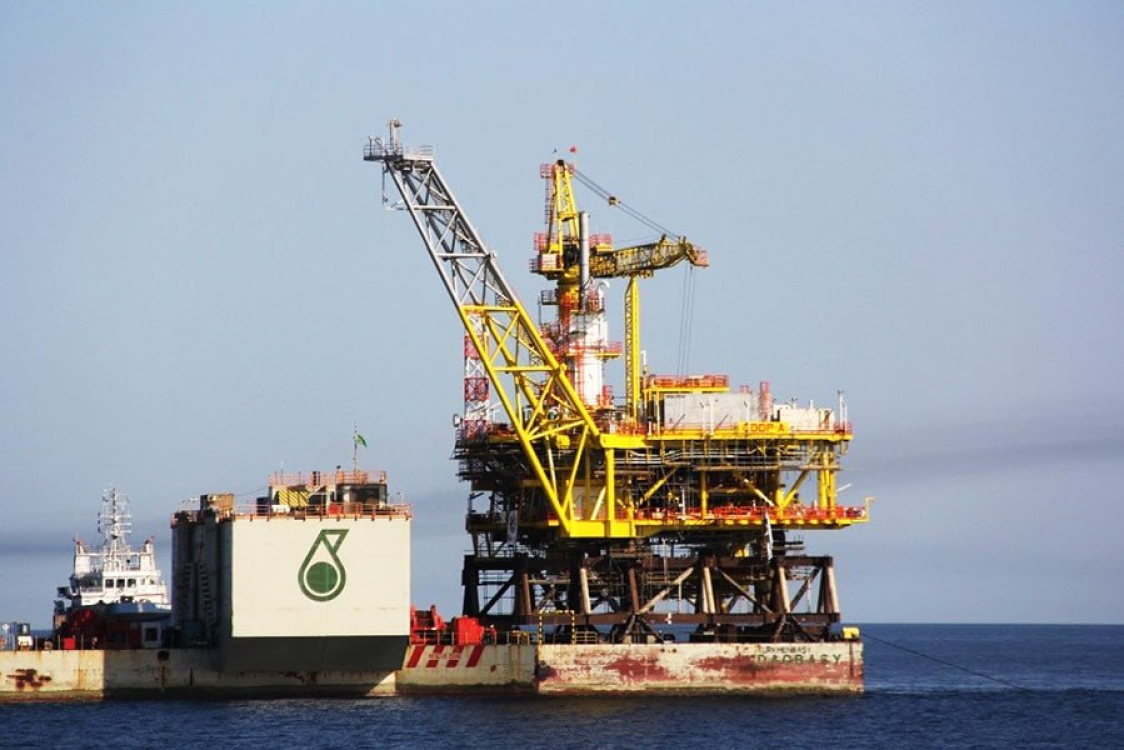
The expert highlighted the importance of Turkmenistan’s long-term partnerships with international companies – 20 years of cooperation with CNPC in the gas sector and 30 years of PETRONAS’s operations in the country. In April, the fourth phase of the ‘Galkynyş’ field development began, involving the construction of wells and a complex with a capacity of 10 billion cubic metres of marketable gas per year; the project is expected to create over a thousand permanent jobs. ‘Institutional investors do not respond to marketing narratives; they respond to evidence of long-term direction, economic stability and implementation,’ emphasised Slovinski.
The ‘Turkmenistan–Afghanistan–Pakistan–India’ (TAPI) gas pipeline is also attracting growing attention from investors. According to data from Afghanistan’s Ministry of Mines and Petroleum, published in July, 101 kilometres of pipeline have been laid on the Afghan section and 126 kilometres of the route have been prepared. Slovinski believes that the project has the potential to become part of an economic corridor linking Central and South Asia, and that the transition from planning to implementation is an important signal for investors.
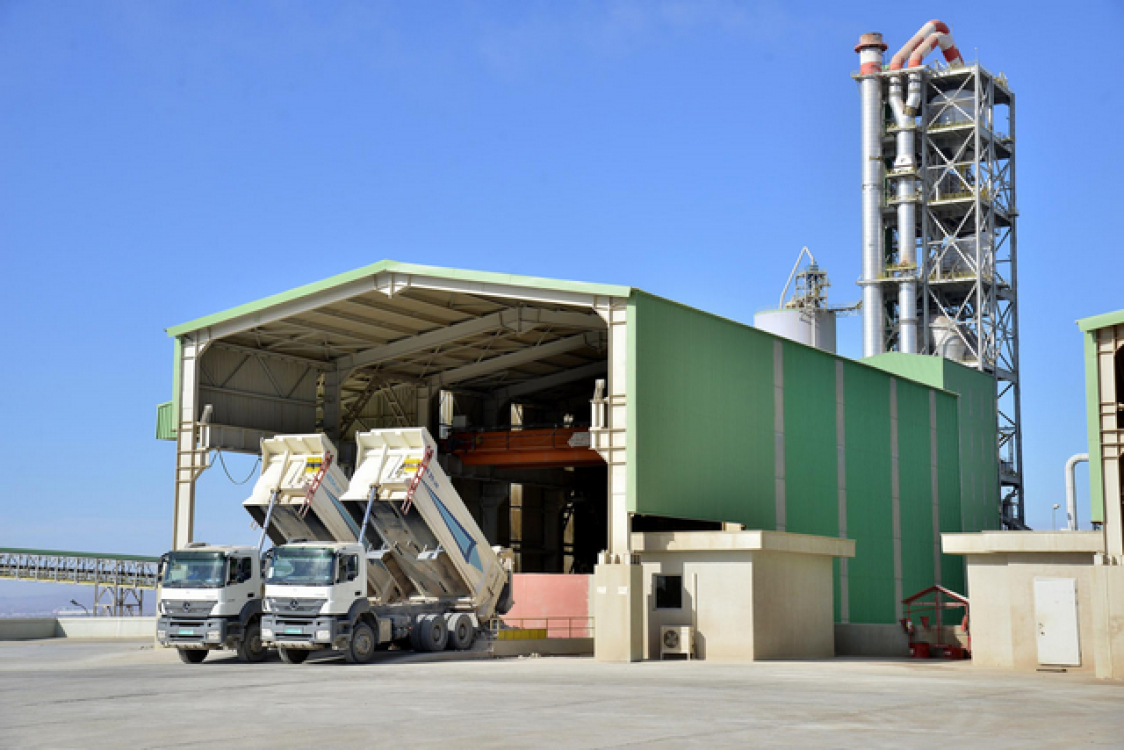
According to the expert, Turkmenistan’s hydrocarbon sector is increasingly being viewed by investors not only as a source of export revenue, but also as a foundation for economic diversification – the development of the oil and gas chemicals industry, refining, industrial production, logistics, infrastructure and digital technologies.
Congratulating Turkmenistan on the 35th anniversary of its independence, Slovinski wished the country peace, prosperity and further success in economic development and international cooperation. According to him, over the past years the country has built a large-scale infrastructure and established long-term relationships with international companies, and the next stage involves harnessing this potential to develop industry, produce high value-added goods and foster private enterprise.
The investment agenda will be one of the topics at the 31st International Conference and Exhibition ‘Oil and Gas of Turkmenistan – 2026’ (OGT 2026), which will take place in Ashgabat from 21 to 23 October. Slovinski, who has previously attended the forum, described OGT as one of the region’s leading energy platforms, bringing together representatives of government bodies, international companies, investors and technology providers. The forum’s programme covers investment, infrastructure, new export corridors, gas monetisation, the development of the oil and gas chemical industry, and the reduction of methane emissions. The previous, anniversary edition of OGT brought together over 1,400 delegates from more than 70 countries.
Read also


Advertising


 Read us in Zen


