

News
Turkmenistan is laying the foundations for new sporting achievements
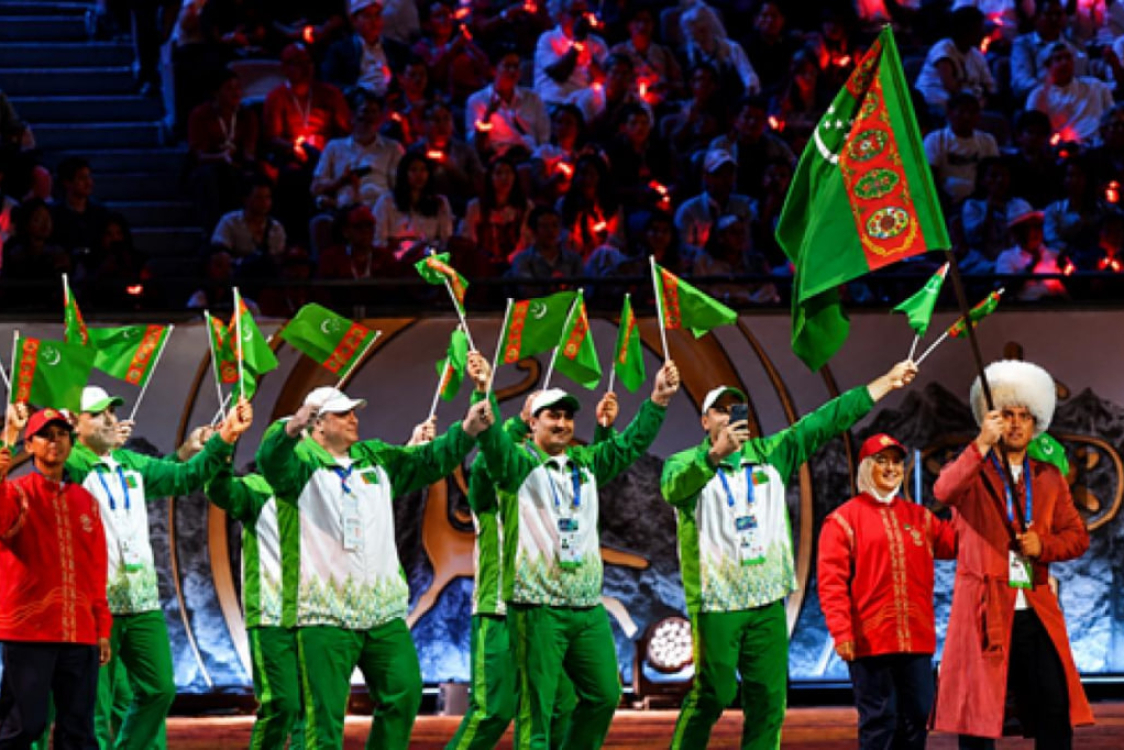
21.09.2026The development of physical education and sport in Turkmenistan is one of the key priorities of state policy. The country places particular emphasis on creating the conditions for participation in sport, training the next generation of athletes, developing professional sport and enhancing the international competitiveness of the national teams. As part of efforts to achieve these objectives, sports infrastructure, specialised schools and training centres are being developed, and opportunities are being created to host competitions and train qualified specialists. Work with young people holds a special place. Sports competitions are regularly held amongst school pupils, students and young athletes. Representatives from all regions of the country take part in these, which helps to broaden the sporting base and identify promising athletes. The development of student sport is also regarded as an important component of training the next generation of athletes. In 2026, the international results achieved by Turkmen athletes continue to demonstrate the effectiveness of this system. In the first seven months alone, the national teams won 471 medals at international competitions. In the months that followed, the athletes continued to compete in continental and world events, adding to the country’s medal tally. Moreover, the geographical scope and diversity of these achievements span a wide range of disciplines. Turkmen athletes perform successfully in combat sports, weightlifting and athletics, chess, boxing, wrestling and other sports. A significant proportion of these results are achieved by members of the younger generation, which testifies to the development of the sports talent development system. At the same time, the system for training coaches, referees and other specialists is being improved. International seminars and training courses are regularly held in Turkmenistan, focusing on modern training methods, competition rules, refereeing and the organisation of sporting events. Representatives of the country also take part in specialist training programmes abroad. This helps to improve the qualifications of staff and to integrate international standards into the national sports system. International cooperation is also of great importance. Turkmen national teams take part in competitions at various levels, whilst national federations collaborate with international and regional sports organisations. Such cooperation enables athletes to gain experience of competing at major international events, and allows specialists to exchange professional knowledge and best practices. The sports infrastructure is also being developed. Sports facilities, training grounds and specialised institutions are being modernised across the country. The creation of modern training conditions is accompanied by the development of medical and diagnostic support for athletes. Taken together, this creates the necessary environment for the systematic training of athletes. A separate element of state support is the provision of financial incentives for sporting achievements. Athletes and their coaches receive state awards and cash incentives for outstanding results at international competitions. Preparation for the major international competitions of the upcoming Olympic cycle remains a key priority. Turkmen athletes are training in athletics, weightlifting, boxing, judo, swimming, para-powerlifting, and freestyle and Greco-Roman wrestling. Thus, Turkmenistan’s modern sports system is developing along several interrelated lines simultaneously. Mass participation and youth sport build up a pool of talent, specialised training ensures the development of skills, international competitions provide athletes with the necessary experience, whilst the personnel training system and state incentives create additional conditions for achieving high results. It is precisely this combination of factors that enables Turkmenistan to steadily expand its presence on the international sporting stage and to nurture a new generation of athletes capable of representing the country at the major continental and world competitions.
Uzbek entrepreneurs have shown interest in ‘LORS’ refrigerators from Turkmenistan
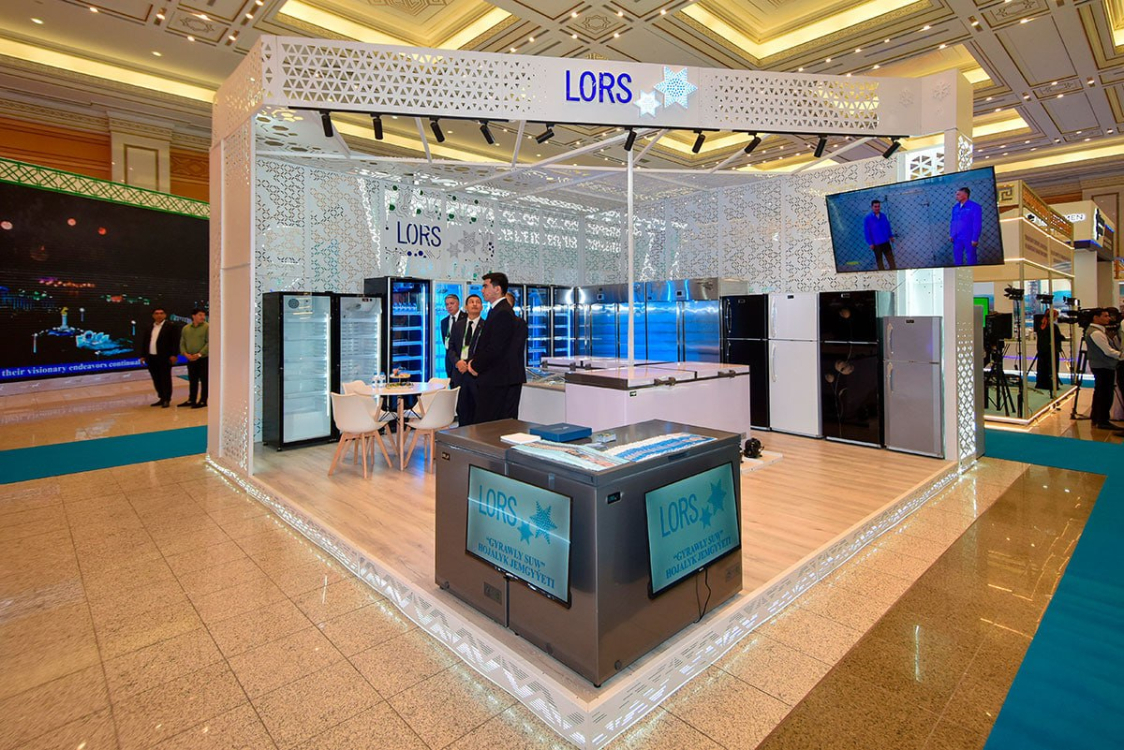
21.09.2026The ‘Gyrawly suw’ business association from the Mary velayat showcased refrigerators under the ‘LORS’ trademark at the Exhibition of Economic Achievements. The exhibition is being held to mark the 35th anniversary of Turkmenistan’s independence, according to the news agency ‘Turkmenistan: Golden age’. The company manufactures seven types of refrigeration equipment that meet international standards. The models vary in capacity and colour, with options featuring solid or glass doors. The appliances can be used both at home and in retail outlets for storing and displaying products. According to Akmuhammet Bayhanov, a representative of the ‘Gyrawly suw’ company, the company was the first in the country to establish production of refrigerators under the ‘LORS’ brand. ‘Since the launch, we have been striving to meet the domestic market’s demand for high-quality appliances,’ he said. Participation in the exhibition helped the company strengthen its position, find new partners and showcase its latest products to its compatriots. Entrepreneurs from Uzbekistan expressed an interest in wholesale supplies and reviewed the terms of purchase. To expand exports, the company plans to increase production to 300–400 units per month. Due to growing demand for shop refrigerators, the company intends to produce 10–20 such units per day. The company was founded in 2025. The factory is equipped with digital machinery from China and Iran. Leading specialists have undergone training abroad to automate production processes. Some of the chemical components are imported. The company sources polypropylene for the casings and insulating foam from local manufacturers. This reduces the production cost. Wholesale customers are offered a three-year warranty on all products.
New healthcare facilities are set to open in time for the professional holiday
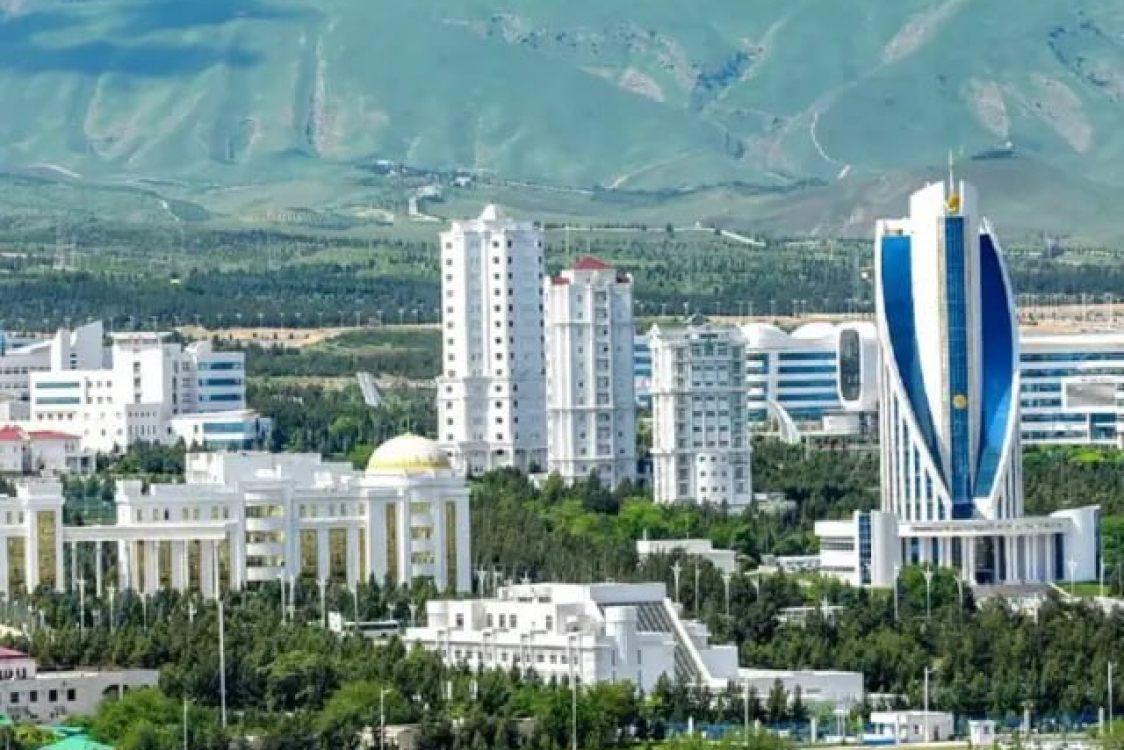
20.09.2026On 18 September, at a meeting of the Cabinet of Ministers of Turkmenistan, Deputy Chairman of the Cabinet of Ministers B. Mammedov reported on preparations for events to mark Healthcare and Medical Industry Workers’ Day. This was reported by the TDH news agency. As part of the ‘Saglyk’ State Programme, an additional complex of buildings at the ‘Arçman’ sanatorium in the Baherden etrap of the Ahal velayat is scheduled to be commissioned in October. In Ashgabat, the International Scientific and Clinical Centre for Oncology, the International Centre for Paediatrics and the Dental Centre will be opened. The professional holiday will also be marked by the International Exhibition and Scientific Conference ‘Healthcare, Education and Sports in the Renaissance Era of a New Epoch of a Powerful State’ and other events. The Deputy Prime Minister presented the relevant proposal to the Head of State. The President of Turkmenistan, Serdar Berdimuhamedov, instructed that preparations be made for the exhibition and conference, and that opening ceremonies be organised for the new medical facilities.
Turkmenistan will be represented by 34 athletes at the Asian Games in Japan
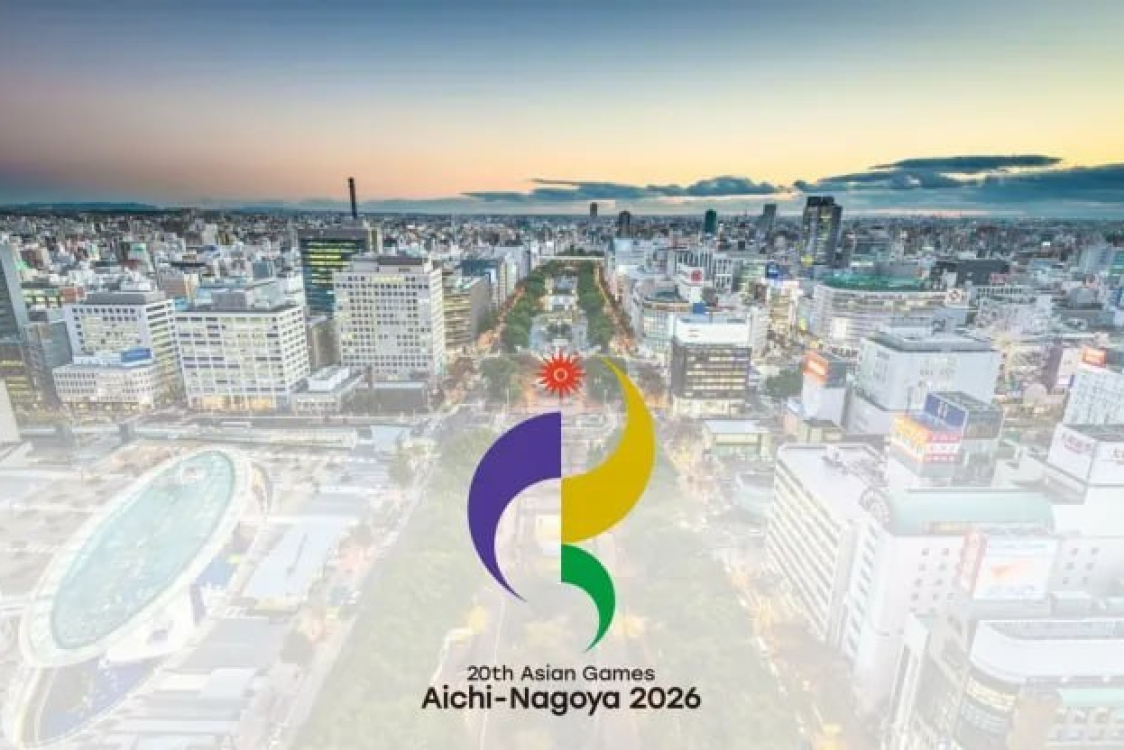
20.09.2026The 20th Asian Summer Games, the continent’s largest sporting event, will get underway on 19 September in Aichi Prefecture and the city of Nagoya, Japan. The opening ceremony will take place at the Nagoya City Mizuho Park Athletic Stadium, according to the news website Turkmenportal. The competitions will run from 19 September to 4 October 2026. In addition to Aichi and Nagoya, individual events will be hosted by Tokyo, Osaka, and the prefectures of Shizuoka and Gifu. In the run-up to the opening, a three-day welcome ceremony for the national delegations was held, featuring the raising of national flags and the playing of national anthems. On the final day, the flags were raised for the delegations from Uzbekistan, Turkmenistan, Sri Lanka, Lebanon, Thailand, Kazakhstan and the Philippines. Turkmenistan will be represented at the Games by 34 athletes. They will compete in eight of the 43 sports included in the programme: freestyle and Greco-Roman wrestling, wushu, boxing, swimming, weightlifting, kurash, athletics and karate-do.
Turkmenistan took part in the UN Regional Seminar in Tokyo
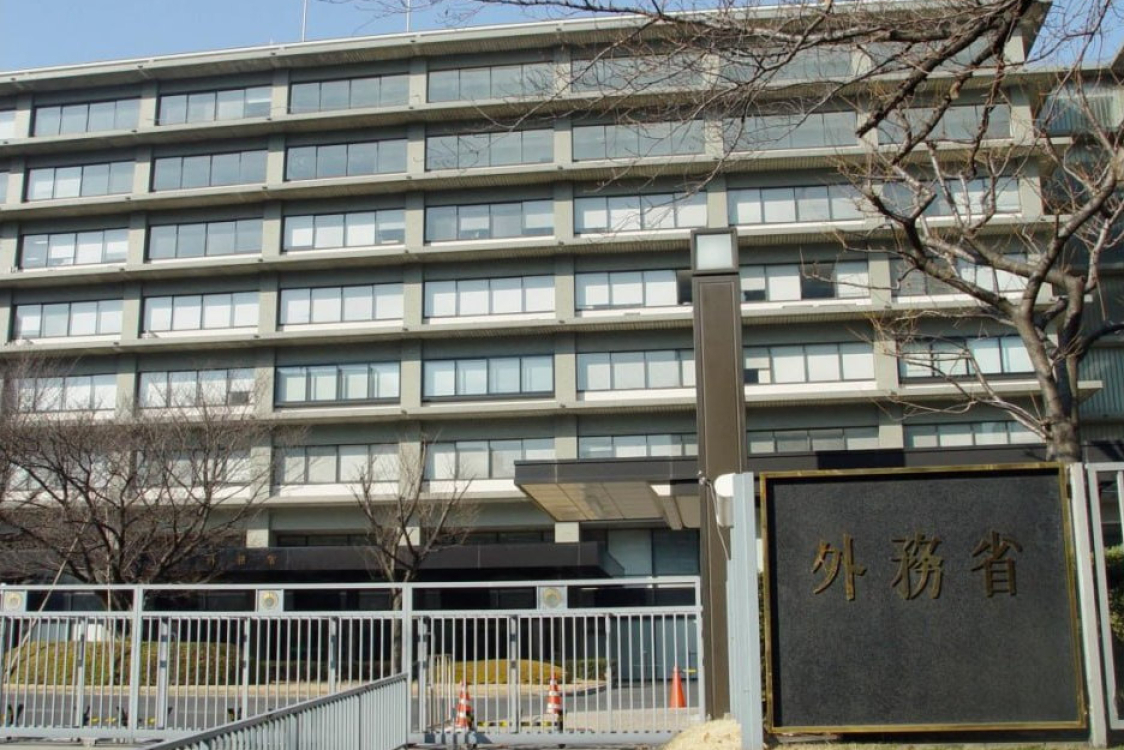
20.09.2026Turkmenistan took part in a United Nations regional seminar held in Tokyo on 16–17 September 2026. This was reported by the press office of the Foreign Affairs Ministry of Turkmenistan. The event focused on youth empowerment, digital resilience, strategic communications and strengthening the rule of law in Central Asia. The Turkmen delegation was led by the Deputy Minister of Education of Turkmenistan. The seminar was also attended by representatives from Central Asian states and Japan, as well as international organisations, youth groups and expert communities. Participants discussed topical issues relating to regional cooperation. Particular attention was paid to the activities of the Central Asian Network for Preventing and Countering Violent Extremism (CAPVE). They also discussed the further development of regional cooperation and the strengthening of ties between government bodies, youth organisations, the expert community and international partners. Participants noted the importance of joint efforts and the exchange of experience for sustainable development, empowering young people and strengthening cooperation in Central Asia.
Turkmenistan’s foreign policy combines neutrality with international partnership
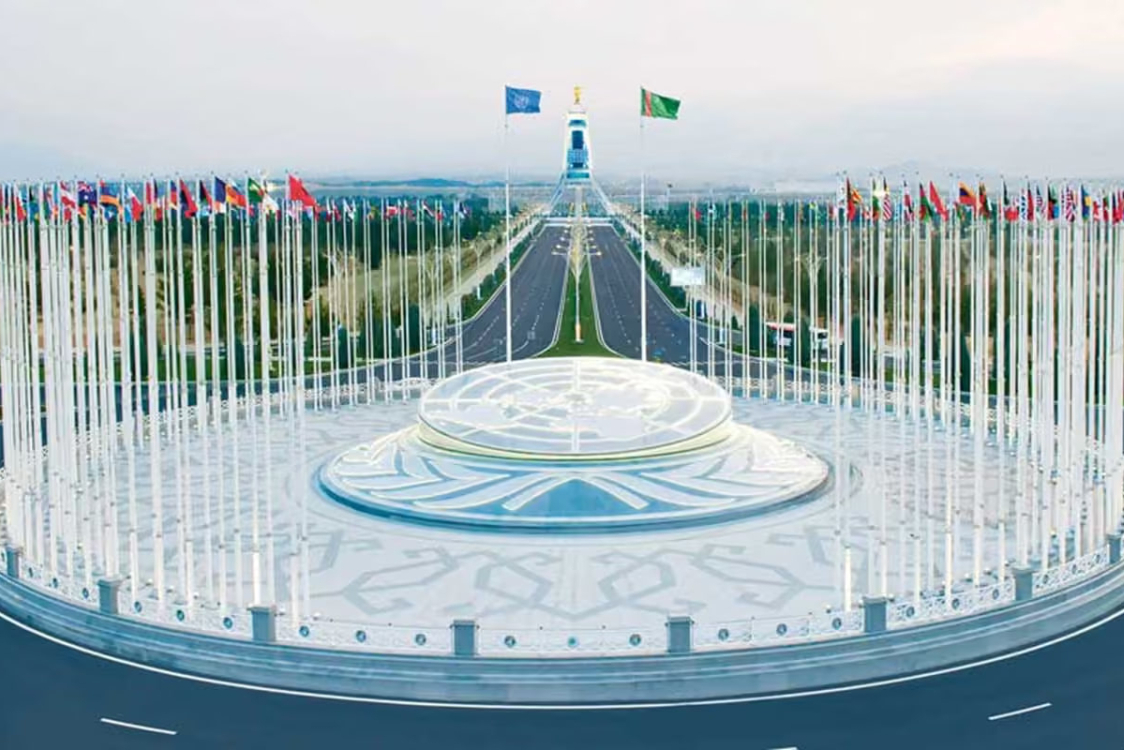
20.09.2026Turkmenistan consistently pursues a foreign policy based on the principles of permanent neutrality, peacefulness, dialogue on an equal footing and mutually beneficial cooperation. Its key priorities include strengthening good-neighbourly relations, developing multilateral diplomacy, expanding economic and humanitarian ties, and participating in the resolution of pressing regional and global issues. The distinctive feature of this model lies in combining a consistent approach to international security issues with openness to broad cooperation. Neutrality, in this context, is regarded as the foundation of the foreign policy course, enabling the maintenance of relations with states, international organisations and various regional associations. Permanent neutrality occupies a central place in Turkmenistan’s foreign policy framework. Its significance extends beyond merely refraining from participation in military blocs and conflicts. Neutral status defines the country’s overall diplomatic style — a focus on political and diplomatic methods, respect for the sovereignty of states and the search for mutually acceptable solutions. In UN documents, Turkmenistan’s neutral status is also viewed in the context of its peace-loving foreign policy and its participation in international efforts to strengthen stability. One of the key pillars of its foreign policy is active participation in multilateral diplomacy. Cooperation with international organisations, including the United Nations, plays a particularly important role in this regard. For Turkmenistan, the UN platform enables it to simultaneously promote its own initiatives and participate in discussions on issues of universal significance. These include international security, preventive diplomacy, sustainable development, international law, the environmental and energy agenda, transport connectivity and humanitarian cooperation. Preventive diplomacy takes on particular significance in this context. For a state maintaining neutral status, conflict prevention, maintaining dialogue and creating conditions for negotiations are key areas of diplomatic activity. Central Asia occupies a special place in foreign policy. The regional approach involves the development of good-neighbourly relations, the expansion of economic and humanitarian ties, and the joint resolution of cross-border issues. These include transport, energy, water resources, the environment, and trade and economic cooperation. At the same time, regional diplomacy is not limited solely to relations between the states of Central Asia. Formats for the region’s interaction with other states and organisations are being developed. This model makes it possible to align Central Asia’s interests with broader economic and political processes in Eurasia and the Asia-Pacific region. Economic cooperation also occupies an important place in Turkmenistan’s foreign policy. The development of trade links, the attraction of investment, the implementation of infrastructure projects and the expansion of business contacts are regarded as key areas of international cooperation. Energy cooperation is of particular importance. The energy sector is viewed not only as a means of exporting resources, but also as an area for long-term international partnership, technological cooperation and ensuring the sustainability of energy systems. The environmental dimension of energy diplomacy is also gradually expanding. The agenda includes energy efficiency, resource-saving technologies, renewable energy sources and the search for new avenues of energy cooperation. Turkmenistan’s geographical location lends particular significance to transport diplomacy. The country views the development of transport links as an opportunity to expand international economic cooperation and enhance regional connectivity. Transport projects have the potential to link Central Asian markets with other parts of the Eurasian space. Consequently, the development of rail, road, maritime and multimodal routes is viewed within the broader context of international trade. Here, foreign policy and economic interests intersect directly. The development of transport infrastructure simultaneously strengthens transit potential, expands trade opportunities and contributes to the development of regional ties. The foreign policy agenda also includes a humanitarian dimension. Cultural, educational and scientific ties enable the formation of long-term contacts between societies and the strengthening of mutual understanding. Through educational exchanges, scientific cooperation, cultural programmes and international dialogues, an additional level of diplomacy is formed, one that is not limited to inter-state relations. In this context, humanitarian diplomacy serves to bring societies closer together in the long term. It creates channels of interaction capable of enduring regardless of changes in the international landscape. The approach to international law deserves special attention. For a neutral state, compliance with universally recognised norms and principles of international law is of particular importance, as it is precisely legal mechanisms that enable relations to be built on the basis of sovereign equality and predictability. Hence Turkmenistan’s interest in strengthening international legal mechanisms, developing legal dialogue and enhancing the role of diplomatic means of dispute resolution. Turkmenistan’s foreign policy also takes into account new areas of international cooperation. These include digitalisation, artificial intelligence, new energy technologies and environmental security. These areas are taking an increasingly prominent place on the international agenda alongside security issues, as well as technological, climate and socio-economic matters. Participation in these processes creates an opportunity to combine national priorities with international initiatives. At the same time, the fundamental principle remains: promoting cooperation through dialogue and multilateral mechanisms. Overall, Turkmenistan’s foreign policy encompasses several levels of engagement. The first relates to bilateral relations with individual states. The second area relates to regional cooperation. The third involves participation in the activities of international organisations. The fourth area is the development of economic, humanitarian and environmental ties, which complement traditional diplomacy. Consequently, Turkmenistan’s foreign policy represents a model in which neutrality is combined with active international engagement. Its key elements are political and diplomatic dialogue, good neighbourliness, multilateralism, international law, economic interdependence and humanitarian cooperation. It is precisely the combination of these elements that shapes foreign policy as a comprehensive system geared towards preserving the independence of the country’s foreign policy course, expanding international cooperation and creating favourable conditions for the country’s long-term development.
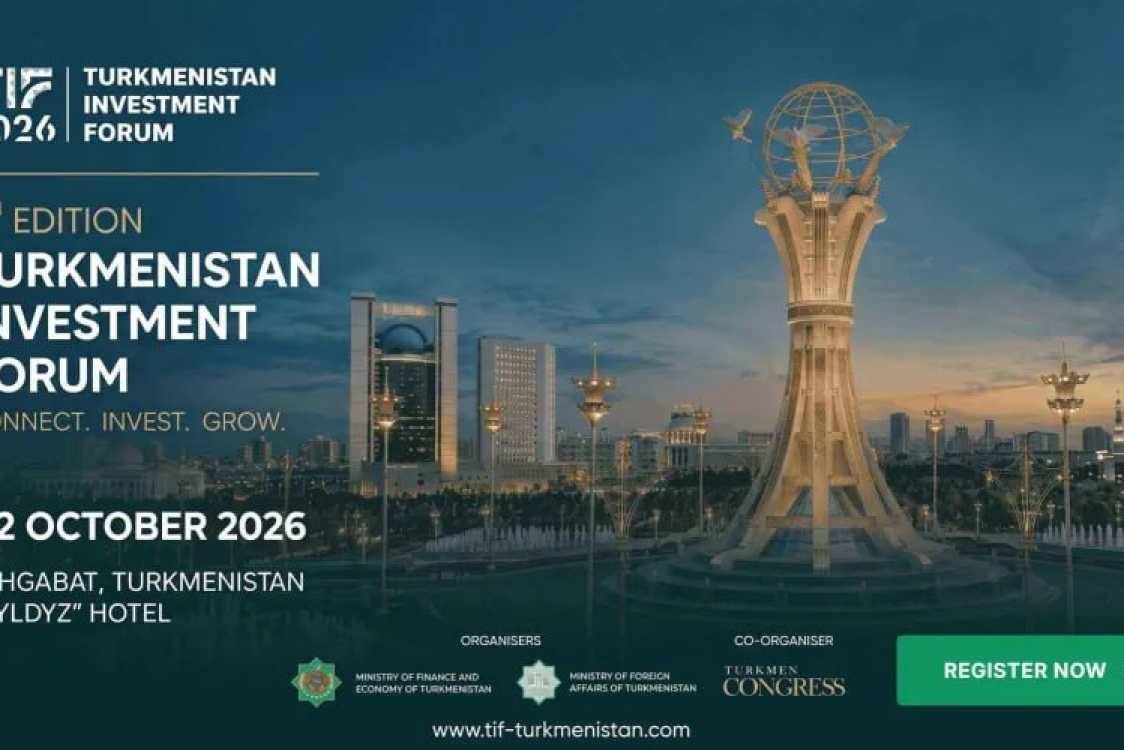
TIF 2026 will bring together representatives from over 200 foreign companies
20.09.2026The Turkmenistan Investment Forum (TIF 2026) will take place on 1–2 October at the ‘Ýyldyz’ Hotel in Ashgabat. Representatives from more than 200 foreign companies from over 40 countries will attend, according to Arzuw.news, citing the online publication ‘Nebit-Gaz’. The business programme comprises eight thematic sessions focusing on the oil and gas and chemical industries, energy, construction, transport and logistics, trade and agribusiness, cooperation with international financial institutions, innovation and the ‘green’ transition. Negotiations between company representatives are scheduled to take place as part of the forum. Participants will be able to view the list of delegates and send requests for meetings via the TIF 2026 mobile app. Among the confirmed participants are companies from Japan, the Republic of Korea, Germany and other countries. The oil and gas sector is represented by ‘TotalEnergies’, ‘Dragon Oil’, ‘ADNOC’, ‘Siemens Energy’, ‘MHI’ and ‘Tatneft’. International financial organisations and banks, including the World Bank, the IFC, the Asian Development Bank, the EBRD and the Islamic Development Bank, will also take part in the forum. Registration for participants will remain open until 22 September.
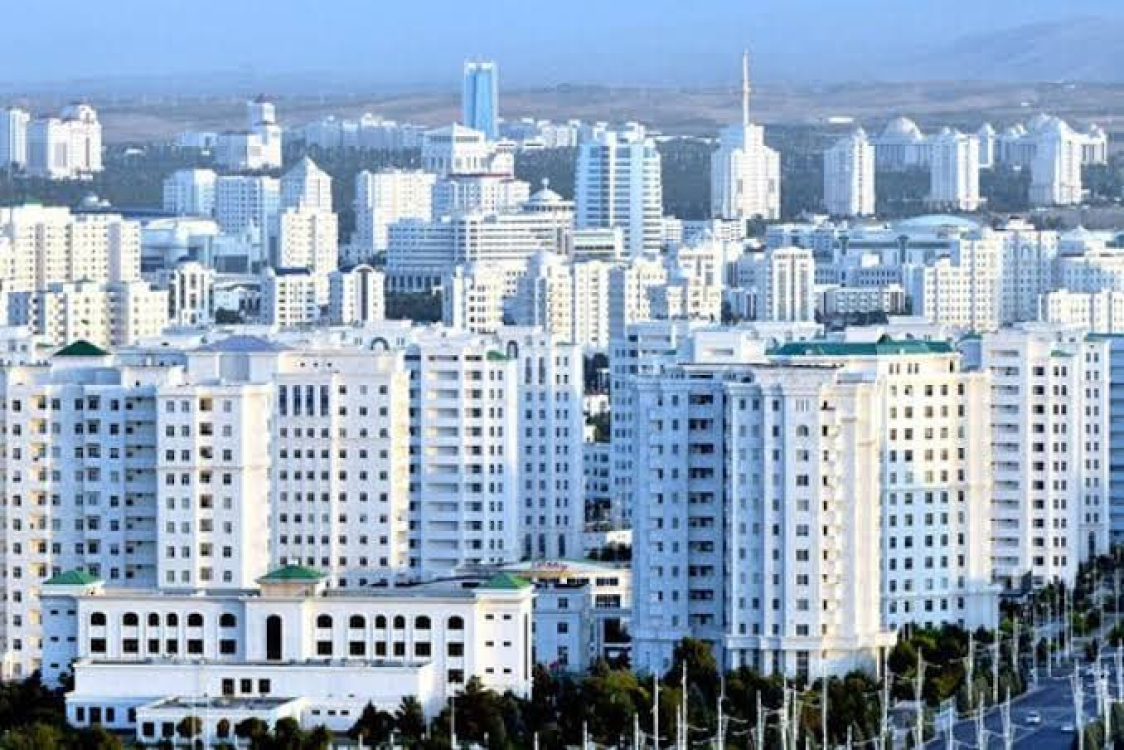
A forum of the Association with the participation of foreign diasporas was held in Turkmenistan
20.09.2026A forum of the Humanitarian Association of Turkmen Worldwide was held at the Centre for Public Organisations of Turkmenistan. Delegates from all regions of the country and representatives of overseas diasporas took part, according to IIC of Turkmenistan. Following the performance of the national anthem, the Association’s Executive Secretary, Rejep Bazarov, read out a welcoming address from the President of Turkmenistan, Serdar Berdimuhamedov. The delegates heard a report on the work carried out and discussed the Organisation’s objectives. Representatives of overseas branches from Germany, Afghanistan, the United Arab Emirates and Turkey spoke about supporting their compatriots and preserving their native language and traditions abroad. Outstanding members of the Association were presented with certificates of honour. The forum concluded with a message of gratitude addressed to the President of Turkmenistan. Before the event began, participants laid flowers at the Monument to Independence of Turkmenistan. An exhibition of national heritage was presented in the foyer, featuring museum artefacts and works by masters of applied arts.
Turkmen migration experts took part in an OSCE seminar in Bari
20.09.2026Representatives of the State Migration Service of Turkmenistan took part in the 42nd training seminar on border management for senior staff. The seminar took place in the Italian city of Bari, according to IIC of Turkmenistan. The seminar was organised by the OSCE Border Management Staff College (BMSC). It was attended by specialists from various countries and international organisations. The programme was designed to enhance the professional skills of senior officials. Participants studied international standards for integrated border management, as well as methods of strategic planning, risk assessment and crisis management. In addition, they discussed inter-agency cooperation, the modernisation of border control procedures and the implementation of best practices in the field of migration security.
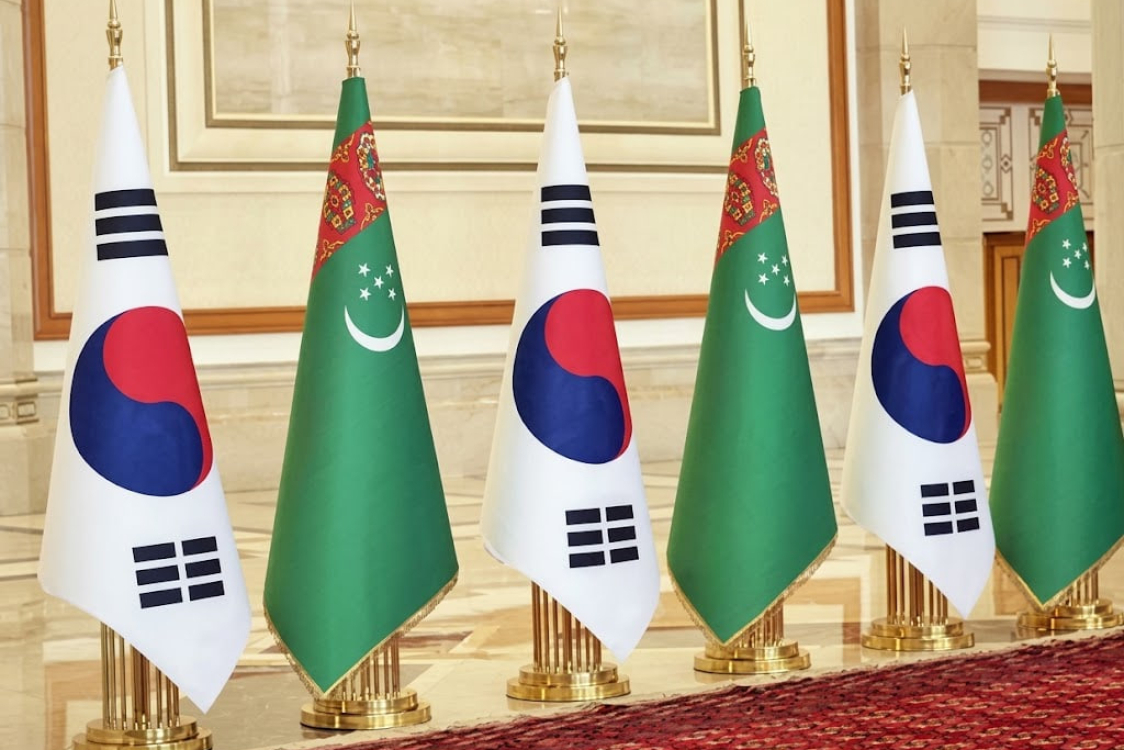
The visit by the Head of Turkmenistan broadens the scope of cooperation between Ashgabat and Seoul
19.09.2026Next year, Turkmenistan and the Republic of Korea will mark the 35th anniversary of the establishment of diplomatic relations. Over this period, bilateral ties have expanded and are now developing on the basis of a strategic partnership, encompassing the political, trade and economic, energy, transport, educational, scientific and humanitarian spheres. The state visit by the President of Turkmenistan, Serdar Berdimuhamedov, to the Republic of Korea, which took place from 14 to 16 September 2026, gave further impetus to bilateral relations. The highlight of the visit was the Head of State’s participation in the first ‘Republic of Korea–Central Asia’ Summit, held on 16 September in Seoul. The meeting of the Heads of State of the five Central Asian countries and the Republic of Korea marked the first summit at the highest level in this format. The ‘Republic of Korea–Central Asia’ format has a history stretching back at least 20 years. Cooperation was launched in 2007 on the initiative of the Korean side as a multilateral consultative platform. The first summit of Heads of State elevated this dialogue to a new political level. The Presidents of Turkmenistan, Kazakhstan, the Kyrgyz Republic, the Republic of Tajikistan, the Republic of Uzbekistan and the Republic of Korea gathered in Seoul. The summit agenda covered issues relating to transport and logistics connectivity, energy, industrial cooperation, high technology, digitalisation, the environment and the climate agenda. Particular attention was paid to the processing of raw materials using South Korean technologies, the joint development of deposits, the establishment of industrial enterprises and the development of transport corridors providing Central Asian countries with access to global markets. Projects in the fields of artificial intelligence, the digitalisation of public services, ‘green’ technologies and adaptation to climate change were also discussed. Following the meeting, the Seoul Declaration of the first ‘Republic of Korea–Central Asia’ Summit was adopted. In addition, the parties adopted a number of documents setting out specific areas for further cooperation. Turkmenistan’s Initiatives In his address at the summit, the President of Turkmenistan noted that the summit lays the foundation for a new phase of cooperation between the Republic of Korea and the states of Central Asia. Turkmenistan regards peace and trust as essential conditions for sustainable development and bases its foreign policy on its status of permanent neutrality, which has been recognised three times by the UN General Assembly. One of the areas proposed by Turkmenistan was urban development and infrastructure. In particular, the Head of State presented the ‘Smart Cities Diplomacy’ initiative, which envisages the pooling of efforts, the exchange of experience and information, the joint implementation of scientific and technical achievements, and the creation of integrated models of urban planning. A separate set of proposals concerned education, science and youth cooperation. Turkmenistan proposed developing new forms of interaction between educational institutions in Central Asian countries and the Republic of Korea, including dual-degree programmes. The need to expand young people’s digital literacy and to organise joint academic competitions, contests and conferences was also highlighted. In the scientific sphere, it was proposed to step up joint research and project-based research work by young scientists, as well as to establish an Institute to support the development and implementation of innovative ideas by young people. Cultural cooperation is to be developed through the Roadmap for Intercultural Exchanges between Young People from Central Asian Countries and the Republic of Korea and the ‘Young Talents’ programme. In the sporting sphere, Turkmenistan has proposed expanding the exchange of specialists, promoting a healthy lifestyle and exploring the possibility of organising International Youth Sports Games involving the countries of Central Asia and the Republic of Korea. Economy and the involvement of Korean business Economic cooperation is one of the key areas of Turkmen-Korean relations. Over recent years, Korean companies have been involved in major projects in the oil and gas, gas chemical, industrial, transport and infrastructure sectors. According to data presented by the President of Turkmenistan at the Turkmen-Korean Business Forum, 17 investment projects involving Korean companies, with a total value of over 12 billion US dollars, are registered in the country. New projects are currently being implemented and discussed in Turkmenistan involving Daewoo Engineering & Construction Co., Ltd., Koryo Shipbuilding Industry Technology Co., Ltd., Korea Meditech Co., Ltd. and other companies. During the negotiations and business meeting, opportunities were identified for expanding cooperation in the energy sector, gas chemistry, the chemical industry, transport, logistics, shipbuilding, construction, medicine, digital technologies and environmental projects. Transport and logistics as a separate priority Cooperation in transport and logistics has become one of the key elements of both intergovernmental and business dialogue. Turkmenistan is developing ‘East–West’ and ‘North–South’ infrastructure, viewing it in the context of strengthening Eurasia’s transit and logistical connectivity. During the summit and the Business Summit, discussions centred on the development of multimodal corridors, the expansion of logistics routes and the enhancement of the region’s transit capacity. Particular attention was paid to the potential of the Trans-Caspian Transport Corridor. Practical issues included the digitalisation of customs procedures, the harmonisation of standards, the protection of intellectual property and the streamlining of cargo clearance. For Turkmenistan, the participation of Korean businesses in these projects is linked not only to the development of transport infrastructure, but also to the expansion of Central Asia’s links with the Caspian region and other international destinations. The Business Summit as a mechanism for practical cooperation The first ‘Republic of Korea–Central Asia’ Business Summit served as a dedicated platform for discussing investment, trade and economic projects. In his speech, Serdar Berdimuhamedov identified the business community as one of the key elements in the practical implementation of intergovernmental agreements. Thematic sessions addressed cooperation on rare-earth mineral resources, energy and supply chains, as well as issues relating to trade and investment, industry, transport and logistics. In particular, discussions centred on the joint development of deposits using Korean technological and environmental standards, the expansion of lending programmes through Korean financial institutions, and the establishment of high-tech manufacturing facilities in Central Asian countries. The industry and transport session examined multimodal corridors, the expansion of logistics routes—including the Trans-Caspian route—the digitalisation of customs procedures, and the harmonisation of standards to accelerate freight flows. Bilateral package of agreements An important outcome of the state visit was Serdar Berdimuhamedov’s negotiations with the President of the Republic of Korea, Lee Jae-myung, as well as meetings with the Prime Minister of the Republic of Korea, Han Seong-sook, and the Speaker of the National Assembly, Cho Jeong-sik. During the negotiations, the parties identified investment, trade, energy, industry, the chemical sector, rail transport, artificial intelligence, science and technology, water management and the environment as areas for further cooperation. A separate set of bilateral documents covered the areas of investment, customs, industry, water resources, youth policy, law, security, transport, digital technologies and the climate agenda. Agreements and memoranda of understanding were also signed by Turkmen and South Korean organisations in the fields of oil refining, road and rail transport, telecommunications, water management, shipbuilding, aviation, education, science, IT and culture. In the fields of education and science, agreements were concluded between Turkmen higher education institutions and Kangwon National University, KOREATECH, Kyung Hee University, Incheon National University, Seoul National University and other organisations. Also, during the visit, the President of Turkmenistan was awarded the title of ‘Honorary Doctor of Political Science’ by Sungkyunkwan University. During his address at the university, the Head of State emphasised the need to expand exchanges of students, lecturers and researchers, as well as to implement joint educational programmes in the fields of artificial intelligence, engineering, energy, digital technologies and industrial management. Parliamentary and humanitarian dimensions Inter-parliamentary ties between Turkmenistan and the Republic of Korea have been developing since 2015. The first consultative meeting between representatives of the Mejlis of Turkmenistan and the National Assembly of the Republic of Korea took place in September 2023, followed by a second meeting in October 2024. At a meeting with Cho Jeong-sik, Speaker of the National Assembly of the Republic of Korea, the parties noted the importance of parliamentary contacts in strengthening mutual understanding and trust. Furthermore, on 16 September, the Turkmenistan Culture Days opened at the National Centre for Asian Culture in Gwangju. The event was attended by representatives of the two countries’ ministries of culture, artists and other guests. The programme included a concert by master artists and an exhibition of national decorative and applied arts, museum exhibits, works by painters and sculptors, as well as national costumes. The state visit covered several levels of Turkmen-Korean cooperation at once: negotiations between the Heads of State, contacts with the government and parliament, business dialogue, educational and scientific ties, as well as cultural cooperation. A key outcome was the integration of the bilateral agenda with a new regional framework. Whilst bilateral relations encompass specific investment, industrial, transport, educational and humanitarian projects, the ‘Republic of Korea– Central Asia’ summit created an additional platform for linking these to regional objectives. The next important milestone will be 2027, when Turkmenistan and the Republic of Korea will mark the 35th anniversary of the establishment of diplomatic relations. During the negotiations, Serdar Berdimuhamedov proposed marking this date with a wide range of events in both countries, and also invited President Lee Jae-myung to visit Turkmenistan next year. Thus, the September visit shaped both the bilateral and regional agendas for Turkmen-Korean cooperation.
In Turkmenistan, ‘CROPWAT’ has been adapted to arid conditions
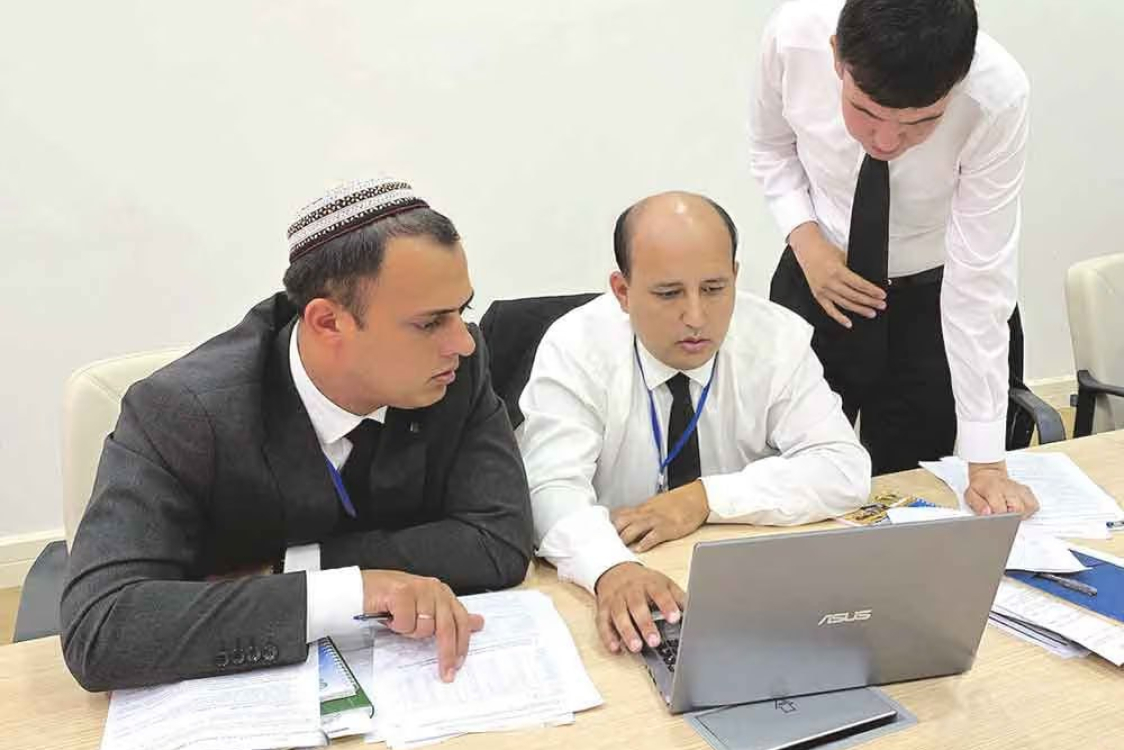
19.09.2026The Food and Agriculture Organisation of the United Nations (FAO)’s ‘CROPWAT’ programme was presented at the UN building in Ashgabat. It enables the calculation of crop irrigation regimes under conditions of climate change, according to IIC of Turkmenistan. The event took place as part of a joint project between the Government of Turkmenistan, UNDP and the GEF on water and land resource management in the Aral Sea basin. The methodology has been adapted to the arid conditions of the Saparmyrat Turkmenbashi etrap in Dashoguz velayat. Local agronomists and engineers will now be able to calculate crop water requirements rather than relying on approximate estimates. Participants discussed combating secondary soil salinisation, hydromodular zoning and the role of protective forest strips. At the end of the event, certificates were awarded to specialists who had successfully completed the training on the digital tool.
Ashgabat marked the conferral of an honorary title on Serdar Berdimuhamedov
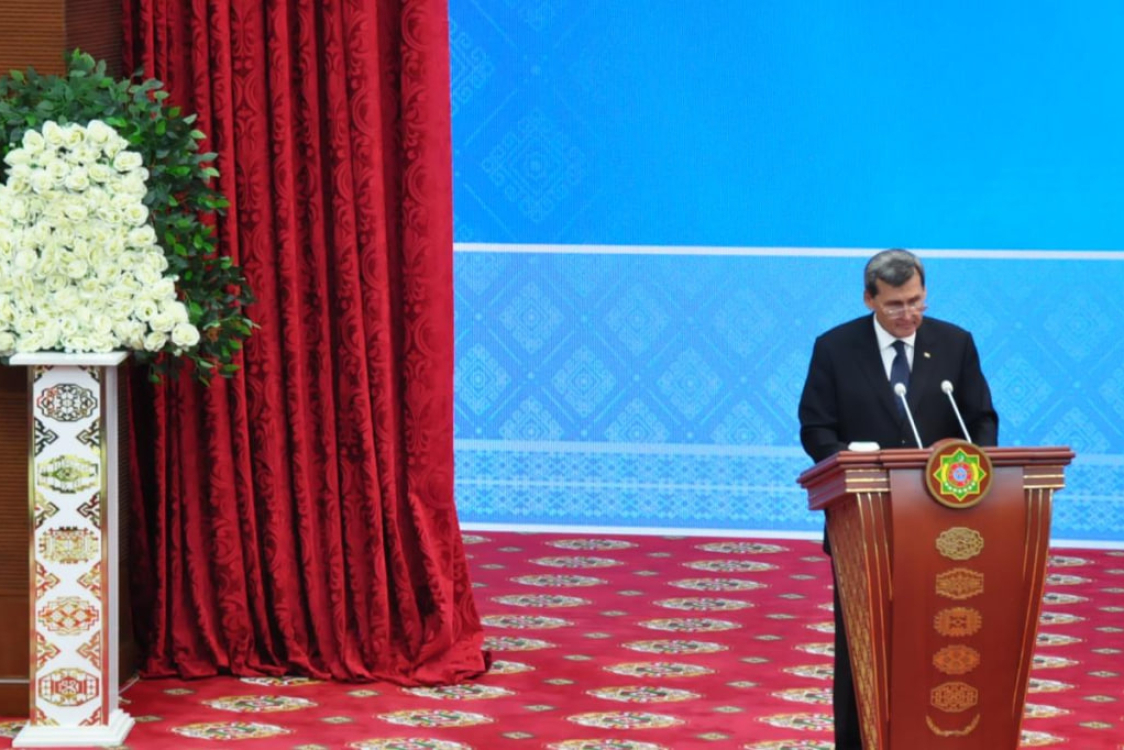
19.09.2026On 18 September 2026, a conference was held at the Institute of International Relations of the Foreign Affairs Ministry of Turkmenistan to mark the conferral of the title of ‘Honorary Doctor of Political Science’ from Sungkyunkwan University in the Republic of Korea upon the President of Turkmenistan, Serdar Berdimuhamedov. This was reported by the press office of the Foreign Affairs Ministry of Turkmenistan. The event was attended by representatives of the Ministry of Foreign Affairs, the Ministry of Education, the Academy of Sciences of Turkmenistan, higher education institutions, the academic community, the diplomatic corps, the media and students. Rashid Meredov, Deputy Foreign Affairs Minister of Turkmenistan, delivered a welcoming address. The Foreign Affairs Ministry highlighted the significance of the honorary title and the contribution of the President of Turkmenistan to the country’s development and international cooperation. Participants emphasised the event’s role in further strengthening the partnership between Turkmenistan and the Republic of Korea in the fields of science, education, digitalisation and workforce development. As part of the conference, a thematic exhibition was held, dedicated to Turkmenistan’s achievements in the fields of science and education and the development of international relations. Following the event, the participants adopted an Address to the President of Turkmenistan, Serdar Berdimuhamedov.
Read also
Advertising
 Read us in Zen


