

News
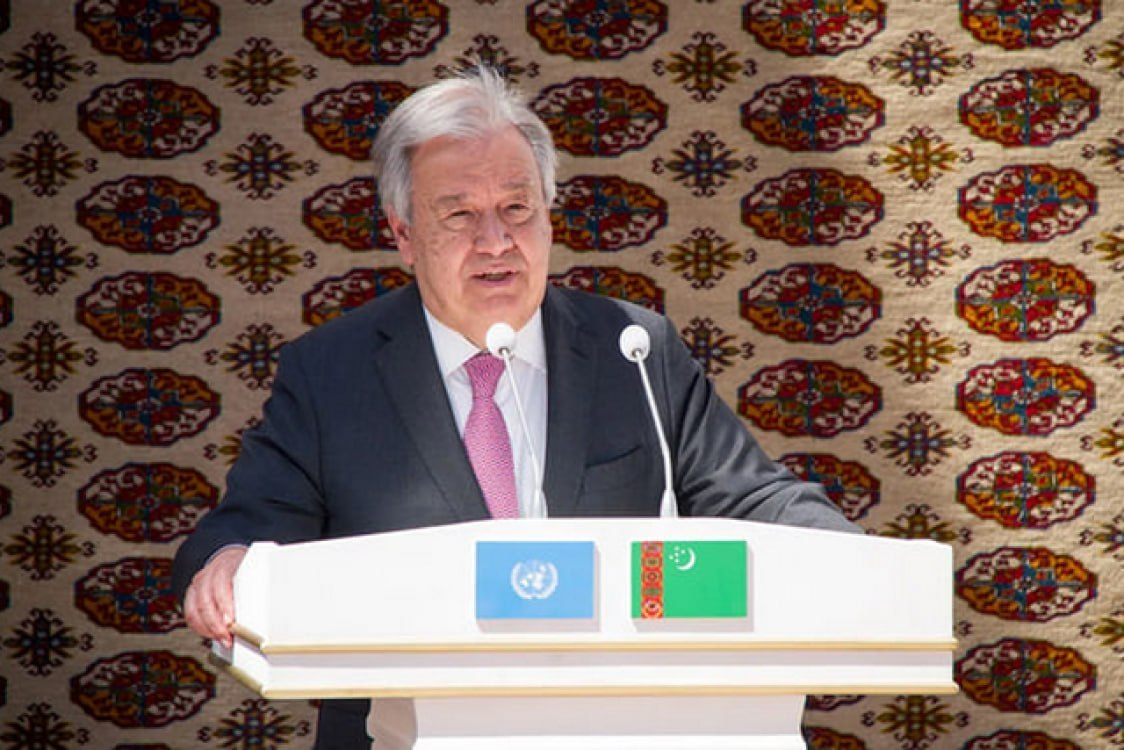
The UN Secretary-General congratulated the President of Turkmenistan on Independence Day
01.10.2026UN Secretary-General António Guterres has congratulated the President of Turkmenistan, Serdar Berdimuhamedov, on the country’s Independence Day. This was reported by the TDH news agency. In his message of congratulations, he highlighted the importance of international cooperation in addressing global challenges, including conflict prevention, climate change, reducing inequality and the responsible use of new technologies. Guterres emphasised the need to strengthen multilateral cooperation to ensure peace and security, achieve the Sustainable Development Goals and protect human rights. The UN Secretary-General also conveyed his best wishes to the people of Turkmenistan.
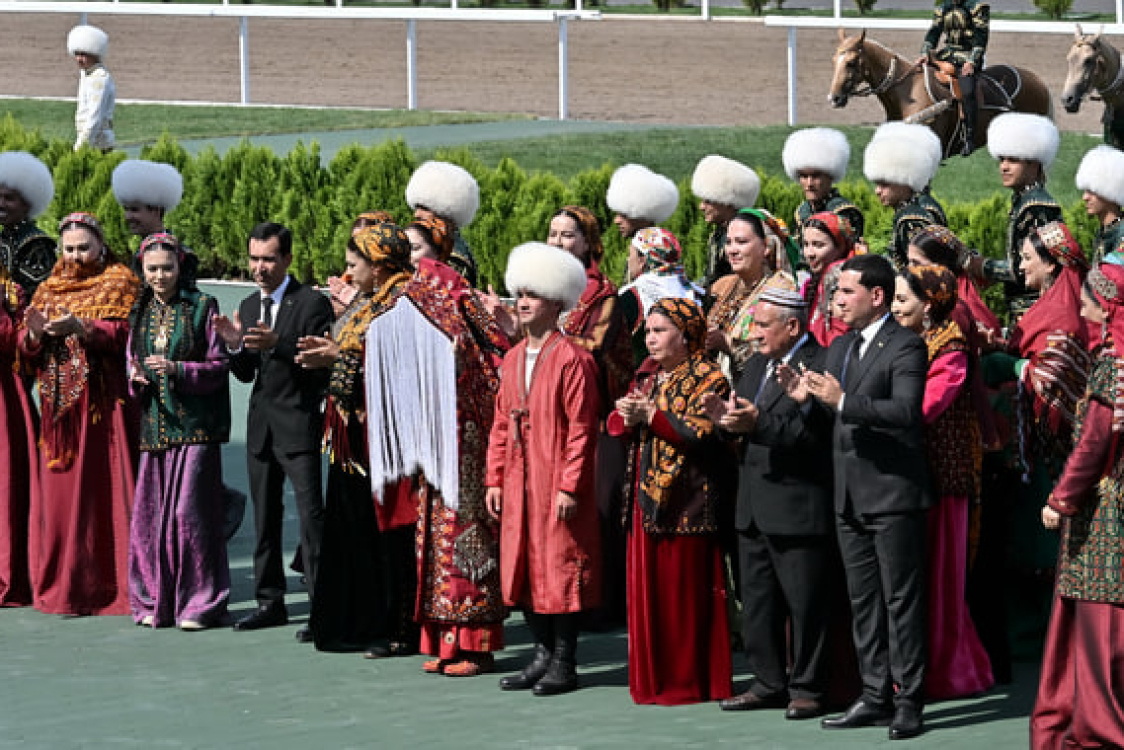
The Head of Turkmenistan presented the newlyweds with the keys to their new flat
30.09.2026On 29 September, as part of the celebrations to mark the opening of the President of Turkmenistan’s Ahal-Teke Equestrian Complex, a wedding took place. This was reported by the news agency TDH. The President of Turkmenistan, Serdar Berdimuhamedov, congratulated the newlyweds on this momentous occasion, noting the symbolic significance of their wedding coinciding with the 35th anniversary of Turkmenistan’s independence. As a wedding gift, the Head of State presented the couple with the keys to a new flat. The newlyweds expressed their gratitude to the President of Turkmenistan. The mother of the young couple also thanked the Head of State and asked to take a photo with him as a memorable keepsake. Serdar Berdimuhamedov granted the family’s request.
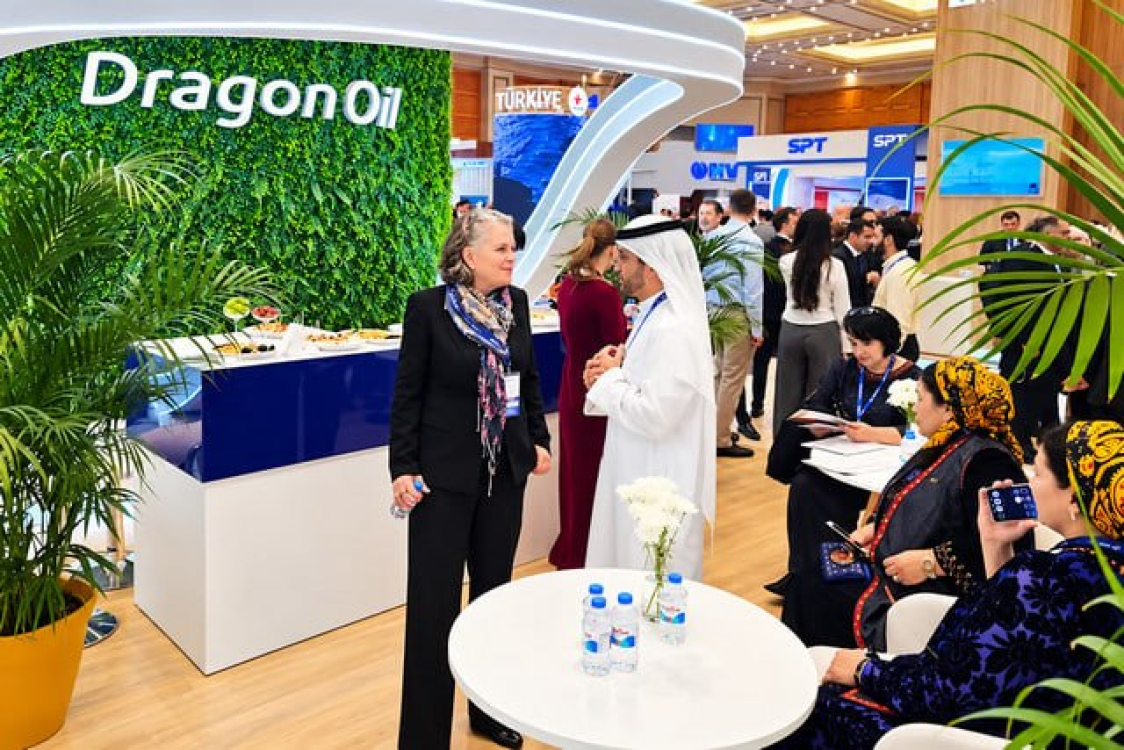
‘Dragon Oil’ will continue to carry out oil projects in Turkmenistan
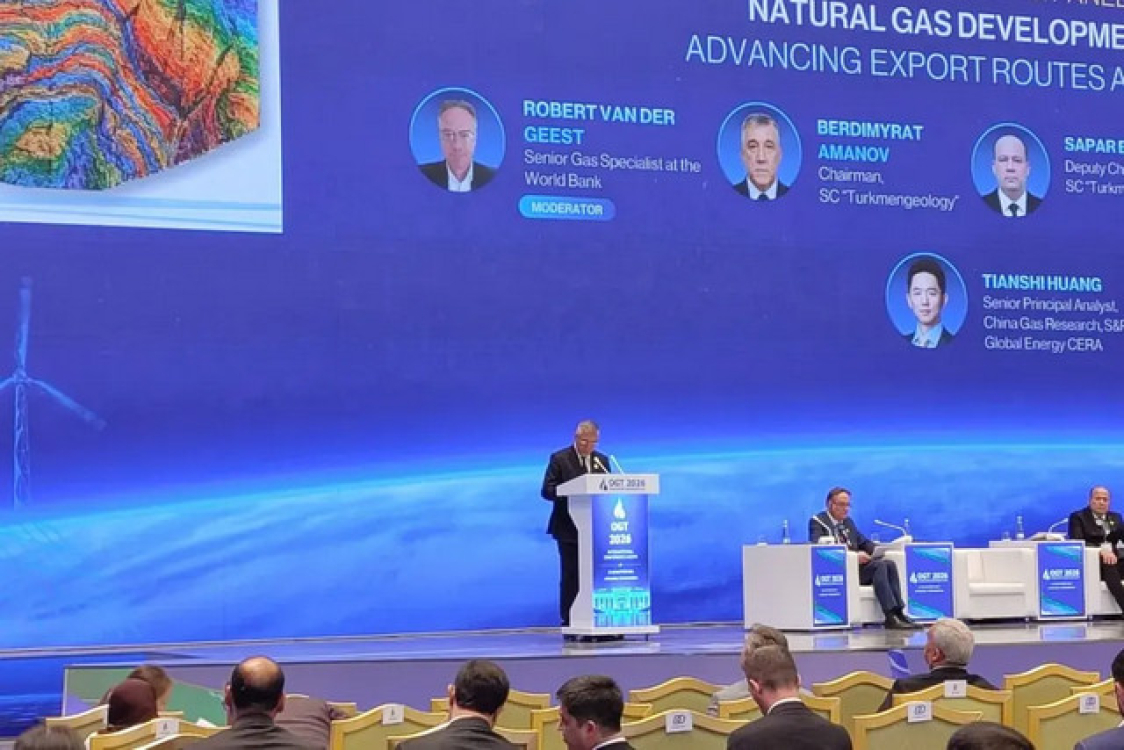
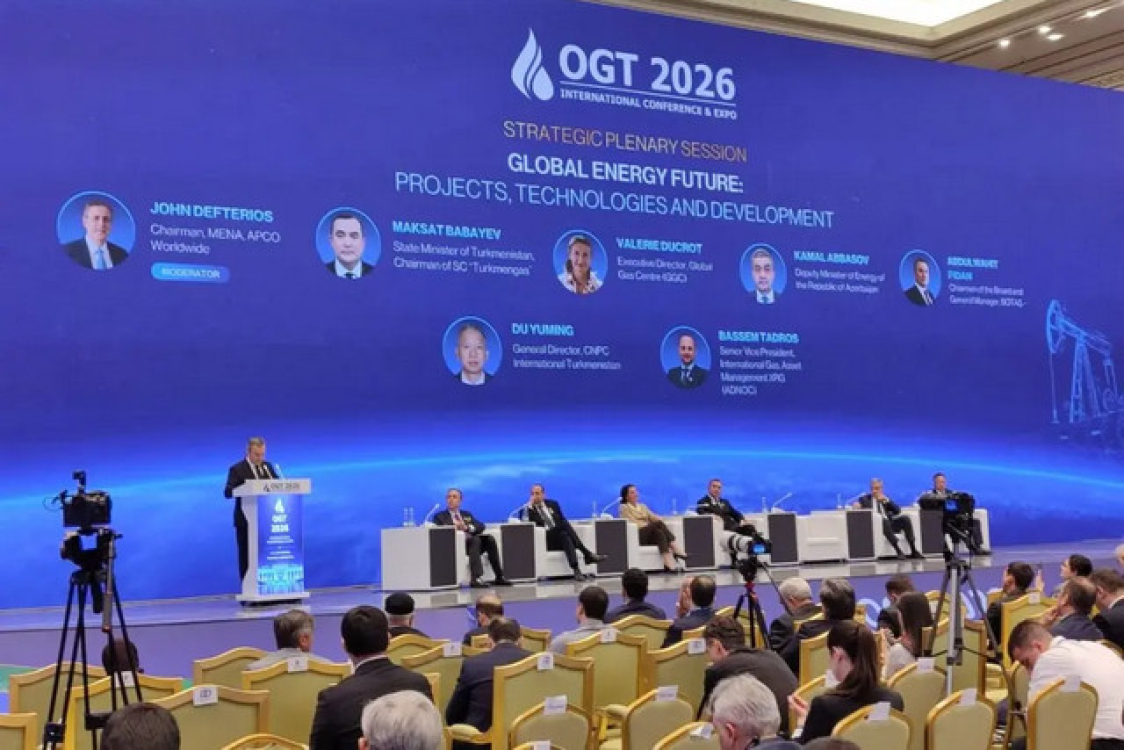
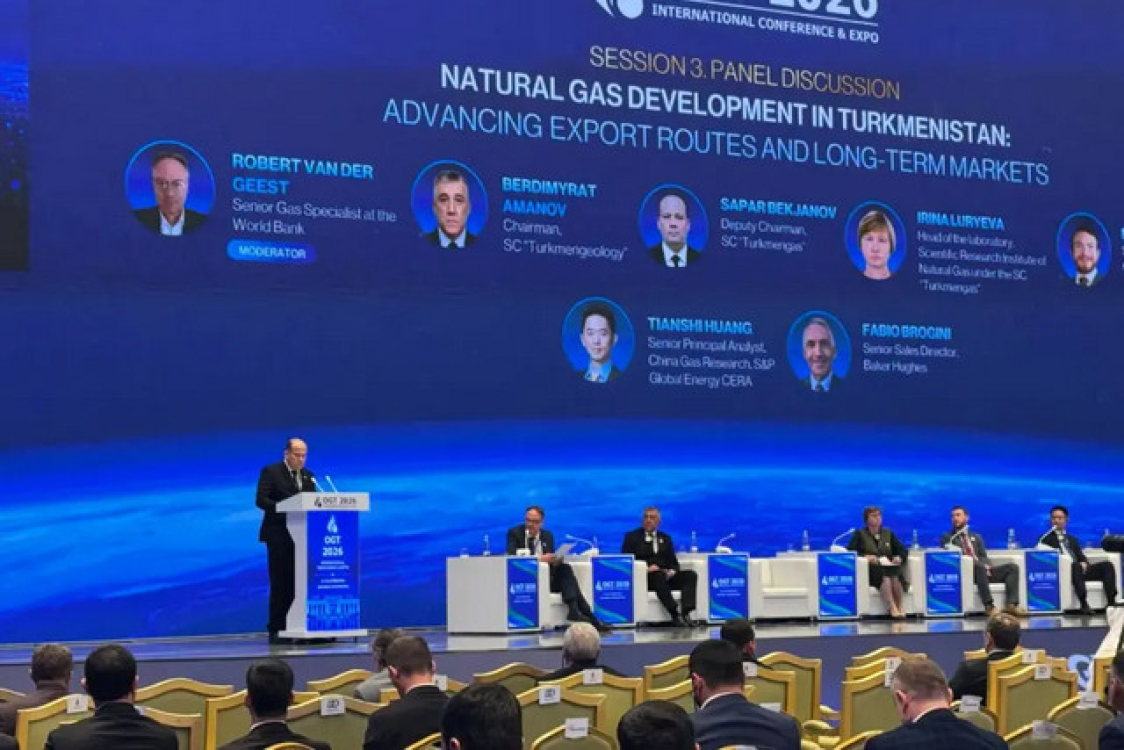
30.09.2026‘Dragon Oil’ has been operating in Turkmenistan for over 26 years and is the operator of the Cheleken concession area in the Turkmen sector of the Caspian Sea. The Production Sharing Agreement has been extended until 2035, according to the news agency ‘Turkmenistan: Golden age’. The company began operations at Cheleken on 1 May 2000. The concession area, covering approximately 950 square kilometres, includes the Jeytun and Jygalybeg offshore fields, located some 45 km from the Turkmen coast. Over the years, ‘Dragon Oil’ has established offshore and onshore infrastructure for the production, processing, storage and export of oil. The company also continues to carry out geological exploration work near its existing facilities. The ten-year extension of the agreement was agreed upon with the participation of the State Concern ‘Türkmennebit’. The new term allows for the planning of further production, geological exploration and infrastructure development at Cheleken. ‘Dragon Oil’ is a Diamond Partner of the 31st International Conference and Exhibition ‘Oil and Gas of Turkmenistan – 2026’ (OGT 2026). Topics at the event include the development of resources in the Turkmen sector of the Caspian Sea, geological exploration, drilling technologies, offshore infrastructure and investment opportunities.
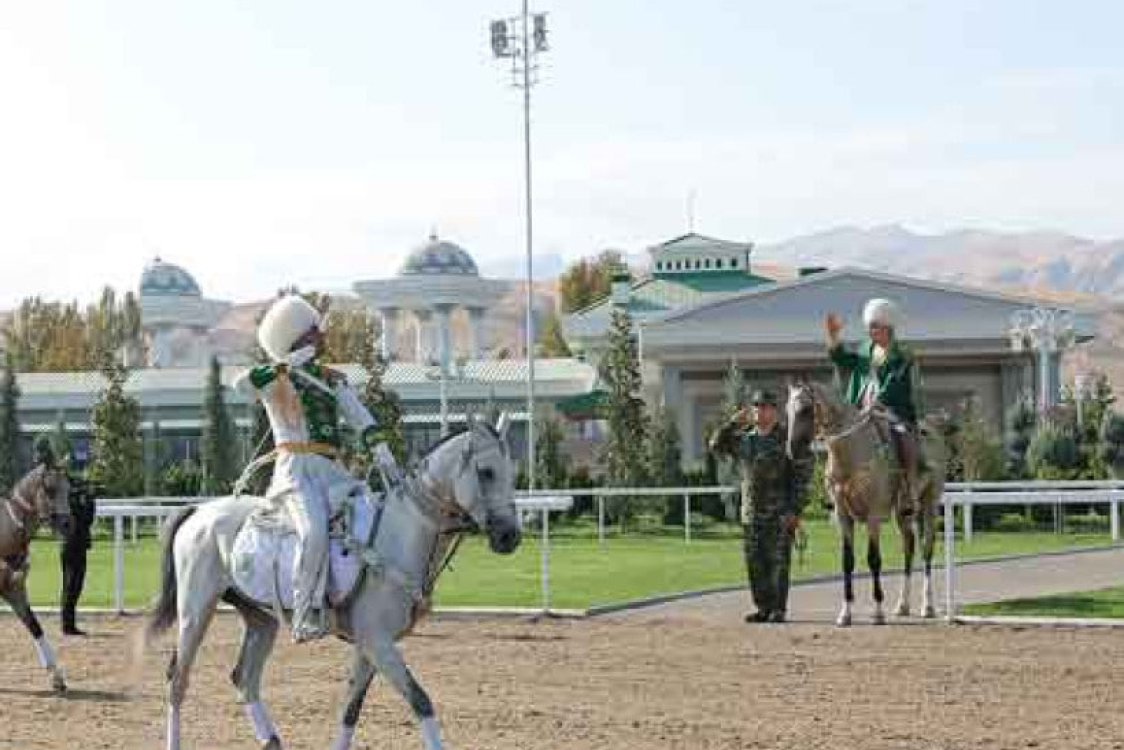
A festive procession of 35 horsemen took place at the Ahal-Teke Equestrian Complex
30.09.2026On 29 September, as part of the opening ceremony of the President of Turkmenistan’s Ahal-Teke Equestrian Complex, a ceremonial procession of 35 riders took place to mark the 35th anniversary of Turkmenistan’s independence and the opening of the new complex. This was reported by the news agency TDH. The procession was organised on the initiative of the National Leader of the Turkmen people, Chairman of the Halk Maslahaty of Turkmenistan, People’s Horse Breeder of Turkmenistan and Master Jockey-Instructor of Turkmenistan, Gurbanguly Berdimuhamedov. The start of the procession was preceded by an address from the Hero Arkadag, who took to the stage in front of the grandstand and declared the festive event open. The ceremonial procession was accompanied by songs and performances by artists. Musical compositions dedicated to independent Turkmenistan and Ahal-Teke racehorses were played in the square in front of the grandstand.
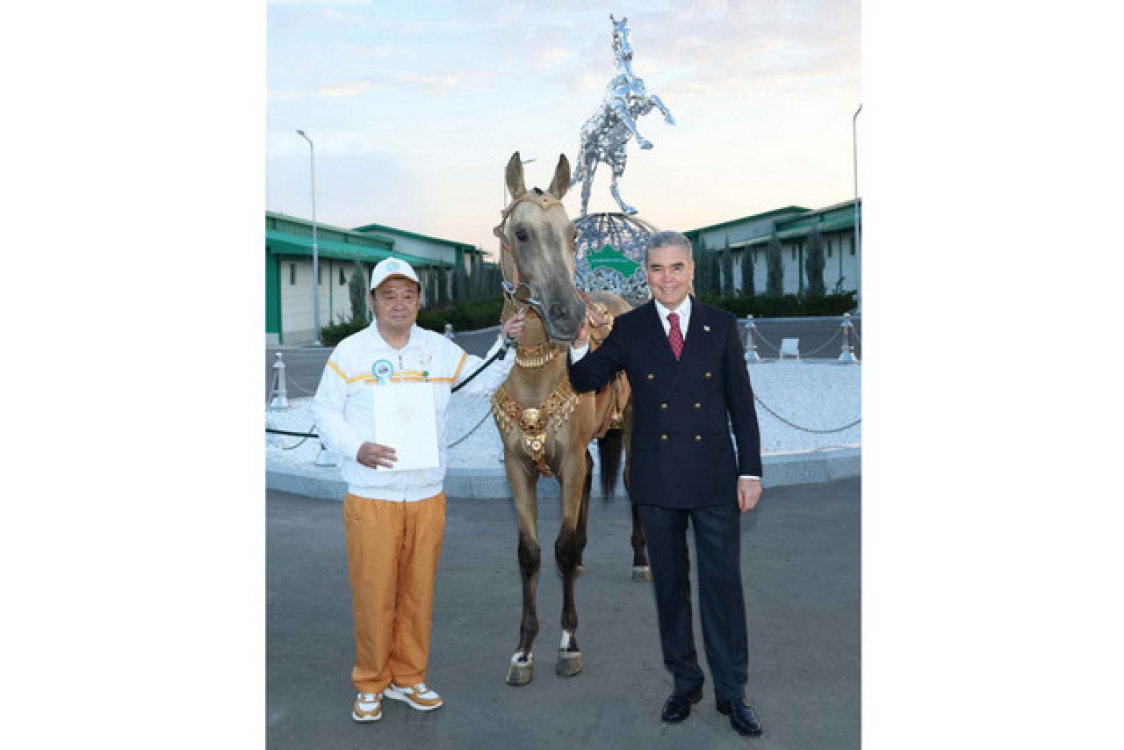
Turkmenistan presented a Chinese horse breeder with an Ahal-Teke racehorse
30.09.2026On 29 September, during the opening ceremony of the Ahal-Teke Equestrian Complex of the President of Turkmenistan, Gurbanguly Berdimuhamedov, National Leader of the Turkmen people and Chairman of the Halk Maslahaty of Turkmenistan, presented an Ahal-Teke racehorse as a gift to Liu Shuqing, head of the horse breeding company ‘Daqing Huiyou Breeding Co., Ltd.’ of the People’s Republic of China. This was reported by the news agency TDH. In accordance with a decision by the President of Turkmenistan and President of the International Ahal-Teke Horse Association, Serdar Berdimuhamedov, Liu Shuqing was presented with a bay Ahal-Teke racehorse named Dosthan, born in 2023, along with a certificate for the horse. The gift was presented in recognition of the Chinese horse breeder’s contribution to the breeding of Ahal-Teke horses, the growth of their numbers, and the promotion of the art of Turkmen horse breeding around the world. Earlier, on 28 September, Liu Shuqing was awarded the honorary title of ‘Türkmenistanyň at gazanan atşynasy’ for his contribution to the development of horse breeding, the preservation of the purity of the Ahal-Teke breed and the enhancement of its global reputation.
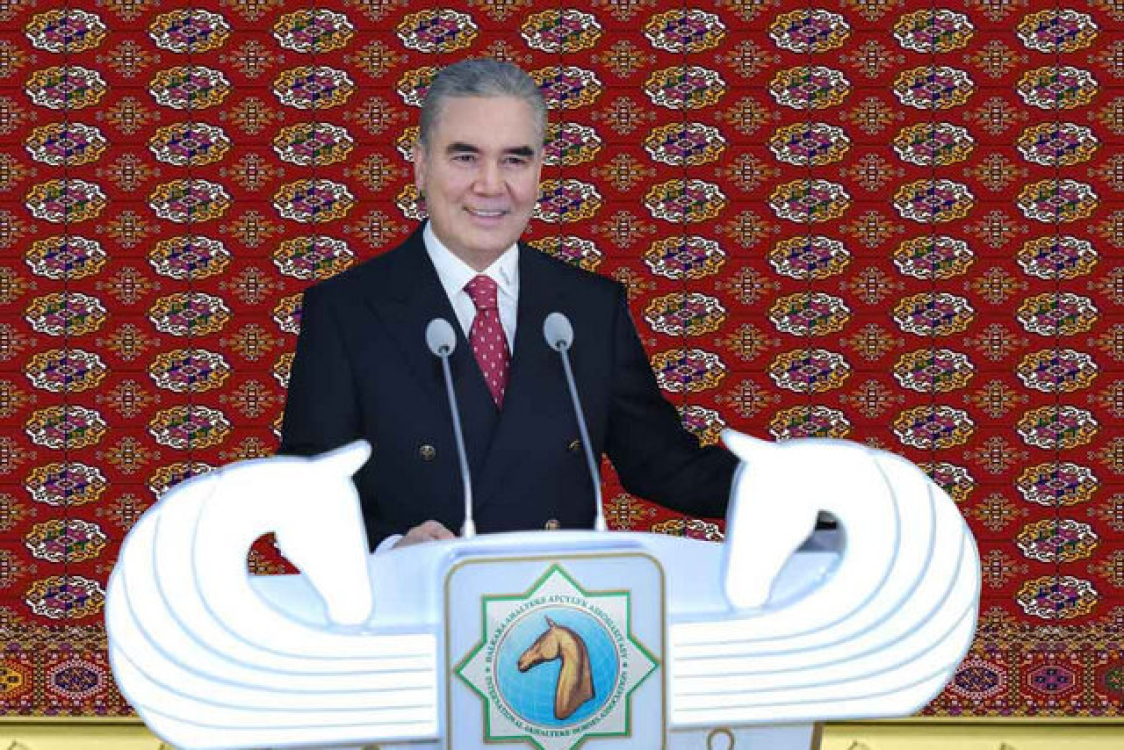
Hero Arkadag spoke at the opening ceremony of the Ahal-Teke Equestrian Complex
30.09.2026On 29 September, the National Leader of the Turkmen people and Chairman of the Halk Maslahaty of Turkmenistan, Gurbanguly Berdimuhamedov, addressed the opening ceremony of the President of Turkmenistan’s Ahal-Teke Equestrian Complex, which seats 1,200 people. This was reported by the TDH news agency. The Chairman of the Halk Maslahaty of Turkmenistan congratulated his compatriots and those attending the ceremony on the opening of the new complex and highlighted its role in the development of the horse breeding sector. In his speech, he emphasised that Ahal-Teke equestrian complexes are in operation in the velayats, as well as in the cities of Ashgabat and Arkadag. The town of Arkadag is home to the Aba Annayev International Academy of Horse Breeding, the ‘At–myrat’ training centre, the Scientific and Production Centre for Horse Breeding, the Gorogly State Equestrian Circus in Arkadag, and a stable with capacity for 600 horses. The National Leader of the Turkmen people also noted that the President of Turkmenistan’s Ahal-Teke Equestrian Complex offers facilities for the year-round care and breeding of racehorses. Facilities have been established on its premises for selection work, health assessments and the study of the physiological characteristics of horses. The complex comprises modern stables, open-air and indoor riding arenas, an area for Ahal-Teke horse beauty contests, a water treadmill, racing tracks and spectator stands. Laboratories and departments for breeding activities have also been provided. To ensure an adequate diet for the racehorses, apples, carrots and alfalfa are grown on the premises. Barns have been provided for storing feed. The administrative building is equipped with a digital system that allows information to be obtained on the horses’ living and feeding conditions, as well as their sleep and wake cycles. Furthermore, the speech noted that the opening of the complex in 2026, under the motto ‘Independent Neutral Turkmenistan − the Homeland of Purposeful Winged Horses’, is timed to coincide with the 35th anniversary of the country’s independence. Hero Arkadag also emphasised the historical significance of Ahal-Teke horses as a national treasure of Turkmenistan and highlighted their victories in international competitions. In conclusion, the National Leader of the Turkmen people congratulated those present at the ceremony on the opening of the Ahal-Teke Equestrian Complex of the President of Turkmenistan and wished them good health, happiness and success.
The Ahal-Teke Equestrian Complex was officially opened in Turkmenistan
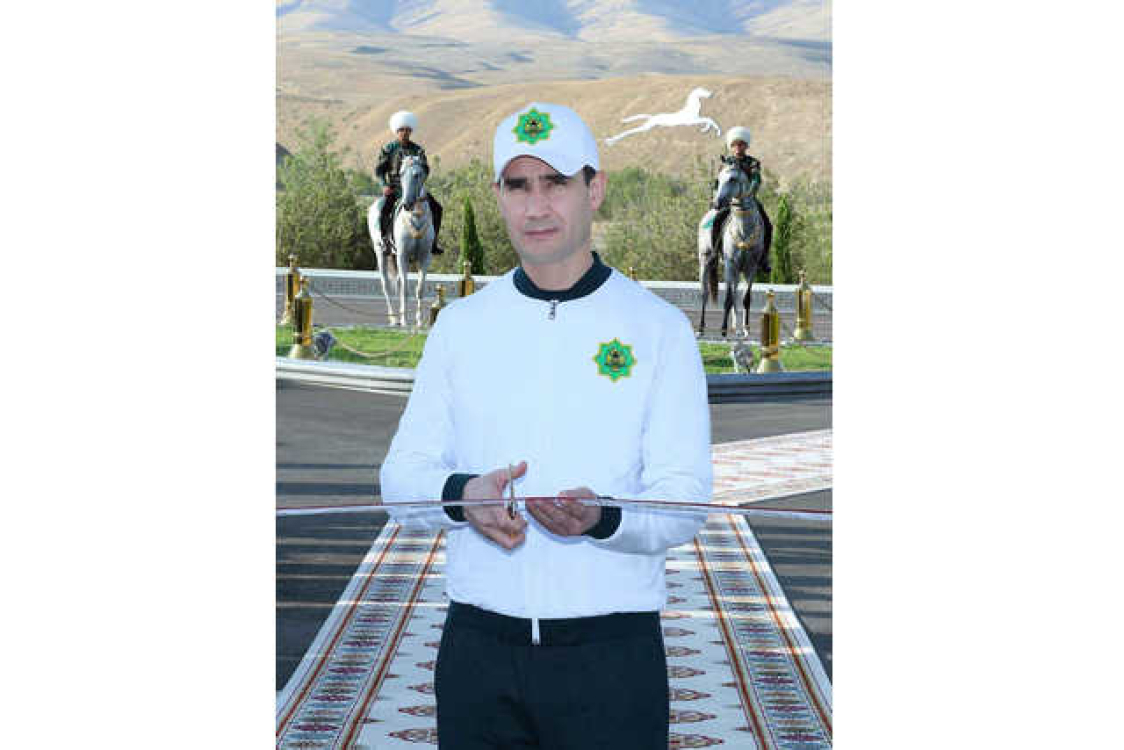
30.09.2026On 29 September, the President of Turkmenistan, Serdar Berdimuhamedov, and the National Leader of the Turkmen people, Chairman of the Halk Maslahaty of Turkmenistan, Gurbanguly Berdimuhamedov, took part in the opening ceremony of the President of Turkmenistan’s Ahal-Teke Equestrian Complex, which seats 1,200 people, in the foothills of the Kopetdag Mountains. This was reported by the TDH news agency. The complex opened as part of the year's events, ‘Independent Neutral Turkmenistan − the Homeland of Purposeful Winged Horses’, and in the run-up to the 35th anniversary of the country’s independence. Before the ceremony began, Hero Arkadag drove along the modernised road to the complex. Along the route stand the ‘Ýanardag’ monument and the ‘Atly aýlaw’ sculpture group, both dedicated to Ahal-Teke horses. Performances by cultural figures and artists, as well as the ‘Galkynyş’ National Equestrian Games Group, took place on the complex’s grounds. Guests were treated to equestrian displays, musical performances and a drone show. During the ceremony, the National Leader of the Turkmen people delivered a speech. Gurbanguly Berdimuhamedov noted that the new complex has a capacity of 1,200 seats and is intended for the development of horse breeding, selection work and the hosting of equestrian events. The complex provides facilities for the year-round care and breeding of Ahal-Teke racehorses. It houses specialised departments and laboratories, and is equipped with modern stables, open-air and indoor riding arenas, racecourses, training area for grooms, a water treadmill and spectator stands. Areas within the complex have also been set aside for growing apples, carrots and alfalfa, which are used in the racehorses’ diet. Warehouses for storing feed have been provided. The administrative and main buildings are equipped with digital systems. These enable monitoring of the horses’ living conditions, feeding and rest schedules. A separate building has been constructed for breeding work. The complex features a photography studio with themed backdrops depicting the four seasons, the Caspian Sea and the Karakum Desert. There are also areas designated for holding beauty contests for Ahal-Teke racehorses. Following the performance, Hero Arkadag cut the ceremonial ribbon. The National Leader of the Turkmen people then toured the complex and familiarised himself with its facilities. In accordance with the Resolution of the President of Turkmenistan and President of the International Ahal-Teke Horse Association, Serdar Berdimuhamedov, Hero Arkadag presented to Liu Shuqing, head of the horse breeding company ‘Daqing Huiyou Breeding Co., Ltd.’ of the People’s Republic of China, an Ahal-Teke racehorse named Dosthan, a blue roan born in 2023, along with the corresponding certificate. Later, Serdar Berdimuhamedov arrived at the complex. The Head of State cut the ceremonial ribbon in front of the main entrance and toured the grounds. The President of Turkmenistan inspected the indoor riding arena and watched demonstration performances by equestrian and show jumping athletes. In the outdoor riding arena, the Head of State watched a performance by the ‘Galkynyş’ National Equestrian Games Group. One of the highlights was the celebratory horse races featuring master jockeys. The competition featured racehorses representing all the velayats, as well as the cities of Ashgabat and Arkadag. The National Leader of the Turkmen people, People’s Horse Breeder of Turkmenistan, Master Jockey-Instructor of Turkmenistan, Hero Arkadag, rode the racehorse Daghan, trained by the young groom Kerimguly Berdimuhamedov. Hero Arkadag emerged as the winner of the race. Second place went to the horse Shohratly from the city of Ashgabat, and third place to Azamat from the Ahal velayat. The winner was awarded a ‘Range Rover Sport’. Second place was awarded a ‘Toyota Fortuner’, and third place a ‘Toyota Camry’. Hero Arkadag donated the main prize of the race to the Ministry of Defence of Turkmenistan – specifically to the military unit where Sergeant Kerimguly Berdimuhamedov is serving. As part of the festivities, a beauty contest for Turkmen Alabay dogs was also held. The winner was the Alabay named Arwana. His owner was presented with a ‘Toyota Corolla’. Competitions in the national sport of goresh wrestling also took place. The winners in various weight categories were M. Nurberdiyev, G. Hemrayev, S. Rejepov, A. Allaberdiyev and N. Baydogdyev. The outstanding wrestlers were presented with Turkmen-made televisions. During the celebrations, national customs and traditions characteristic of the velayats and the cities of Ashgabat and Arkadag were showcased. Those attending the event also witnessed the newlyweds’ wedding celebration, which coincided with the 35th anniversary of Turkmenistan’s independence. The Head of State congratulated the newlyweds and presented them with the keys to a new flat as a wedding gift. The ceremony concluded with performances by artists and a congratulatory address by President Serdar Berdimuhamedov marking the 35th anniversary of the country’s independence.
The Head of Turkmenistan held a meeting with the Chairman of ‘Çalık Holding’
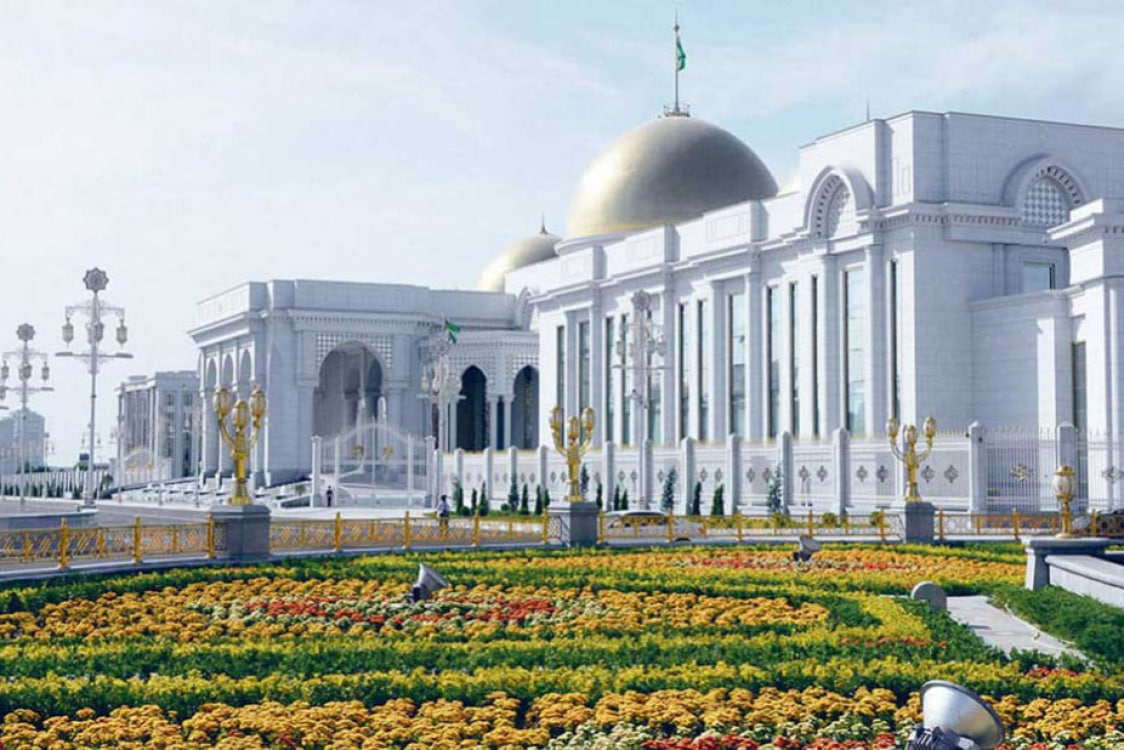
30.09.2026On 29 September, President Serdar Berdimuhamedov received Ahmet Chalik, Chairman of the Board of Directors of the ‘Çalık Holding’ Group, during the opening ceremony of the President of Turkmenistan’s Ahal-Teke Equestrian Complex, which seats 1,200 people. This was reported by the news agency TDH. Ahmet Chalik congratulated the Head of State on the 35th anniversary of Turkmenistan’s independence and thanked him for the invitation to take part in the celebrations. President Serdar Berdimuhamedov noted the steady development of relations between Turkmenistan and Turkey, based on the principles of friendship and brotherhood. The Head of State also expressed his gratitude to Ahmet Chalik for the modernisation of the equestrian complex using innovations and cutting-edge technologies. In turn, the Chairman of the Board of Directors of the ‘Çalık Holding’ Group assured that the company would fulfil its contractual obligations to a high standard. At the conclusion of the meeting, President Serdar Berdimuhamedov wished Ahmet Chalik every success in his endeavours.
Ashgabat has proposed drawing up a Global Peace Strategy
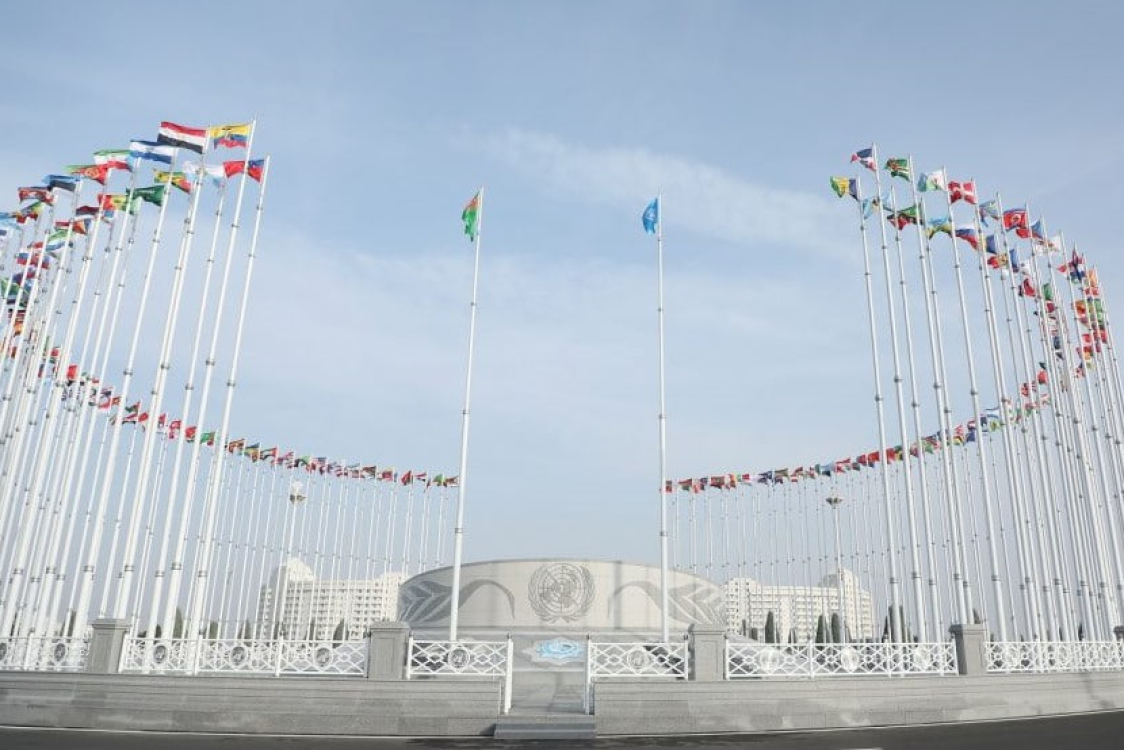
30.09.2026Turkmenistan has proposed holding inter-governmental consultations under the auspices of the UN to develop a Global Peace Strategy. The initiative was presented by Vepa Hajiyev, Turkmenistan’s Permanent Representative to the UN, on 28 September during the general political debate at the 81st session of the United Nations General Assembly, according to the Orient news agency. According to V. Hajiyev, the consultations should contribute to the development of a sustainable culture of dialogue and the strengthening of international cooperation in the field of conflict prevention. Turkmenistan regards the proclamation of a Decade of Dialogue and Preventive Diplomacy as a logical continuation of this process. In presenting the initiative, Vepa Hajiyev emphasised the importance of the principles of the UN Charter, including respect for the sovereignty, territorial integrity and sovereign equality of states, non-interference in internal affairs and compliance with international law. The initiative on the Global Peace Strategy formed part of a package of proposals put forward by Turkmenistan at the 81st session of the United Nations General Assembly.
Weightlifter Shahzadbek Matyakubov won a silver medal for Turkmenistan at the Asian Games
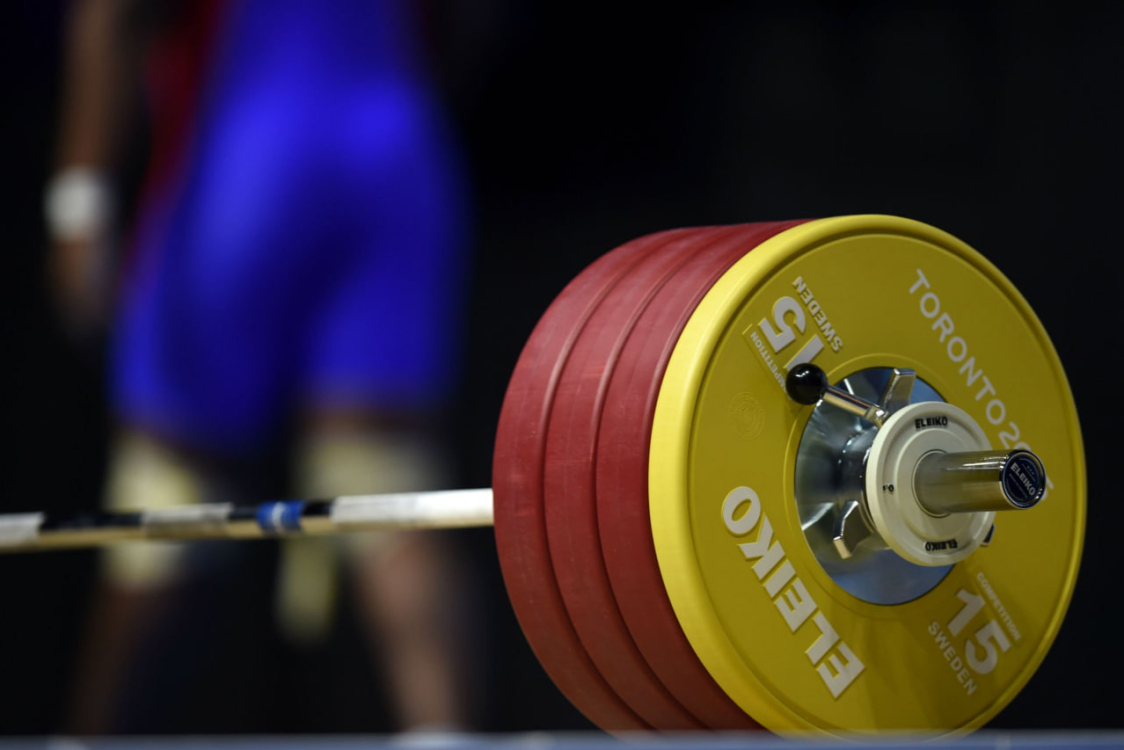
30.09.2026Turkmen weightlifter Shahzadbek Matyakubov won a silver medal at the 20th Summer Asian Games in Nagoya, Japan. The 22-year-old competed in the under-110kg weight category, according to Turkmenportal. In the final on 29 September at the Nagoya City Trade and Industry Centre, Matyakubov recorded a total of 410 kg. He lifted 188 kg in the snatch and 222 kg in the clean and jerk. This medal was the second for the Turkmenistan team at the Games. Earlier, Davut Nazmyradov won a silver medal in karate in the under-75 kg category. The 20th Asian Games are taking place in Nagoya from 19 September to 4 October. Turkmenistan is represented by 34 athletes across eight sports.
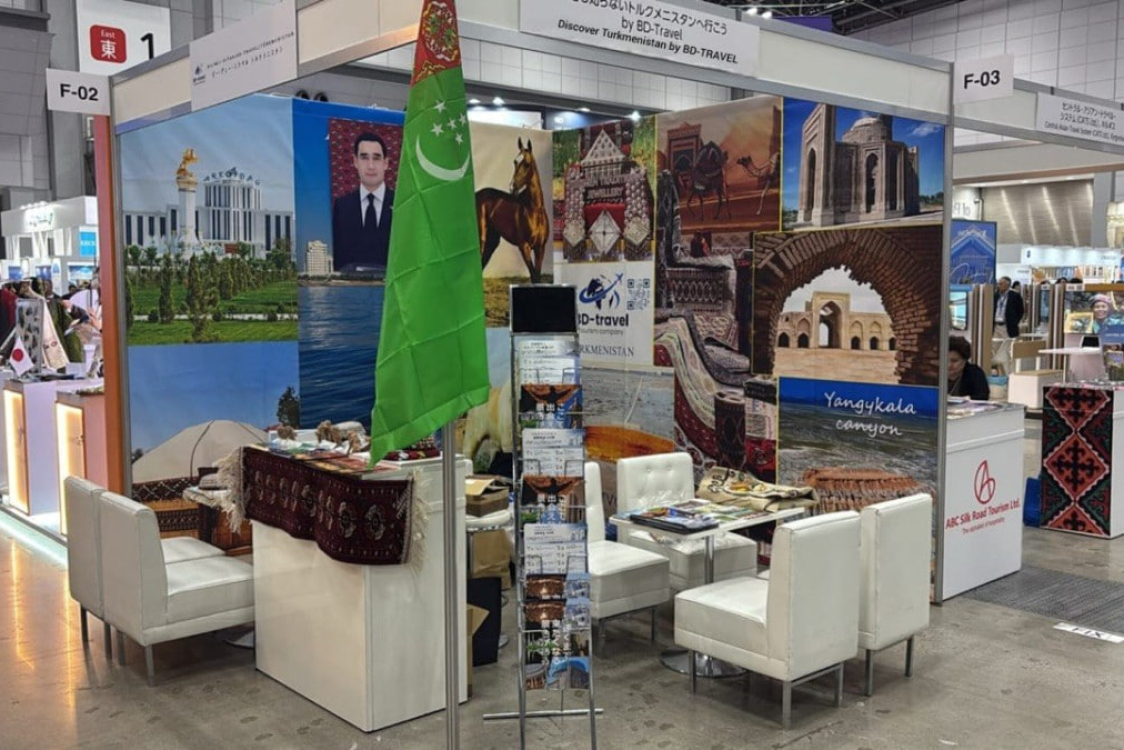
Turkmenistan’s tourism opportunities were showcased in Tokyo
30.09.2026The company ‘Bilimli Diýar’ (BD-Travel) showcased Turkmenistan’s tourism opportunities at the international Tourism EXPO Japan 2026 exhibition, held from 24 to 27 September in Tokyo. This was reported by the Orient news agency. The event, held at the Tokyo Big Sight exhibition centre, brought together 1,420 organisations from 74 countries and around 180,000 visitors. BD-Travel had its own stand and held B2B meetings with Japanese and international travel companies. The parties discussed the development of mutual tourist flows, direct contracts and the promotion of itineraries in Turkmenistan. Visitors to the exhibition were introduced to Ashgabat, the ancient cities of Nisa, Merv and Margush, the Darvaza Crater, the Yangigala Canyons, the Dinosaur Plateau and the ‘Awaza’ resort area. The stand also featured performances of national music and a display of traditional Turkmenistan costumes. BD-Travel has previously showcased its tourism products at exhibitions in Beijing, Kuala Lumpur, Osaka and Berlin. The company is also preparing new tourism and festive itineraries for 2027.
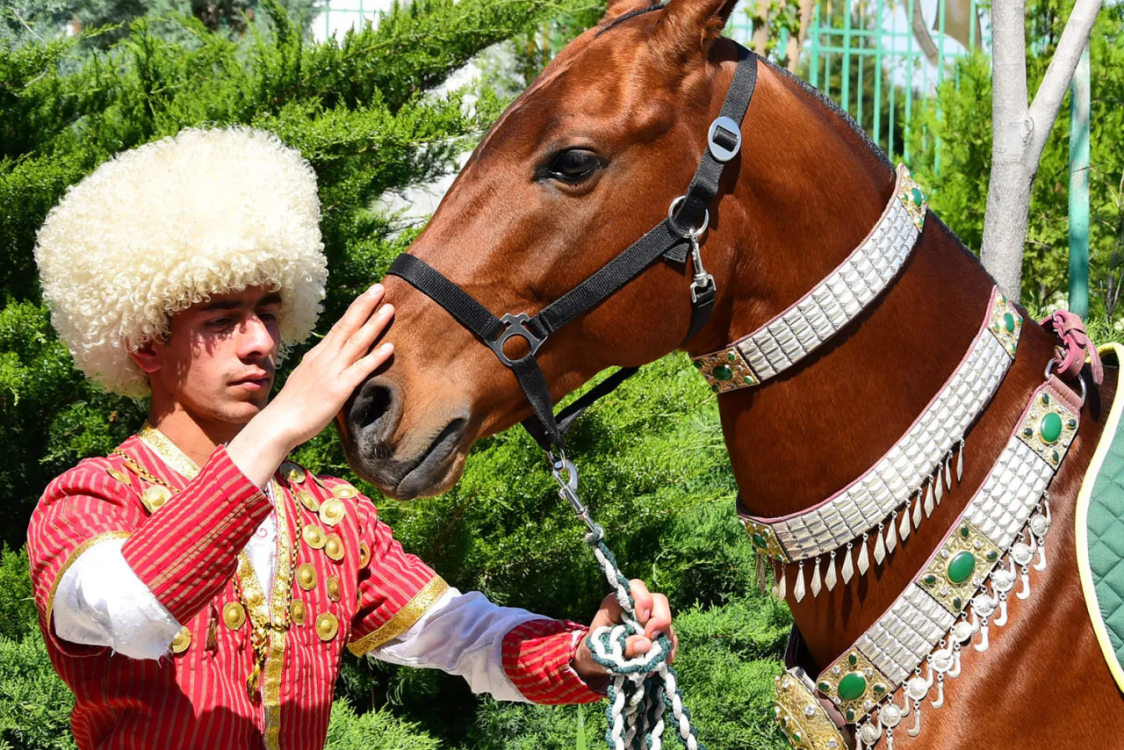
Turkmenistan is to establish an International Breed Council for Ahal-Teke racehorses
30.09.2026The President of Turkmenistan and President of the International Ahal-Teke Horse Association, Serdar Berdimuhamedov, signed a Decree establishing the International Ahal-Teke Breeding Council, TDH reported. The Council is being established to coordinate breeding work at an international level, facilitate the exchange of breeding information, ensure the genetic preservation of purebred Ahal-Teke racehorses, and improve breeding standards.
Read also
Advertising
 Read us in Zen


