

News
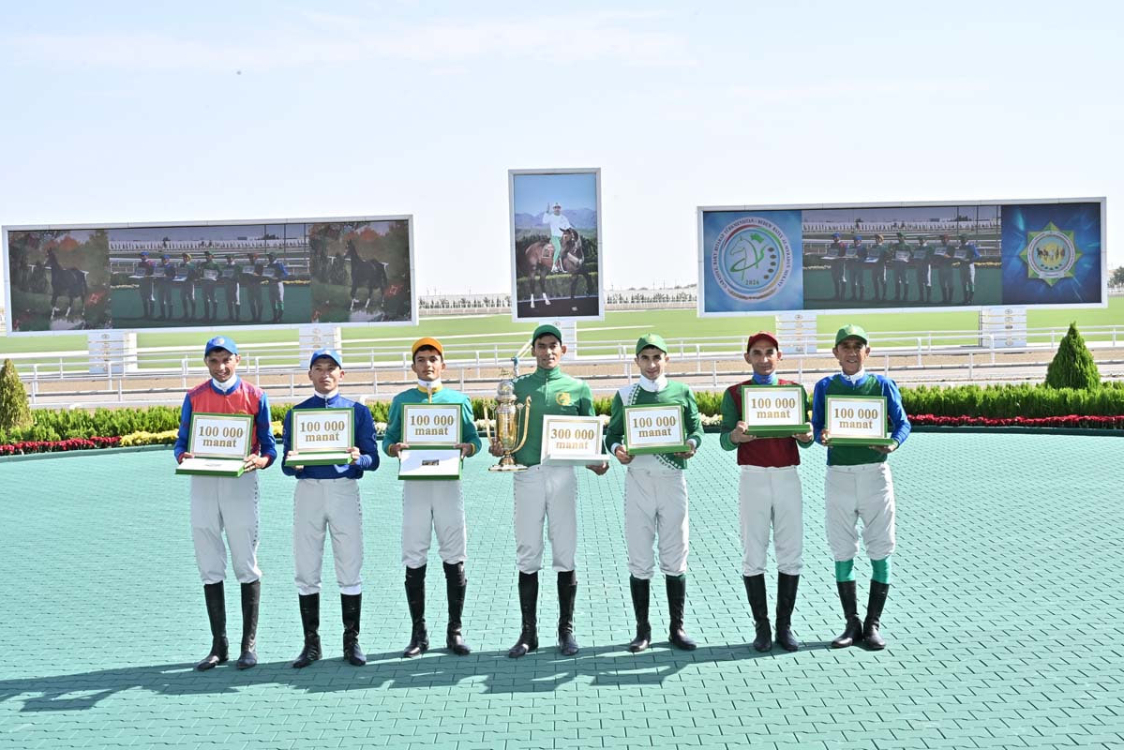
The winners of the festive races were awarded cash prizes
30.09.2026On September 28, the Ashgabat Equestrian Center hosted celebratory horse races to celebrate the 35th anniversary of Turkmenistan's independence. The winners of the seven races received cash prizes, and the grand prize winner also received the President of Turkmenistan's Challenge Cup. This was reported by the news agency TDH. The winning horses were: Nyazli, owned by the Berkararlyk Etrap Administration in Ashgabat. Jockey: P. Orazov; groom: W. Gayipov. Ayyildyz, owned by the Ashgabat City Administration. Jockey: Sh. Saryev; groom: H. Gubayev. Bendesen, owned by the ‘Bäherden’ horse-breeding farm of the State Concern ‘Türkmengaz’. Jockey: Ya. Allanazarov; groom: D. Myratguliyev, Honoured Horse Breeder of Turkmenistan. Gonibek, owned by the Ahal-Teke Equestrian Complex of the President of Turkmenistan. Jockey – S. Charyev; groom – O. Annalyev, Master Jockey-Instructor of Turkmenistan. Maksatly, owned by the Ashgabat City Administration. Jockey and groom: R. Seyidov. Gudratlydag, owned by the State Concern ‘Türkmennebit’. Jockey: Master Rider T. Babayev; groom: Master Groom G. Agamyradov. Bezirgen, owned by the Ahal-Teke Equestrian Complex of the President of Turkmenistan. Jockey: master rider B. Agamyradov; groom: Honoured Horse Breeder of Turkmenistan M. Agamyradov. The Grand Prize of the President of Turkmenistan was won by the bay-coloured horse Bezirgen. The winner was awarded 300,000 manats and the President of Turkmenistan’s Challenge Cup. The other winners each received 100,000 manats.
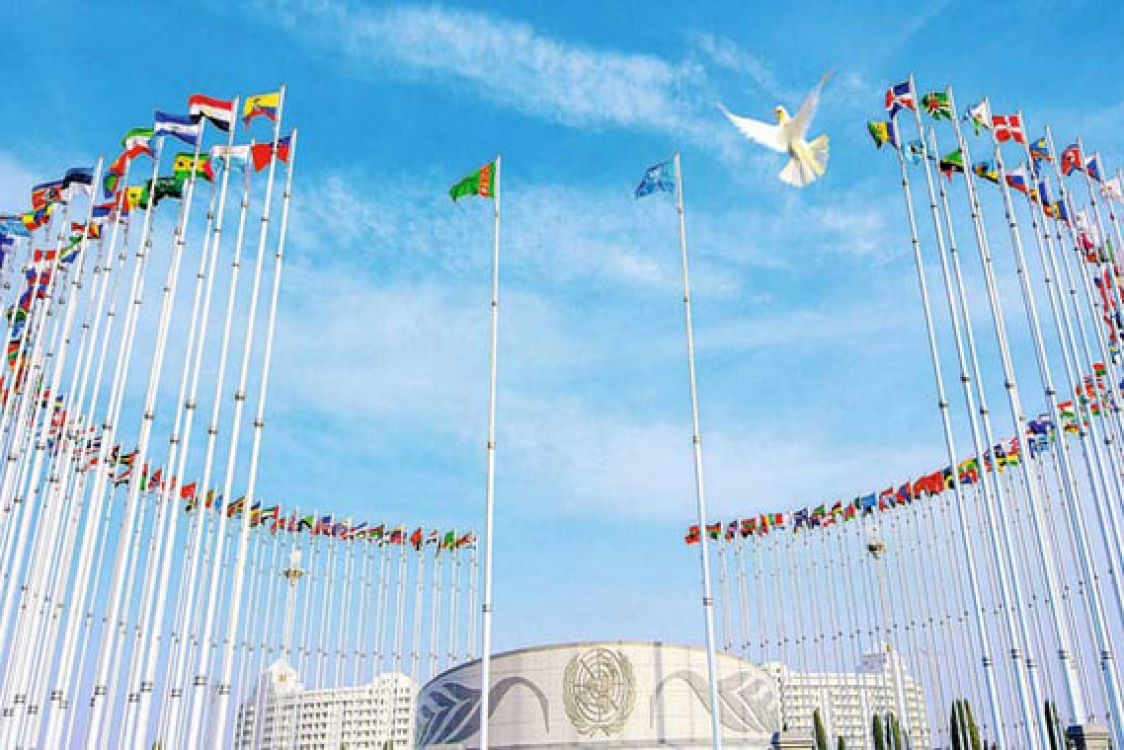
Turkmenistan has proposed drawing up a code of conduct for the peaceful use of AI
29.09.2026Turkmenistan has proposed drafting an International Code on the Peaceful Use of Artificial Intelligence in International Relations and Diplomacy under the auspices of the UN. This was announced on 28 September by Vepa Hajiyev, Turkmenistan’s Permanent Representative to the UN, during the general political debate at the 81st session of the UN General Assembly, according to the news agency Orient. The initiative aims to establish international approaches to the responsible use of AI technologies. The Turkmen side also proposed holding an International Digital Dialogue in Ashgabat on issues of digital trust and the responsible use of artificial intelligence.
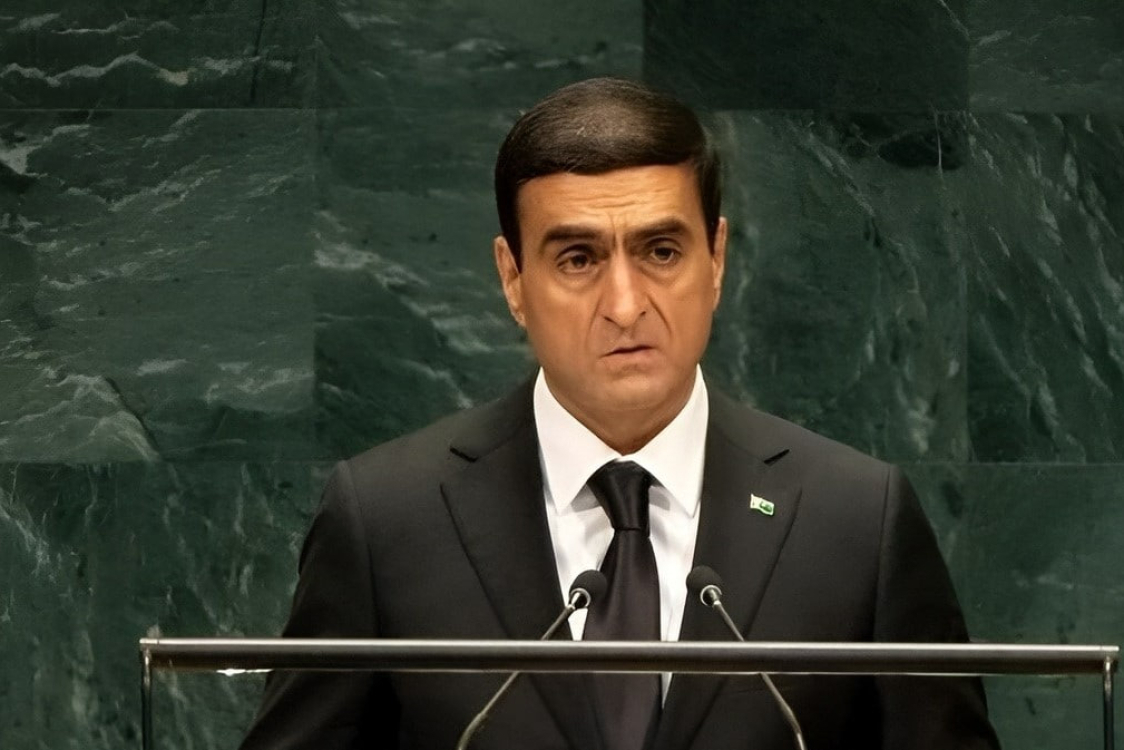
Ashgabat’s international initiatives were highlighted at the UN session
29.09.2026On 28 September, during the general political debate at the 81st session of the UN General Assembly, Vepa Hajiyev, Turkmenistan’s Permanent Representative to the UN, presented the country’s international initiatives in the fields of peace, security and sustainable development. This was reported by the news agency Orient. Vepa Hajiyev conveyed to the forum’s participants wishes for peace and prosperity from the President of Turkmenistan, Serdar Berdimuhamedov, and also congratulated Khalilur Rahman on his election as President of the 81st session of the UN General Assembly. In his address, he noted that the rise in the risk of conflict, the decline in mutual trust, economic instability, environmental threats and the development of new technologies require the strengthening of international cooperation and adherence to the principles of the UN Charter. International security remains one of Turkmenistan’s key priorities. In this regard, the country proposed holding inter-governmental consultations under the auspices of the UN to develop a Global Strategy for Peace, followed by the proclamation of a Decade of Dialogue and Preventive Diplomacy. It has also been proposed to establish, under the auspices of the UN, a Group of Friends on Multilateral Cooperation and the Sovereign Equality of States. Turkmenistan has submitted a draft resolution to the UN General Assembly on the activities of the UN Regional Centre for Preventive Diplomacy for Central Asia (UNRCCA), which will mark its 20th anniversary in 2027. In the field of education and science, the country is continuing its work on establishing the University of Peace and Neutrality and has begun consultations on the establishment of a Scientific Centre at the Institute of International Relations of the Foreign Affairs Ministry of Turkmenistan. Particular attention has been paid to artificial intelligence. Turkmenistan has proposed developing, under the auspices of the UN, an International Code on the Peaceful Use of Artificial Intelligence in International Relations and Diplomacy, as well as holding an International Digital Dialogue in Ashgabat on issues of digital trust and the responsible use of AI. In the transport sector, the country is continuing its work within the framework of the UN Decade of Sustainable Transport for 2026–2035 and is participating in the development of the Global Atlas of Sustainable Transport Links. As the elected Chair of the Group of Landlocked Developing Countries for 2027–2028, Turkmenistan intends to promote the implementation of the Awaza Programme of Action (2024–2034) and the Awaza Political Declaration. To develop trade and transport infrastructure, it has been proposed to establish an International Centre for Sustainable Trade Logistics and Customs Cooperation, as well as to create an interregional transport corridor linking South and Central Asia with Europe via the Caspian Sea. In the environmental sphere, Turkmenistan has put forward an initiative to establish the Ashgabat Climate Dialogue — a permanent platform for implementing practical initiatives and transferring technology to regions experiencing drought and water scarcity. The country also plans to begin consultations on the preparation of a High-Level Forum on Sustainable Energy for All and to continue its work as a member of ECOSOC for the period 2026–2028. Humanitarian initiatives include the development of the Central Asian Women’s Dialogue, the Central Asian Youth Dialogue and cooperation on international law. In connection with the proclamation of 2028 as the International Year of Law, Turkmenistan has proposed holding an International Forum in Ashgabat in 2027 on the interrelationship between international law, disarmament, neutrality and preventive diplomacy.
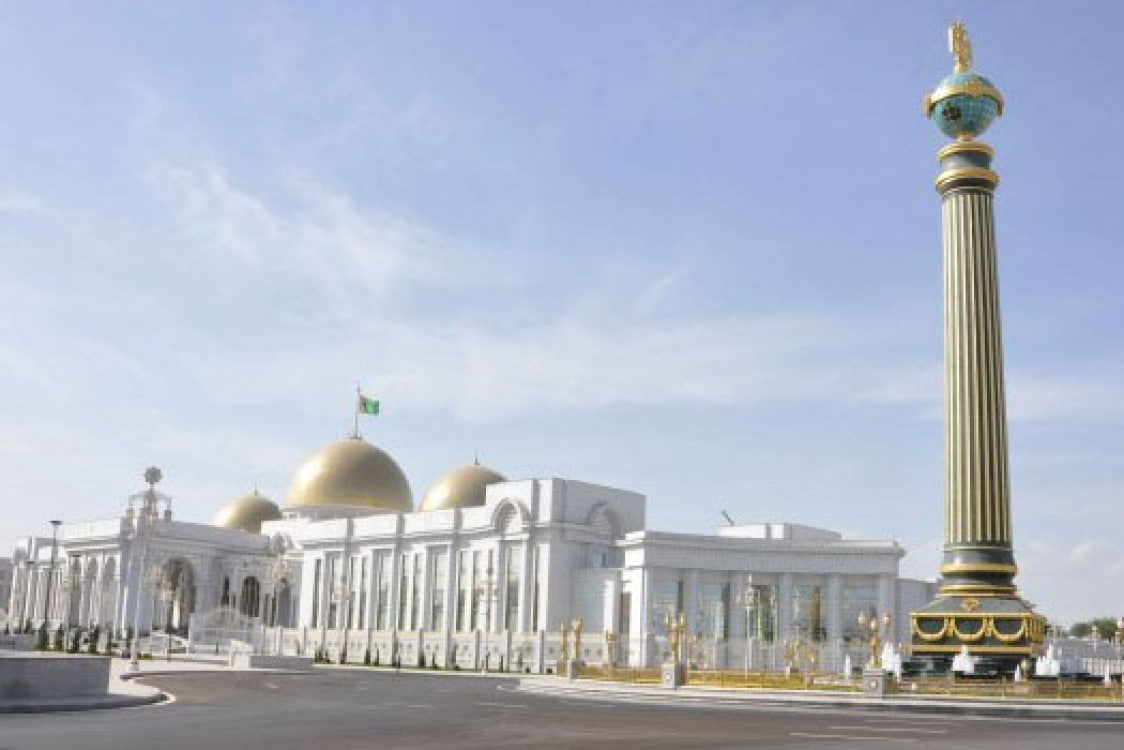
The President of Turkmenistan has received congratulations from foreign leaders
29.09.2026Congratulatory messages have been sent to the President of Turkmenistan, Serdar Berdimuhamedov, to mark the 35th anniversary of the country’s independence. This was reported by the TDH news agency. King Mohammed VI of Morocco wished the President of Turkmenistan good health and expressed his satisfaction with the development of relations between Morocco and Turkmenistan. He expressed his hope for the further strengthening and expansion of cooperation. The Federal President of the Republic of Austria, Alexander Van der Bellen, congratulated Serdar Berdimuhamedov and the Turkmen people on Independence Day. Alexander Van der Bellen highlighted the contribution of high-level contacts – including the visit to Vienna in April by the National Leader of the Turkmen people and Chairman of the Halk Maslahaty, Gurbanguly Berdimuhamedov – to the development of political and economic ties between the two countries. The President of the Republic of Cyprus, Nikos Christodoulides, highlighted the friendly relations with Turkmenistan and expressed his readiness to further strengthen cooperation. Nikos Christodoulides also thanked Turkmenistan for its support for efforts to resolve the Cyprus issue in accordance with UN Security Council resolutions. The President of the Republic of Cuba, Miguel Mario Díaz-Canel Bermúdez, conveyed congratulations on behalf of the people and Government of Cuba and reaffirmed his readiness to further expand friendly relations. The President of the Islamic Republic of Mauritania, Mohamed Ould Cheikh Ghazouani, congratulated the President of Turkmenistan and the Turkmen people on their national holiday and expressed his readiness to develop cooperation between the two countries. Mahmoud Abbas, President of the State of Palestine, congratulated Serdar Berdimuhamedov on the 35th anniversary of Turkmenistan’s independence. He noted the traditionally friendly relations between the State of Palestine and Turkmenistan and expressed his gratitude for the support given to the Palestinian people.
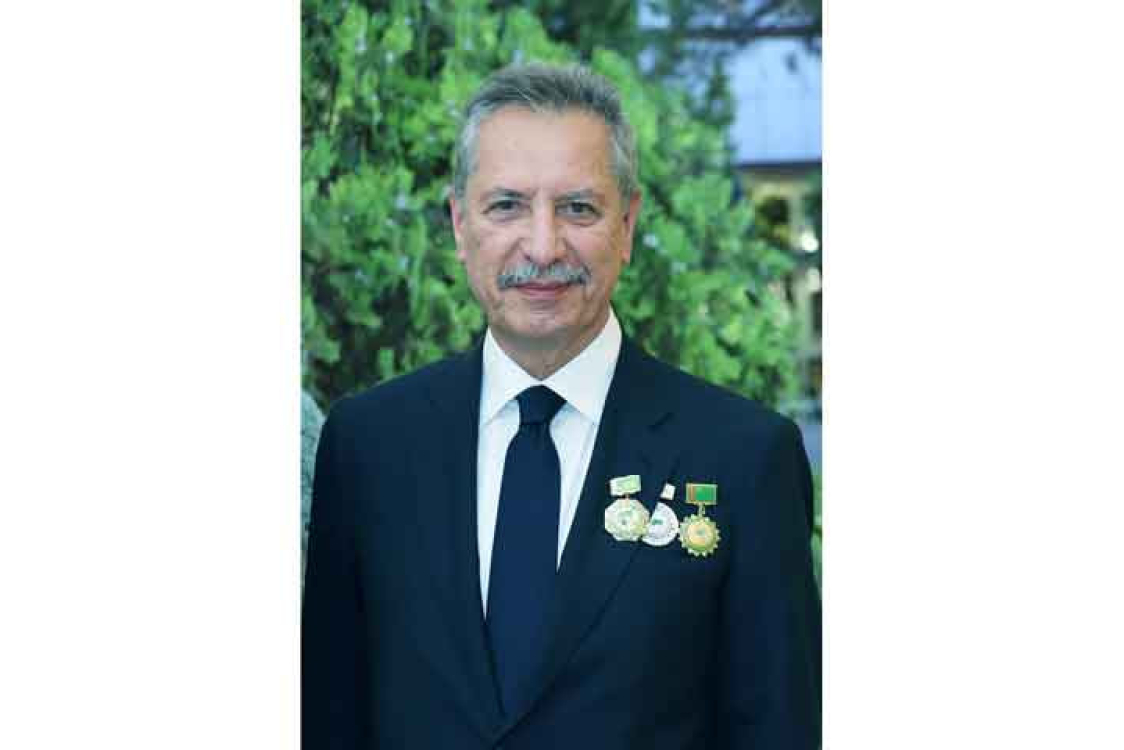
Hero Arkadag met with the Chairman of the Board of Directors of ‘Çalık Holding’
29.09.2026The National Leader of the Turkmen people and Chairman of the Halk Maslahaty of Turkmenistan, Gurbanguly Berdimuhamedov, met with Ahmet Chalik, Chairman of the Board of Directors of the ‘Çalık Holding’ Group, who had arrived in Turkmenistan to take part in the celebrations marking the 35th anniversary of the country’s independence. This was reported by the TDH news agency. Ahmet Chalik congratulated Hero Arkadag, President Serdar Berdimuhamedov and the Turkmen people on Independence Day. He also conveyed greetings and best wishes from the President of the Republic of Turkey, Recep Tayyip Erdogan. Hero Arkadag thanked the guest for taking part in the festive events and conveyed reciprocal best wishes to the President of the Republic of Turkey. During the meeting, the development of friendly relations between Turkmenistan and the Republic of Turkey was noted, including cooperation in the energy sector, the textile industry, construction and other fields. At the conclusion of the meeting, Hero Arkadag wished the Chairman of the Board of Directors of ‘Çalık Holding’ every success in his work.
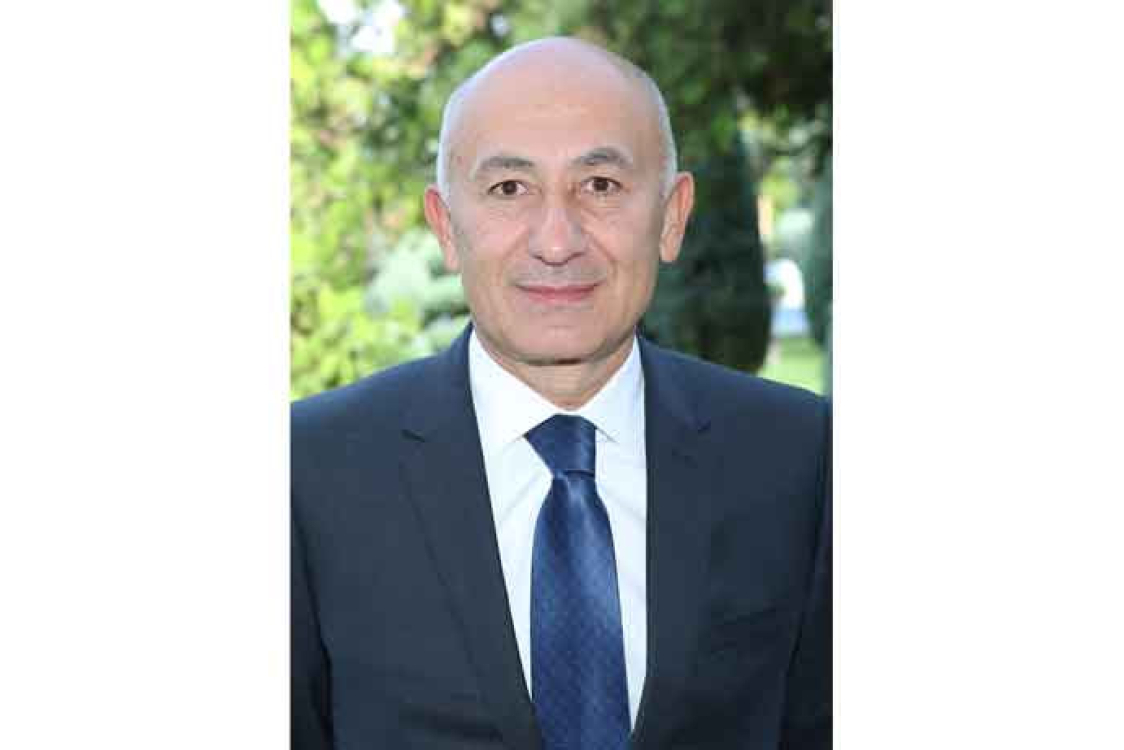
A meeting took place in Ashgabat between Hero Arkadag and the Head of ‘Rönesans Holding’
29.09.2026The National Leader of the Turkmen people and Chairman of the Halk Maslahaty of Turkmenistan, Gurbanguly Berdimuhamedov, met with Erman Ilıcak, Chairman of the Board of the Turkish company ‘Rönesans Holding’. This was reported by the news agency TDH. Erman Ilıcak congratulated Hero Arkadag, President of Turkmenistan Serdar Berdimuhamedov and the Turkmen people on the 35th anniversary of the country’s independence. He also conveyed greetings and best wishes from the President of the Republic of Turkey, Recep Tayyip Erdogan. Hero Arkadag expressed his gratitude for the congratulations and noted the significance of the head of ‘Rönesans Holding’ taking part in the celebratory events. He conveyed his own best wishes to the President of the Republic of Turkey. During the meeting, it was noted that Turkmenistan’s long-standing cooperation with ‘Rönesans Holding’ forms part of its engagement with the Turkish business community. The parties also emphasised the importance of constructive relations between Turkmenistan and the Republic of Turkey for the development of economic cooperation.
The Head of Turkmenistan has signed a number of Resolutions concerning Ahal-Teke horse breeding
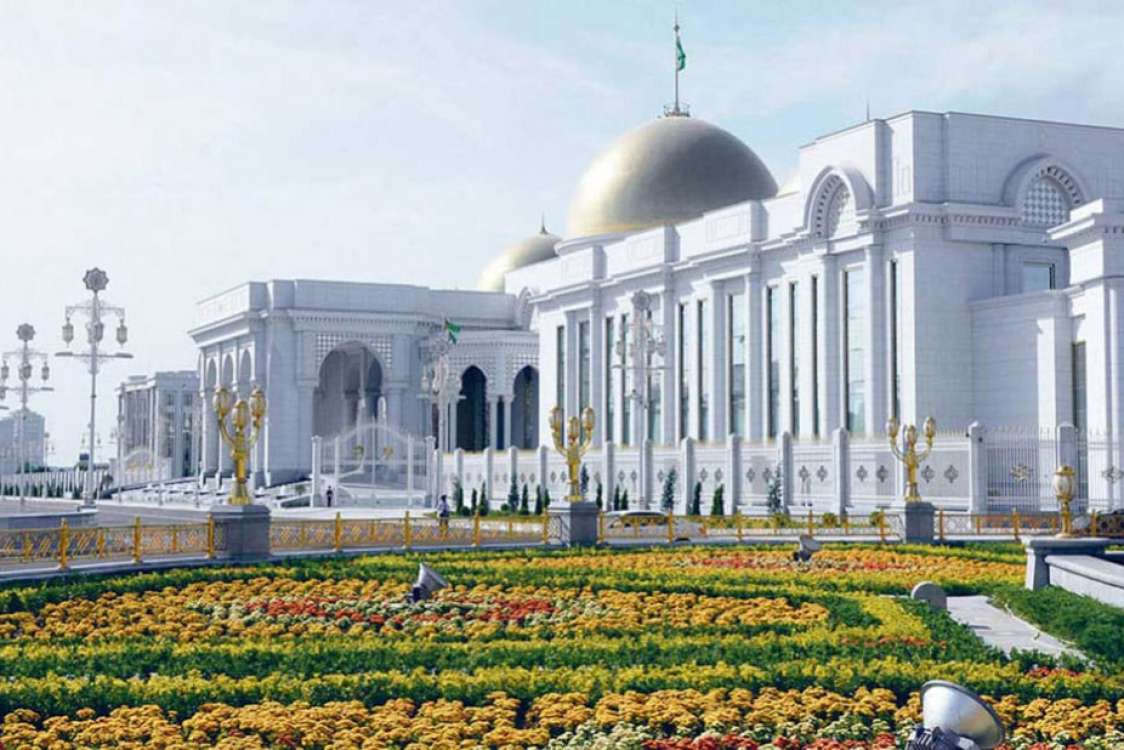
29.09.2026The President of Turkmenistan and President of the International Association for Ahal-Teke Horse Breeding, Serdar Berdimuhamedov, has signed a series of Resolutions aimed at developing international cooperation in the field of Ahal-Teke horse breeding, promoting the breed and improving breeding programmes. This was reported by the news agency TDH. According to one of the documents, the World Equestrian Championships and the Ahal-Teke Horse Beauty Contest will be held once every five years. The dates and venue will be approved at a meeting of the International Association of Ahal-Teke Horse Breeding. Another Resolution provides for the development of specialised training programmes to prepare Ahal-Teke horses for participation in show jumping and other equestrian disciplines in accordance with international requirements. There are also plans to establish international prizes and Cups of the International Association of Ahal-Teke Horse Breeders at major competitions for Ahal-Teke horses. A separate Resolution identifies equestrian tourism on Ahal-Teke horses as one of the areas of international activity of the International Association of Ahal-Teke Horse Breeders. Provision has been made for the preparation of proposals on the exchange of expertise, the training of specialists and the implementation of international projects, as well as cooperation with foreign horse-breeding and tourism organisations on the creation of new routes. To coordinate breeding work at an international level, provision has been made for the establishment of the International Breeding Council for Ahal-Teke Horses. The Council will facilitate the exchange of breeding information, the improvement of breeding standards and the preservation of the breed’s purity. There are also plans to develop research programmes on the genetics, breeding, feeding, health and veterinary care of Ahal-Teke horses. It is planned to conduct scientific and veterinary research and to support innovative projects aimed at preserving the breed’s gene pool. Furthermore, citizens of Turkmenistan and other countries have been admitted as members of the International Association for Ahal-Teke Horse Breeding. The next, 17th, meeting of the International Association for Ahal-Teke Horse Breeding is scheduled to take place in April 2027 in Ashgabat.
The President of Turkmenistan met with the Head of ‘Toyo Engineering Corporation’
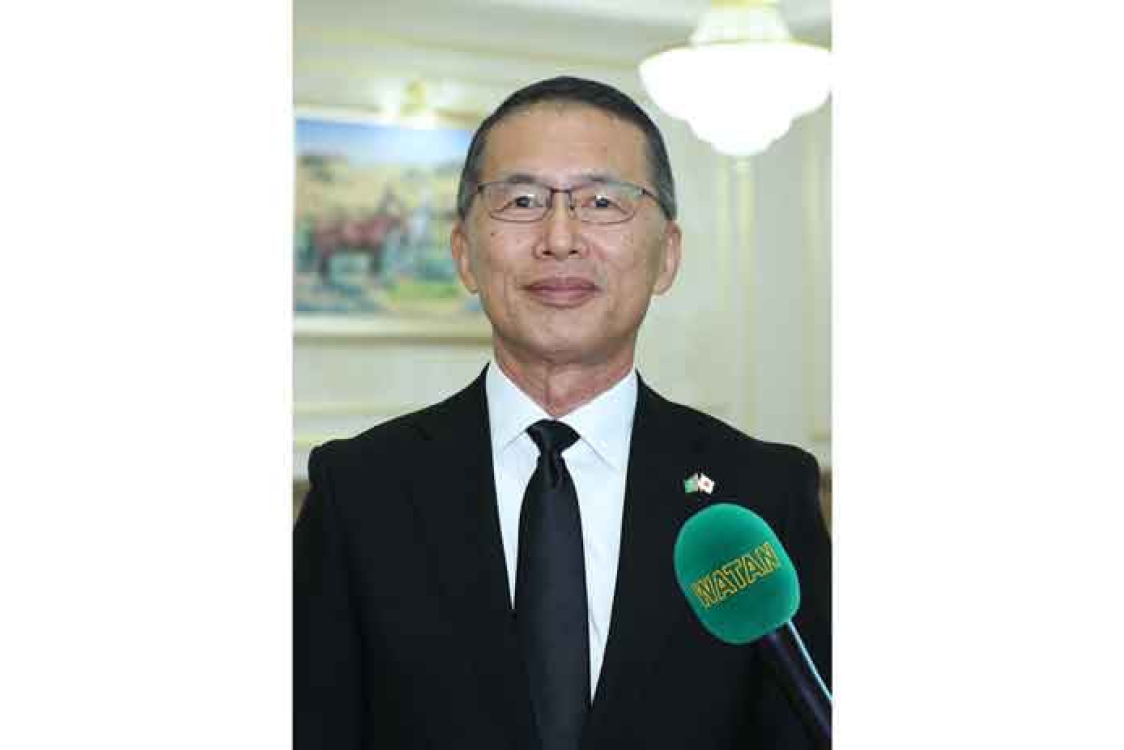
29.09.2026On 28 September, as part of the festive horse races, President Serdar Berdimuhamedov met with Eiji Hosoi, President, Chief Executive Officer and Representative Director of ‘Toyo Engineering Corporation’, who had arrived in Turkmenistan to take part in the events marking the 35th anniversary of independence. This was reported by the TDH news agency. Eiji Hosoi congratulated the Head of State on Independence Day and noted the significance of his participation in the celebrations. He also highlighted the contribution of President Serdar Berdimuhamedov, the National Leader of the Turkmen people, to the development of Japanese-Turkmen cooperation. President Serdar Berdimuhamedov noted that Eiji Hosoi’s visit would give new impetus to Turkmenistan’s partnership with ‘Toyo Engineering Corporation’. At the meeting, the parties noted the development of inter-state relations in the political, trade and economic, social, and cultural and humanitarian spheres. The Head of State emphasised that Japanese companies have implemented a number of projects in Turkmenistan within the gas and chemical industries. The development of cooperation with ‘Toyo Engineering Corporation’ was highlighted in particular. Eiji Hosoi confirmed the company’s readiness to continue participating in Turkmenistan’s economic development. President Serdar Berdimuhamedov expressed his confidence in the further development of this mutually beneficial partnership and wished the Head of ‘Toyo Engineering Corporation’ every success in his work.
Turkmenistan and Daewoo discussed prospects for further cooperation
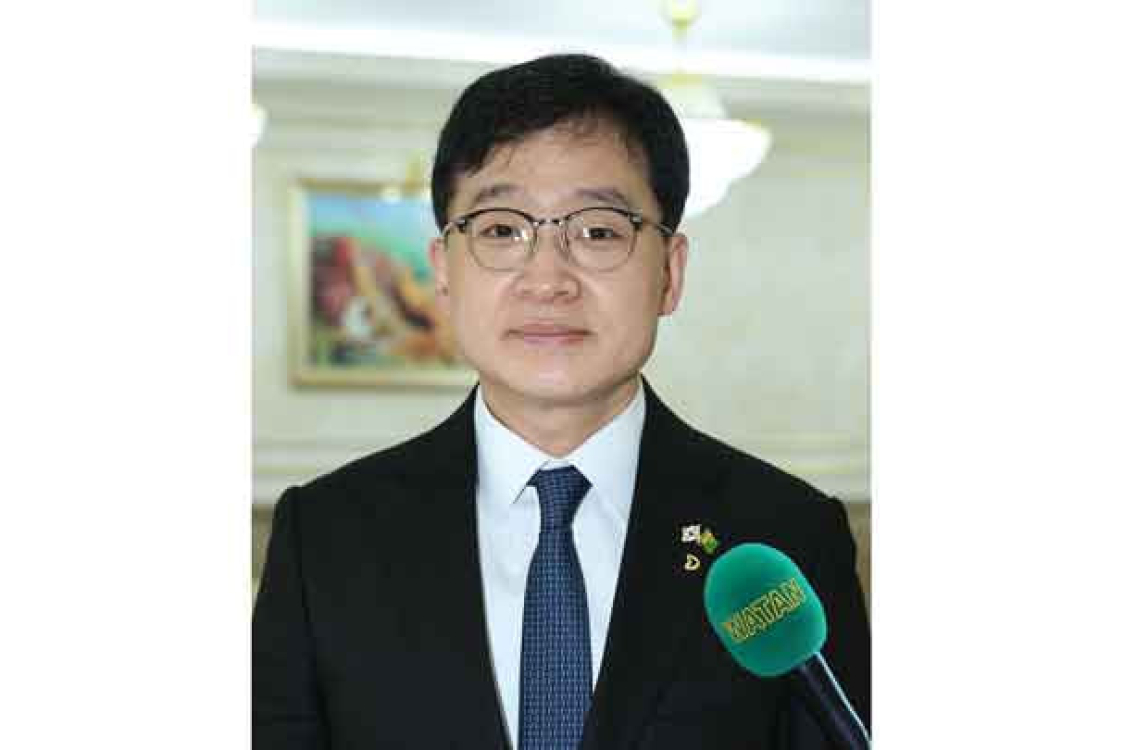
29.09.2026On 28 September, as part of the festive horse races, the President of Turkmenistan, Serdar Berdimuhamedov, met with Lee Kang-seok, President of ‘Daewoo Engineering & Construction Co., Ltd.’, who had arrived in Turkmenistan to take part in the events marking the 35th anniversary of independence. This was reported by the TDH news agency. Lee Kang-seok congratulated the Head of State on Independence Day and shared his impressions of the celebrations and Ashgabat. The two sides discussed the development of Korean-Turkmen relations. Lee Kang-seok highlighted the significance of the President of Turkmenistan’s state visit to the Republic of Korea and the first ‘Republic of Korea – Central Asia’ Summit, attended by the Head of Turkmenistan. Serdar Berdimuhamedov congratulated Lee Kang-seok on his appointment as President of ‘Daewoo Engineering & Construction Co., Ltd.’ and expressed his confidence that his visit would give new impetus to bilateral cooperation. It was noted at the meeting that Turkmenistan regards cooperation with the Republic of Korea as a long-term and strategic priority. Korean companies are involved in the implementation of major projects in Turkmenistan’s gas chemical industry. Lee Kang-seok expressed his gratitude for the trust placed in the company and stated his readiness to contribute to the further development of the long-term partnership. President Serdar Berdimuhamedov wished the President of ‘Daewoo Engineering & Construction Co., Ltd.’ every success in his work.
The Head of Turkmenistan has set out objectives for the development of Ahal-Teke horse breeding
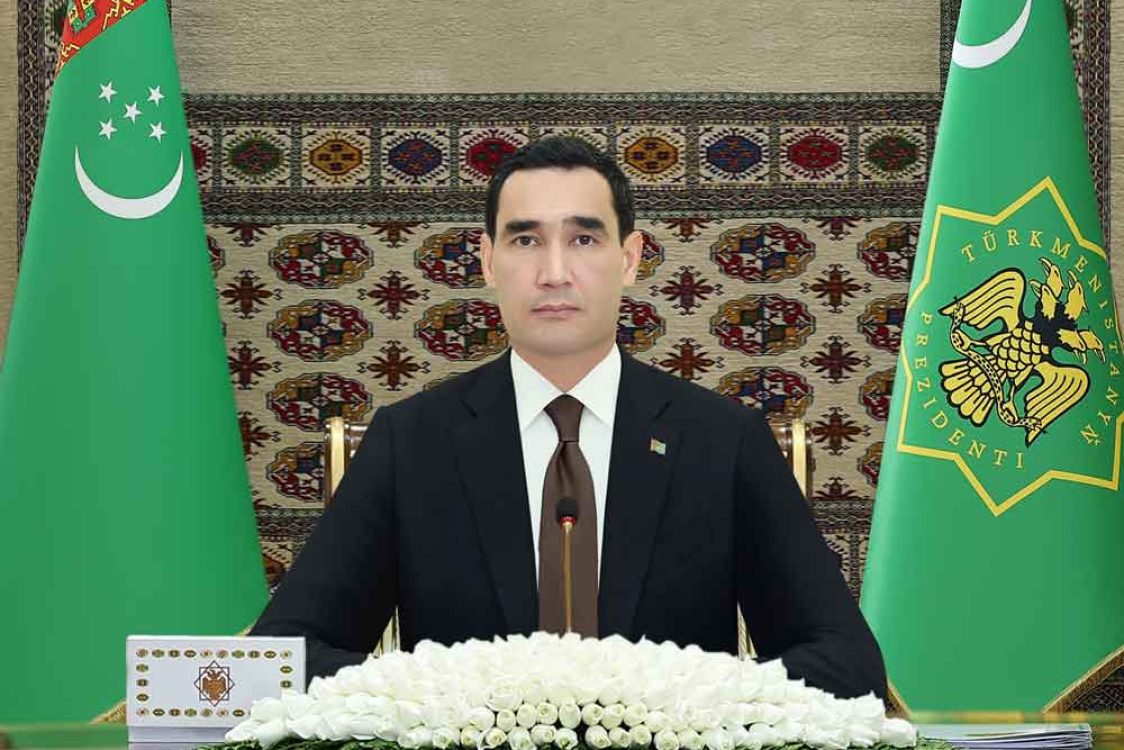
29.09.2026On 28 September, the President of Turkmenistan, Serdar Berdimuhamedov, at the 16th meeting of the International Association for Ahal-Teke Horse Breeding, highlighted the Association’s role in preserving purebred Ahal-Teke horses and promoting the breed worldwide. This was reported by the news agency TDH. The Head of State emphasised that the preservation and promotion of the national heritage is one of the priorities of state policy. According to him, Ahal-Teke racehorses are a treasure of world culture and are distinguished by their grace, agility and loyalty to humans. Serdar Berdimuhamedov noted that the foundations have been laid in Turkmenistan for the further development of the horse-breeding sector. The International Ahal-Teke Horse Breeding Association, established on the initiative of the National Leader of the Turkmen people and Chairman of the Halk Maslahaty of Turkmenistan, Gurbanguly Berdimuhamedov, brings together 213 Turkmen and around 40 foreign representatives. The Head of State also highlighted the horse breeding and equestrian events held in 2026 in Turkmenistan and abroad. These included an open meeting of the International Association for Ahal-Teke Horse Breeding, the World Equestrian Championships and the Ahal-Teke Horse Beauty Contest in the Kingdom of the Netherlands. The President of Turkmenistan announced that the grand opening of the modernised Ahal-Teke Equestrian Complex would take place on 29 September at the foot of the Kopetdag Mountains. Serdar Berdimuhamedov stated that work would continue to increase the Ahal-Teke herd and promote the breed worldwide.
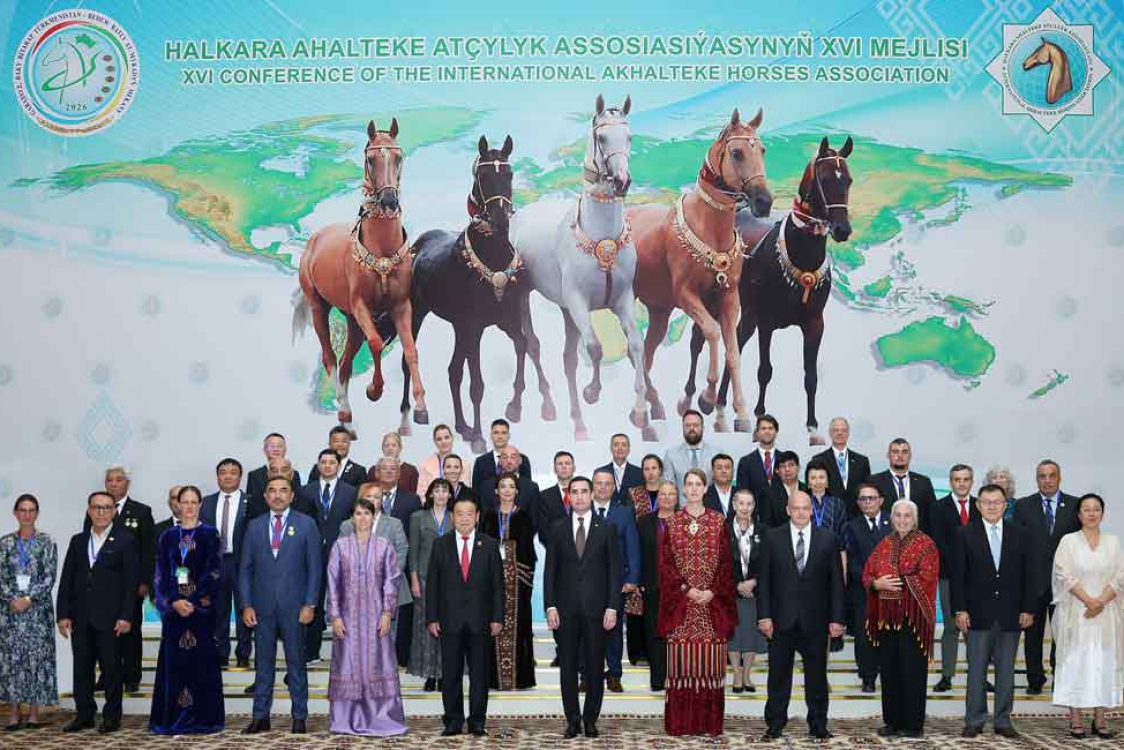
The 16th meeting of the Ahal-Teke Horse Breeding Association was held in Ashgabat
29.09.2026On 28 September, the 16th meeting of the International Association for Ahal-Teke Horse Breeding was held in Ashgabat, chaired by President Serdar Berdimuhamedov. This was reported by the news agency TDH. The Head of State noted that the meeting was taking place during the celebrations marking the 35th anniversary of Turkmenistan’s independence. Participants discussed the Association’s activities, and a ceremony was held to confer honorary titles on Turkmen and foreign horse breeders. President Serdar Berdimuhamedov emphasised the importance of preserving and promoting Ahal-Teke horses as part of Turkmenistan’s national heritage. He noted that in 2026 – a year designated under the motto ‘Independent Neutral Turkmenistan − the Homeland of Purposeful Winged Horses’ – a series of horse-breeding and equestrian events had been held both at home and abroad. The International Ahal-Teke Horse Breeding Association was established in 2010 on the initiative of Hero Arkadag. Today, it comprises 213 Turkmen and around 40 foreign representatives. The President highlighted the World Equestrian Championships and the Ahal-Teke beauty contest held in the Kingdom of the Netherlands, which served as a platform for developing international cooperation in the field of horse breeding. The Head of State also announced that the opening of the modernised Akal-Teke Equestrian Complex would take place on 29 September at the foot of the Kopetdag Mountains. During the meeting, President Serdar Berdimuhamedov signed documents on further improving the activities of the International Association for Ahal-Teke Horse Breeding and on the conferral of honorary titles. The title ‘Türkmenistanyň at gazanan atşynasy’ was conferred upon Marian Weltevreden, Head of the European Ahal-Teke Horse Association; Liu Shuqing, head of the horse breeding company ‘Daqing Huiyou Breeding Co., Ltd.’, the private horse breeder from the Republic of Estonia, Kaido Puusepp, the jockey Agamyradov Begenchmyrat Kakamyradovich, and the private horse breeder from Ashgabat, Berdimuhammedov Berdimuhammet Sadykmuhammedovich. The groom Kanayev Durdymyrat has been awarded the honorary title ‘Türkmenistanyň halk atşynasy’. Following the awards ceremony, representatives of the domestic and international horse-breeding sectors addressed the audience. Marian Weltevreden, Head of the European Ahal-Teke Horse Association, highlighted the importance of initiatives to preserve the Ahal-Teke breed and emphasised the role of the World Championship and the Ahal-Teke beauty contest, which took place in the Kingdom of the Netherlands. According to her, more than 100 horses and representatives from over 35 countries took part in the events at the Peelbergen Equestrian Centre. The championship brought together breeders, grooms, jockeys, trainers, judges and enthusiasts of Ahal-Teke horses. Liu Shuqing, head of the horse-breeding company ‘Daqing Huiyou Breeding Co., Ltd.’, noted that Ahal-Teke horses hold special significance for the peoples of Turkmenistan and China. He highlighted the development of friendly ties between the two countries and expressed his gratitude for being awarded the honorary title. Kaido Puusepp, a private horse breeder from the Republic of Estonia and an internationally recognised veterinary surgeon, spoke about his many years of professional experience working with horses, including Ahal-Teke racehorses. He highlighted the importance of participating in events in Turkmenistan for the exchange of expertise and the development of international cooperation in the field of horse breeding. In conclusion, Serdar Berdimuhamedov congratulated the horse breeders on being awarded their honorary titles and wished the International Ahal-Teke Horse Breeding Association every success in its future work.
Charles III expressed his hope for the development of cooperation with Turkmenistan
29.09.2026King Charles III of the United Kingdom of Great Britain and Northern Ireland and the Queen Consort have sent their congratulations to the President of Turkmenistan, Serdar Berdimuhamedov, on the occasion of the country’s Independence Day. This was reported by the TDH news agency. The message emphasises the significance of the anniversary of independence in reaffirming the friendly ties between the peoples of Turkmenistan and the United Kingdom. The authors also expressed their confidence in the further development of bilateral cooperation. Particular mention was made of the need for joint efforts to tackle global environmental challenges. King Charles III expressed his hope for continued cooperation between the two countries in the fight against climate change and the protection of the environment. King Charles III and the Queen Consort wished the President of Turkmenistan and the people of the country peace, prosperity and well-being.
Read also
Advertising
 Read us in Zen


