


Society
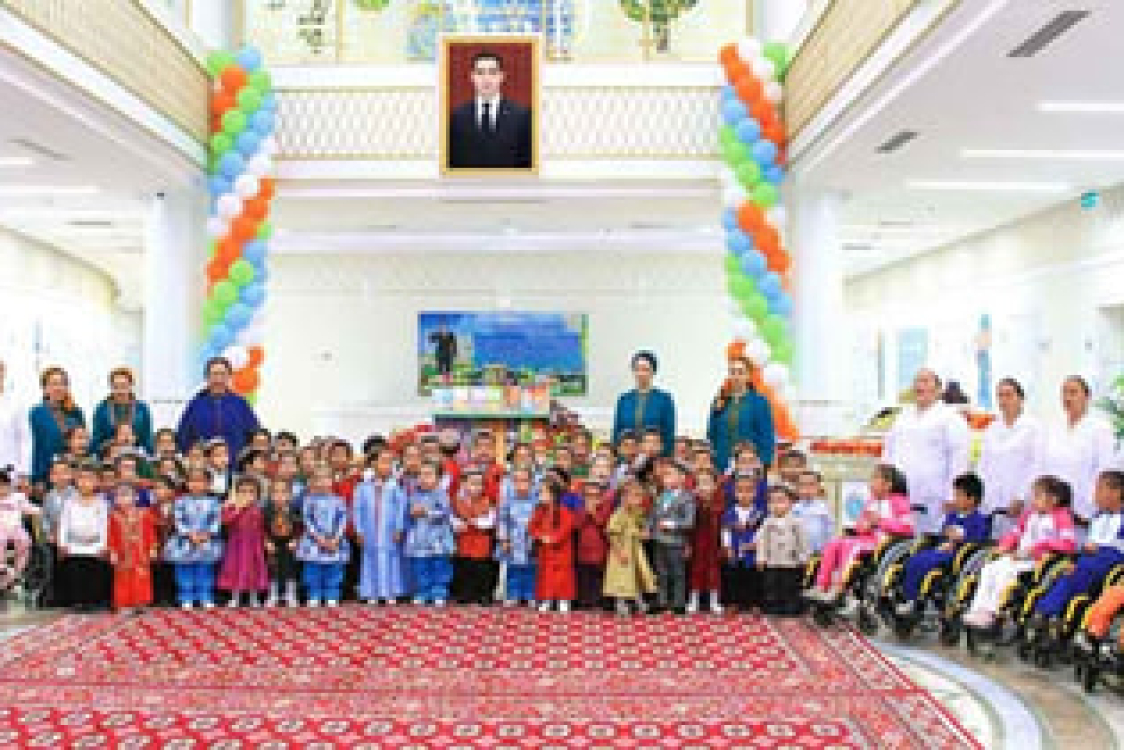
In Turkmenistan, children were presented with festive gifts to mark the 35th anniversary of independence
28.09.2026A charity event aimed at supporting children in need of special care took place in Turkmenistan during the celebrations marking the 35th anniversary of independence. This was reported by IIC of Turkmenistan. On behalf of the President of Turkmenistan, Serdar Berdimuhamedov, and the National Leader of the Turkmen people, Chairman of the Halk Maslahaty of Turkmenistan, Gurbanguly Berdimuhamedov, festive treats and sweet gifts were presented to the children at the ‘Döwletliler köşgi’ Palace in the capital and to the young patients at the Gurbanguly Berdimuhamedov Children’s Health and Rehabilitation Centre in the town of Arkadag. The children were also given fresh vegetables, melons, fruit and baked goods. The gifts created a festive atmosphere and delighted the children. As a token of gratitude, the children sang songs and recited poems about their homeland. Caring for the health of the younger generation and supporting children in need of special attention remain key priorities of Turkmenistan’s social policy. The event continued the traditions of humanism and care for the younger generation in a year marked by the motto ‘Independent Neutral Turkmenistan − the Homeland of Purposeful Winged Horses’.
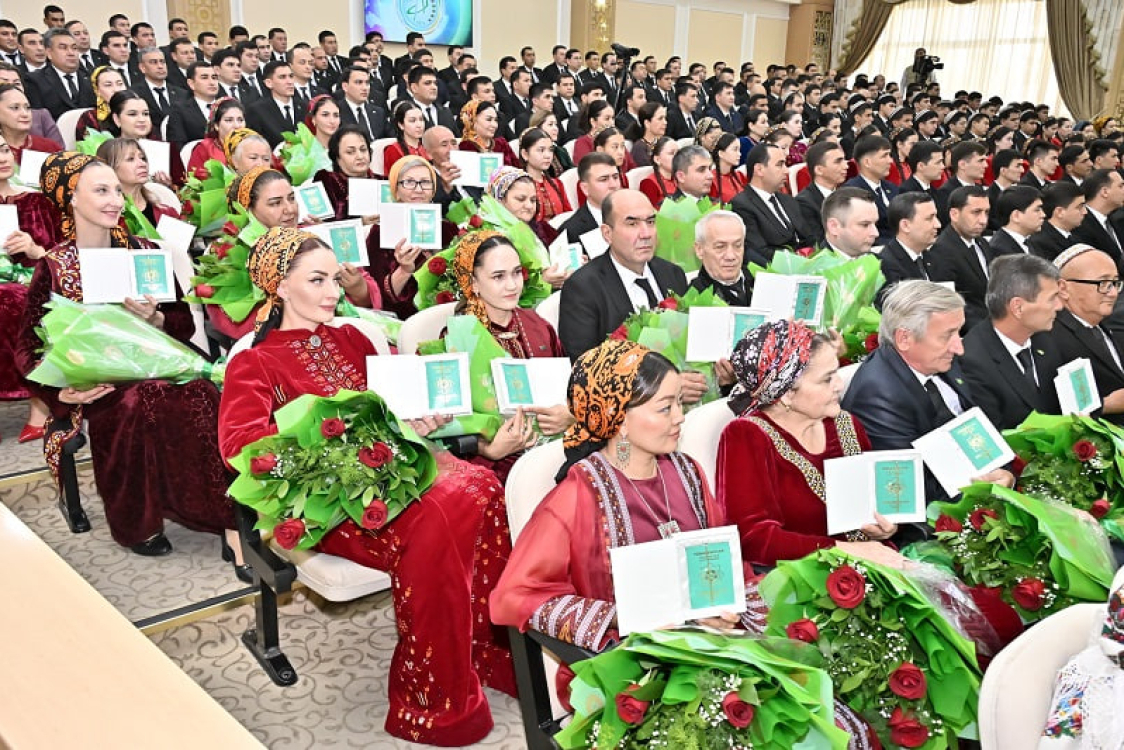
Foreign nationals were issued with residence permits in Turkmenistan
27.09.2026On 26 September, a ceremony was held at the State Migration Service to award residence permits in Turkmenistan to foreign nationals permanently residing in the country. The decision was taken in accordance with a Resolution by President Serdar Berdimuhamedov, reports the TDH news agency. Under the Resolution, 146 foreign nationals were granted permanent residence permits in Turkmenistan. The event took place as part of the celebrations marking the 35th anniversary of Turkmenistan’s independence. Those who received the permits expressed their gratitude to the country’s leadership for the opportunity to live permanently in Turkmenistan. During the ceremony, it was noted that conditions are being created in the country for people of different nationalities and ethnic groups to live in peace and prosperity.
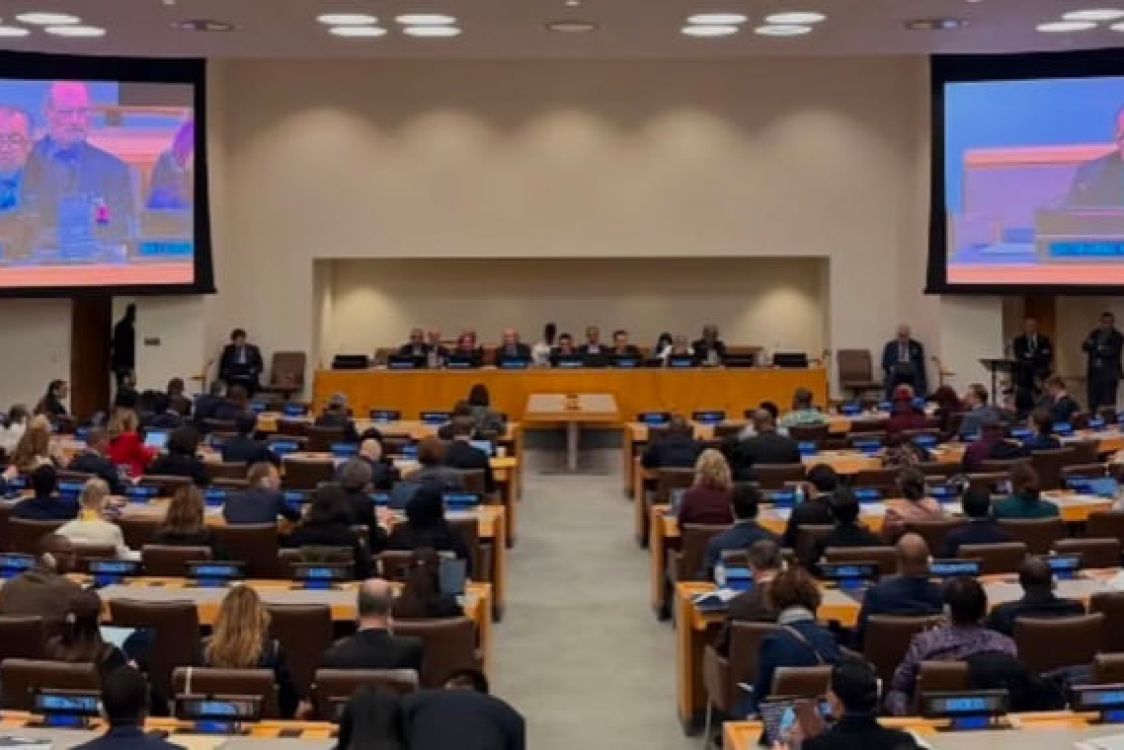
Turkmenistan has proposed measures to combat pandemics
27.09.2026On 25 September 2026, at a high-level UN meeting, Turkmenistan outlined its priorities in the areas of pandemic prevention, preparedness and emergency response. This was reported by the IIC of Turkmenistan. The initiatives presented are based on proposals by the National Leader of the Turkmen people, Chairman of the Halk Maslahaty of Turkmenistan Gurbanguly Berdimuhamedov, which he had previously outlined at the 75th session of the UN General Assembly. The proposals include the development of a programme to study the coronavirus genome, the creation of a multilateral mechanism to combat pneumonia, and the establishment of a methodological centre for the prevention and treatment of acute infectious diseases under the auspices of the World Health Organisation. In collaboration with the WHO, Turkmenistan continues to improve epidemiological surveillance, strengthen pandemic preparedness and develop laboratory infrastructure. Particular attention is also being paid to implementing the ‘One Health’ concept, which brings together issues relating to human health, animal health and the state of the environment.
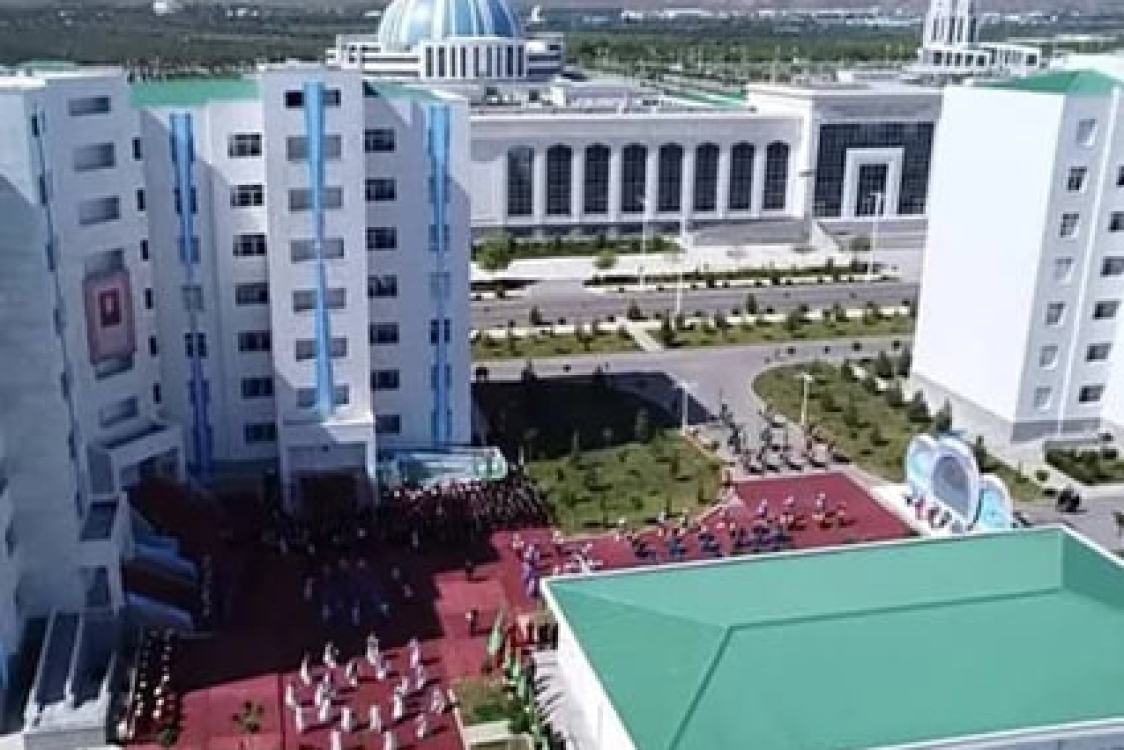
A ceremony to hand over the keys to new flats took place in the city of Arkadag
27.09.2026In the city of Arkadag, new residents were presented with the keys to their new flats ahead of the 35th anniversary of Turkmenistan’s independence. This was reported by Turkmenportal. The new residents were given flats in modern residential buildings, equipped with all necessary amenities. The flats feature improved layouts, whilst the kitchens, children’s rooms and other areas have been designed in line with national traditions and modern requirements. The recipients expressed their gratitude to the National Leader of the Turkmen people, Chairman of the Halk Maslahaty of Turkmenistan Gurbanguly Berdimuhamedov, and President of Turkmenistan Serdar Berdimuhamedov for creating the conditions for a comfortable life.
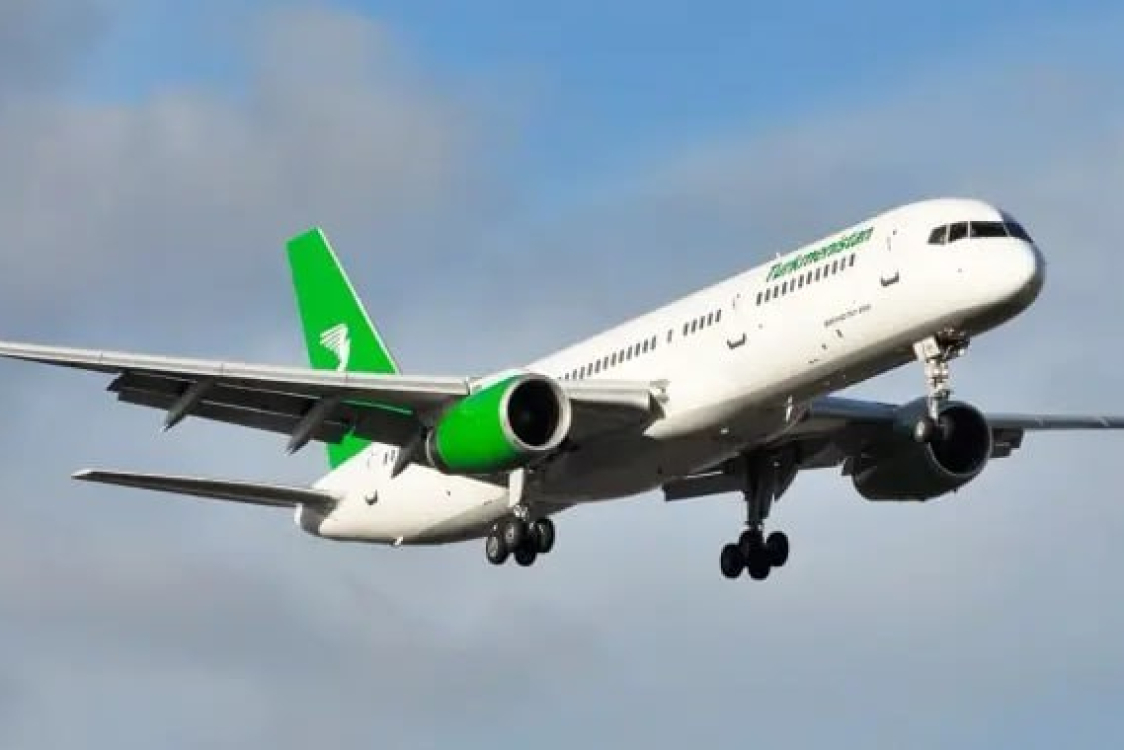
Flights between Turkmenistan and Pakistan may resume
26.09.2026Pakistan and Turkmenistan plan to resume cargo and commercial air services between the two countries in the near future. This was stated by Faryal Leghari, Pakistan’s Ambassador to Ashgabat, in an article marking the 35th anniversary of Turkmenistan’s independence, according to TerraNews. According to the diplomat, the resumption of direct flights will contribute to the development of regional connectivity alongside road and rail routes. Leghari noted that air links will expand contacts between the countries and create further opportunities for cooperation in trade, healthcare, education and sport. The Ambassador also emphasised the historical significance of bilateral relations. Pakistan was one of the first countries to recognise Turkmenistan’s independence. Diplomatic relations between the two countries were established during the early years of Turkmenistan’s independence. According to Leghari, Turkmenistan’s policy of permanent neutrality and Pakistan’s commitment to strengthening regional security and stability form the basis for further cooperation.
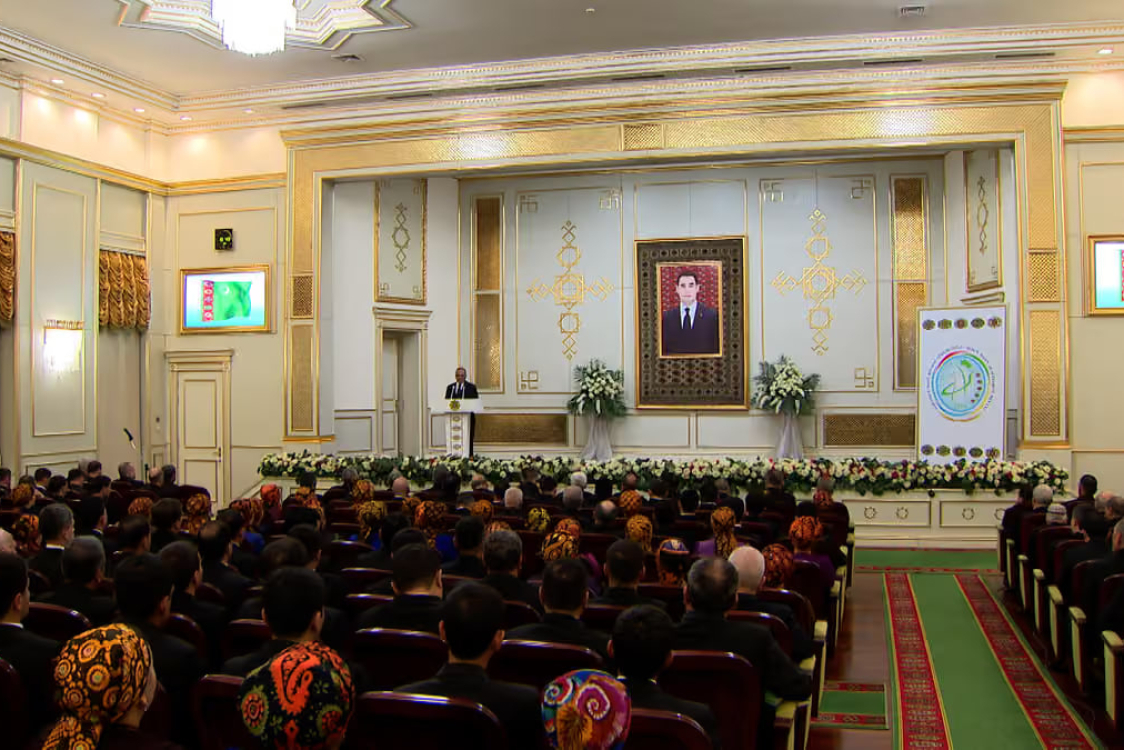
A ceremony to confer academic titles was held at the Academy of Sciences of Turkmenistan
25.09.2026A ceremony was held at the Academy of Sciences of Turkmenistan to confer the academic titles of professor, associate professor and senior research fellow, to mark the 35th anniversary of the country’s independence. This was reported by the IIC. The titles were conferred by decision of the Presidium of the Higher Attestation Committee and approved by the President of Turkmenistan. The academics received state certificates in recognition of their research in various fields of science, including history, law, economics, linguistics, education, physics, medicine and agriculture. The title of professor was conferred upon 16 researchers, that of associate professor upon 16 specialists, and that of senior research fellow upon 10 research staff members.
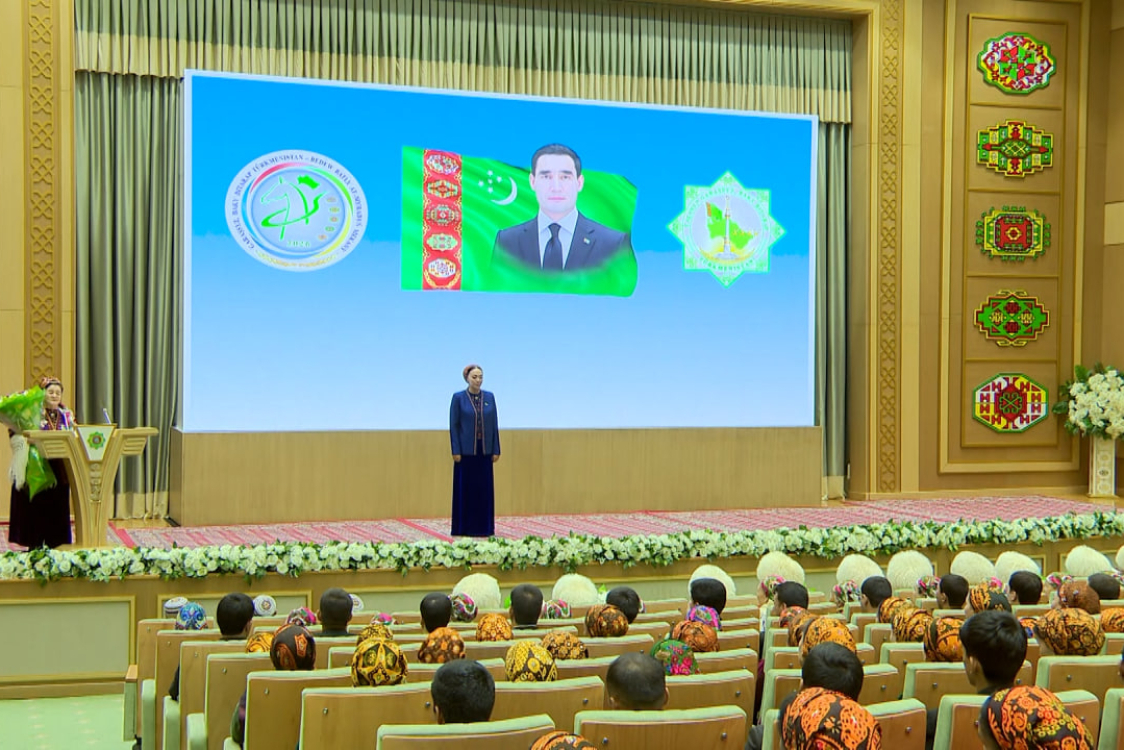
A ceremony to present state honours took place in Ashgabat
25.09.2026In the run-up to Independence Day, a ceremony was held at the Centre for Public Organisations in Ashgabat to present the ‘Zenan Kalby’ orders and the honorary titles of ‘Hormatly il ýaşulusy’, in accordance with Decrees issued by the President of Turkmenistan. This was reported by the IIC of Turkmenistan. During the event, the contributions of the older generation, mothers and working women to the upbringing of young people, the strengthening of social unity and the development of the country were recognised.
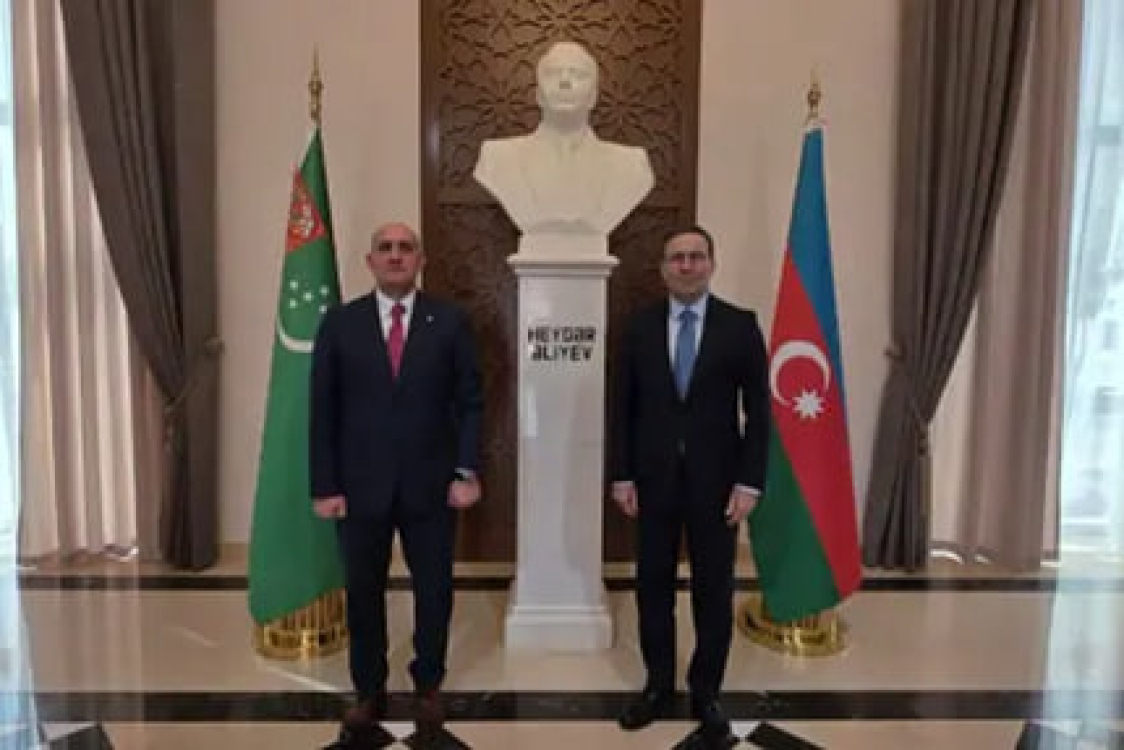
CAREC is expanding its environmental cooperation with Uzbekistan and Azerbaijan
25.09.2026Mergen Kepbanov, Director of the Project Office of the Regional Environmental Centre for Central Asia (CAREC) in Turkmenistan, held meetings in Ashgabat with the Ambassadors of Uzbekistan and Azerbaijan. The parties discussed cooperation in the fields of environmental protection, climate change and sustainable development, according to Turkmenportal. On 18 September, Mergen Kepbanov met with Ravshanbek Alimov, Ambassador Extraordinary and Plenipotentiary of Uzbekistan to Turkmenistan. During the meeting, Kepbanov presented the activities of the CAREC project office in Turkmenistan, including the implementation of national and regional environmental projects. Cooperation with government bodies, international organisations, and scientific and educational institutions was also discussed. Particular attention was paid to cooperation with Green University in Tashkent. According to the project office, in 2026, with its assistance, eight citizens of Turkmenistan were admitted to the university — four onto undergraduate programmes and four onto postgraduate programmes. A further citizen of Tajikistan was admitted to an undergraduate programme. The parties also expressed an interest in jointly organising events on environmental protection, climate and water resources. On 22 September, Mergen Kepbanov held a meeting with Gismat Gozalov, Azerbaijan’s Ambassador Extraordinary and Plenipotentiary to Turkmenistan. The main topics of negotiation were environmental protection, climate change, sustainable development and the conservation of the Caspian Sea ecosystem. Kepbanov noted that the CAREC project office has been operating in Turkmenistan since 2014. The parties also highlighted the office’s representatives’ participation in environmental events in Baku, including those taking place as part of COP29 in 2024. The development of cooperation within the ‘Central Asia + Azerbaijan’ framework was discussed separately. Possible areas of cooperation mentioned included the conservation of the Caspian Sea’s biodiversity, water resource management, combating land degradation, the development of renewable energy, environmental education and youth engagement. Possible formats for cooperation under consideration include conferences, round-table discussions and expert meetings in Ashgabat and Baku. Mergen Kepbanov also announced that an international conference on reducing methane emissions is planned for 29–30 October in Ashgabat, with the support of the CAREC project office. Following the meetings, the parties confirmed their readiness to continue their working dialogue and to develop cooperation in the environmental sphere.
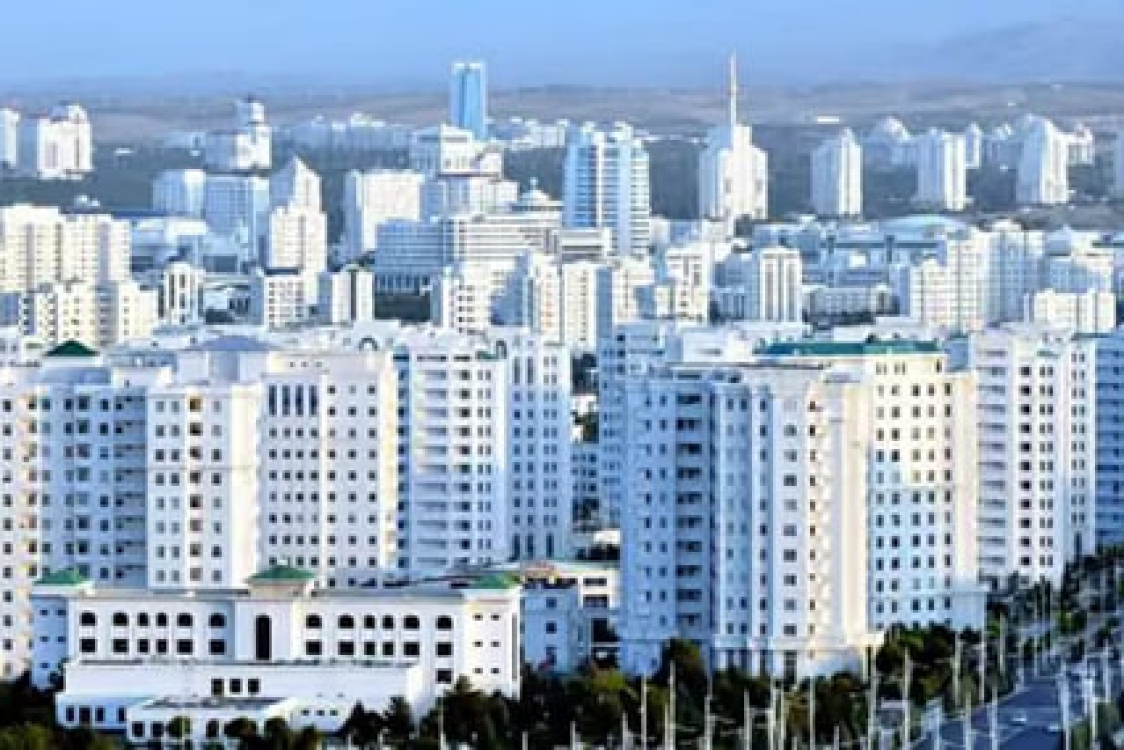
An international conference on reducing methane emissions is to be held in Ashgabat
25.09.2026An international conference on reducing methane emissions will take place on 29–30 October 2026 in Ashgabat. The event will be supported by the project office of the Regional Environmental Centre for Central Asia (CAREC) in Turkmenistan, according to Turkmenportal. Mergen Kepbanov, director of the project office, announced the preparations for the conference on 22 September during a meeting with Gismat Gozalov, Azerbaijan’s Ambassador Extraordinary and Plenipotentiary to Turkmenistan. Conference participants will discuss modern approaches and practical solutions for reducing methane emissions, exchange experiences and consider issues relating to the implementation of climate initiatives.
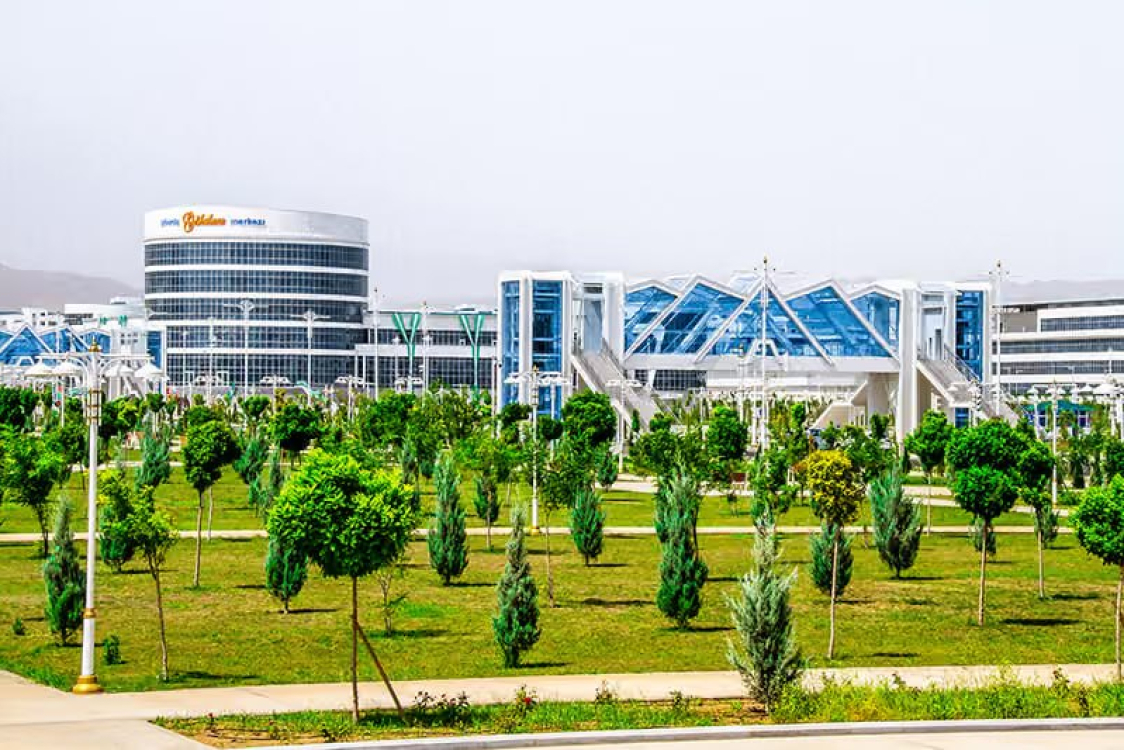
The city of Arkadag is preparing for the opening of the second phase
25.09.2026The city of Arkadag is preparing for the opening of the second phase of construction, scheduled for 2027. This was reported by the IIC of Turkmenistan. According to the National Leader of the Turkmen people and Chairman of the Halk Maslahaty of Turkmenistan, Gurbanguly Berdimuhamedov, a pilot solar power station project is currently underway in the city. As part of this new phase, residential buildings are being constructed, along with facilities for the food, pharmaceutical and medical industries. A special Organising Committee has been set up to prepare for the official celebrations.
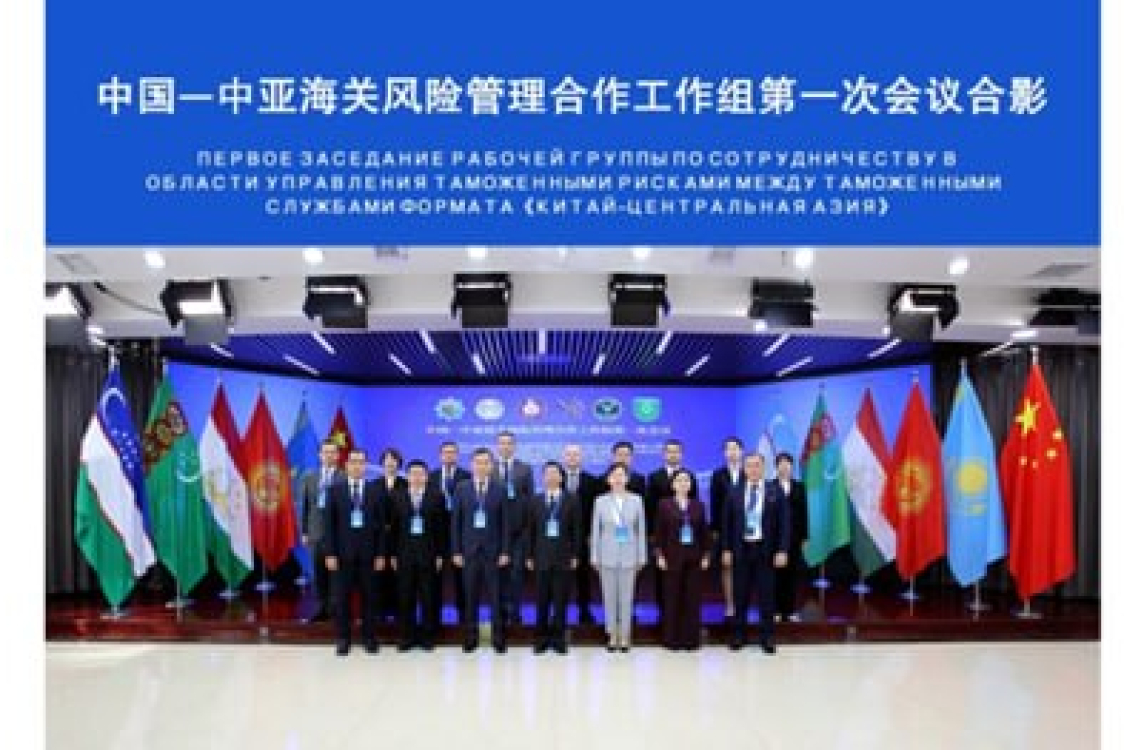
Turkmenistan is involved in the development of digital cooperation between customs services
25.09.2026The first meeting of the specialised Working Group on Cooperation between the Customs Services of Central Asian Countries and the People’s Republic of China took place in China on 15–17 September 2026. A delegation from the State Customs Service of Turkmenistan took part in the event, according to the press office of the State Customs Service of Turkmenistan. Representatives from China, Turkmenistan, Kazakhstan, Kyrgyzstan and Uzbekistan discussed the introduction of modern technologies into customs administration, including risk management, artificial intelligence and data analysis. One of the key outcomes of the meeting was the agreement on a draft ‘Cooperation Procedure’, providing for the operational exchange of information between customs services. The document is expected to be signed at the Third ‘China–Central Asia’ Summit in 2027. The parties also agreed to explore the possibility of launching a pilot data-sharing scheme. The next meeting of the Working Group is scheduled to take place in Kazakhstan. The Turkmen delegation’s participation as observers provided an opportunity to learn about international experience in the digitalisation of customs and approaches to modernising the national customs control system.
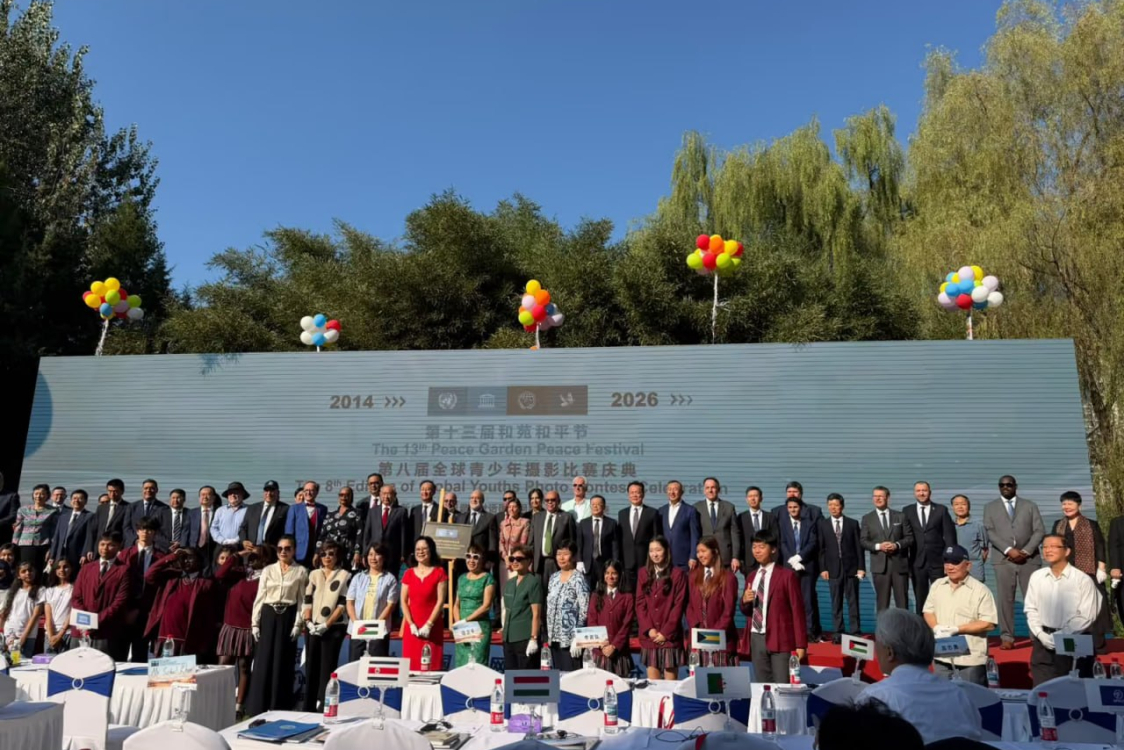
The Embassy of Turkmenistan presented an exhibition at the Peace Festival in Beijing
23.09.2026On 21 September, the 13th Peace Festival took place in Beijing, organised by the China International Peace Foundation and the Beijing International Peace Culture Foundation, with the participation of the embassies of Turkmenistan and Austria in China. This was reported by IIC of Turkmenistan. The event was attended by ambassadors and diplomats, representatives of international organisations, academics and other guests. Participants discussed issues relating to conflict resolution, global governance, intercultural dialogue, cultural exchanges, youth development and international humanitarian aid. The festival has been held annually since 2014. In 2022, the Beijing International Peace Culture Foundation became an official partner of UNESCO. During the event, Turkmenistan’s role in promoting peace and trust in cooperation with the UN was highlighted. Particular attention was paid to the resolution ‘Year of International Law, 2028’, initiated by Turkmenistan and adopted by the UN General Assembly by consensus. The document was adopted on 24 July 2026 without a vote. The Embassy of Turkmenistan in the People’s Republic of China presented a photographic exhibition dedicated to the 2026 motto ‘Independent Neutral Turkmenistan − the Homeland of Purposeful Winged Horses’, as well as an exhibition of folk and applied arts. The exhibition featured works by the National Leader of the Turkmen people, Chairman of the Halk Maslahaty of Turkmenistan Gurbanguly Berdimuhamedov and President of Turkmenistan Serdar Berdimuhamedov, including publications in Chinese, photographs of modern life in the country and its cultural and historical sites, national jewellery and other items reflecting Turkmenistan’s cultural heritage.
Read also

Advertising



 Read us in Zen


