

News
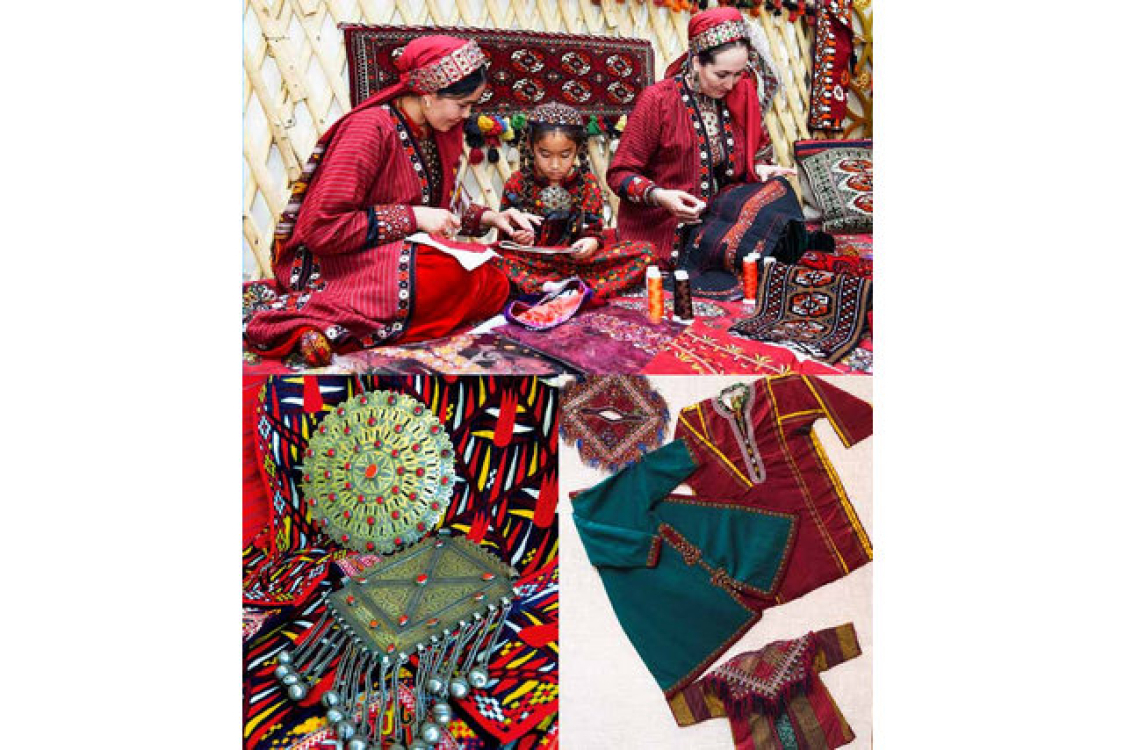
National costumes preserve the traditions of the Turkmen people
10.08.2026The national costumes of the Turkmen people remain an important part of their cultural and historical heritage and of modern everyday life. They retain their traditional cut, colour schemes and cultural significance. This was reported by the press office of the Ministry of Culture of Turkmenistan. Turkmenistan is known for its well-developed textile industry. Local weaving traditions were shaped by the characteristics of a nomadic and semi-nomadic way of life. Wool, cotton and keten silk were traditionally used to produce fabrics. In clothing culture, great importance was attached to age and family status. Everyday attire was characterised by practicality, whilst festive attire featured rich decorative embellishments. The women’s national costume consisted primarily of long, straight-cut dresses. A woman’s age, marital status and affiliation with a particular region or tribe could be determined by the colour of the fabric, the design of the collar and the type of headdress. Embroidery held a special place. The art of embroidery, included in UNESCO’s Representative List of the Intangible Cultural Heritage of Humanity, became one of the main decorative elements of national dress. The intricate patterns on the collars not only added decorative flair to the outfits but also reflected the distinctive features of individual regions. Women’s costumes were complemented by silver jewellery set with carnelian. A distinct type of women’s clothing is the ‘Ýanly köýnek’ – a dress characterised by its distinctive cut and comfort. This tradition continues to this day. Experts gathered information on its manufacture during expeditions across the country’s regions. When sewing the dress, the front and back shoulder sections are first joined, then the collar is shaped. Its shape depends on the woman’s age and preferences and may be decorated with various patterns. The inner part of the back is traditionally reinforced with cotton fabric. Once the dress is complete, a tie is attached to the collar. Its ends may be decorated with multicoloured threads and tassels. The new dress is accompanied by good wishes for family well-being and the opportunity to wear it on festive occasions.
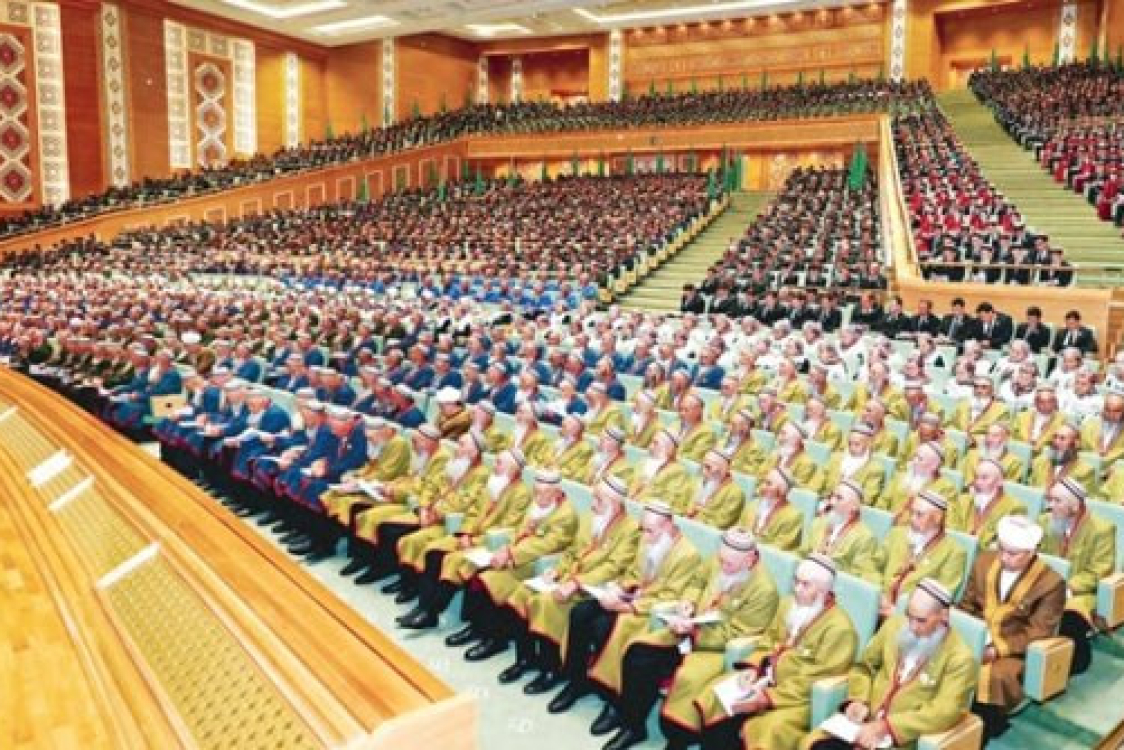
Halk Maslahaty is carrying on the traditions of national unity
10.08.2026This year, under the motto ‘Independent Neutral Turkmenistan − the Homeland of Purposeful Winged Horses’, the country continues to pursue its socio-economic development objectives. This is reported by the online news site AsmanNews. The unity of the people remains one of the key principles of Turkmen society. The traditions of harmony, peace and mutual understanding are regarded as an important part of the national heritage. The Halk Maslahaty of Turkmenistan plays a special role in this process. At a meeting of its Presidium, the main focus was on preparations for the national forum, which is to take place on 23 September at the ‘Maslahat Köşgi’ Palace in Ashgabat. Participants will review the country’s socio-economic development and set out objectives for the future. The activities of the Halk Maslahaty are aimed at strengthening the unity, cohesion and well-being of the people, as well as the country’s further development. The tradition of collegial discussion of issues of importance to the family, society and the state has its roots in the history of the Turkmen people. Today, this tradition is being further developed through the work of the Halk Maslahaty of Turkmenistan as a modern platform for strengthening national unity. Peacefulness, good neighbourliness and open dialogue remain key pillars of Turkmenistan’s domestic and foreign policy. At the same time, the preservation of national values and social harmony is regarded as the foundation for the country’s further development.
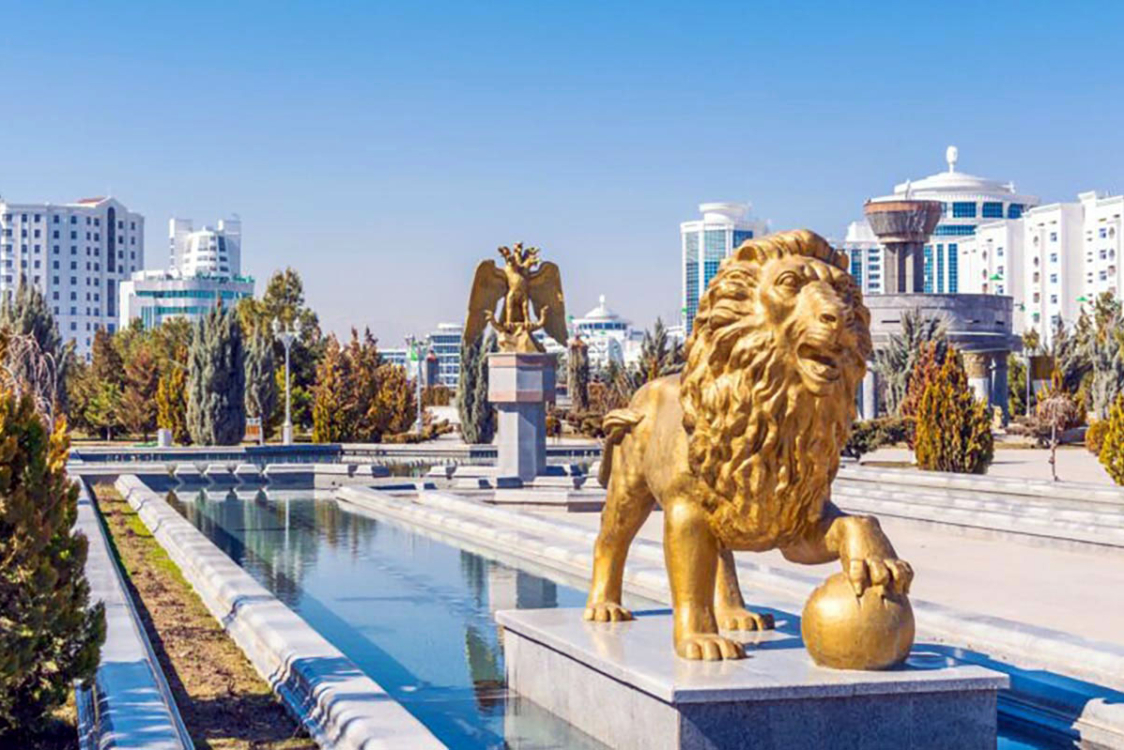
Turkmenistan is developing international cooperation and social projects
10.08.2026The past week in Turkmenistan was marked by international engagements, the development of cooperation with foreign partners, and initiatives in the field of maternal and child health. This was reported by the news agency TDH. On 5 August, at the ‘Awaza’ National Tourist Zone, President Serdar Berdimuhamedov met with Ignazio Cassis, Vice-President of the Swiss Confederation, Chairperson-in-Office of the Organisation for Security and Co-operation in Europe (OSCE) and Head of the Federal Department of Foreign Affairs. The parties discussed the development of Turkmenistan’s cooperation with the OSCE and Switzerland. The President of Turkmenistan emphasised Turkmenistan’s interest in expanding international dialogue in the interests of peace and sustainable development. Among the promising areas for cooperation mentioned were energy, transport, economic growth, environmental protection and the rational use of water resources. On the same day, a high-level national round table entitled ‘Strengthening Systems to Support Exclusive Breastfeeding’ took place in Ashgabat. It was organised by the Gurbanguly Berdimuhamedov Charitable Foundation for Assistance to Children in Need of Guardianship and the United Nations Children’s Fund (UNICEF) Country Office in Turkmenistan. The event was attended by representatives of the Mejlis, the Ministry of Health and Medical Industry, relevant institutions, higher education establishments, civil society organisations, international bodies and diplomatic missions. Participants discussed maternal and child health, support for breastfeeding and the further development of relevant national programmes. The event took place as part of World Breastfeeding Week, which runs from 1 to 7 August. It was noted that Turkmenistan is implementing the National Programme for Maternal and Child Health for 2026–2030, entitled ‘Healthy Mother – Healthy Child – Healthy Future’. The Law of Turkmenistan ‘On the Promotion and Support of Breastfeeding’ is also in force. As part of cooperation with UNICEF, programmes are being implemented on immunisation, proper nutrition for children, improving legislation in the field of child rights protection, and enhancing the professional skills of healthcare workers and teachers. The Gurbanguly Berdimuhamedov Charitable Foundation for Assistance to Children in Need of Guardianship funds the treatment of children, including complex operations, and supports medical institutions by equipping them with modern equipment and ambulances. On 7 August, Serdar Berdimuhamedov, whilst on annual leave, went for a cycle ride along the coast of the Caspian Sea in the ‘Awaza’ National Tourist Zone. The ‘Awaza’ National Tourist Zone continues to develop as a tourist and health resort. The area is home to sanatoriums, hotels with medical and rehabilitation departments, children’s health centres and sports complexes. Work is also being carried out in ‘Awaza’ to maintain cleanliness and preserve a favourable environmental situation. The tree-lined avenues and parks that have been created complement the tourist infrastructure of the Caspian coast. The development of the physical culture and health movement remains one of the priorities of state policy. Mass sporting events, including cycle races, are held regularly throughout the country. On the initiative of Turkmenistan, World Bicycle Day, established by a UN General Assembly resolution, is celebrated annually on 3 June.
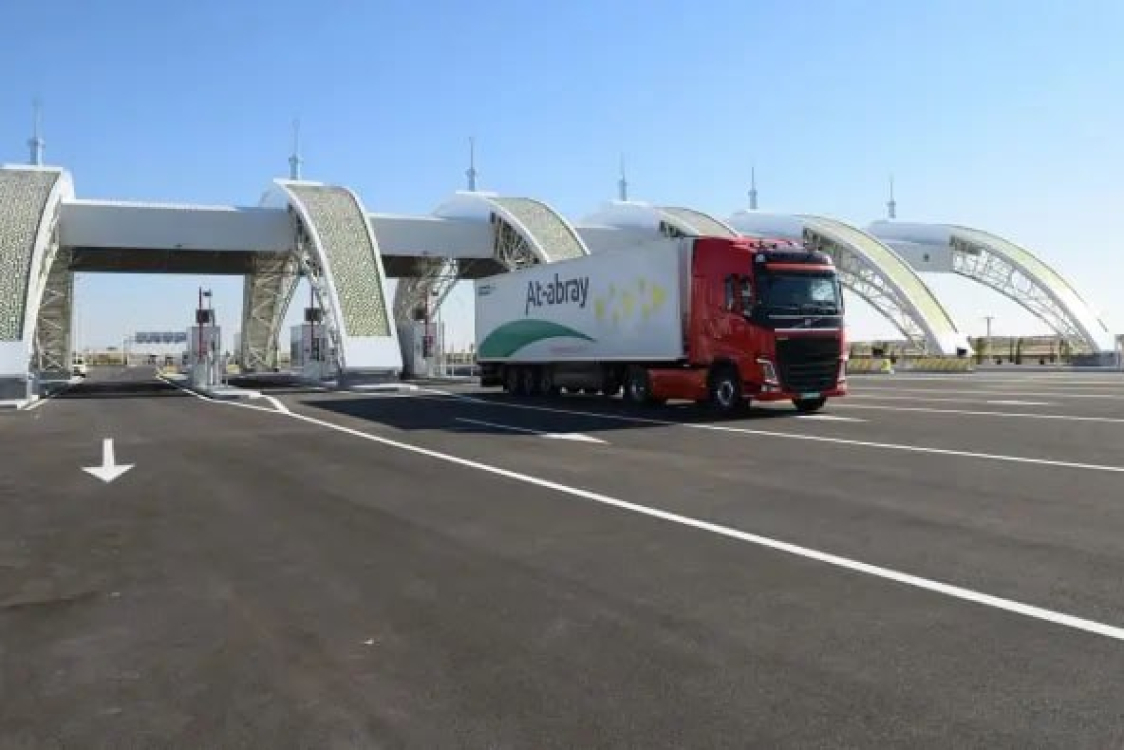
Turkmenistan has begun accepting applications for freight transport licences for 2027
10.08.2026The Ministry of Road Transport of Turkmenistan has announced that it is now accepting applications for permits from foreign states for the carriage of goods by road in 2027. This was reported by the news website Turkmenportal. These permits are required for international road freight transport and are issued on the basis of bilateral agreements with foreign states. Applications may be submitted by both legal entities and individuals engaged in freight transport. The deadline for applications is 15 September 2026. Applications received after this date will not be considered. For further information and to clarify the procedure for submitting documents, please call: 39-03-36 or 39-03-37.
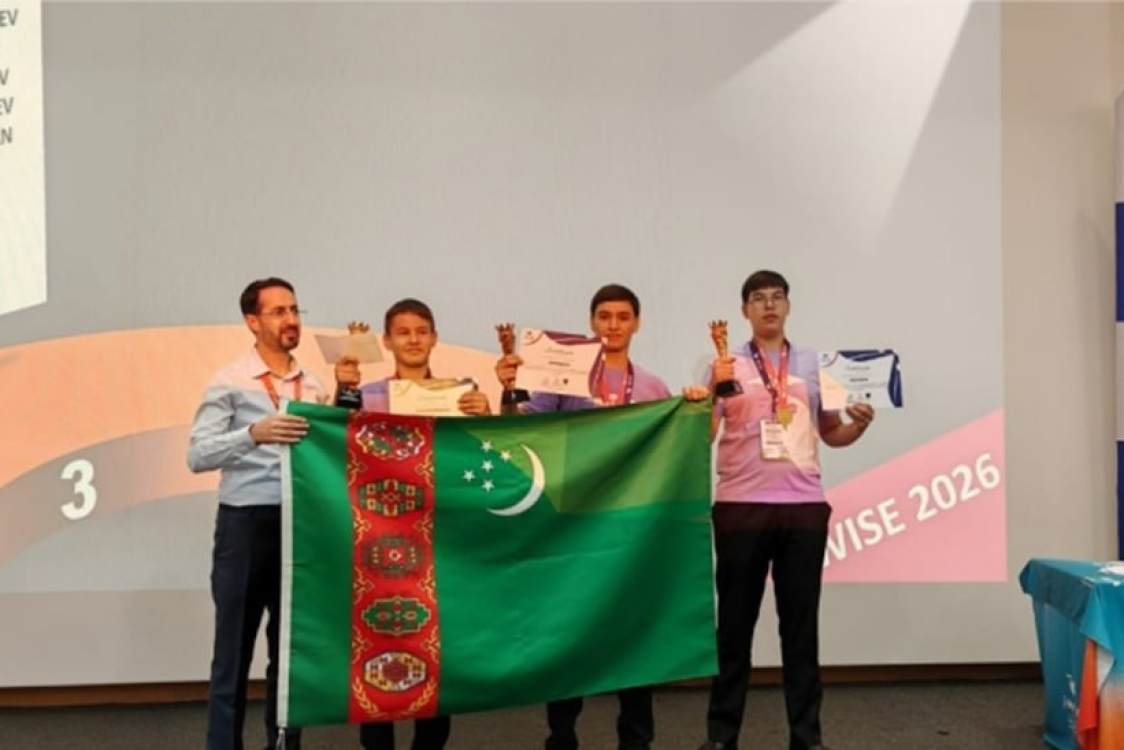
Turkmen school students won 10 medals at the iWISE Global Final in London
10.08.2026Turkmen school students won 6 gold and 4 silver medals at the ‘iWISE Global Final London 2026’ international competition, which took place in London from 2 to 7 August. This was reported by the press office of the Ministry of Education of Turkmenistan. School students from 25 countries around the world took part in the competition. Turkmenistan was represented by 10 students selected from schools across the country. They were led by Myrat Sahetgulyev, a computer science teacher at the 1st Specialised Educational Complex in Arkadag, and Gochmyrat Bayramov, a history teacher at Specialised Secondary School No. 97 with an in-depth focus on language subjects in Ashgabat. The participants competed in three categories: line-following robot, maze-solving robot, and mini-sumo robot. Gold medals were awarded to Resulberdi Orazberdiyev, Salyh Kakalyev and Resulgeldi Geldiyev (Specialised Secondary School No. 97, Ashgabat), Selim Begmyradov (Secondary School No. 7, Ashgabat), Nurmyrat Kulov (Specialised Secondary School No. 87, Ashgabat) and Malikmyrat Annamyradov (the 1st Berdimuhamed Annayev Specialised Military School of the Ministry of Defence of Turkmenistan). The silver medallists were Salyh Altyev (School No. 97, Ashgabat), Rozymurat Yagshymuradov (Secondary School No. 13, Ashgabat), Ebubekir Berdiyev (Specialised Secondary School No. 3, Arkadag) and Umit Atamuradov (Specialised Secondary School No. 2, Arkadag). Five Turkmen school students were recognised as ‘Best of the Best’ and received cash prizes.
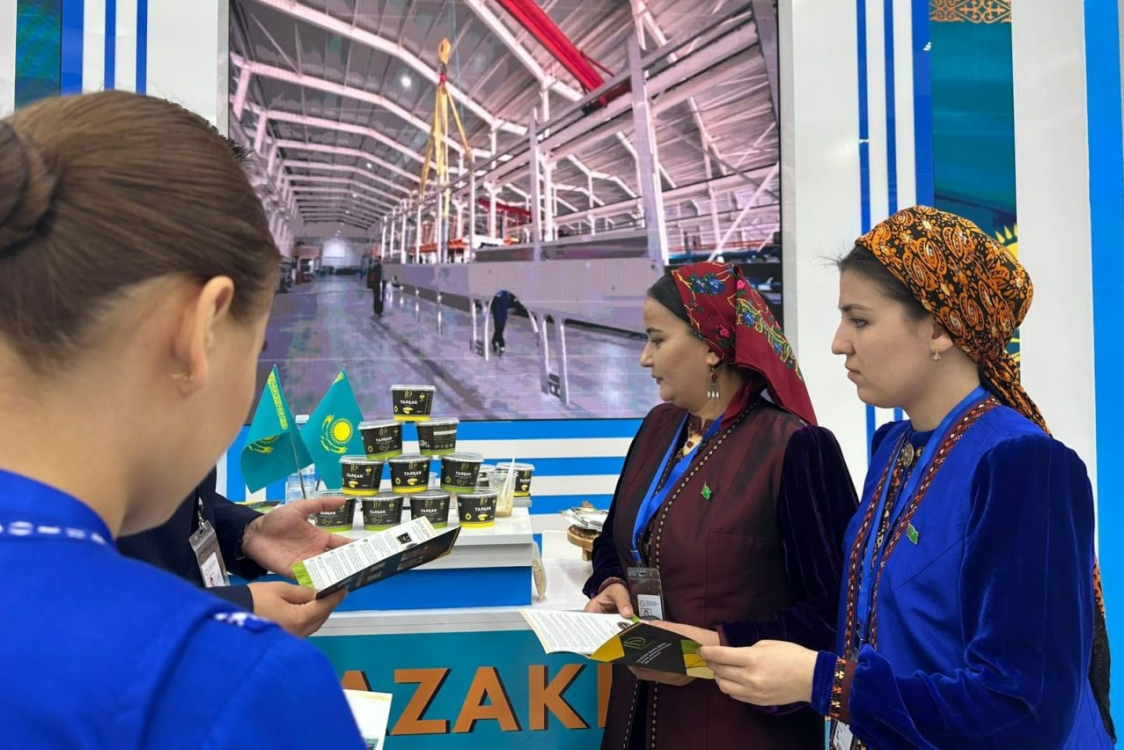
A showcase for Kazakhstani products is to open in Ashgabat
10.08.2026QazTrade, the Kazakhstani Centre for Trade Policy Development and an agency of the Ministry of Trade and Integration of the Republic of Kazakhstan, is setting up a permanent showcase for Kazakhstani products in Turkmenistan. This was reported by the news agency Orient. The ‘Kazakhstan Shelf’ will be located in one of Ashgabat’s major shopping centres. QazTrade is currently selecting samples of goods from Kazakhstani manufacturers. The initial phase will feature everyday consumer goods, food products and non-perishable goods. The venue will operate as a B2B and B2C showroom. Turkmen retailers, distributors and importers will be able to familiarise themselves with the product range, hold negotiations and conclude direct contracts with Kazakhstani manufacturers. The project will continue QazTrade’s programme to develop retail outlets and showrooms for Kazakhstani brands in Central Asian countries.
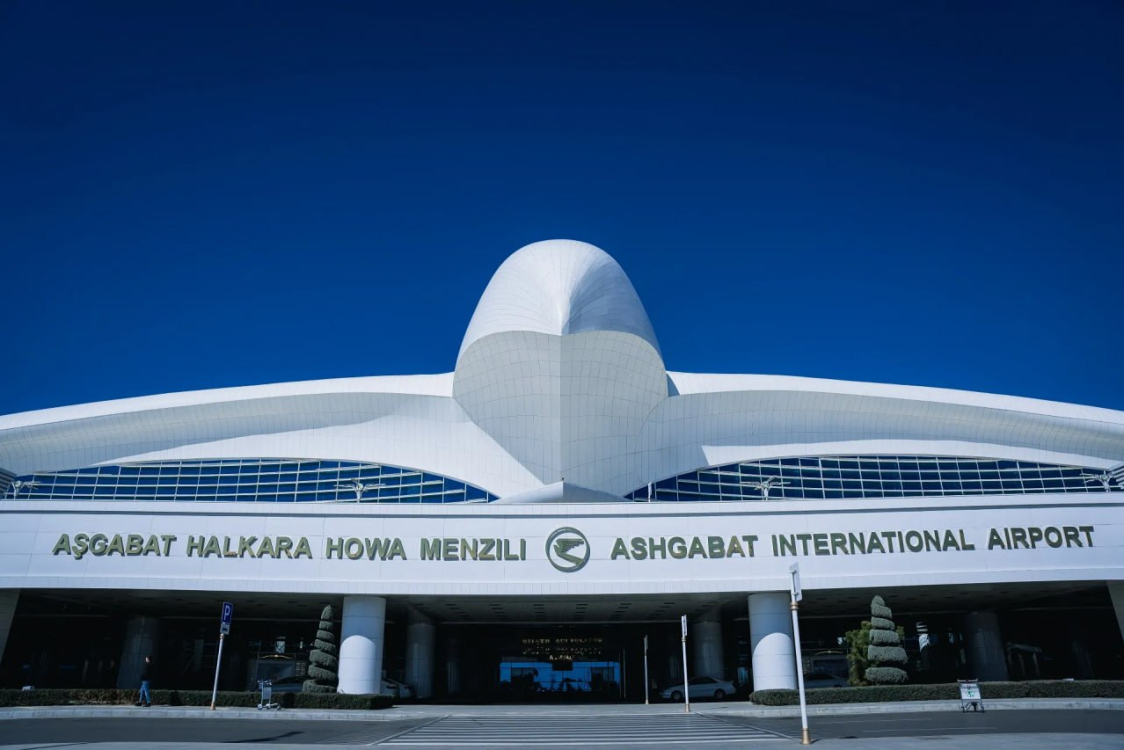
Air Belgium has launched a cargo service via Ashgabat
10.08.2026The Belgian airline Air Belgium has operated its first scheduled cargo flight to Ashgabat Airport. The new route will facilitate the transport of cargo between Asia and Europe, according to the news website Turkmenportal. Mathieu Wijthouck, Director of Ground Operations at Air Belgium, thanked Ashgabat Airport for its support and expressed his hope for long-term cooperation. Air Belgium is based in Mont-Saint-Guibert and specialises in international air freight.
‘Türkmengaz’ State Concern is introducing satellite monitoring of methane emissions
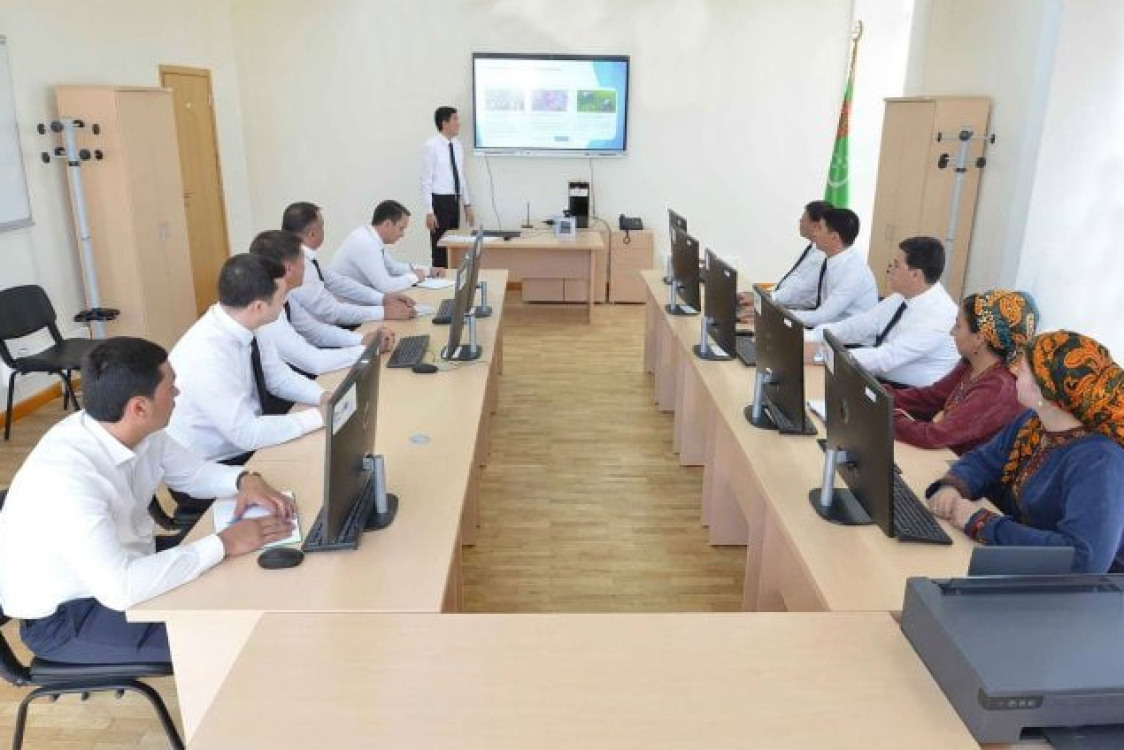
09.08.2026The Information and Analytical Centre of the Natural Gas Research Institute of the State Concern ‘Türkmengaz’ has held a series of online sessions on modern methods for monitoring and verifying greenhouse gas emissions using satellite technology. The training was organised as part of the Global Methane Pledge, according to the online news portal AsmanNews. The sessions were attended by specialists from the production departments of ‘Döwletabatgazçykaryş’, ‘Marygazçykaryş’, ‘Lebapgazçykaryş’, liquefied gas production enterprises and the ‘Türkmengazakdyryş’ association. The programme covered topics including satellite remote sensing and spectrometry, international standards for methane monitoring, and methods for detecting and reducing leaks in the oil and gas sector. Participants studied the IMEO MARS methane leak early warning and response system, validation standards, the OGMP 2.0 and EU regulatory frameworks, as well as the Roadmap for reducing emissions by 2030. During the sessions, specialists exchanged experiences and discussed the use of digital tools to improve the accuracy of environmental monitoring at gas industry sites.
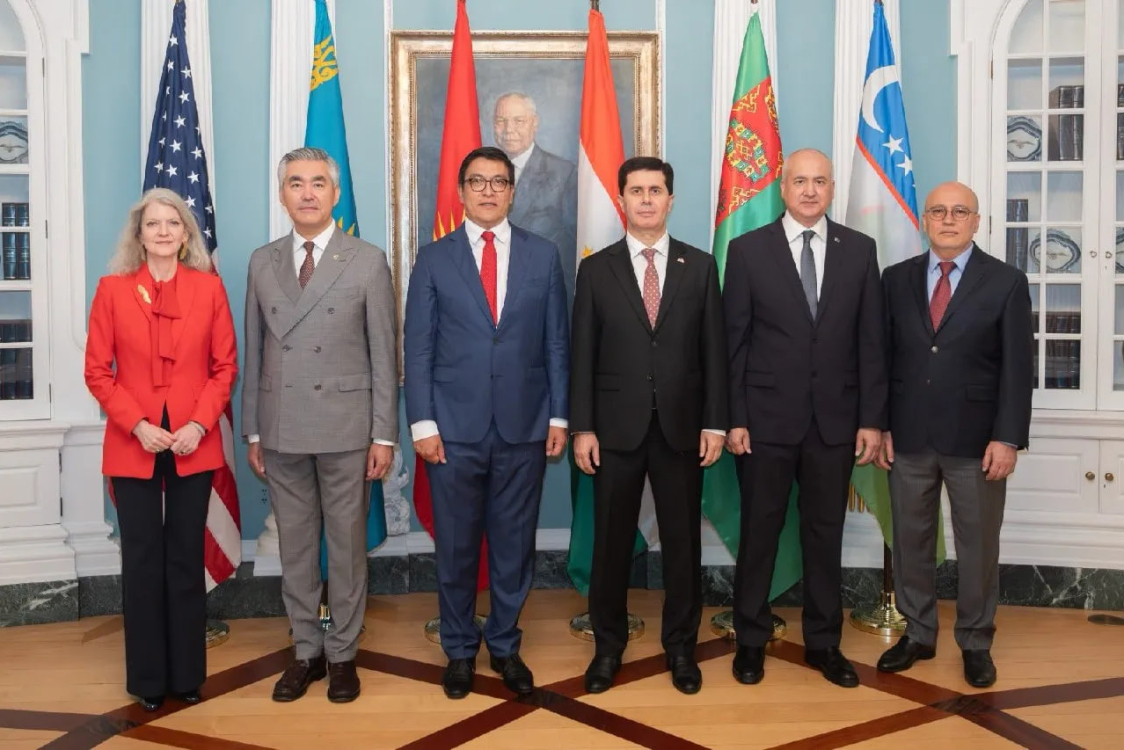
The Ambassador of Turkmenistan took part in the dialogue between the US and the countries of Central Asia
09.08.2026On 7 August, Ambassador of Turkmenistan to the US, Esen Aydogdyev, took part in a meeting between US Under-Secretary of State for Political Affairs Allison Hooker and the ambassadors of Central Asian countries. This was reported by the news website Turkmenportal. The parties discussed expanding cooperation in the fields of business, critical minerals, artificial intelligence and digitalisation. They also exchanged views on upcoming bilateral and regional contacts and key issues on the shared agenda. Following the meeting, the importance of continued dialogue and practical cooperation between the US and the countries of Central Asia was emphasised.
‘Lebapgazçykaryş’ has exceeded its gas production target
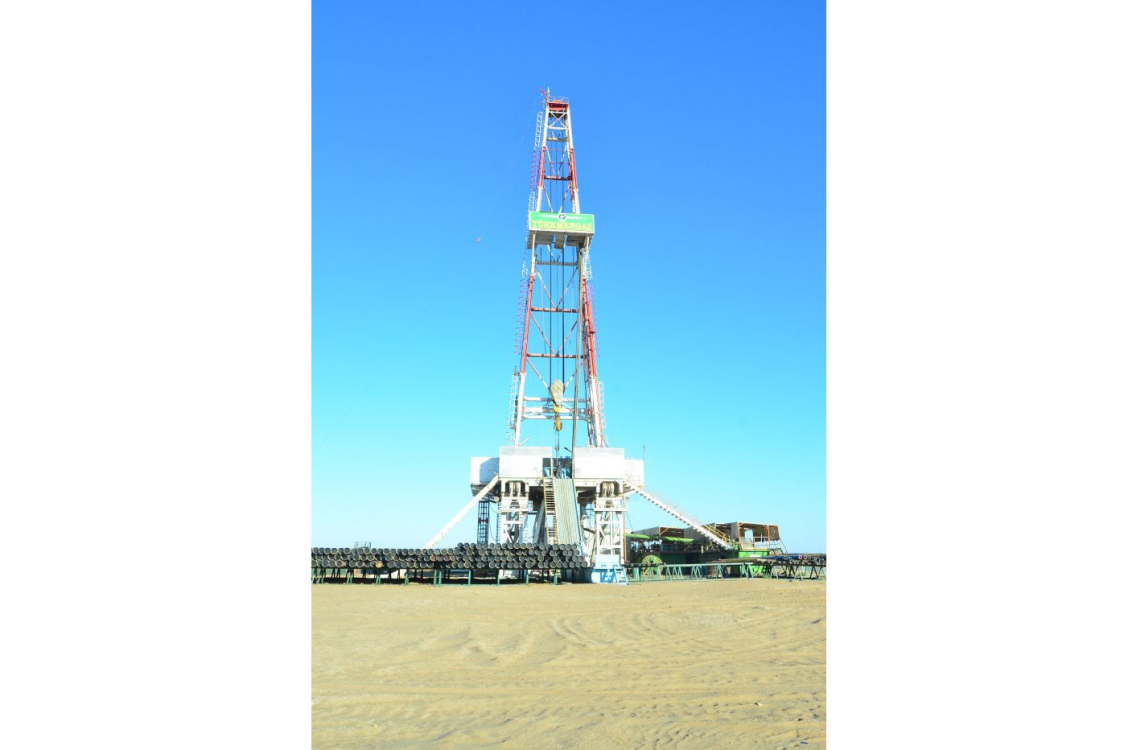
09.08.2026In the first half of the year, the enterprises under the ‘Lebapgazçykaryş’ management unit of the ‘Türkmengaz’ State Concern produced 4,966 million cubic metres of natural gas. Against a target of 4,472 million cubic metres, the figure stood at 111.1 per cent, according to the online news site AsmanNews. At the ‘Demirgazyk-Balguýy’ linear production field, production reached 685 million cubic metres against a target of 622.7 million, whilst at the ‘Naýyp’ field it stood at 193 million against a target of 181.2 million cubic metres. The ‘Kükürtli’ field produced over 4 billion cubic metres of gas against a target of 3 billion 668.1 million cubic metres, achieving 111.5 per cent of the target. Over the six-month period, 16,768 tonnes of gas condensate were also produced against a target of 13,421 tonnes. The target was met at 124.9 per cent. These results are achieved through the work of the production units, the operation of modern equipment and compliance with health and safety requirements. The management’s primary trade union organisation is responsible for creating safe working conditions and protecting employees’ rights, as well as organising cultural, educational and sporting events. In the second half of the year, the ‘Lebapgazçykaryş’ team will continue its work to fulfil the annual production targets.
An expert’s mission on inclusive education has come to an end in Turkmenistan
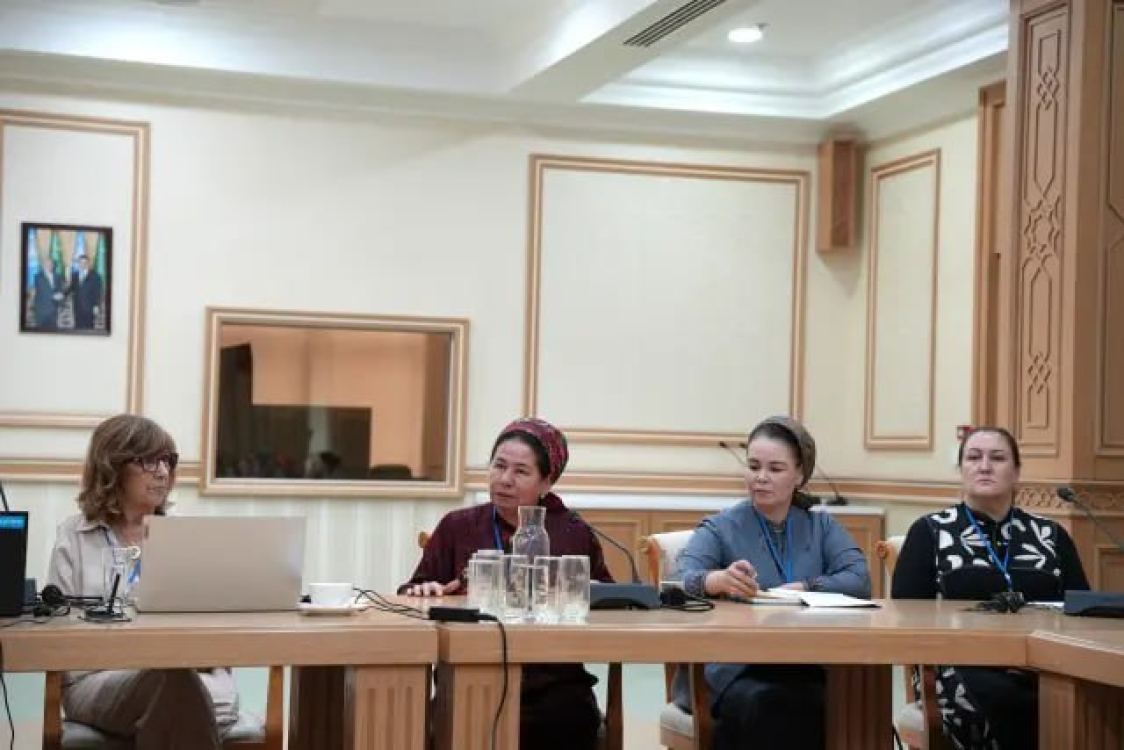
09.08.2026From 3 to 8 August, Filomena Pereira, an international expert on inclusive education from Portugal, visited Turkmenistan. The week-long technical mission was organised by the Ministry of Education of Turkmenistan with the support of UNICEF, according to the news website Turkmenportal. The aim of the visit was to analyse the progress made in the development of inclusive education and to identify further steps. During the mission, meetings were held with representatives of the Ministry of Education, regional education authorities, teachers, professionals involved in professional development, members of interdisciplinary teams, representatives of psychological, medical and educational commissions, and higher education institutions. Following the consultations and field visits, the participants agreed on measures to expand educational opportunities for children with diverse educational needs. Particular attention was paid to the professional development of specialists, improving methods for identifying children’s individual needs, and developing a mentoring system. Representatives from the Ministry of Education and UNICEF visited pilot nurseries and schools in the Ahal and Balkan velayats, where they familiarised themselves with the implementation of inclusive education. They discussed the results, existing challenges and necessary support measures with teachers, school heads and regional coordinators. The recommendations drawn up following the mission will form the basis for further work: improving teacher training, developing a monitoring system and disseminating the experience of pilot institutions to scale up inclusive practices, according to a UNICEF press release.
The ‘Green School’ programme has been extended to 120 schools in Turkmenistan
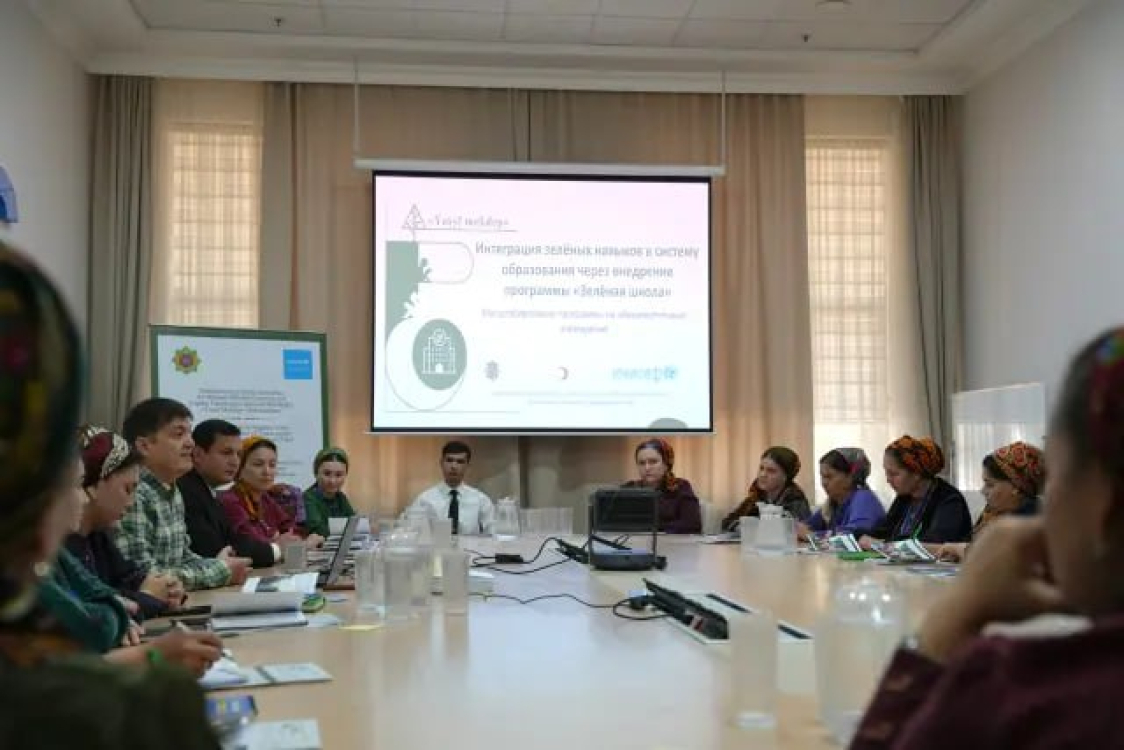
08.08.2026The ‘Green School’ programme has been expanded to 120 schools across Turkmenistan. The initiative has been running since 2025, organised by the Ministry of Education of Turkmenistan in partnership with UNICEF. This was reported by the news website Turkmenportal. Events to mark the launch of the expansion took place in Ashgabat and across all the velayats of the country, bringing together school headteachers and representatives of education authorities, UNICEF reported. The programme is structured around four key areas: school management, infrastructure and operations, teaching and learning, and community engagement. Since its launch, the programme has been implemented on a pilot basis in 20 schools, where work has been carried out to integrate issues relating to climate change, environmental protection and disaster risk reduction into the curriculum. Following the national ‘Green Skills’ competition, students and schools exceeded expectations by engaging wider communities in their activities. Building on these results, the Ministry of Education and UNICEF, in collaboration with education authorities at central and velayat levels, are preparing for the first phase of ‘Green School’ certification, which is expected to take place in autumn 2026. By the start of the new academic year, participating schools will receive teaching guides on adapting to climate change – climate education is one of the key criteria for being awarded ‘Green School’ status. There are now 120 schools in Turkmenistan taking part in the programme. The Ministry of Education and UNICEF intend to expand the programme to 500 of the country’s approximately 1,900 schools by 2030.
Read also
Advertising

 Read us in Zen


