

News
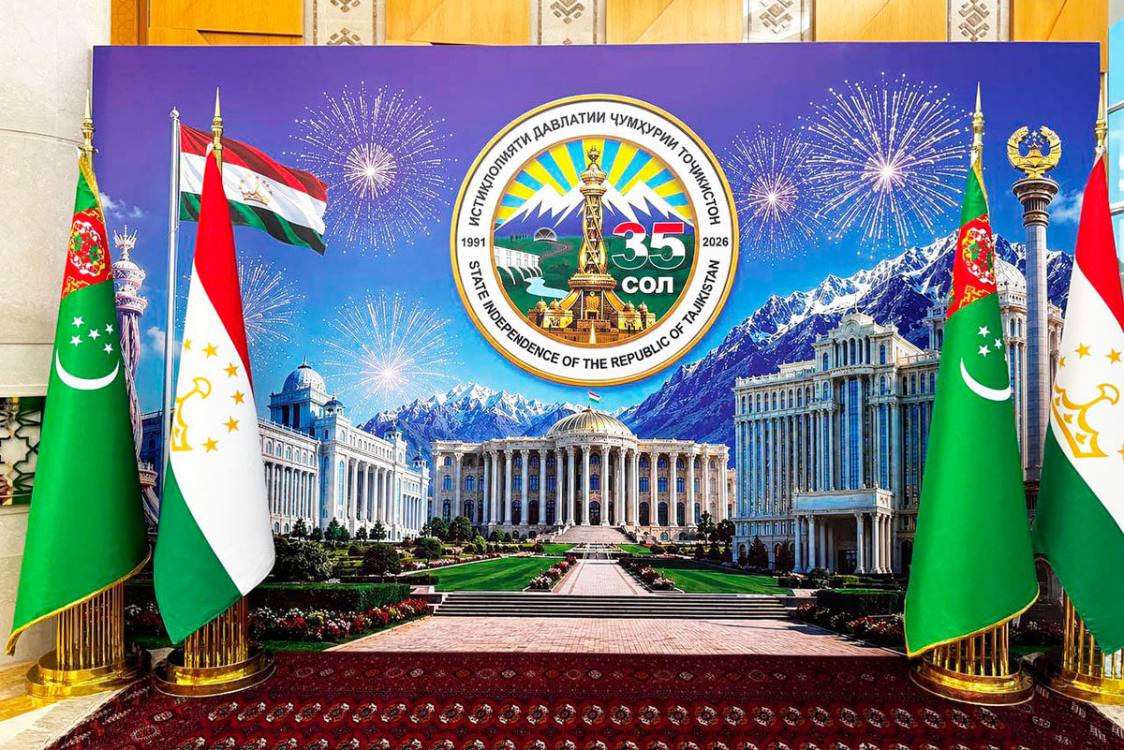
A reception was held in Ashgabat to mark the 35th anniversary of Tajikistan’s independence
10.09.2026An official reception was held in Ashgabat to mark the 35th anniversary of the Republic of Tajikistan’s independence. The event was attended by the Deputy Chairman of the Cabinet of Ministers of Turkmenistan, T. Atahallyev, representatives of diplomatic missions and international organisations, as well as members of the Tajik diaspora, according to the news agency ‘Turkmenistan: Golden age’. Vafo Niyatbekzoda, Ambassador Extraordinary and Plenipotentiary of the Republic of Tajikistan to Turkmenistan, highlighted the significance of 9 September and spoke about Tajikistan’s development since gaining independence. The diplomat paid particular attention to bilateral relations. According to him, cooperation between the two countries is developing within the framework of a deepened strategic partnership and is based on mutual respect. This is evidenced by regular high-level contacts and the existing legal and treaty framework. Speaking on behalf of Turkmenistan was T. Atahallyev, Deputy Chairman of the Cabinet of Ministers of Turkmenistan. He emphasised that relations between the two states are based on traditions of good neighbourliness, spiritual kinship and fraternal ties. The Deputy Prime Minister also noted the convergence of Turkmenistan’s and Tajikistan’s positions on a number of international issues, including within the framework of the UN. According to him, regular meetings between the Heads of State contribute to strengthening mutual understanding and developing cooperation.
Serdar Berdimuhamedov received a message of congratulations from the President of Serbia
10.09.2026The President of the Republic of Serbia, Aleksandar Vučić, has congratulated the President of Turkmenistan, Serdar Berdimuhamedov, and the people of Turkmenistan on the 30th anniversary of the establishment of diplomatic relations between Serbia and Turkmenistan. This was reported by the news agency TDH. In his congratulatory letter, Aleksandar Vučić noted that, over the past three decades, bilateral relations have developed on the basis of friendship and mutual respect. He stated that Serbia attaches great importance to its ties with Turkmenistan and is keen to further strengthen them. The Serbian President expressed his confidence that political dialogue would continue and that cooperation would be expanded in areas of mutual interest. Aleksandar Vučić also wished the President of Turkmenistan every success in his work, and the people of the country peace, well-being and prosperity.
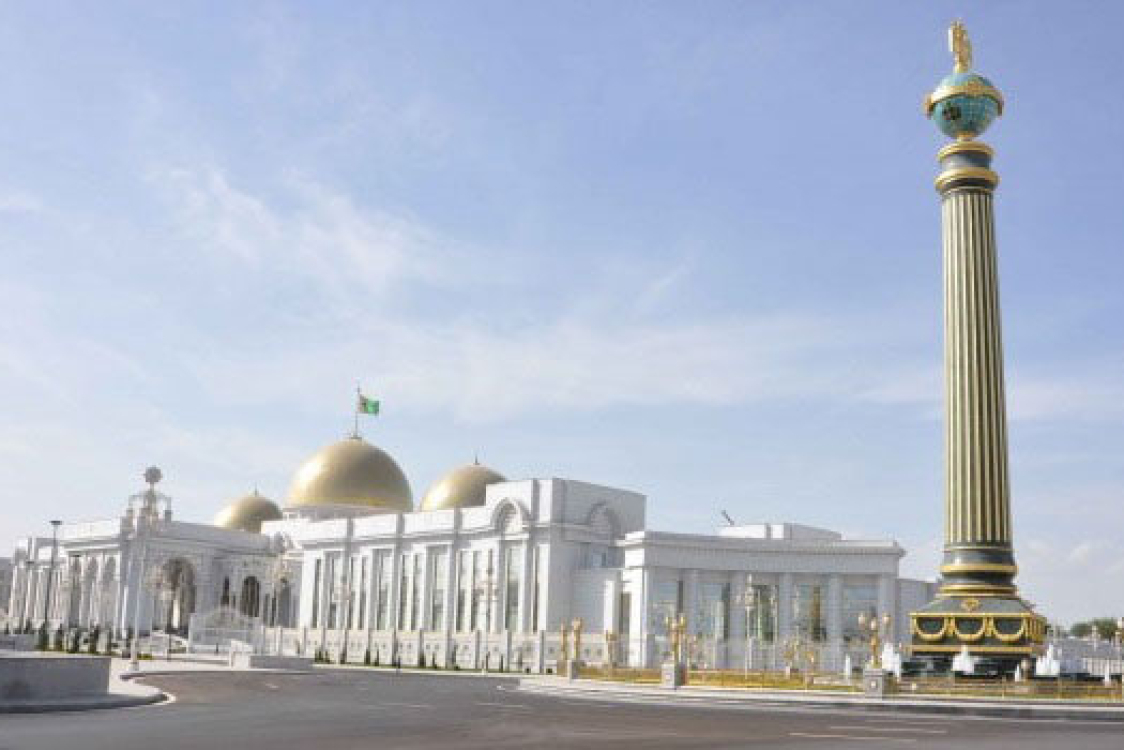
The Head of Turkmenistan received the Ambassador of the French Republic
10.09.2026On September 9, President of Turkmenistan Serdar Berdimuhamedov received the newly appointed Ambassador Extraordinary and Plenipotentiary of the French Republic to Turkmenistan, Alena Grand, who presented her credentials to the Head of State. This was reported by the online news site AsmanNews. The French Ambassador conveyed greetings from the President of France, Emmanuel Macron, to the Head of State and National Leader of the Turkmen people, Chairman of the Halk Maslahaty of Turkmenistan, Gurbanguly Berdimuhamedov, and noted France’s interest in the further development of mutually beneficial cooperation with Turkmenistan. Serdar Berdimuhamedov conveyed his best wishes to the French Head of State, congratulated Alena Grand on her appointment and wished her every success in her diplomatic mission. During the meeting, the parties discussed the state of and prospects for Turkmen-French relations. It was noted that France is one of Turkmenistan’s key European partners. Cooperation is developing in the trade and economic, energy, and cultural and humanitarian spheres. Particular attention was paid to the two countries’ interaction on international forums, including the United Nations and the Organisation for Security and Co-operation in Europe. President Serdar Berdimuhamedov emphasised that bilateral relations are based on the principles of mutual trust, respect and openness. At the same time, cooperation is expanding not only at the intergovernmental level, but also between representatives of the private sectors of both countries. The parties noted opportunities for further expanding trade and economic ties and implementing joint initiatives in the fields of energy, transport and logistics infrastructure, science and culture. Alena Grand expressed her readiness to work towards the further development of intergovernmental cooperation between France and Turkmenistan.
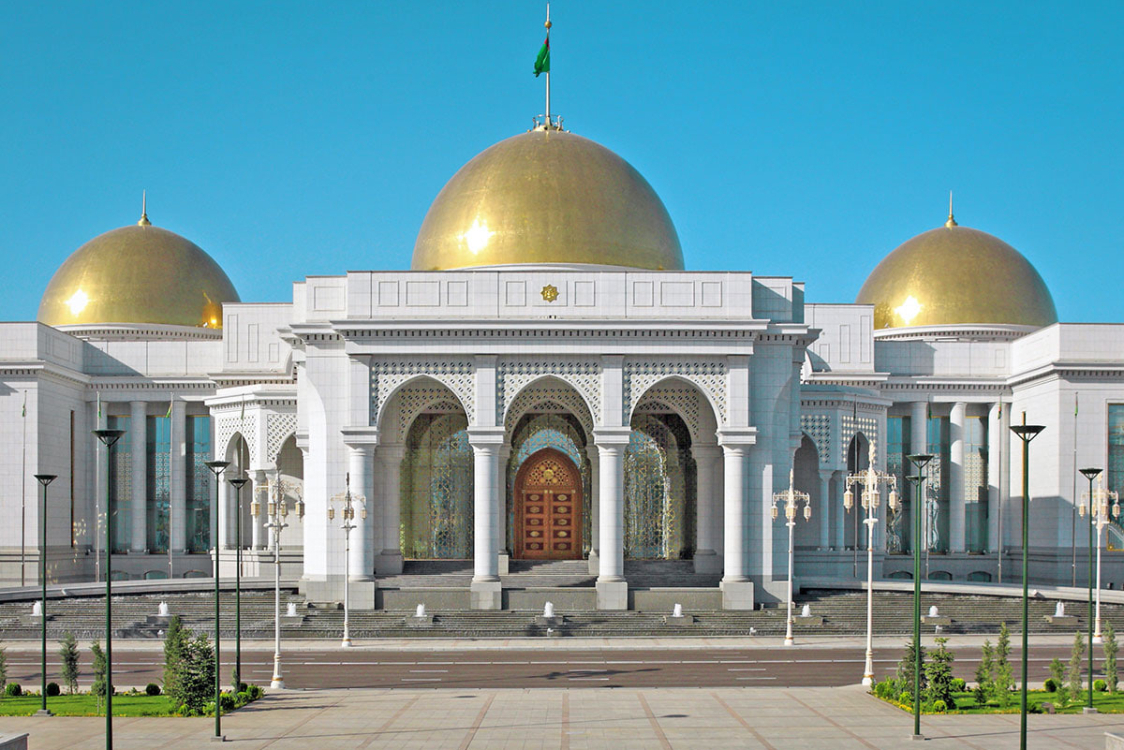
The President of Turkmenistan received the credentials of the new EU Ambassador
10.09.2026On 9 September, the President of Turkmenistan, Serdar Berdimuhamedov, received the newly appointed Ambassador Extraordinary and Plenipotentiary of the European Union to Turkmenistan, Luc Pierre Devigne, who presented his credentials to the Head of State. This was reported by the news agency TDH. The EU Ambassador thanked Serdar Berdimuhamedov for the meeting and noted that he considered it an honour to represent the European Union in Turkmenistan. He also conveyed greetings from the President of the European Council, António Costa, and the President of the European Commission, Ursula von der Leyen, to the Head of State and National Leader of the Turkmen people, Chairman of the Halk Maslahaty of Turkmenistan Gurbanguly Berdimuhamedov. The President of Turkmenistan conveyed his best wishes to the leadership of the European Union, congratulated Luc Pierre Devigne on his appointment and wished him every success in his diplomatic work. During the meeting, the parties discussed the state of play and prospects for cooperation between Turkmenistan and the European Union. It was noted that this cooperation spans the political, trade and economic, and cultural and humanitarian spheres. Particular attention was paid to the development of political dialogue and the exchange of views on topical issues on the international and regional agenda. In the trade and economic sphere, opportunities were highlighted for increasing trade turnover, expanding business contacts with European companies and implementing new investment projects. Energy, transport and logistics, industry, agriculture, digital technologies and environmental protection were identified as promising areas. Cooperation in the transport and communications sector was discussed separately. The parties noted the importance of developing routes via the Caspian Sea to European markets and the Trans-Caspian Transport Corridor. Prospects for cooperation also relate to the energy sector, including the development of renewable energy sources and the transition to a ‘green’ economy. Cooperation in the cultural and humanitarian spheres, including in the fields of education, science and culture, was also identified as an important area of bilateral relations. Luc Pierre Devigne assured President Serdar Berdimuhamedov of his readiness to facilitate the further development of relations between the European Union and Turkmenistan.

The Turkmenistan national team will compete in an international tournament in China
10.09.2026The Turkmenistan national football team will take part in the CFA Team China International Football Competitions Chongqing 2026, an international tournament to be held in the Chinese city of Chongqing. This was reported by IIC of Turkmenistan. Five national teams will take part in the competition: Turkmenistan, China, New Zealand, Palestine and Tajikistan. The Turkmenistan national team will kick off their campaign on 24 September with a match against New Zealand. On 28 September, they will face the Palestinian national team. Turkmenistan’s final match will be against the tournament hosts, the Chinese national team. The match will take place on 2 October at 19:35 Beijing Time in Chongqing.
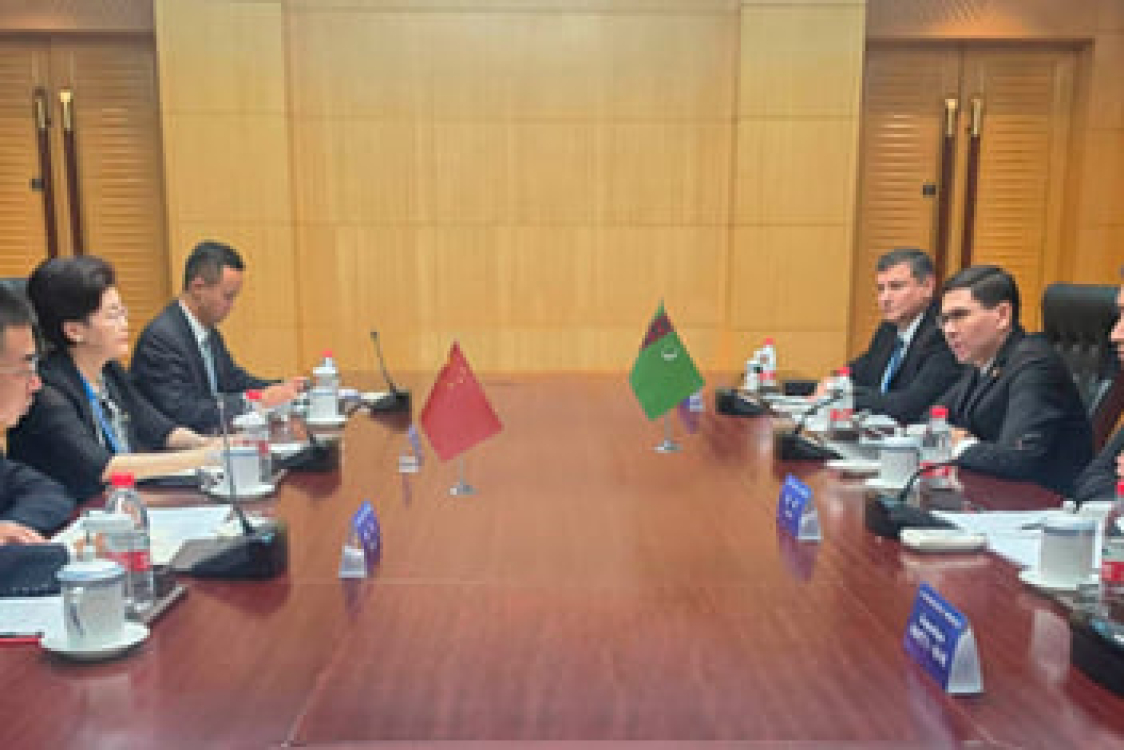
Turkmenistan and China discussed cooperation on migration
10.09.2026On 8 September 2026, a delegation from the State Migration Service of Turkmenistan visited the People’s Republic of China to take part in the Forum on Cooperation in the Field of Migration Management. This was reported by IIC. A meeting took place in Lianyungang between representatives of Turkmenistan and the leadership of the State Administration for Migration Affairs of the PRC. The parties discussed current issues of bilateral cooperation and emphasised the importance of regular contacts for strengthening the partnership. The participants exchanged views on the prospects for cooperation and identified the main areas for further joint work. Particular attention was paid to coordinating efforts within the framework of international organisations. Following the negotiations, the parties reaffirmed their readiness to continue developing inter-agency cooperation.
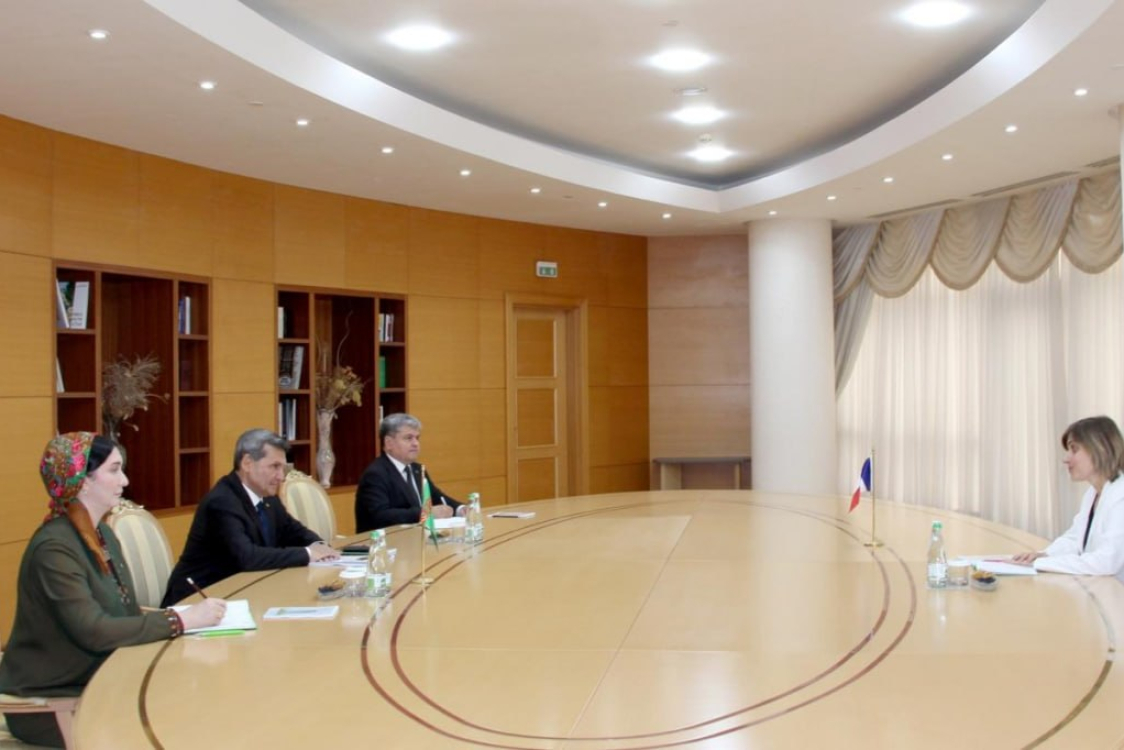
The Head of the Turkmenistan Foreign Affairs Ministry met with the French Ambassador
10.09.2026On 9 September 2026, Rashid Meredov, Foreign Affairs Minister of Turkmenistan, met with Alena Grand, the new Ambassador Extraordinary and Plenipotentiary of the French Republic to Turkmenistan. This was reported by the press office of the Turkmen Foreign Affairs Ministry. Rashid Meredov congratulated the Ambassador on her appointment and wished her every success in her diplomatic work. During the meeting, the parties discussed the current state and future prospects of Turkmen-French relations. Particular attention was paid to political and diplomatic, trade and economic, and cultural and humanitarian cooperation, as well as to collaboration within international organisations. The parties reaffirmed their readiness to continue developing bilateral cooperation.
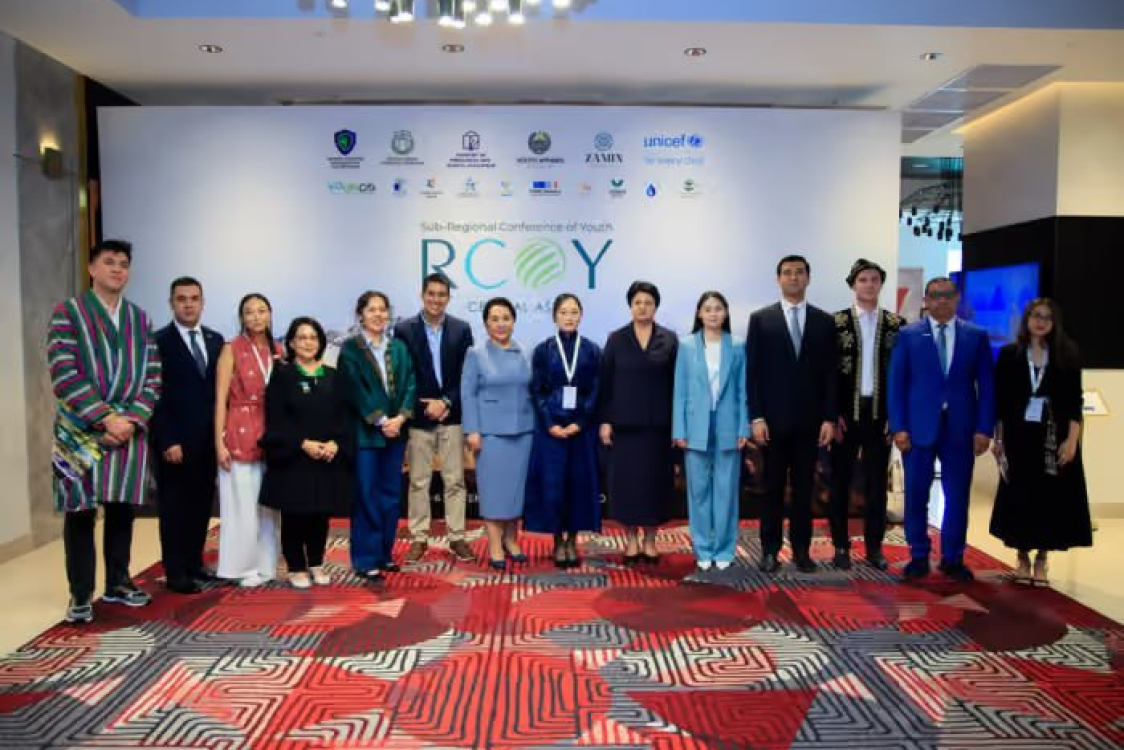
Turkmen youth took part in a climate conference in Samarkand
10.09.2026Representatives of youth environmental organisations from Turkmenistan took part in the RCOY Central Asia 2026 regional conference, which took place on 4–6 September in Samarkand. This was reported by the IIC. The conference was attended by around 100 experts and volunteers from Central Asian countries, as well as Azerbaijan, Afghanistan, Mongolia and Turkey. Participants discussed issues relating to climate policy, water resource management, combating desertification and glacier conservation. Following the conference, the participants adopted a Regional Youth Declaration, which is to be submitted to the relevant ministries, UN bodies and international partners. The conference was co-organised on behalf of Turkmenistan by ‘Mümkinçilik Dünýäsi’ and the ‘Youth Climate Network Turkmenistan’.
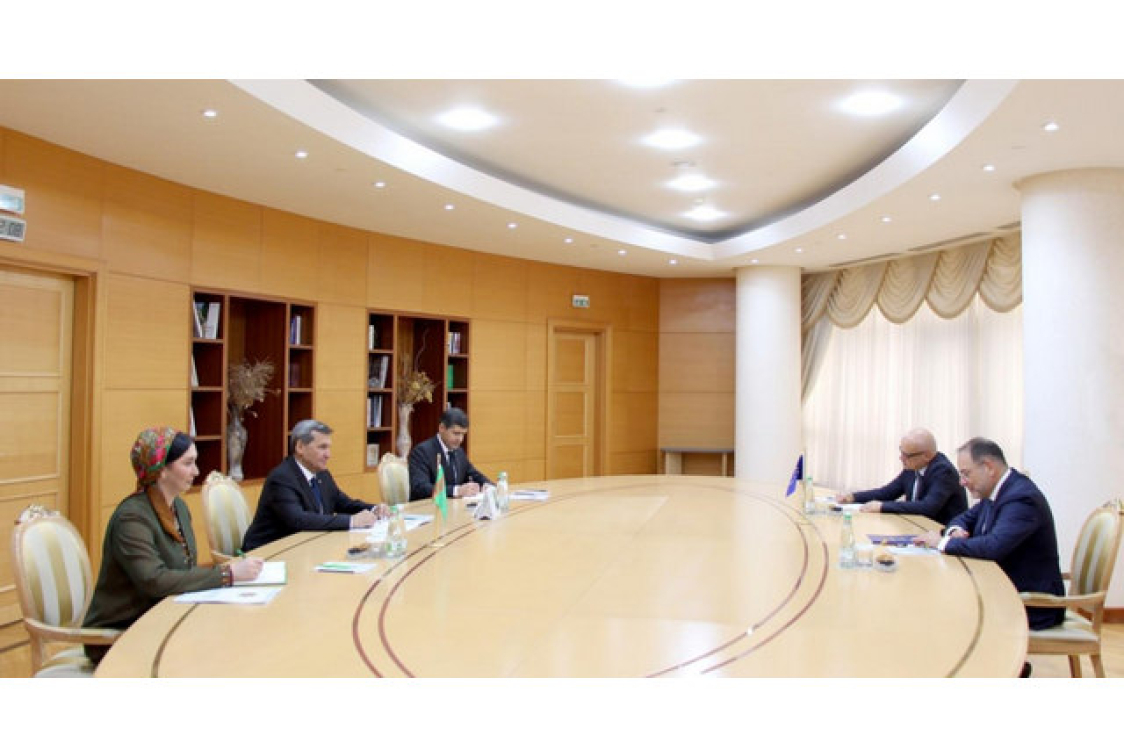
The Head of the MFA of Turkmenistan met with the new EU Ambassador
10.09.2026On 9 September 2026, Minister of Foreign Affairs of Turkmenistan Rashid Meredov met with the newly appointed Ambassador of the European Union to Turkmenistan, Luc Pierre Devigne. This was reported by the press office of the Foreign Affairs Ministry of Turkmenistan. Rashid Meredov congratulated the diplomat on his appointment and wished him every success in his work. During the meeting, the parties discussed issues of mutual interest, as well as prospects for further cooperation. They noted the importance of regular dialogue and explored opportunities to expand practical cooperation in key areas. Following the meeting, the parties reaffirmed their commitment to continuing efforts to develop cooperation between Turkmenistan and the European Union.
St. Petersburg has proposed cooperation with Turkmenistan in the fields of medicine and culture
10.09.2026St. Petersburg has proposed that Turkmenistan develop cooperation in the field of medicine, as well as organise cultural exchanges and tours by theatre companies. This was stated to journalists by the city’s vice-governor, Vladimir Omelnytsky, according to the news website Turkmenportal. ‘We proposed the possibility of holding so-called video conferences using artificial intelligence to exchange expertise, because there are top-level professionals in medical institutions in both Turkmenistan and St. Petersburg,’ he said, adding that St. Petersburg’s medical professionals have accumulated a wealth of experience in preserving health and saving lives, which they are ready to share. Furthermore, according to Omelnytsky, the parties discussed cooperation in the cultural sphere — St. Petersburg proposed organising touring performances by theatre companies and presenting exhibitions from its museums in Ashgabat. ‘The cultural capital — the city of St. Petersburg — is ready to share everything we have... I am talking about museums and exhibitions that we are ready to stage here, in the halls of Ashgabat,’ said the vice-governor. He expressed confidence that all the proposals put forward by the St. Petersburg side would be implemented, and thanked the Government of Turkmenistan for its attentive consideration of them. Omelnytsky is on a working visit to Turkmenistan on behalf of the Governor of St. Petersburg, Alexander Beglov. As part of the trip, he held a meeting with Bahar Seyidova, Deputy Chairwoman of the Cabinet of Ministers of Turkmenistan for Culture and the Media, during which the parties discussed promising areas for cooperation.
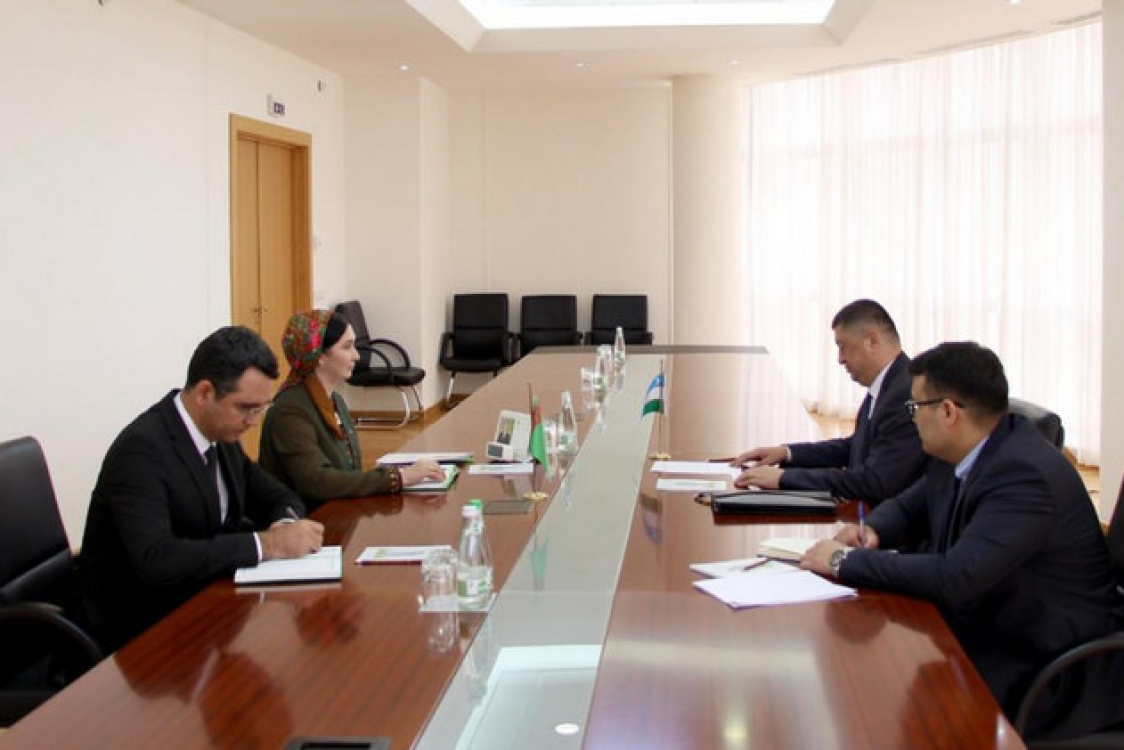
Turkmenistan and Uzbekistan discussed the development of bilateral relations
10.09.2026On 9 September 2026, a meeting took place at the Foreign Affairs Ministry of Turkmenistan between Myahri Byashimova, Deputy Foreign Affairs Minister of Turkmenistan, and Ravshanbek Alimov, Ambassador of the Republic of Uzbekistan to Turkmenistan. This was reported by the press office of the Foreign Affairs Ministry of Turkmenistan. The parties discussed the current state and prospects for the development of Turkmen-Uzbek relations in the political, diplomatic, trade, economic, cultural and humanitarian spheres. Particular attention was paid to the development of political and diplomatic cooperation and the coordination of positions at international and regional forums, primarily within the framework of the United Nations. The diplomats also discussed preparations for upcoming joint events. The parties reaffirmed their readiness to continue working to strengthen the partnership between Turkmenistan and Uzbekistan.
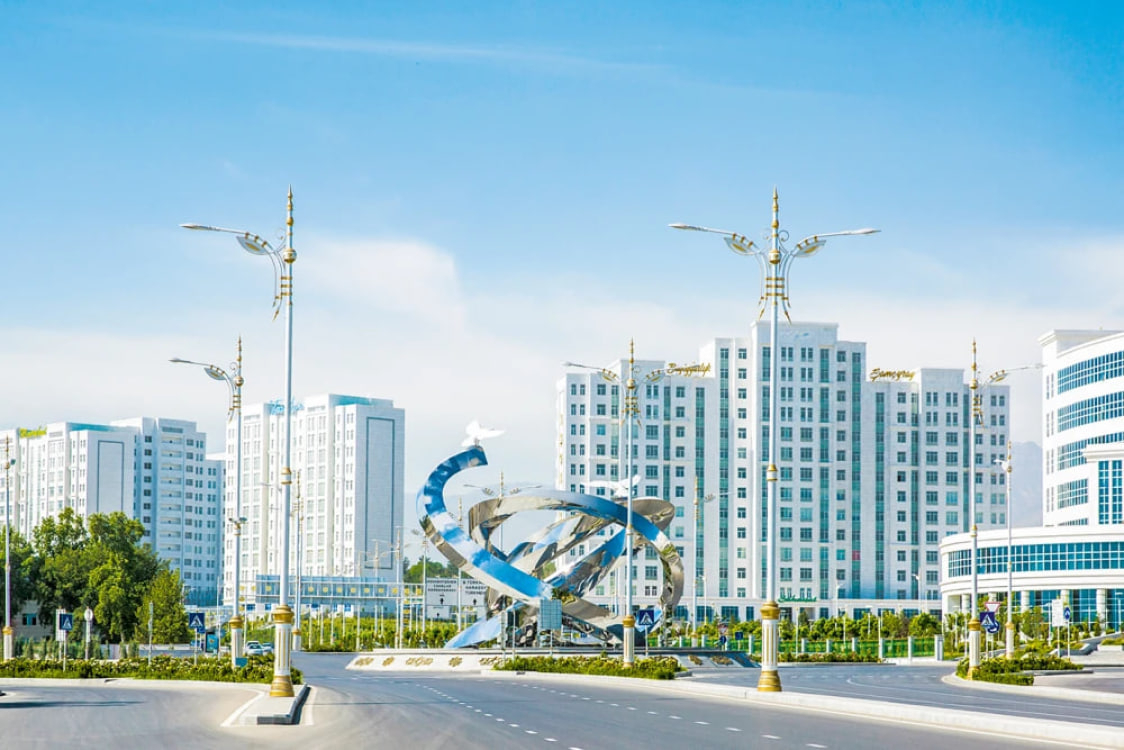
Turkmenistan is expanding its foreign relations
09.09.2026Turkmenistan continues to develop its foreign policy cooperation with other countries and international organisations. In August, the main focus was on political and diplomatic contacts, trade and economic partnerships, humanitarian cooperation and environmental issues. This was reported by the news agency TDH. One of the key events was the adoption by the UN General Assembly of the resolution ‘Year of International Law, 2028’, proposed by Turkmenistan. The document was co-sponsored by 78 states. To implement this, plans are in place to draw up a National Action Plan for 2026–2028 and a National Concept on ‘International Law and Turkmenistan’s Permanent Neutrality’. In addition, meetings were held in August with the leadership and representatives of the OSCE, the US, the EU, Saudi Arabia, the UAE, Turkey, France, Iran and Germany. The parties discussed the development of political dialogue, as well as trade, economic, cultural and humanitarian ties. On 15 August, the first political consultations took place between the Foreign Affairs Ministry of Turkmenistan and the People’s Republic of Bangladesh. On 20 August, inter-ministerial consultations were held with the Republic of Tajikistan. Following these consultations, a Programme of Cooperation between the Ministry of Foreign Affairs of Turkmenistan and the Ministry of Foreign Affairs of the Republic of Tajikistan for 2027–2028 was signed. Considerable attention was paid to cooperation with Japan. On 26 August, preparations for the meeting of the Turkmen-Japanese and Japanese-Turkmen Committees on Economic Cooperation were discussed. On 30 August, negotiations were held between the Foreign Affairs Ministers of the two countries. The parties reviewed political, economic and humanitarian cooperation, as well as the participation of Japanese companies in projects aimed at diversifying Turkmenistan’s economy. Following these discussions, a Programme of Cooperation between the foreign ministries for 2027–2029 was signed. Environmental issues also remained a priority. On 12 August, a conference on the protection of the Caspian Sea ecosystem was held at the ‘Awaza’ National Tourist Zone. On 31 August, the Ministry of Environmental Protection of Turkmenistan and the World Wide Fund for Nature (WWF) signed a Memorandum of Understanding. The document provides for joint projects on biodiversity conservation, ecosystem protection and combating the effects of climate change for the period 2026–2030. A delegation from Turkmenistan also took part in the international media forum ‘Islamic Civilisation: New Perspective – New Discoveries’ in Tashkent and Samarkand, where international media cooperation, digital technologies and the preservation of cultural heritage were discussed.
Read also
Advertising
 Read us in Zen


