


News
Discussions in Ashgabat on the implementation of a UN Security Council resolution
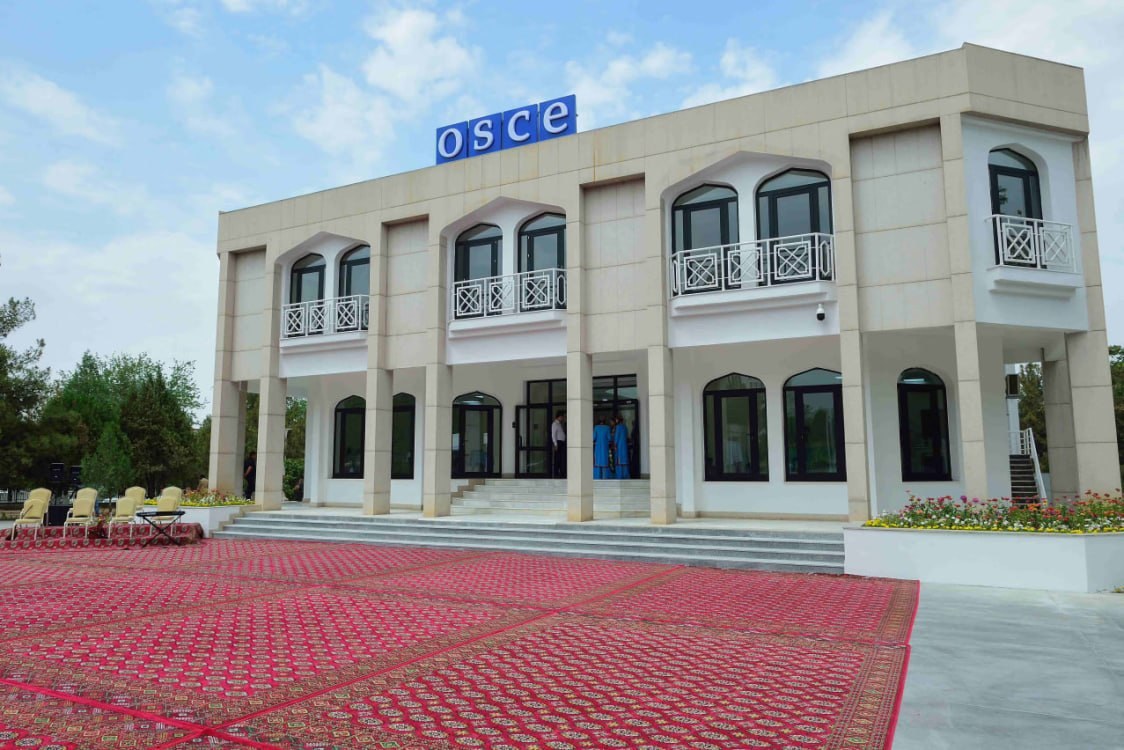
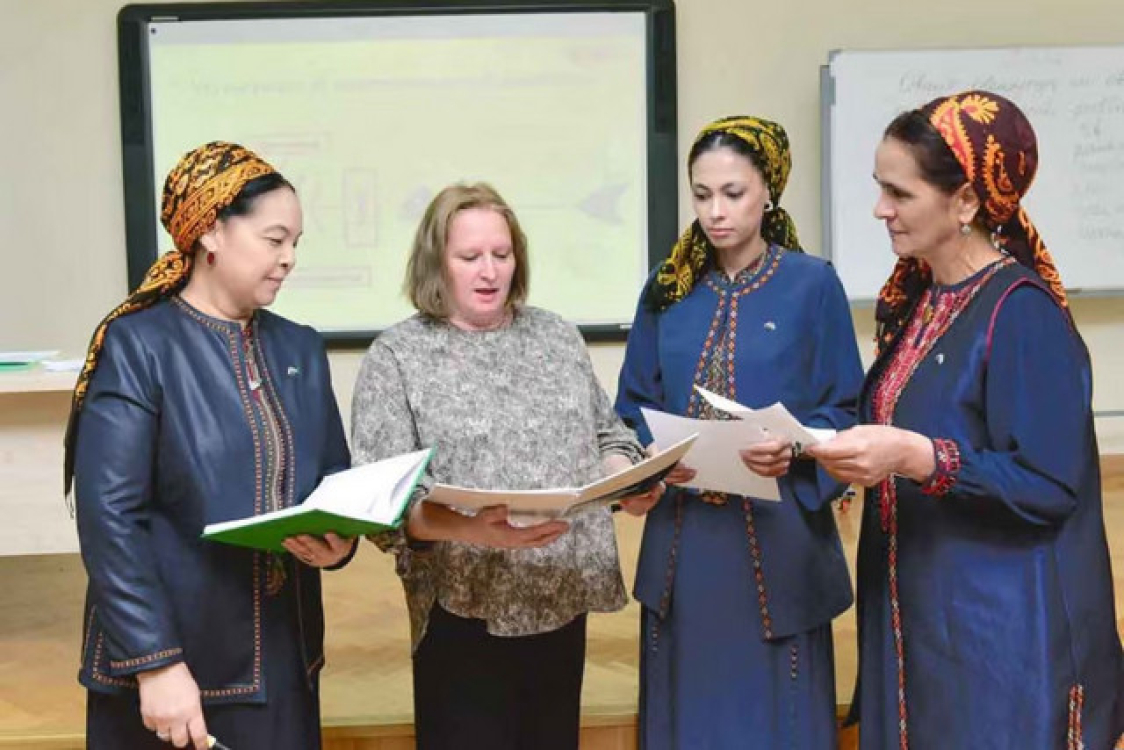
17.06.2026The second round of consultations on the implementation of the United Nations Security Council resolution “Women, Peace and Security” has begun in Ashgabat. OSCE experts are participating in the discussions. Meetings have been held at the Ministry of Foreign Affairs and the Institute of State, Law and Democracy, according to the IIC. The parties reviewed a draft National Action Plan prepared following the spring consultations. Amendments to the document and further steps for its refinement were discussed. Further work will continue in working groups at the OSCE Center. Representatives of the Ministries of Defense, Internal Affairs, National Security, Health, Education, Finance and Economy, as well as public organizations, will take part in the discussions. The completion of the document’s revision is scheduled for June 17. The meetings are included in Turkmenistan’s cooperation program with international organizations for June and July 2026. The program provides for cooperation with UNICEF, UNDP, and the Islamic Development Bank on issues of energy, digitalization, budget policy, and gender equality.
Turkmenistan begins accepting applications for study at universities in China
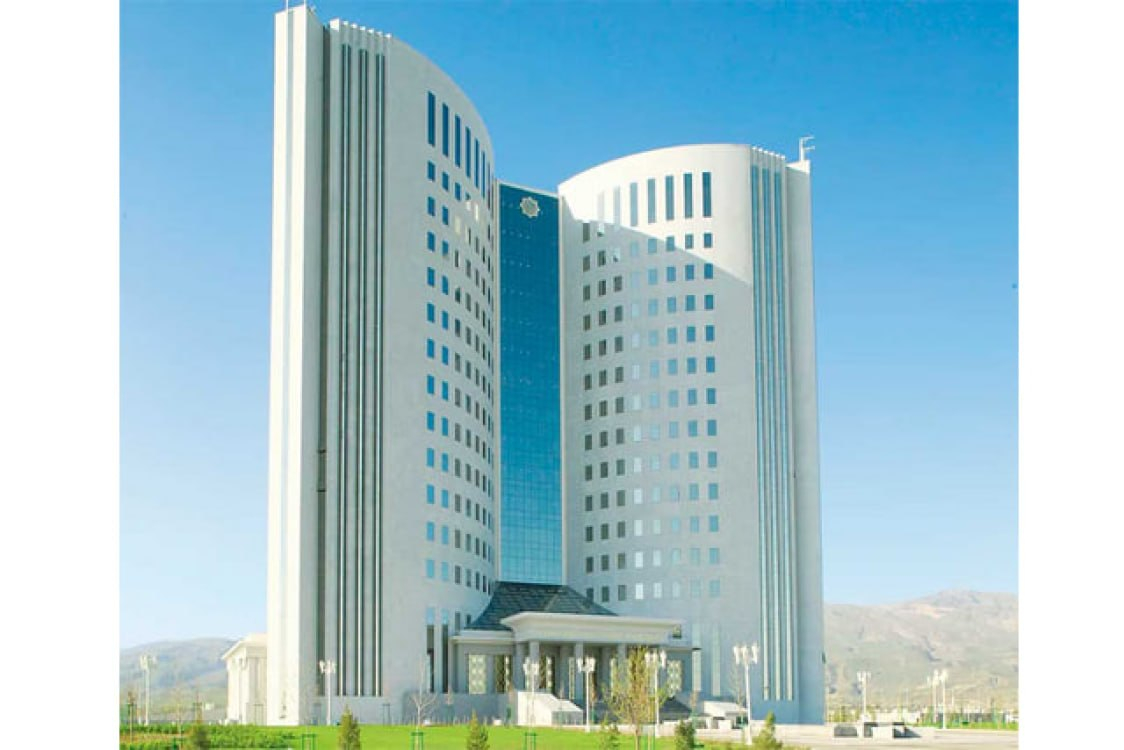
17.06.2026On June 16, the International University for the Humanities and Development began accepting applications for study at higher education institutions in the Xinjiang Uyghur Autonomous Region of the People’s Republic of China under bachelor’s degree programs for the 2026–2027 academic year. This was reported by the news agency “Turkmenistan: Golden Age”. Citizens of Turkmenistan aged 18 to 25 who have completed general secondary or secondary vocational education and possess English language proficiency are eligible to participate. Information on the list of specialties, number of available places, and study conditions is provided by the admissions committee. The list of required documents is available on the official website of the Ministry of Education of Turkmenistan. Documents must be translated into English. If necessary, the admissions committee may request additional information about applicants. Preference in the selection process is given to candidates with SAT, TOEFL, IELTS, and HSK certificates, as well as winners and participants of international and national subject Olympiads. The application period will run until June 21. On June 23, the International University for the Humanities and Development will hold a selection interview for candidates who show high results. The interview will cover general education subjects.
Turkmenistan and Kazakhstan Discuss Development of Bilateral Relations
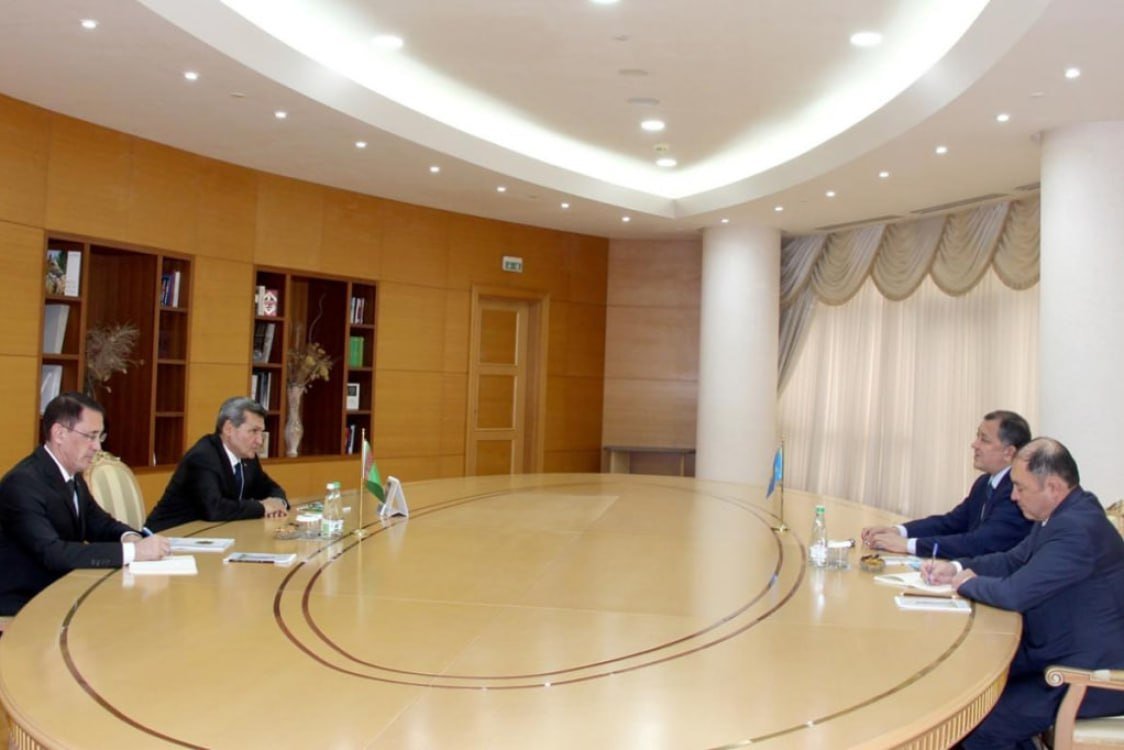
17.06.2026On June 16, the Minister of Foreign Affairs of Turkmenistan, Rashid Meredov, held a meeting with the Ambassador Extraordinary and Plenipotentiary of the Republic of Kazakhstan to Turkmenistan, Nurlan Nogayev. This was reported by the press service of the Ministry of Foreign Affairs of Turkmenistan. The two sides discussed the further development of Turkmen-Kazakh relations. Special attention was given to maintaining regular contacts between the foreign ministries of the two countries. During the meeting, issues on the regional and international agenda were also considered. The interlocutors confirmed the importance of continuing mutual support for the initiatives of Turkmenistan and Kazakhstan within the framework of the United Nations and other international platforms.
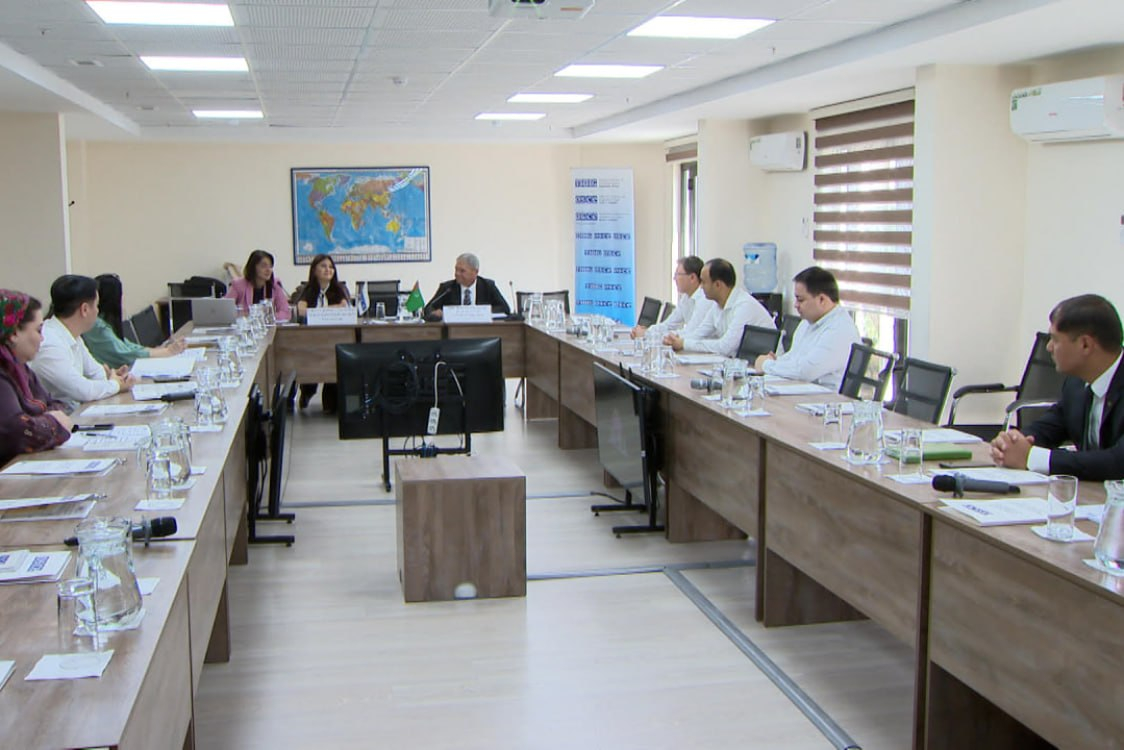
OSCE Launches Training Course for Press Service and Media Representatives in Ashgabat
17.06.2026The OSCE Centre in Turkmenistan is conducting a training course on strategic public communication. The program brings together press officers from ministries and government agencies, as well as media representatives, according to the IIC. Head of the OSCE Centre in Ashgabat William Leaf emphasized the importance of a systematic approach to communicating the activities of state institutions and ensuring citizens’ access to information. The course program is divided into thematic modules. The training is led by Gulmira Arbabayeva, Director of the PR Office of the Kazakhstan Stock Exchange, and Lithuanian communications specialist Živilė Navickaitė-Babkin, who is participating via video conference. On the first day, participants examined the structure of press services, the stages of planning communication campaigns, and methods of engaging target audiences. The experts also shared recommendations on team building and strengthening public trust. The second day will focus on practical exercises. Participants will study media relations during crisis situations and the coordination of messages to ensure a unified position among government agencies. Special attention will also be given to the use of artificial intelligence in public relations. Upon completion of the course, participants will receive certificates.
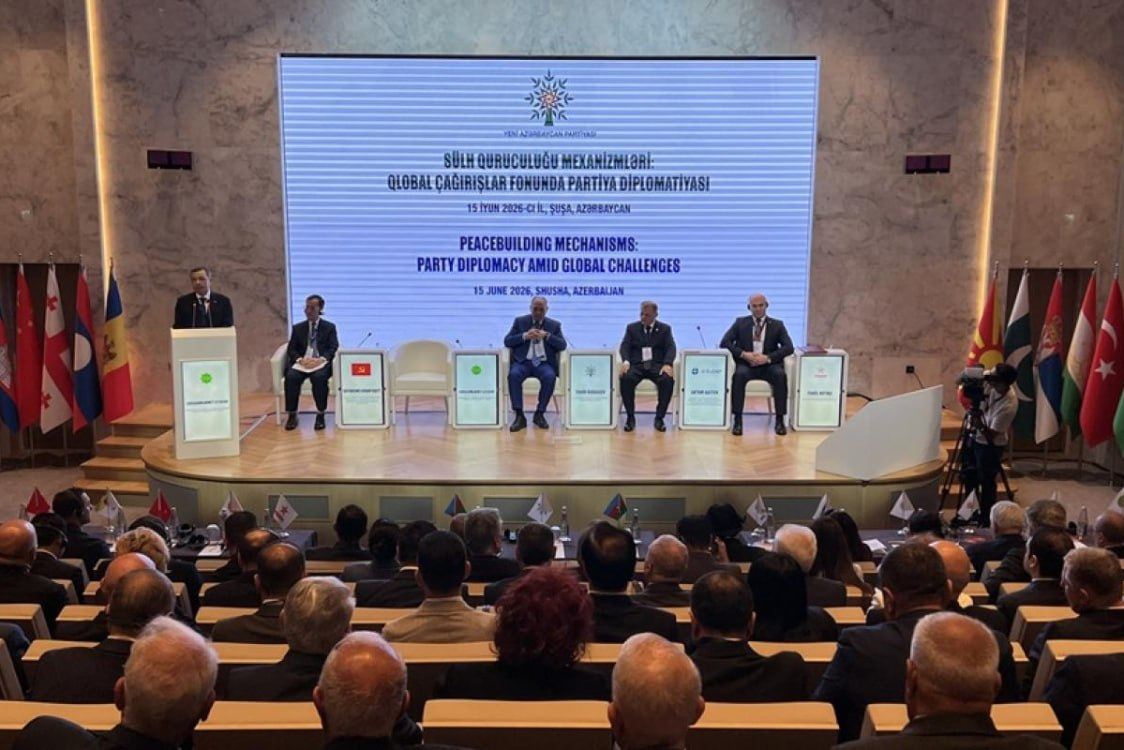
Turkmenistan Participated in a Security Conference in Shusha
17.06.2026On June 15, 2026, a delegation of Turkmenistan took part in the international conference “Regional Contribution to Global Security: Peacebuilding in the South Caucasus” held in the city of Shusha, Republic of Azerbaijan. This was reported by the news agency “Turkmenistan: Golden Age”. The forum was organized by the New Azerbaijan Party. Representatives of political and expert circles, as well as party organizations from Azerbaijan, Türkiye, Uzbekistan, Tajikistan, China, Pakistan, Belarus, and other countries attended the event. Turkmenistan’s Ambassador to the Republic of Azerbaijan, Gurbanmammet Elyasov, noted that the foreign policy course of neutral Turkmenistan, based on the principles of peace, dialogue, and cooperation, aligns with efforts aimed at strengthening peace and stability in the South Caucasus. Gurbanmammet Elyasov also emphasized the importance of adhering to international law, respecting the sovereignty and territorial integrity of states, and taking into account the interests of peoples. Particular attention was given to the initiative of the President of Turkmenistan, Serdar Berdimuhamedov, to declare 2028 the International Year of Law, aimed at promoting international legal cooperation. During the conference, participants discussed regional partnership, the development of transport and communication links, economic cooperation, and the implementation of joint projects. The forum participants stressed the need to strengthen trust among states and promote initiatives aimed at regional development.
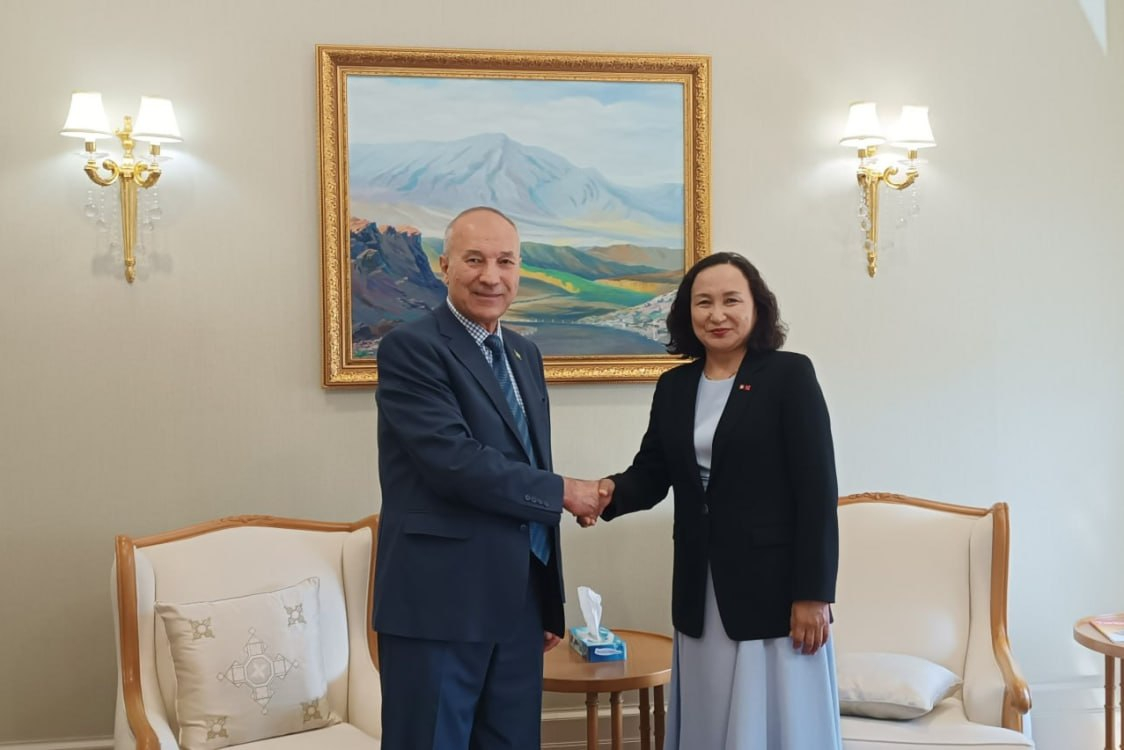
Turkmenistan and Mongolia Discuss Expanding Cooperation in Minsk
17.06.2026On June 15, a meeting was held at the Embassy of Turkmenistan in Minsk between the Ambassador of Turkmenistan to Belarus, Nazarguly Shagulyyev, and the newly appointed Ambassador of Mongolia, Gunaajav Baigalmaa. This was reported by the Orient news agency. The talks were initiated by the Mongolian side and focused on the development of bilateral cooperation. The diplomats discussed key issues on the political, trade, economic, and humanitarian agenda, as well as current international developments. They noted the positive dynamics of bilateral relations, strengthened by mutual state visits in 2024–2025 and recent discussions on transport routes across Eurasia. The Turkmen side also presented its foreign policy priorities and plans for events marking the 35th anniversary of the country’s independence, including international forums. Following the meeting, Ashgabat reaffirmed its readiness to expand cooperation and develop a long-term partnership on a mutually beneficial basis.
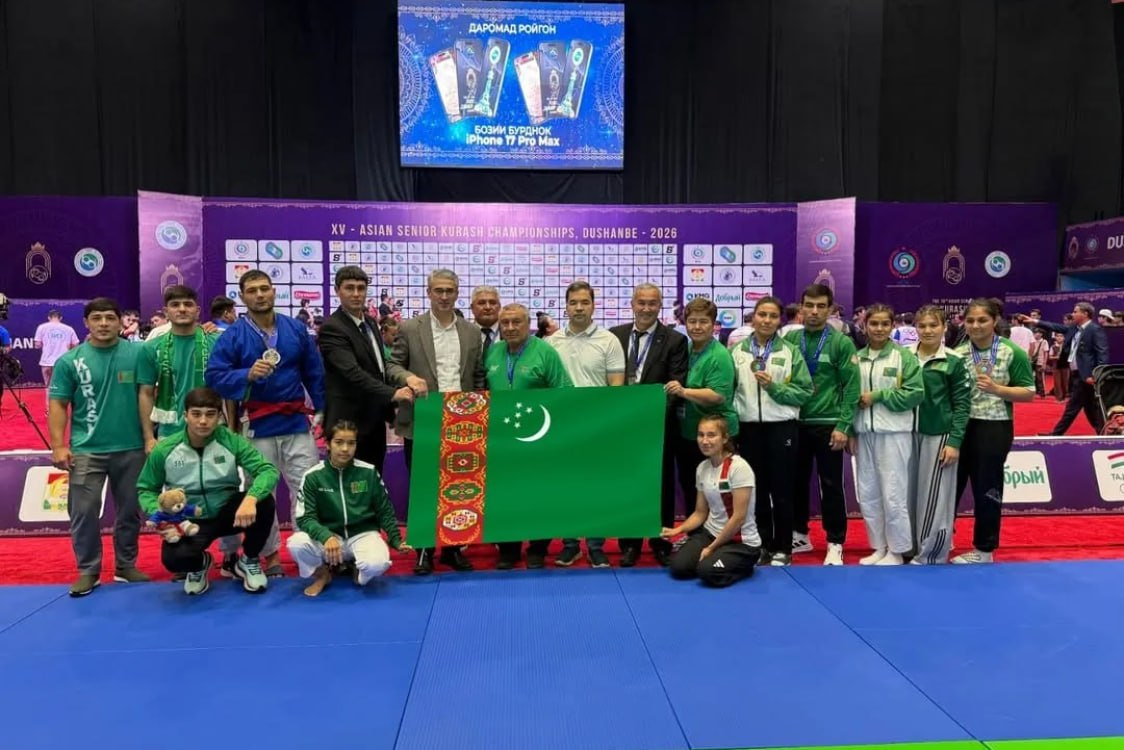
Turkmen Athletes Achieved Strong Results at the Asian Championship in Dushanbe
17.06.2026The Asian Kurash Championship was held in Dushanbe from June 13 to 14, bringing together leading athletes from across the continent. This was reported by the news website Turkmenportal. The Turkmenistan national team delivered a confident performance at the tournament. The squad included representatives of both the men's and women's national teams, whose preparation was overseen by the country's honored coaches, Dortguly Tejenov and Shirin Kubaeva. Following the competition, Turkmen athletes won two silver and four bronze medals, demonstrating a high level of athletic preparation and representing their country with distinction on the international stage.
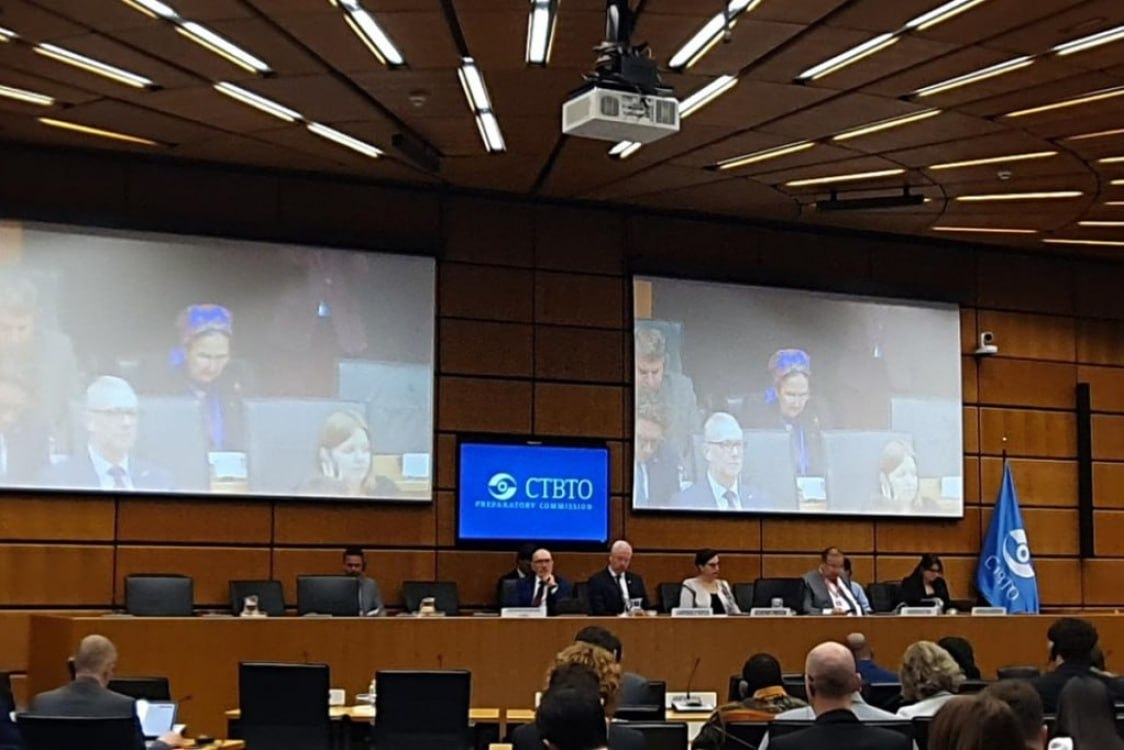
Turkmenistan Represented at the 66th Session of the CTBTO Preparatory Commission in Vienna
17.06.2026A delegation of Turkmenistan, led by Guljemal Charyyeva, Director of the Institute of Seismology and Atmospheric Physics of the Academy of Sciences of Turkmenistan, is participating in the 66th session of the Preparatory Commission for the Comprehensive Nuclear-Test-Ban Treaty Organization (CTBTO), taking place in Vienna from June 15 to 17. This was reported by the press service of the Ministry of Foreign Affairs of Turkmenistan. In its national statement, Turkmenistan reaffirmed its commitment to the Comprehensive Nuclear-Test-Ban Treaty (CTBT) and highlighted the 30th anniversary of the Treaty’s opening for signature, as well as Turkmenistan’s accession to it. The statement also emphasized cooperation with the CTBTO, including the operation of the PS44 “Alibek” seismic station and efforts to strengthen national capabilities in monitoring and verification. The visit of CTBTO Executive Secretary Robert Floyd to Ashgabat was also noted. During the visit, a regional meeting dedicated to the 30th anniversary of the CTBT, a training course for data centers, and a Youth Forum were held. Turkmenistan reaffirmed its readiness to continue cooperation with the CTBTO and to strengthen its contribution to international security and the nuclear non-proliferation regime.
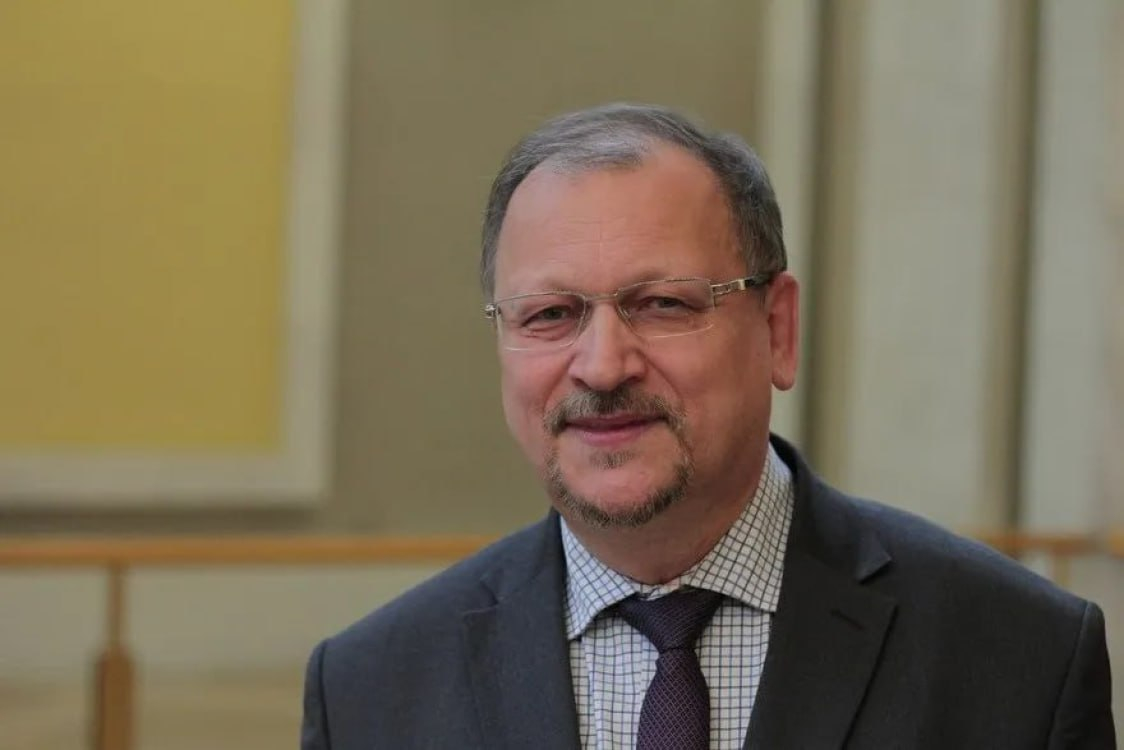
Turkmenistan and Russia Strengthen Scientific Ties Amid Technological Transformation
17.06.2026The priorities of scientific and technological development in Russia and Turkmenistan largely coincide, creating a solid foundation for expanding cooperation between scientists of the two countries. This was stated by Vice President of the Russian Academy of Sciences (RAS), Academician Viktor Rudenko, at the conference “Science, Technology and Innovative Technologies in the Era of the Revival of a New Epoch of a Powerful State” held in Ashgabat, according to the news portal Turkmenportal. According to him, this alignment opens opportunities for cooperation across virtually all key areas of science and directs joint efforts toward applied and breakthrough results. He noted that recent years have seen a growing emphasis on the practical application of scientific developments. The institutional framework for cooperation is provided by the Russian Academy of Sciences and the Academy of Sciences of Turkmenistan. In 2024, the Technology Center of the Academy of Sciences of Turkmenistan was granted the status of an international scientific and technological park. Rudenko also emphasized that global science is currently experiencing a new technological revolution driven by advances in artificial intelligence, biotechnology, nanotechnology, digitalization, and green energy. In his assessment, these processes are shaping a new technological paradigm based on human capital. The conference was held in Ashgabat in a hybrid format and was dedicated to Turkmenistan’s Science Day, bringing together representatives of scientific organizations from several countries.
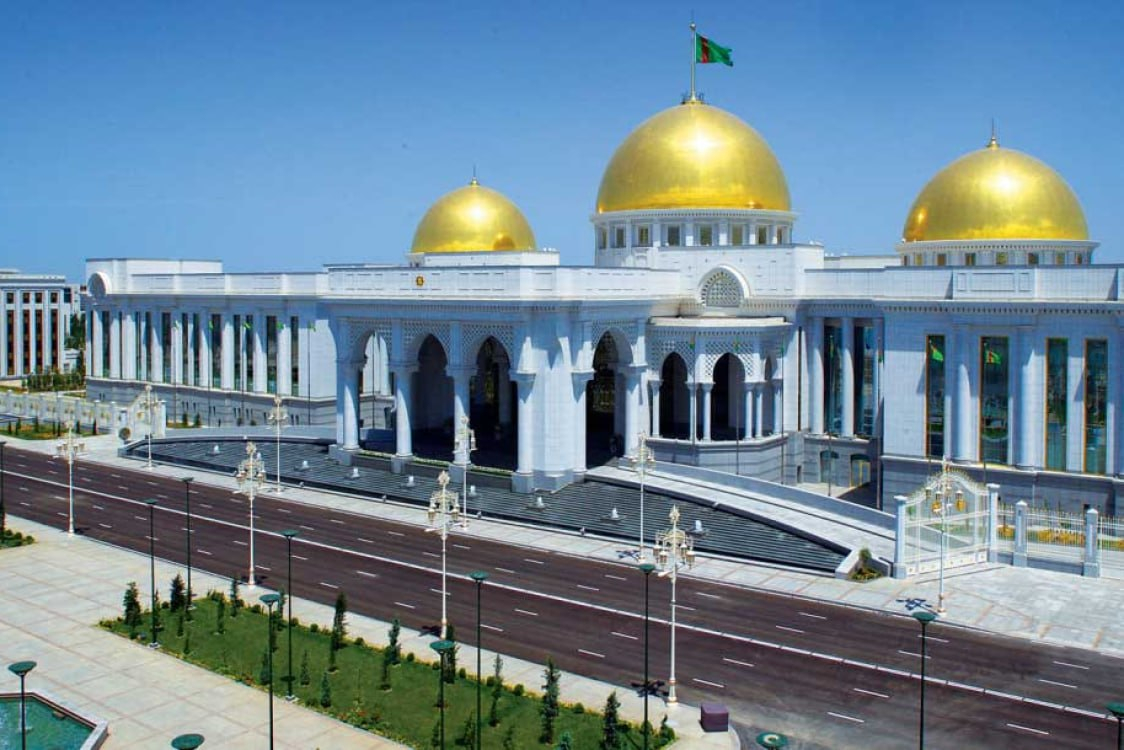
President of Turkmenistan Sends Congratulatory Message to President of Iceland
17.06.2026President of Turkmenistan Serdar Berdimuhamedov congratulated President of the Republic of Iceland Halla Tómasdóttir on the national holiday — Republic Day. This was reported by the TDH news agency. In his congratulatory message, the head of state wished the President of Iceland good health and happiness, and extended wishes of peace, well-being, and prosperity to the people of the country.
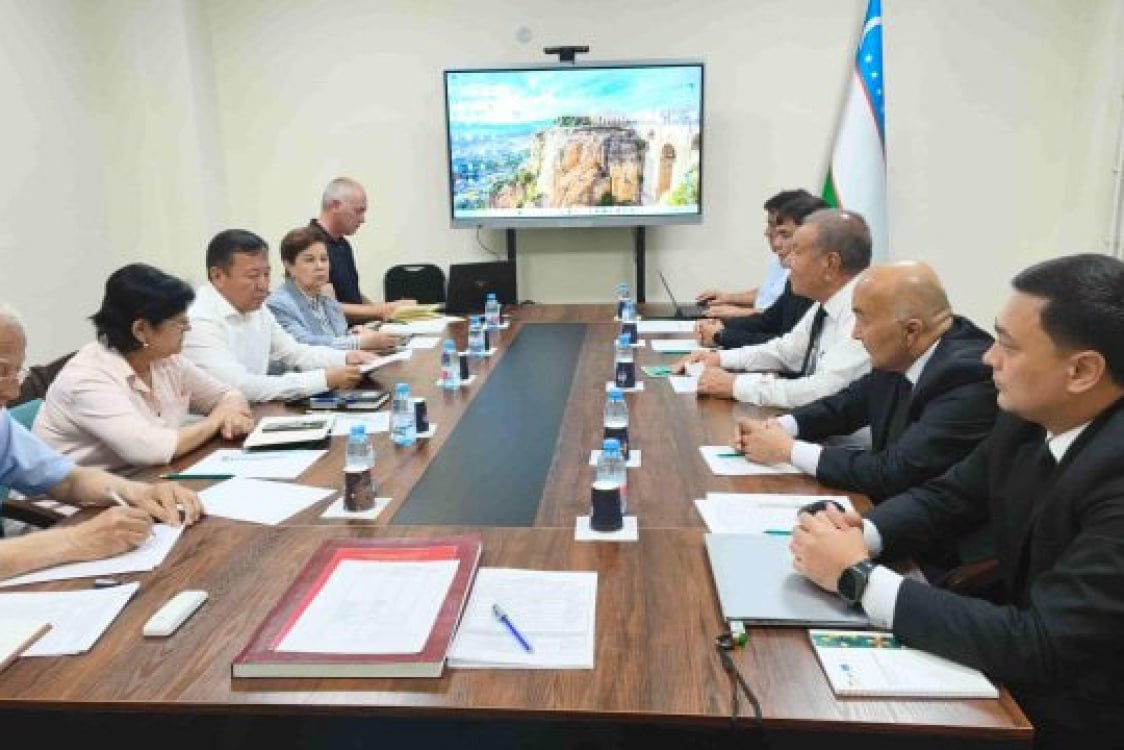
Specialists from Turkmenistan studied Uzbekistan’s green technologies
16.06.2026Specialists from the Research and Production Center “Renewable Energy Sources” of the Turkmen State Energy Institute visited the Republic of Karakalpakstan and Tashkent from June 8 to 14 to study modern solutions in the fields of water use, environmental sustainability, and renewable energy, according to the news website AsmanNews. During the visit, the delegation became familiar with the operation of drainage systems, solar pumping stations, and biological water purification technologies at the Research Institute of Irrigation and Water Problems of Karakalpakstan. The specialists also studied the cultivation of microalgae and their application in bioenergy, agriculture, and environmental projects. At the International Innovation Center of the Aral Sea region, the Turkmen side was presented with projects involving drip irrigation and solar pumping systems. In Tashkent, the delegation took part in seminars on soil analysis, salinity assessment, and improving the energy efficiency of hydraulic structures. In addition, the specialists visited the farming enterprise “Master fruit” in the Syrdarya region, where agrophotovoltaic systems are used. The experience gained is planned to be applied in a project of the Turkmen State Energy Institute on the purification of drainage waters using microalgae and renewable energy sources.
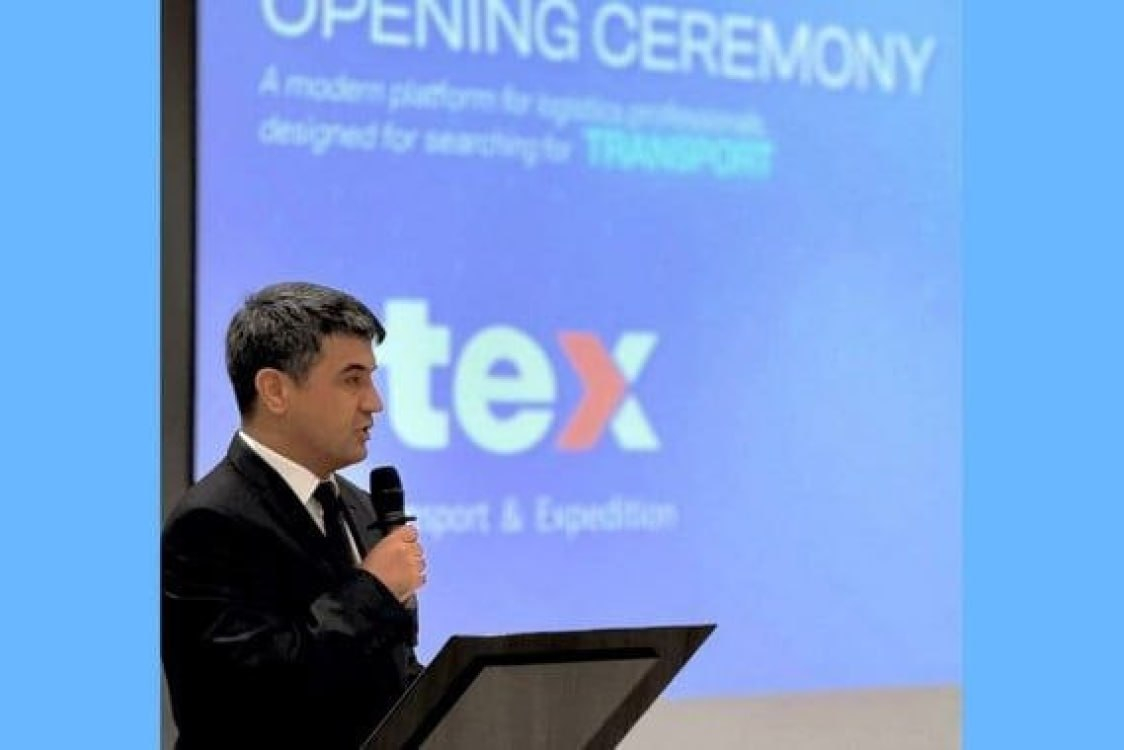
A presentation of the digital platform “Transport Expedition” was held in Ashgabat
16.06.2026A ceremony marking the official launch and presentation of the digital logistics platform “Transport Expedition” (TEX) took place in Ashgabat. It is the first digital logistics service in Turkmenistan, bringing together cargo shippers, drivers, fleet owners, and logistics companies on a single online platform, according to the news website AsmanNews. The event was attended by industry experts, entrepreneurs, manufacturers, and representatives of relevant organizations. An online broadcast via Google Meet was arranged for international participants. The project was implemented on the basis of the business entity “Daşly kenar” with the support of the “Turkmen Logistics” Association, which unites more than 160 companies. The platform was developed over a period of two years with the participation of both national and international specialists. The main function of TEX is to facilitate logistics operations and settlements in international currencies and the Turkmen manat. The service operates on a “one-stop-shop” principle and is available via a website and mobile applications on Google Play and the App Store. The platform includes intelligent transport matching, GPS cargo monitoring, optimization of logistics costs through direct interaction between participants, and analytical tools for expense planning. The system is available in English, Russian, and Turkish and has been developed with security and user convenience in mind. The platform has already been launched. To register, users must visit texexpress.pro and complete the application form.
Read also

Advertising

 Read us in Zen


