

Policy
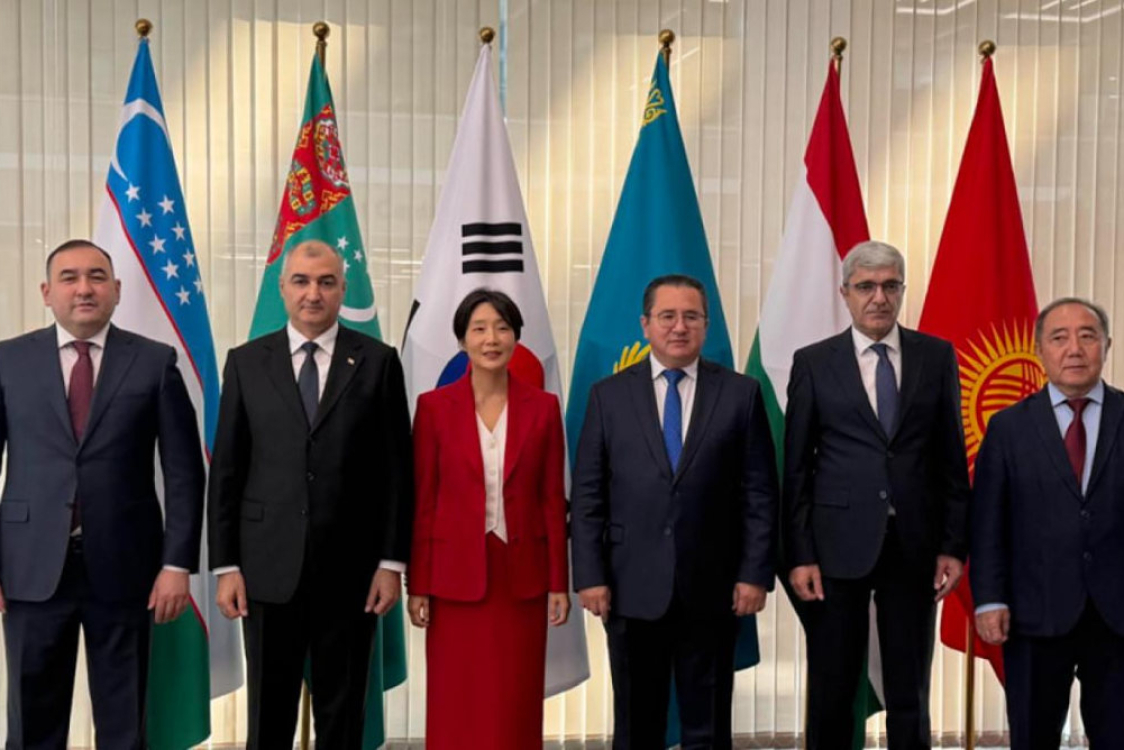
Turkmenistan has reaffirmed its commitment to developing cooperation with the Republic of Korea
02.08.2026On 31 July in Astana, Ahmet Gurbanov, Deputy Foreign Affairs Minister of Turkmenistan, took part in the third meeting of senior officials of the ‘Central Asia–Republic of Korea’ Cooperation Forum. This was reported by the press office of the Foreign Affairs Ministry of Turkmenistan. The participants discussed preparations for the forthcoming ‘Central Asia–Republic of Korea’ Summit, including the draft final document. In his address, Ahmet Gurbanov reaffirmed Turkmenistan’s commitment to developing multilateral cooperation within the framework of the Forum and emphasised the importance of strengthening the partnership between the states of Central Asia and the Republic of Korea. It was noted that the ‘Central Asia–Republic of Korea’ Summit and Business Summit would contribute to the expansion of business contacts, the implementation of joint projects and the development of cooperation in industry, energy, transport and logistics, digital technologies, agriculture and other sectors. On the same day, Ahmet Gurbanov held a meeting with Chung Eui-hae, Deputy Foreign Affairs Minister of the Republic of Korea. The parties reaffirmed their interest in the further development of the Turkmen-Korean partnership and discussed preparations for the upcoming ‘Central Asia – Republic of Korea’ Summit, noting the important role of high-level contacts in the development of bilateral relations.
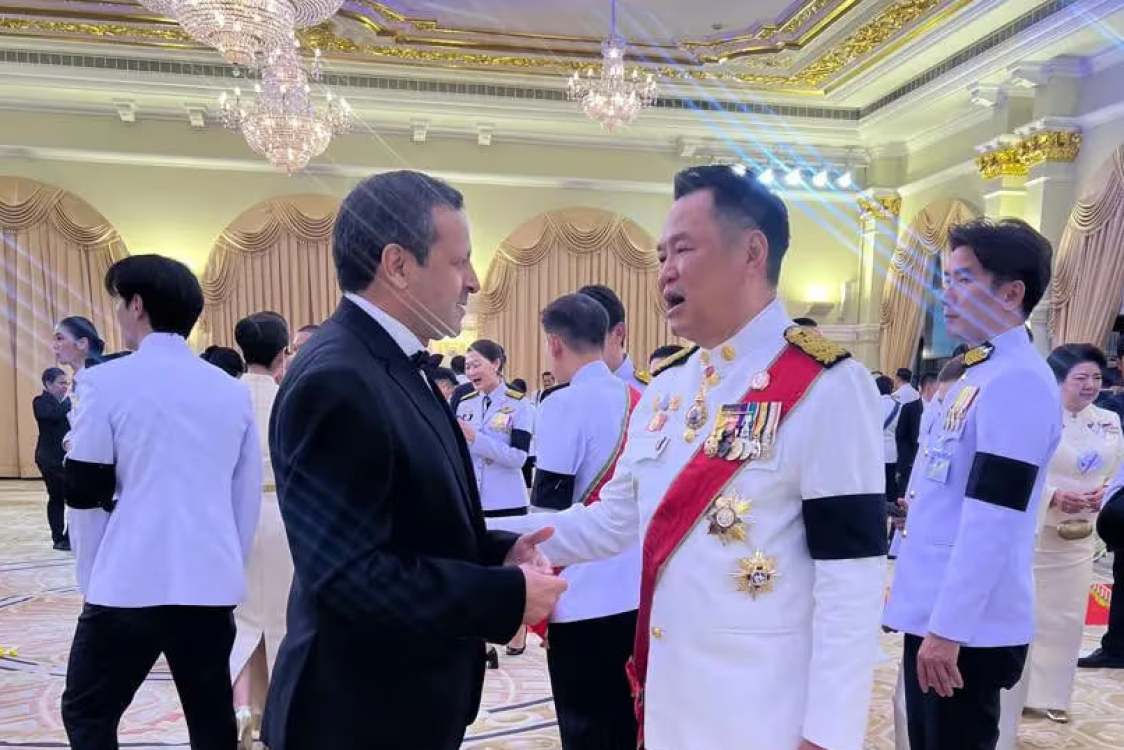
The Ambassador of Turkmenistan met with the Prime Minister of Thailand
01.08.2026During his visit to Bangkok, M. Mashalov, Turkmenistan’s Ambassador to Malaysia, attended a state reception to mark the birthday of King Maha Vajiralongkorn of Thailand. This was reported by the IIC of Turkmenistan. The event took place at the Government House of the Kingdom. As part of the programme, the diplomat held a meeting with the Prime Minister of Thailand, Anutin Charnvirakul, and extended an invitation to pay an official visit to Turkmenistan at a time convenient to both sides. The Ambassador also conveyed congratulations and best wishes on behalf of the President of Turkmenistan, Serdar Berdimuhamedov, and the National Leader of the Turkmen people, Chairman of the Halk Maslahaty of Turkmenistan, Gurbanguly Berdimuhamedov. The parties discussed the state of bilateral relations and the prospects for developing cooperation. The Prime Minister of Thailand expressed his gratitude for the congratulations and the invitation, noting his readiness to further strengthen the partnership.
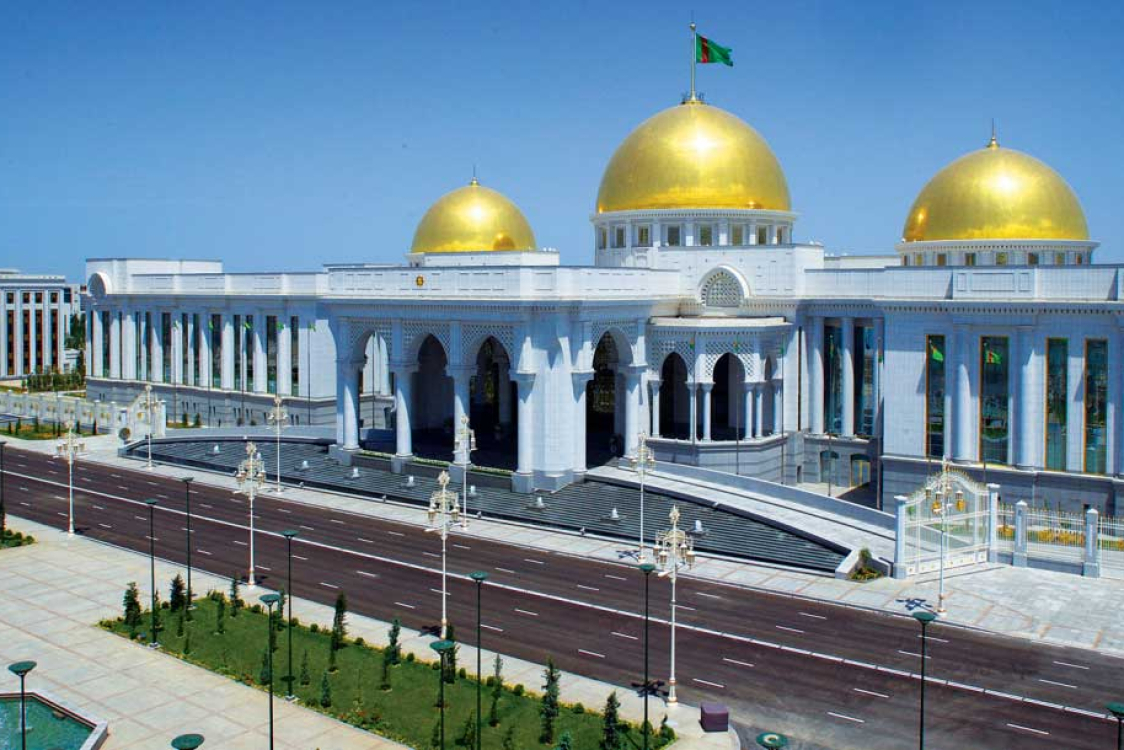
The Head of Turkmenistan has sent a message of congratulations to the President of Switzerland
01.08.2026The President of Turkmenistan, Serdar Berdimuhamedov, has sent his congratulations to the President of the Swiss Confederation, Guy Parmelin, on Swiss National Day. This was reported by the TDH news agency. In his message, the Head of State wished Guy Parmelin good health, happiness and well-being, and the people of Switzerland peace, continued progress and prosperity.
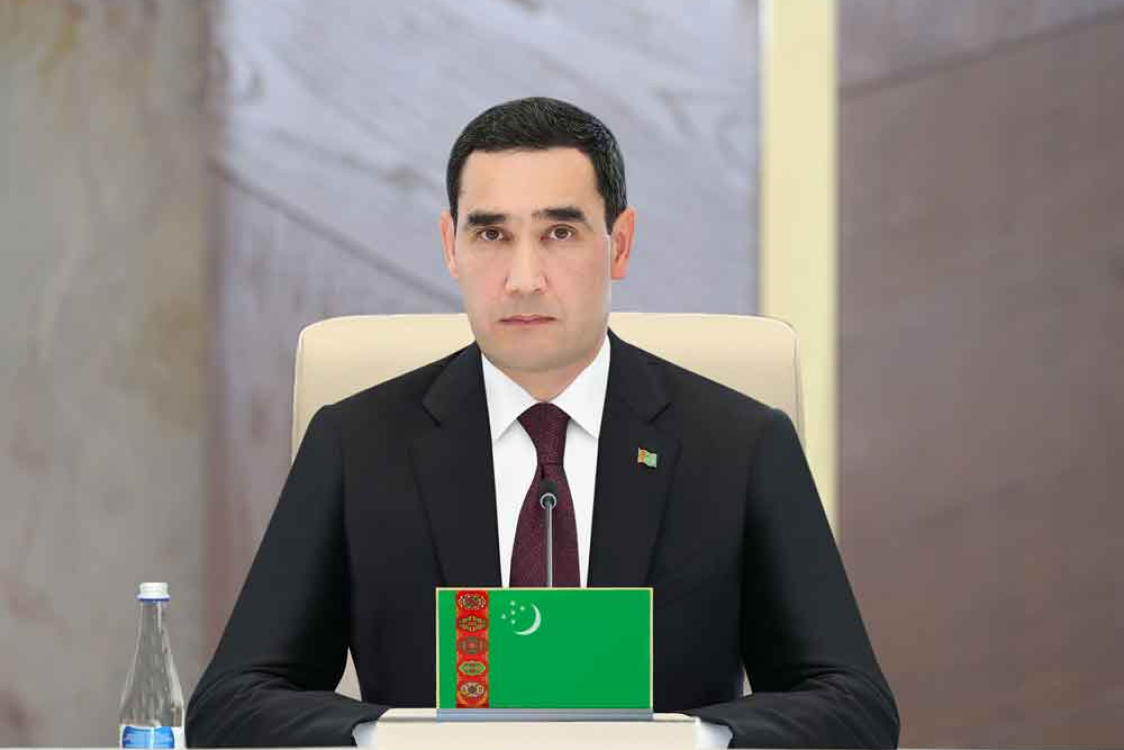
Serdar Berdimuhamedov presented the summit agenda at ‘Awaza’
01.08.2026The President of Turkmenistan, Serdar Berdimuhamedov, addressed the informal Consultative Meeting of the Heads of State of Central Asia and the Republic of Azerbaijan, outlining the main areas of preparation for the summit, which is to be held on 8 October 2026 in the ‘Awaza’ National Tourist Zone. This was reported by the online news site AsmanNews. The Head of State thanked the President of the Kyrgyz Republic, Sadyr Zhaparov, for organising the meeting and conveyed greetings to the participants from the National Leader of the Turkmen people, Chairman of the Halk Maslahaty of Turkmenistan, Gurbanguly Berdimuhamedov. The President of Turkmenistan also welcomed the participation of Ilham Aliyev, President of the Republic of Azerbaijan, noting that the decision for Azerbaijan to join the format had been taken at a consultative meeting in Tashkent in 2025. Serdar Berdimuhamedov reported that Turkmenistan had sent the participating states a draft agenda for the forthcoming summit in Awaza. The document covers five key areas: issues of peace, security and political and diplomatic cooperation; the development of trade and economic cooperation, energy, and transport and logistics corridors; joint measures in the fields of the environment, climate change and the restoration of the Aral Sea; and the expansion of cultural, educational, scientific and youth exchanges. The President of Turkmenistan noted that, during the run-up to and throughout the summit in Awaza, international forums and cultural events would also take place. Concluding his address, he expressed his gratitude to the Heads of State for their constructive approach to cooperation.
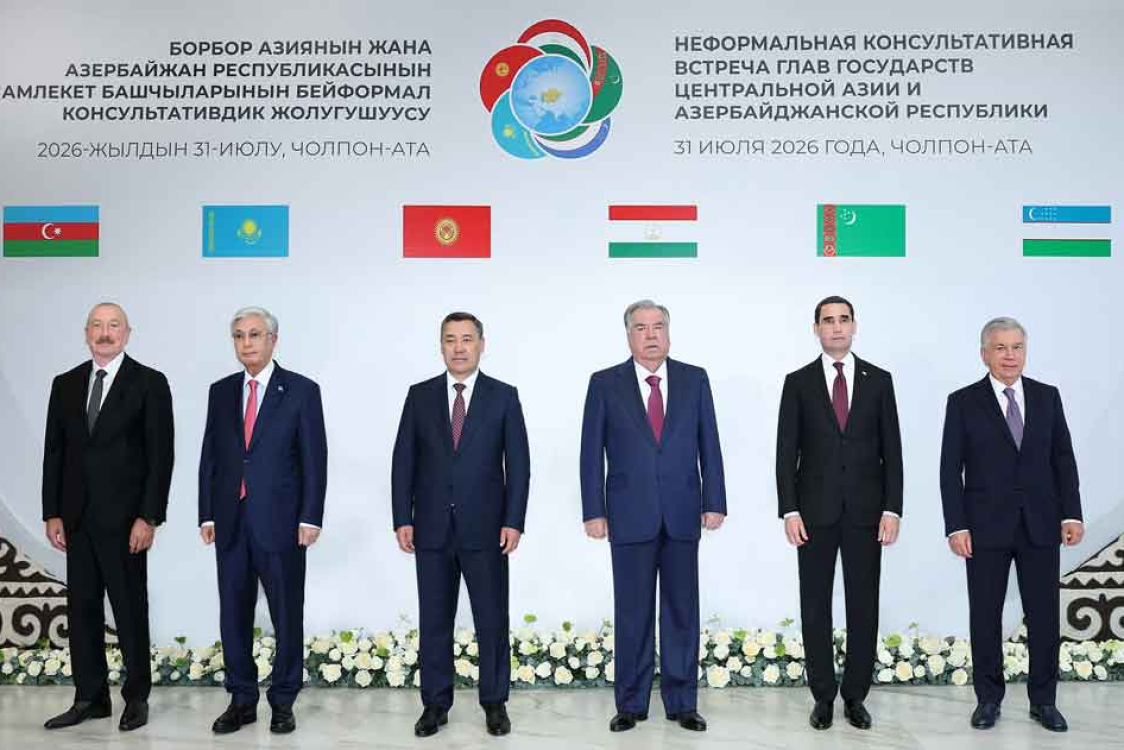
Turkmenistan took part in an informal consultative meeting in Kyrgyzstan
01.08.2026On 31 July, the President of Turkmenistan, Serdar Berdimuhamedov, paid a working visit to the Kyrgyz Republic, where he took part in an informal consultative meeting of the Heads of State of Central Asia and the Republic of Azerbaijan. This was reported by the news agency TDH. The summit took place at the Congress Centre of the State Residence of the President of the Kyrgyz Republic in the city of Cholpon-Ata. The President of Turkmenistan was welcomed by the President of the Kyrgyz Republic, Sadyr Zhaparov. Opening the meeting, Sadyr Zhaparov thanked the participants for their visit and noted that Turkmenistan will hold the chairmanship of the ‘Central Asia–Azerbaijan’ format in 2026. The President of the Kyrgyz Republic also expressed his gratitude to President Serdar Berdimuhamedov for the invitation to take part in the forthcoming summit at the ‘Awaza’ National Tourist Zone. The President of the Republic of Kazakhstan, Kassym-Jomart Tokayev, thanked Turkmenistan for acceding to the Treaty on Friendship, Good-Neighbourliness and Cooperation for the Development of Central Asia in the 21st Century. In his address, President Serdar Berdimuhamedov thanked the Kyrgyz side for their hospitality and the high standard of organisation of the meeting, and also conveyed greetings to the participants from the National Leader of the Turkmen people, Chairman of the Halk Maslahaty of Turkmenistan, Gurbanguly Berdimuhamedov. The Head of State noted that on 8 October 2026, a Consultative Meeting of the Heads of State of Central Asia and the Republic of Azerbaijan will take place in the ‘Awaza’ National Tourist Zone. According to him, Turkmenistan has already sent the participating states a draft agenda covering issues of regional security, political and diplomatic cooperation, trade and economic cooperation, energy, transport, the environment, water resources, the restoration of the Aral Sea, as well as the development of cultural, educational and scientific ties. The President of Turkmenistan emphasised that, as part of the preparations for the summit in Awaza, a number of international forums and cultural events are also planned. Following the meeting, the Heads of State signed the Cholpon-Ata Declaration, reaffirming their commitment to further strengthening cooperation, relations of friendship, good neighbourliness, mutual respect and trust. Following the conclusion of the summit, President Serdar Berdimuhamedov, together with the other heads of state, took part in the opening ceremony of the ‘Baku’ hotel in the village of Kara-Oy in the Issyk-Kul region and toured the new hotel complex. Upon completion of the working visit programme, the President of Turkmenistan returned to Ashgabat.
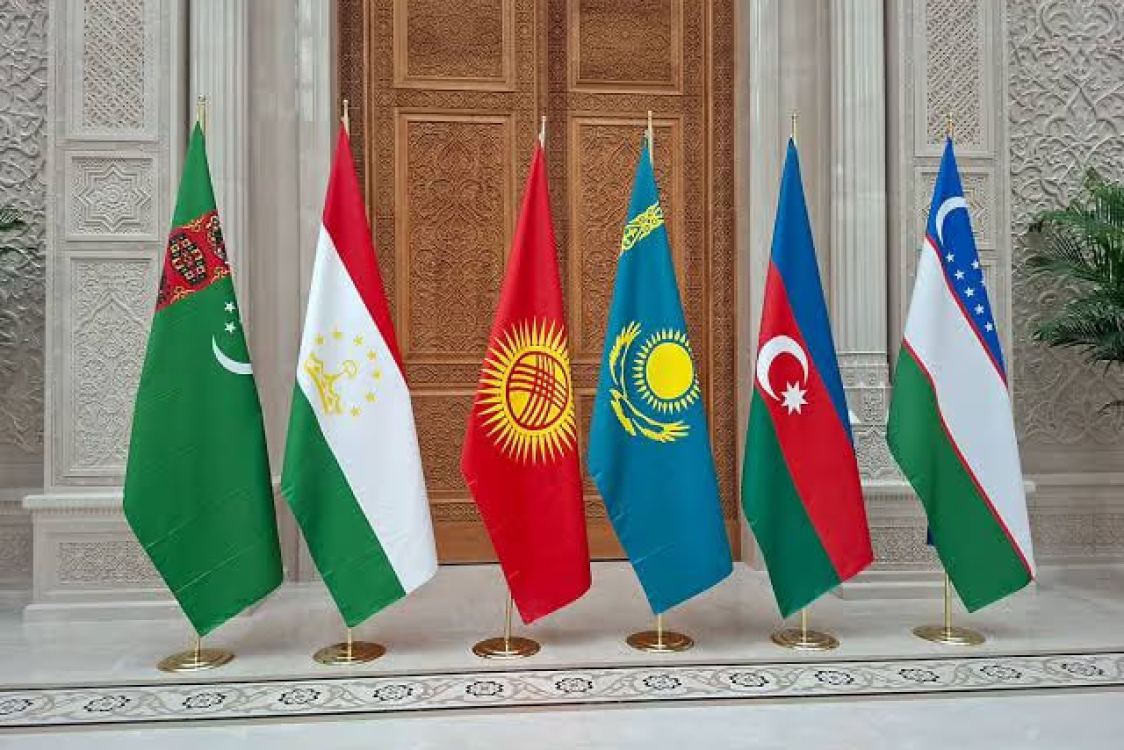
Turkmenistan will host the first ‘Central Asia–Azerbaijan’ summit
01.08.2026The first ‘Central Asia–Azerbaijan’ summit will take place on 8 October in Turkmenistan. This was announced by the President of Turkmenistan, Serdar Berdimuhamedov, at an informal meeting of the Heads of State of Central Asia and the Republic of Azerbaijan in the Kyrgyz Republic, according to IIC of Turkmenistan. The Head of Turkmenistan stated that the draft agenda for the summit had been prepared and sent to all participants in this new cooperation format. The document covers issues of regional and international security, the development of political and diplomatic cooperation, and collaboration in the energy, transport and logistics sectors. The parties also plan to discuss joint environmental protection activities, adaptation to climate change, the rational use of water resources, measures to save the Aral Sea, as well as the development of cultural, humanitarian, educational and youth exchanges.
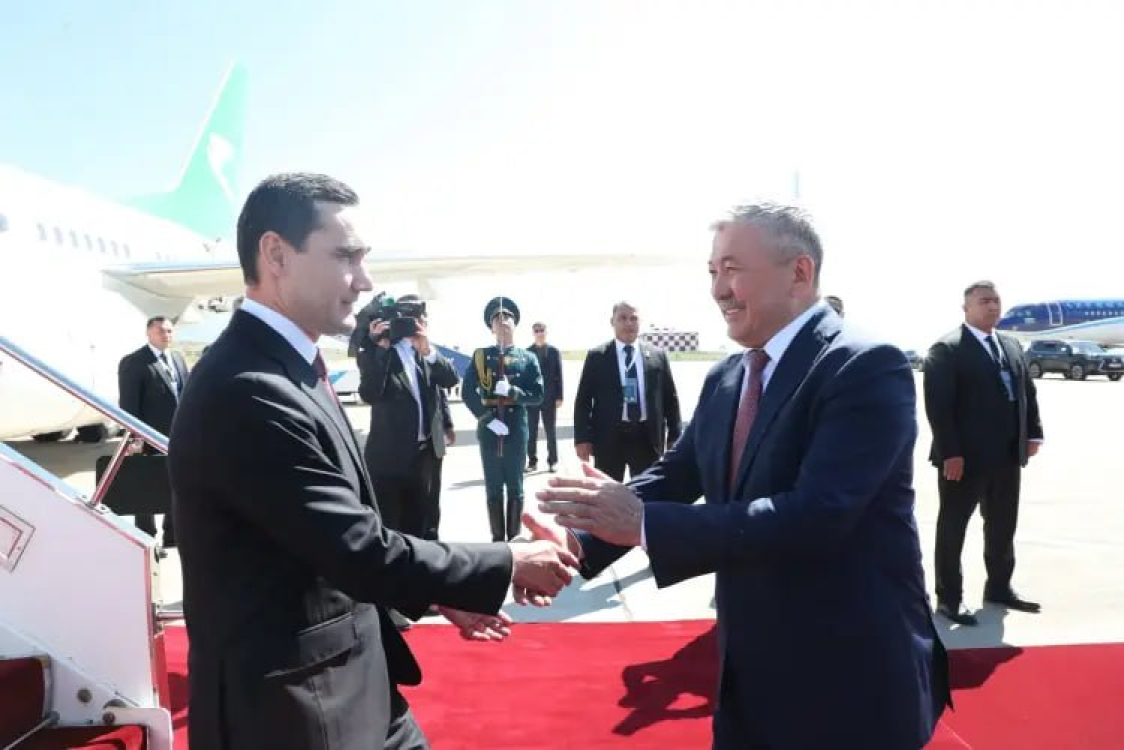
The President of Turkmenistan has arrived in Kyrgyzstan for a meeting of Central Asian leaders
31.07.2026On 31 July, the President of Turkmenistan, Serdar Berdimuhamedov, arrived in Kyrgyzstan to take part in an informal consultative meeting of the heads of state of Central Asia and the President of the Republic of Azerbaijan, which is being held in Cholpon-Ata on Lake Issyk-Kul. This was reported by the news website Turkmenportal. The Turkmen leader was met at Issyk-Kul Airport by Adylbek Kasymaliyev, Chairman of the Cabinet of Ministers of Kyrgyzstan. The meeting is taking place from 30 July to 1 August. The leaders will discuss the development of cooperation in the fields of trade, energy, tourism, transport corridors and cultural and humanitarian ties. Serdar Berdimuhamedov’s visit to Kyrgyzstan will continue over the coming days.
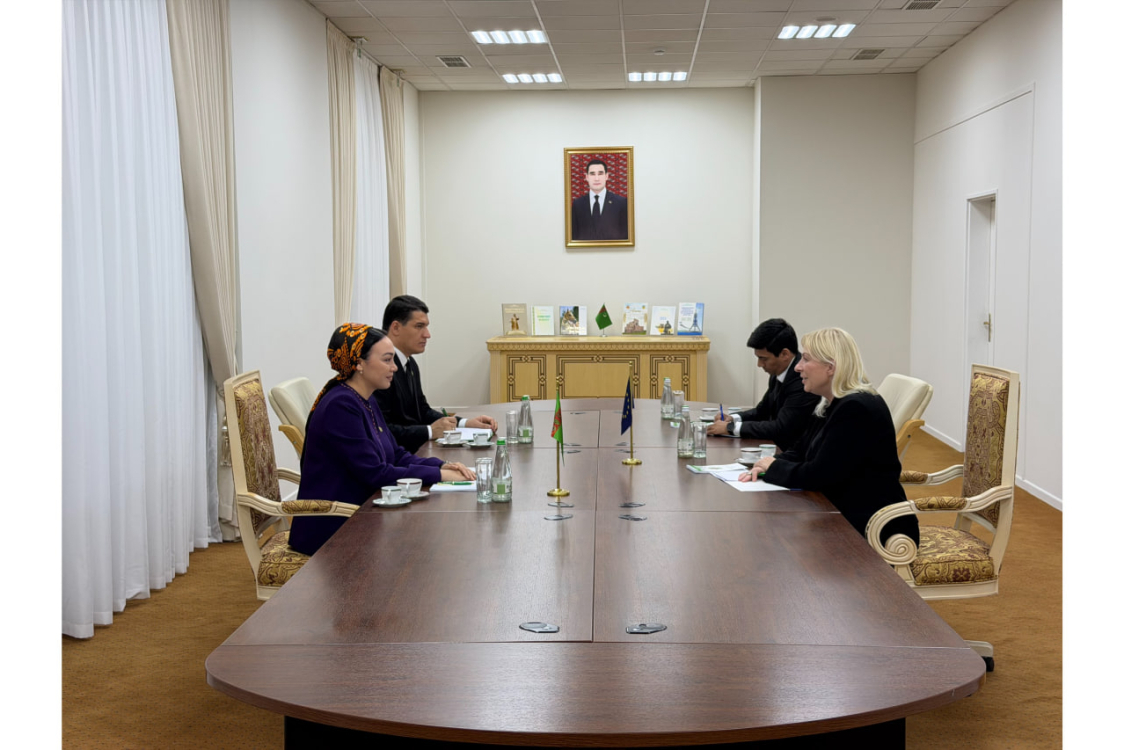
The Speaker of the Mejlis of Turkmenistan met with the EU Ambassador
31.07.2026On 30 July 2026, the Chairwoman of the Mejlis of Turkmenistan, D. Gulmanova, held a meeting with Beata Peksa, the European Union’s Ambassador Extraordinary and Plenipotentiary to Turkmenistan. This was reported by the press office of the Mejlis of Turkmenistan. The parties discussed the development of cooperation between Turkmenistan and the European Union in the political, diplomatic, trade, economic, cultural and humanitarian spheres. During the meeting, the prospects for cooperation in the fields of sustainable development, energy, the environment, science and education, the creation of transport corridors and the expansion of trade and economic ties were highlighted. The importance of the ‘Central Asia–European Union’ format in achieving the Sustainable Development Goals was also emphasised. Particular attention was paid to the ‘Turkmenistan–European Union’ inter-parliamentary dialogue as a mechanism for strengthening cooperation and exchanging views on topical issues. Beata Peksa noted the role of Turkmenistan’s policy of neutrality and its participation in international cooperation in the fields of security, the rule of law, the protection of human rights, gender equality, environmental protection, digitalisation and water resource management. At the conclusion of the meeting, D. Gulmanova expressed her gratitude to the Ambassador for her contribution to the development of friendly relations between Turkmenistan and the European Union, as well as to inter-parliamentary cooperation.
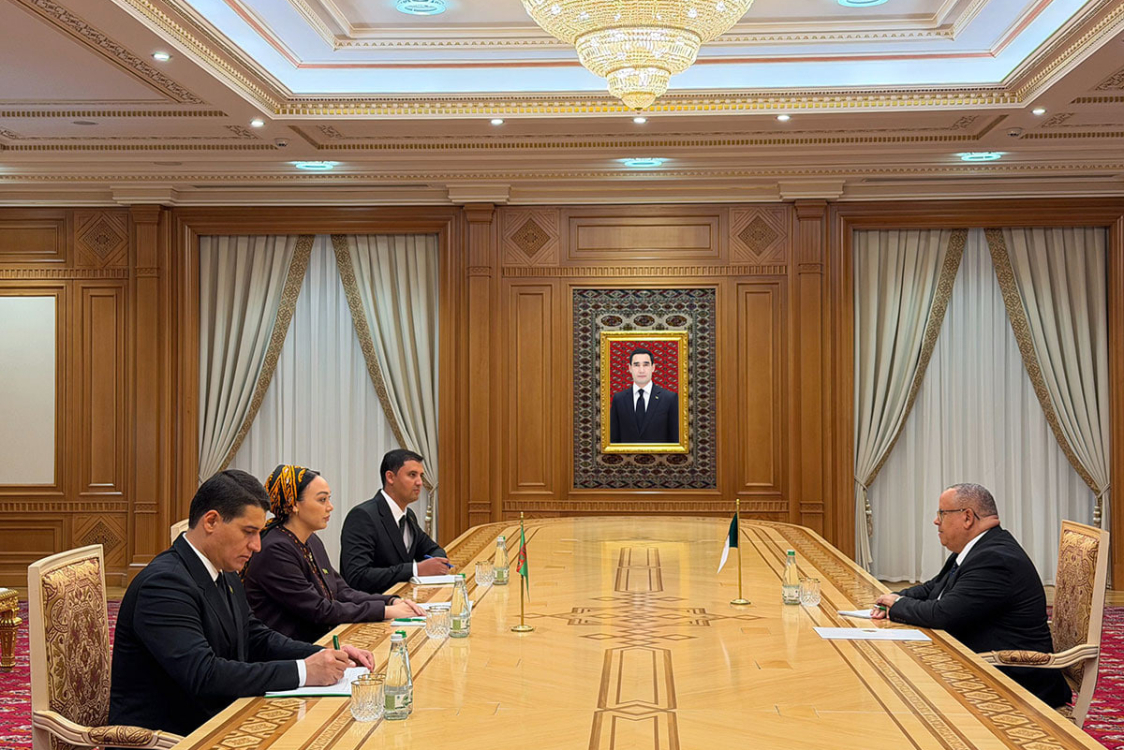
The Chairwoman of the Mejlis of Turkmenistan accepted the credentials of the Algerian Ambassador
30.07.2026On 29 July, the Chairwoman of the Mejlis, D. Gulmanova, accepted the credentials of the newly appointed Ambassador Extraordinary and Plenipotentiary of the People’s Democratic Republic of Algeria to Turkmenistan, Boumédiène Guennad. This was reported by the news agency TDH. On behalf of the President of Turkmenistan, she congratulated the diplomat on his appointment and wished him every success in strengthening bilateral relations. The Ambassador conveyed greetings from the President of the People’s Democratic Republic of Algeria, Abdelmadjid Tebboune, to President Serdar Berdimuhamedov, as well as best wishes to the people of Turkmenistan. During the meeting, Boumédiène Guennad was briefed on the activities of the Mejlis, the process of improving the legislative framework, and the main directions of the country’s domestic and foreign policy. The parties discussed the prospects for developing friendly relations between Turkmenistan and Algeria, as well as for expanding cooperation in line with the common interests of the two states. At the conclusion of the meeting, the Ambassador expressed his readiness to contribute to the further strengthening of inter-state dialogue.
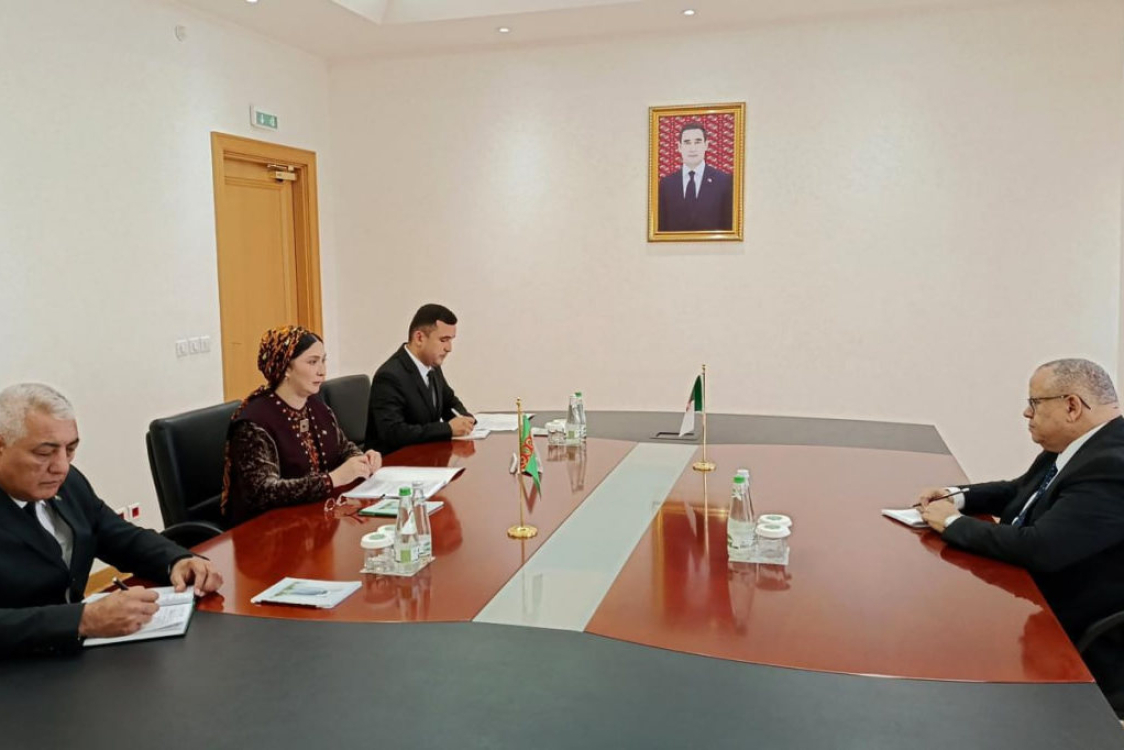
A meeting with the Algerian Ambassador took place at the MFA of Turkmenistan
30.07.2026On 29 July 2026, Myahri Byashimova, Deputy Foreign Affairs Minister of Turkmenistan, held a meeting with Boumédiène Guennad, Ambassador of the People’s Democratic Republic of Algeria to Turkmenistan (resident in Ankara), who presented copies of his credentials. This was reported by the press service of the Foreign Affairs Ministry of Turkmenistan. M. Byashimova congratulated the diplomat on his appointment and expressed her readiness to assist him in carrying out his duties. The parties discussed the prospects for developing Turkmen-Algerian cooperation in the political-diplomatic, trade-economic and cultural-humanitarian spheres. They noted the importance of regular contacts between the foreign ministries of the two countries, as well as the organisation of meetings at the highest and senior levels. Particular attention was paid to the development of inter-parliamentary cooperation and the strengthening of the legal and treaty framework for cooperation. The diplomats reaffirmed their interest in continuing cooperation within international and regional organisations, primarily the UN, with a view to strengthening peace, stability and sustainable development. In the economic sphere, the parties agreed to expand their participation in exhibitions and business forums in Ashgabat and Algeria. Agriculture and the textile industry were highlighted as promising areas for cooperation. Discussions also covered the expansion of cultural and humanitarian ties, including cooperation between the ministries of culture and education and the higher education institutions of both countries, as well as the development of joint programmes in the fields of sport and tourism. Following the meeting, the parties reaffirmed their intention to strengthen bilateral ties in areas of mutual interest.
The prospects for the EBRD’s involvement in energy projects in Turkmenistan were discussed
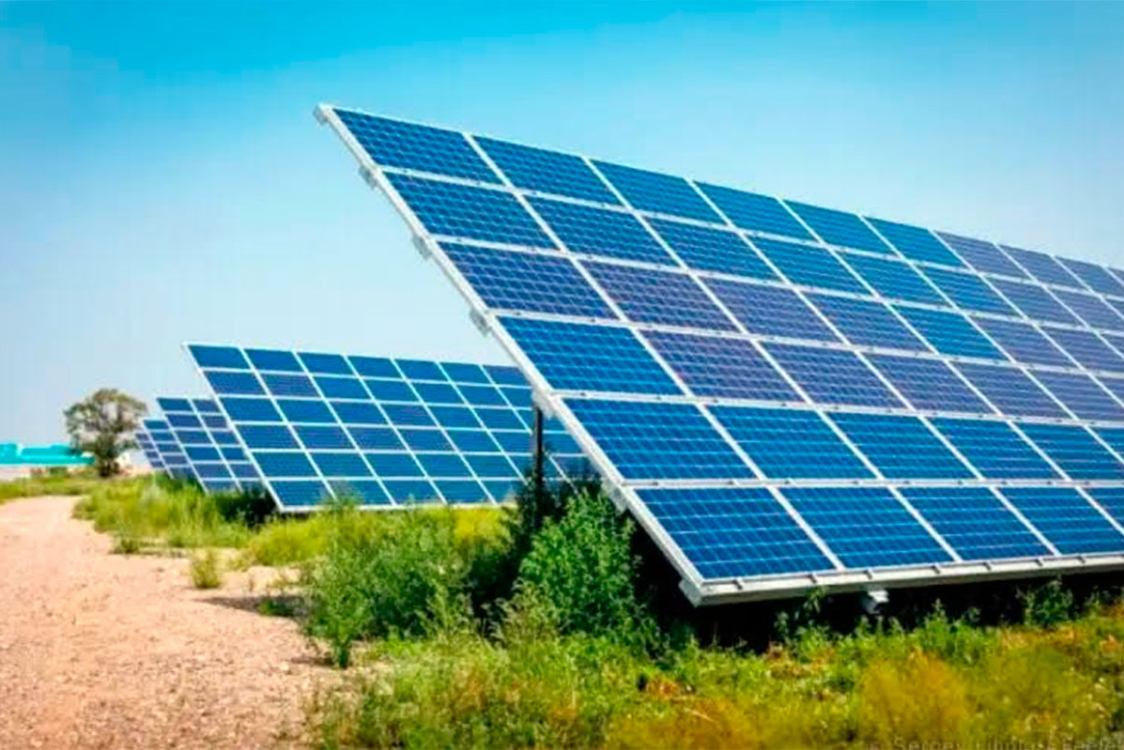
30.07.2026On 28 July, the President of Turkmenistan, Serdar Berdimuhamedov, held a meeting with the President of the European Bank for Reconstruction and Development (EBRD), Odile Renaud-Basso, who had arrived in Turkmenistan on a visit. The parties discussed the bank’s involvement in the country’s environmental and energy projects, according to the news agency ‘Turkmenistan: Golden age’. The Head of State noted that Turkmenistan is focusing on the development of clean and ‘green’ energy, as well as the diversification of the energy sector. The President of Turkmenistan emphasised the prospects of involving the EBRD in the implementation of new national projects in these areas. Issues relating to the development of the agro-industrial complex, the rational use of water resources and the expansion of cooperation in the environmental sphere were also discussed.
Gurbanguly Berdimuhamedov met with members of the ‘Galkynyş’ group
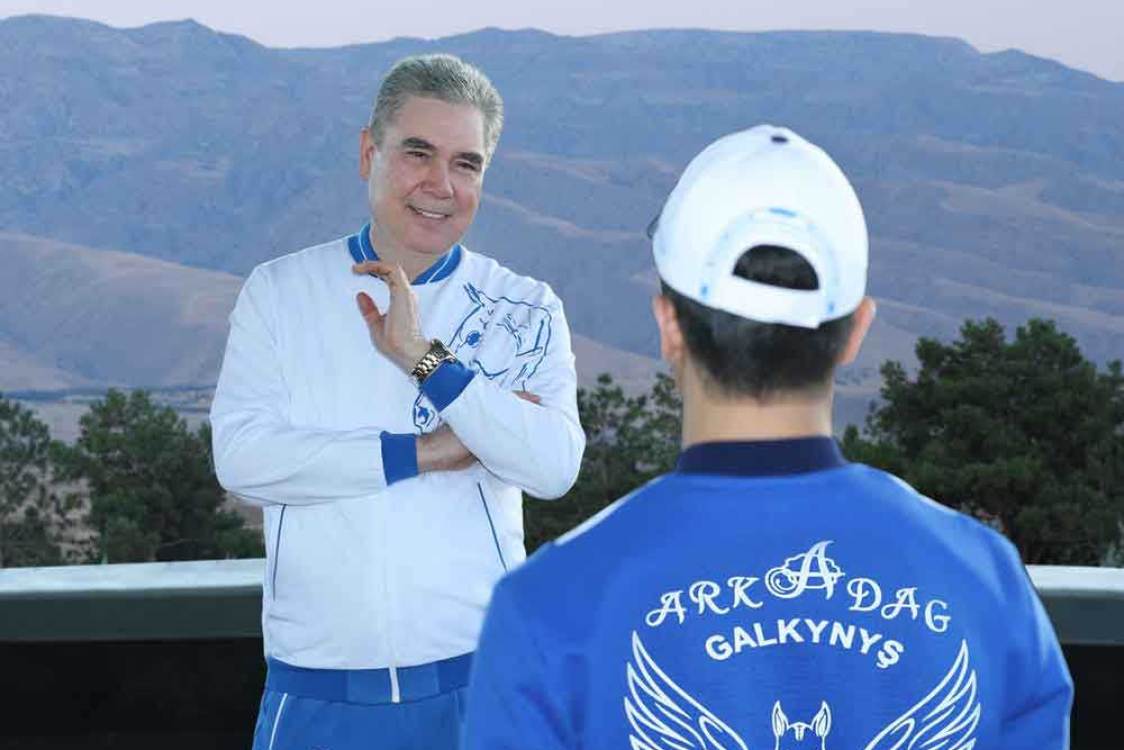
30.07.2026The National Leader of the Turkmen people, Gurbanguly Berdimuhamedov, Chairman of the Halk Maslahaty of Turkmenistan, met with members of the ‘Galkynyş’ National Equestrian Games Team, who are set to represent Turkmenistan at the World Equestrian Games and the Ahal-Teke Horse Beauty Contest in the Kingdom of the Netherlands. Hero Arkadag enquired about the progress of their preparations and wished the athletes every success at the international competitions, according to the online news site AsmanNews. Preparations for the Turkmen delegation’s participation are being co-ordinated by the State Organising Committee, established in accordance with a resolution by the President of Turkmenistan, Serdar Berdimuhamedov. During the meeting, Gurbanguly Berdimuhamedov discussed the group’s training, studies and plans with its members, noting the importance of supporting young people and developing national equestrian sport. The National Leader of the Turkmen people emphasised that the state is creating the necessary conditions for the athletes’ preparation and expressed confidence in their strong performance. Members of the ‘Galkynyş’ Group thanked President Serdar Berdimuhamedov and the National Leader of the Turkmen people for their support and expressed their readiness to represent Turkmenistan with honour at the upcoming international competitions.
Read also
Advertising
 Read us in Zen


