



Society
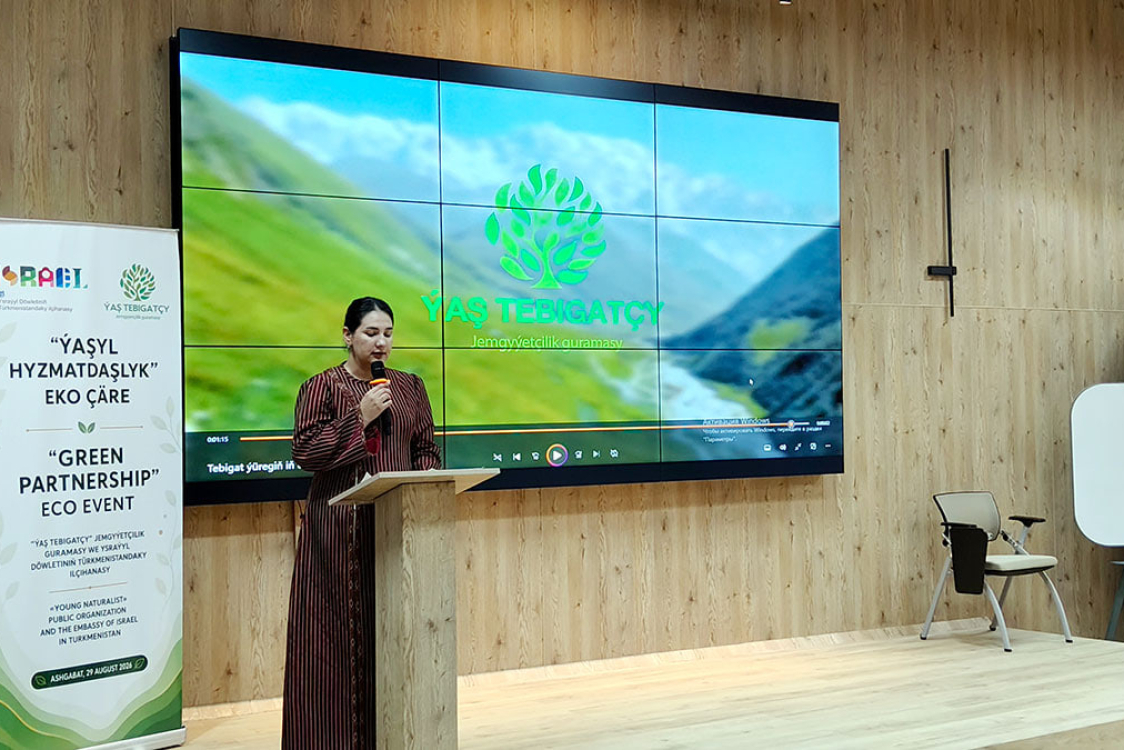
An environmental campaign called ‘Green Partnership’ took place in Ashgabat
01.09.2026On 29 August, the ‘Young Naturalist’ public organisation held an environmental event entitled ‘Green Partnership’ at the ‘Bilelik Hub’ creative centre in the ‘Ashgabat’ shopping and entertainment centre. This was reported by the news agency ‘Turkmenistan: Golden age’. Participants discussed environmental protection issues, presented eco-innovations and watched videos about Turkmenistan’s nature. They also explored waste reduction and reuse in an interactive format. As part of a ‘round-table’ discussion, participants sought solutions to environmental problems. The programme included the ‘Green Impulse’ eco-flashmob and the ‘Your Game’ team-based environmental quiz. The most active participants were presented with certificates of honour. The event took place with the support of the Embassy of the State of Israel in Turkmenistan.
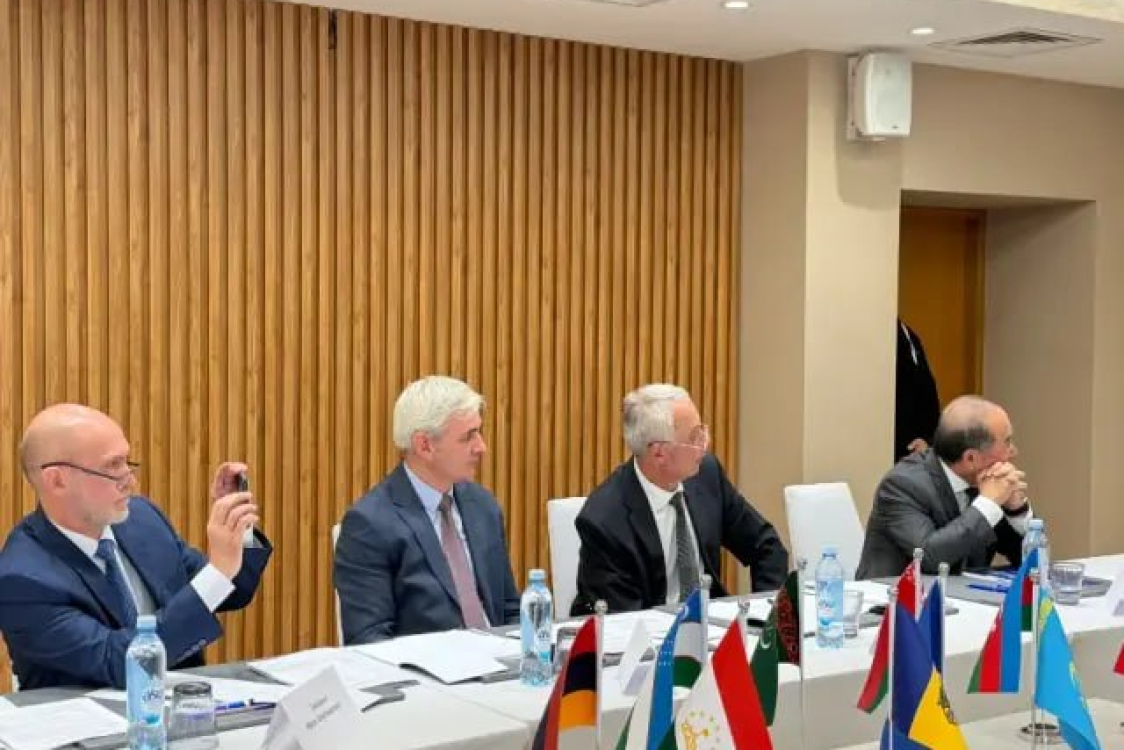
Tourism has been designated a priority of Turkmenistan’s state policy
01.09.2026Gulalek Muhammetberdiyeva, Head of the Department of International Press and Information at the State Information Agency of Turkmenistan (TDH), spoke at the 35th meeting of the Council of Heads of CIS State Information Agencies, where she discussed the country’s tourism potential. This was reported by the news website Turkmenportal. According to her, tourism has become one of the priority areas of Turkmenistan’s state policy in recent years. ‘Funds are being channelled into this. At the state level, support is being provided to private companies operating in this sector,’ noted Muhammetberdiyeva. A separate area of focus, she said, is desert tourism, which attracts travellers interested in extreme itineraries and unusual natural landscapes. Discussions also centred on the ‘Awaza’ national tourist zone, which has been under development since 2008 and is being expanded with new hotels and infrastructure facilities. In October, Awaza will host meetings of the CIS Council of Heads of State and a number of cultural events. Muhammetberdiyeva highlighted Turkmenistan’s rich historical heritage, citing the ancient sites of Merv, Nisa and Kunya-Urgench – all included on the UNESCO World Heritage List – as among the most significant. The meeting participants were shown a video highlighting the country’s tourism potential – featuring historical monuments, desert landscapes, Awaza and the capital.

Turkmenistan will present the kurash at the Nomads’ Games in Kyrgyzstan
31.08.2026The 6th World Nomad Games – the year’s largest ethnic sports and cultural forum, featuring delegations from dozens of countries – are set to begin in Kyrgyzstan on 31 August. This was reported by the Orient news agency. Turkmenistan is taking part in the Games and contributing to the preservation of the heritage of the peoples of the East. A key event for Turkmen athletes will be the national sport of kurash, which has been officially included in the competition programme. The World Nomad Games combine sporting competitions with an ethno-cultural programme featuring crafts, folklore and traditions. For Turkmenistan, participation in the Games presents an opportunity to compete for medals in traditional disciplines and to strengthen cultural ties in the region. As part of the Games, the International Scientific Conference ‘Nomad Civilisations: Heritage, Paradigms, and Prospects’ will take place. Its themes include the role of nomadic civilisations in world history, issues of sustainable development, digitalisation and the preservation of cultural heritage. The Centre for Nomadic Civilisation is hosting the exhibition ‘The Story of the Great Mountains’, as well as avenues of stone and sand sculptures. Guests can enjoy guided tours, masterclasses in painting, printmaking, sculpture and ceramics, an exhibition of ancient Kyrgyz armour, as well as the fire show ‘The Mystery of Khan Tengri’.
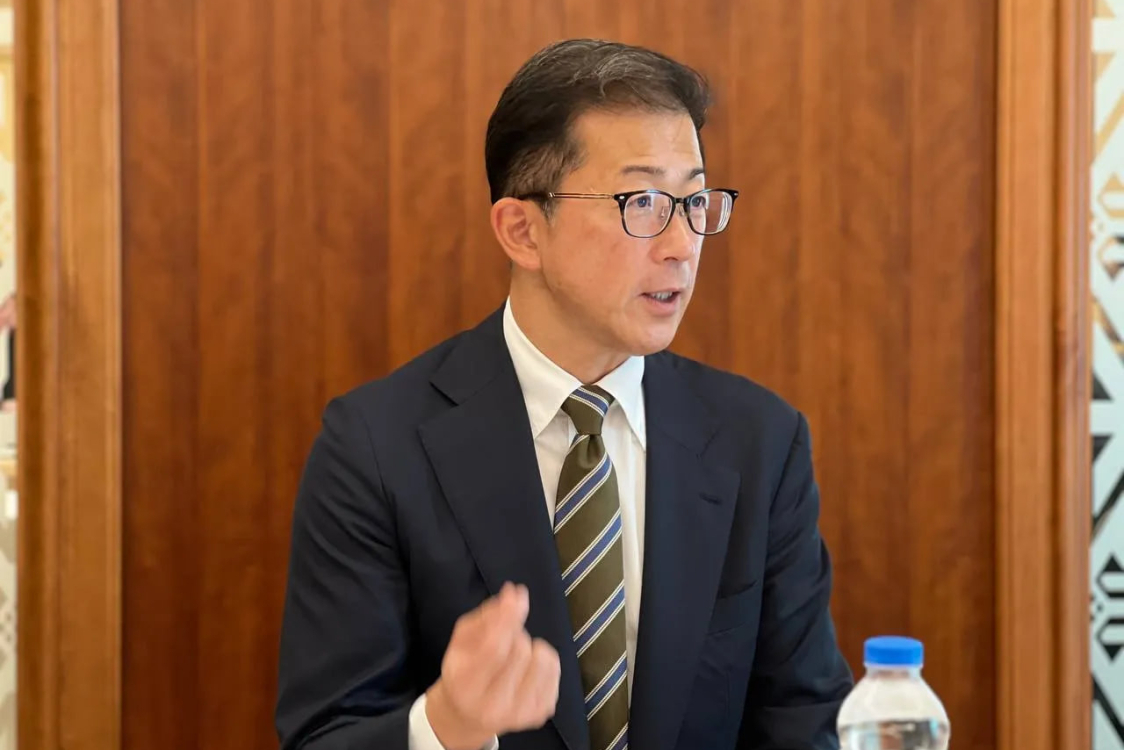
Turkmenistan and Japan are planning to set up data centres
31.08.2026Japan plans to train Turkmen specialists in the field of artificial intelligence and to support the establishment of data centres in Turkmenistan. This was stated by Toshihiro Kitamura, Director-General for Press and Public Affairs at the Foreign Affairs Ministry of Japan, at a press briefing in Ashgabat, according to the news website Turkmenportal. According to him, online training could be delivered with the participation of specialists from the University of Tokyo, which houses a laboratory run by a professor specialising in artificial intelligence. Cooperation in this area is developing within the framework of the ‘Central Asia–Japan’ dialogue. Mr Kitamura highlighted the need to develop AI for economic growth and to establish international rules governing its use. The Japanese side also intends to take Turkmenistan’s needs into account. In particular, Tokyo is prepared to facilitate the use of AI in the exploration of natural resources. Furthermore, Japanese private companies are interested in establishing data centres in Turkmenistan. They are considering the possibility of cooperating with local companies or working directly with the country’s government.
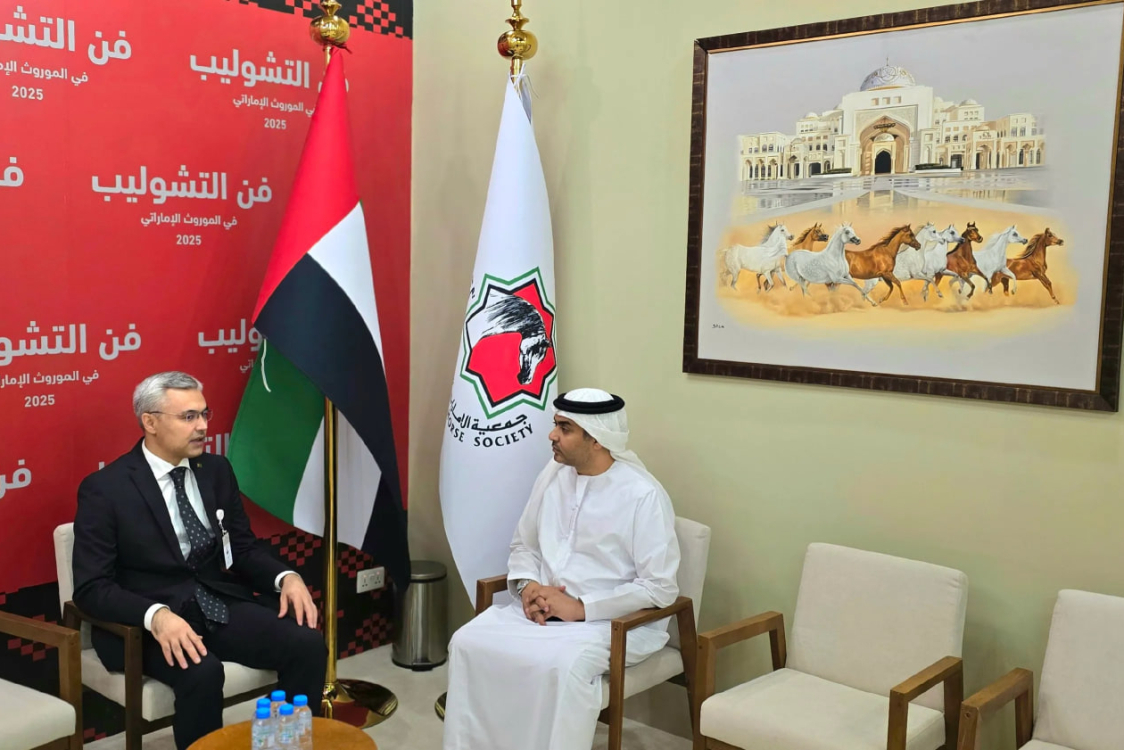
Turkmenistan and the UAE discussed cooperation in the field of horse breeding
31.08.2026Bayram Bayramov, Ambassador of Turkmenistan to the UAE, met with Mohammed Ahmed Al Harbi, Director-General of the Emirates Arabian Horse Society (EAHS). The negotiations took place at the Abu Dhabi International Hunting and Equestrian Exhibition (ADIHEX), according to the news website Turkmenportal. The parties discussed the further development of cooperation in the field of horse breeding. The Emirati side noted the success of the Society’s delegation’s visit to Turkmenistan on 5–7 August. Particular attention was paid to the performance by the ‘Galkynyş’ equestrian troupe, as well as to the Aba Annayev International Academy of Horse Breeding and the Scientific and Production Centre for Horse Breeding in Arkadag. During the meeting, information was also provided on the Ahal-Teke Horse Championship, which is to be held for the first time on 4–6 September at the Peelbergen Equestrian Centre in Kronenberg, the Netherlands. The event aims to promote the Ahal-Teke breed abroad.
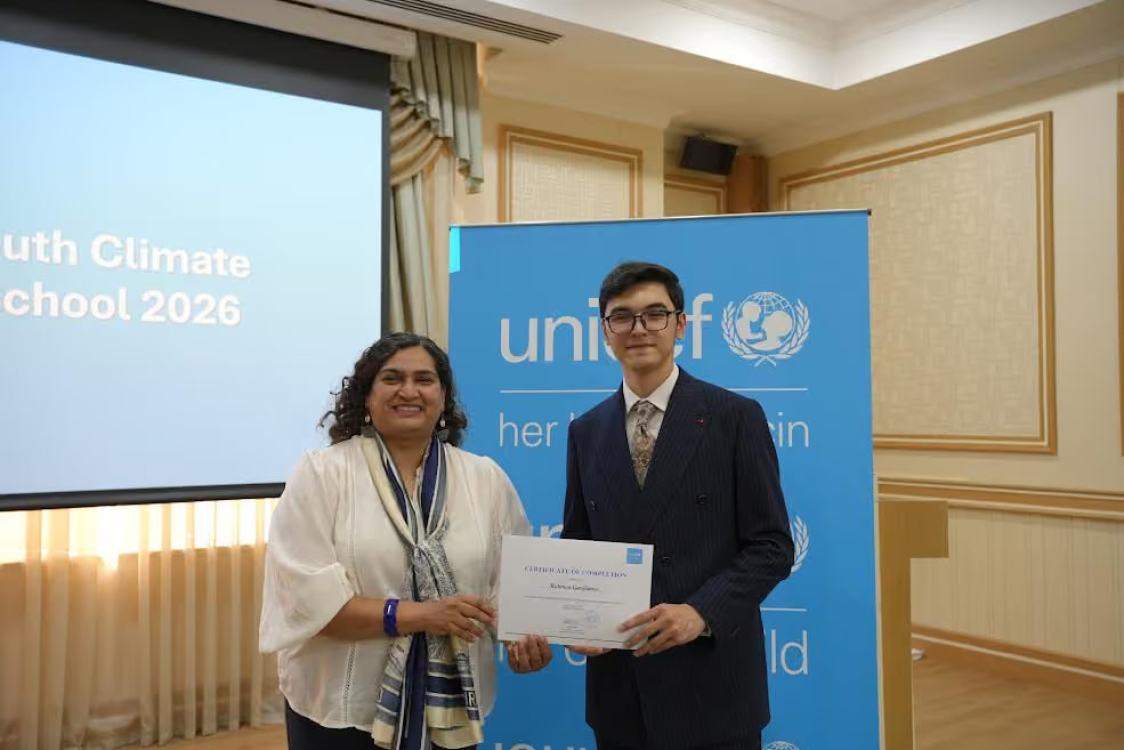
The UNICEF Youth Summer School has come to an end in Turkmenistan
30.08.2026The second UNICEF Youth Summer School on climate change has come to a close in Turkmenistan. Thirty-three young representatives from all the velayats of the country took part. The event was held as part of the Joint Work Plan for 2026 between the Ministry of Education of Turkmenistan and UNICEF, according to IIC of Turkmenistan. Participants took part in interactive sessions and practical workshops, and visited the Kopetdag State Nature Reserve and the private enterprise ‘Tudana’. As a result, they developed initiatives for their local communities. The main outcome of the School was the drafting of a National Youth Statement from Turkmenistan for the 31st Conference of the Parties to the United Nations Framework Convention on Climate Change (COP 31), which will take place from 9 to 20 November this year. The draft document will be discussed amongst young people across all regions of the country, after which it will be submitted to YOUNGO – the official youth group of the UNFCCC.
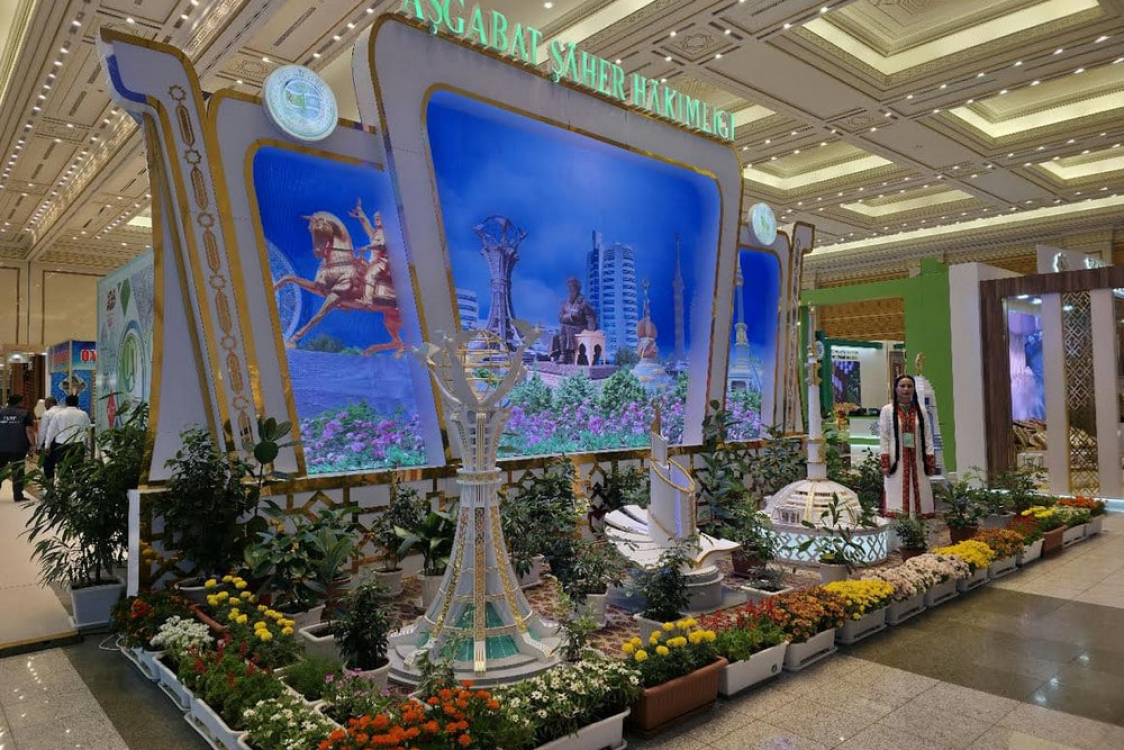
Turkmenistan is preparing for an exhibition showcasing its economic achievements
30.08.2026On 28 August, at a meeting, the Deputy Chairman of the Cabinet of Ministers, N. Atagulyev, reported on preparations for an exhibition showcasing Turkmenistan’s economic achievements, timed to coincide with the 35th anniversary of the country’s independence. This was reported by the news agency TDH. Preparations are currently under way to organise and stage the exhibition. The exhibition will showcase Turkmenistan’s achievements since independence and the reforms undertaken in various sectors. Having heard the report, the President of Turkmenistan, Serdar Berdimuhamedov, instructed that the exhibition should highlight the country’s key achievements and that the exhibition be organised and staged to a high standard.
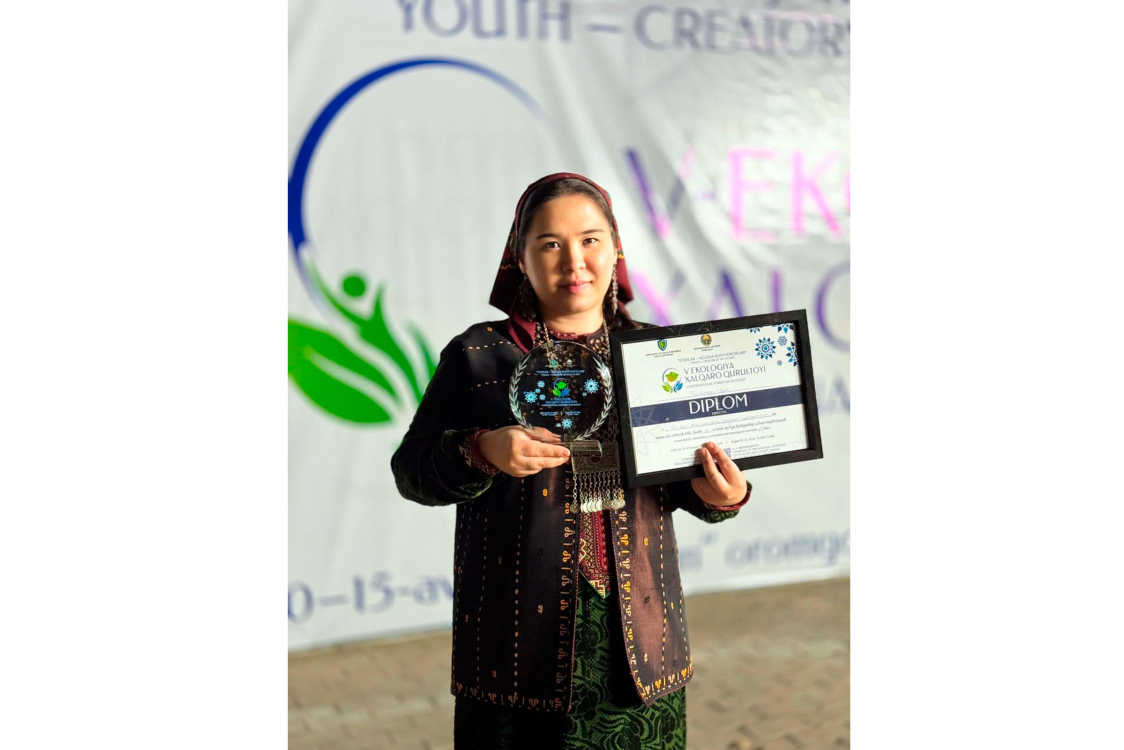
Turkmen project named best at environmental congress
29.08.2026A representative from Turkmenistan took first place at the 5th International Environmental Congress ‘Youth – Builders of the Future,’ held August 10–15, 2026, in Shakhrisabz, Uzbekistan, according to the ‘Turkmenistan: Golden age’ news agency. The forum brought together around 1,000 participants from Central Asian countries, the Russian Federation, the Republic of Belarus, Azerbaijan, Turkey and other states. The main topics included environmental protection, sustainable use of natural resources, climate change and environmental education for young people. Turkmenistan was represented at the congress by Oguldurdy Bayramova, a lecturer and researcher at the Department of Ecology and Environmental Technologies at the Oguz Han Engineering and Technology University of Turkmenistan. In the ‘Best International Environmental Project’ competition, she took first place in the relevant category. Participants in the competition presented innovative environmental projects and exchanged experiences.

The first World Championship for Ahal-Teke racehorses will take place in the Netherlands
29.08.2026The first-ever World Championship for Ahal-Teke horses will take place from 4 to 6 September in Kronenberg, the Netherlands. The event will be held at the Peelbergen Equestrian Centre, one of Europe’s largest equestrian centres, according to the news agency ‘Turkmenistan: Golden age’. This will be the first time that a world championship dedicated to the Ahal-Teke breed has been held in Europe. Experts, horse breeders, athletes and horse enthusiasts from various countries are expected to attend. The championship will feature sporting competitions and a beauty contest for Ahal-Teke horses. The judging panel will assess the riders’ skill, the horses’ sporting qualities, as well as their conformation, grace, stamina and the characteristic golden sheen of their coats. Ahal-Teke horses are now bred in many countries and take part in international shows and competitions. The championship is intended to promote the further development of international cooperation in the fields of horse breeding and equestrian sports. The tournament is organised by the State Association ‘Türkmen atlary’, the Ministry of Culture of Turkmenistan and the European Ahal-Teke Horse Breeding Association. The tournament will also showcase Turkmenistan’s cultural heritage and the traditions of national horse breeding. In recent years, the country has been developing international cooperation in this field, focusing on preserving the purity of the breed, scientific research and the promotion of the national school of horse breeding.
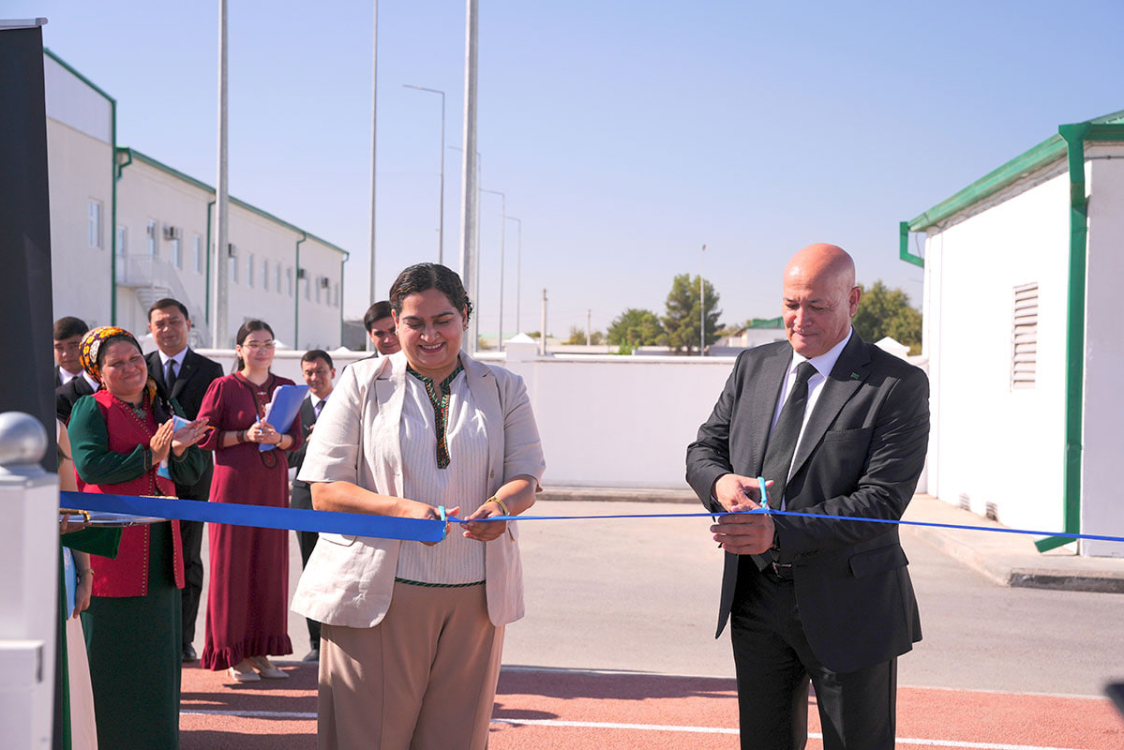
A solar power station has been commissioned at the school in Mary
29.08.2026On 27 August, UNICEF and the Ministry of Education of Turkmenistan commissioned a solar power station at Secondary School No. 36 in the city of Mary. The project was implemented as part of the ‘Green School’ programme to improve energy efficiency and learning conditions, according to IIC. The system comprises a 12.5 kW photovoltaic power station, a 48 kWh lithium-ion battery, a hybrid inverter, inverter-based air conditioning units and digital monitoring equipment. The plant provides lighting for the sports ground and school playground in the evenings. It will also be used as a practical training facility for schoolchildren and students in the region.
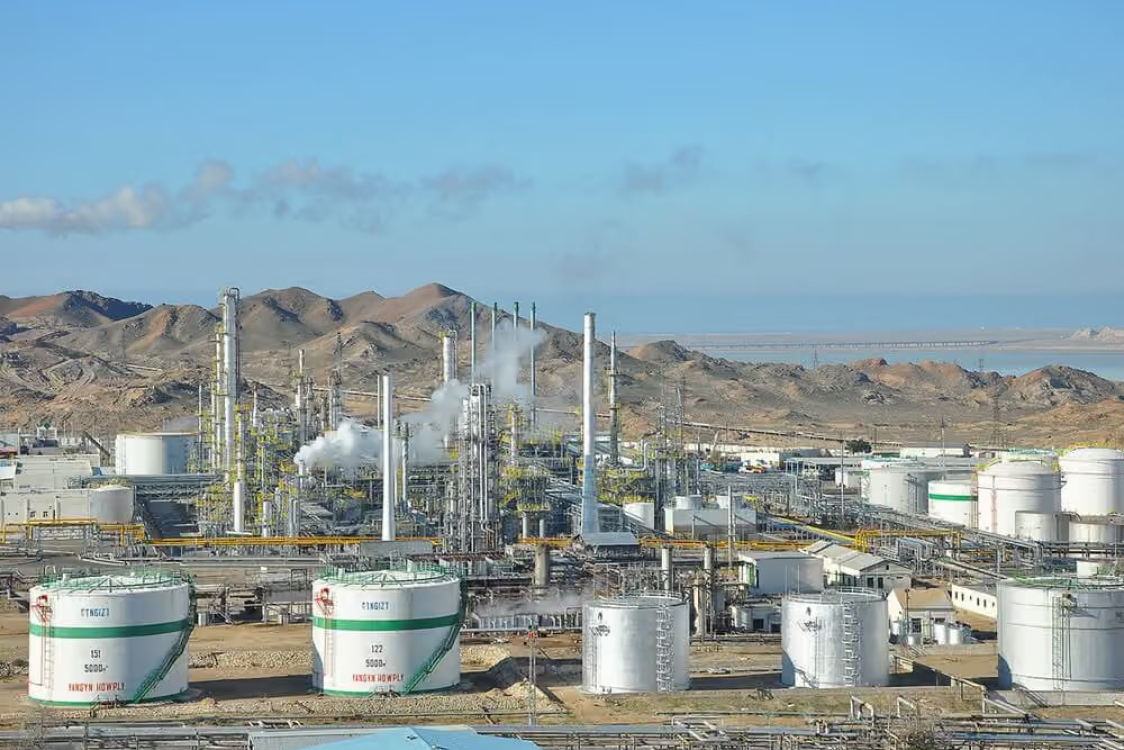
Korean companies are expanding their cooperation with the Turkmenbashi Oil Refinery
29.08.2026Lee Won-jae, Ambassador Extraordinary and Plenipotentiary of the Republic of Korea to Turkmenistan, visited the Turkmenbashi Oil Refinery Complex (TORC). This was reported by the IIC of Turkmenistan. During a meeting with the plant’s director, Dovran Chishiyev, the parties discussed the development of cooperation in the oil and gas sector and the expansion of Korean companies’ involvement in the modernisation of the plant. The Ambassador of the Republic of Korea also met with representatives of ‘Koryo Shipbuilding Industry Technology’ (KSIT) and ‘Yuhan Tech’, familiarised himself with the progress of their projects and discussed operational matters. He noted the embassy’s readiness to support the activities of South Korean enterprises in Turkmenistan. To conclude the visit, the delegation toured the production facilities at the TORC.
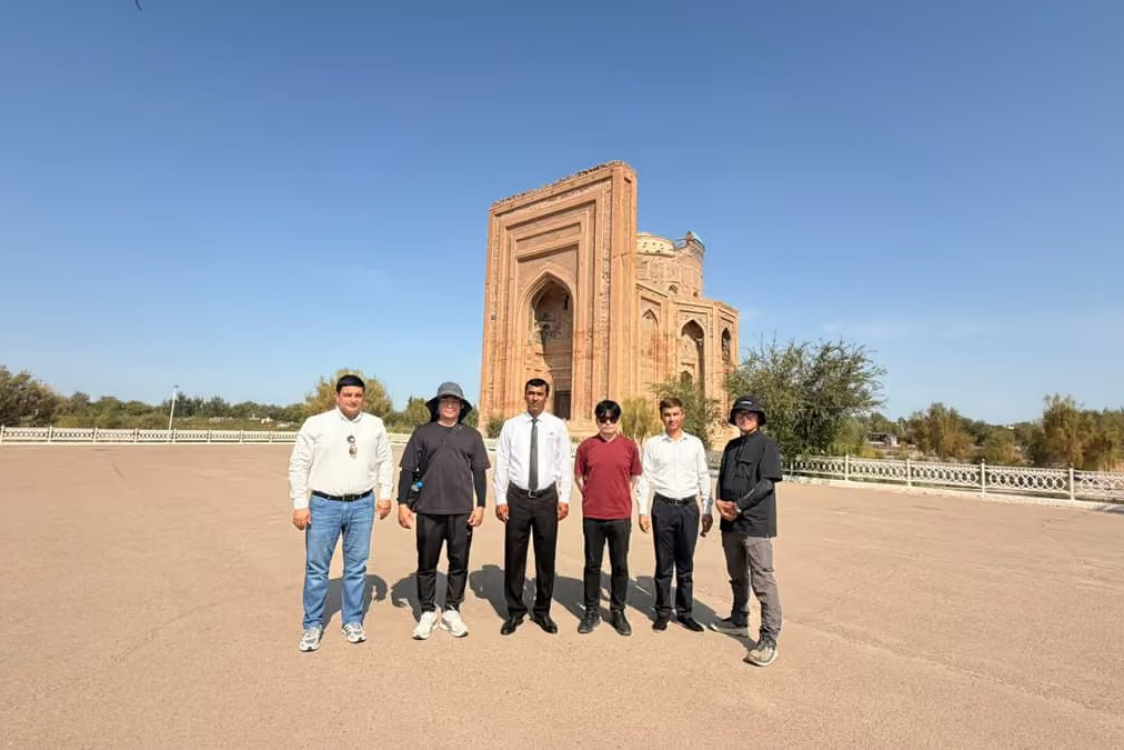
Filming has begun in Turkmenistan on the ‘Circle Vision’ project
28.08.2026From 25 to 31 August 2026, a creative and film crew from the National Centre for Asian Culture of the Ministry of Culture, Sport and Tourism of the Republic of Korea is on a working visit to Turkmenistan as part of the ‘Circle Vision’ project. This was reported by the IIC. The aim of the visit is to promote Turkmenistan’s historical and cultural heritage using digital technologies: 360-degree video footage is being filmed at the country’s historical and cultural monuments. The filming is taking place in collaboration between the South Korean specialists and representatives of the State Committee of Turkmenistan for Television, Radio Broadcasting and Cinematography. This joint effort enables the filming process to be organised to a high standard and facilitates the exchange of experience in the application of modern media technologies. 360° technology makes it possible to showcase historical and cultural monuments on a larger scale than traditional video formats – viewers can examine the site from any angle and better appreciate its architectural features and surroundings. The project is significant for the digital documentation and preservation of Turkmenistan’s historical and cultural heritage, as well as for its promotion on an international level: the content being created introduces the country’s monuments to viewers around the world in a new format. Furthermore, ‘Circle Vision’ contributes to the development of the Turkmen-Korean partnership in the cultural and media sectors and the exchange of professional expertise.
Read also

Advertising




 Read us in Zen


