

News
Turkmenistan is drawing on Korea’s experience in the field of ‘smart cities’
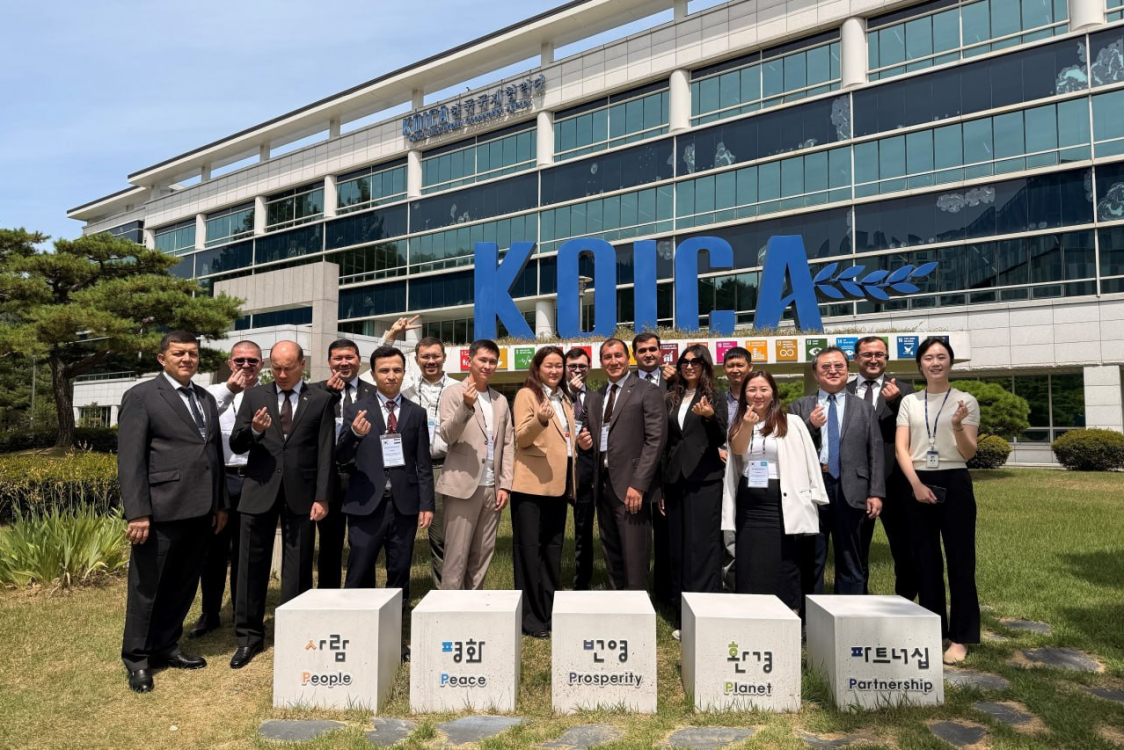
24.08.2026Ahead of the first ‘Korea–Central Asia’ summit, scheduled for mid-September, the Korea International Cooperation Agency (KOICA), in collaboration with Kazakhstan’s KazAID, organised a two-week training programme for delegates from the region. This was reported by the news agency Orient. Fourteen senior officials from Turkmenistan, Uzbekistan, Kyrgyzstan and Tajikistan, as well as a representative from KazAID, took part in the course. Participants studied the Korean model of digital government, ‘smart city’ management systems and methods for optimising traffic flows. The programme concluded on 22 August at the KOICA training centre in Sonnam. The participants familiarised themselves with the work of the Seoul Transport Operation & Information Service and interactive digital government platforms. In addition to touring the infrastructure, the delegates developed individual roadmaps for adapting South Korean technologies to the digitalisation needs of their own countries. The region’s interest in South Korean technologies stems from the Republic of Korea’s global leadership in the field of IT transformation: according to the UN e-Government Survey, the country ranks first in the world for the quality of online services for citizens and fourth in the overall global ranking. The organisers of the training programme expect that common digital standards and the exchange of expertise will serve as a catalyst for launching joint technology ventures and expanding scientific cooperation between Korea and Central Asia.
Turkmenistan and Pakistan discussed cooperation in the field of technology
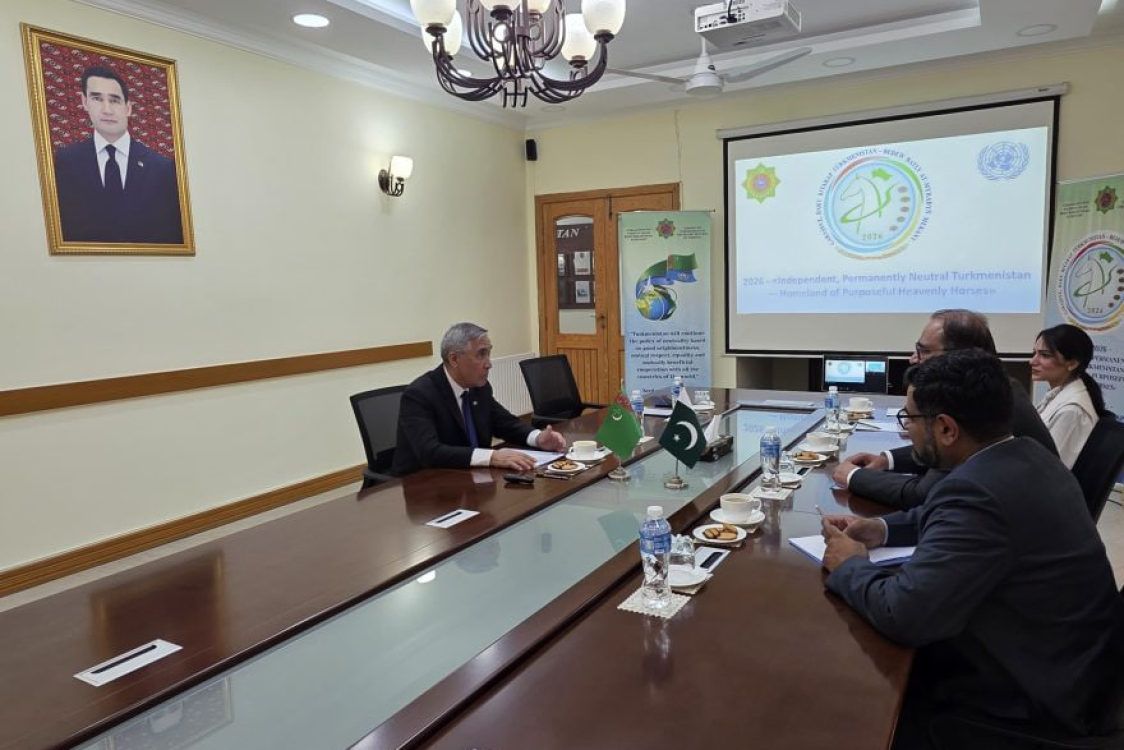
24.08.2026On 20 August 2026, a delegation from Pakistan’s Ministry of Information Technology and Telecommunications, led by Muhammad Amir Malik, a member of the Department of International Coordination, visited the Embassy of Turkmenistan in Islamabad. This was reported by the press office of the Turkmen diplomatic mission. The parties discussed prospects for expanding bilateral cooperation in the field of information technology and the implementation of joint initiatives. The Pakistani delegation was briefed on the main directions of Turkmenistan’s IT policy, including the digital transformation of the economy, public administration and the social sector. The participants also discussed events marking the 35th anniversary of Turkmenistan’s independence. Particular attention was paid to the forthcoming session of the Halk Maslahaty of Turkmenistan in September and the first Ahal-Teke Horse Championship, which will take place in the Netherlands from 4 to 6 September 2026. The parties reaffirmed their readiness to support each other’s initiatives on the international stage and to strengthen friendly and mutually beneficial relations.
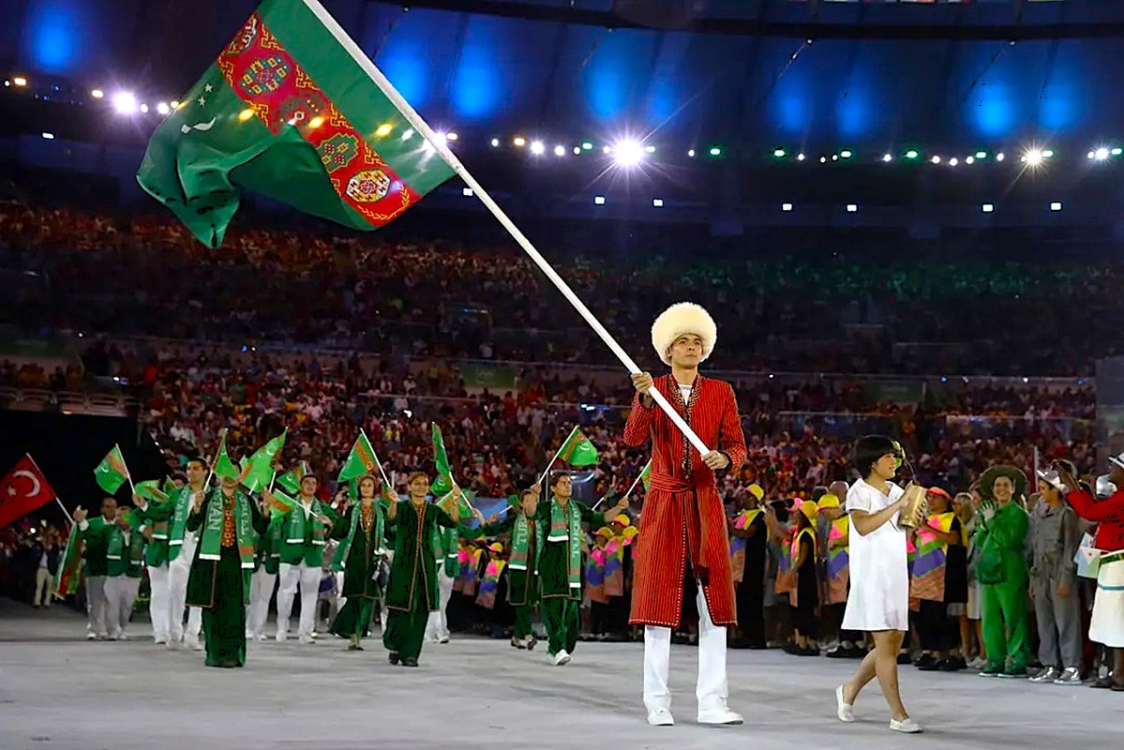
Turkmen athletes are preparing for the 2028 Olympic Games
24.08.2026In July–August 2028, Los Angeles (USA) will host the XXXIV Summer Olympic Games and the XVIII Summer Paralympic Games. Members of Turkmenistan’s national teams are preparing for competitions in athletics, weightlifting, boxing, judo, swimming, para-powerlifting, and freestyle and Greco-Roman wrestling. This was reported by the press office of the Ministry of the Textile Industry of Turkmenistan. The Olympic Games will take place from 14 to 30 July, and the Paralympic Games from 15 to 27 August 2028. Los Angeles previously hosted the Olympics in 1932 and 1984. In 2028, the city will host the Games for the third time, joining London and Paris. The organisers are emphasising the use of existing sports infrastructure. The plan is to utilise existing stadiums and other venues for the competitions and ceremonies, with temporary structures being erected only where necessary. There are also plans for the expanded use of renewable energy sources and modern energy technologies. Flag football and squash will feature in the 2028 Olympic programme for the first time. The programme also includes cricket, baseball, softball and lacrosse.
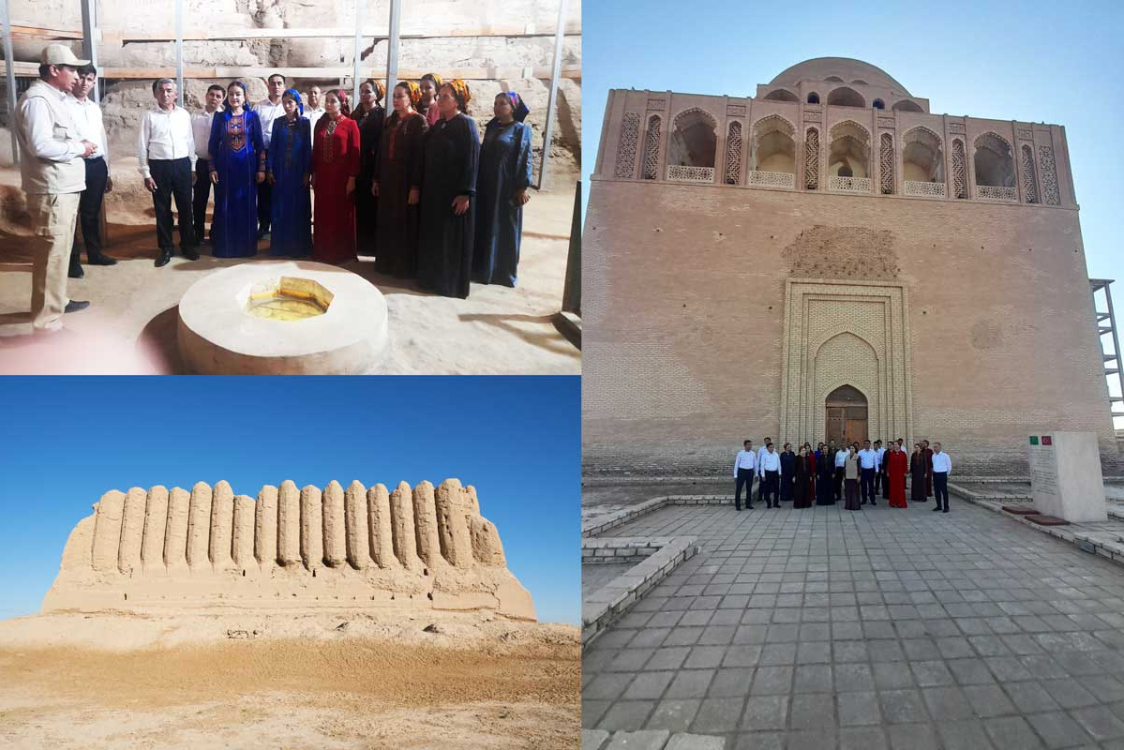
An excursion to the monuments of Ancient Merv was organised in the Mary velayat
24.08.2026In the Mary velayat, a guided tour was organised to visit the monuments of the ‘Ancient Merv’ State Historical and Cultural Reserve. The tour took place from 19 to 21 August 2026 as part of efforts to develop domestic tourism and attract visitors to the country’s historical and cultural sites, according to the press office of the Ministry of Culture of Turkmenistan. The event was organised by the Department of Tourism of the Ministry of Culture of Turkmenistan and the National Department for the Protection, Study and Restoration of Historical and Cultural Monuments of Turkmenistan. The tour was attended by lecturers from the Turkmen State Institute of Culture and the Ashgabat Secondary Vocational School of Tourism, as well as cultural workers from the Bayramali and Garagum etraps. Experts told the participants about the history and significance of the monuments of Ancient Merv. The tour was also covered by the ‘Miras’ television channel.
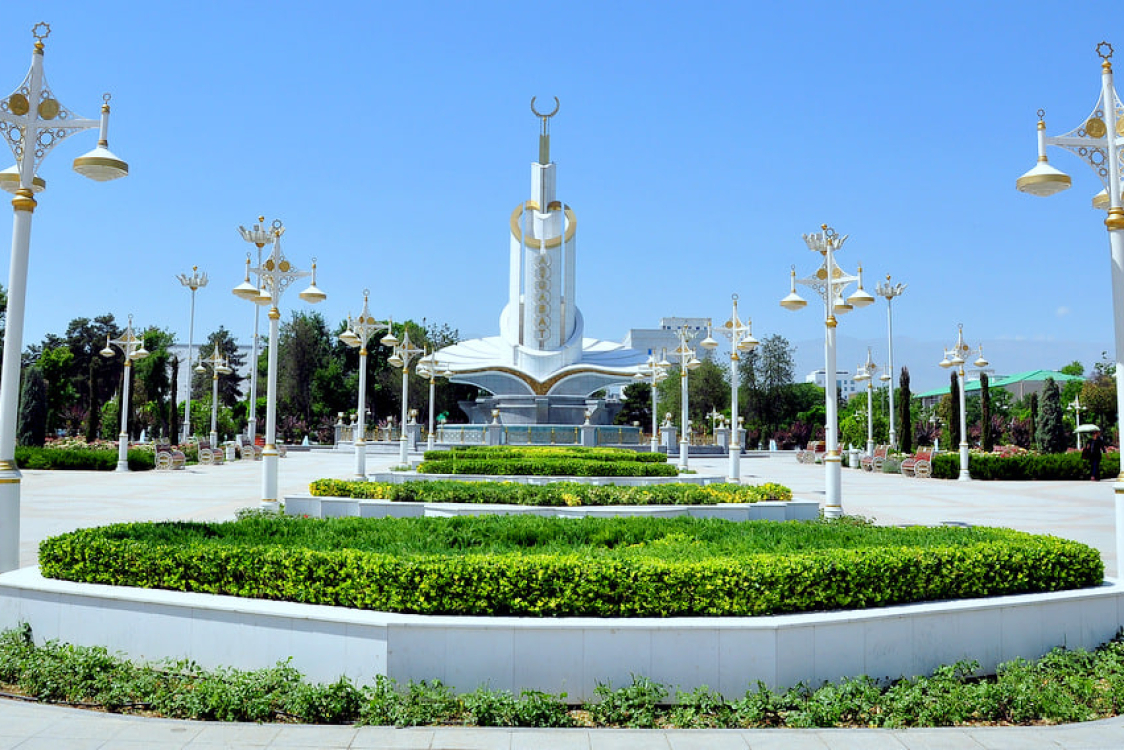
Halk Maslahaty of Turkmenistan will set out Turkmenistan’s development priorities
24.08.2026In the run-up to Turkmenistan’s Independence Day, a session of the Halk Maslahaty — the country’s highest representative body — is to be held. The session is scheduled to review the results of the country’s work and set priorities in the political, economic and social spheres, reports AsmanNews. Particular attention is being paid to measures aimed at raising the standard of living, and modernising education, healthcare and infrastructure. The agenda also includes issues relating to economic diversification, digitalisation, attracting investment, and the development of the energy, transport and environmental sectors. A separate area of focus for the Halk Maslahaty of Turkmenistan is the strengthening of Turkmenistan’s permanent neutrality, the development of inter-parliamentary cooperation and the promotion of a peace-loving foreign policy.
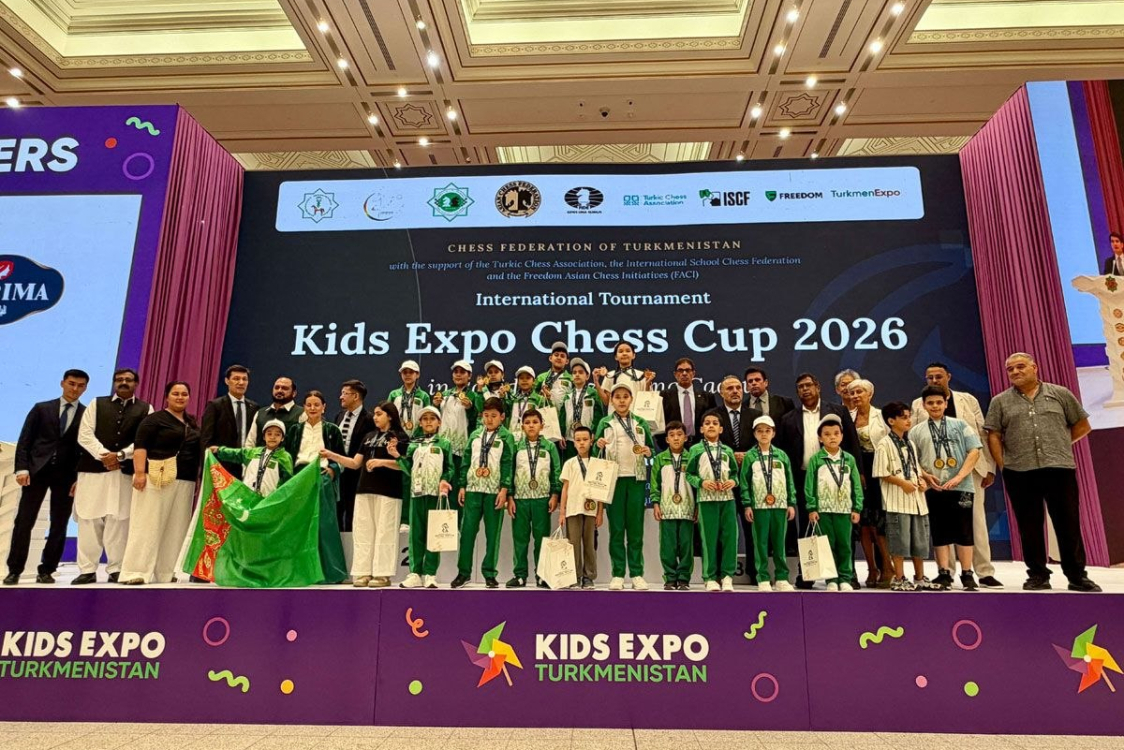
Turkmenistan topped the medal table at the Kids Expo Chess Cup 2026
24.08.2026The Kids Expo Chess Cup 2026, an international rapid and blitz tournament for cadets, has concluded in Ashgabat. The Turkmenistan team took first place in the medal table, winning 24 medals — 7 gold, 9 silver and 8 bronze, according to the news agency ‘Turkmenistan: Golden age’. The tournament took place at the Exhibition Centre of the Chamber of Commerce and Industry of Turkmenistan as part of the international exhibition and fair ‘Kids Expo: Everything for Children’. The event was organised by the country’s Chamber of Commerce and Industry, the Chess Federation of Turkmenistan, the International School Chess Federation, the Turkic Chess Association, the Freedom Asian Chess Initiatives programme and TurkmenExpo. A total of 94 chess players from Azerbaijan, Iran, Kazakhstan, Kyrgyzstan, Tajikistan, Turkmenistan, Turkey and Uzbekistan took part in the competition in the under-8, under-10 and under-12 age categories. A total of 12 sets of medals were awarded. On the first day, seven rounds of rapid chess were played, and on the second, nine rounds of blitz chess. The competition was held in accordance with FIDE rules, with international ratings being calculated. Iran took second place in the medal table with four gold medals. Kazakhstan won one gold and three bronze medals; Uzbekistan won two silver and one bronze; and Azerbaijan won one silver. Vepa Malikgulyev, President of the Chess Federation of Turkmenistan, stated that the Kids Expo Chess Cup 2026 was the first tournament in these age categories to be held under the auspices of the Turkic Chess Association, and thanked the participants, coaches, parents and international partners. Kiasha Mahboobi from Iran achieved the best result of the tournament: in the under-10 category, he won all 16 games – seven in rapid and nine in blitz. Sadra Roshantab from Iran and WCM Dilber Hupbyeva from Turkmenistan both scored 15.5 points out of a possible 16 — both emerged as winners in the rapid and blitz events in the under-12 category. A further 13 participants each won two medals. Following the conclusion of the tournament, the ‘Kids Expo’ chess programme continued with the ‘ChessFest’ festival, which features simultaneous exhibitions, masterclasses and informal games.
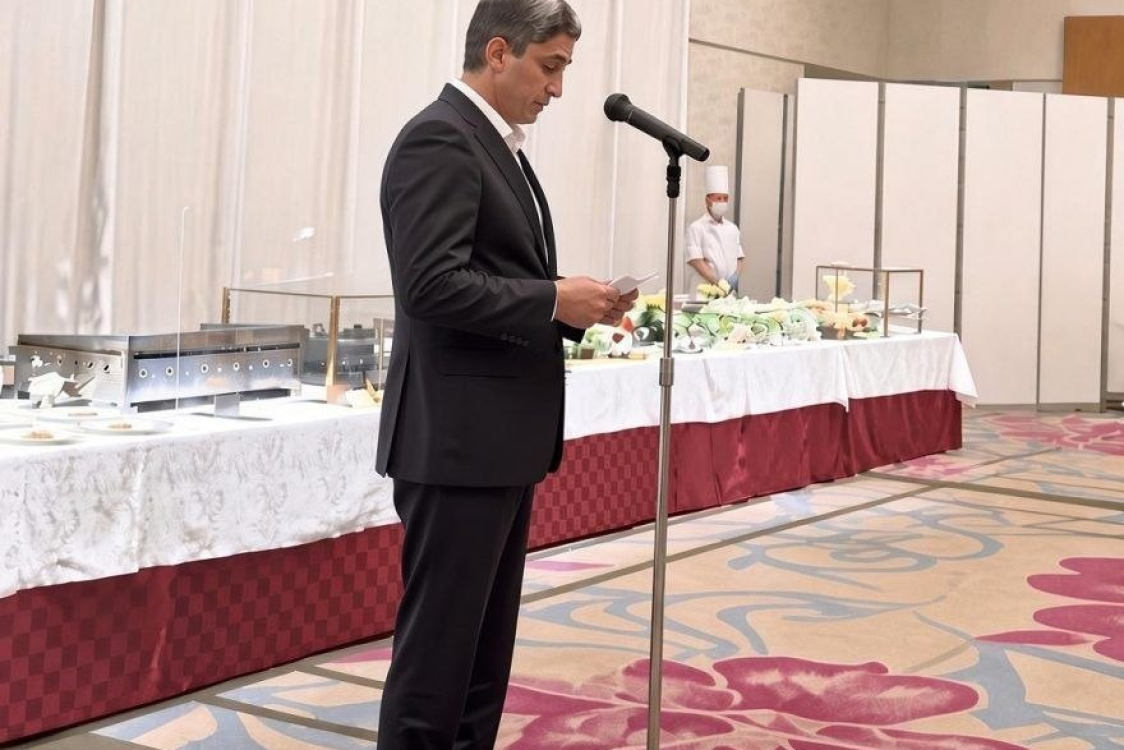
Turkmenistan’s Ambassador to Japan spoke at an event in Gifu
24.08.2026On 20 August, A. Bayramov, Turkmenistan’s Ambassador to Japan, took part in events organised as part of the ‘Program for Introducing Japanese Traditions’, hosted by the Imperial Household Agency in Gifu. This was reported by the press office of the Turkmen diplomatic mission. The events were attended by the Mayor of Gifu, representatives of the Imperial Household and the Foreign Affairs Ministry, as well as Heads and representatives of diplomatic missions accredited in the country. A. Bayramov spoke on behalf of the diplomatic corps accredited in Japan, emphasising the importance of cultural and humanitarian cooperation in strengthening friendly relations between the two countries. Furthermore, it was reported that, as part of the year 2026 in Turkmenistan—proclaimed under the slogan ‘Independent Neutral Turkmenistan − the Homeland of Purposeful Winged Horses’, work is underway in the country to promote Ahal-Teke horses and highlight their historical and cultural significance.
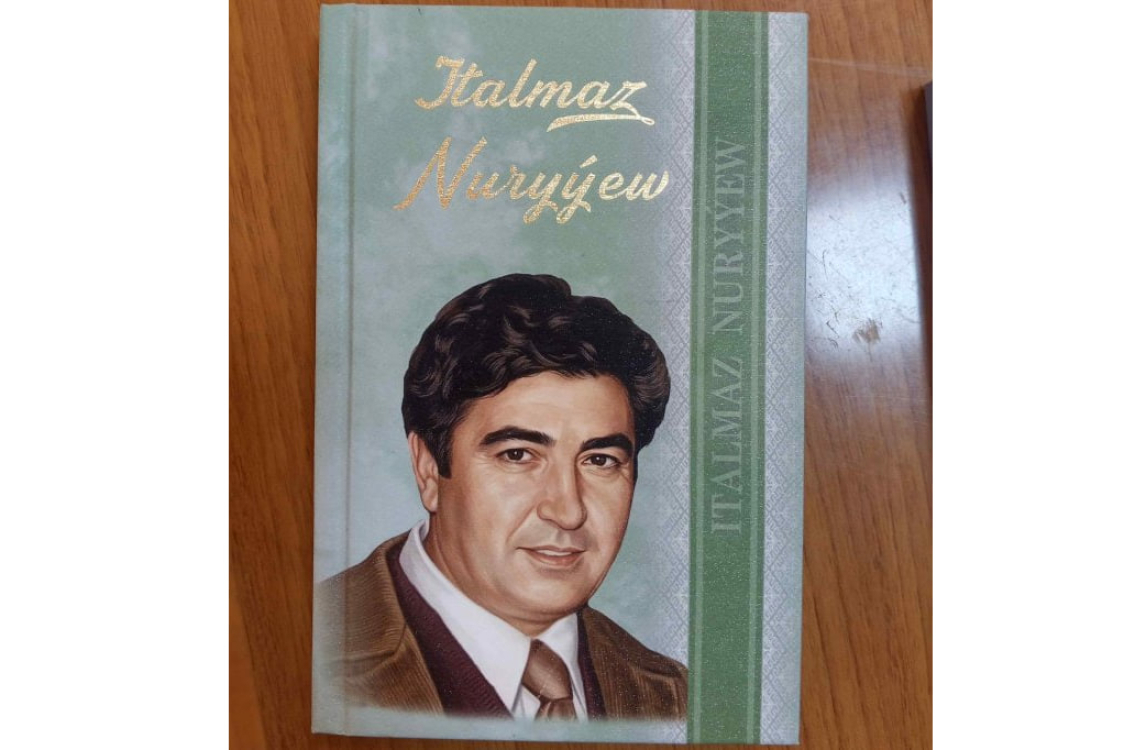
In Turkmenistan, collections of poems by renowned 20th-century poets have been republished
23.08.2026The State Publishing Service of Turkmenistan has released reissued collections of poems by the renowned 20th-century poets Mammet Seyidov, Halil Kuliyev and Italmaz Nuryev. The books have been published to mark the 35th anniversary of Turkmenistan’s independence, according to the online news site AsmanNews. The new collections include little-known poems and those that have rarely been published before. The publications are distinguished by their artistic design and high-quality printing. The books form part of a poetry series that previously included works by Berdi Kerbabayev, Aman Kekilov, Gara Seyitliyev, Berdinazar Hudaynazarov and other authors. The new collections are now available in bookshops across the country.
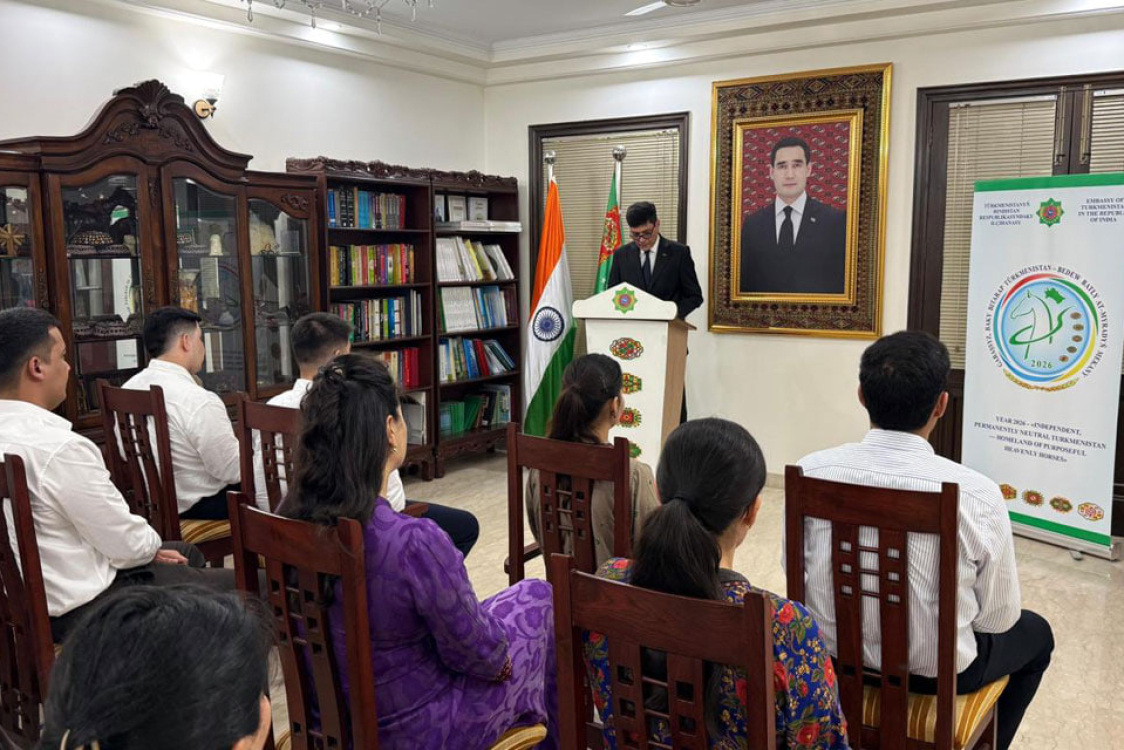
The Embassy of Turkmenistan in India organised a conference
23.08.2026On 21 August, the Embassy of Turkmenistan in the Republic of India hosted a conference dedicated to the forthcoming session of the Halk Maslahaty of Turkmenistan and the UN General Assembly resolution ‘Year of International Law, 2028’. The event was attended by Turkmen students studying in India. This was reported by the news agency ‘Turkmenistan: Golden age’. The Ambassador of Turkmenistan to India, Sh. Geldinazarov, spoke about the events to be held in 2026 to mark the 35th anniversary of Turkmenistan’s independence under the motto ‘Independent Neutral Turkmenistan − the Homeland of Purposeful Winged Horses’. The agenda for the forthcoming session of the Halk Maslahaty of Turkmenistan, scheduled for 23 September, was discussed separately. Participants were also briefed on the key tasks outlined by the Hero Arkadag at the meeting of the Presidium of the Halk Maslahaty of Turkmenistan on 15 July. In addition, the participants were briefed on the UN General Assembly resolution ‘Year of International Law, 2028’. The document was co-sponsored by 78 states.
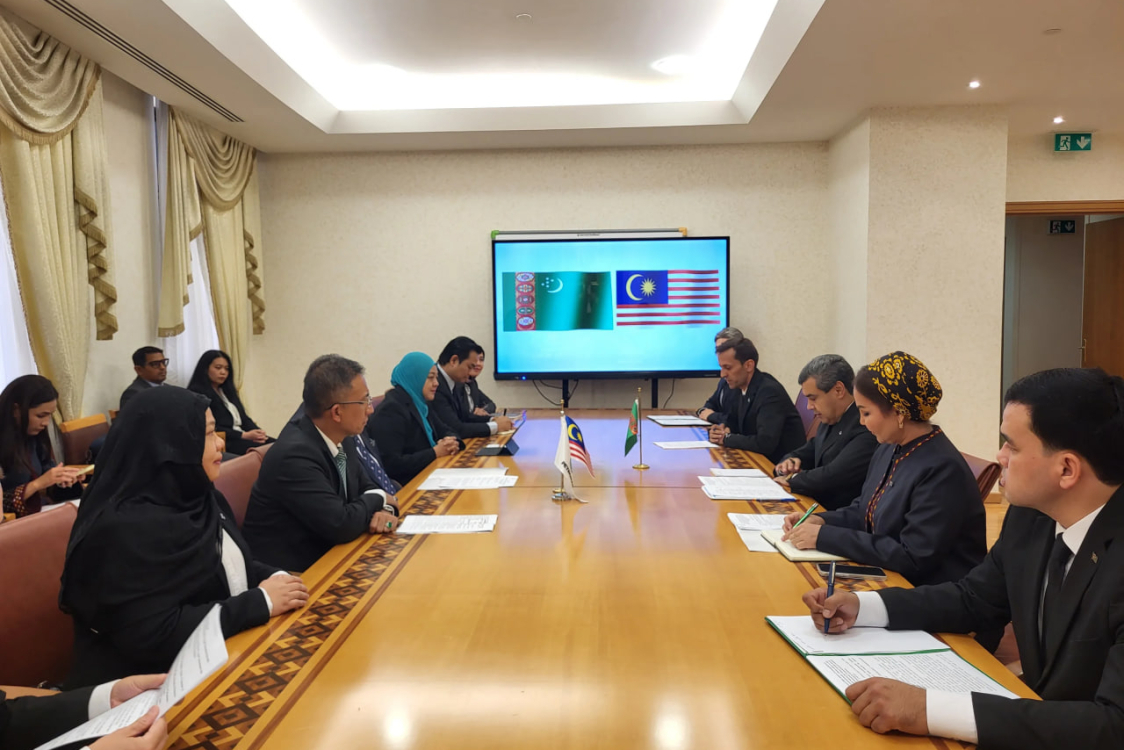
Turkmenistan and PETRONAS are expanding their cooperation in education
23.08.2026On 21 August, a meeting was held at the Ministry of Education of Turkmenistan attended by the Minister of Education of Turkmenistan, J. Gurbangeldiyev; the Malaysian Ambassador to Turkmenistan, Mohd Suhaimi bin Ahmad Tajuddin; and a delegation from the company ‘PETRONAS Çarigali (Turkmenistan) Sdn. Bhd.’, with its Head, Ismadi bin Ismail. This was reported by Turkmenportal. Following the meeting, the Ministry of Education of Turkmenistan and ‘PETRONAS Çarigali (Turkmenistan) Sdn. Bhd.’ signed a Memorandum of Understanding. The document provides for the development of cooperation in the field of education and vocational training, as well as the implementation of joint initiatives and projects. The signing of the memorandum coincides with the 30th anniversary of PETRONAS’s operations in Turkmenistan. Around 20 cooperation agreements have been concluded between the two countries in the field of education. With PETRONAS’s support, Turkmen students are regularly awarded scholarships to study at higher education institutions in Malaysia.
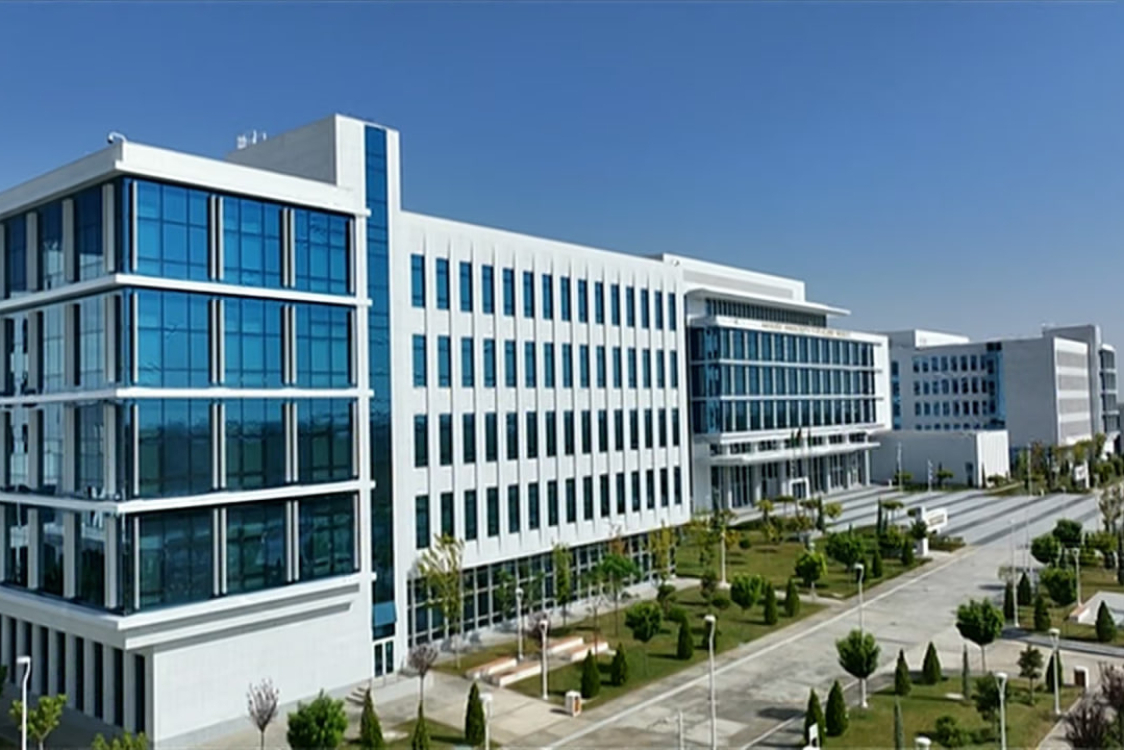
Construction of the region’s largest cancer centre is nearing completion in Ashgabat
23.08.2026The National Leader of the Turkmen people and Chairman of the Halk Maslahaty of Turkmenistan, Gurbanguly Berdimuhamedov, inspected the progress of construction of the region’s largest International Scientific and Clinical Oncology Centre in the northern part of Ashgabat. The facility is in the final stages of construction, reports IIC of Turkmenistan. He was joined on the tour by Professors Fritz and Susanne Spelsberg from the Ludwig Maximilian University Hospital Munich. The project is being implemented in cooperation with the International Atomic Energy Agency (IAEA). The centre will house departments of radiological and functional diagnostics, radiopharmacy, and adult and paediatric haematology. The complex is equipped with a system for the safe storage and neutralisation of radioactive medical waste. Provision has also been made for a digital infrastructure utilising artificial intelligence technology for the analysis of medical images. Gurbanguly Berdimuhamedov proposed using the centre as a treatment and educational base for training specialists and creating a unified medical campus in the northern part of Ashgabat. The opening of the International Scientific and Clinical Oncology Centre is scheduled for this year. It will coincide with Turkmenistan’s Healthcare Workers’ Day and an international scientific and practical conference.
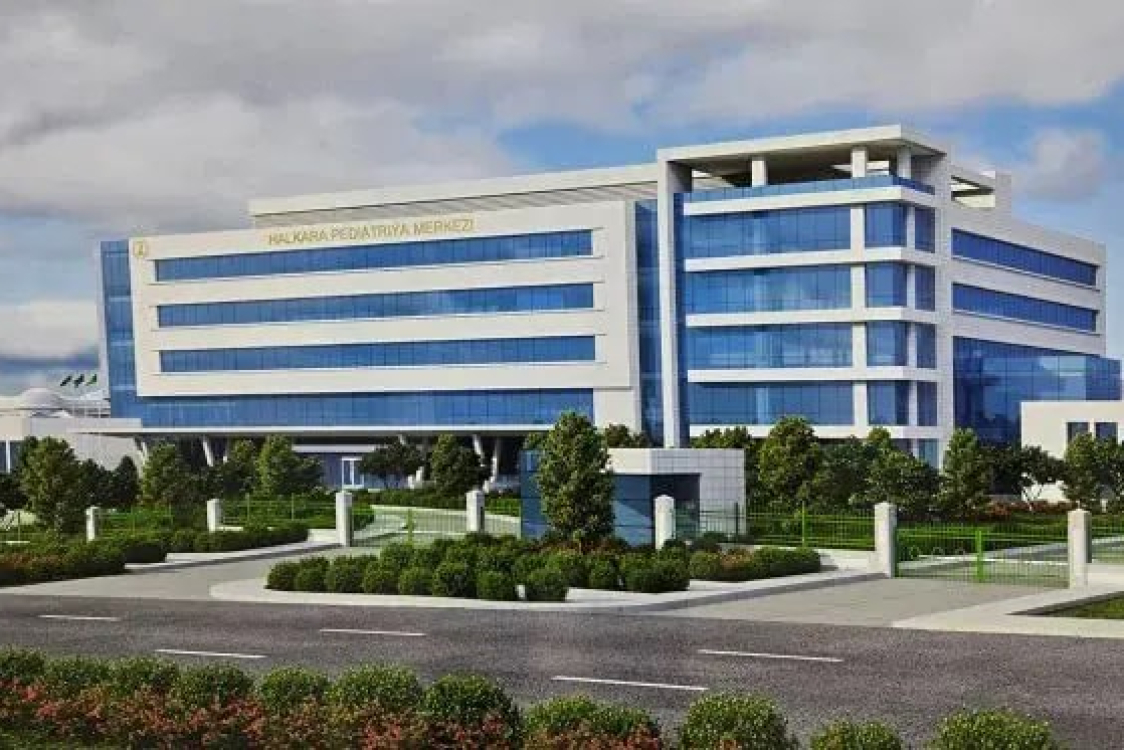
A paediatric centre with advanced equipment is opening in Ashgabat
22.08.2026The outpatient department of the new International Paediatric Centre in Ashgabat is equipped with technical facilities that are unrivalled in the region. This is reported by the news website Turkmenportal. The centre’s opening will coincide with Health and Medical Industry Workers’ Day in Turkmenistan and the 35th anniversary of the country’s independence. The diagnostic department houses specialised rooms, including those for functional and radiological diagnostics. State-of-the-art endoscopic equipment from leading global manufacturers has been installed, enabling rapid AI-based data collection, as well as monitors displaying indoor microclimate parameters — this allows the required temperature conditions to be maintained at any time of day. The therapeutic department has all the facilities required for treatment, procedures and operations: it comprises digital X-ray and intensive care rooms, equipped in line with best practice. The department also utilises digital solutions designed to keep children occupied during procedures and ensure their comfort during treatment. The installed equipment and devices enable data to be obtained quickly and accurately using AI technology, allowing necessary decisions to be made promptly, whilst technical resources unrivalled in the region will help to significantly improve the effectiveness of treatment. In the operating theatre block, communication between departments will take place via online monitors — this will allow the necessary data to be obtained instantly and ensure a favourable outcome for surgical procedures. In the centre’s post-operative ward, conditions have been created for isolated care, preventing the spread of infectious pathogens. In the wards for children receiving inpatient treatment, every facility is in place: clean surroundings and digital technologies will ensure they have the necessary comfort. There is also a children’s playground on the centre’s premises for young patients.
Read also
Advertising

 Read us in Zen


