

News
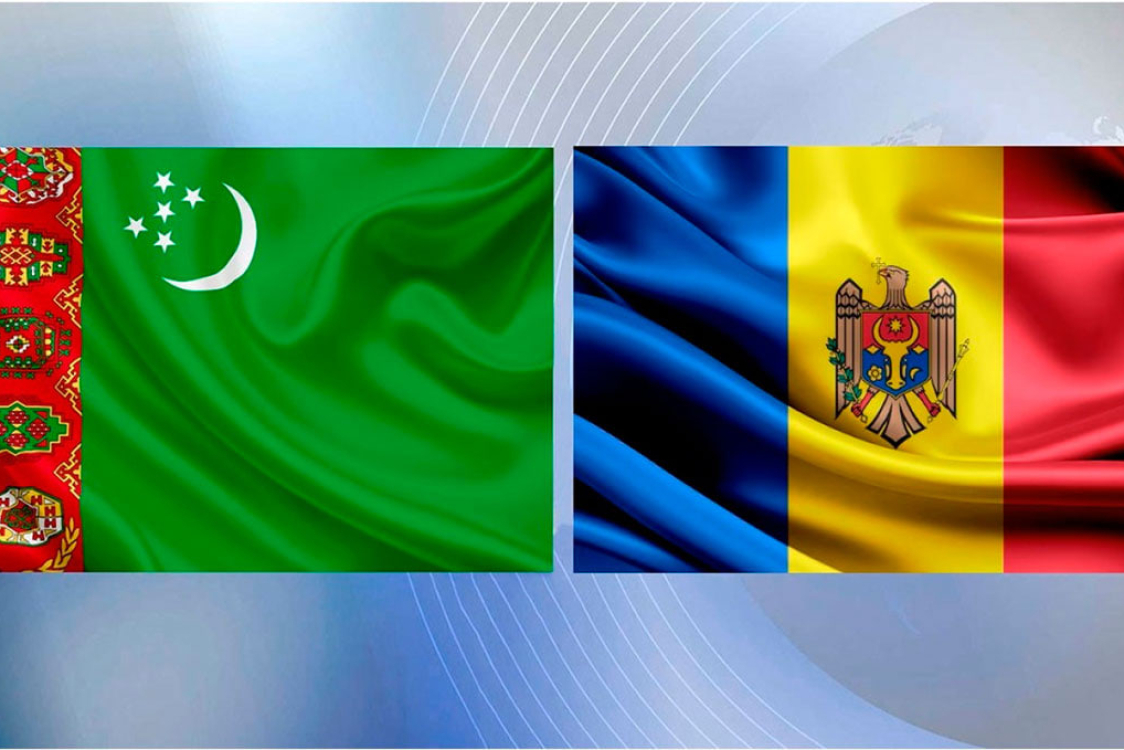
Meetings were held in Turkmenistan with a delegation from Moldova
15.09.2026On 14 September, as part of a visit to Turkmenistan by a delegation from the Republic of Moldova led by Petru Burduja, Chair of the Moldovan side of the Parliamentary Friendship Group, meetings were held at a number of ministries, the Foreign Affairs Ministry and the Mejlis. This was reported by the news agency TDH. At the Mejlis, a meeting was held with the Chairwoman of the Mejlis, D. Gulmanova, and a session of the Turkmen-Moldovan Parliamentary Friendship Group took place. Representatives of Turkmenistan briefed the delegation on the main directions of the country’s domestic and foreign policy, as well as the Mejlis’s legislative activities. The parties discussed the current state and prospects of Turkmen-Moldovan relations. Particular attention was paid to intensifying inter-parliamentary dialogue, exchanging experience in the legislative sphere and expanding inter-state cooperation. The meeting’s participants reviewed plans for developing parliamentary contacts, including regular meetings and reciprocal visits, as well as cooperation between relevant committees. Trade, economic, cultural and humanitarian cooperation were discussed separately. The parties noted the potential for expanding cooperation and implementing joint projects. Members of the delegation from the Republic of Moldova expressed an interest in further developing cooperation with Turkmenistan. The parties reaffirmed their readiness to implement previously reached agreements and to continue developing bilateral relations. The visit also includes meetings at a number of ministries and a sightseeing tour of Ashgabat.
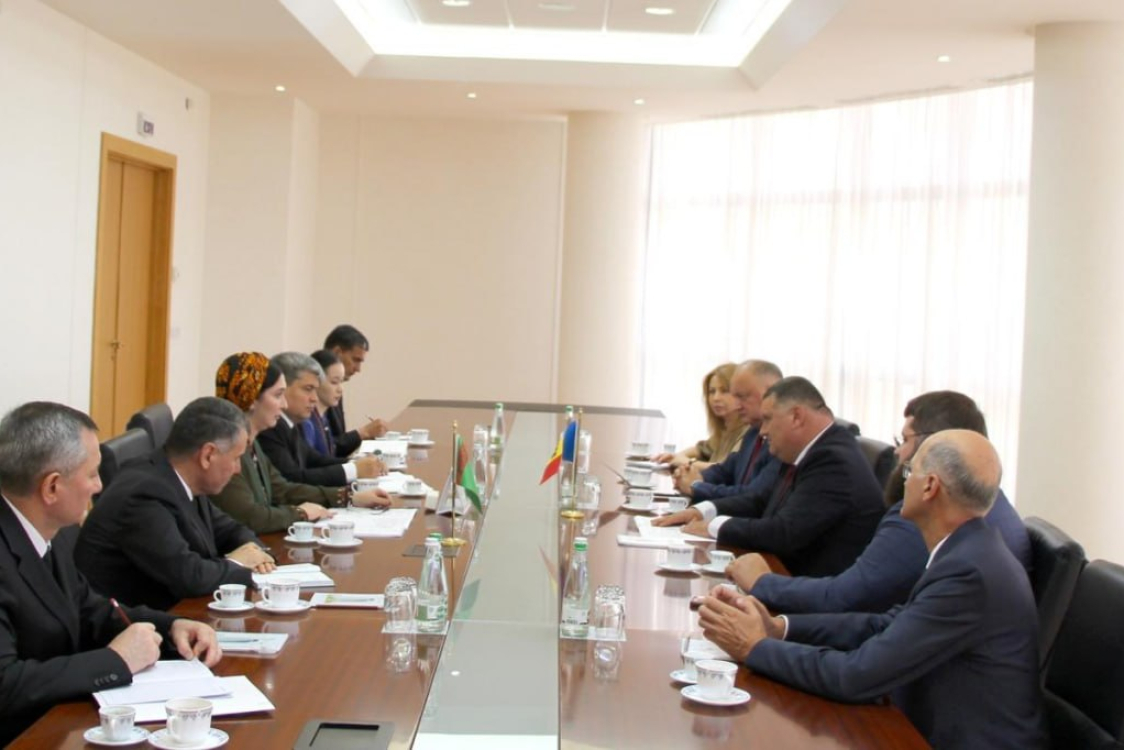
The Foreign Affairs Ministry of Turkmenistan discussed cooperation with the Moldovan parliament
15.09.2026On 14 September, a meeting took place at the Foreign Affairs Ministry of Turkmenistan between Myahri Byashimova, Deputy Foreign Affairs Minister of Turkmenistan, and Petru Burduja, a Member of the Parliament of the Republic of Moldova and Chair of the Parliamentary Friendship Group with Turkmenistan. This was reported by the press office of the Foreign Affairs Ministry of Turkmenistan. The parties discussed the current state and prospects for the development of inter-parliamentary cooperation between the two countries. Particular attention was paid to strengthening bilateral relations and expanding cooperation in the political, trade and economic, cultural and humanitarian, and other spheres. The participants in the meeting noted the important role of parliamentary diplomacy in strengthening mutual understanding and expressed their readiness to promote the further development of inter-parliamentary ties.
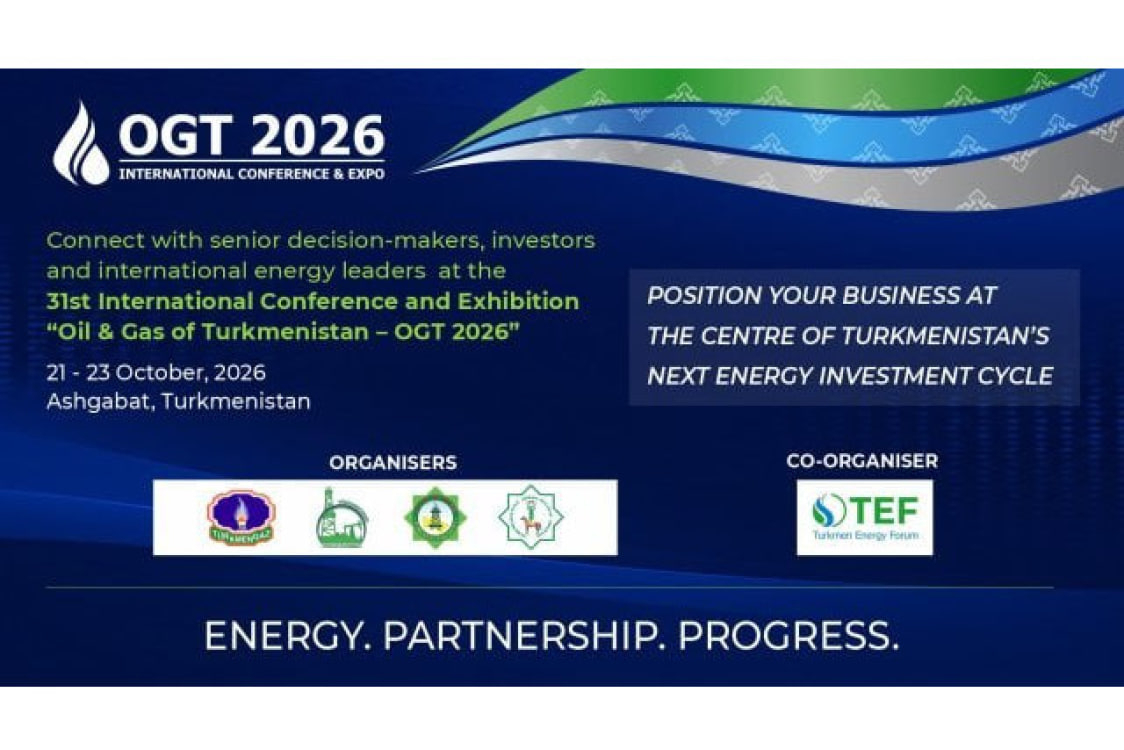
OGT 2026 will bring together participants from 40 countries in Ashgabat
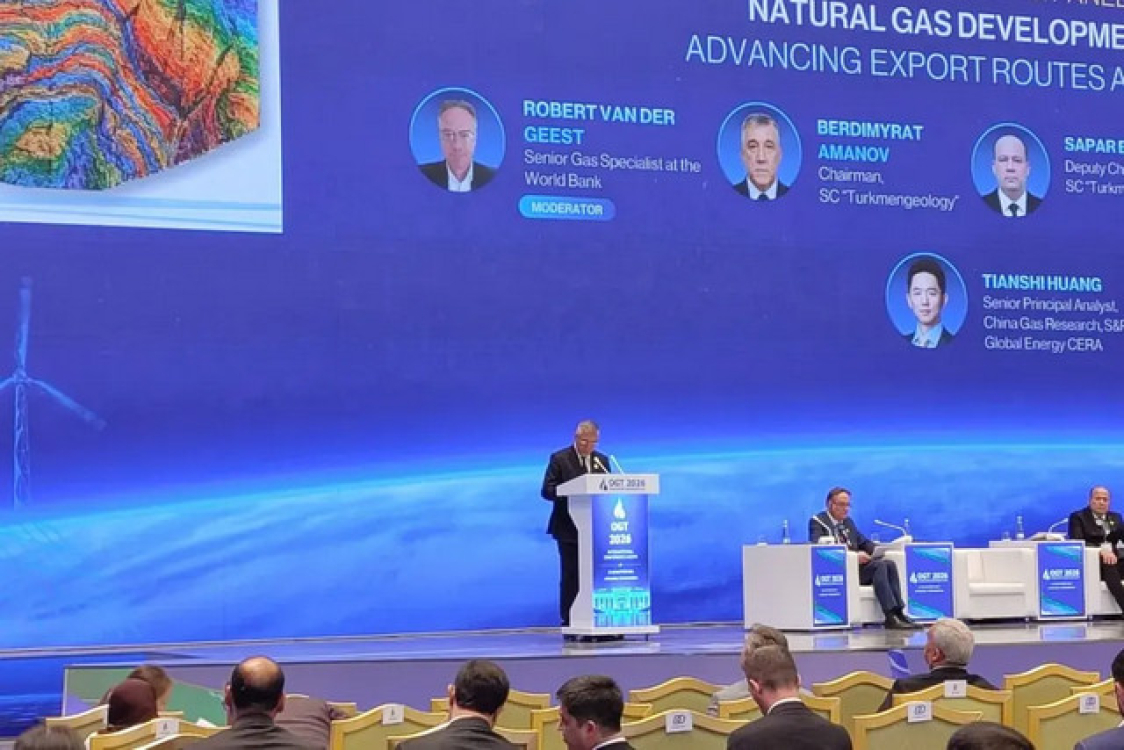
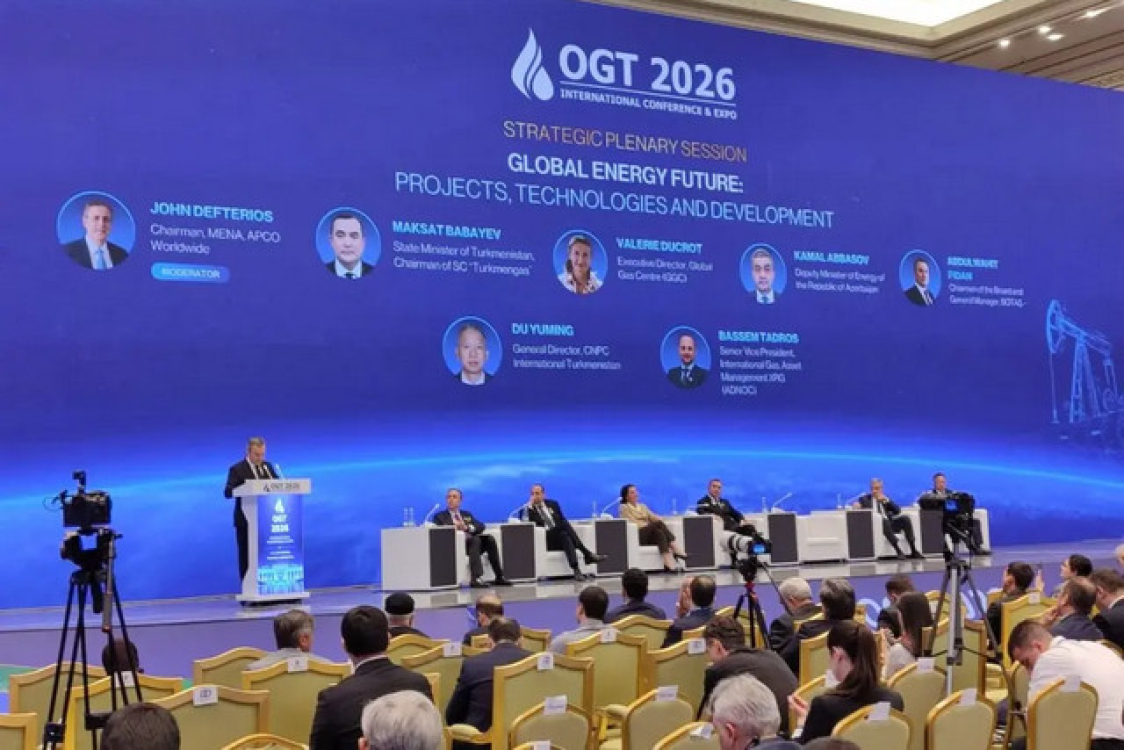
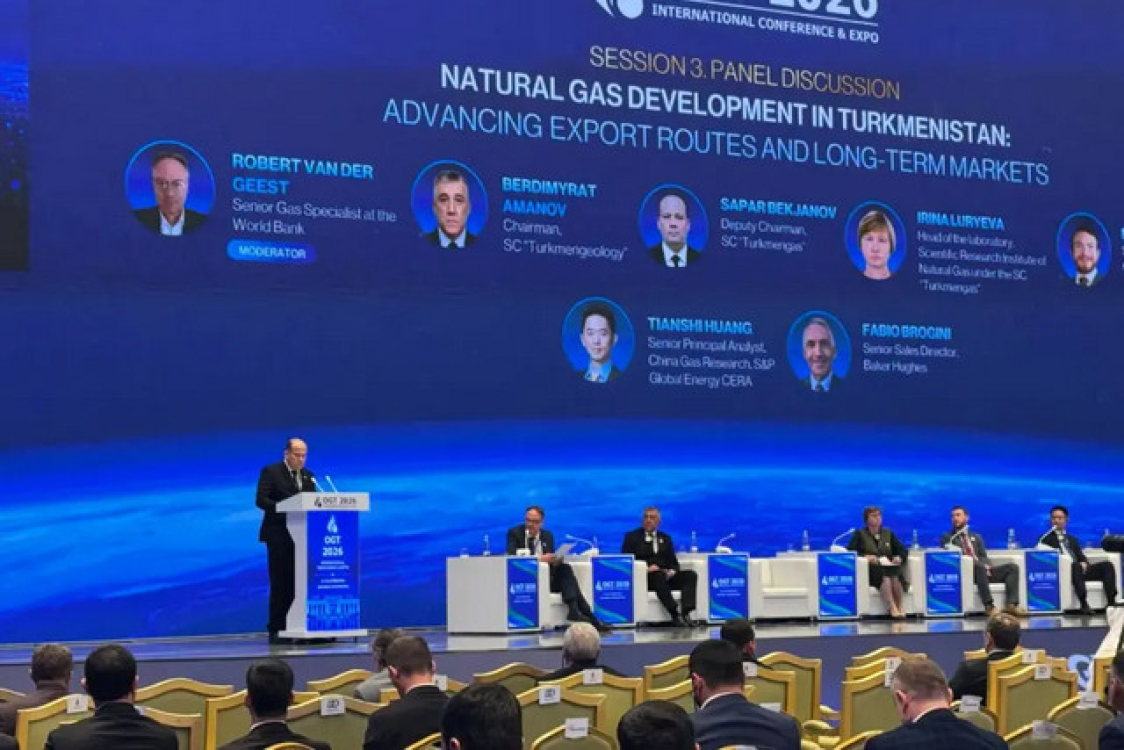
15.09.2026More than 400 participants have registered for the 31st International Conference and Exhibition ‘Oil and Gas of Turkmenistan – 2026’ (OGT 2026), which will take place in Ashgabat on 21–23 October. This was reported by the online publication ‘Business Turkmenistan’. Among those registered are more than 300 foreign delegates from around 40 countries. More than 100 companies will be taking part in the forum for the first time. All exhibition space at OGT Expo 2026 is already fully booked. The Malaysian national pavilion will bring together more than 20 companies. A strong showing from Chinese businesses is also expected. The business programme will cover the development of the ‘Galkynyş’ field, the TAPI project, the development of resources in Turkmenistan’s sector of the Caspian Sea, gas processing and oil and gas chemicals, investment, digitalisation and environmental technologies. As part of the forum, B2B and B2G meetings will be held between foreign companies and representatives of Turkmenistan’s oil and gas sector. The event will be covered by international and industry media, including ‘Euronews’, ‘Energy Intelligence’ and the ‘Petroleum Economist’. Registration for participants is still open.
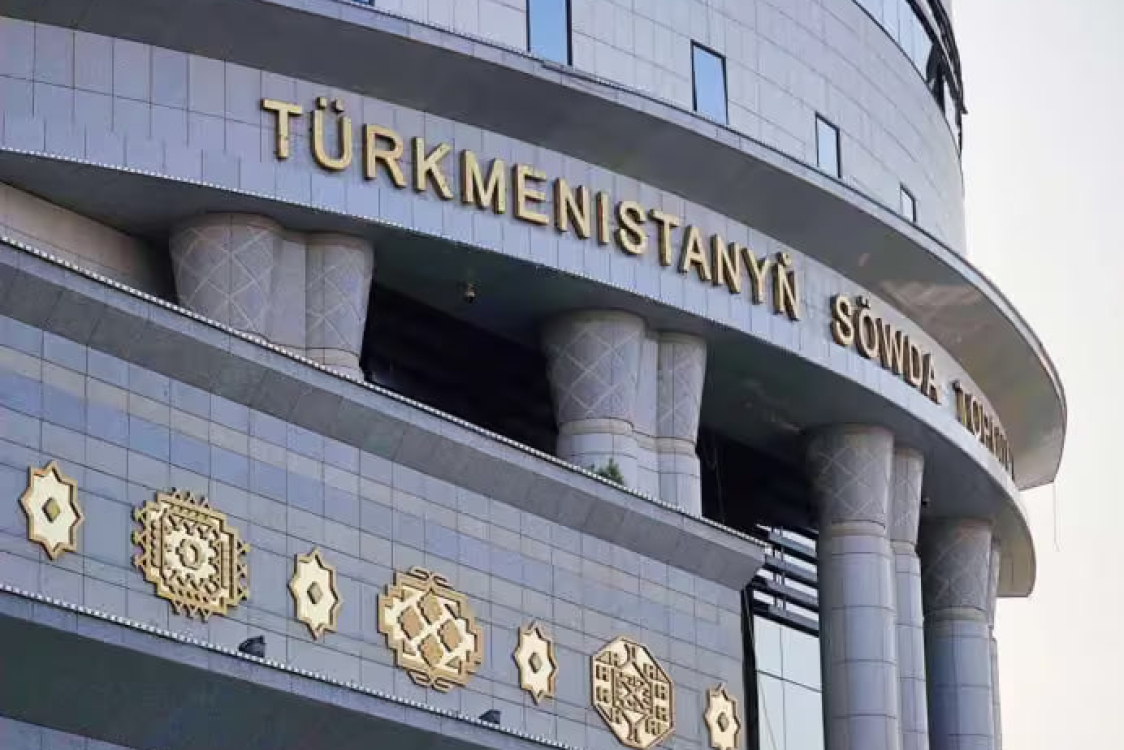
Eighteen transactions were recorded on the Turkmenistan Stock Exchange over the course of the week
15.09.2026Last week, 18 transactions were recorded at the State Commodity and Raw Materials Exchange of Turkmenistan. This was reported by the news agency TDH. Business representatives from Turkey and India purchased wheat flour and liquorice root extract using foreign currency. The total value of the transactions exceeded 531,000 US dollars. On the domestic market, local entrepreneurs purchased liquorice root extract, liquorice root glycyrrhizic acid, cotton yarn, raw silk, cotton fibre, crude fatty acids from cotton seed meal, cotton waste and glass containers. The total value of the transactions amounted to over 328 million 843 thousand manats.
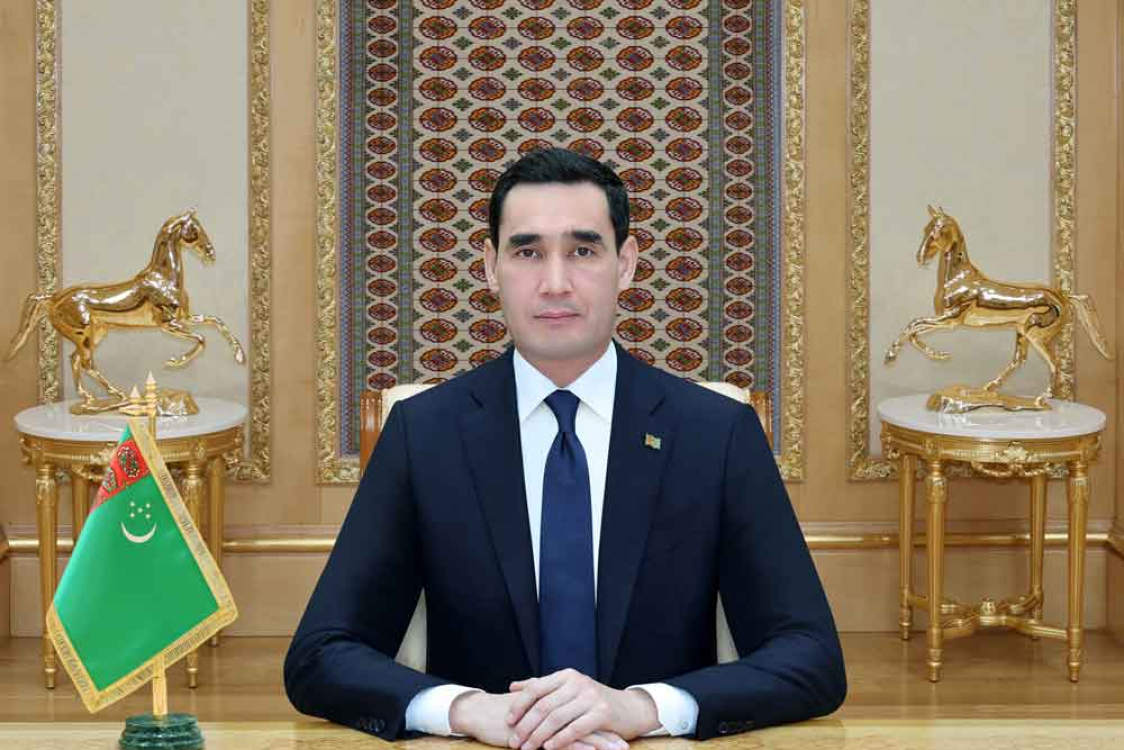
The President of Turkmenistan has begun a state visit to the Republic of Korea
15.09.2026On 14 September, the President of Turkmenistan, Serdar Berdimuhamedov, departed on a state visit to the Republic of Korea, where he will also take part in the first ‘Central Asia–Republic of Korea’ Summit. This was reported by the news agency TDH. Before his departure, the Head of Turkmenistan arrived at the capital’s international airport. Serdar Berdimuhamedov was seen off at the airport by officials. Turkmenistan and the Republic of Korea have maintained diplomatic relations since 1992. Cooperation is developing on the basis of a strategic partnership and covers the trade and economic, transport, educational, cultural and humanitarian, and environmental sectors. Joint projects with South Korean companies in the oil and gas, and petrochemical sectors play an important role. Cooperation is developing in the fields of transport and logistics, education, science and ‘green’ technologies. Regional cooperation takes place within the framework of the ‘Central Asia–Republic of Korea’ Forum, established in 2007. In 2023, Turkmenistan chaired the 16th meeting of the Forum in Ashgabat. A few hours later, the presidential airliner arrived at the airport to receive high-ranking guests in Seoul. The national flags of Turkmenistan and the Republic of Korea were raised on the flagpoles. Members of the Honour Guard lined up at the aircraft steps, and a salute was fired in honour of the distinguished guest’s arrival. The President of Turkmenistan was met at the airport by officials from the Republic of Korea and Turkmenistan. Serdar Berdimuhamedov’s state visit to the Republic of Korea is continuing.
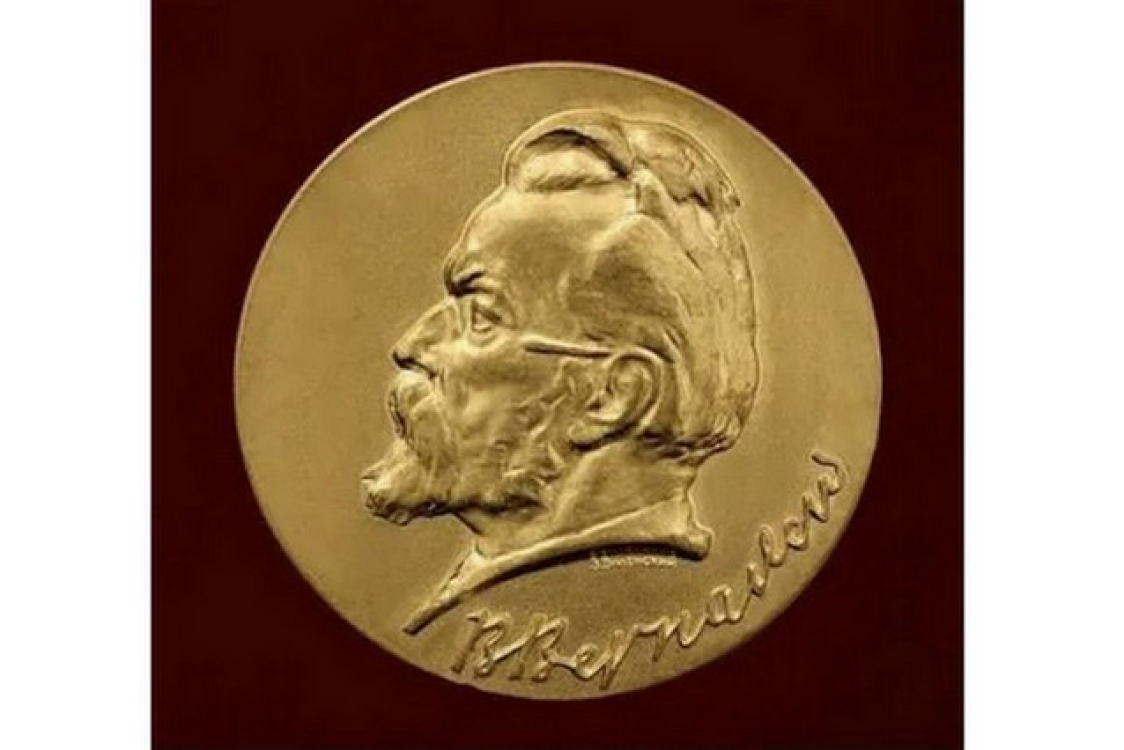
A scientist from Turkmenistan has been awarded the Vernadsky Gold Medal
15.09.2026Gapurjan Hamrayev, Head of the Department of Hydrometeorology at the Magtymguly Turkmen State University, has been awarded the V.I. Vernadsky Gold Medal. The decision was taken by the Expert Council of the Academy of Continuing Education of the Russian Federation, according to AsmanNews, citing the newspaper ‘Neutral Turkmenistan’. The award was granted for his contribution to the development of physical geography and the preservation of professional traditions. Hamrayev researches the deserts of Turkmenistan and Kazakhstan, focusing on the protection of engineering structures from sand drifts and the conservation of desert ecosystems. The scientist takes part in expeditions to the Karakum Desert and teaches physical geography, geoecology, space-based methods in meteorology, and the hydrometeorological aspects of environmental protection. Since 2012, Hamrayev has been a member of the Higher Professional Attestation Committee of the Academy of Sciences of Turkmenistan. Since 2023, he has been a doctoral student at the National Institute of Deserts, Flora and Fauna. Previously, Hamrayev’s scientific work in the field of sand transport modelling and phytoremediation was recognised with awards and diplomas from Lomonosov Moscow State University and the Russian Academy of Natural Sciences.
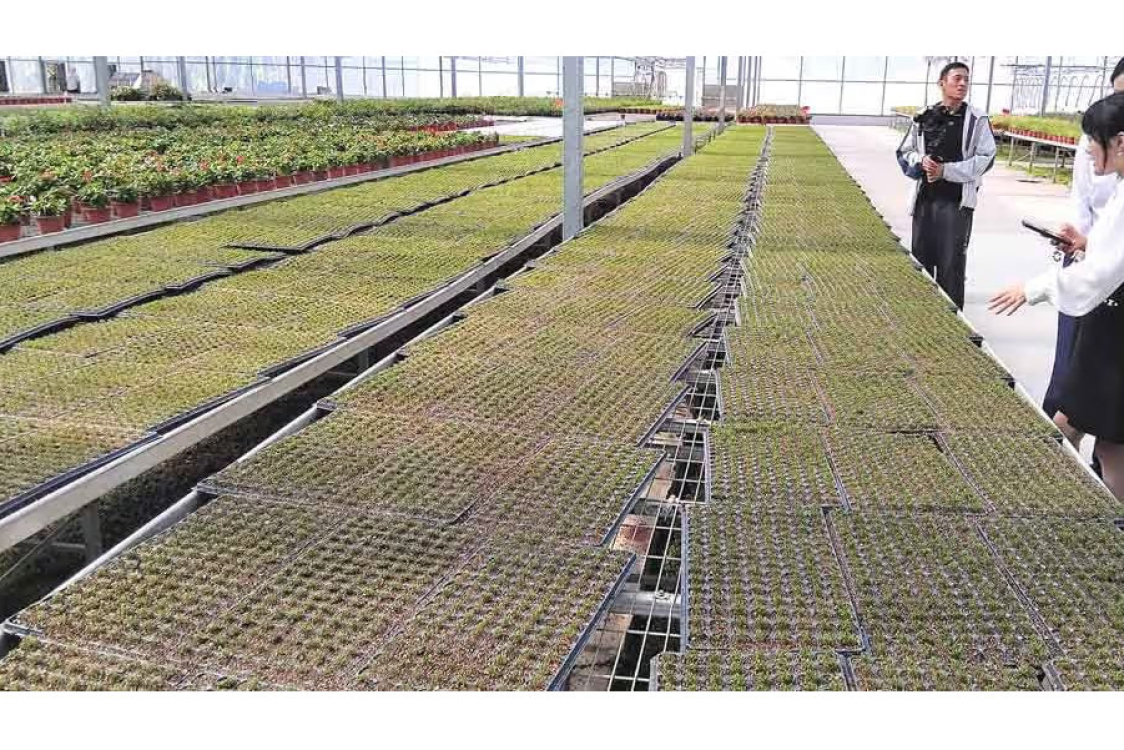
Turkmen experts took part in environmental training courses in China
15.09.2026A delegation from the National Institute of Deserts, Flora and Fauna and the Ministry of Environmental Protection of Turkmenistan took part in specialist training courses in Inchuan, China. This was reported by IIC of Turkmenistan. The event was attended by representatives from Central Asian countries and China. They exchanged experiences in the fields of reforestation, the rational use of water resources and combating sandstorms. During the working meetings, they discussed environmental problems in arid regions and the prospects for implementing joint projects. Particular attention was paid to the establishment of the ‘China–Central Asia’ Cooperation Centre for Combating Desertification. The Chinese side also supported Turkmenistan’s proposal to establish a Regional Centre for Combating Desertification under the auspices of the UN.
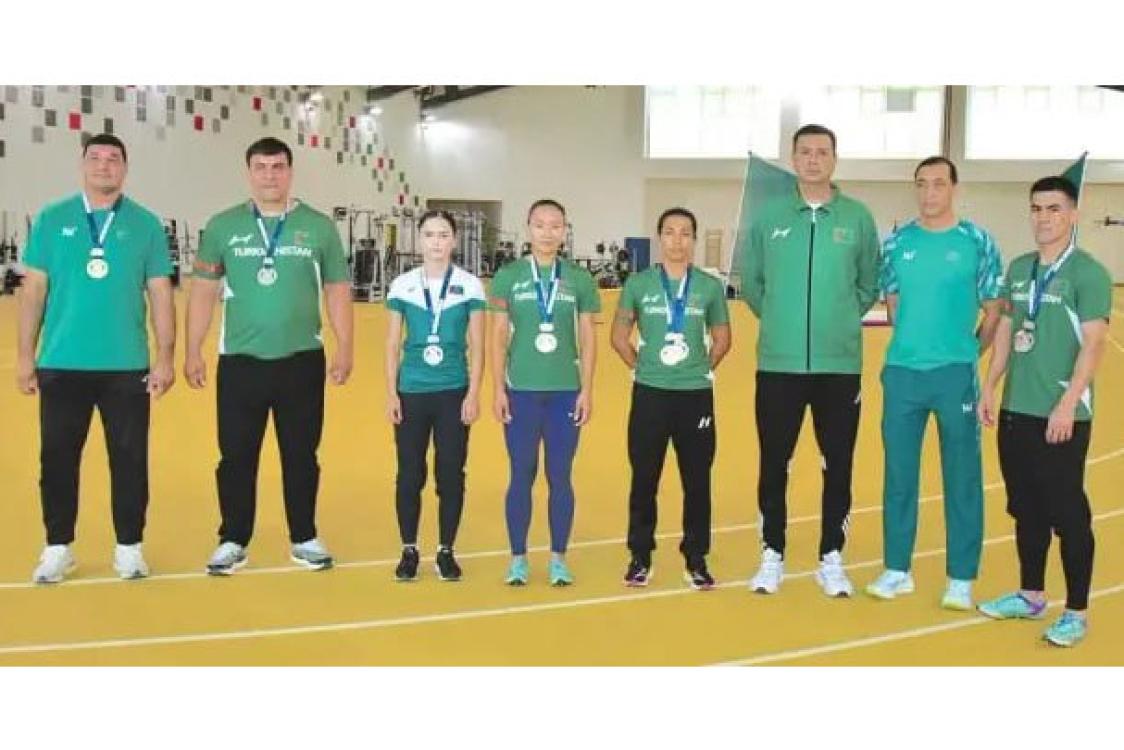
Athletes from Turkmenistan won 11 medals at the Central Asian Championships
15.09.2026Athletes from the Turkmenistan national athletics team won 11 medals – 2 gold, 7 silver and 2 bronze – at the 3rd Central Asian Open Championships, which took place in Tashkent. The medals were won in short- and middle-distance running, relays, the hammer throw and the shot put. This was reported by the news website Turkmenportal. At the end of the tournament, the Uzbekistan national team took first place in the overall standings, Kazakhstan came second and Turkmenistan third. More than 500 athletes from nine countries – Turkmenistan, Tajikistan, Uzbekistan, Kazakhstan, Kyrgyzstan, Singapore, Thailand, Saudi Arabia and Georgia – took part in the competition. The Turkmenistan national team was represented by 12 athletes from various age groups. Enejan Esedova won the gold medal in the 400-metre race with a time of 54.93 seconds, adding to this a silver in the 4×100-metre and mixed 4×400-metre relays. Another gold for the team was secured by Mergen Mamedov, a Merited Master of Sport, who threw the hammer 70.90 metres. Gurbannazar Kakajayev won the silver medal in the shot put (15.79 metres). Valentina Meredova, who represented her country at the Olympic Games in Beijing (2008) and Paris (2024), won bronze in the 100-metre race and silver in the mixed 4×100-metre relay. Her protégés – Gurban Orazov and Aysha Charyeva – also made it onto the podium in the relay events.
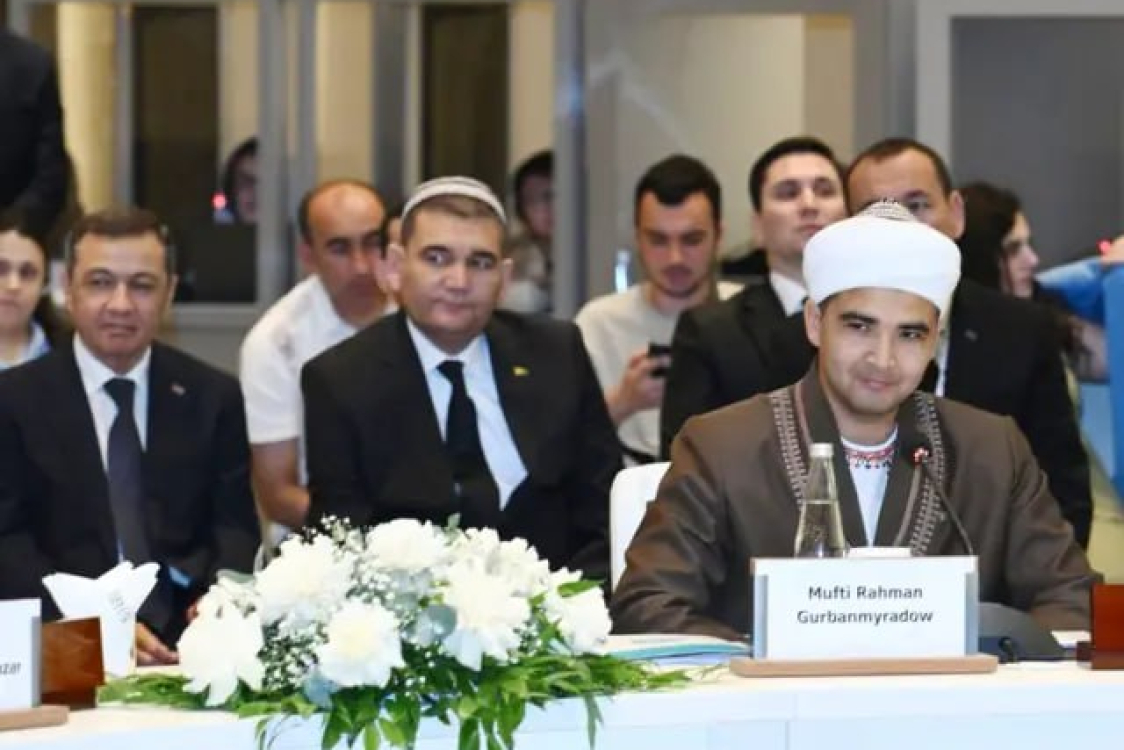
The Mufti of Turkmenistan addressed a meeting of the OTS in Baku
15.09.2026The Mufti of Turkmenistan, Rahman Gurbanmyradov, took part in the 7th Meeting of the Council of Heads of Muslim Religious Boards of the Organisation of Turkic States (OTS), which took place on 14 September in Baku. This was reported by the news website Turkmenportal. In his address, he emphasised that strong fraternal ties have developed between the peoples of the Turkic world throughout history, with roots in their shared history of cities, religious values, culture, customs and linguistic affinity. According to him, one of the main objectives is to further bring together the religious leaders of the Turkic peoples, strengthen mutual ties and cooperation, and jointly address pressing issues. The Mufti expressed his confidence that the meeting would benefit the Turkic peoples.
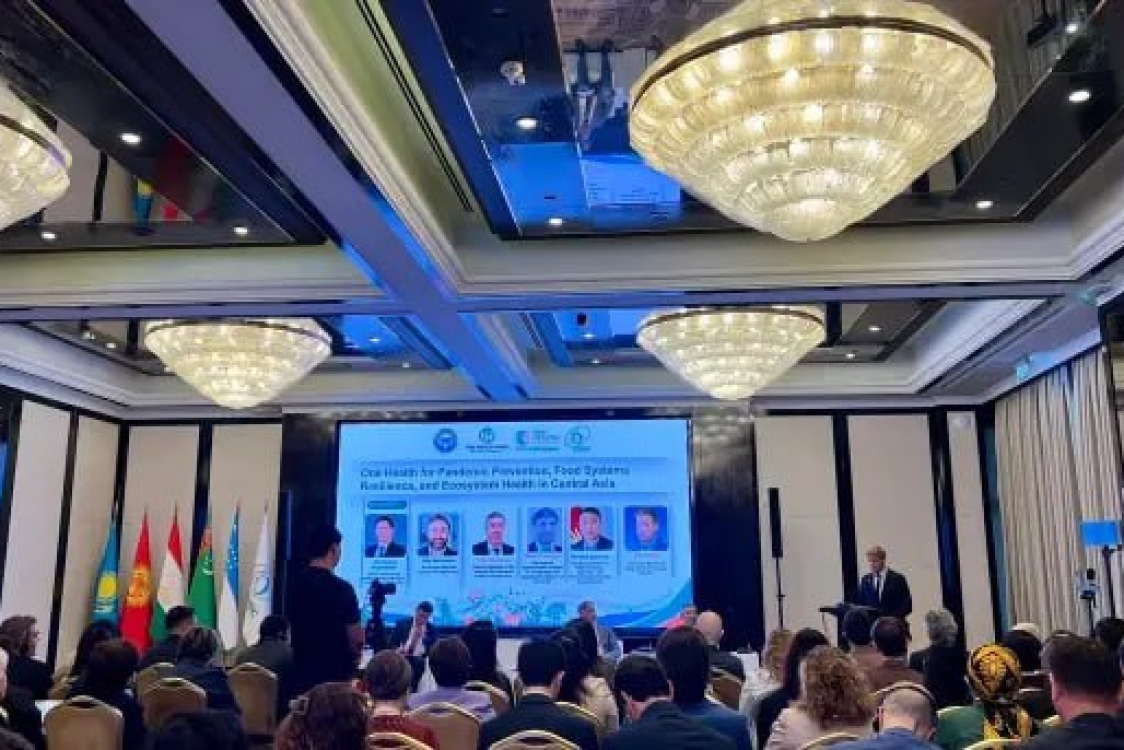
A delegation from Turkmenistan is taking part in the ‘One Health’ conference in Bishkek
14.09.2026The “One Health – 2026” Regional Conference opened in Bishkek on 14 September. More than 150 representatives of government bodies, international organisations and the expert community from five Central Asian countries, including Turkmenistan, are taking part, according to the news website Turkmenportal. Delegates are discussing ways to strengthen regional cooperation in the prevention of zoonotic diseases, pandemic preparedness, epidemiological and veterinary surveillance, as well as collaboration between the health, agriculture and environmental sectors. The event was organised by the Government of the Kyrgyz Republic, the Regional Environmental Centre for Central Asia (CAREC) and the World Bank, with the support of the Pandemic Fund and the Quadripartite Secretariat for One Health — FAO, WHO, WOAH and UNEP. The high-level plenary session was moderated by Zharkynbek Kasymbekov, Director of the National Institute of Public Health under the Ministry of Health of the Kyrgyz Republic. The session featured a presentation on the Kyrgyz component of the ‘One Health’ programme, which provides for funding of US$30 million in the form of a loan and US$1.79 million in the form of a grant. The funds are intended to strengthen governance in this sector, develop human resource capacity and improve systems for prevention, detection and response to threats, including laboratory networks and epidemiological surveillance. The World Bank’s Regional Director for Central Asia, Najy Benhassine, noted that the Bank provides financial and technical support to countries in the region, helping to strengthen national systems and foster collaboration on preventing cross-border infectious disease threats. Batyr Mammedov, Executive Director of CAREC, emphasised that the regional initiative is moving from the development of common approaches to practical implementation, and highlighted the role of the ‘One Health’ Regional Secretariat, based at CAREC, in coordinating actions between countries. During the conference, representatives from Kazakhstan, Kyrgyzstan, Tajikistan, Turkmenistan and Uzbekistan are discussing the progress of national programmes and priorities for further cooperation.
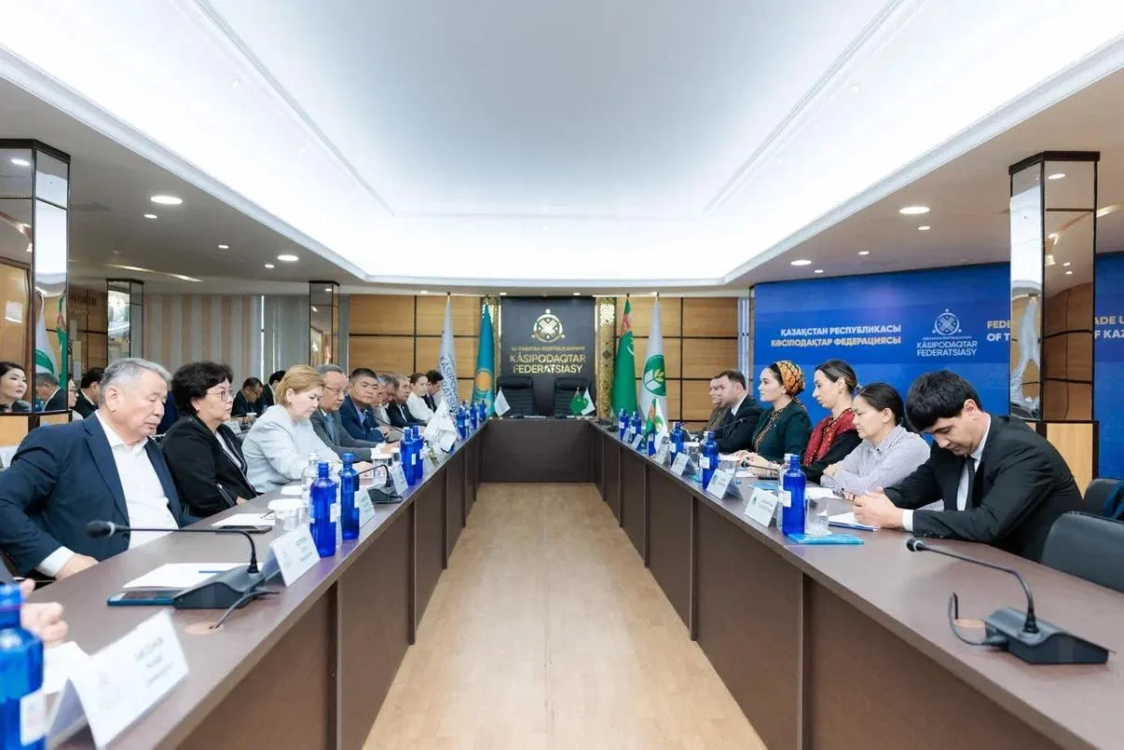
Trade unions in Turkmenistan and Kazakhstan are strengthening their cooperation
14.09.2026On 11 September, a meeting took place in Astana between the leaders of trade union federations from Turkmenistan and Kazakhstan. This was reported by the news website Turkmenportal. Oguljennet Berdiliyeva, Chairwoman of the National Trade Union Centre of Turkmenistan, held negotiations with Satybaldy Dauletalin, Chairman of the Federation of Trade Unions of the Republic of Kazakhstan. The parties discussed the protection of workers’ labour and socio-economic rights, social partnership, health and safety at work, trade union education and the exchange of experience. Following the negotiations, a Memorandum of Understanding and Cooperation was signed. The document provides for the expansion of professional contacts and the implementation of joint initiatives. As part of the visit, an international round-table discussion entitled ‘Strengthening social dialogue and the role of trade unions in ensuring decent work: the experience of Kazakhstan and Turkmenistan’ was also held, attended by representatives of trade unions from both countries and the International Labour Organisation. Particular attention was paid to regional cooperation. The parties noted the significance of the International Forum of Trade Union Presidents from Central Asian Countries and Azerbaijan, which is due to take place in Ashgabat in November 2026.
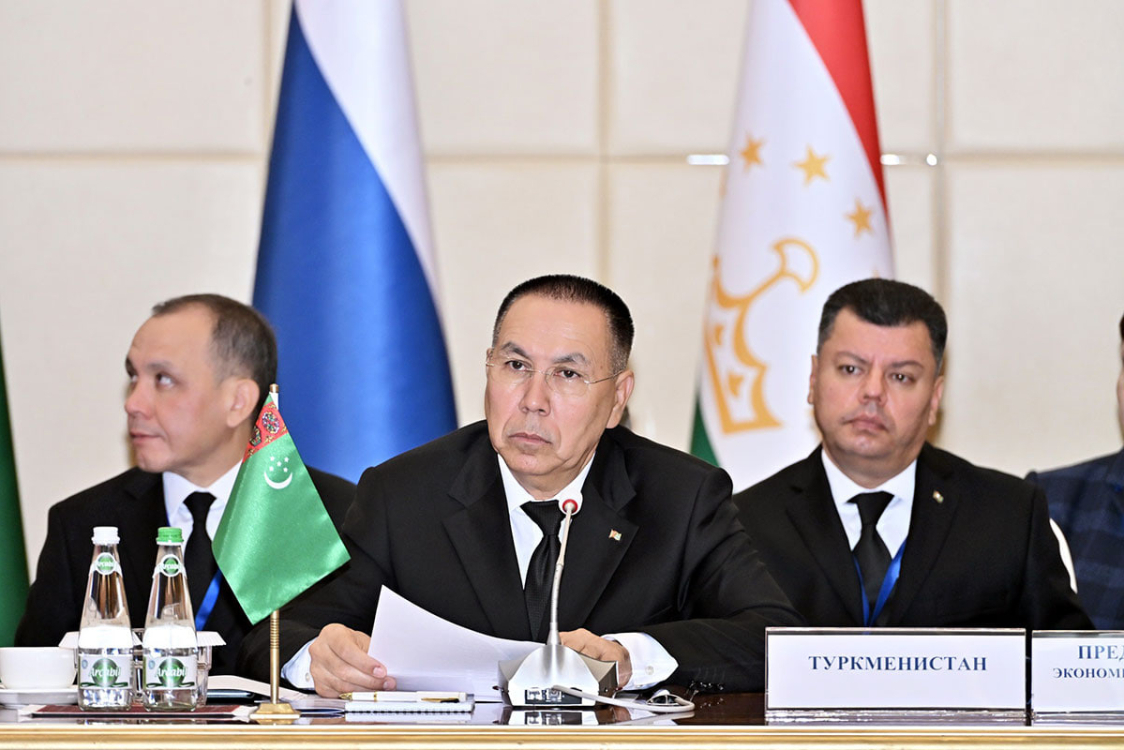
The transport potential of the CIS countries was discussed in Ashgabat
14.09.2026During his speech at the 111th meeting of the CIS Economic Council, Deputy Chairman of the Cabinet of Ministers of Turkmenistan H. Geldimyradov focused on the transport potential of the Commonwealth countries, according to the ‘Turkmenistan: Golden age’ news agency. According to the Deputy Prime Minister, the geographical location of the CIS states creates opportunities for the development of sustainable routes between Europe and Asia. The ‘North–South’ and ‘East–West’ international transport corridors were cited as priority areas. The role of the Caspian region in the international transport and logistics system was highlighted separately. Turkmenistan is keen to make effective use of the Caspian Sea’s transit potential on the basis of mutually beneficial cooperation. As part of its chairmanship, Turkmenistan proposed declaring 2029 the Year of Transport Connectivity. The initiative is aimed at developing transport infrastructure and international routes, digitising transport, expanding intermodal connections, enhancing transport security and removing infrastructural and administrative barriers. H. Geldimyradov noted that the thematic year should serve as a practical platform for implementing specific projects in the field of transport cooperation between the Commonwealth countries.
Read also
Advertising
 Read us in Zen


