

News
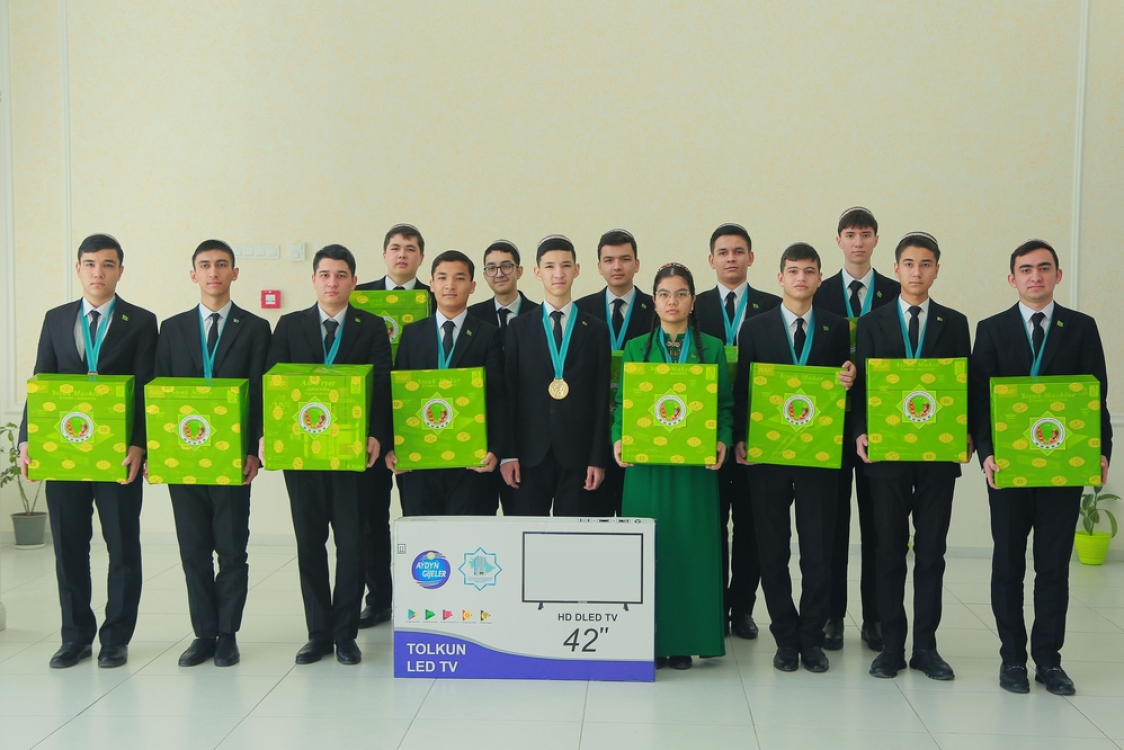
Schoolchildren from Turkmenistan performed successfully at the international Olympiad
20.01.2026At Ashgabat's Specialized Secondary School No. 135, which specializes in advanced English language learning, the Central Council of the Magtymguly Youth Organization held a ceremony presenting valuable gifts to schoolchildren who won the XXII International Zhautykov Olympiad. This was reported by the press service of the Ministry of Education. Turkmen schoolchildren won 1 gold, 4 silver and 11 bronze medals. These achievements were the first results in 2026. The International Zhautykov Olympiad for schoolchildren has been held since 2005 by the ‘Daryn’ Scientific and Practical Centre under the Ministry of Education of Kazakhstan. It is held annually in physics, mathematics and computer science and has international status. From 10 to 14 January 2026, the XXII International Zhautykov Olympiad was held in Almaty. Twenty-eight talented schoolchildren from Turkmenistan took part in the competition, competing with more than 600 participants from 16 countries. Our young talents showed high results and won prizes at the international level. Turkmen schoolchildren have been participating in the Olympiad since 2010, and their success on the international arena is growing every year.

Turkmenistan and Qatar discussed cooperation in science and education
20.01.2026On 19 January, the Ambassador of Turkmenistan to the State of Qatar, Myratgeldi Seyitmammedov, met with the Rector of University of Doha for Science and Technology, Salem Al-Naemi. This was reported by Orient. During the meeting, the Ambassador announced that 2026 in Turkmenistan will be held under the motto ‘Independent Neutral Turkmenistan − the Homeland of Purposeful Winged Horses’ and presented a plan for celebrations to mark the 35th anniversary of the country's independence. The Diplomat emphasised that the development of the Turkmen education system is closely linked to international cooperation. Work is underway on joint educational programmes, academic exchanges and teacher training with foreign universities and research centres. The parties discussed prospects for further cooperation in science and education. Specific steps will be agreed during the upcoming visit of representatives of Doha University to Turkmenistan.

Turkmenistan signs new export contracts at ‘Heimtextil 2026’
20.01.2026The Turkmen delegation signed a number of export agreements on textile supplies with foreign partners during the ‘Heimtextil 2026’ international exhibition, which took place from 13 to 16 January at the Messe Frankfurt exhibition centre in Frankfurt am Main. This was reported by ‘Business Turkmenistan’. According to the source, the agreements were reached during negotiations led by Minister of Textile Industry Nurmuhammet Orazgeldiyev with foreign companies and potential buyers. The national stand of Turkmenistan presented products made from natural cotton by domestic manufacturers. The exhibition demonstrated the high quality of Turkmen products, their competitiveness and modern design. ‘Heimtextil’ is one of the world's largest exhibitions in the field of home and contract textiles, bringing together manufacturers, designers, suppliers and buyers. This year, more than 3,000 exhibitors from 65 countries took part, presenting products ranging from decorative textiles to specialised solutions for the hotel sector.
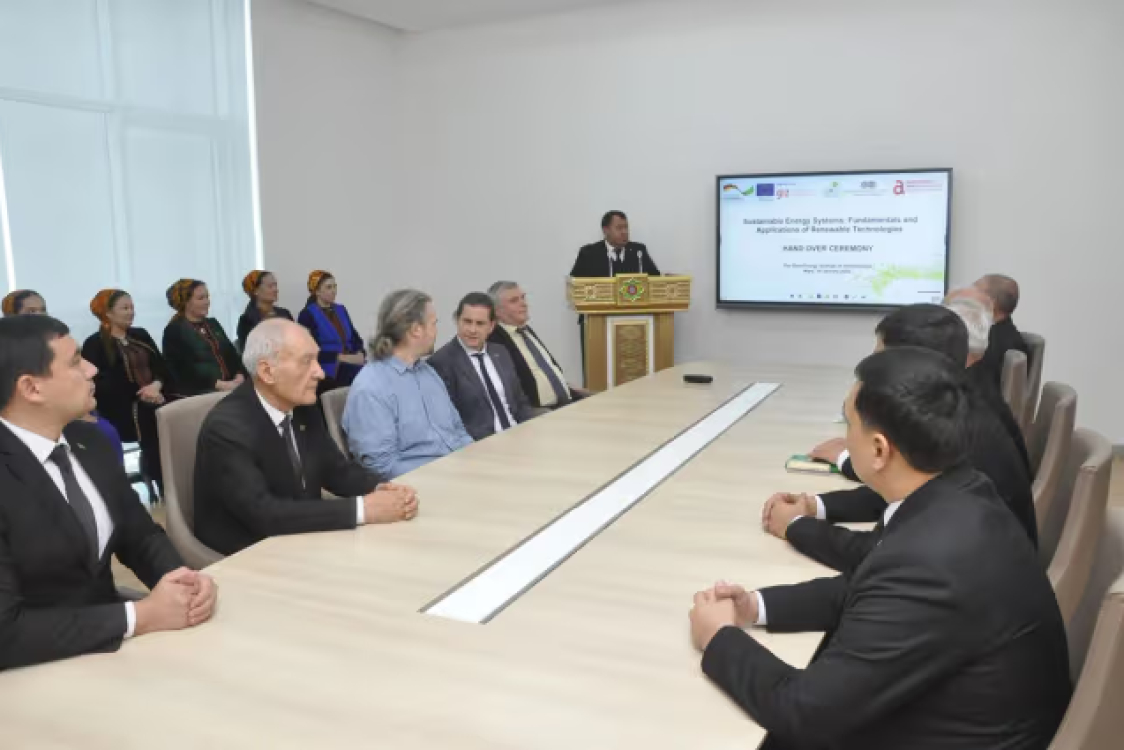
Turkmen specialists complete training course on renewable energy
20.01.2026The second stage of the 72-hour specialised course ‘Sustainable Energy Systems: Fundamentals and Applications of Renewable Technologies’ has been completed at the State Energy Institute of Turkmenistan (SEIT). The first part of the programme took place from 2 to 5 September 2025, according to Turkmenportal. The course was organized as part of the project ‘EU for a green Turkmenistan: Policy Dialogue and Climate Action 2024-2029,’ funded by the EU and the German Federal Foreign Office. The project is being implemented by GIZ. The programme was aimed at improving the qualifications of Turkmen specialists in the field of renewable energy sources. Participants studied practical methods for implementing ‘green’ energy systems, evaluating technological projects and tools for developing sustainable energy infrastructure. The training was conducted by experts from Anhalt University of Applied Sciences (Germany). Upon completion of the course, SEIT lecturers, employees of the ‘RES’ Scientific and Production Centre and specialists from the Ministry of Energy received official certificates. Dr Eduard Siemens, Director of the Doctoral Center for Engineering Sciences and Information Technologies (IWIT), Anhalt University of Applied Sciences, noted the systematic nature of the cooperation and emphasised that the programme had created a knowledge base for the effective implementation of clean technologies in Turkmenistan.

A solo exhibition by artist Berdiguly Amansahetov has opened in Ashgabat
20.01.2026A solo exhibition by Berdiguly Amansahetov, a member of the Union of Artists of Turkmenistan, has opened in Ashgabat. This was reported by Turkmenportal. The exhibition includes over 110 paintings and graphic works. Among them are the works ‘Spring Melodies’ (2015), ‘At the Crossroads of the Great Silk Road’ (2018), a series dedicated to the work of Magtymguly (2024), works based on Alisher Navoi's poem ‘Seven Beauties’ (2023), the cycle ‘On the Feelings of Gazelles,’ inspired by the poetry of Fizuli (2022), as well as ‘Sounds of the Evening Dutar’ (2014) and others. Berdiguly Amansahetov is a member of the Artists' Unions of Turkmenistan and Russia, an Honoured Artist of the Republic of Khakassia and a laureate of the award for best stage design. His work focuses on Turkmen culture and Eastern themes. The artist's works are regularly exhibited in the Russian gallery ‘Khazine’. The master's works are based on classical Eastern literature and combine elements of symbolism and surrealism. Berdiguly Amansahetov's work has gained recognition in Turkmenistan and beyond. The exhibition will last ten days.

Turkmenistan has introduced new approaches to vaccination and disease prevention
19.01.2026Turkmenistan became the first country in the region to test the WHO FAIR tool for seasonal influenza vaccination. This made it possible to adopt a national vaccination policy in 2025. This was reported by Dmitry Shlapachenko, UN Resident Coordinator in Turkmenistan, in an interview with the newspaper ‘Neutral Turkmenistan’, according to Turkmenportal. He noted progress in the field of healthcare. The country has developed a National Strategic Plan for Tuberculosis Control for 2026-2030. Six tuberculosis hospitals have installed portable X-ray systems using artificial intelligence. With the support of UNFPA, the cervical cancer screening programme has reached 72% of the target group. The national immunisation calendar has also been updated: a six-valent vaccine has been introduced and a vaccine against human papillomavirus has been added.
Universities in Turkmenistan and the UK expand cooperation
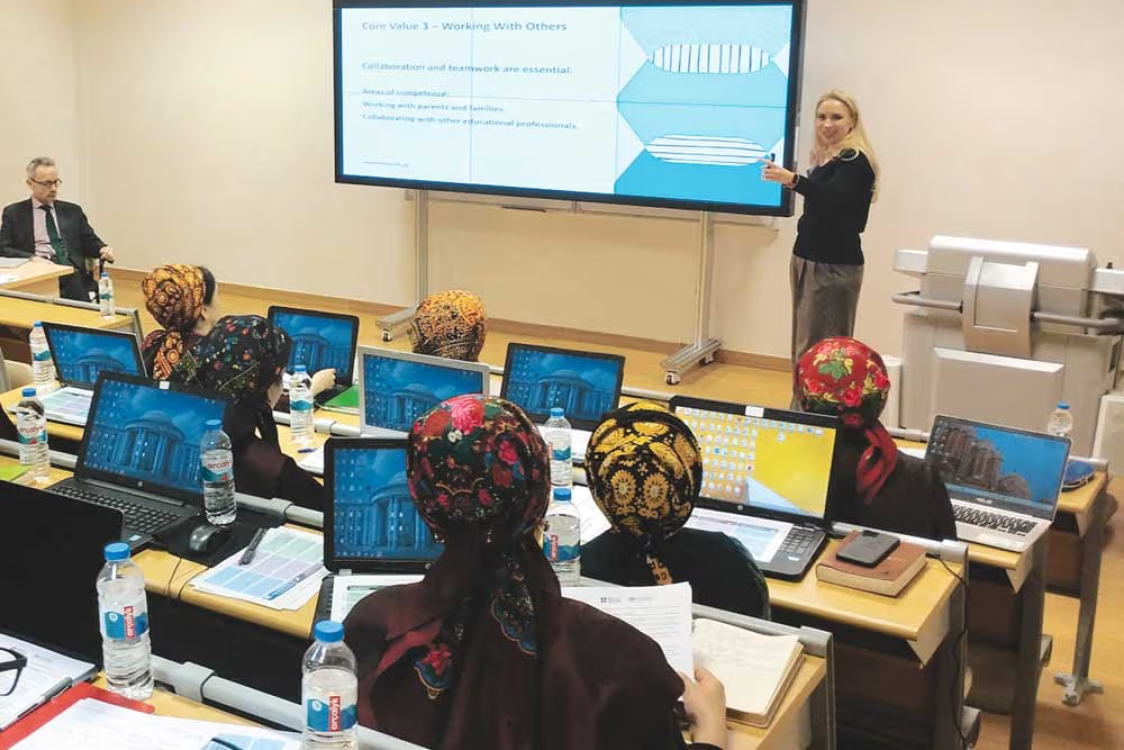
19.01.2026Cooperation between universities in Turkmenistan and the United Kingdom is developing within the framework of the Accelerating English Language Learning in Central Asia (AELLCA) programme. The project is being implemented on the basis of a Memorandum of Understanding with the University of Westminster and aims to update teaching methods and introduce inclusive approaches, according to IIC. During the second phase of the programme, a delegation of British academics visited universities in Ashgabat and Turkmenabat. Master classes and methodological seminars were held for teachers. The venues for the exchange of experience were the International University for the Humanities and Development, the Magtymguly Turkmen State University and the Seyitnazar Seydi Turkmen State Pedagogical Institute. Andrew Lynn, Deputy Vice-Chancellor of the University of Westminster, and Dr Anastasiya Bezborodova presented approaches to academic writing and modern communication methods. Issues of inclusive education and the adaptation of curricula to regional conditions were discussed separately. The visit concluded with an international conference on the role of English in the integration of science and education. It was noted that the teaching materials developed as part of the project are already being used in Turkmen universities. The next stage of cooperation will be the preparation of joint methodological publications. The parties also plan to expand academic mobility and launch new research projects.

UNDP promotes the introduction of digital solutions in Turkmenistan's economy
19.01.2026UNDP provided support in developing the Concept for the Development of the Digital Economy of Turkmenistan and the State Programme for 2026–2028. This was announced by Dmitry Shlapachenko, UN Resident Coordinator in Turkmenistan, in an interview with the newspaper ‘Neutral Turkmenistan’, as reported by Turkmenportal. According to him, with the assistance of UNDP, new approaches to financial reporting and the methodology for applying the System of National Accounts have been introduced. Risk management at customs has also been strengthened as part of the creation of a Single Window for export and import operations. One of the key projects was a pilot project to introduce an electronic equivalent of the SMGS railway consignment note using UN/CEFACT standards. This has brought Turkmenistan's practices closer to international standards. In addition, UNDP equipped four vocational and technical education institutions with modern IT infrastructure and organised training for more than 100 young professionals.

Turkmenistan moves towards WTO accession: roadmap under development
19.01.2026Experts from the International Trade Centre have prepared a Roadmap for Turkmenistan to simplify trade procedures in preparation for accession to the WTO, according to Dmitry Shlapachenko, UN Resident Coordinator in Turkmenistan, as reported by the news website Turkmenportal. He noted that over 50 employees of national ministries had been trained in WTO rules and agreements, and a delegation of 10 government officials had studied Kazakhstan's experience in the process of joining the organization. An analysis of national legislation for compliance with WTO requirements is also continuing, and the country's regulatory framework for investment promotion is being assessed.

Leasing has commenced in the free trade zone on the border between Turkmenistan and Uzbekistan
19.01.2026Border trade between Turkmenistan and Uzbekistan is gaining new momentum. The leasing of retail space has begun in the free trade zone on the border between the two countries, and entrepreneurs can now officially reserve space for their businesses, according to the Orient news agency. The 3.1-hectare zone is a full-fledged trade and service complex: 112 open galleries, 28 covered pavilions, 16 shops, as well as pharmacies, medical centres, a hotel, cafes and parking for 300 cars. A key advantage is the simplified visa-free regime, which allows free movement within the zone. The ‘Shavat-Dashoguz’ project is considered a pilot project and should confirm the potential of a modern and profitable model of cross-border trade. The launch of the lease coincided with a 30% increase in bilateral trade and freight traffic between the countries, including deliveries through the port of Turkmenbashi.

The ‘Hazarly’ gas field strengthens Turkmenistan's energy potential
19.01.2026The ‘Türkmengeologiýa’ State Corporation strengthens Turkmenistan's economy and energy independence. The industrial gas flow from exploration well No. 2 at the ‘Hazarly’ field was an important step in increasing reserves and confirmed the high potential of the Mary velayat fields, according to the news website Asmannews. After measurements and laboratory analysis of the gas, preparations will begin to connect the well to the unified gas transportation system. The new flow will support domestic consumption and key export destinations, primarily the Turkmenistan-China gas pipeline and, in the future, the TAPI route. The successes are linked to the modernisation of the ‘Marynebitgazgözleg’ expedition and the introduction of modern technologies, including high-powered digitally controlled drilling rigs capable of operating at depths of up to 7,000 metres. ‘Türkmengeologiýa’s plans for the future are focused on increasing gas reserves and digitising geological exploration, which is in line with the country's energy strategy.
Turkmenistan applies innovative methods to preserve pastures
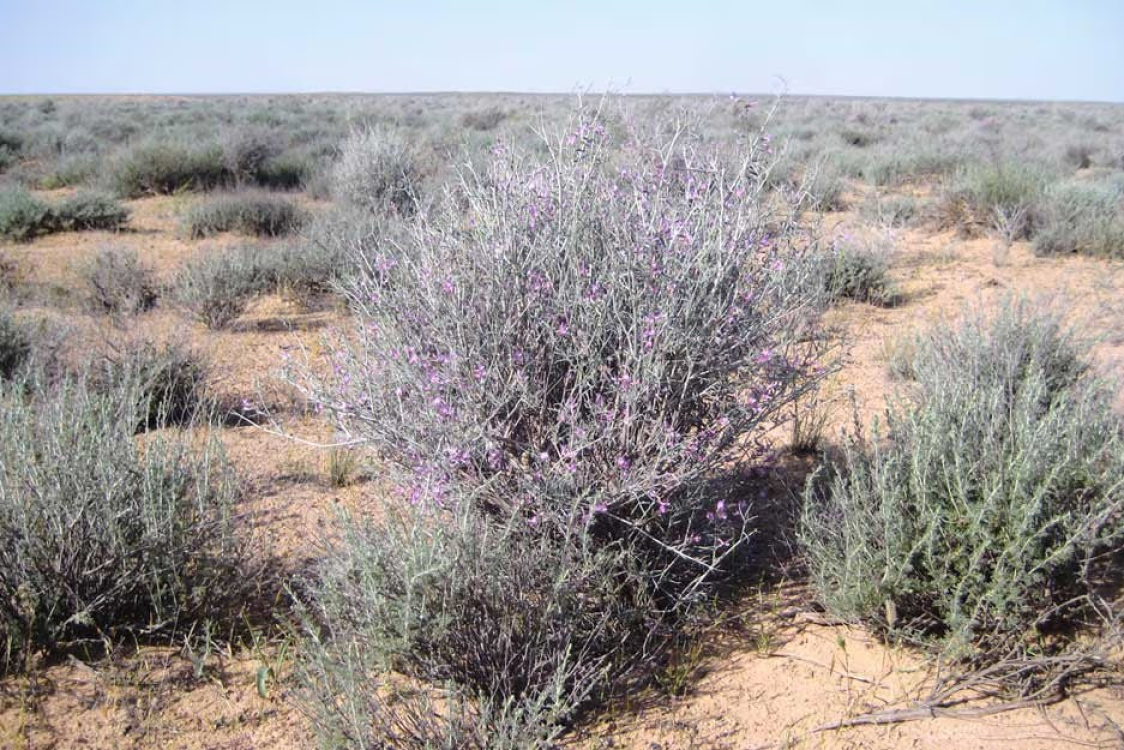
19.01.2026In 2026, sustainable livestock farming will become particularly important for Turkmenistan, where the Karakum Desert is the basis for transhumance. This was reported by the IIC. State policy is aimed at preventing pasture degradation and desertification. Scientists note that the development of sheep and camel breeding depends on the preservation of the feed base, based on traditional knowledge and modern eco-technologies. Specialists from the National Institute of Deserts have developed measures to restore pastures, including phytomelioration, saxaul planting and rational water use. The use of GIS and satellite monitoring allows for effective grazing planning and biodiversity conservation. Irrigation of remote areas plays an important role: the restoration of wells and water collection facilities expands access to pastures and increases the efficiency of livestock farming. These scientifically based approaches help to develop the industry while maintaining ecological balance in the context of climate change.
Read also
Advertising

 Read us in Zen


