

News
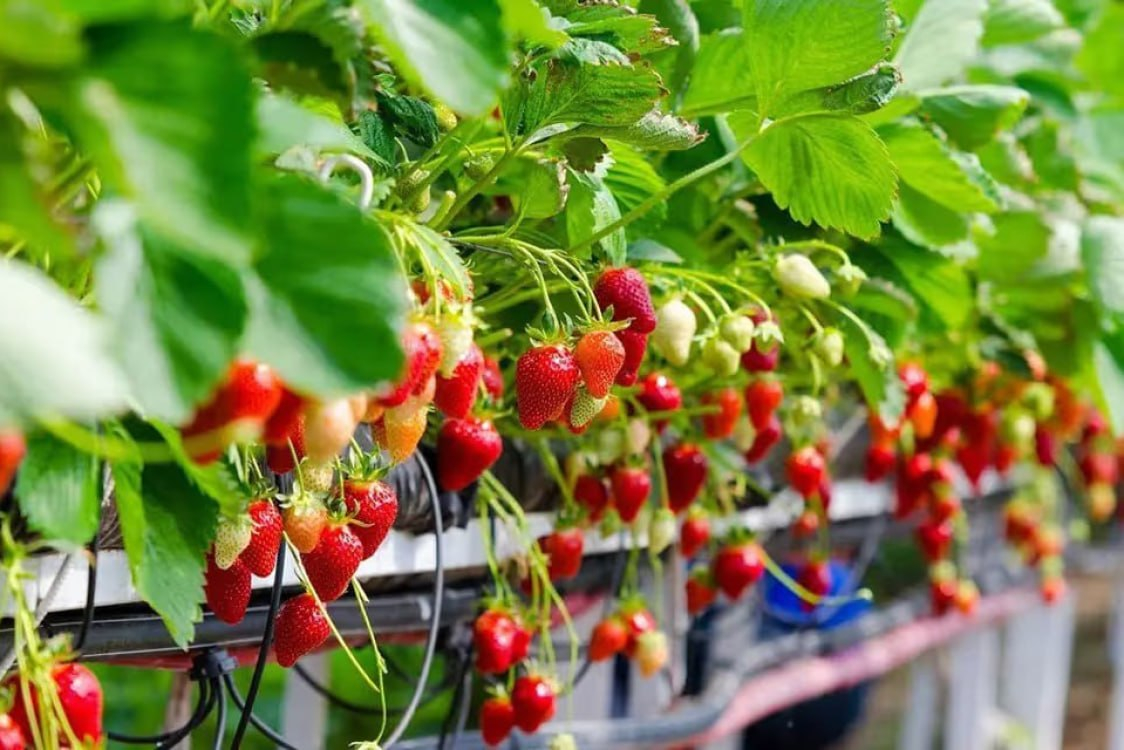
Turkmen company “Tudana” begins exporting strawberries to Dubai
19.05.2026The “Tudana” business society, located in the Ak Bugdaý etrap of the Ahal velayat, has exported fresh strawberries to Dubai (UAE) for the first time. According to a company representative, the enterprise is also considering entering the Russian market, the IIC reports. The strawberries are grown in modern greenhouse complexes covering a total area of 15 hectares. As part of efforts to expand export potential, the company is constructing additional greenhouses on 30 hectares, which are expected to be launched in the coming years. Products under the “Tudana” brand are available in more than 300 retail outlets across Turkmenistan and are already supplied to the markets of Kazakhstan and Uzbekistan, where they enjoy steady demand.
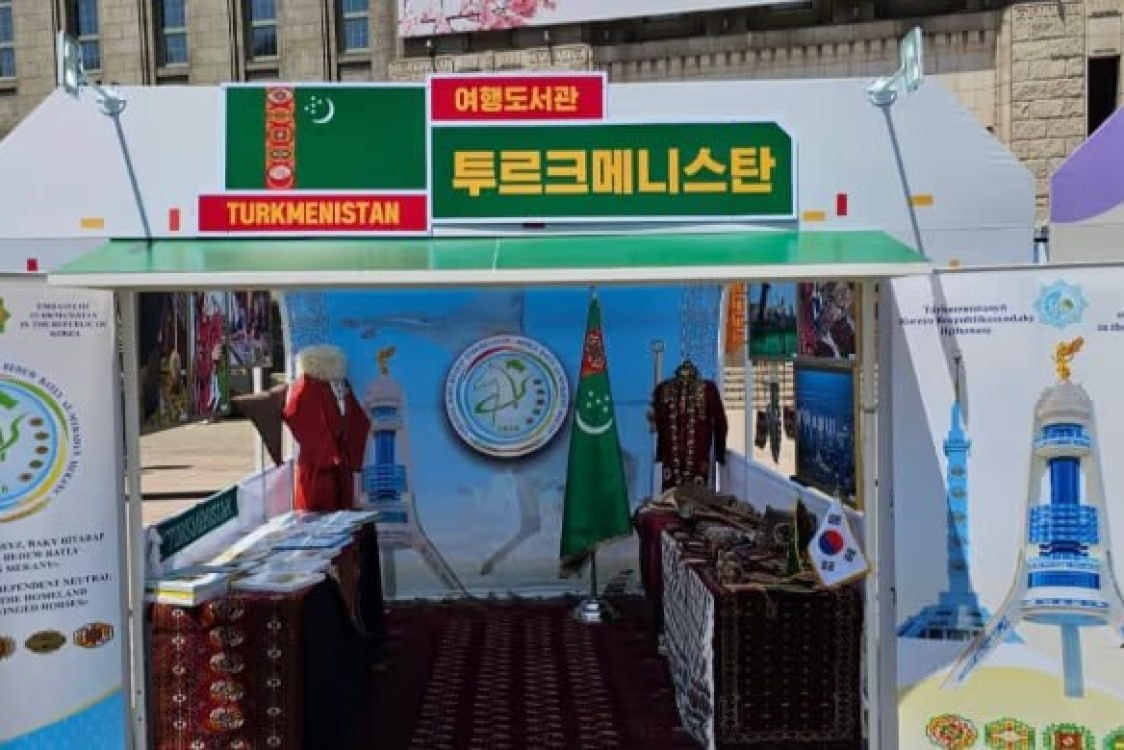
Turkmenistan Showcases National Art at Festival in Korea
19.05.2026The Embassy of Turkmenistan in the Republic of Korea took part in the “Central Asia Spring 2026” festival held in Seoul from May 16 to 17 under the auspices of the Korea–Central Asia Cooperation Forum and the Korea Foundation. This was reported by the IIC. The Turkmen side presented a national pavilion featuring handicrafts, textiles, jewelry, and traditional musical instruments. Diplomats from Central Asian countries and representatives of the South Korean government attended the opening ceremony. Turkmen Ambassador Begench Durdyyev highlighted the growing partnership between the countries of the region and the Republic of Korea, emphasizing the importance of the upcoming “Central Asia – Korea” summit scheduled for September 2026. The diplomat also noted that passenger flights on the Ashgabat–Seoul route have been operating since July 2025, while cargo transportation has been carried out since April 2023, contributing to the development of tourism, business, and educational ties. As part of the cultural program, audiences were shown the film “At-Murat” by director Vepa Ishanguliyev, посвященный традиции почитания Akhal-Teke horses — one of the symbols of the Turkmen people.
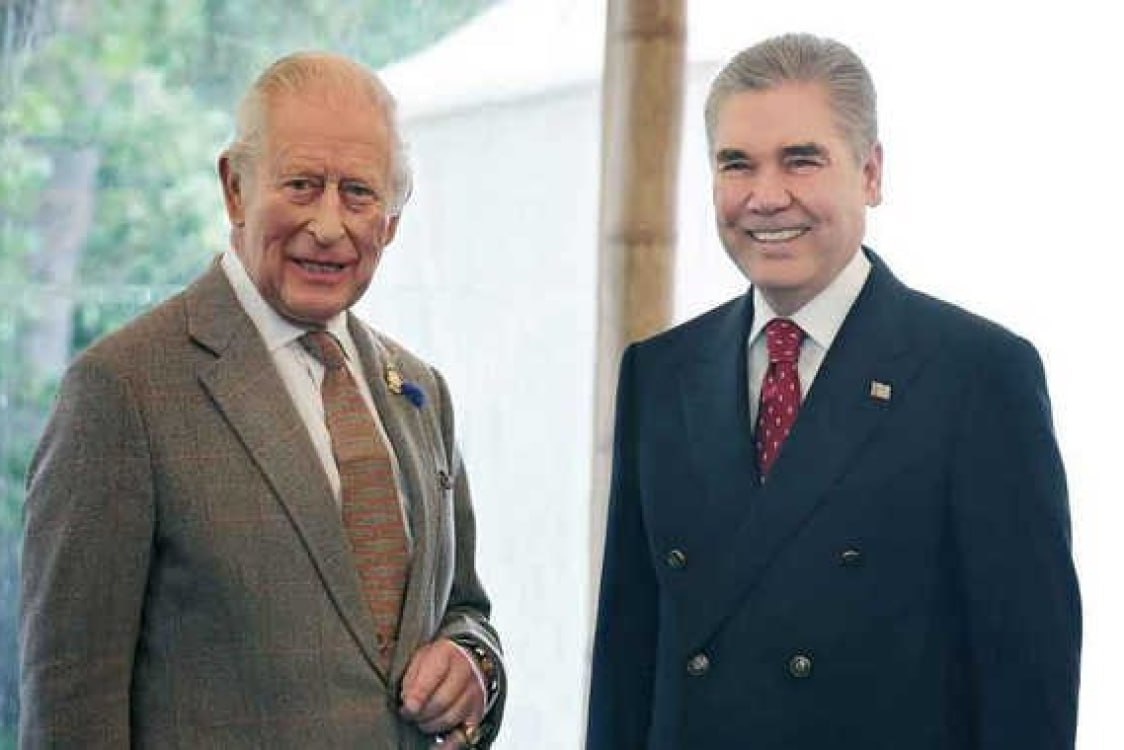
Charles III Invited to Turkmenistan’s 35th Independence Anniversary Celebrations
19.05.2026National Leader of the Turkmen people and Chairman of the Halk Maslahaty, Gurbanguly Berdimuhamedov, during his visit to the United Kingdom, invited King Charles III and members of the royal family to attend events marking the 35th anniversary of Turkmenistan’s independence. The invitation was accepted with gratitude, according to the TDH news agency. The visit took place at the invitation of the British royal family. The Turkmen delegation participated in the Windsor Horse Show. At Windsor Castle, Gurbanguly Berdimuhamedov held a meeting with King Charles III. The King emphasized the importance of dialogue and expressed hope that Akhal-Teke horses from Turkmenistan would take part in international equestrian competitions in the United Kingdom next year. Talks were also held with Prince Edward, Duke of Edinburgh. The sides discussed cooperation in the fields of horse breeding and hippotherapy. The year 2026 in Turkmenistan is being held under the slogan: “Independent Neutral Turkmenistan — the Homeland of Purposeful Winged Horses.” Events aimed at promoting the country’s national equestrian heritage are being organized both domestically and abroad.
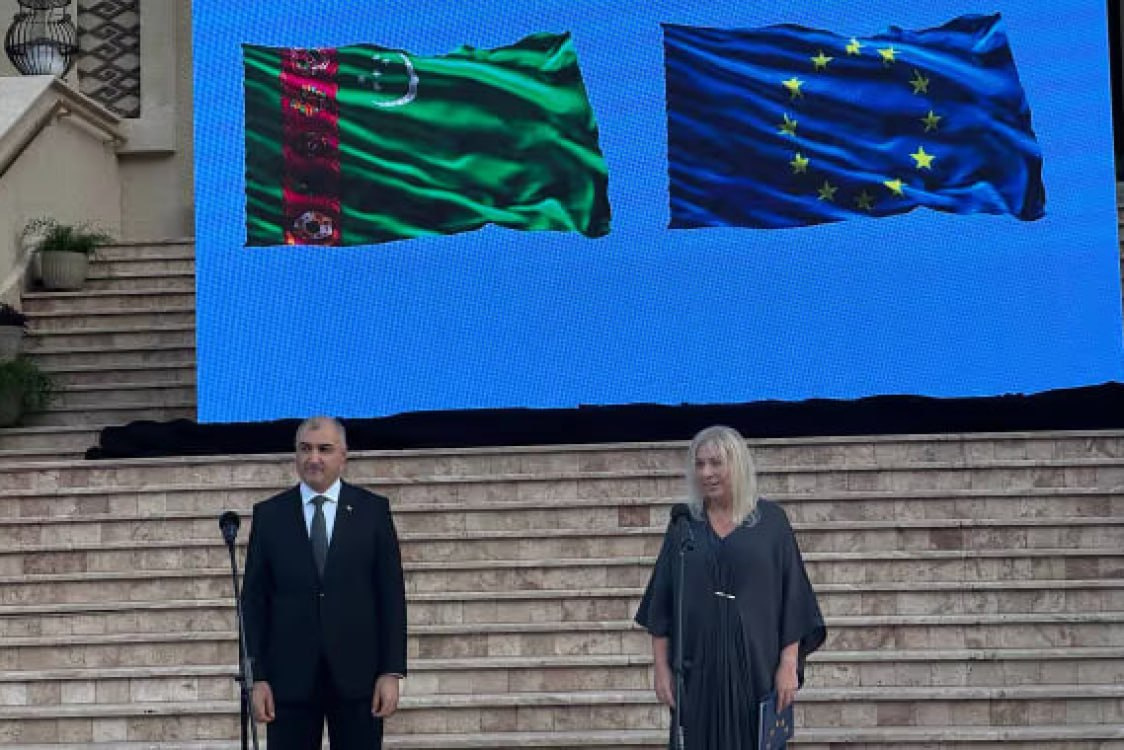
Turkmenistan expands cooperation with the European Union
18.05.2026Cooperation between Turkmenistan and the European Union is expanding and becoming more practical in nature. This was stated by Deputy Foreign Minister of Turkmenistan Ahmet Gurbanov at an event in Ashgabat dedicated to Europe Day, according to Turkmenportal. According to him, cooperation with the EU is among the priorities of the country’s foreign policy. Relations are based on the principles of mutual respect and trust and are aimed at supporting international peace and sustainable development. Over recent decades, cooperation has become multi-dimensional, covering trade, economy, security, energy, transport, environmental protection, digitalization, education, science, and culture. Ahmet Gurbanov noted the high level of political dialogue. He recalled the participation of the President of Turkmenistan in the first “Central Asia – European Union” summit on April 4, 2025, in Samarkand, as well as meetings with the leadership of the European Council and the European Commission. An intensification of “Team Europe” initiatives was also noted in the areas of digital connectivity, energy, water resources, and the climate agenda.
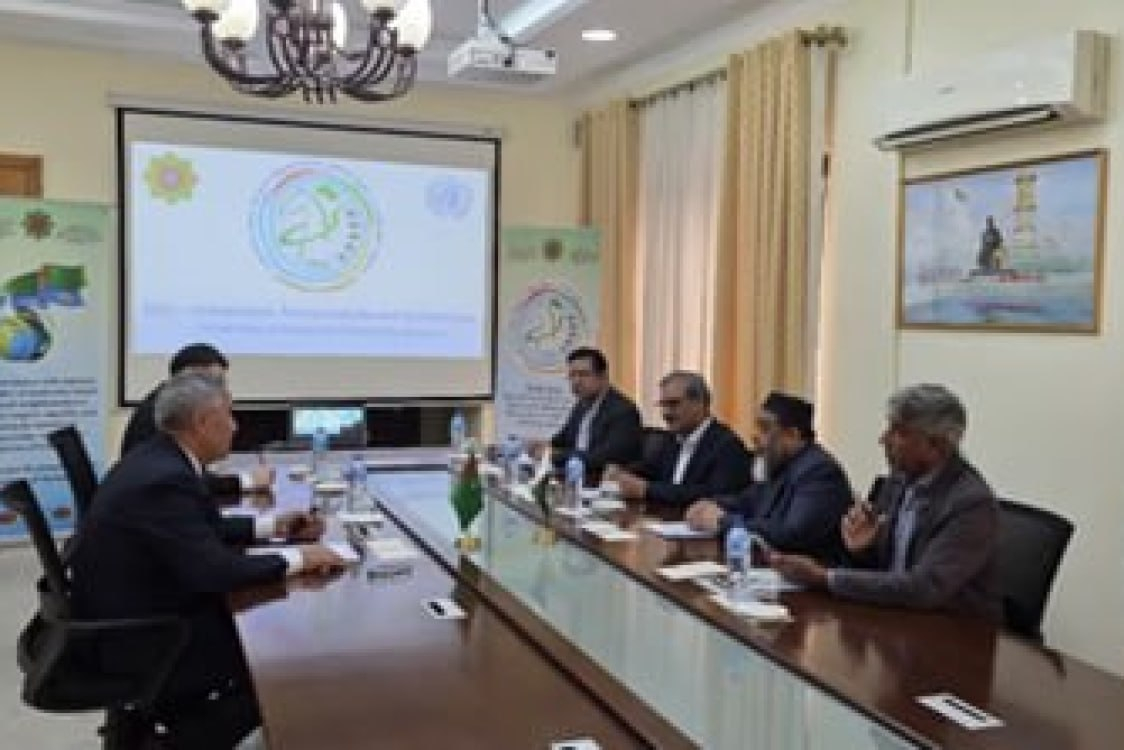
Turkmenistan and “Habib Rafiq” Discuss Cooperation in Construction and Investment
18.05.2026On May 14, a meeting was held at the Embassy of Turkmenistan with the leadership of the Pakistani company “Habib Rafiq (Pvt.) Ltd.”, headed by Chief Operating Officer Aslam Malik. This was reported by the IIC. The parties discussed prospects for cooperation in construction, investment, and technology implementation, noting the significant potential for collaboration. The Turkmen side presented information on large-scale modernization of transport and engineering infrastructure, including road construction and the development of industrial facilities. Following the talks, the participants expressed readiness to further strengthen business ties and continue dialogue on promising areas of cooperation.
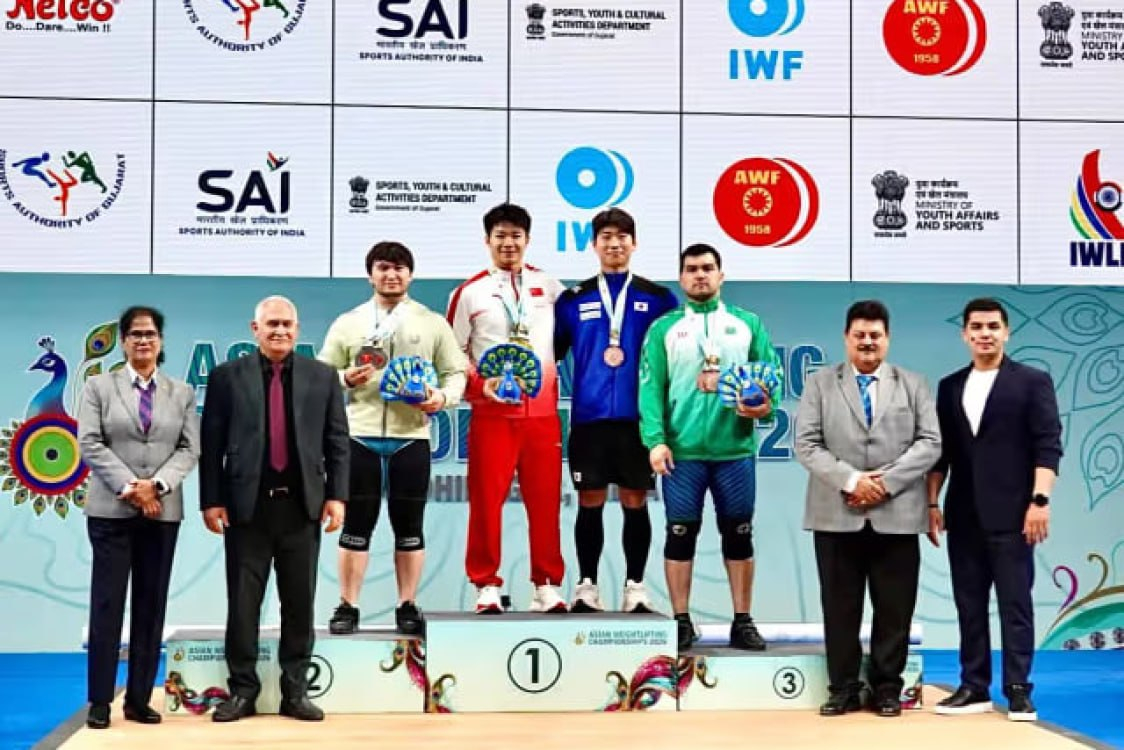
Turkmen weightlifters win two medals at the Asian Championships
18.05.2026Turkmen weightlifter Rustem Annaberdyev won a bronze medal at the Asian Weightlifting Championships taking place in Gandhinagar, India, in the men’s 94 kg weight category. This was reported by Turkmenportal. In the combined total, he lifted 354 kg (158 kg in the snatch and 196 kg in the clean and jerk). The winner in this category was Chinese athlete Yi Tu, who recorded a total of 386 kg (175+211). Second place went to Uzbekistan’s Muhammadqodir Toshtemirov with a total of 373 kg (166+207). Earlier at the championships, Turkmen athlete Bunyad Rashidov won a small bronze medal in the snatch in the 71 kg category, lifting 147 kg.
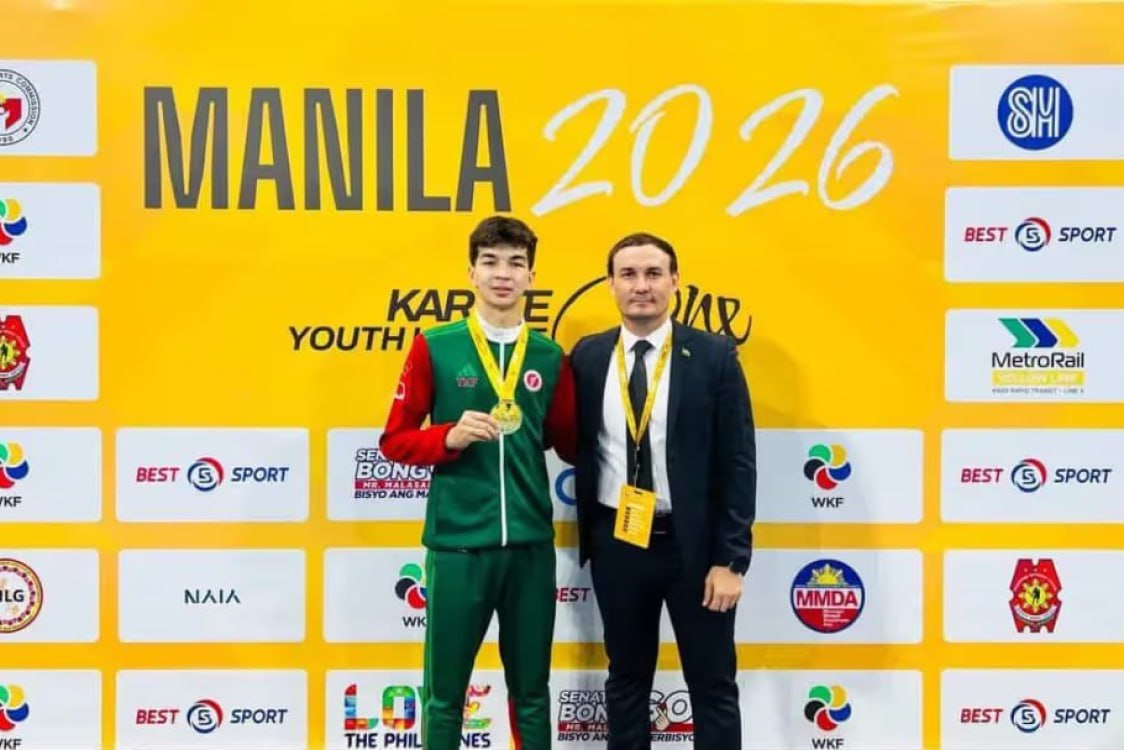
Turkmen athletes excel at international karate tournament
18.05.2026The national team of Turkmenistan won two medals at the international tournament “Karate 1 – Youth League,” held in Manila (Philippines), according to the news website Turkmenportal. The winner of the competition was Rayan Gurbanmyradov, who earned a gold medal in the junior kumite category (16–17 years old) in the under-55 kg weight class. Another medal for the team was brought by Alymuhammet Kakaliyev, who won a bronze medal in cadet kumite (14–15 years old) in the under-57 kg category. A total of 790 athletes from 58 countries took part in the tournament.
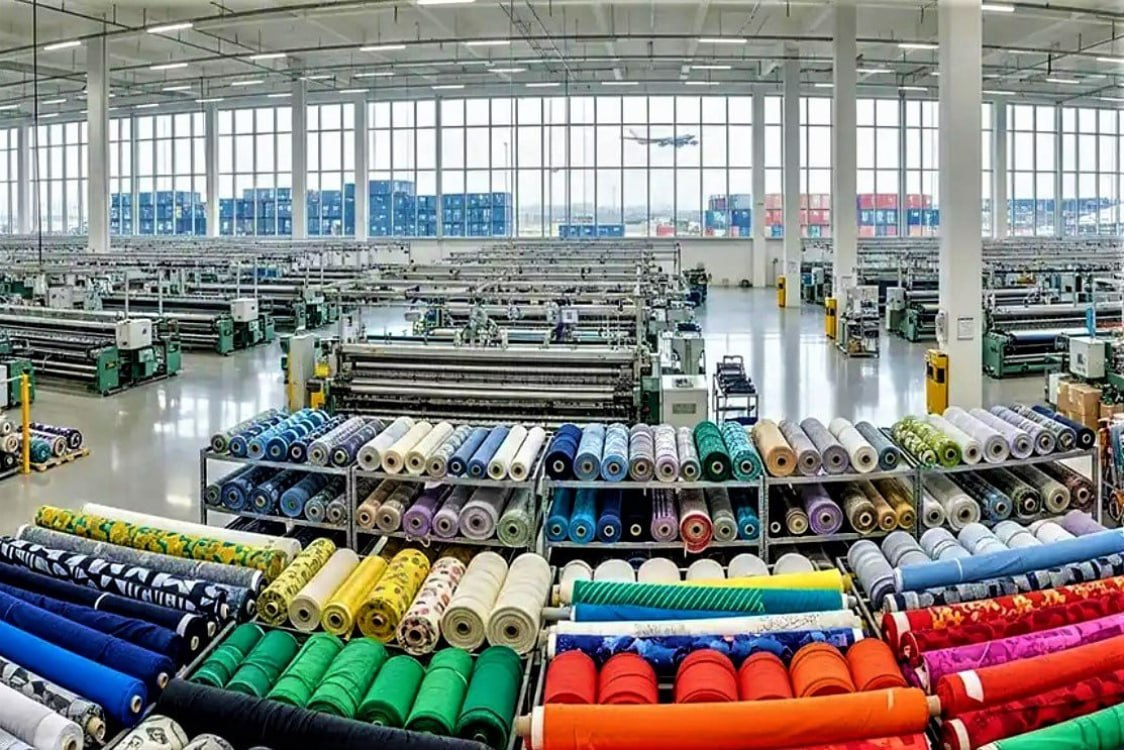
“TurkmenTextile Expo 2026”: focus on exports, logistics and sustainable standards
18.05.2026On June 5, the second day of the international exhibition “TurkmenTextile Expo 2026” in Ashgabat, the business program will focus on key issues in the development of textile exports — logistics, certification, and sustainable production. This was reported by the Orient news agency. The morning training session will be dedicated to the “Better Cotton” standard: participants will learn about requirements for producers, the system for raw material traceability, and preparation for international audits required to access global markets. In the afternoon, a workshop on export logistics for Central Asian countries will take place. Experts will examine practical cases of supply chain optimization, multimodal routes, and cost reduction across production-to-end-customer chains. The program will conclude with a seminar featuring international specialists on the “GOTS” and “OEKO-TEX” standards. The discussion will focus on environmental certification, digital solutions for the industry, and the implementation of ESG approaches in textile production. The organizers emphasize that all sessions are practice-oriented and aimed at helping companies enter foreign markets, improve supply chain transparency, and implement sustainable practices without reducing business efficiency.
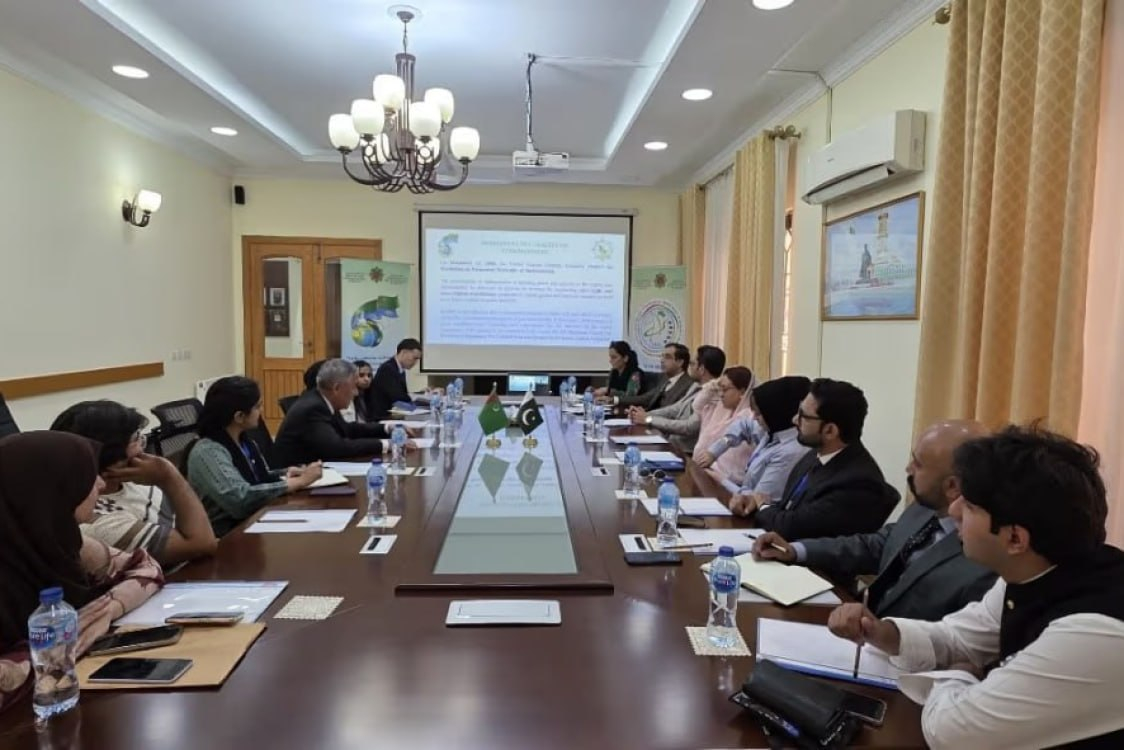
In Islamabad, Turkmenistan’s foreign policy was discussed with IYDS students
18.05.2026On May 13, a meeting was held at the Embassy of Turkmenistan in Islamabad with students of the International School of Young Diplomats (IYDS) at the Institute of Peace and Diplomatic Studies of Pakistan, dedicated to the 35th anniversary of the country’s independence, the Turkmenistan IIC reports. The Turkmen side presented the main directions of its foreign policy, based on neutrality, peace-oriented principles, and international cooperation, as well as initiatives in the areas of regional stability, transport, energy, and humanitarian ties. The Ambassador Extraordinary and Plenipotentiary of Turkmenistan to Pakistan, Atajan Movlamov, introduced participants to the country’s history, culture, geography, and geopolitical significance, emphasizing the friendly nature of relations with Pakistan. Participants discussed issues of neutrality, investment, and the development of cooperation, receiving detailed responses. At the end of the meeting, certificates were presented to the students. Participants highly appreciated the event and expressed gratitude for the opportunity to learn about Turkmenistan’s foreign policy priorities.
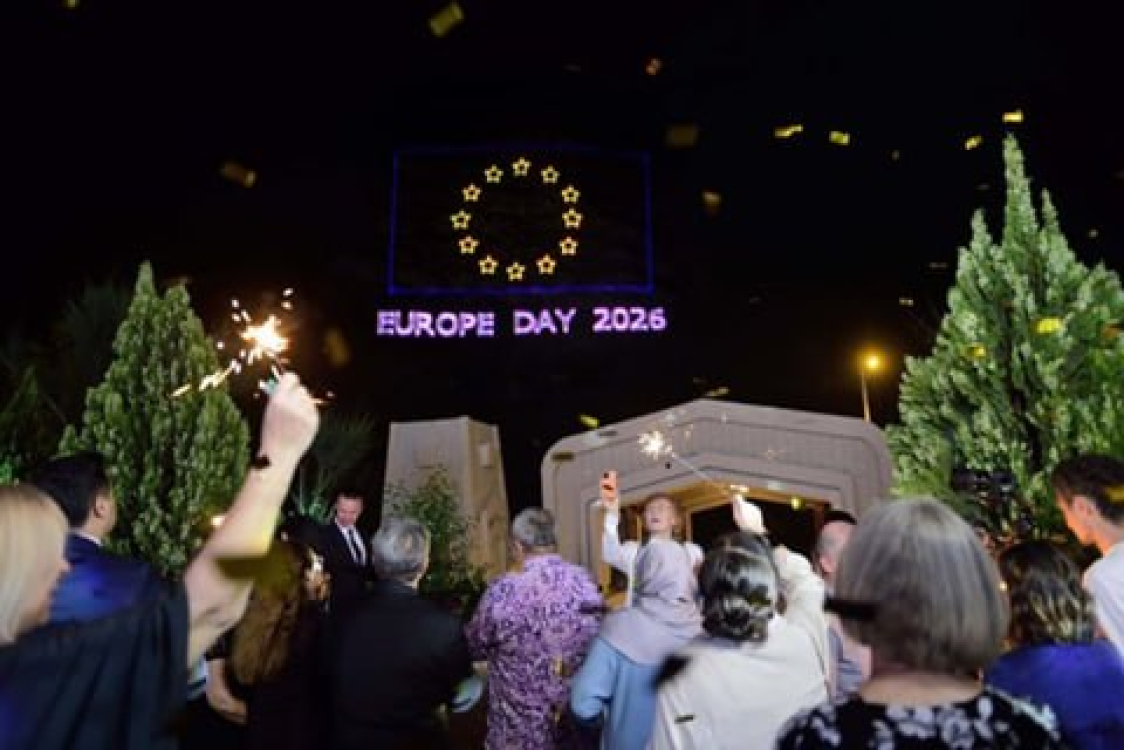
Europe Day in Ashgabat: EU and Turkmenistan highlight strengthening of partnership
18.05.2026In Ashgabat, at the cultural and entertainment center “Gala,” a formal reception was held on the occasion of Europe Day 2026, confirming the steady development of the partnership between the European Union and Turkmenistan. This was reported by the news agency Orient. The event, led by EU Ambassador Beata Peksa, brought together representatives of Turkmen government agencies, diplomatic missions, international organizations, business circles, and the media. Turkmenistan was represented by Deputy Minister of Foreign Affairs of Turkmenistan Ahmet Gurbanov. The choice of venue at the foothills of the Kopetdag Mountains was described as symbolic, emphasizing the long-term nature of bilateral relations. A key highlight of the evening was a light projection of the European Union flag onto the Kopetdag Mountains, accompanied by the EU anthem. In her speech, Beata Peksa emphasized the importance of the principle of “unity in diversity” as a foundation for expanding dialogue between the EU and Ashgabat in the interests of regional stability and development.
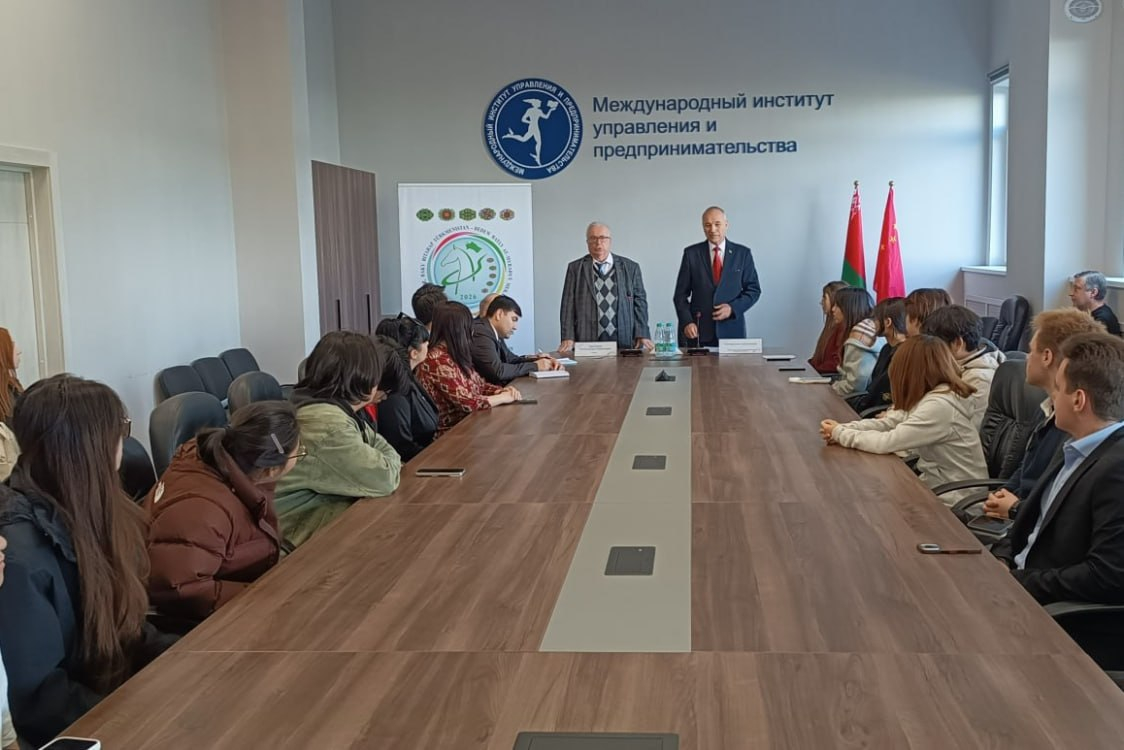
The Ambassador of Turkmenistan visited the Institute of Management and Entrepreneurship in Minsk
18.05.2026The Ambassador Extraordinary and Plenipotentiary of Turkmenistan to Belarus, Nazar Gulyyev Shagulyyev, visited the International Institute of Management and Entrepreneurship in Minsk, where he met with the university’s rector, Professor Aleksandr Tsyganov, and international students. This was reported by the news agency Orient. The parties discussed the development of Belarusian–Turkmen cooperation in the fields of education, science, and culture. The Ambassador of Turkmenistan addressed students from Belarus, Russia, and China with a presentation dedicated to the 35th anniversary of Turkmenistan’s independence and the motto of 2026. The diplomat paid special attention to the symbolism of the Akhal-Teke horse as a representation of progress and continuity between generations. Participants of the meeting were also shown a video about Turkmenistan’s achievements and the traditions of Akhal-Teke horse breeding, which is included in the UNESCO Intangible Cultural Heritage list. During the discussion, students asked questions about the development of Turkmenistan, the art of Turkmen carpet weaving, and the specifics of Akhal-Teke horse breeding.
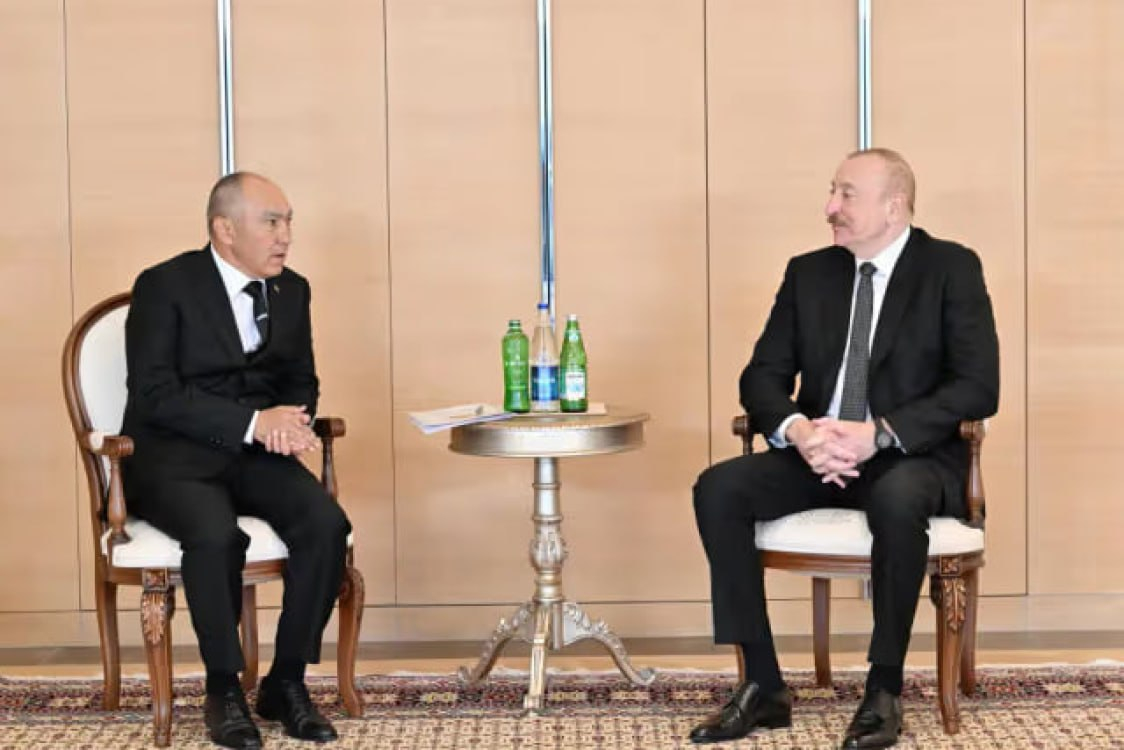
Issues of bilateral cooperation between Turkmenistan and Azerbaijan were discussed
18.05.2026Chairman of the State Committee for Construction under the President of Turkmenistan, Derýageldi Orazov, met with President of Azerbaijan Ilham Aliyev on May 17. This was reported by Turkmenportal. Derýageldi Orazov conveyed greetings to Ilham Aliyev from the National Leader of the Turkmen people, Chairman of the Halk Maslahaty of Turkmenistan Gurbanguly Berdimuhamedov. He also congratulated the Azerbaijani side on the holding of the 13th session of the World Urban Forum. The sides discussed the construction of a mosque in the city of Fizuli, being implemented on the initiative of Turkmenistan. Ilham Aliyev expressed gratitude for the project and noted that the work is ongoing. They also addressed the reconstruction of the Karabakh region, where a large-scale reconstruction and development program is underway. Following the meeting, Orazov stated plans to visit Karabakh again and personally observe the progress of the works on site.
Read also
Advertising
 Read us in Zen


