

News
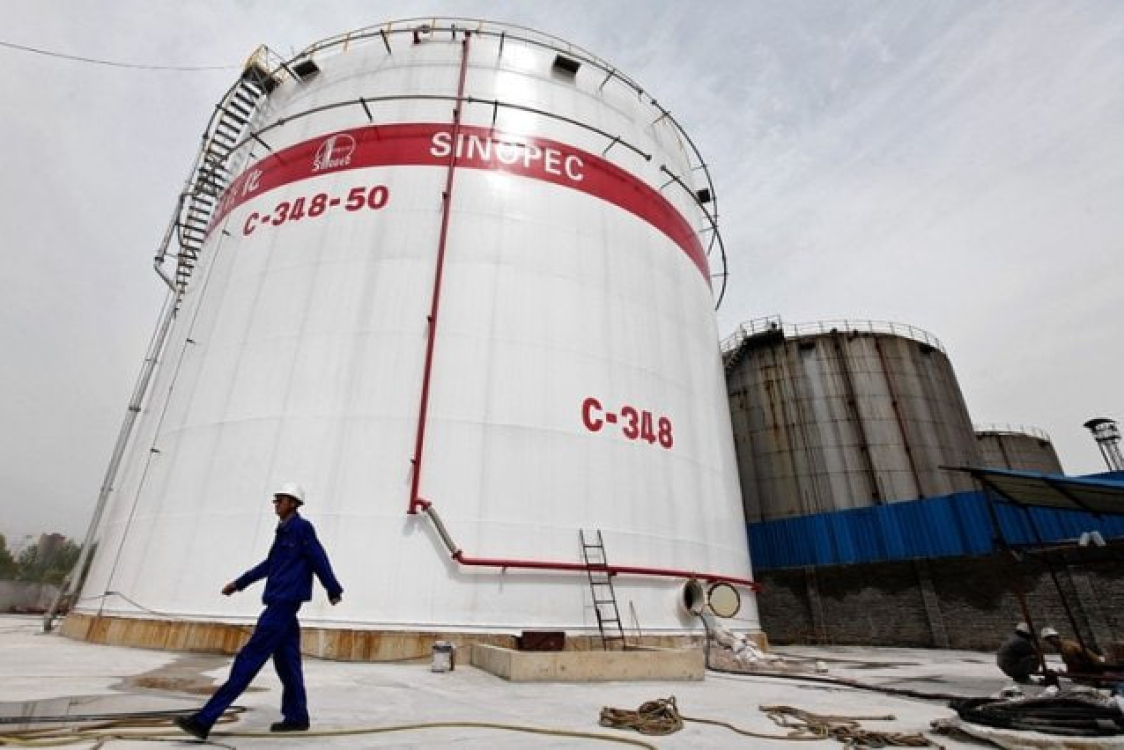
SINOPEC has produced over 1 million tonnes of oil in Turkmenistan over the past four years
01.07.2026The Turkmenistan branch of the International Oilfield Services Company, part of the Chinese petrochemical corporation SINOPEC, has produced over 1 million tonnes of oil in four years. The value of the work carried out amounted to approximately 200 million US dollars, according to the online news site AsmanNews. The project is being implemented under a contract with the State Concern ‘Türkmennebit’. The introduction of modern technologies has enabled an increase in daily oil production of more than 1,500 tonnes. The company carries out a range of oilfield services, including sidetracking, directional and horizontal drilling, well workover, acid and water-blocking treatments, as well as the modernisation of surface and downhole equipment. In addition to projects at the ‘Türkmennebit’ fields, the SINOPEC branch participated in work at the Shatlyk, Dovletabat, Yashyldepe and Bagtyyarlyk fields. Drilling operations, well workover and measures to increase oil and gas production were carried out there. The newspaper ‘Biznes reklama’ notes that these achievements strengthen SINOPEC’s position in Central Asia and expand opportunities for cooperation in the oil and gas sector. Looking ahead, the company plans to continue introducing technologies, improving the efficiency of field development and implementing new projects in Turkmenistan.
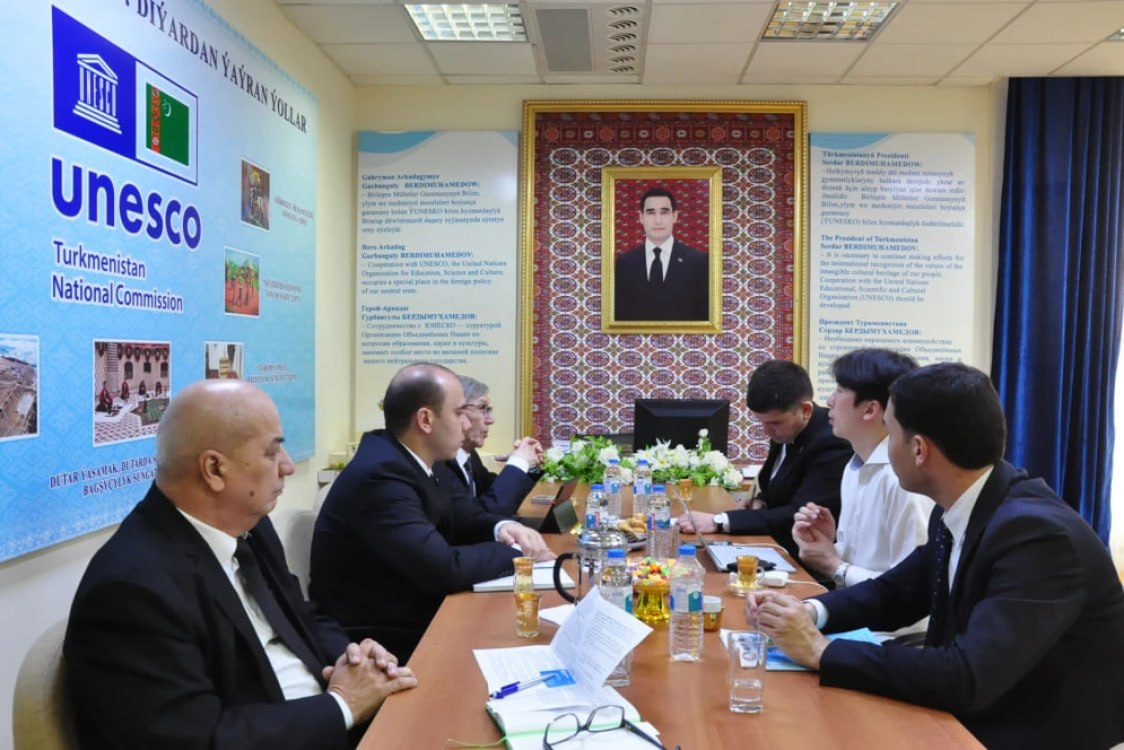
A Korean journalist visited the Institute of International Relations of the Ministry of Foreign Affairs of Turkmenistan
30.06.2026A meeting was held at the Institute of International Relations of the Ministry of Foreign Affairs of Turkmenistan with journalist Seong Do Hyeon from the Korean news agency Yonhap News. The event was attended by analysts from the Center for Strategic Relations and faculty members of the institute, according to the “Turkmenistan: Golden Age” news agency. Before the discussion began, Vice-Rector of the institute Gaygysyz Dovletov briefed the guest on the organization and specifics of the academic process. The journalist then visited the institute’s museum, where he was introduced to the history of diplomatic education in Turkmenistan, as well as exhibitions reflecting the country’s historical heritage and cultural landmarks. During the meeting, lecturers and staff of the Center for Strategic Studies answered questions from the Yonhap News representative regarding the current state and prospects of Turkmen-Korean interstate relations. Senior researcher of the Center for Strategic Studies B. Amansaryyev also spoke about a recent conference of analysts held in Dushanbe within the framework of the “Central Asia – Republic of Korea” format. He emphasized the importance of the event for strengthening cooperation between the countries of the region and the Republic of Korea, including Turkmenistan. The meeting took place in a businesslike and constructive atmosphere.
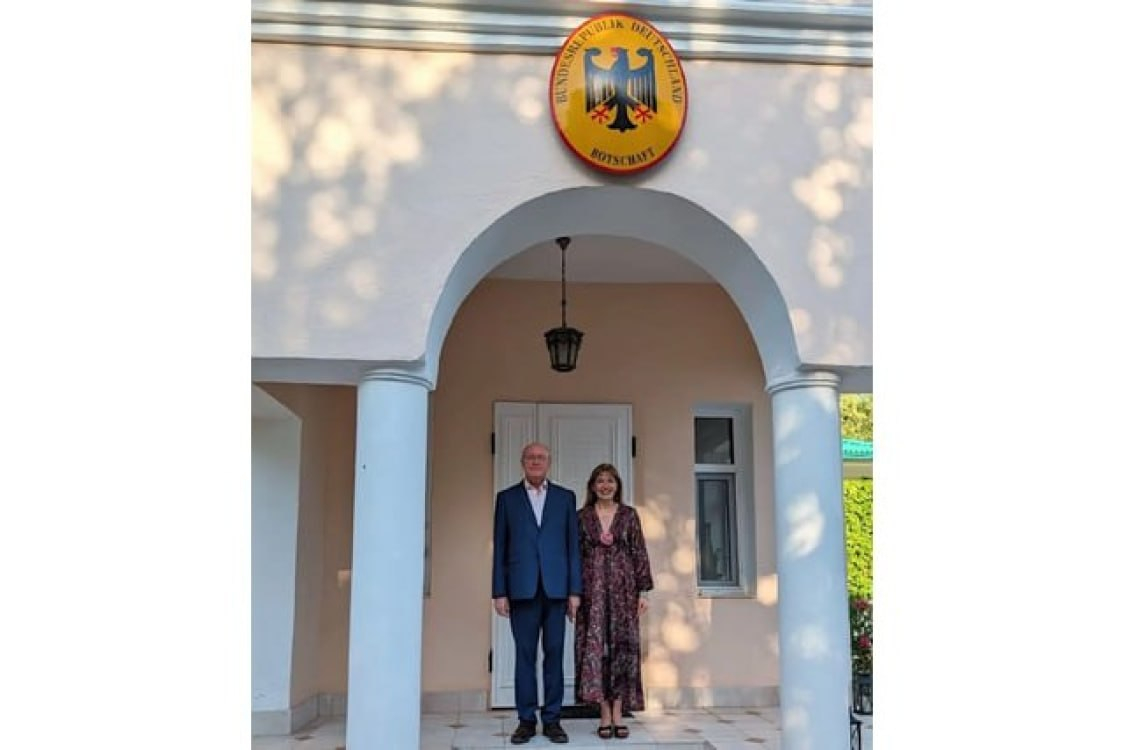
German Ambassador Bernd Heinze is leaving his post as head of the diplomatic mission in Turkmenistan
30.06.2026At the end of June 2026, the diplomatic mission of Germany’s Ambassador to Turkmenistan, Bernd Heinze, comes to an end. This was reported by the news website Turkmenportal. In a farewell statement, the diplomat and his wife thanked the people of the country for their warm welcome and noted that their years of work in Turkmenistan had been particularly meaningful and memorable. They also expressed their wishes for the continued development of the country’s potential and hope for a possible return in the future. Bernd Heinze has served as Germany’s Ambassador to Turkmenistan since July 2024, when he presented his credentials to the President of Turkmenistan, Serdar Berdimuhamedov.
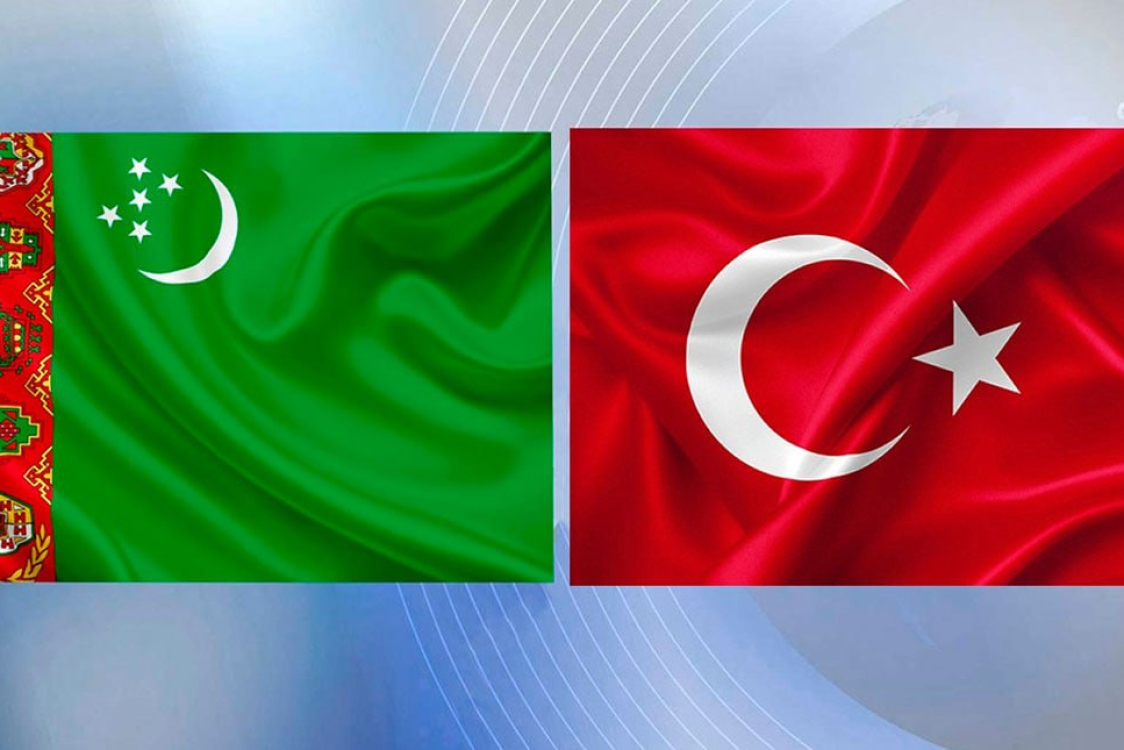
Turkmenistan and Türkiye confirmed a course toward expanding partnership
30.06.2026On June 29, a telephone conversation took place between the National Leader of the Turkmen people, Chairman of the Halk Maslahaty of Turkmenistan, Gurbanguly Berdimuhamedow, and the President of the Republic of Türkiye, Recep Tayyip Erdoğan. This was reported by the TDH news agency. The President of Türkiye congratulated Gurbanguly Berdimuhamedow on his birthday and noted his contribution to the development of Turkmen-Turkish relations. He also conveyed his best wishes to President Serdar Berdimuhamedow. Gurbanguly Berdimuhamedow thanked Recep Tayyip Erdoğan for the congratulations and for his efforts to strengthen bilateral partnership. The sides emphasized the importance of high-level contacts for expanding political, trade, economic, and cultural-humanitarian cooperation. The Chairman of the Halk Maslahaty noted the visit of the President of Türkiye to Ashgabat in December last year, when he took part in celebrations marking the 30th anniversary of Turkmenistan’s permanent neutrality. During the conversation, both sides confirmed their readiness to continue high-level political dialogue. The Turkmen side also confirmed participation in the upcoming Summit of the Organization of Turkic States and in the 31st session of the UN Climate Change Conference (COP31), which will be held in Türkiye. The interlocutors discussed international issues, including strengthening peace, security, and sustainable development. Gurbanguly Berdimuhamedow expressed gratitude to the Turkish side for its support of Turkmenistan’s neutral foreign policy and its initiatives at UN platforms. In the trade and economic sphere, it was noted that Türkiye remains one of Turkmenistan’s leading foreign trade partners. Special attention was given to the work of the Intergovernmental Turkmen-Turkish Commission on Economic Cooperation, whose ninth meeting was recently held in Ashgabat. The Chairman of the Halk Maslahaty highlighted the contribution of Turkish companies to major projects in Turkmenistan, including in the textile, energy, gas chemical, and industrial sectors. The sides also discussed cooperation in energy, transport, logistics, education, healthcare, sports, and media. It was noted that thousands of Turkmen students are studying at universities in Türkiye. At the end of the conversation, Gurbanguly Berdimuhamedow invited Recep Tayyip Erdoğan to visit Turkmenistan at a convenient time. The sides exchanged wishes of health and success, as well as peace and prosperity for the peoples of both countries.
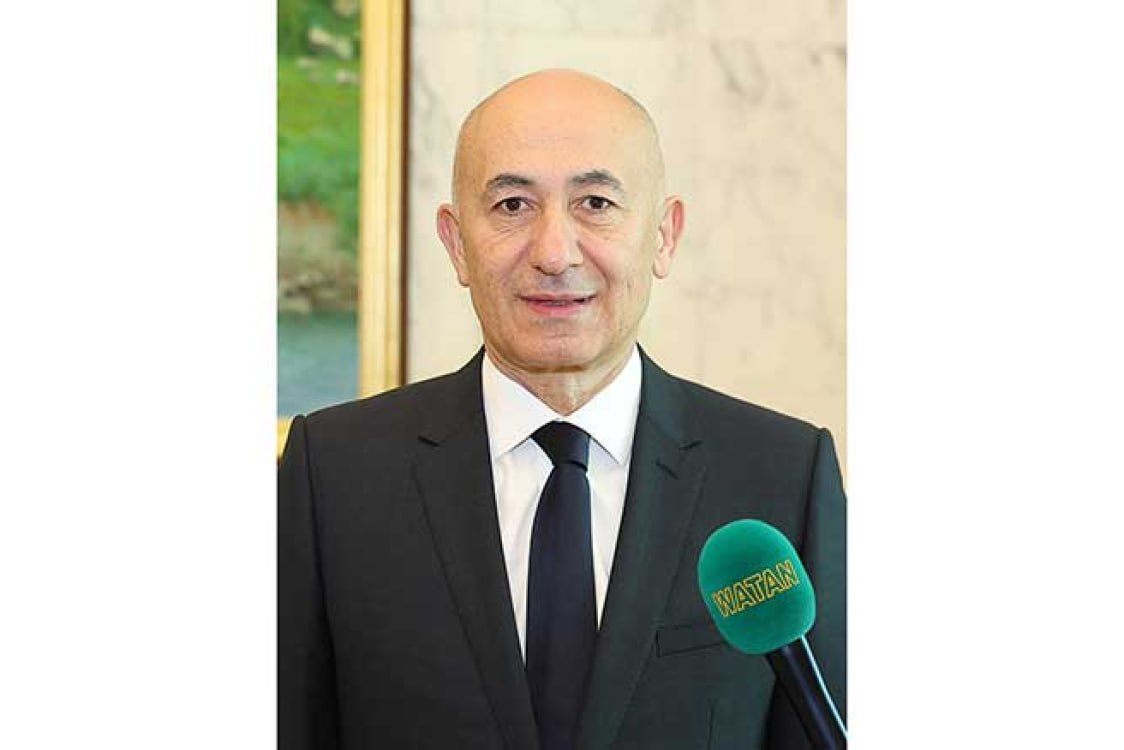
President of Turkmenistan received the head of “Rönesans Holding”
30.06.2026On June 29, President of Turkmenistan Serdar Berdimuhamedov received the Chairman of the Board of the company “Rönesans Holding”, Erman Ilıcak. This was reported by AsmanNews. The head of state noted the importance of expanding cooperation between Turkmenistan and leading foreign companies, emphasizing that “Rönesans Holding” is one of the country’s key partners. During the meeting, it was noted that the company has been implementing projects in Turkmenistan for many years, including the construction of industrial enterprises, infrastructure facilities, and energy projects. Erman Ilıcak thanked for the opportunity to meet and expressed appreciation for the trust placed in the company. He also asked to convey congratulations to the National Leader of the Turkmen people, Chairman of the Halk Maslahaty of Turkmenistan Gurbanguly Berdimuhamedov on his birthday, and congratulated President Serdar Berdimuhamedov and Hero-Arkadag on the anniversary of the opening of the city of Arkadag, noting its modern architecture and international recognition of the “smart city” concept. The businessman confirmed “Rönesans Holding”’s readiness to continue fulfilling its obligations in good faith. At the end of the meeting, President Serdar Berdimuhamedov wished the Chairman of the Board of “Rönesans Holding”, Erman Ilıcak, success in his future activities.
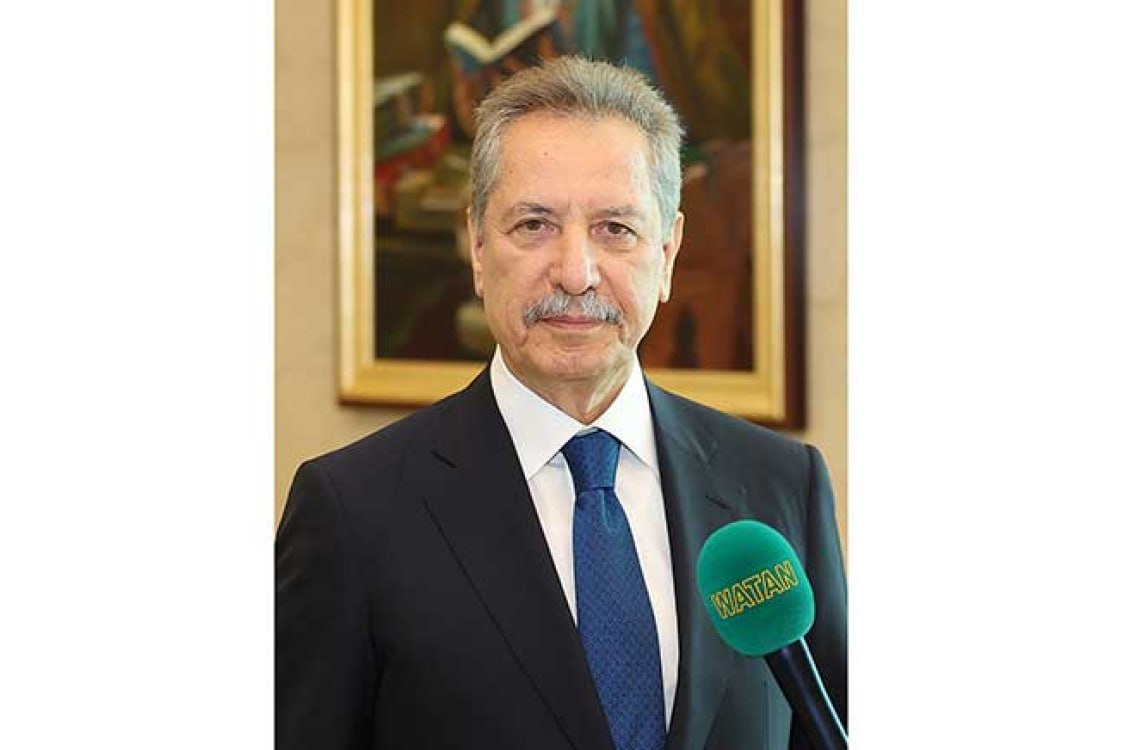
Turkmenistan and Çalik Holding Discussed the Development of Partnership
30.06.2026On June 29, the President of Turkmenistan, Serdar Berdimuhamedov, received the Chairman of the Board of Directors of Çalik Holding, Ahmet Çalık. This was reported by the news agency TDH. During the meeting, issues related to the further development of cooperation were discussed. The head of state noted that Turkmen-Turkish relations are consistently strengthening and cover energy, textile industry, construction, and other sectors of the economy. It was emphasized that Turkmenistan, in cooperation with foreign partners, adheres to the principles of equality, mutual understanding, and mutual respect. The contribution of Çalik Holding to the implementation of industrial and socially significant projects in the country was highlighted. President Serdar Berdimuhamedov expressed support for the introduction of innovative technologies and modern scientific approaches in joint projects, expressing confidence in the company’s continued effective participation in the implementation of state and regional initiatives in Turkmenistan. Ahmet Çalık expressed gratitude for the opportunity to cooperate and for the conditions created for work in the country, confirming the company’s readiness to fulfill its contractual obligations at a high level. At the end of the meeting, the President of Turkmenistan wished the Chairman of the Board of Directors of Çalik Holding success in his activities.
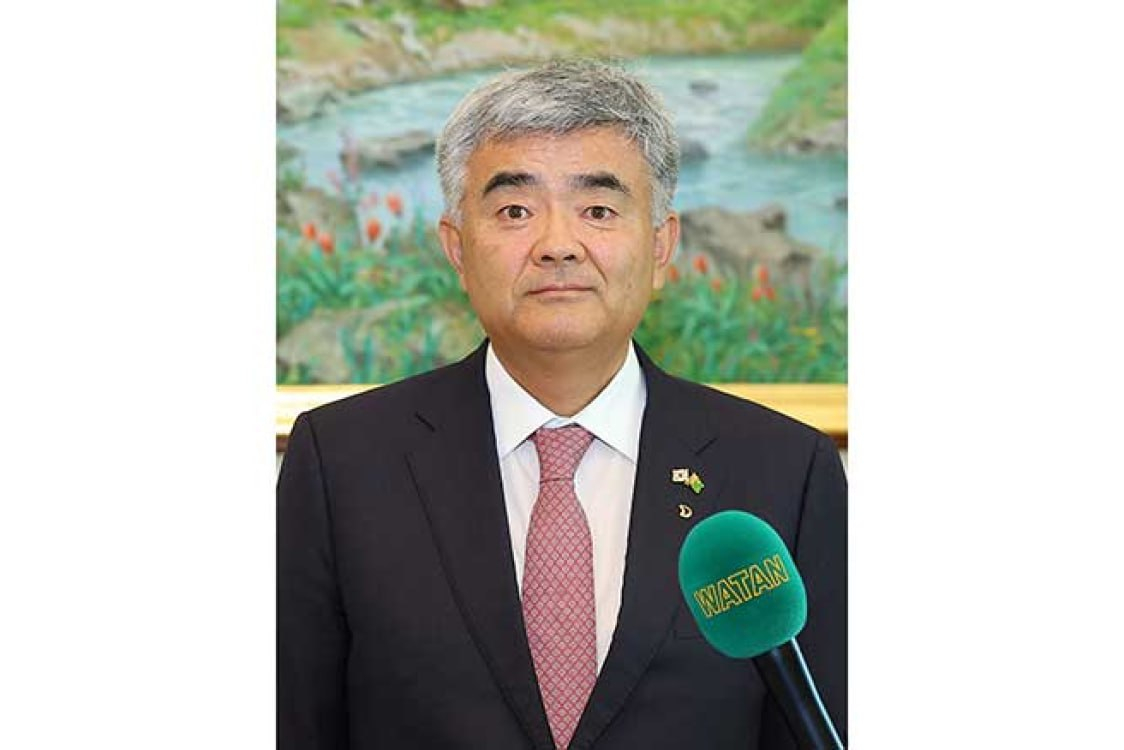
Turkmenistan and Daewoo Engineering & Construction discuss joint projects
30.06.2026On June 29, the President of Turkmenistan, Serdar Berdimuhamedow, received the Chairman of the Board of Daewoo Engineering & Construction Co., Ltd., Jeong Won-ju, who arrived in Turkmenistan on a visit. This was reported by AsmanNews. The guest expressed gratitude for the meeting and noted that the company considers participation in projects in Turkmenistan—an economy with significant potential—an important priority. He also congratulated the President of Turkmenistan and the National Leader of the Turkmen people, Chairman of the Halk Maslahaty of Turkmenistan Gurbanguly Berdimuhamedow, on the anniversary of the opening of the city of Arkadag, and asked to convey birthday congratulations to the Hero-Arkadag. Serdar Berdimuhamedow emphasized the importance of further developing cooperation with the Republic of Korea and expressed confidence in the effectiveness of the visit. It was noted that Korean companies are actively operating in Turkmenistan, particularly in the oil and gas and chemical sectors. It was emphasized that Daewoo Engineering & Construction Co., Ltd. is implementing a project to construct a mineral fertilizer production complex at a chemical plant in the city of Turkmenabat, Lebap province, which will contribute to the development of the chemical industry and expand export opportunities. Jeong Won-ju thanked the Turkmen side for its trust and the conditions created for work, confirming the company’s interest in further participation in the country’s economic projects. At the end of the meeting, the two sides exchanged best wishes.
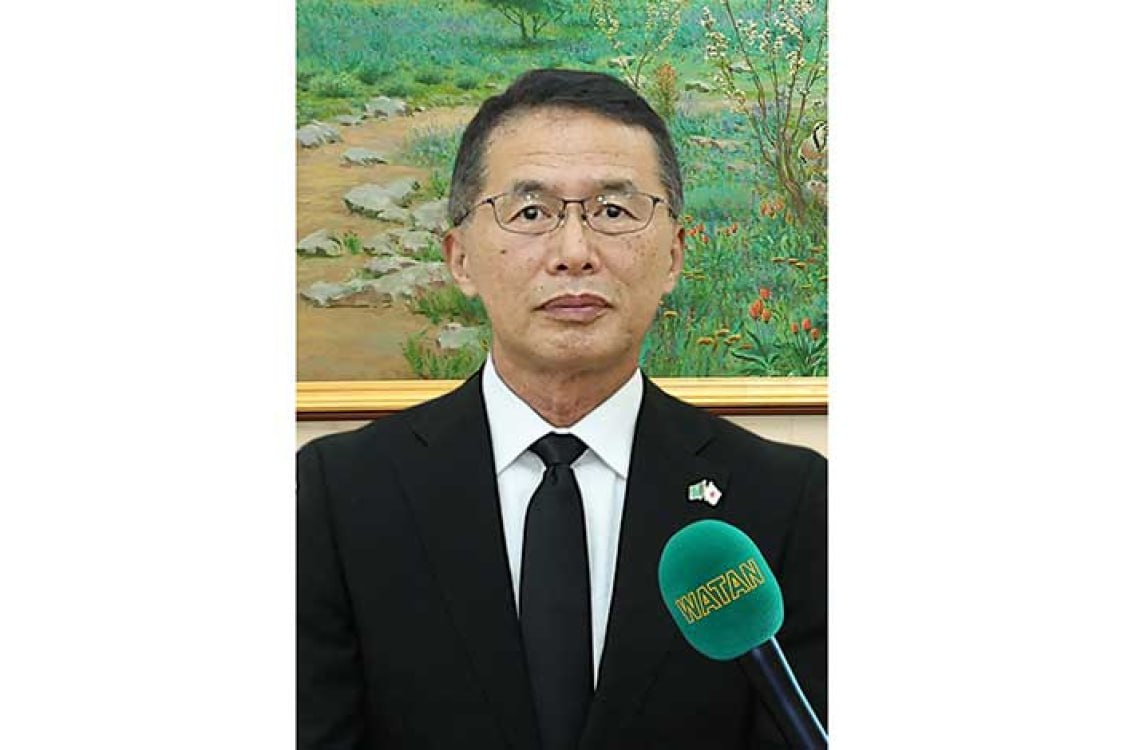
President of Turkmenistan Receives Head of Toyo Engineering Corporation
30.06.2026On June 29, President Serdar Berdimuhamedov received Eiji Hosoi, President, Chief Executive Officer, and Representative Director of Toyo Engineering Corporation. The meeting was reported by the State News Agency TDH. The guest expressed his gratitude for the opportunity to meet and emphasized Turkmenistan’s importance as one of the company’s key partners. He also congratulated the President of Turkmenistan and the National Leader of the Turkmen people, Chairman of the Halk Maslahaty of Turkmenistan, Gurbanguly Berdimuhamedov, on the anniversary of the city of Arkadag, and asked that his birthday congratulations be conveyed to Hero-Arkadag. President Serdar Berdimuhamedov expressed confidence that the visit would contribute to the further development of cooperation between Turkmenistan and Toyo Engineering Corporation. It was noted that Japanese companies have been involved for many years in implementing projects in Turkmenistan’s gas and chemical industries. The construction of the gas chemical complex in Kiyanly was highlighted as a successful example of bilateral cooperation. The Head of State also emphasized the prospects for expanding partnership into new areas, taking into account the country’s ongoing economic reforms and favorable investment climate. Turkmenistan confirmed its readiness to consider new proposals from Toyo Engineering Corporation in the oil and gas as well as chemical sectors. Eiji Hosoi expressed his appreciation for the trust placed in the company and reaffirmed its commitment to fulfilling its obligations responsibly. At the conclusion of the meeting, the parties exchanged their best wishes.
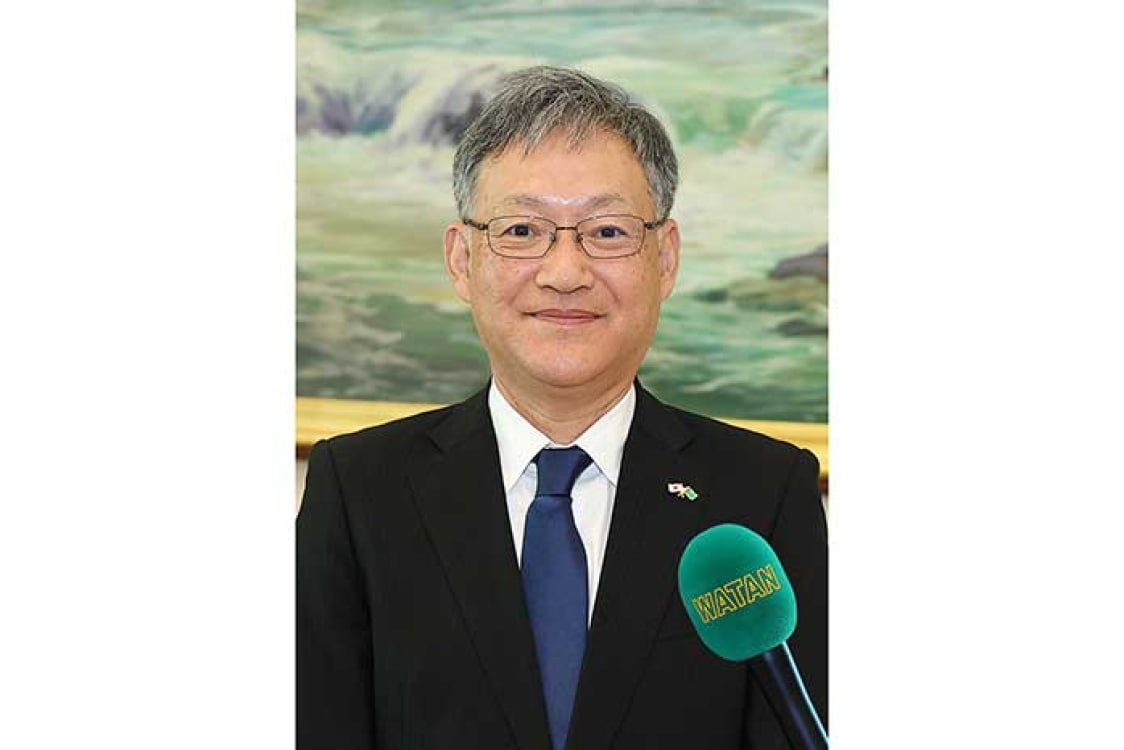
Serdar Berdimuhamedov Meets with Vice President of Kawasaki Heavy Industries
30.06.2026On June 29, President of Turkmenistan Serdar Berdimuhamedov received Kenji Sanada, Vice President of Kawasaki Heavy Industries Ltd., who arrived in Turkmenistan on an official visit. This was reported by AsmanNews. The guest expressed his gratitude for the meeting, noting that it was a great honor to be received by the head of state. He also congratulated the President of Turkmenistan and the National Leader of the Turkmen people, Chairman of the Halk Maslahaty of Turkmenistan Gurbanguly Berdimuhamedov, on the anniversary of the city of Arkadag and asked that his birthday congratulations be conveyed to Hero-Arkadag. President Serdar Berdimuhamedov emphasized that the visit would include discussions on cooperation between Turkmenistan and Kawasaki Heavy Industries Ltd. and expressed confidence that the talks would give new impetus to bilateral relations. It was noted that relations between Turkmenistan and Japan are long-term and strategic in nature, based on the principles of mutual respect and support. The contribution of Japanese companies to the development of key sectors of Turkmenistan’s economy, including the gas and chemical industries, was also highlighted. The meeting also underscored the successful cooperation with Kawasaki Heavy Industries Ltd., with which joint projects are being implemented in various fields. Kenji Sanada expressed his appreciation for the trust placed in the company and for the favorable conditions created for its operations in Turkmenistan, reaffirming the company's commitment to fulfilling its obligations. At the conclusion of the meeting, President Serdar Berdimuhamedov wished the Vice President of Kawasaki Heavy Industries Ltd. continued success in his professional activities.
Chinese President Sends Birthday Congratulations to Gurbanguly Berdimuhamedov
30.06.2026On June 29, Chinese President Xi Jinping sent a congratulatory message to the Chairman of the Halk Maslahaty of Turkmenistan, Gurbanguly Berdimuhamedov, on the occasion of his birthday. The Chinese leader wished him good health, prosperity, and continued success, according to the IIC. In his message, Xi Jinping recalled their meeting in Beijing in March this year, noting that the two sides had reached a shared understanding on key issues of bilateral cooperation and identified new areas for the further development of their strategic partnership. The Chinese President emphasized that he attaches great importance to the development of China–Turkmenistan relations and highly values the friendship between the two countries. He also expressed his readiness to continue working together to further strengthen bilateral cooperation for the benefit of the peoples of China and Turkmenistan.
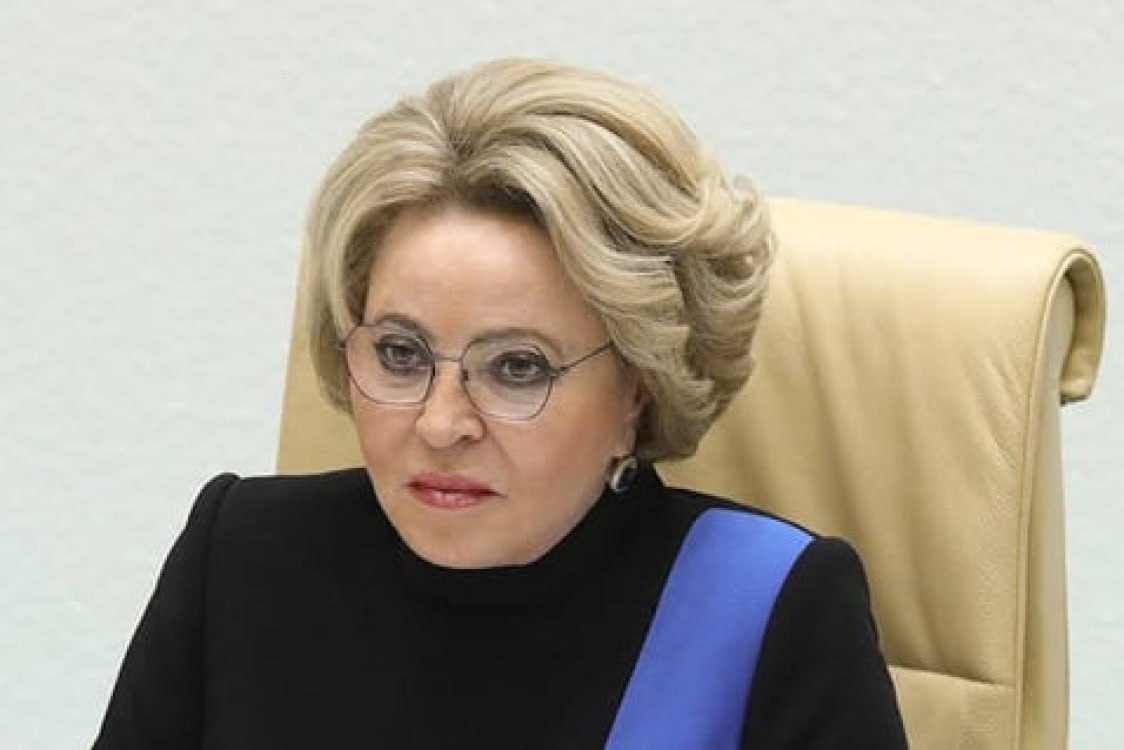
Valentina Matviyenko Congratulates Gurbanguly Berdimuhamedov on His Birthday
30.06.2026On June 29, the National Leader of the Turkmen people and Chairman of the Halk Maslahaty of Turkmenistan, Gurbanguly Berdimuhamedov, held a telephone conversation with the Chairwoman of the Federation Council of the Federal Assembly of Russia, Valentina Matviyenko, TDH reports. Valentina Matviyenko congratulated Gurbanguly Berdimuhamedov on his birthday, wishing him good health, a long life, and continued success in his public service. During the conversation, the two sides noted the high level of Turkmen-Russian relations, which continue to develop within the framework of an enhanced strategic partnership. They emphasized that the foundation of bilateral cooperation remains the long-standing traditions of friendship, mutual respect, and constructive dialogue at the highest level. The interlocutors also highlighted the importance of expanding interparliamentary cooperation, as well as collaboration between the relevant ministries and agencies of the two countries. Special attention was given to the positive momentum in trade and economic cooperation, as well as cultural, scientific, and humanitarian ties. Concluding the conversation, Gurbanguly Berdimuhamedov and Valentina Matviyenko expressed confidence in the further strengthening of Turkmen-Russian cooperation and exchanged wishes for peace, well-being, and prosperity for the peoples of both countries.
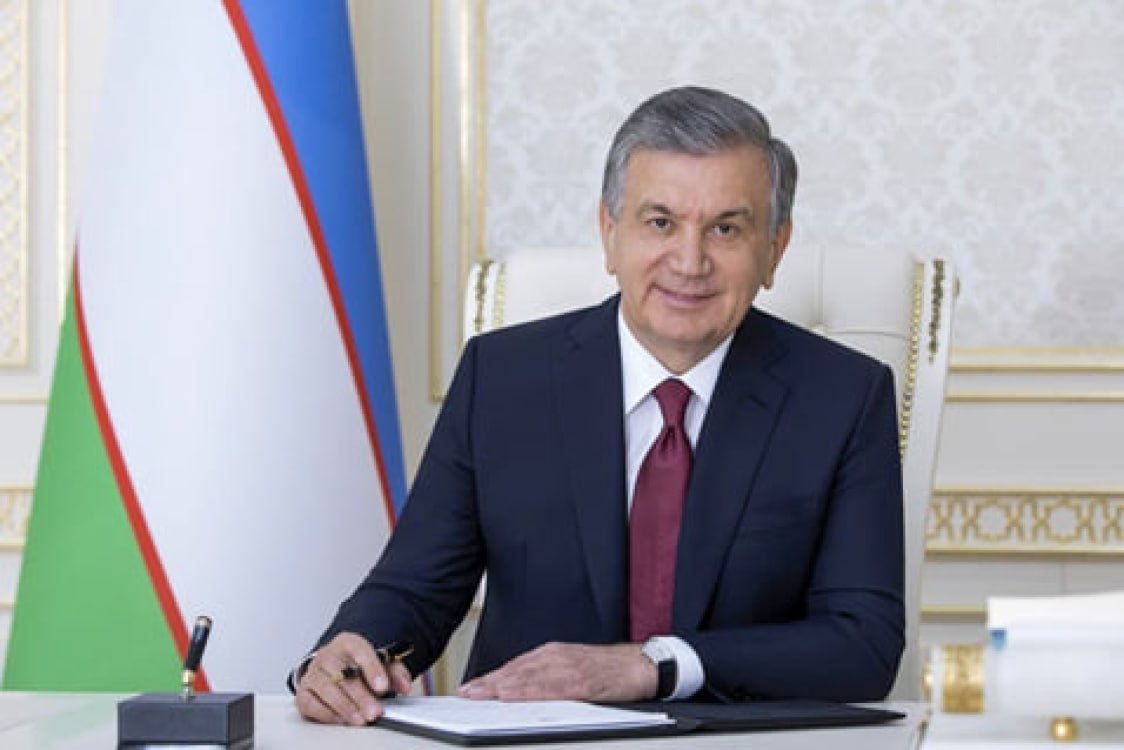
President of Uzbekistan Congratulates Gurbanguly Berdimuhamedov on His Birthday
30.06.2026On June 29, the National Leader of the Turkmen people and Chairman of the Halk Maslahaty of Turkmenistan, Gurbanguly Berdimuhamedov, held a telephone conversation with the President of Uzbekistan, Shavkat Mirziyoyev. This was reported by the TDH News Agency. The President of Uzbekistan congratulated Gurbanguly Berdimuhamedov on his birthday, wishing him good health, a long life, and continued success in his work for the benefit of Turkmenistan. Expressing his gratitude for the congratulations, Gurbanguly Berdimuhamedov emphasized that Turkmenistan attaches great importance to developing comprehensive cooperation with fraternal Uzbekistan, which is a close neighbor and a reliable partner. During the conversation, the two sides highlighted the successful development of cooperation both bilaterally and within international organizations. They noted the positive dynamics of trade, economic, cultural, and humanitarian cooperation, as well as the expansion of contacts in the fields of science and education. The National Leader of the Turkmen people and Chairman of the Halk Maslahaty of Turkmenistan, Gurbanguly Berdimuhamedov, expressed his appreciation to Shavkat Mirziyoyev for his personal contribution to strengthening the strategic partnership between the two countries. At the conclusion of the conversation, the sides reaffirmed their readiness to further expand interstate dialogue and exchanged wishes for peace, well-being, and prosperity for the peoples of Turkmenistan and Uzbekistan.
Read also
Advertising
 Read us in Zen


