

Policy
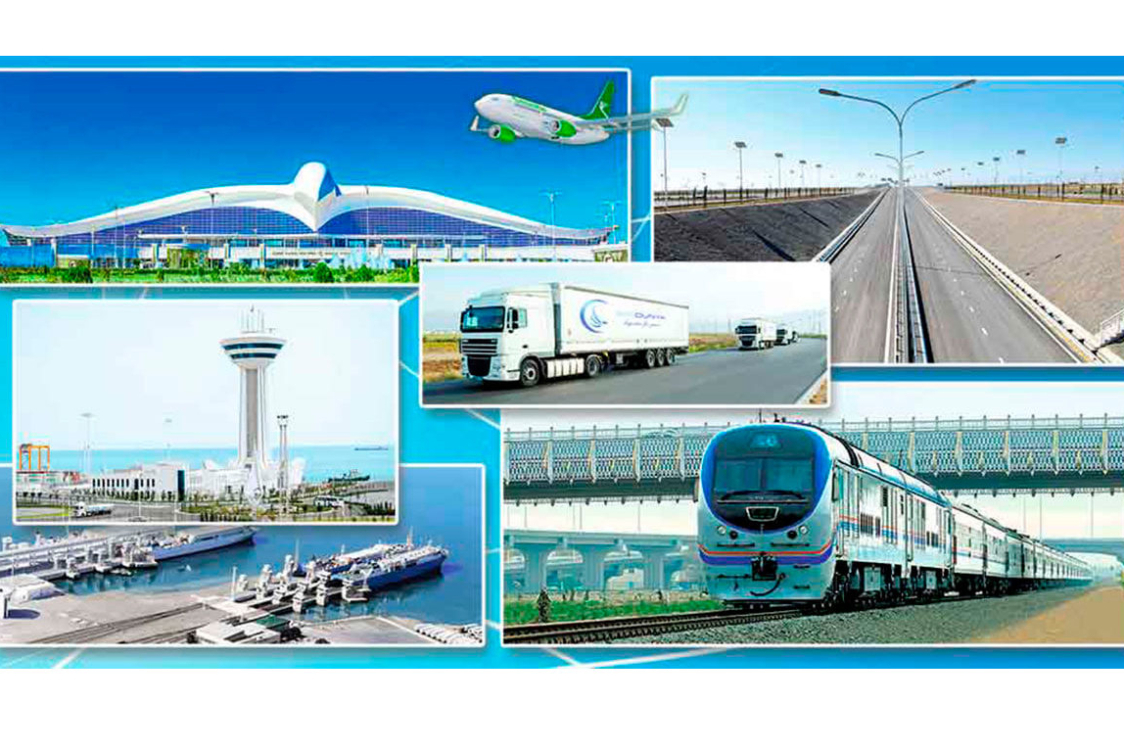
Gurbanguly Berdimuhamedov spoke about Turkmenistan’s transport potential
05.09.2026On 2 September, at the ‘Ruhyýet’ Palace in Arkadag, the National Leader of the Turkmen people and Chairman of the Halk Maslahaty of Turkmenistan, Gurbanguly Berdimuhamedov, delivered a public lecture to young people. During his speech, the Hero Arkadag spoke about Turkmenistan’s role in the development of the international transport and logistics system. This was reported by the news agency ‘Turkmenistan: Golden age’. Gurbanguly Berdimuhamedov highlighted the country’s advantageous geographical position at the crossroads of Eurasian routes. According to the National Leader of the Turkmen people, Turkmenistan is contributing to the development of transport links between Asia and Europe. As part of the ‘Revival of the Great Silk Road’ concept, the country is developing transport and transit corridors and its national infrastructure. It was also noted that the UN General Assembly had adopted six resolutions on the initiative of Turkmenistan in the field of transport. Among them is the resolution declaring the UN Decade of Sustainable Transport for 2026–2035.
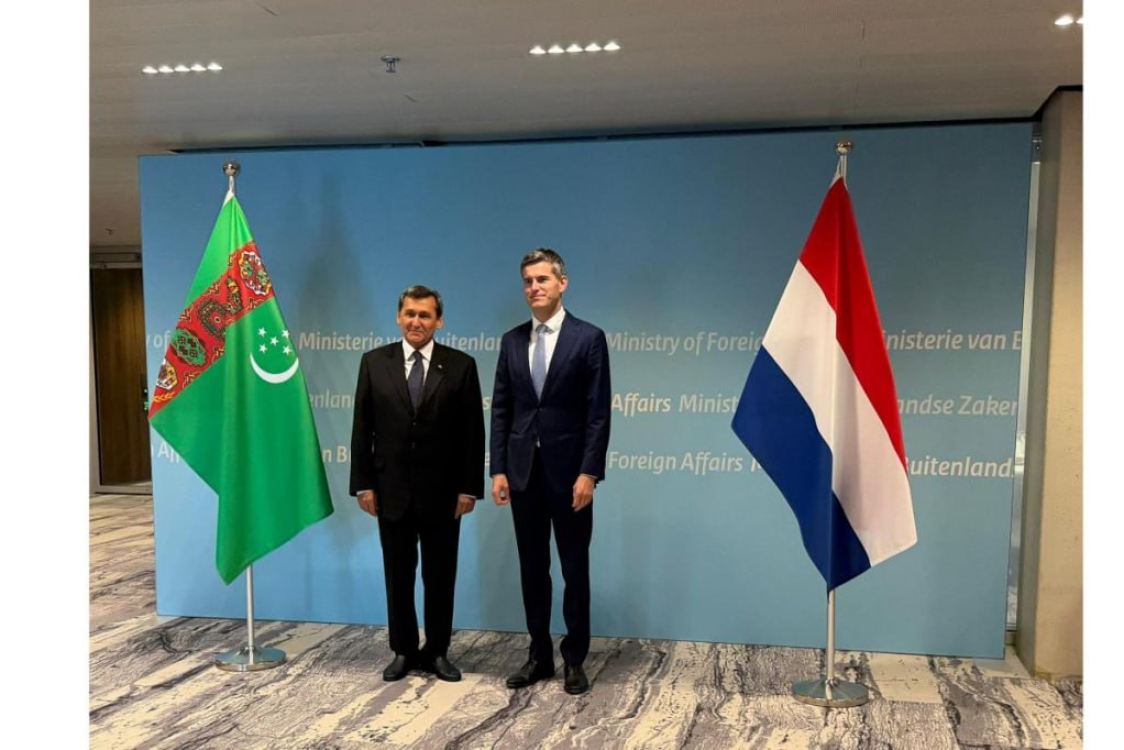
The Heads of the MFA of Turkmenistan and the Netherlands held negotiations in The Hague
05.09.2026On 3 September 2026, a meeting took place in The Hague between Rashid Meredov, Foreign Affairs Minister of Turkmenistan, and Tom Berendsen, Head of the Foreign Affairs Ministry of the Kingdom of the Netherlands. This was reported by the press office of the Foreign Affairs Ministry of Turkmenistan. The parties noted the steady development of Turkmen-Dutch relations and their interest in expanding political, diplomatic, trade, economic, cultural and humanitarian cooperation. An exchange of views took place on topical issues on the regional and international agenda – the Turkmen side reaffirmed its commitment to the principles of permanent neutrality, the UN Charter and political and diplomatic methods of resolving international issues. The parties discussed prospects for intensifying business ties in the fields of transport and logistics, port infrastructure, agriculture and agricultural technologies, energy, high technology and industrial cooperation, noting their interest in expanding direct contacts between the business communities of the two countries. Cooperation in the field of education and the training of diplomatic personnel was discussed separately, including Turkmenistan’s long-standing collaboration with the Dutch Institute of International Relations ‘Clingendael’. The parties also touched upon the upcoming World Ahal-Teke Horse Beauty Championship and international equestrian competitions to be held in the Netherlands – the Dutch side welcomed the hosting of this large-scale event dedicated to Ahal-Teke horses and the traditions of Turkmen horse breeding. Following the meeting, the parties reaffirmed their readiness to continue regular dialogue and to strengthen multifaceted cooperation between Turkmenistan and the Kingdom of the Netherlands.
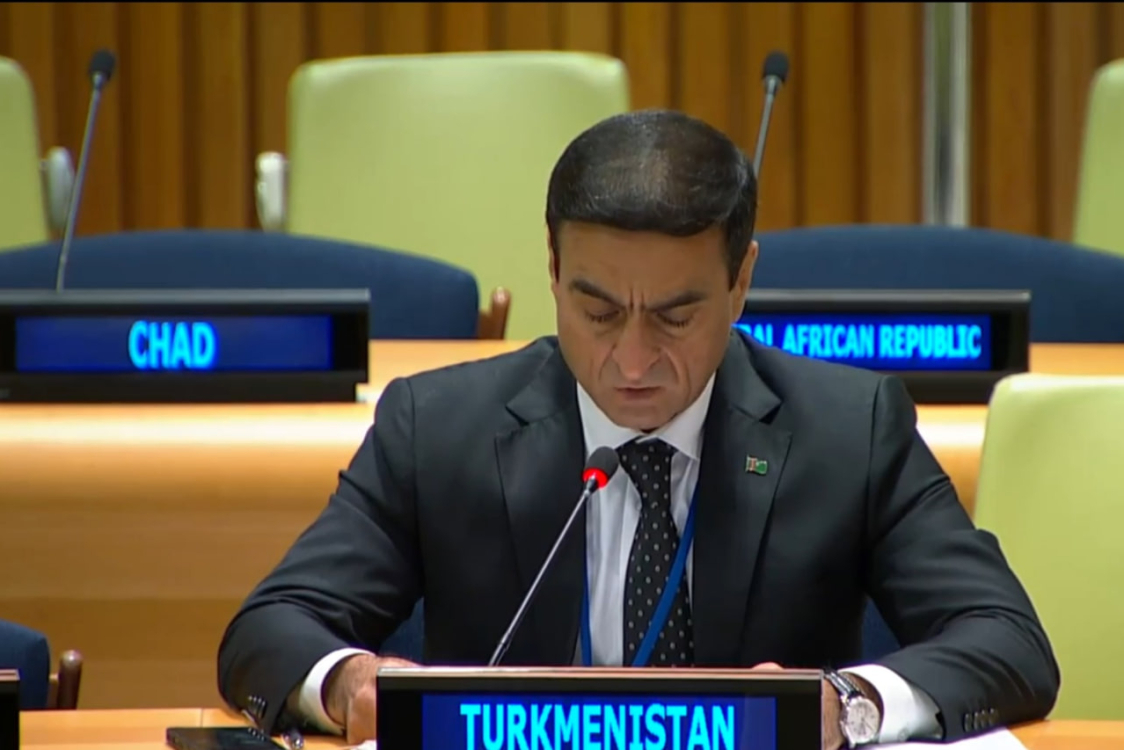
The Permanent Representative of Turkmenistan addressed the UN Forum on the Culture of Peace
04.09.2026On 2 September, a High-Level Forum on the implementation of the Programme of Action for the Promotion of a Culture of Peace was held at UN Headquarters in New York, chaired by Annalena Baerbock. Vepa Hajiyev, Permanent Representative of Turkmenistan to the UN, spoke on behalf of the Group of Friends of Neutrality in the Interest of Peace, Security and Sustainable Development, according to the news agency Orient, citing the press service of the Permanent Mission of Turkmenistan to the UN. According to the source, Vepa Hajiev outlined an approach to the role of inclusive diplomacy and institutional neutrality in a context of geopolitical polarisation, conflicts and declining levels of trust. In his address, he highlighted the link between a culture of peace and the principles of a neutral policy. Referring to UN General Assembly Resolution 80/262, the diplomat emphasised that neutrality can serve as a tool for dialogue and mediation. Particular attention was paid to the participation of women in preventive diplomacy and conflict prevention. In light of UN General Assembly Resolution 80/294, Turkmenistan, on behalf of the Group of Friends, called for the role of women as negotiators and decision-makers to be expanded. The need to support women’s peacekeeping networks, to involve local communities in identifying social tensions, and to develop educational programmes was also highlighted.
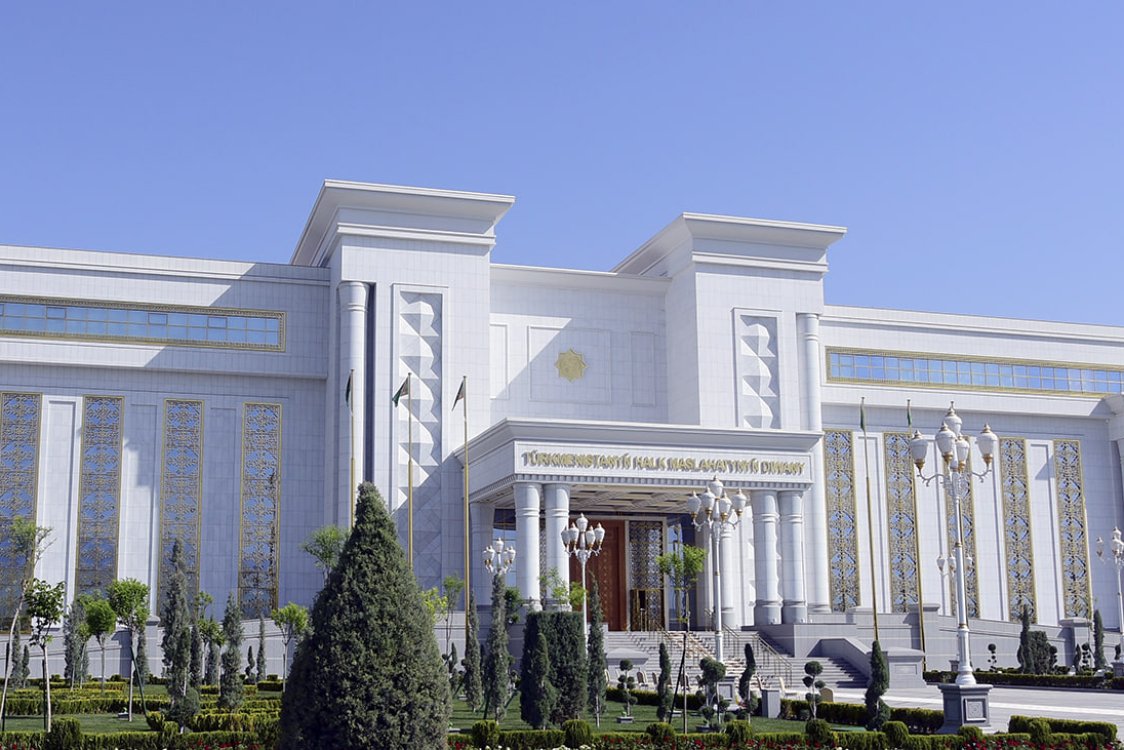
Turkmenistan is to develop a ‘smart society’ concept
04.09.2026Turkmenistan is set to begin developing a conceptual project for a ‘smart society’. This was announced by the National Leader of the Turkmen people and Chairman of the Halk Maslahaty of Turkmenistan, Gurbanguly Berdimuhamedov, according to the news agency TDH. On 2 September, a public lecture was held at the ‘Ruhyýet’ Palace in Arkadag to mark Knowledge and Student Youth Day, as well as the start of the new academic year. The event was attended by representatives of civil society organisations, young professionals, university rectors and lecturers, students, school students and media representatives. According to Gurbanguly Berdimuhamedov, the concept of a ‘smart society’ must encompass key areas of activity. It is proposed that young people, including students, be involved in its development to contribute new ideas and innovative proposals. The National Leader of the Turkmen people noted that the development of new technologies and artificial intelligence is shaping contemporary trends. Hero Arkadag identified the country’s entry into the ranks of industrially developed nations as one of Turkmenistan’s main objectives. Turkmenistan will also continue its international cooperation in the fields of education and innovation. Furthermore, it has been proposed to establish the legal and organisational framework for the creation of international scientific and educational youth clusters. These are intended to serve as a platform for the joint implementation of projects by Turkmen and international young people.
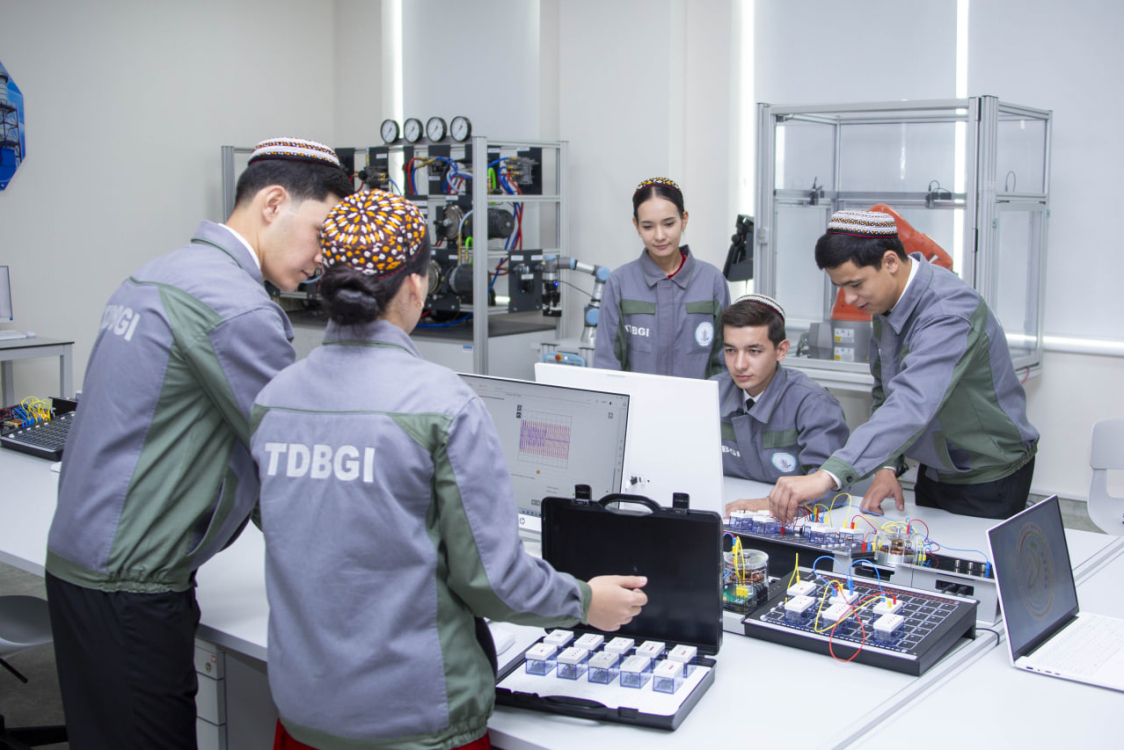
The President of Turkmenistan emphasised the importance of educational reforms
03.09.2026During his address at the official opening ceremony for the new building complexes of the Turkmen State Institute of Architecture and Construction and the Seyitnazar Seydi Turkmen State Pedagogical Institute, the President of Turkmenistan, Serdar Berdimuhamedov, noted that the development of science and education remains one of the key priorities of state policy. This was reported by the news agency ‘Turkmenistan: Golden age’. The Head of State emphasised the importance of improving the education system, strengthening its material and technical base, introducing cutting-edge scientific achievements and training highly qualified specialists. The President of Turkmenistan also highlighted the importance of international cooperation in the fields of education and science. According to the Head of State, the commissioning of modern student clusters in Ashgabat and Turkmenabat reflects the educational reforms currently being implemented in the country.
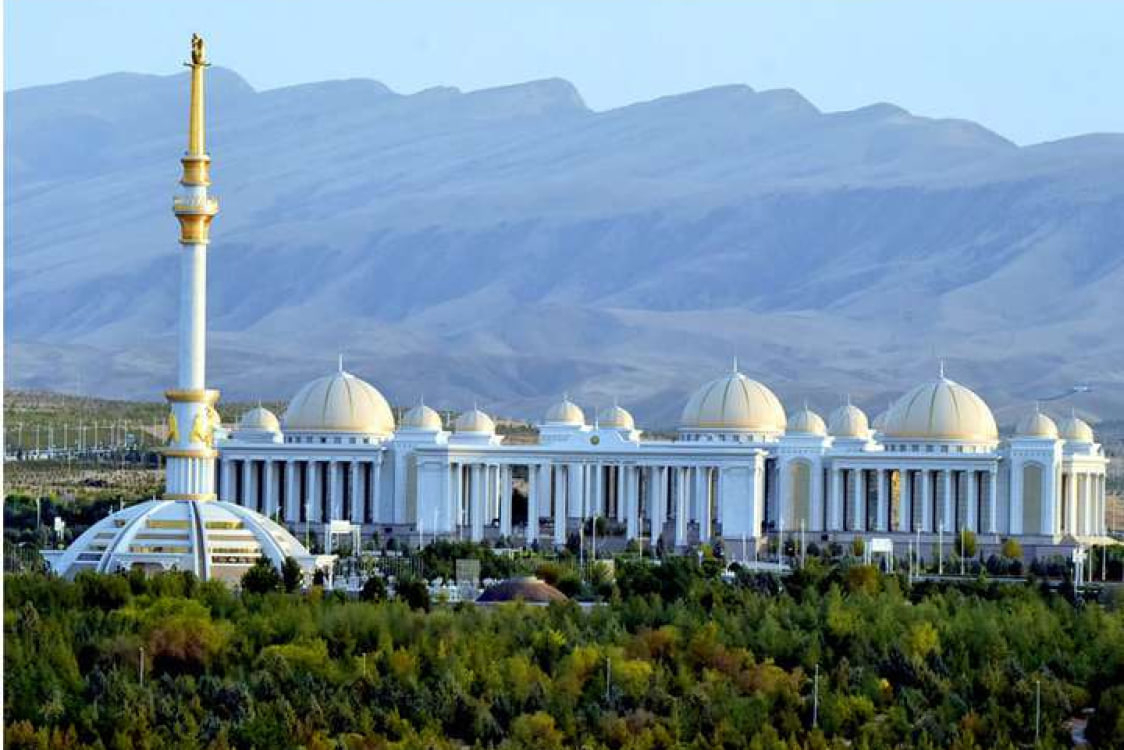
Turkmenistan is marking the 35th anniversary of its independence with achievements and new projects
03.09.2026The year 2026, held under the motto ‘Independent Neutral Turkmenistan − the Homeland of Purposeful Winged Horses’, marks the 35th anniversary of the country’s independence. In this anniversary year, the results of the reforms carried out are being assessed and the main directions for further development are being determined, reports the news agency TDH. Over the years of independence, Turkmenistan has established a national legislative and legal framework, implemented socio-economic development programmes and created a modern infrastructure. Industry, transport, energy and other sectors of the economy are developing. Key areas of state policy remain the diversification of the economy, industrialisation, digitalisation, the introduction of innovations, the development of import substitution and the expansion of export potential. Social programmes are aimed at raising the standard of living of the population. The modernisation of the education and science systems is continuing. The International Science and Technology Park of the Academy of Sciences of Turkmenistan is being developed, and cooperation between universities and scientific institutions, as well as with foreign partners, is expanding. The opening of new educational facilities is planned for 2026. The healthcare system is also being improved. As part of the ‘Saglyk’ State Programme, medical facilities and sanatoriums are being built and modernised, their material and technical infrastructure is being upgraded, and the skills of specialists are being enhanced. Furthermore, mass sport and physical education are being developed across the country. Modern sports facilities are in operation in Ashgabat, the city of Arkadag and the velayats. Turkmen athletes continue to take part in international competitions. Equestrian sports and events dedicated to Ahal-Teke horses hold a special place. State policy in the field of culture is aimed at preserving and promoting the national heritage, supporting artists and developing international cultural ties. The city of Arkadag remains one of the major infrastructure projects. Its development incorporates digital and ‘green’ technologies, as well as smart management systems. Construction of the second phase of the project is currently underway. Turkmenistan continues to pursue a foreign policy based on permanent neutrality, peacefulness and goodwill. The country is developing political and diplomatic, trade and economic, and cultural and humanitarian cooperation with foreign states. Inter-governmental commissions, committees, business councils and bilateral business forums play an important role in this. Particular attention is paid to energy and transport projects. Natural gas supplies to the People’s Republic of China continue via the ‘Turkmenistan–China’ gas pipeline. In April 2026, the fourth phase of development of the ‘Galkynyş’ field commenced. The relevant contract was concluded between the State Concern ‘Türkmengaz’ and the China National Petroleum Corporation (CNPC). The development of ‘Galkynyş’ is also linked to the implementation of the ‘Turkmenistan–Afghanistan–Pakistan–India’ (TAPI) gas pipeline project. On 10 August, the National Leader of the Turkmen people and Chairman of the Halk Maslahaty of Turkmenistan, Gurbanguly Berdimuhamedov, visited the Mary velayat and Afghanistan, where he inspected the progress of construction on the Serhetabat–Herat ‘Arkadagyň ak ýoly’ gas pipeline. During negotiations with Abdul Ghani Baradar, Deputy Chairman of the Cabinet of Ministers of Afghanistan for Economic Affairs, discussions also covered the ‘Turkmenistan–Afghanistan–Pakistan’ (TAP) power line project, fibre-optic communications and cooperation in the transport and logistics sector. Turkmenistan continues to promote the development of international transport corridors along the North–South and East–West axes, as well as the establishment of logistics centres. The country’s multilateral diplomacy is carried out within the framework of the United Nations and other international organisations. A significant event was the UN Forum on Landlocked Developing Countries, held in the ‘Awaza’ National Tourist Zone. In 2026, Turkmenistan will also hold the chairmanship of a number of regional forums. Key events include the Consultative Meeting of the Heads of State of Central Asia and Azerbaijan and the meeting of the Council of Heads of State of the Commonwealth of Independent States. In the run-up to the 35th anniversary of its independence, Turkmenistan continues to implement socio-economic development programmes, foster international cooperation and carry out major infrastructure projects.
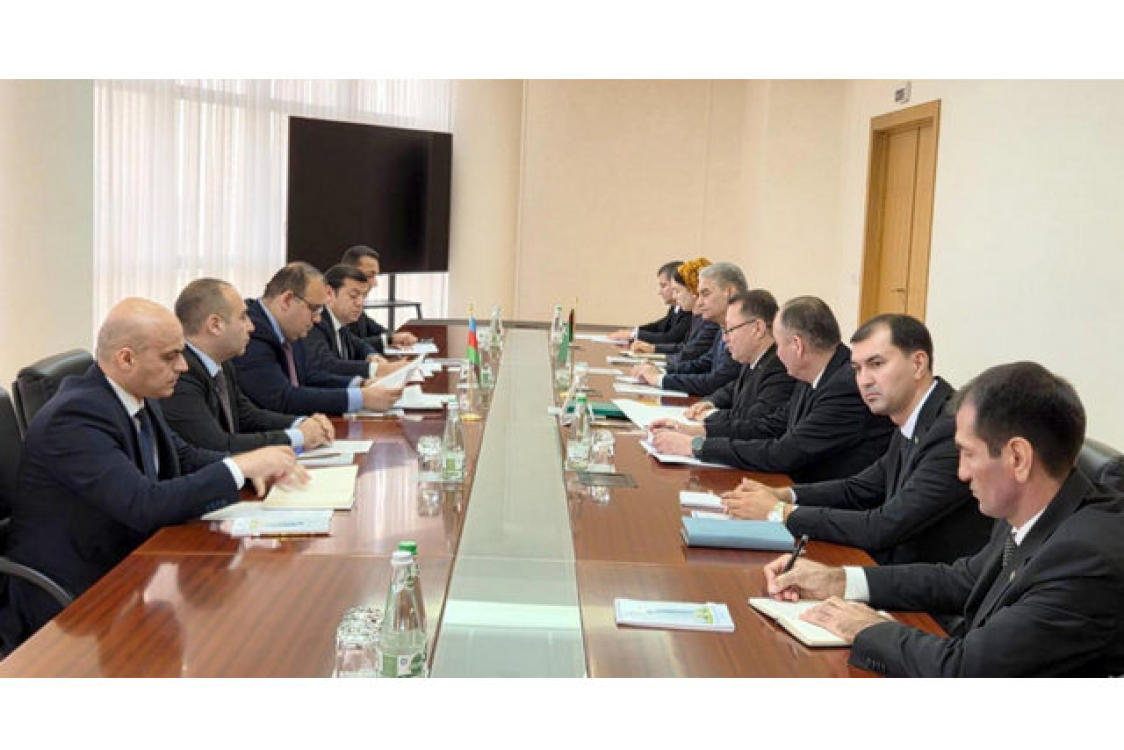
Turkmen-Azerbaijani consular consultations took place in Ashgabat
03.09.2026On 2 September 2026, Turkmen-Azerbaijani consular consultations took place in Ashgabat at the level of the heads of the consular services of the two countries’ Foreign Affairs Ministries. This was reported by the press office of the Foreign Affairs Ministry of Turkmenistan. The parties discussed consular cooperation, the protection of citizens’ rights and legitimate interests, as well as cooperation in the fields of migration, law and law enforcement. Particular attention was paid to preventing cases of dual citizenship, issues relating to the stay of Turkmen citizens studying at higher education institutions in the Republic of Azerbaijan, and cooperation between the competent authorities. The prospects for cooperation and the exchange of experience between the migration services of the two countries were also considered. Following the meeting, a Protocol on Consular Consultations was signed, setting out the main outcomes of the negotiations and agreements on the further development of consular cooperation.
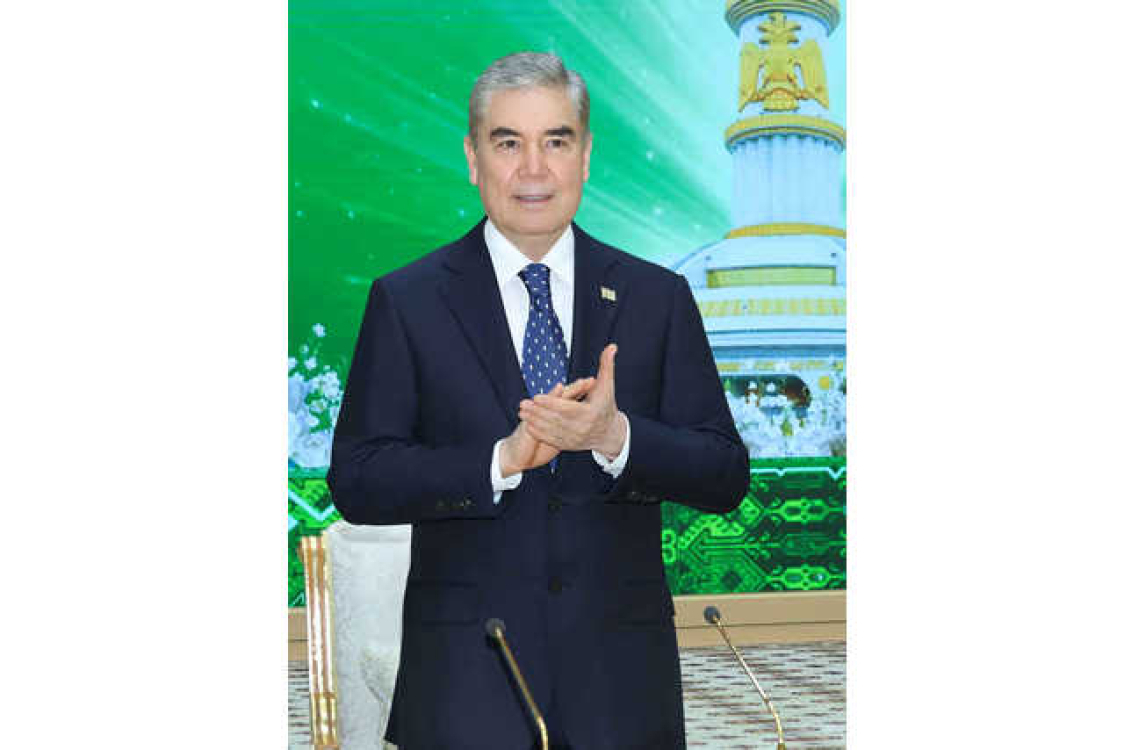
Hero Arkadag has set out the priority tasks for the young people of Turkmenistan
03.09.2026The National Leader of the Turkmen people and Chairman of the Halk Maslahaty of Turkmenistan, Gurbanguly Berdimuhamedov, addressed a public lesson dedicated to Knowledge and Student Youth Day on 2 September at the ‘Ruhyýet’ Palace in Arkadag. This was reported by the news agency TDH. In his speech, the Hero Arkadag congratulated teachers, students and schoolchildren on the start of the new academic year and outlined the key tasks facing young people. These include receiving a high-quality education, mastering modern technologies, preserving national values and participating in the country’s development. Particular attention was paid to patriotic education. The National Leader of the Turkmen people emphasised the importance of studying the history, culture and spiritual heritage of Turkmenistan. Young people are called upon to preserve national traditions, respect their elders, observe the rules of etiquette and contribute to the development of the Motherland through their labour. A separate section of the speech was devoted to Turkmenistan’s permanent neutrality and its foreign policy course. It was noted that the country’s status of permanent neutrality was recognised by the United Nations in 1995. On Turkmenistan’s initiative, the UN General Assembly adopted 33 resolutions, and in 2007 the UN Regional Centre for Preventive Diplomacy for Central Asia was established in Ashgabat. The Chairman of the Halk Maslahaty of Turkmenistan also highlighted the country’s initiatives in the areas of peace and trust, energy, water resources, the environment and sustainable transport. In particular, the Hero Arkadag focused on the Third UN Conference on Landlocked Developing Countries, held in Turkmenistan in August 2025. Transport diplomacy featured prominently in the speech. Turkmenistan regards its geographical location as a basis for the development of international transport corridors between Asia and Europe. Work on developing the Trans-Caspian international transport link and the construction of a motorway from Turkmenbashi to the Kazakh border was highlighted. Speaking on the energy sector, the National Leader of the Turkmen people noted the ongoing construction of the ‘Turkmenistan–Afghanistan–Pakistan–India’ gas pipeline. He also emphasised the country’s potential to expand electricity supplies under the ‘Turkmenistan–Afghanistan–Pakistan’ project. According to Gurbanguly Berdimuhamedov, Turkmenistan maintains trade and economic ties with more than 100 states, diplomatic relations with 161 countries, and participates in the activities of 55 international organisations. Work is also continuing in the country on the relevant procedures for accession to the World Trade Organisation. Particular attention was paid to Ahal-Teke horses as an element of Turkmenistan’s national cultural heritage and cultural diplomacy. It was noted that the art of Ahal-Teke horse breeding and the traditions of horse decoration are included in UNESCO’s Representative List of the Intangible Cultural Heritage of Humanity. Speaking about the prospects for young people, the National Leader of the Turkmen people emphasised the need to actively embrace artificial intelligence, digital technologies and scientific and technical achievements. Hero Arkadag proposed to begin developing a conceptual project for a ‘smart society’ and to create the conditions for the formation of international scientific and educational youth clusters. The speech also highlighted the role of the family and educators in the upbringing of the younger generation. The need to combine modern knowledge and digital opportunities with national traditions, cultural norms and moral values was emphasised. The National Leader of the Turkmen people called on young people to study the Turkmen language and foreign languages, to read works of national and foreign literature, to take part in sport, and to develop scientific and innovative skills. In conclusion, Hero Arkadag wished the students and schoolchildren good health, happiness and success in their studies and in life, emphasising that young people are the pride and future of independent Turkmenistan.
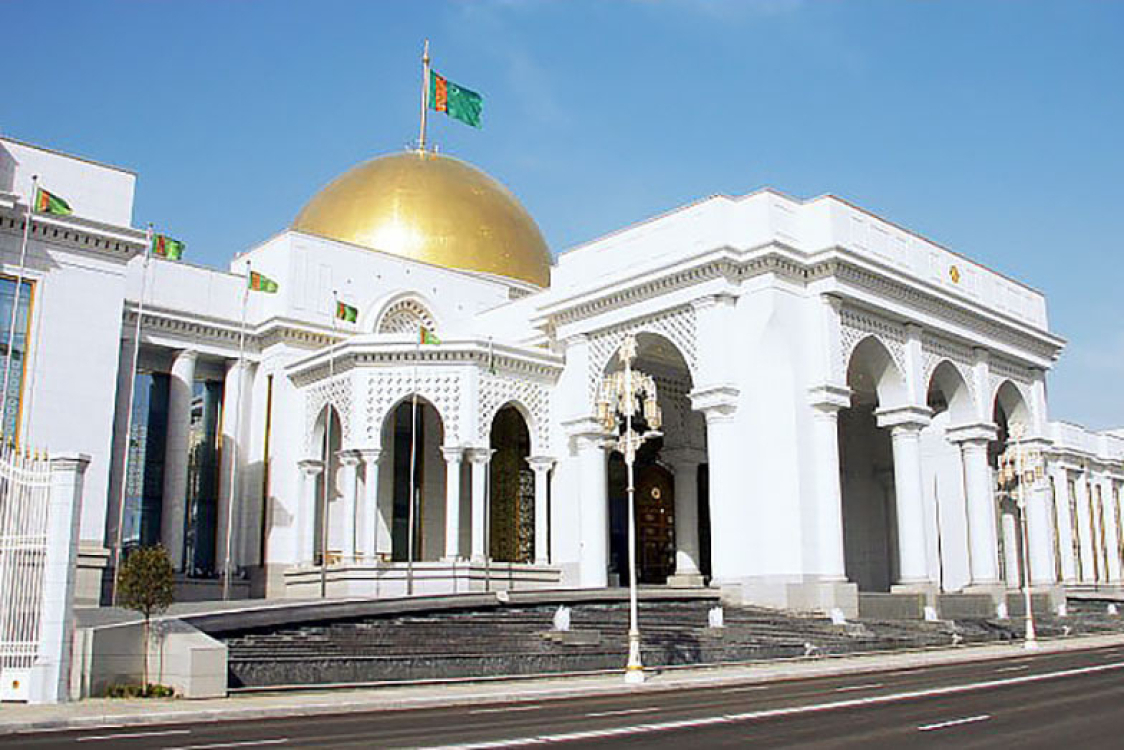
The President of Turkmenistan has sent his congratulations to the King of Norway
03.09.2026The President of Turkmenistan, Serdar Berdimuhamedov, has sent his congratulations to King Haakon VIII of Norway on his accession to the throne. This was reported by the news agency TDH. On behalf of the people and Government of Turkmenistan, as well as on his own behalf, the Head of State wished King Haakon VIII good health, happiness and prosperity, and the people of Norway peace, progress and prosperity.
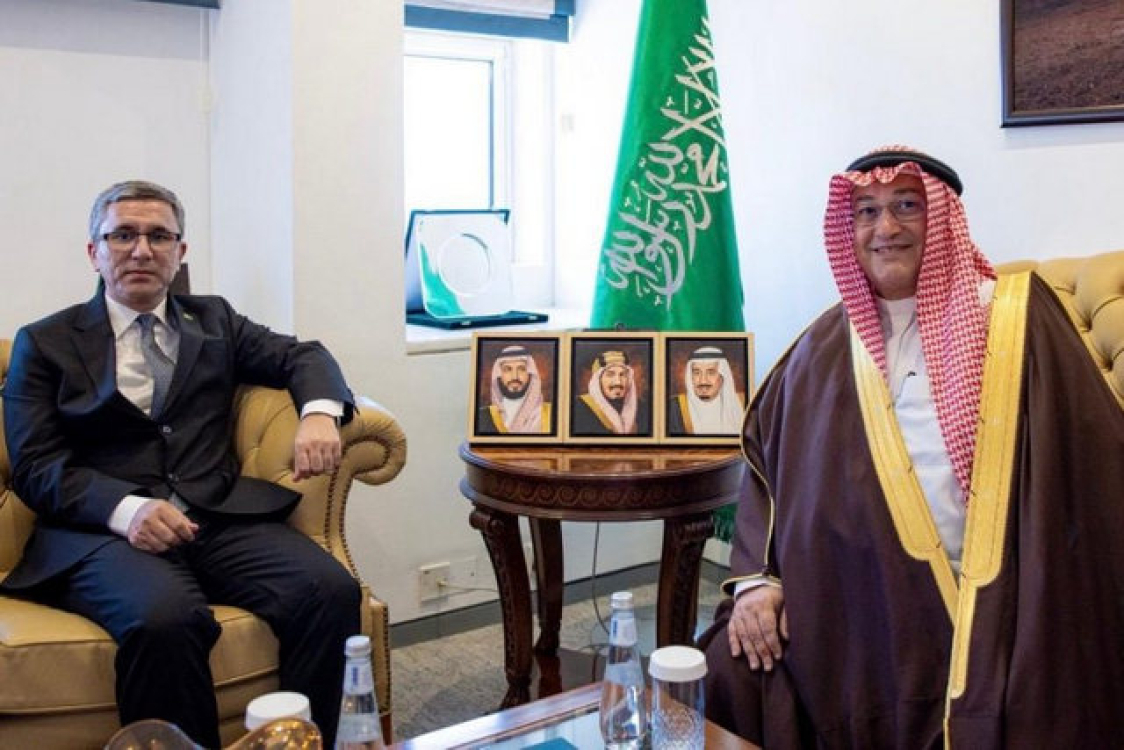
The Turkmenistan Ambassador held a meeting with the Deputy Foreign Affairs Minister of Saudi Arabia
02.09.2026On 31 August 2026, Muhammetgeldi Ayazov, Ambassador Extraordinary and Plenipotentiary of Turkmenistan to the Kingdom of Saudi Arabia, met with Dr Raed bin Khaled Qarmali, Deputy Foreign Affairs Minister of the Kingdom of Saudi Arabia for Public Diplomacy. This was reported by the press office of the Turkmen diplomatic mission. The parties discussed the further strengthening of political, cultural, scientific, educational and humanitarian ties. The Ambassador of Turkmenistan was briefed on the implementation of the ‘Vision 2030’ programme, aimed at developing the country’s economic and social sectors. Particular attention was paid to cooperation between higher education institutions. M. Ayazov proposed expanding cooperation, including through the signing of a Memorandum of Understanding and other documents. The importance of exchanging experience, training students and organising joint scientific conferences and exhibitions was also highlighted.
Serdar Berdimuhamedov congratulated the President of Vietnam on Independence Day
02.09.2026President of Turkmenistan Serdar Berdimuhamedov has sent his congratulations to the President of the Socialist Republic of Vietnam, To Lam, on the occasion of the national holiday — Independence Day of the Socialist Republic of Vietnam. This was reported by the news agency TDH. The Head of State wished the President of the Socialist Republic of Vietnam good health, happiness and well-being, and the people of Vietnam peace, progress and prosperity.
The President of Turkmenistan highlighted the role of education in the country’s development
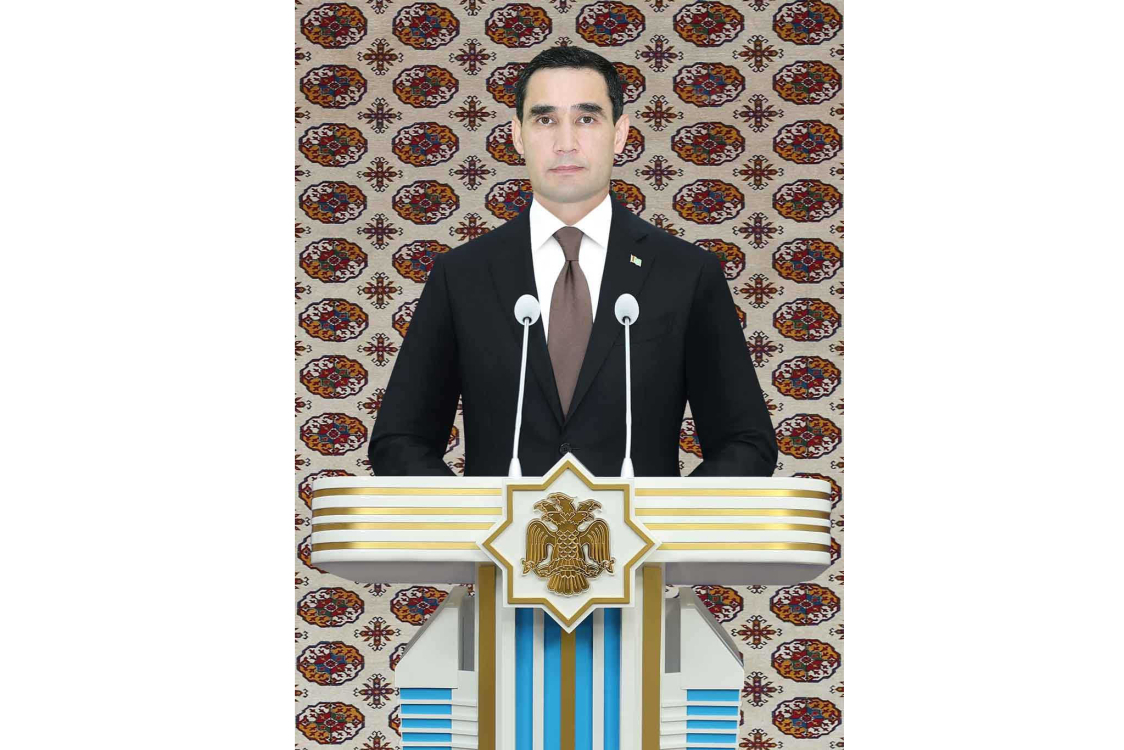
02.09.2026On 1 September, the President of Turkmenistan, Serdar Berdimuhamedov, addressed the opening ceremony for the new building complexes of the Turkmen State Institute of Architecture and Construction and the Seyitnazar Seydi Turkmen State Pedagogical Institute. This was reported by the online news site AsmanNews. The Head of State congratulated his compatriots, professors, lecturers and students on Knowledge Day and on Student Youth Day, as well as on the opening of the new educational complexes. In his address, the President of Turkmenistan noted that the development of science and education is one of the priorities of state policy. Measures are being implemented in the country to modernise the education system, strengthen its material and technical base, introduce scientific advances, train highly qualified specialists and expand international cooperation. On 1 September, new complexes of higher education institutions were opened in Ashgabat and Turkmenabat. According to the Head of State, modern general education and pre-school institutions are simultaneously being commissioned in the country’s regions. First-year schoolchildren are being presented with ‘Bilimli’ computers. The new complex of the Turkmen State Institute of Architecture and Construction has a capacity of 5,000 students. It comprises a 13-storey main building, eight faculties, 28 departments, a library, a conference hall, a hall of residence with 2,600 places, and two residential blocks, each with 40 flats for teaching staff. The complex of the Seyitnazar Seydi Turkmen State Pedagogical Institute in Turkmenabat also has a capacity of 5,000 places. It comprises a five-storey main building, eight faculties, 22 departments, a conference hall, a library, a hall of residence with 2,000 places, as well as facilities for sporting and cultural events. The President of Turkmenistan emphasised that the new campuses will help train qualified specialists for the construction, industrial and educational sectors. Concluding his speech, the Head of State congratulated the students on the start of the new academic year and wished them every success in their studies, and the teaching staff every success in their work.
Read also
Advertising
 Read us in Zen


