


Society
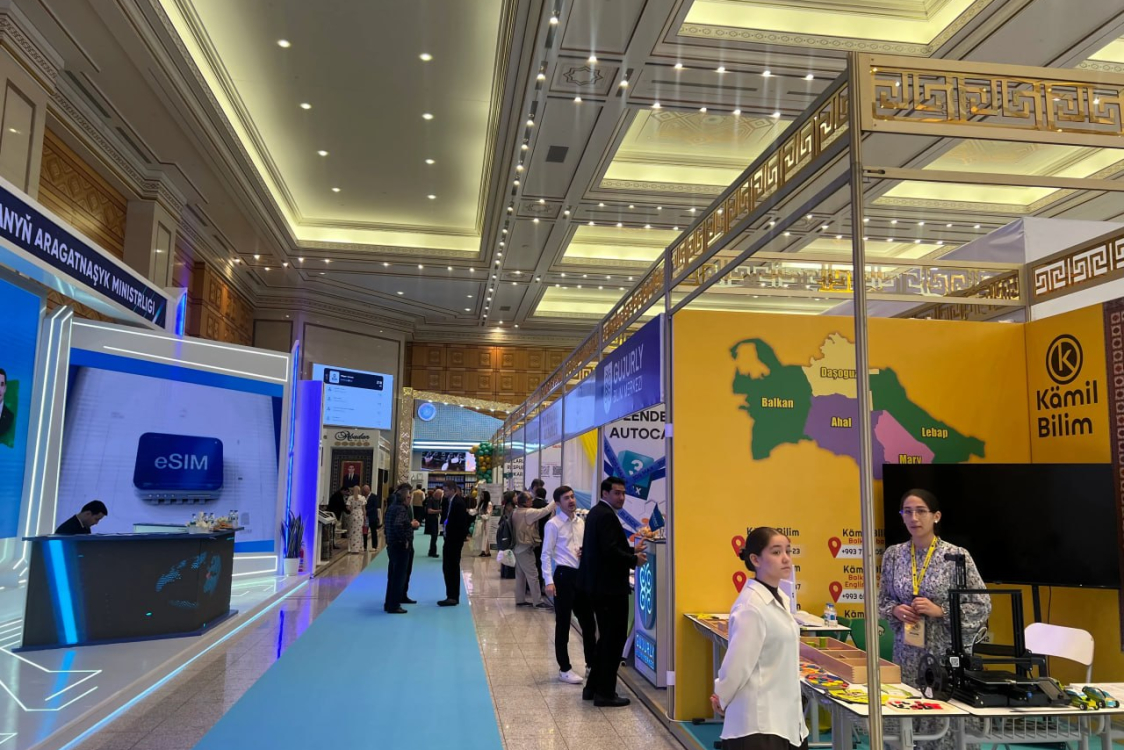
The international exhibition “White City Ashgabat” has begun its work in Turkmenistan
24.05.2026On May 24, the 25th International Exhibition “White City Ashgabat” opened in Ashgabat, dedicated to the 145th anniversary of the capital of Turkmenistan. The event is taking place at the exhibition center of the Chamber of Commerce and Industry and showcases the city’s achievements in urban development and growth, according to the news website Turkmenportal. More than 180 companies from Turkmenistan and other countries are participating in the exhibition, presenting developments in industry, energy, construction, IT, and urban services. Special attention is given to international cooperation: foreign participants are discussing joint projects with local businesses. The forum also includes presentations, business meetings, and B2B negotiations.
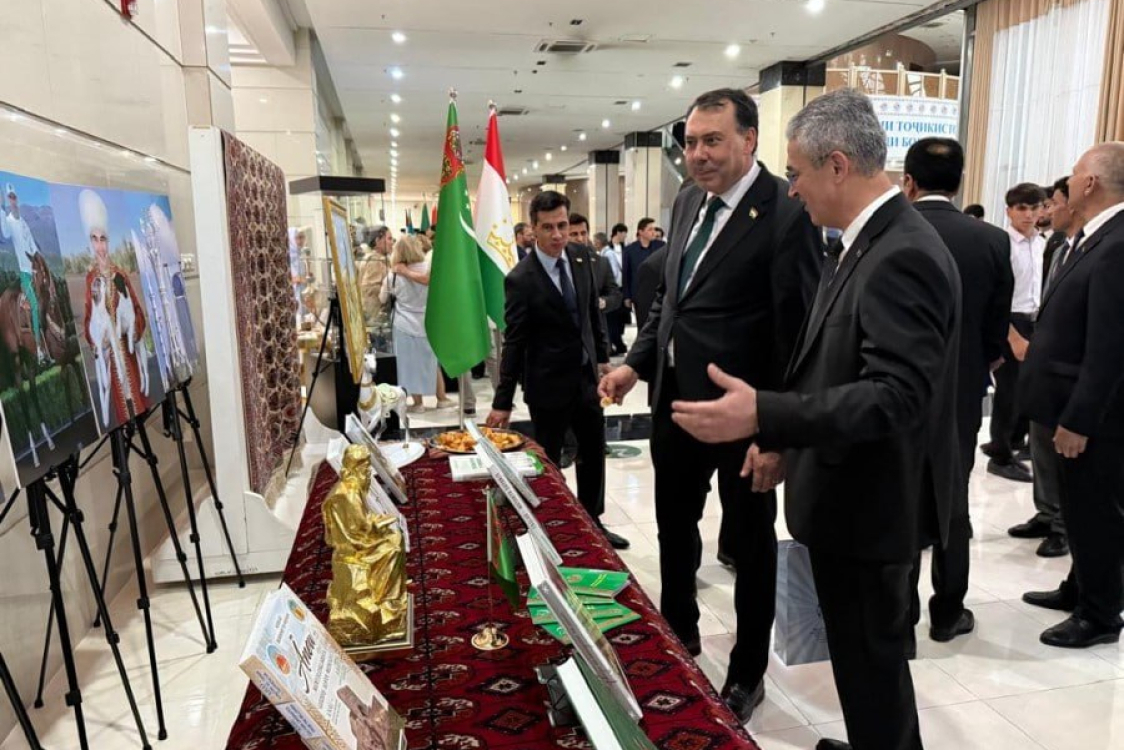
Within the framework of the “Museum Night” event, Turkmenistan exhibition presented in Dushanbe
24.05.2026At the National Museum of Tajikistan, as part of the international “Museum Night” initiative, the Embassy of Turkmenistan organized a thematic exhibition dedicated to Constitution Day and the State Flag Day, as well as the 35th anniversary of the country’s independence. This was reported by the Orient news agency. The exhibition, designed in a national style, introduced visitors to Turkmenistan’s historical and cultural heritage, its modern development, and state transformations. It featured national symbols, carpet products, decorative and applied arts items, as well as photographic materials about life in the country. A separate section was dedicated to the Constitution and the State Flag, the country’s achievements over the years of independence, and international initiatives aimed at strengthening peace and dialogue. Literary publications were also on display, including works by Magtymguly Pyragy in various languages.
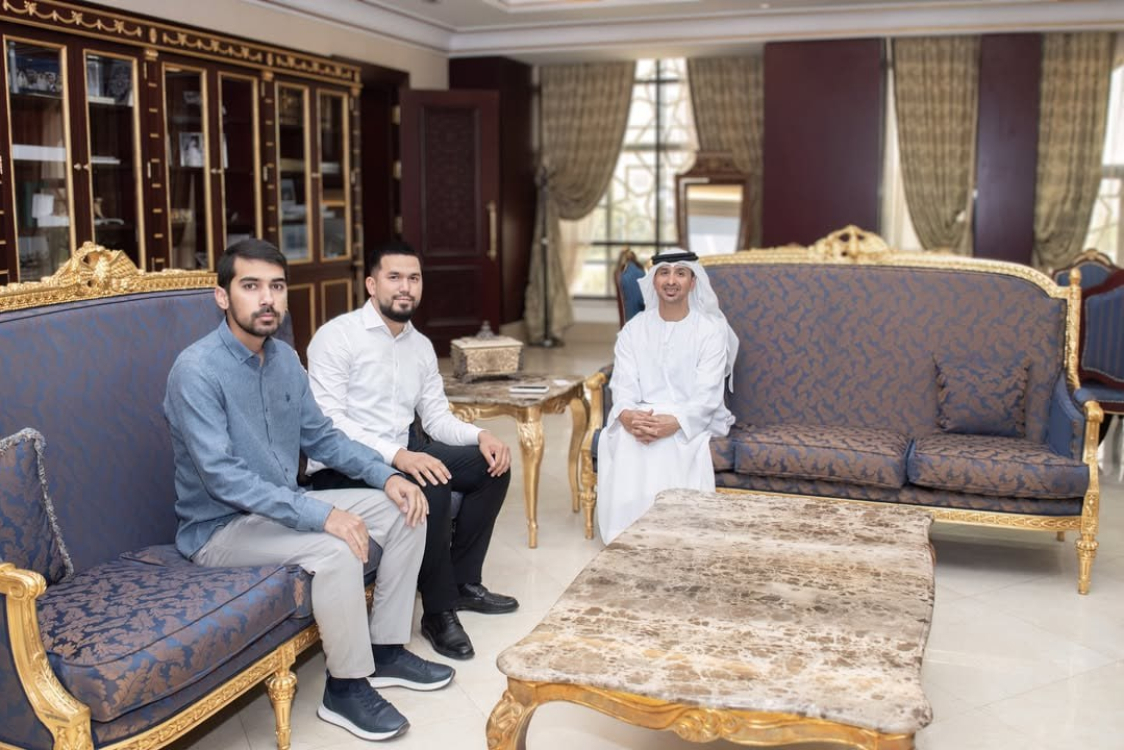
UAE ambassador discussed green energy and IT projects with Turkmen companies
24.05.2026UAE Ambassador to Turkmenistan Ahmed Al-Hameli held meetings with representatives of Turkmen companies operating in the renewable energy and IT sectors. This was reported by the online publication “Business Turkmenistan”. During talks with the management of “Täze energiýa,” the sides discussed prospects for joint green projects and the implementation of modern energy solutions. Separate negotiations were also held with the IT company “Web Ulgam,” focusing on cooperation in the development of digital services and smart applications. “Täze energiýa” has been operating in the market since 2015 and specializes in the installation of solar panels, while “Web Ulgam” provides website and mobile application development services.
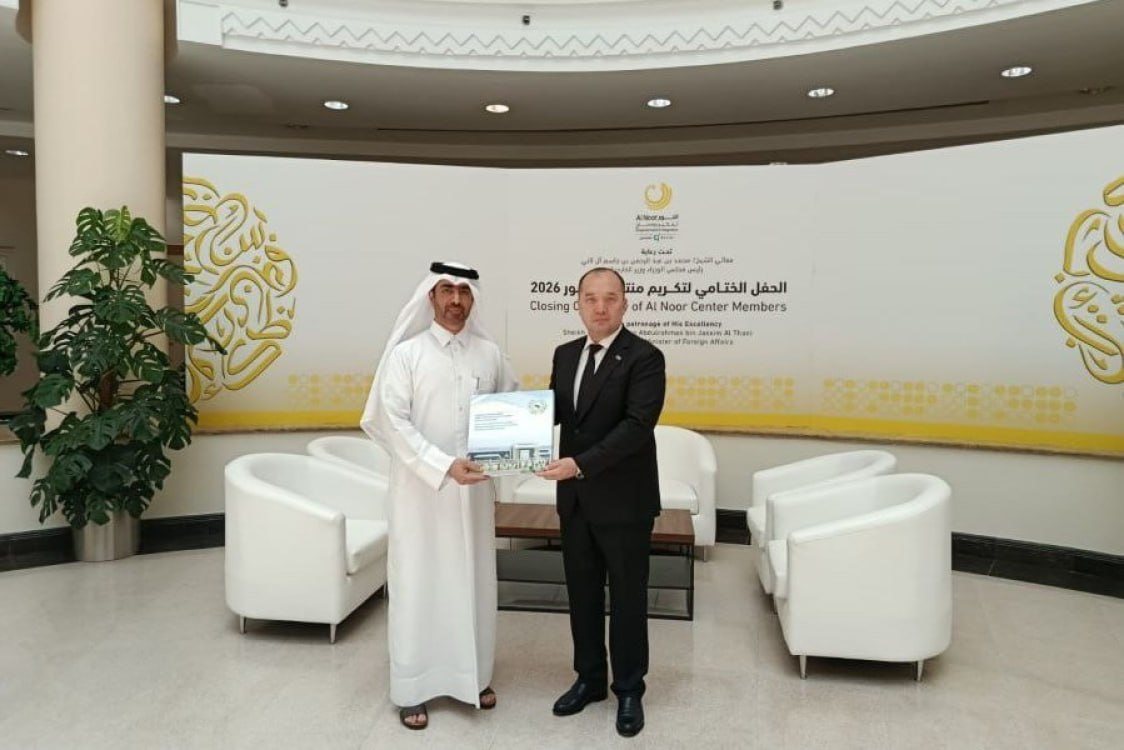
Turkmenistan and Qatar discussed the exchange of experience in rehabilitation
22.05.2026On May 19, the Ambassador Extraordinary and Plenipotentiary of Turkmenistan to Qatar, Muratgeldi Seyitmammedov, held a meeting with the Executive Director of the Qatari Center for the Blind “Al-Noor”, Mishaal bin Abdullah Saqr Al-Nuaimi, according to the Orient news agency. The main focus of the talks was the development of cooperation in the fields of inclusive education, healthcare, and social support. The diplomat spoke about Turkmenistan’s state policy regarding people with visual and hearing impairments, and also presented the activities of the Gurbanguly Berdimuhamedov Charitable Foundation for Assistance to Children in Need of Care, as well as social initiatives dedicated to the 35th anniversary of the country’s independence. The leadership of the “Al-Noor” Center positively assessed Turkmenistan’s efforts in the field of inclusion. The sides discussed prospects for practical cooperation, including the exchange of specialists, joint humanitarian projects, and the introduction of modern rehabilitation methods.
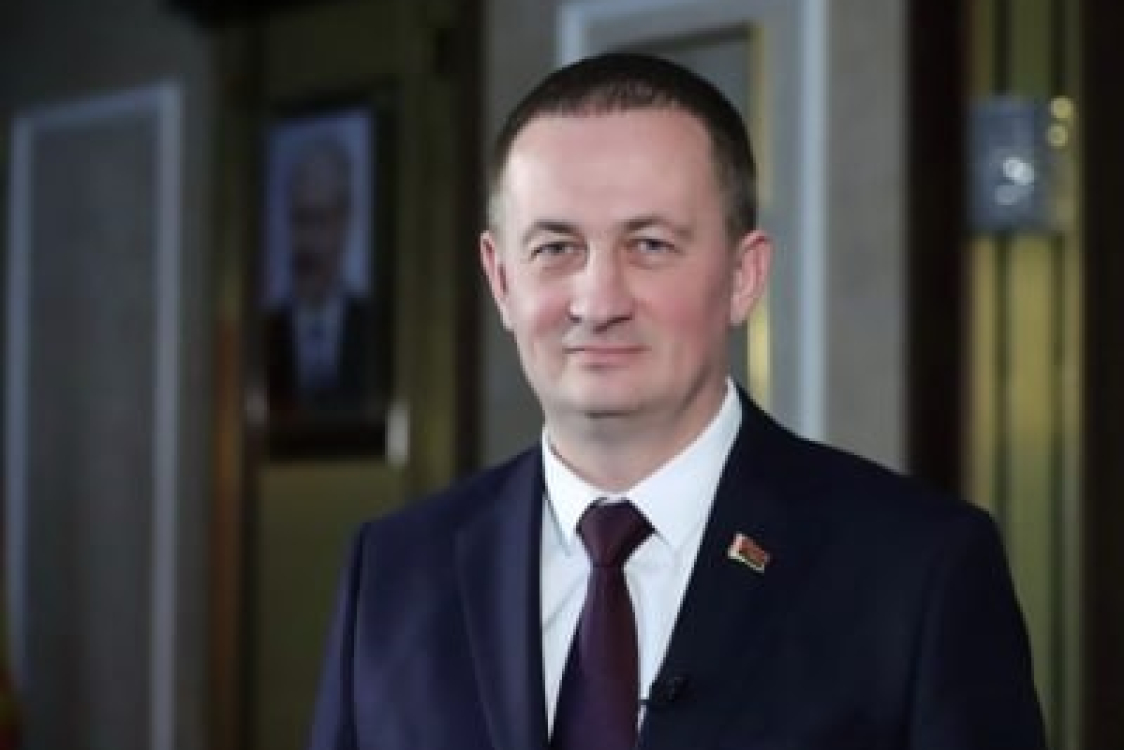
The Prime Minister of Belarus arrived in Turkmenistan to participate in the CIS meeting
22.05.2026On May 21, Prime Minister of Belarus Alexander Turchin arrived on a working visit to Turkmenistan, the press service of the Belarusian government reports. The main purpose of the head of government’s visit is to participate in the meeting of the Council of Heads of Government of the CIS member states, according to the news agency Orient. The upcoming high-level meeting will be held in both narrow and expanded formats. Participants will consider a wide range of issues related to the development of multilateral cooperation within the Commonwealth, after which a package of final documents is expected to be signed. In addition to participation in the plenary sessions, the visit program includes bilateral negotiations. Alexander Turchin will meet with the President of Turkmenistan, Serdar Berdimuhamedow. The sides will discuss prospects for strengthening and expanding Belarus–Turkmenistan cooperation.
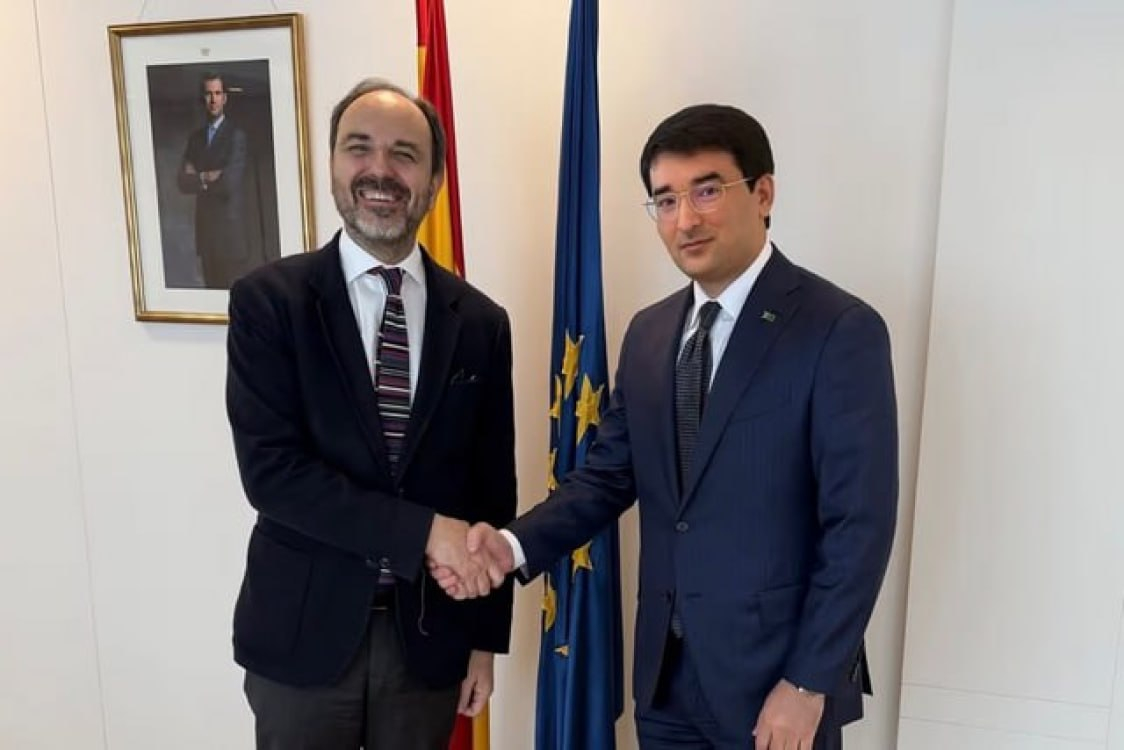
Turkmenistan’s ambassador to the EU holds meeting with Spain’s permanent representative
21.05.2026Turkmenistan’s Ambassador to the European Union, Sapar Palvanov, held a meeting with Spain’s Permanent Representative to the EU, Marcos Alonso. The parties discussed the implementation of the EU–Central Asia cooperation strategy, as well as strengthening interregional ties, according to the IIC. The sides outlined medium-term priorities, including the development of transport corridors, energy cooperation, collaboration in the field of critical raw materials, as well as climate and sustainability projects. A proposal was also made to establish an informal dialogue platform in Brussels for ambassadors of the EU and Central Asian countries to regularly discuss joint initiatives.
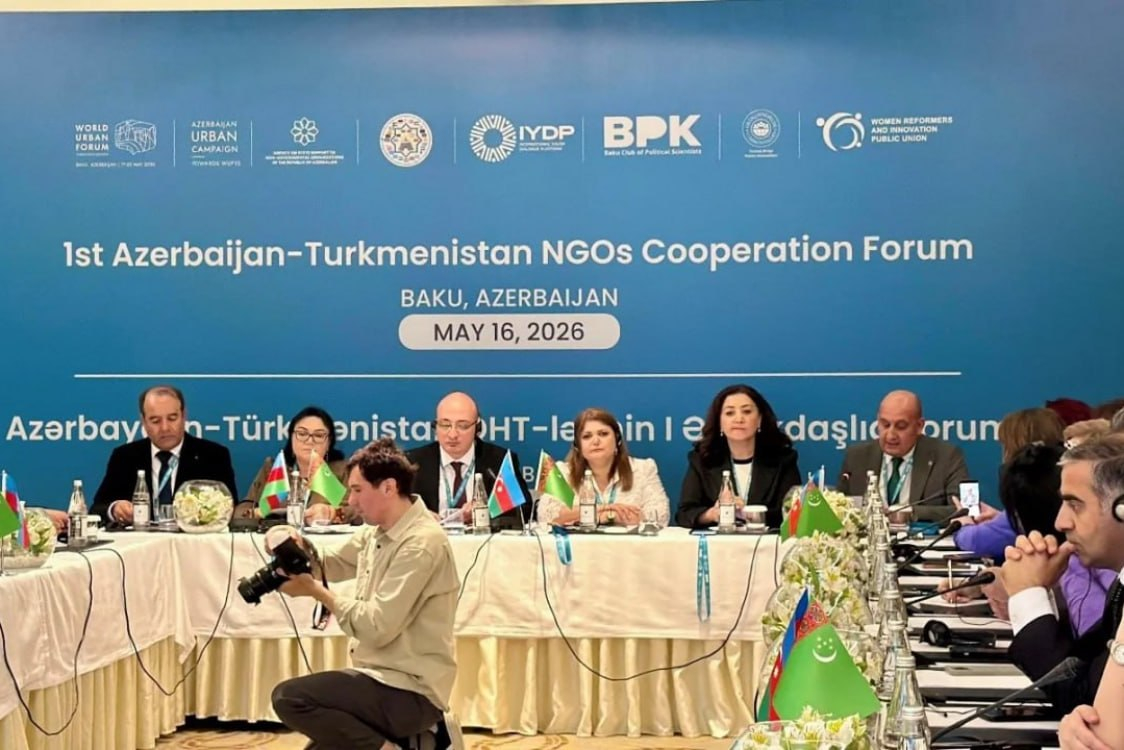
Representatives of Turkmenistan discussed environmental initiatives at the OTS forum
21.05.2026On May 16, the II Forum on Cooperation of NGOs of the Organization of Turkic States (OTS) was held in Baku as part of the “Baku Urban Planning Week.” The event brought together representatives of civil society, environmental organizations, and experts from OTS member countries, according to the news website Turkmenportal. Turkmenistan was represented at the forum by Mergen Kepbanov, Director of the Project Office of the Regional Environmental Centre for Central Asia (CAREC); Orazgul Isgenderova, Assistant at the CAREC Project Office; Berkeli Ataev, Director of the public organization “Tebigi Kuvvat”; and Mubarak Gurbanova, Director of the NGO “Taze Zaman.” During the forum, participants discussed issues related to sustainable development, ecology, urbanization, youth cooperation, and public diplomacy. Special attention was given to the First Azerbaijani-Turkmen Forum on NGO Cooperation, where prospects for joint environmental, educational, and humanitarian projects were considered. The Director of the CAREC Project Office in Turkmenistan emphasized the important role of NGOs in promoting sustainable development initiatives and international cooperation. At the Young NGO Leaders Forum, Orazgul Isgenderova presented the Central Asian Youth for Climate Leadership (CYCL) program implemented by CAREC with the support of the OSCE. At the conclusion of the event, participants confirmed their interest in expanding partnerships and cross-sector cooperation within the Turkic world.
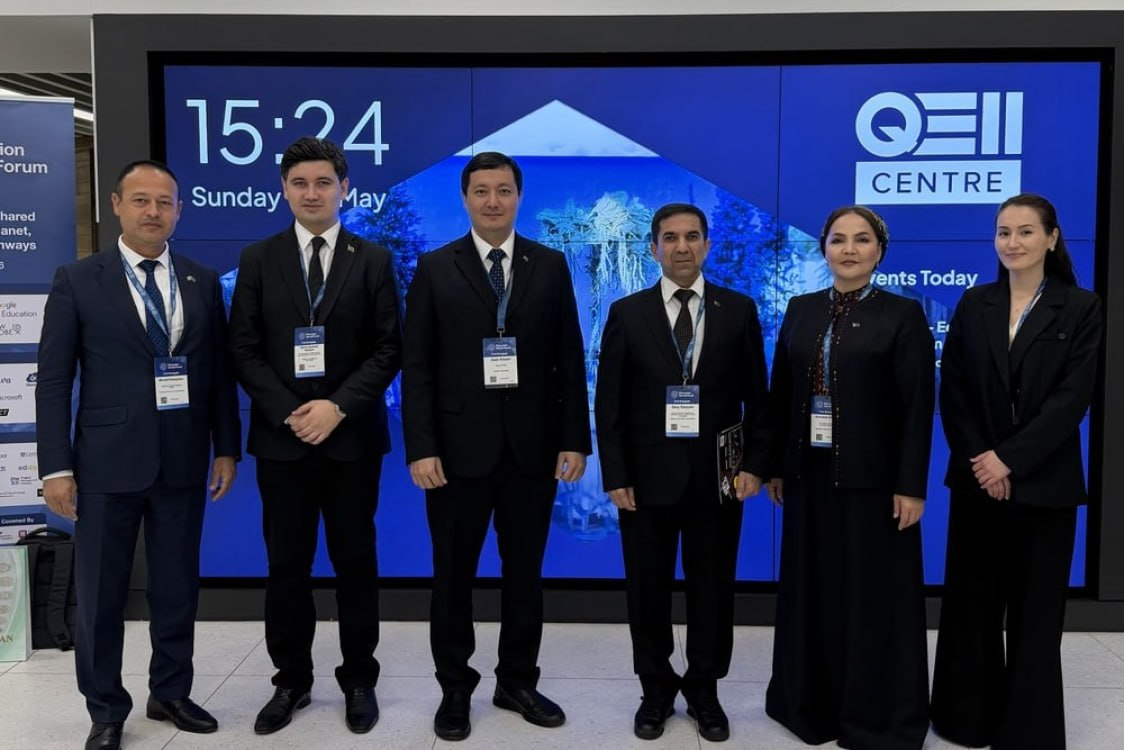
Turkmenistan at the Education World Forum 2026: Digital Development of Education
20.05.2026From 17 to 21 May, a delegation from the Ministry of Education of Turkmenistan, led by Deputy Minister Azat Ataev, is participating in the Education World Forum 2026 in London—one of the key international platforms focused on education policy, digital transformation, and human capital development, according to the press service of the Ministry of Education of Turkmenistan. Within the forum, the Turkmen delegation presented initiatives on climate and environmental education, including the National Climate Plan, the “Green School” project, and cooperation with UNICEF on developing STEM approaches and digital learning tools. The delegation also participated in sessions on the digital transformation of education and held a series of meetings with international organizations and companies, including Classera, ClassLink, Times Higher Education, Pearson, ETS, Project Management Institute, Matific, and British Council. Discussions covered the digitalization of schools and universities, the introduction of AI in education, international certification, development of management KPIs, participation of universities in global rankings, and improving the quality of educational data. Special attention was given to pilot projects in personalized learning, educational data analytics, and digital infrastructure, as well as the development of English language education within the AELLCA program. A meeting was also held with representatives of the British government, discussing prospects for further cooperation between Turkmenistan and the United Kingdom in education. Participation in the forum contributes to strengthening international partnerships, sharing experience, and promoting digital and analytical approaches in the management of Turkmenistan’s education system.
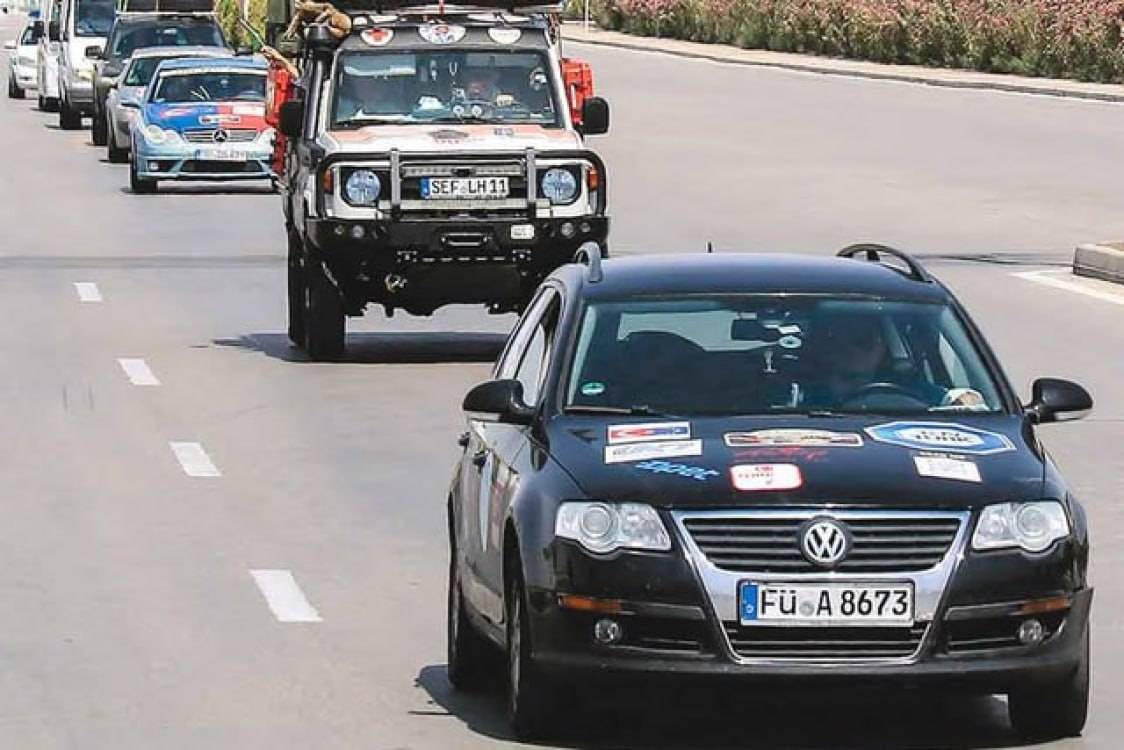
A key stage of the international Silk Way Rally was held in Turkmenistan
20.05.2026The key stage of the international rally “Silk Way: West – East”, which passes through 19 countries, has been completed in Turkmenistan. From 13 to 18 May, participants covered challenging sections of the route — ranging from extreme off-road terrain to modern highways, according to the IIC. The race passed through Turkmenbashi and Ashgabat deep into the Karakum Desert, reaching the gas crater known as Garagum ýalkymy gas crater. Delegations from Germany, Türkiye, Italy, and other countries observed this natural phenomenon at sunset and described it as one of the most impressive highlights of the route. Along the way, participants also saw modern infrastructure and environmental projects in the country, including Altyn Asyr Lake. Organizers and drivers highly praised the level of organization of the stage and the development of motorsport in the region. The final point of the Turkmen section was Dashoguz, where competitors were welcomed and provided with rest. On the morning of 18 May, crews continued their journey to Uzbekistan, heading toward the rally finale in Mongolia.

Turkmenistan explores electricity export via underwater cable in the Caspian Sea
20.05.2026Turkmenistan is studying the possibility of participating in a project to lay a power cable along the seabed of the Caspian Sea for electricity exports. This was stated by Abdulla Dzhelilov, a senior officer of the Department of Foreign Economic Relations and Export of the State Electric Power Corporation “Turkmenenergo” under the Ministry of Energy of Turkmenistan, on the sidelines of the 13th session of the World Urban Forum (WUF13), according to the online publication “Business Turkmenistan”. According to him, construction of a combined-cycle power plant with a capacity of 1,574 MW is ongoing in Turkmenbashi, which in the future could become a base for electricity exports. After the facility is commissioned, the option of supplies via an underwater cable to Azerbaijan is being considered, with further access to external markets. The project could be economically beneficial for all parties, and Azerbaijan is seen as a key transit route for further exports.
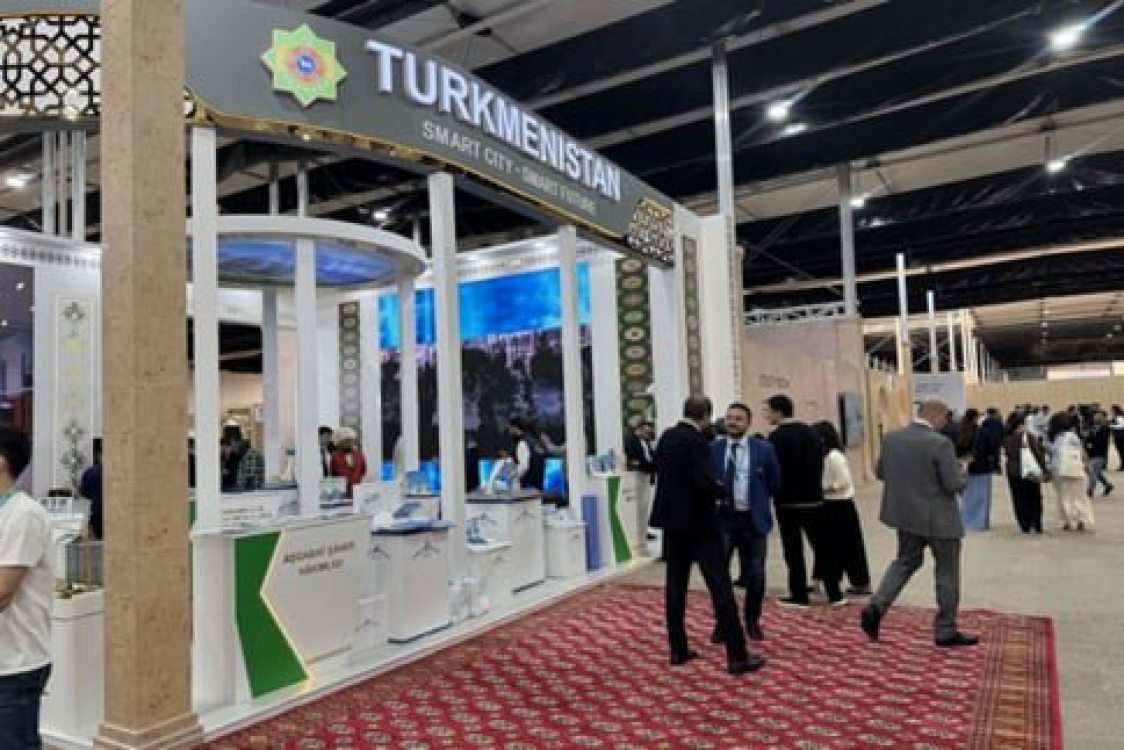
Turkmenistan Presented the City of Arkadag as a “Smart City” Model at WUF13
20.05.2026Chairman of the State Committee for the Construction of the city of Arkadag, Deryageldi Orazov, speaking at the Leaders’ Summit within the framework of the 13th session of the World Urban Forum (WUF13) in Baku, stated that modern urbanization requires the integration of technology, architecture, and environmental solutions. This was reported by the Orient information agency. Orazov congratulated Azerbaijan and UN-Habitat on the opening of the forum, thanked President Ilham Aliyev for the hospitality, and noted that WUF13 opens new opportunities for sustainable urban development. As an example, he presented the city of Arkadag, describing it as a safe, environmentally friendly, and “smart” project that has quickly gained international recognition. Orazov emphasized that the city’s concept was developed at the initiative of the National Leader of the Turkmen people and Chairman of the Halk Maslahaty of Turkmenistan, Gurbanguly Berdimuhamedov, taking into account the region’s natural and climatic conditions, seismic activity, and infrastructure, which helped ensure environmental balance. According to him, the introduction of digital technologies integrated city services into a unified management system and improved the quality of life, making the experience of Arkadag of interest to the international community.
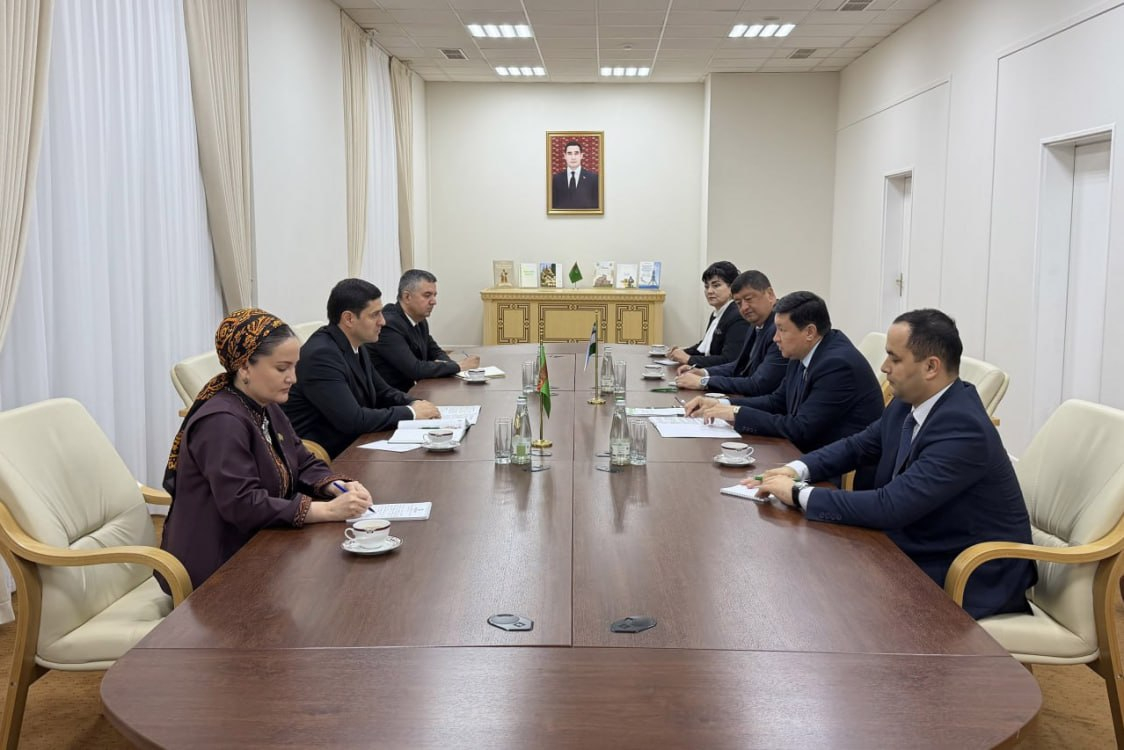
Turkmenistan and Uzbekistan Strengthen Parliamentary Ties
20.05.2026On May 18, a meeting of members of the Turkmen-Uzbek interparliamentary friendship groups was held at the Mejlis of Turkmenistan. During the talks, the parties discussed the current state and prospects of bilateral cooperation, noting that relations are actively developing thanks to the efforts of the leadership of both countries, including in the parliamentary sphere, according to the press service of the Mejlis of Turkmenistan. The Turkmen side presented the main directions of the country’s domestic and foreign policy, based on the principles of neutrality, peace, humanism, and trust, and also spoke about the structure of the Mejlis and its work on the legislative support of reforms. It was emphasized that Turkmen-Uzbek relations, founded on historical closeness and shared spiritual values, are reaching a new level of development. A special role in this process is assigned to interparliamentary dialogue, as well as cooperation between профиль committees and youth and women’s parliamentary groups. The parties also reviewed events organized within the framework of Turkmenistan’s chairmanship in the CIS, including the women’s dialogue and meetings of interparliamentary structures. Following the meeting, the sides expressed confidence in the further strengthening of friendly Turkmen-Uzbek relations and exchanged mutual good wishes.
Read also
Advertising


 Read us in Zen


