


Society
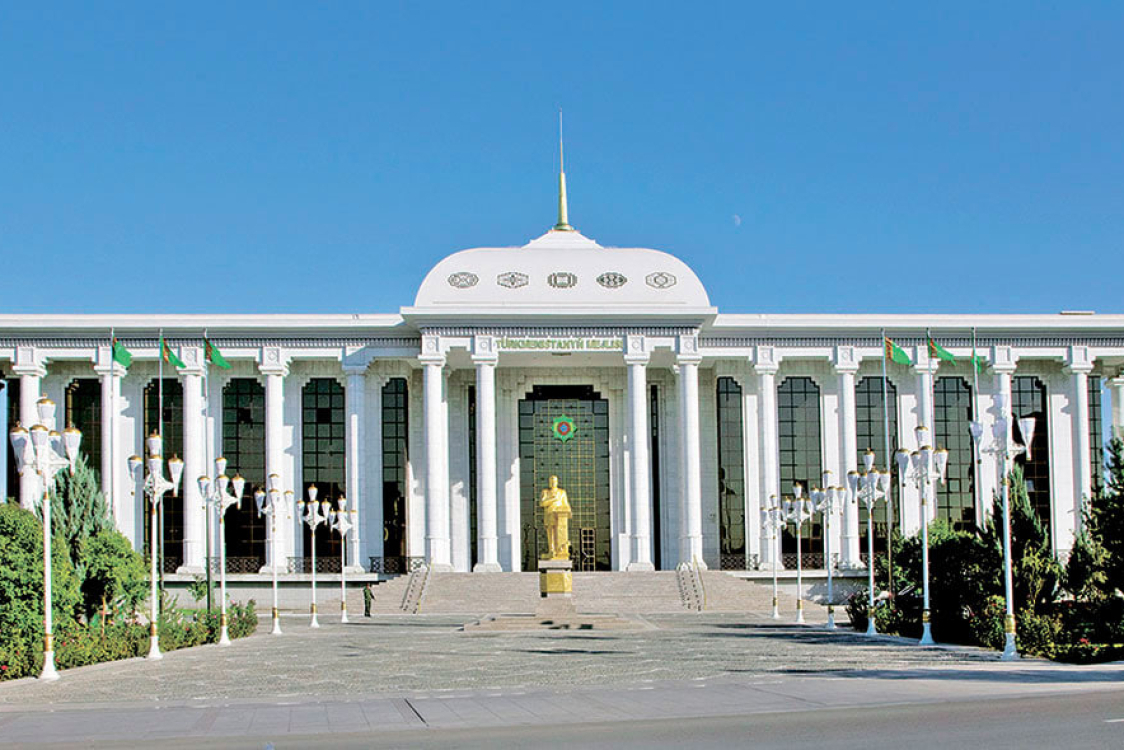
The Mejlis of Turkmenistan passed 7 laws and 12 resolutions between January and July
02.08.2026Between January and July of this year, the Mejlis of Turkmenistan adopted 7 laws and 12 resolutions. This was announced by the Chairwoman of the Mejlis, D. Gulmanova, at a meeting of the Cabinet of Ministers of Turkmenistan on 1 August, according to the news agency TDH. Among the documents adopted is the Law of Turkmenistan ‘On the Establishment of the Commemorative Medal of Turkmenistan ‘Türkmenistanyň Garaşsyzlygynyň 35 ýyllygyna bagyşlanyp geçirilen dabaraly harby ýörişe gatnaşyja’ (To Participants in the Ceremonial Military Parade Marking the 35th Anniversary of Turkmenistan’s Independence). D. Gulmanova noted that during the reporting period, amendments and additions had also been made to existing legislation in the areas of the protection of citizens’ rights, industrial safety, accounting and financial reporting, the licensing of certain types of activities, road transport, environmental protection, the conservation of aquatic biological resources and migration policy. As part of the preparations for the session of the Halk Maslahaty of Turkmenistan, the Mejlis is working in collaboration with the Office of the President of Turkmenistan, the Office of the Halk Maslahaty, the Cabinet of Ministers, the administrations of the cities of Ashgabat and Arkadag, and the velayats. Over the past seven months, the Mejlis has accepted seven letters of credence from Ambassadors Extraordinary and Plenipotentiary of foreign countries. It has also held 25 meetings with representatives of foreign parliaments, diplomatic missions and international organisations. Members of the Mejlis and its specialists took part in 82 seminars organised jointly with ministries, departments and international organisations, and undertook 16 overseas trips to exchange experience in the field of legislation. Having heard the report, the President of Turkmenistan, Serdar Berdimuhamedov, emphasised the importance of further strengthening the country’s legal framework and improving the legislative process in line with modern requirements.
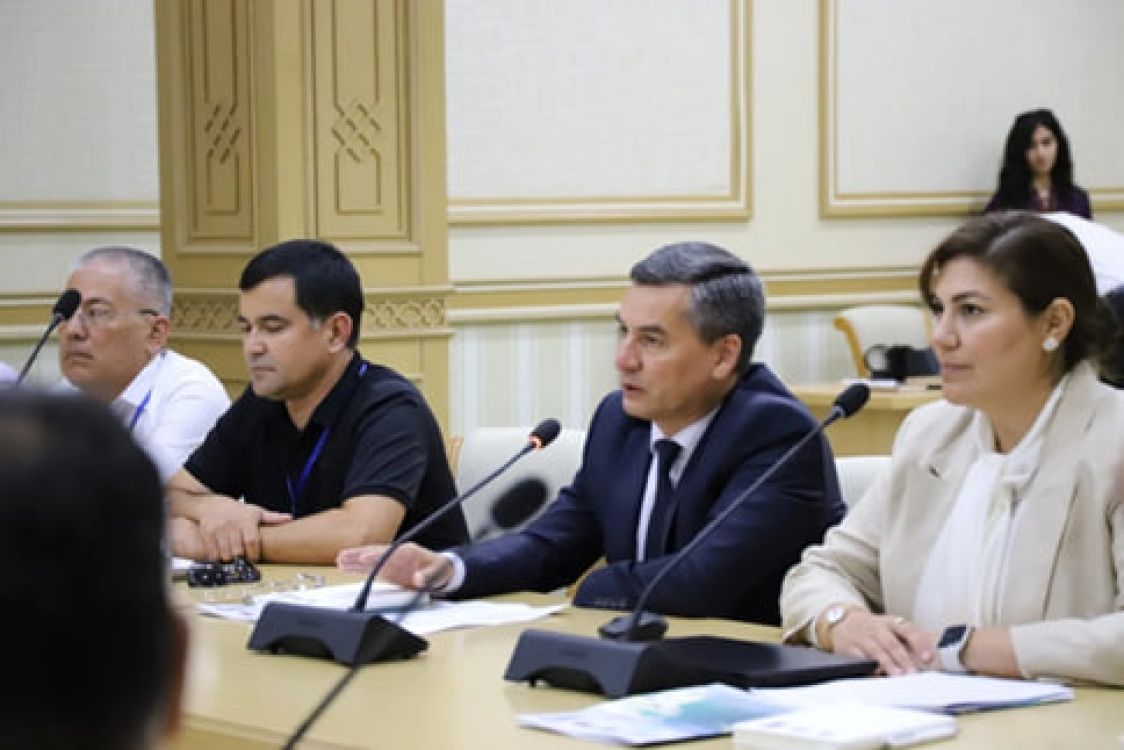
Ashgabat discussed measures to protect the Caspian Sea from plastic waste
02.08.2026A round-table discussion was held in Ashgabat on preventing pollution of the Caspian Sea by waste, including plastic litter. This was reported by the IIC of Turkmenistan. The event was organised by the Ministry of Environmental Protection of Turkmenistan, UNDP, UNEP and the Secretariat of the Tehran Convention as part of a regional project to combat marine litter and plastic in the Caspian Sea. The project is funded by the Russian Federation. Participants discussed improving the national waste management system, developing modern environmental standards and enhancing data collection and monitoring methods. Particular attention was paid to the creation of a waste monitoring programme. This will enable the identification of the main sources of pollution and the assessment of the effectiveness of environmental protection measures. The initiative also aims to reduce land-based waste inputs into the Caspian Sea, develop regional cooperation and implement the principles of a circular economy.
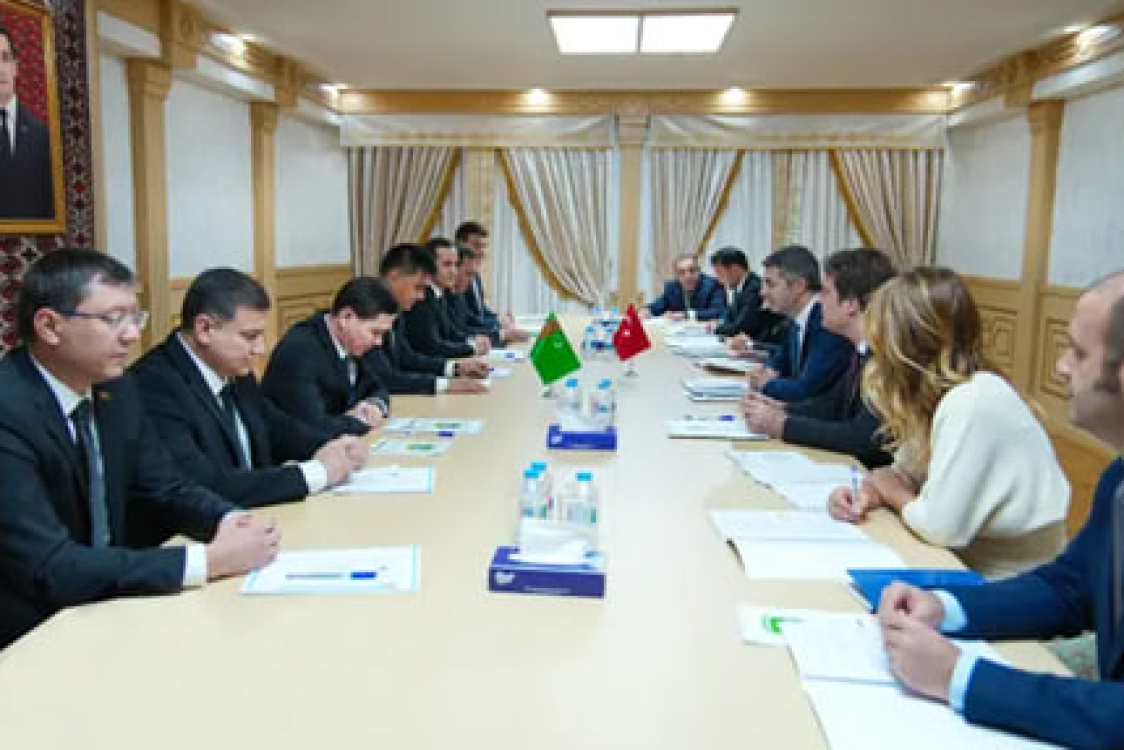
Turkmenistan and Turkey are expanding their cooperation in the field of migration
01.08.2026On 29 July, a working meeting was held at the State Migration Service of Turkmenistan with representatives of the Migration Directorate of the Ministry of the Interior of the Republic of Turkey. This was reported by AsmanNews. The parties discussed the current state of affairs and prospects for cooperation between Turkmenistan and Turkey in the field of migration. The participants considered possible areas for joint work and emphasised the importance of regular contacts between the relevant authorities. Particular attention was paid to cooperation between the two countries within the framework of international organisations. Following the meeting, the parties confirmed their readiness to continue mutually beneficial cooperation and to strengthen their partnership ties.
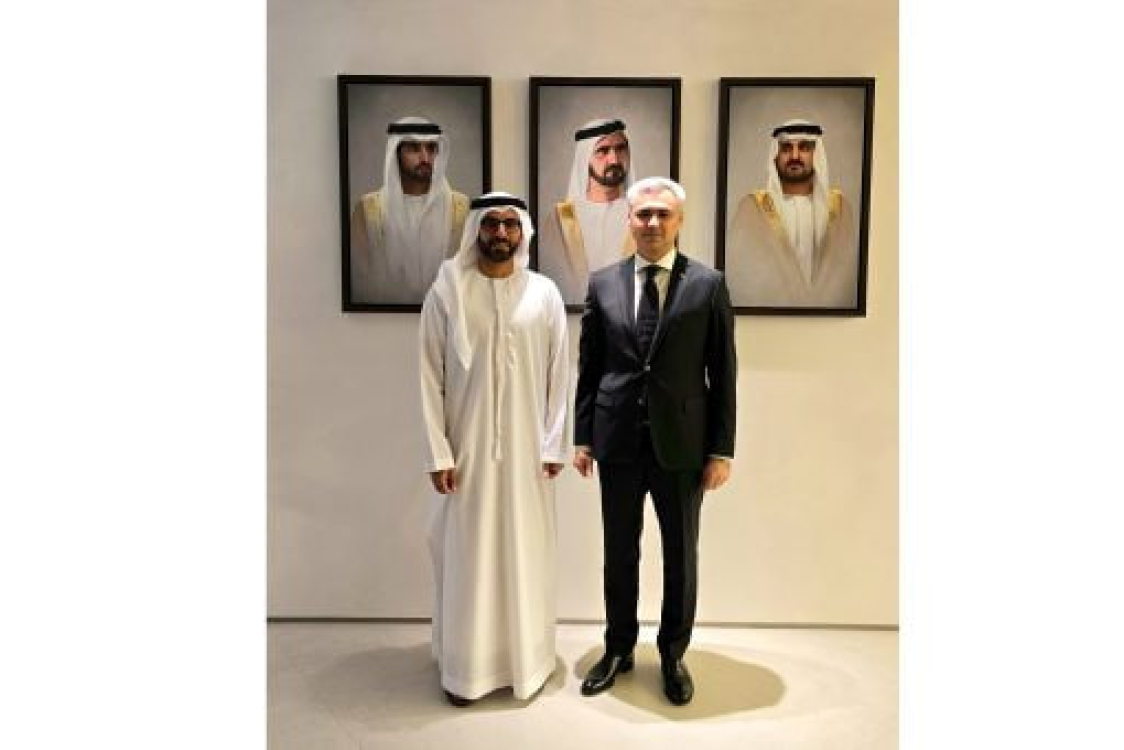
Turkmenistan and the UAE discussed ways to develop cooperation in the field of public administration
01.08.2026On 30 July 2026, Bayram Bayramov, Ambassador of Turkmenistan to the United Arab Emirates, held a meeting with Mohamed AlSharhan, Managing Director of the World Governments Summit Organisation. This was reported by the press office of the Turkmen diplomatic mission. The parties discussed the outcomes of the 2026 World Governments Summit, the participation of the Turkmen delegation in the event, and initiatives put forward by the Turkmen side that have been endorsed by the United Nations General Assembly. During the negotiations, the prospects for expanding cooperation in the areas of neutrality, sustainable development, transport and connectivity were examined. Particular attention was paid to the implementation of the 2023 Memorandum of Understanding on the exchange of expertise in the field of public administration, as well as the participation of Turkmen specialists in UAE programmes on artificial intelligence and cybersecurity.
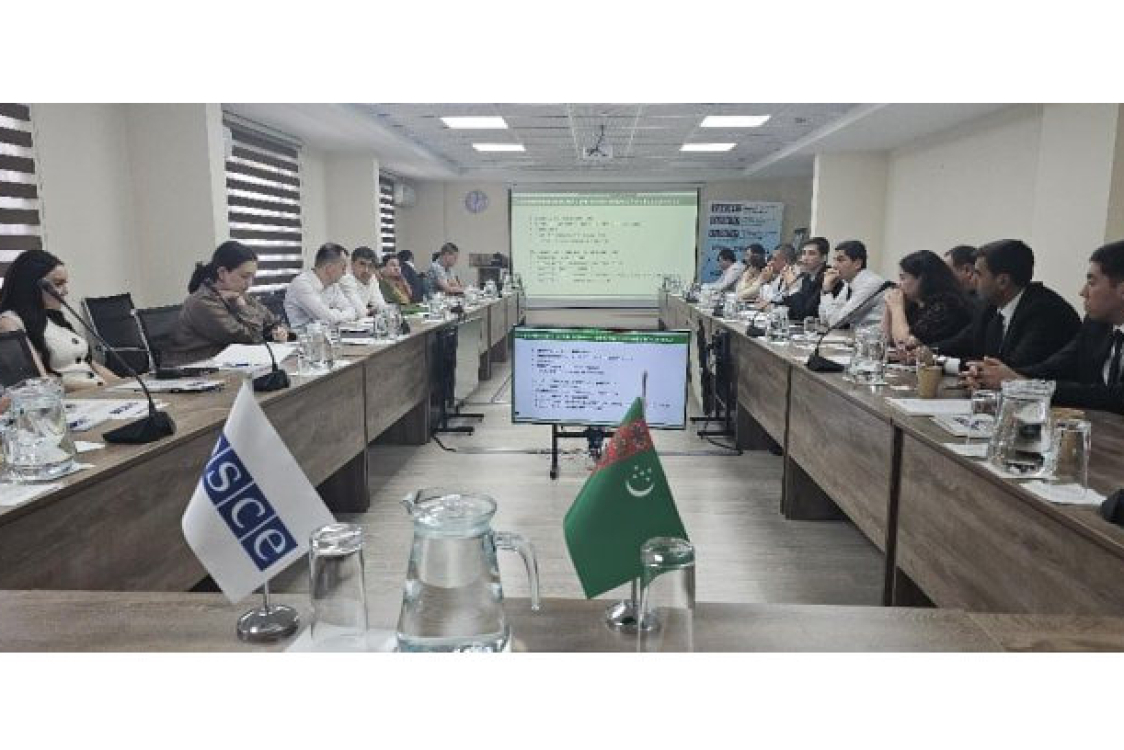
The OSCE held a seminar on sustainable transport infrastructure in Ashgabat
01.08.2026An OSCE seminar on the development of sustainable transport infrastructure capable of withstanding natural disasters and the effects of climate change took place in Ashgabat on 29–30 July. This was reported by the online news site AsmanNews. The event was organised by the OSCE Centre in Ashgabat to share international expertise in the field of safe and sustainable transport development, as well as to strengthen regional economic integration. During the seminar, an international expert presented approaches to transport infrastructure planning and examined its role in ensuring safety, developing trade links and fostering sustainable economic growth. Participants discussed engineering solutions for adapting to climate change and measures to mitigate the risks of natural disasters in the Central Asian context. ‘Investment in sustainable and reliable transport infrastructure contributes to sustainable economic development, promotes trade and strengthens transport connectivity,’ noted Rune Kastberg, Acting Head of the OSCE Centre in Ashgabat. The event also addressed issues relating to public governance of the transport sector, the financing of infrastructure projects, digital transformation, innovation and the development of international transport corridors within the context of the UN Decade of Sustainable Transport (2026–2035). A separate session was devoted to investments in enhancing the resilience of transport infrastructure, as well as economic mechanisms for emergency preparedness and recovery. The seminar was attended by representatives of the Mejlis of Turkmenistan, the Ministries of Foreign Affairs, Finance and Economy, Construction and Architecture, Road Transport, Rail Transport and Defence, the State Agency ‘Türkmenhowaýollary’, higher education institutions, the Union of Industrialists and Entrepreneurs of Turkmenistan, and the transport and logistics sector.
The Japanese Embassy in Ashgabat has launched a grant project competition
01.08.2026The Japanese Embassy in Ashgabat has announced that it is now accepting applications for the competitive selection process for grant projects under the Fund in Commemoration of the 1970 World Expo (JEC Fund). This was reported by IIC of Turkmenistan. Applications will be accepted from 1 to 30 September 2026. The programme’s budget for the 2027 financial year will be approximately 135 million yen, with a maximum grant of up to 5 million yen per project. National governments, local authorities and non-governmental organisations are eligible to participate in the competition. Private individuals and commercial entities are not eligible to participate. Support is provided to projects in the fields of international cultural cooperation, education, academic activities and scientific research, aimed at fostering mutual understanding between countries. The JEC Fund was established using proceeds from the 1970 Osaka World Expo and supports initiatives in the fields of cultural exchange and scientific partnership.
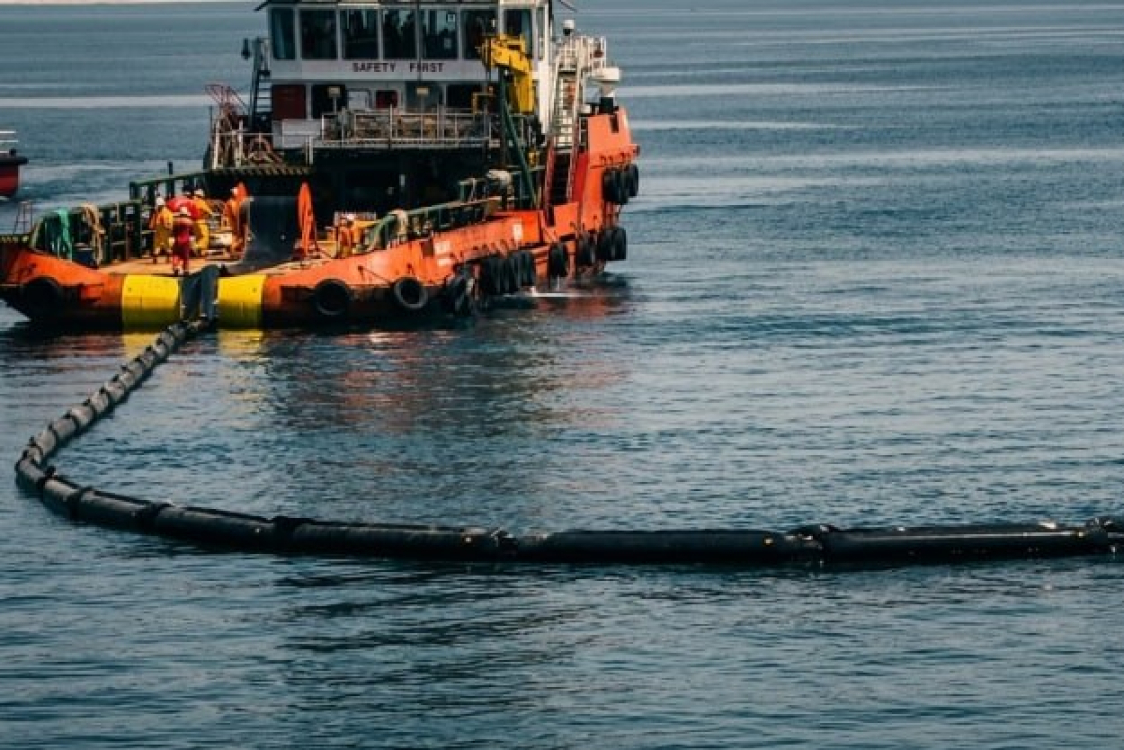
Turkmenistan has conducted naval exercises to prevent environmental emergencies in the Caspian Sea
01.08.2026The State Service for Maritime and River Transport of Turkmenistan has conducted comprehensive emergency response exercises in the Turkmen sector of the Caspian Sea. This was reported by the news agency Orient. According to the scenario, a simulated oil spill occurred on the ‘Zhdanov-A’ platform, following which the emergency services promptly organised a response. During the exercises, specialists carried out environmental surveys, assessed the extent of the pollution and took water samples. Rescue units deployed oil booms, contained and cleared up the simulated spill. Following the manoeuvres, the actions of all services were deemed successful, and their readiness to respond was rated as ‘Ready’.
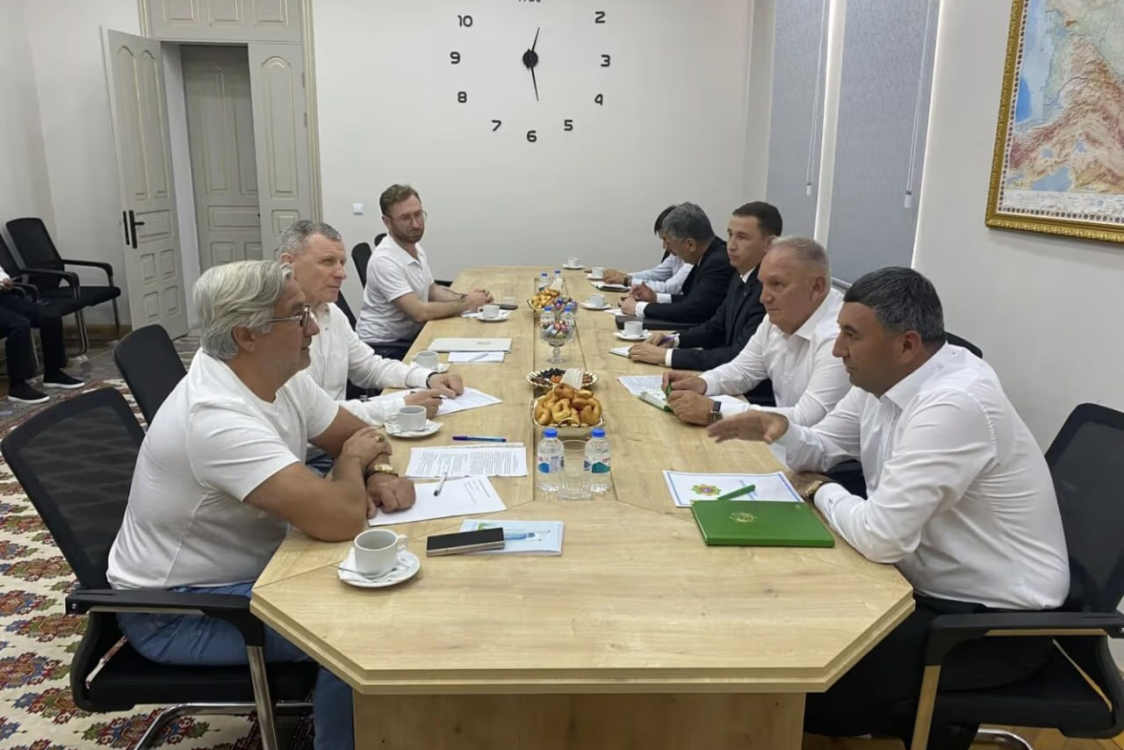
Preparations for the final of the ‘Tatar Kyzy’ competition were discussed in Turkmenbashi
01.08.2026The delegation from Tatarstan is continuing its working visit to Turkmenbashi. Vasil Shaikhraziyev, Deputy Prime Minister of Tatarstan and Chairman of the National Council of the World Tatar Congress, met with Nyyazjan Nyyazjanov, the governor of the city. This was reported by IIC of Turkmenistan. The main topic of the negotiations was the preparations for the final of the ‘Tatar Kyzy’ International Competition, which will take place in the ‘Awaza’ National Tourist Zone. The parties discussed organisational matters, and the Head of Turkmenbashi confirmed his readiness to provide comprehensive support for the event.
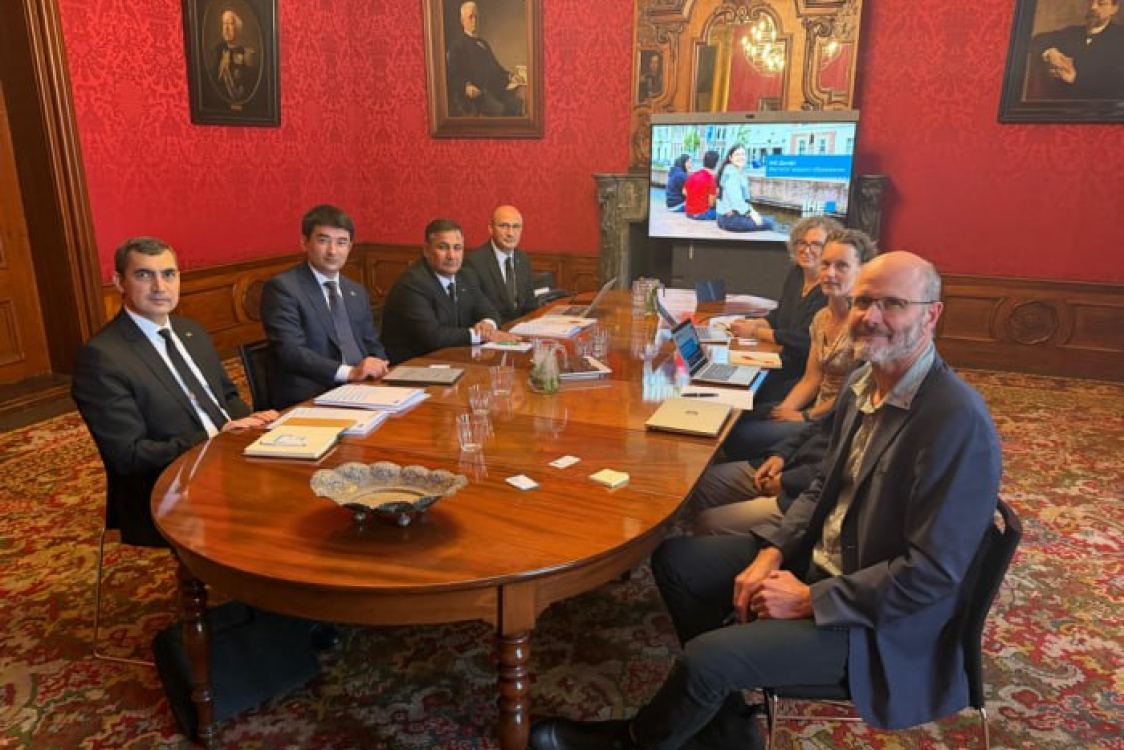
A delegation from Turkmenistan discussed joint projects with its Dutch partners
31.07.2026During a visit to the Netherlands, a delegation from Turkmenistan, led by Tanryguly Atahallyev, Deputy Chairman of the Cabinet of Ministers, held meetings with representatives of ‘Royal IHC’, ‘Damen Shipyards Group’ and the international water education institute ‘IHE Delft’. This was reported by the online publication ‘Business Turkmenistan’. The parties discussed prospects for cooperation in the fields of water resource management, shipbuilding, maritime infrastructure and professional training, according to the Embassy of Turkmenistan in Belgium. During the talks, the Turkmen delegation also presented preparations for the World Equestrian Games and the Ahal-Teke Horse Beauty Contest, which are due to take place in September 2026 in the Dutch province of Limburg, and invited company representatives to take part in the events. In addition, the possibility of holding a Turkmen-Dutch business forum was discussed.
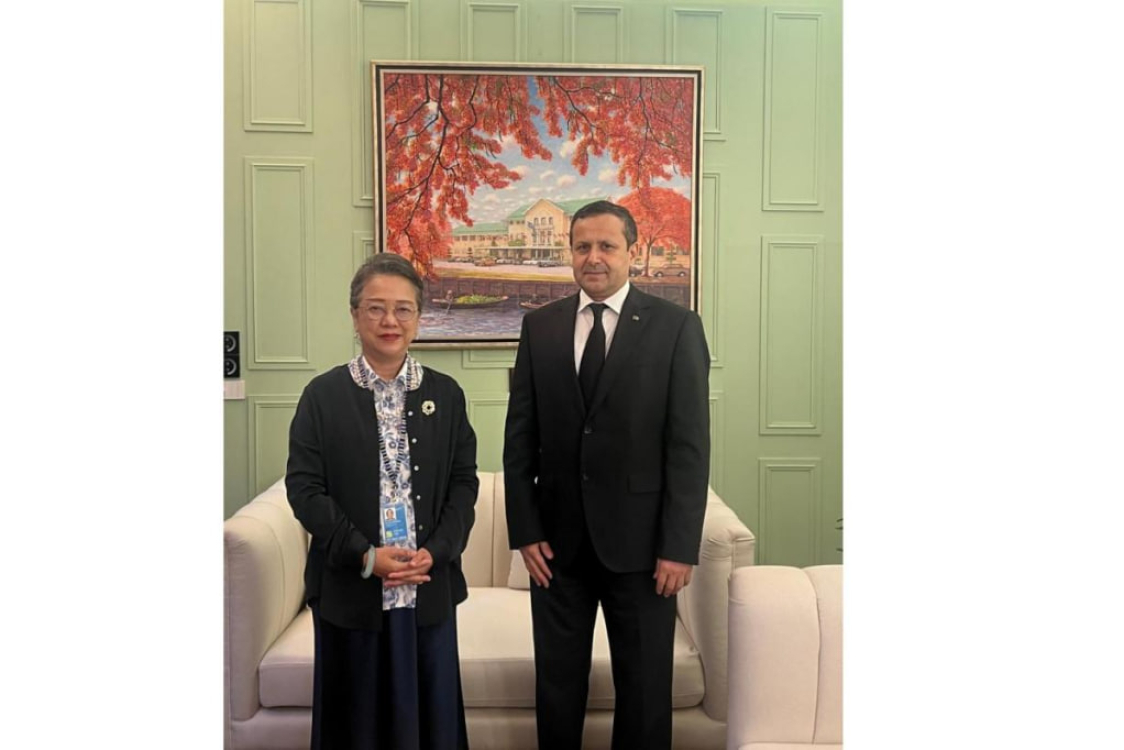
The Ambassador of Turkmenistan held a meeting with the Executive Secretary of UNESCAP
31.07.2026On 30 July 2026, as part of an official visit to the Kingdom of Thailand, M. Mashalov, Ambassador Extraordinary and Plenipotentiary of Turkmenistan to Malaysia, met with Armida Salsiah Alisjahbana, Deputy Secretary-General of the United Nations and Executive Secretary of UNESCAP. This was reported by the news agency ‘Turkmenistan: Golden age’. The parties discussed issues relating to cooperation between Turkmenistan and ESCAP in the fields of sustainable development, economic cooperation, adaptation to climate change and combating desertification. Particular attention was paid to the initiative of the President of Turkmenistan to establish a Regional Centre for Combating Desertification for the countries of Central Asia in Ashgabat. They also discussed the participation of the Turkmen delegation in COP17 in Mongolia in August 2026 and the 83rd session of ESCAP, which will take place in April 2027 in Shanghai.
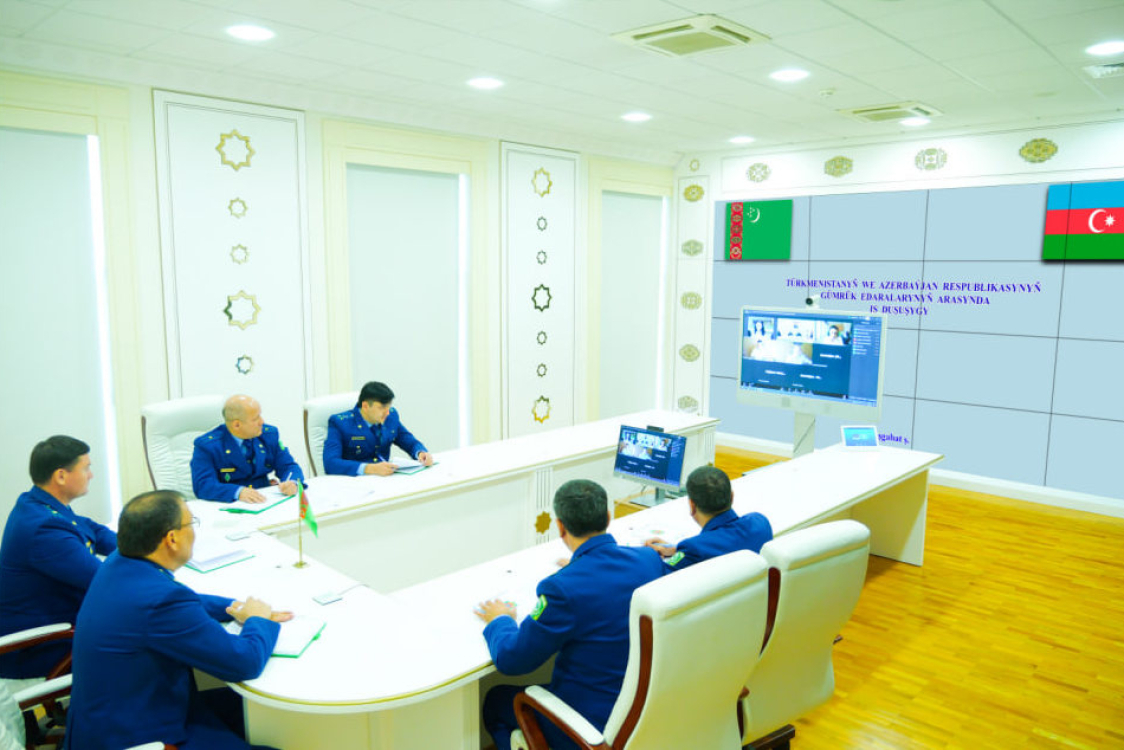
The customs authorities of Turkmenistan and Azerbaijan are strengthening their cooperation
31.07.2026On 30 July 2026, a videoconference took place between representatives of the State Customs Service of Turkmenistan and the State Customs Committee of the Republic of Azerbaijan. This was reported by the press office of the State Customs Service of Turkmenistan. The parties discussed the application of preferential treatment during customs clearance of imported goods under the Agreement on the Organisation of the Exchange of Advance Information. During the meeting, issues relating to electronic data exchange, the improvement of customs procedures and the acceleration of trade flows were considered. The event followed on from the agreements reached in June 2026 during an official visit, when the text of the Agreement and the Protocol on Cooperation were finalised and signed. The participants reaffirmed their readiness for further cooperation and the implementation of joint initiatives in the field of customs administration.
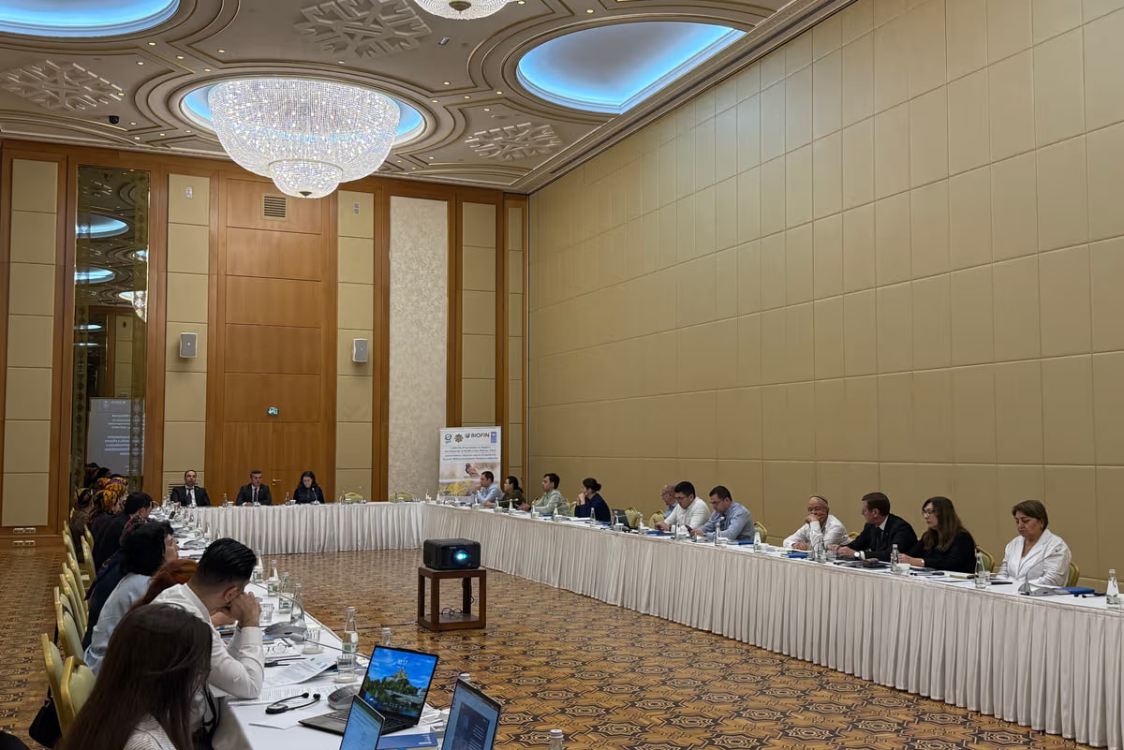
A UNDP seminar in Ashgabat focused on the financing of environmental projects
31.07.2026On 30 July, a consultative workshop was held in Ashgabat as part of the UNDP project ‘Umbrella Programme to Support Development of Biodiversity Finance Plans’, funded by the Global Environment Facility (GEF) and implemented in partnership with the Ministry of Environmental Protection of Turkmenistan. This was reported by the IIC of Turkmenistan. Participants discussed the findings of the Policy and Institutional Review (PIR) on biodiversity financing and the preliminary results of the Biodiversity Expenditure Review (BER) in Turkmenistan. The project applies the methodology of the Biodiversity Finance Initiative (BIOFIN), which aims to assess funding needs, analyse current expenditure and identify opportunities to mobilise additional resources for the conservation of natural ecosystems. The workshop addressed issues relating to public and private investment in biodiversity conservation, the state of the regulatory framework, and a preliminary assessment of expenditure in this area. Participants’ suggestions will be taken into account when preparing further analytical materials. The findings will form the basis for developing a National Biodiversity Finance Plan and determining the resources required to achieve national targets in this area. The project also aims to improve environmental governance and enhance the effectiveness of investments in the conservation of natural capital. According to Farhat Orunov, programme analyst for the UNDP’s environmental portfolio in Turkmenistan, the materials submitted will help to provide a deeper understanding of current expenditure on biodiversity conservation and the existing public policy mechanisms in this area.
Read also

Advertising


 Read us in Zen


